 Get app
 Photo: garethwiscombe, Wikimedia Commons, CC BY 2.0.
Step back in time to Wiltshire, England, and test your knowledge on one of the world's most famous prehistoric monuments. Discover the history, myths, and pop culture surrounding Stonehenge!
Stone Age Beginner 0–4 · Stargazer 5–8 · Master of the Megaliths 9–10
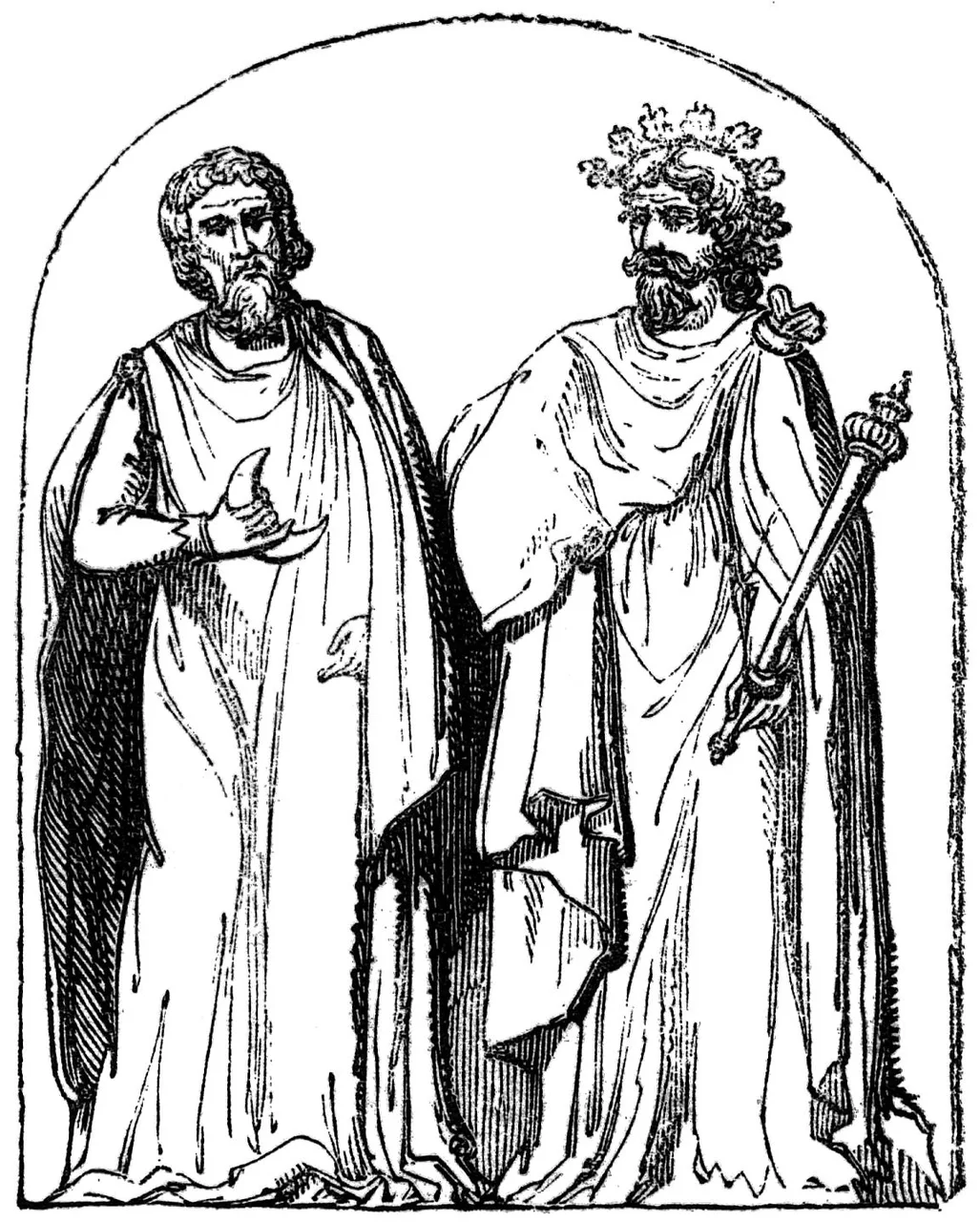

Tap the right answer
While modern Druids still gather at Stonehenge for solstices, the historical Druids did not build it. Stonehenge was completed over a thousand years before the Celtic Druid culture emerged in Britain, a myth popularized by 17th-century antiquarians.
Photo: Bernard de Montfaucon, Wikimedia Commons, Public domain.
Tap the right answer
In the comedy "This Is Spinal Tap", a design mix-up on a napkin leads to an 18-inch high Stonehenge replica being delivered for their stage show instead of an 18-foot one. The band is forced to perform around a tiny prop trodden on by a dwarf.
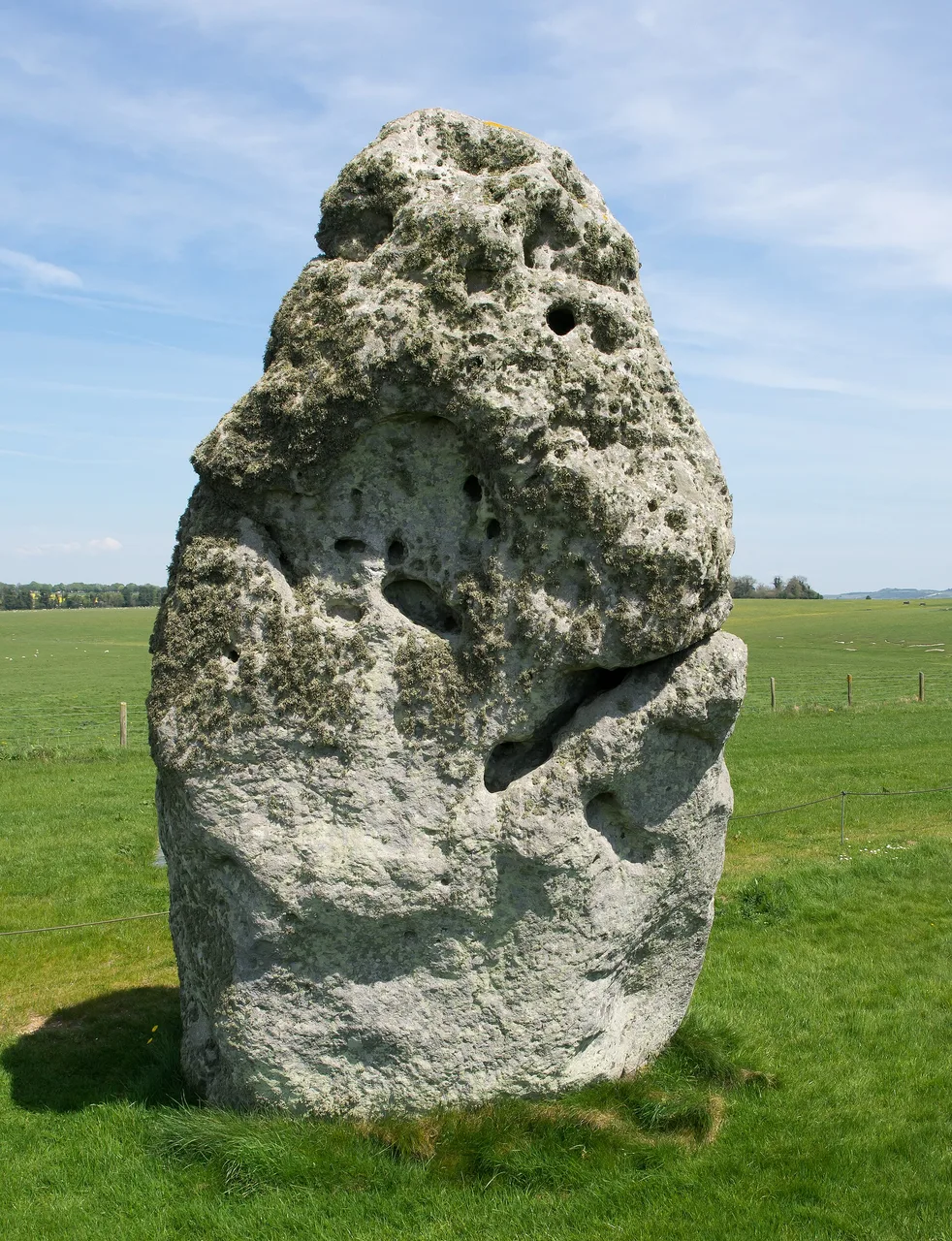
Tap the right answer
The Heel Stone stands just outside the main entrance of Stonehenge. On the summer solstice, an observer standing in the center of the circle can watch the sun rise directly over this massive, unshaped sarsen block, highlighting the site's solar alignment.
Photo: Heikki Immonen, Wikimedia Commons, CC BY 3.0.

Tap the right answer
The comedy duo Ylvis released the hit song "Stonehenge" in 2013. The humorous track laments the lack of knowledge about why the monument was built, contrasting its epic mystery with mundane modern struggles like driving a car.
Photo: Pssmidi Pål S. Schaathun, Wikimedia Commons, CC BY-SA 3.0.
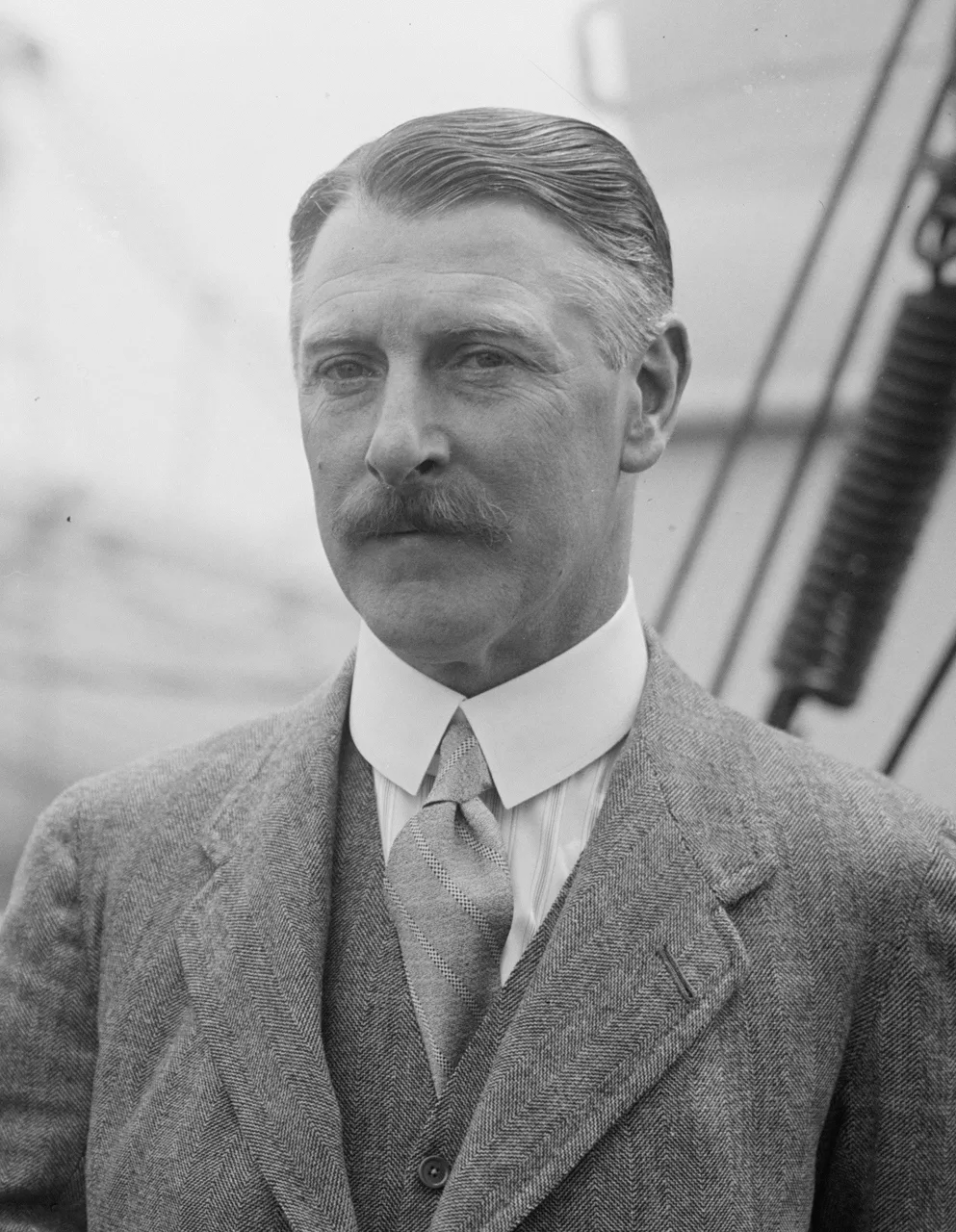
Tap the right answer
In 1915, local barrister Cecil Chubb bought Stonehenge at an auction for £6,600 as a gift for his wife. She reportedly wasn't thrilled with the present, and three years later, Chubb generously handed the monument over to the British nation.
Photo: Bain News Service (publisher), Wikimedia Commons, Public domain.
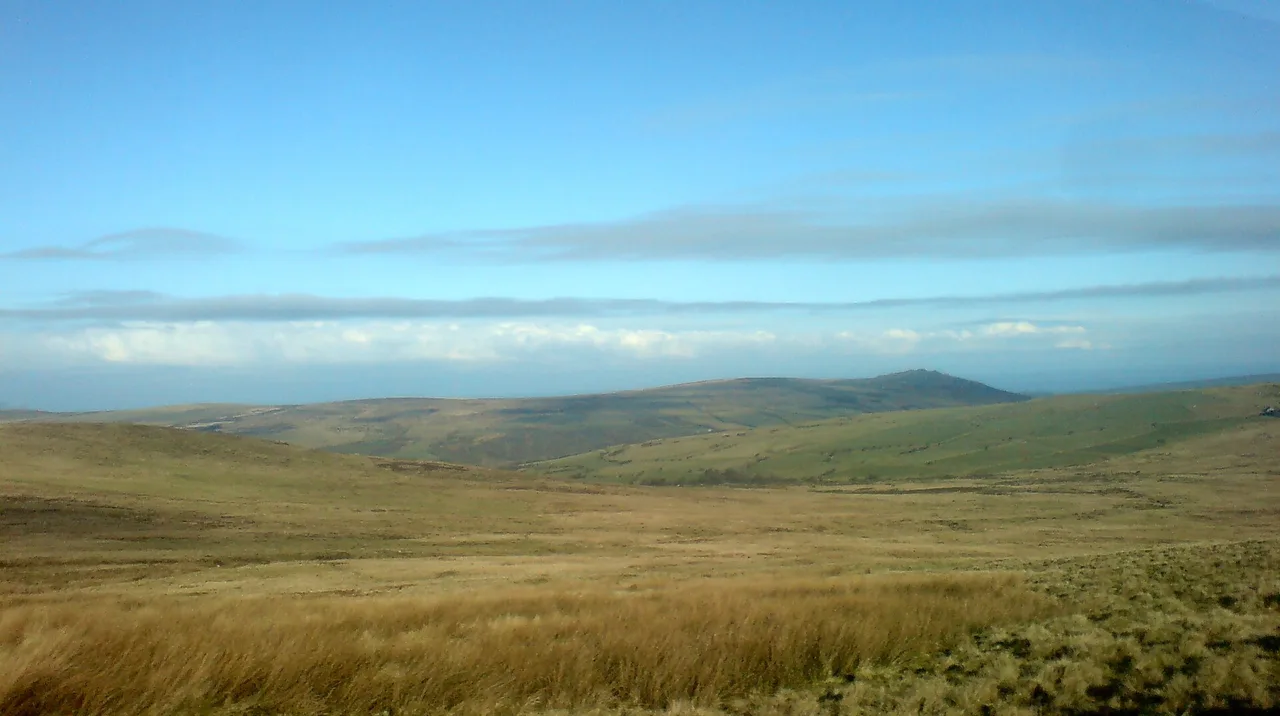
Tap the right answer
The smaller bluestones at Stonehenge were transported over 140 miles from the Preseli Hills in southwest Wales. Moving these multi-ton stones across land and water during the Neolithic period remains one of prehistoric engineering's greatest achievements.
Photo: Deborah Tilley, Wikimedia Commons, CC BY-SA 2.0.
Tap the right answer
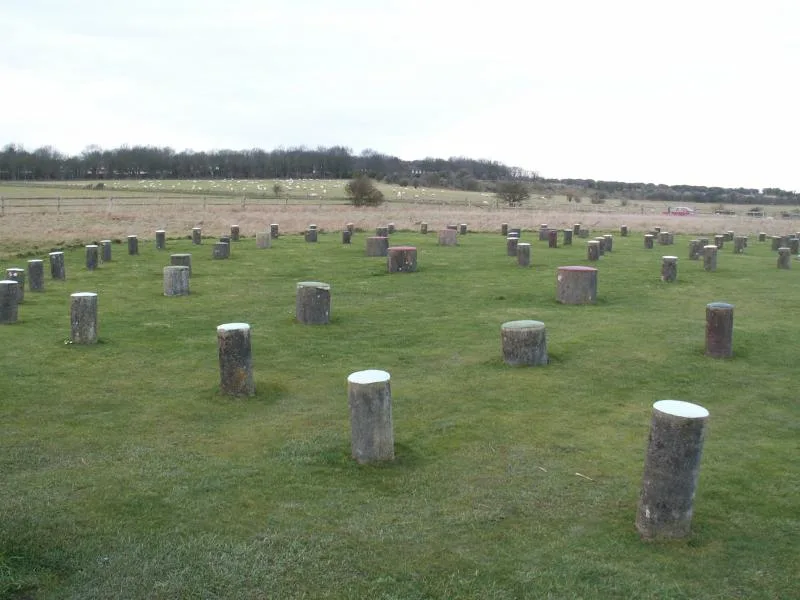
Woodhenge is a Neolithic monument made of six concentric rings of wooden posts, now marked by concrete pillars. It lies close to Durrington Walls and was likely part of a larger ceremonial complex connected to Stonehenge by the River Avon.
Photo: Wikimedia Commons, CC BY-SA 3.0.
Tap the right answer
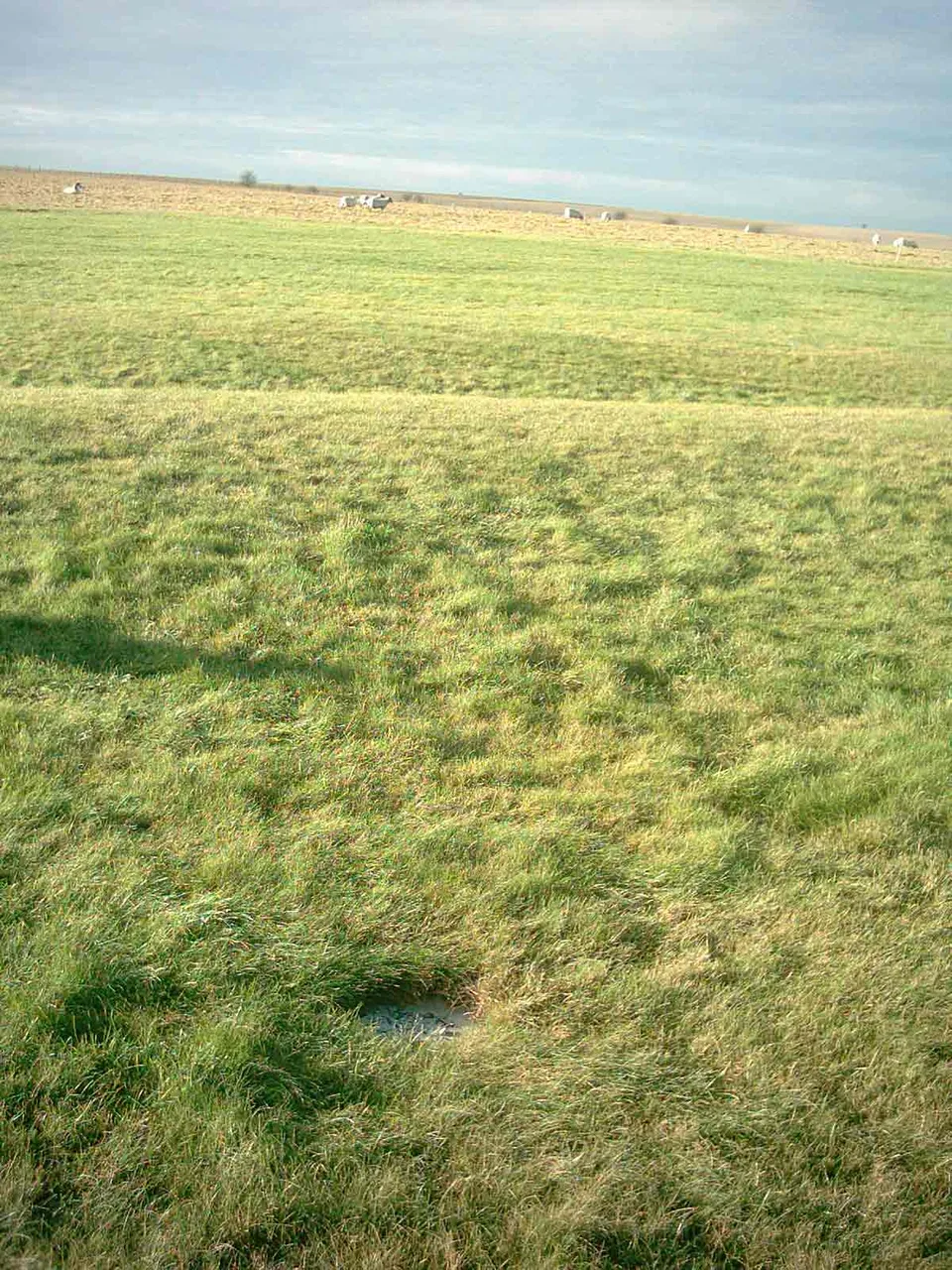
The Aubrey holes are 56 pits named after John Aubrey, who identified them in 1666. Excavations show they were used for burials and may have held upright timber posts or bluestones during the monument's earliest developmental phase.
Photo: Adamsan (talk) (Uploads), Wikimedia Commons, Public domain.
Tap the right answer
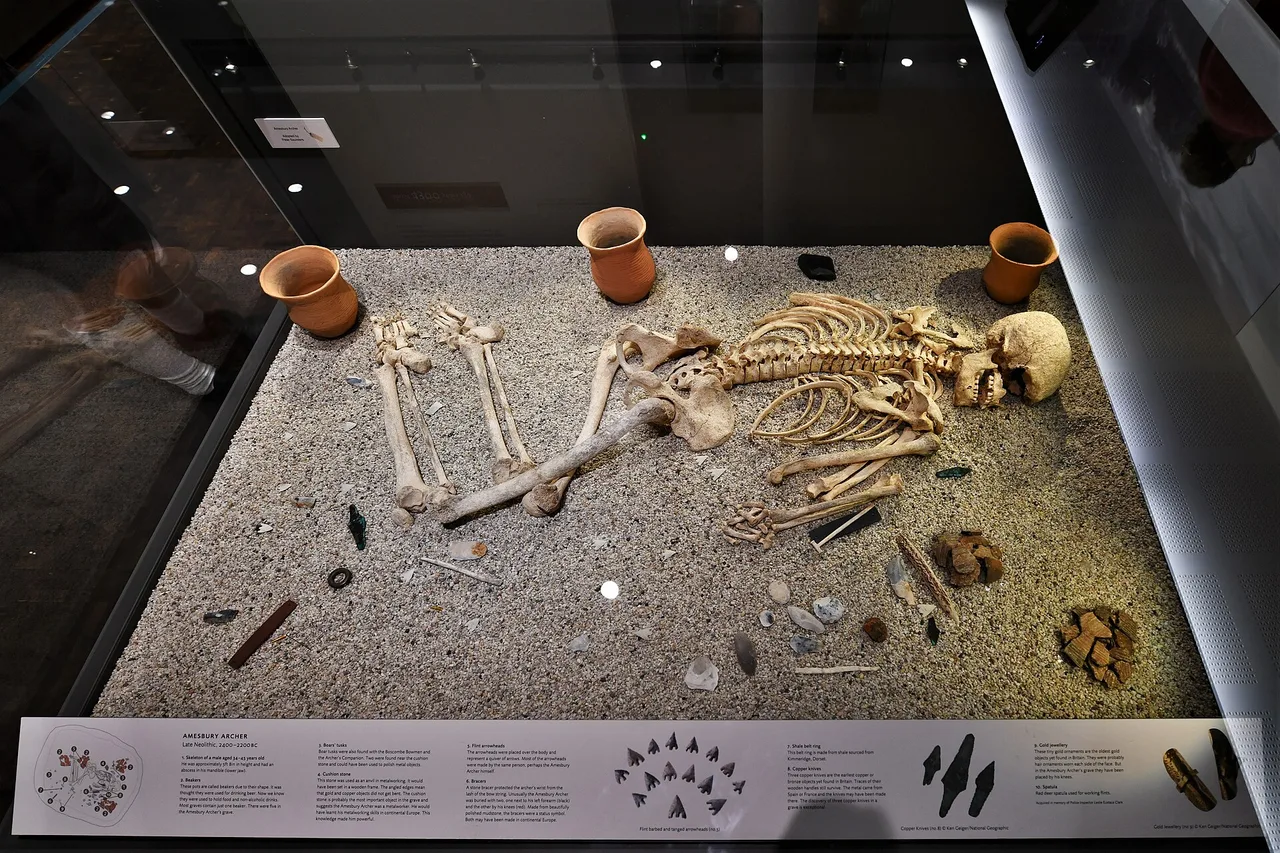
Analysis of the Amesbury Archer's teeth showed that this Early Bronze Age man grew up in the Alpine region of Central Europe. His grave is the richest of its era found in Britain, containing the earliest gold objects discovered in the country.
Photo: Michael Garlick, Wikimedia Commons, CC BY-SA 2.0.
Tap the right answer
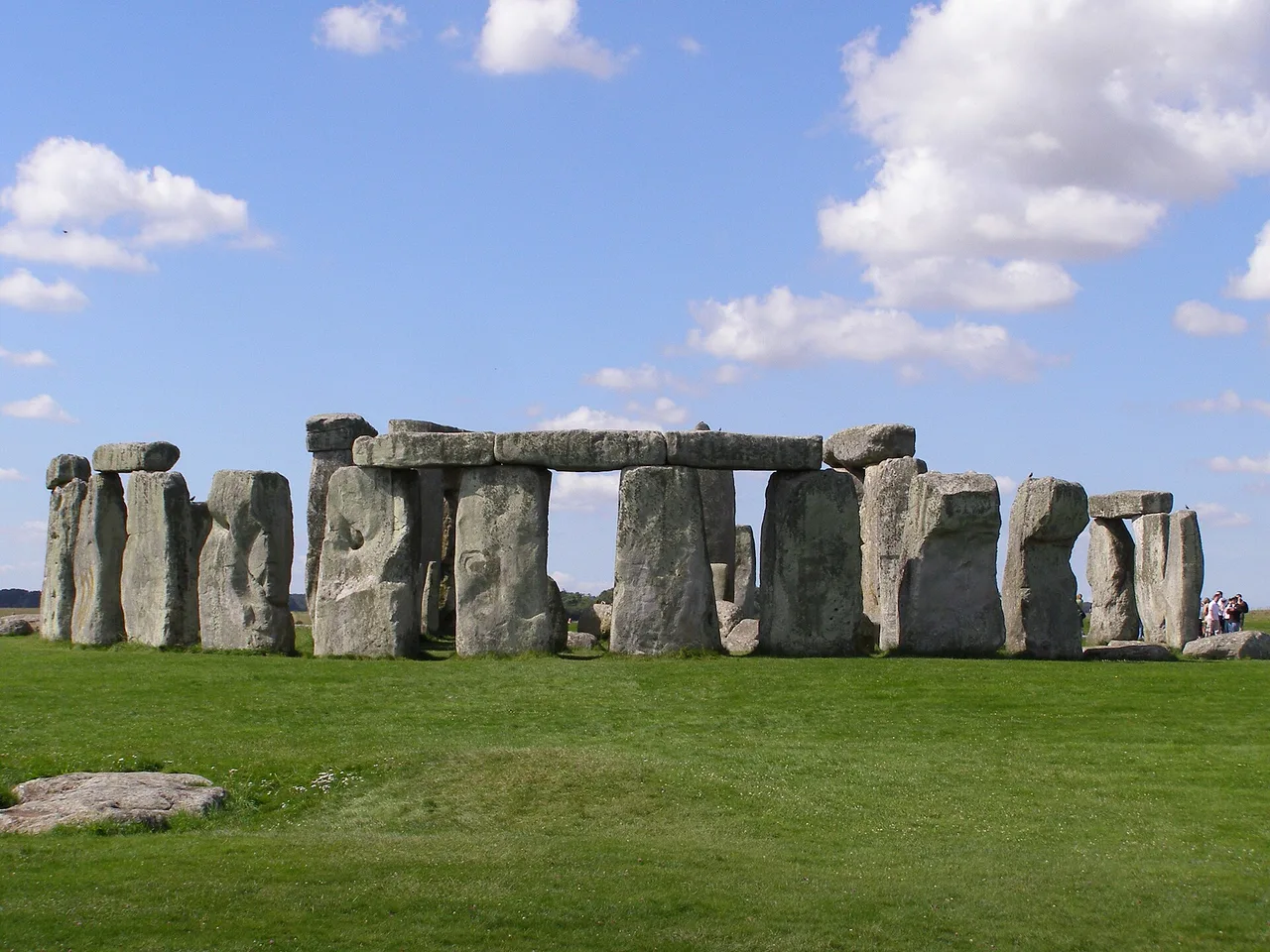
In 1901, engineer William Gowland oversaw the straightening of an endangered sarsen stone. To prevent further movement, the base was set in a thick bed of Portland concrete, a modern intervention that surprised many who assumed the stones stood entirely naturally.
Photo: garethwiscombe, Wikimedia Commons, CC BY 2.0.


Want to make a quiz like this yourself? Do it on Votur, it's free.
Paste the code into your page. The player fits itself in, and every vote counts in Votur.
On WordPress, Ghost or Squarespace? Just paste the link of this page into your post.
This is how it looks
Also fun


