 Get app
 Photo: Giles Laurent, Wikimedia Commons, CC BY-SA 4.0.
Test your knowledge on the Acropolis of Athens, the iconic ancient citadel that has watched over Greece for millennia. Discover the stories, architects, and myths behind these sacred ruins.
Curious Wanderer 0–4 · Dedicated Historian 5–8 · Master of the Citadel 9–10

Tap the right answer
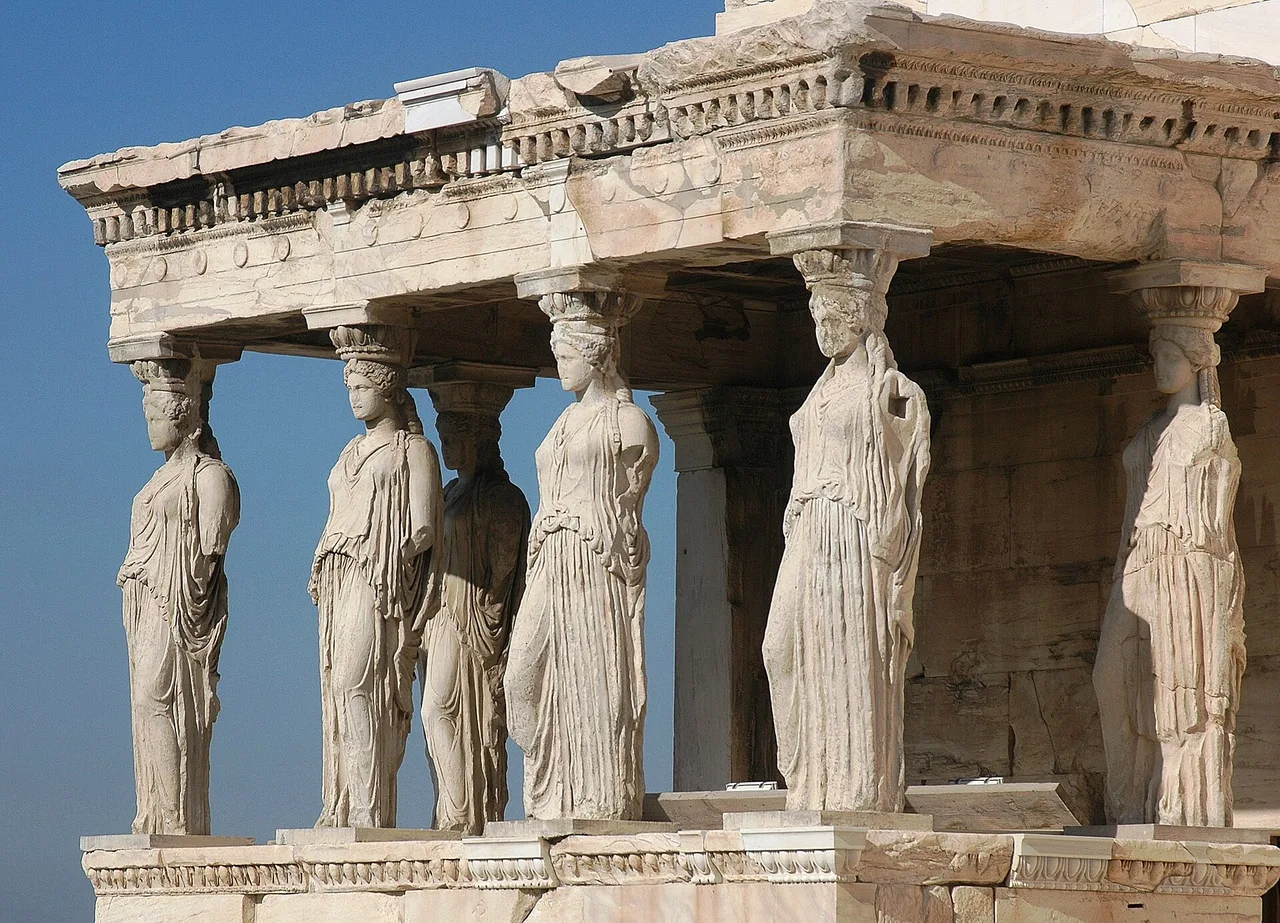
The Caryatids are six sculpted female figures that serve as architectural support instead of traditional columns. Today, the figures on the Acropolis are high-quality replicas; five of the originals are preserved in the Acropolis Museum, while the sixth is held in the British Museum.
Photo: No machine-readable author provided. Harrieta171 assumed (based on copyright cla, Wikimedia Commons, CC BY-SA 3.0.
Tap the right answer
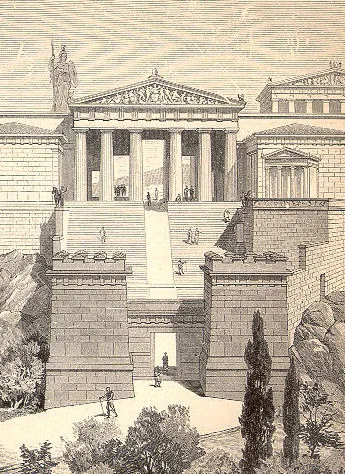
The Propylaea was designed by the architect Mnesikles and built in the late 430s BC to serve as a grand entrance to the sacred sanctuary. Construction was abruptly halted due to the outbreak of the Peloponnesian War. The gate features a unique blend of Doric columns on the exterior and taller Ionic columns on the interior to support the massive roof.
Photo: Wikimedia Commons, Public domain.
Tap the right answer
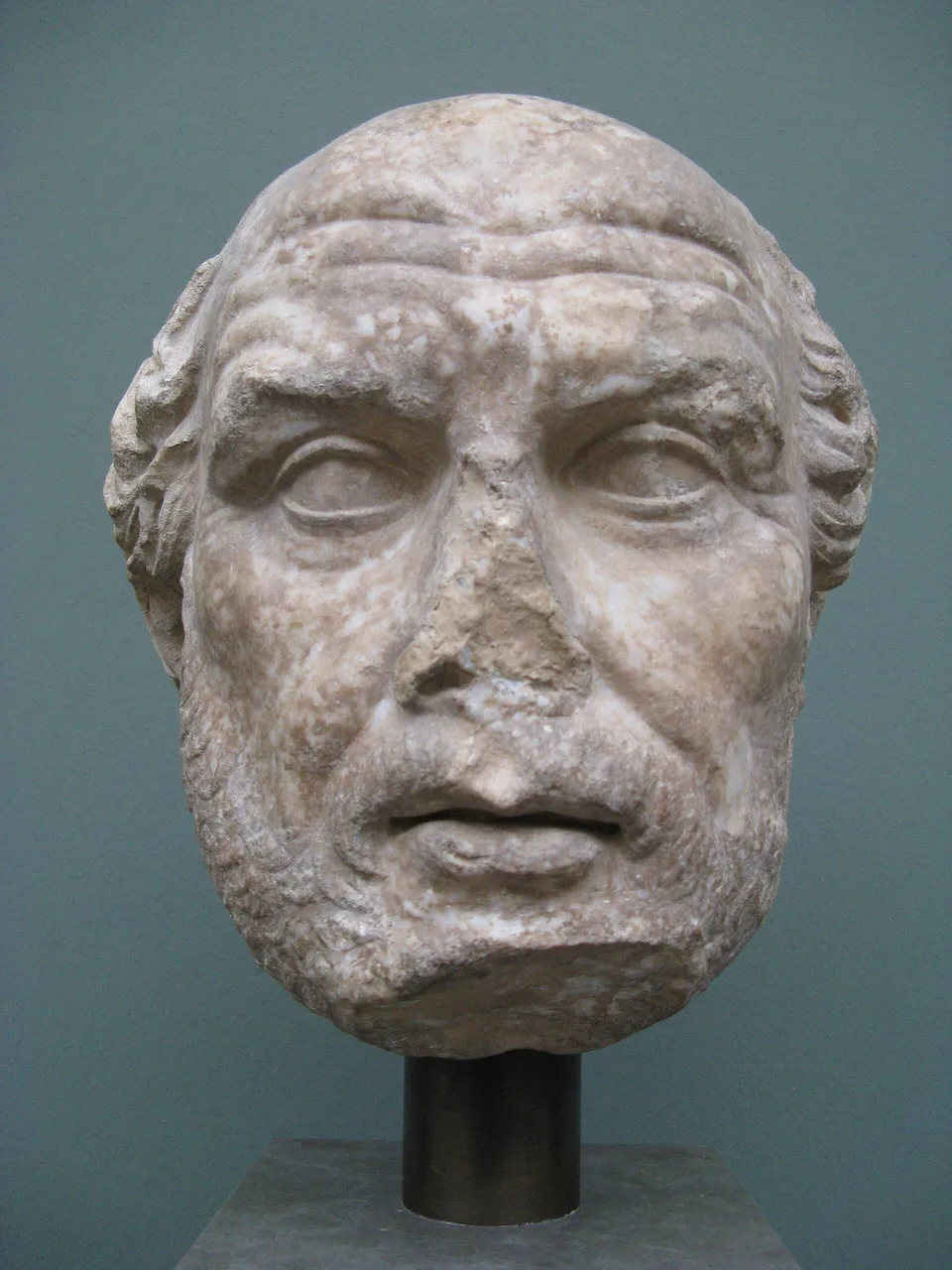
Phidias was appointed by Pericles to oversee the massive rebuilding program of the Acropolis. He not only directed the construction of the Parthenon but also personally sculpted the colossal gold-and-ivory statue of Athena Parthenos that once stood inside it.
Photo: Yair-haklai, Wikimedia Commons, CC BY-SA 3.0.
Tap the right answer
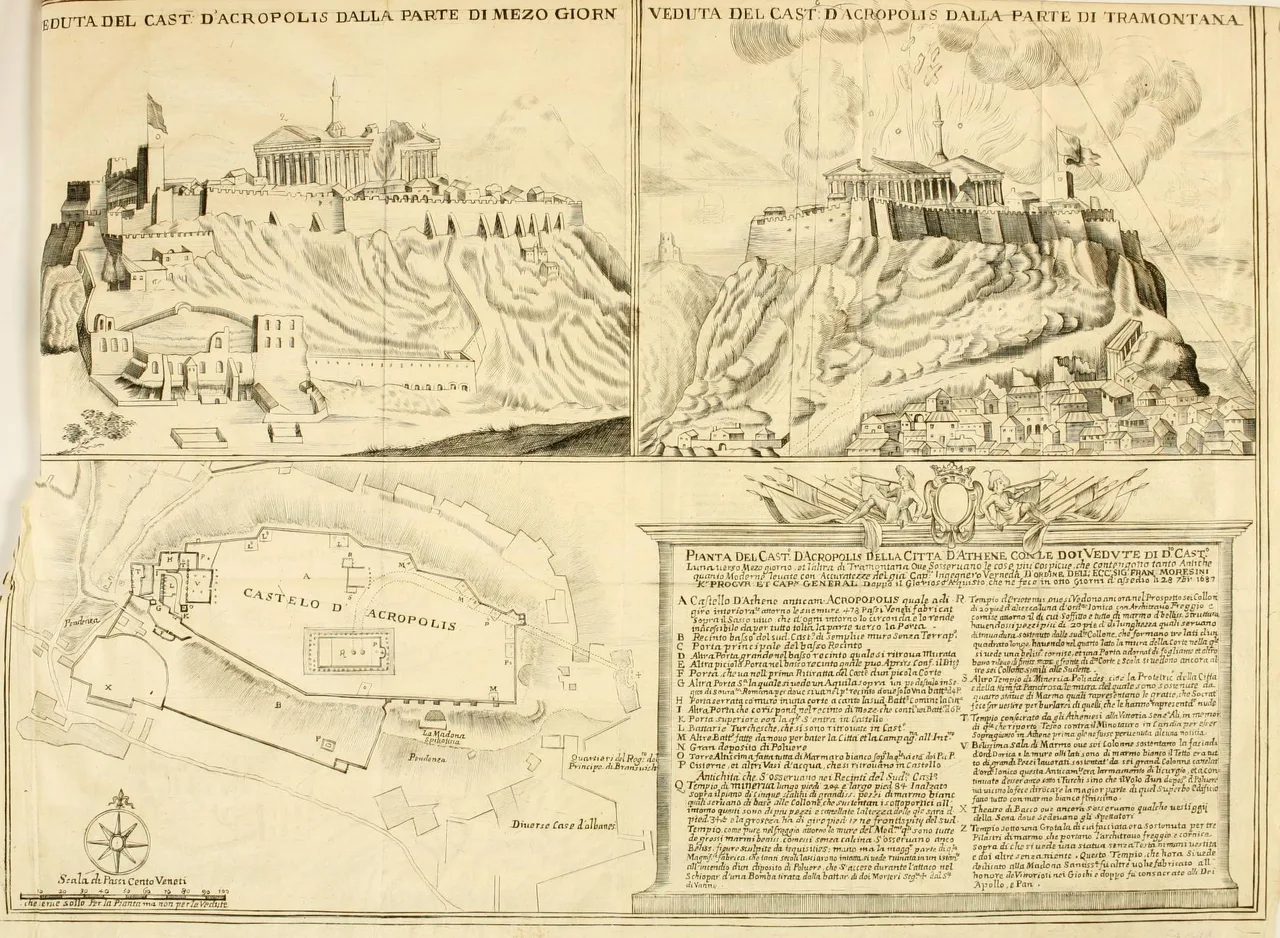
During the Morean War, a Venetian mortar shell struck the Parthenon, which was being used by the Ottoman defenders to store gunpowder. The resulting blast blew out the center of the building and caused immense structural damage. The Venetian commander, Francesco Morosini, later tried to loot statues from the west pediment, causing even more damage when they fell.
Photo: Francesco Fanelli, Wikimedia Commons, Public domain.
Tap the right answer
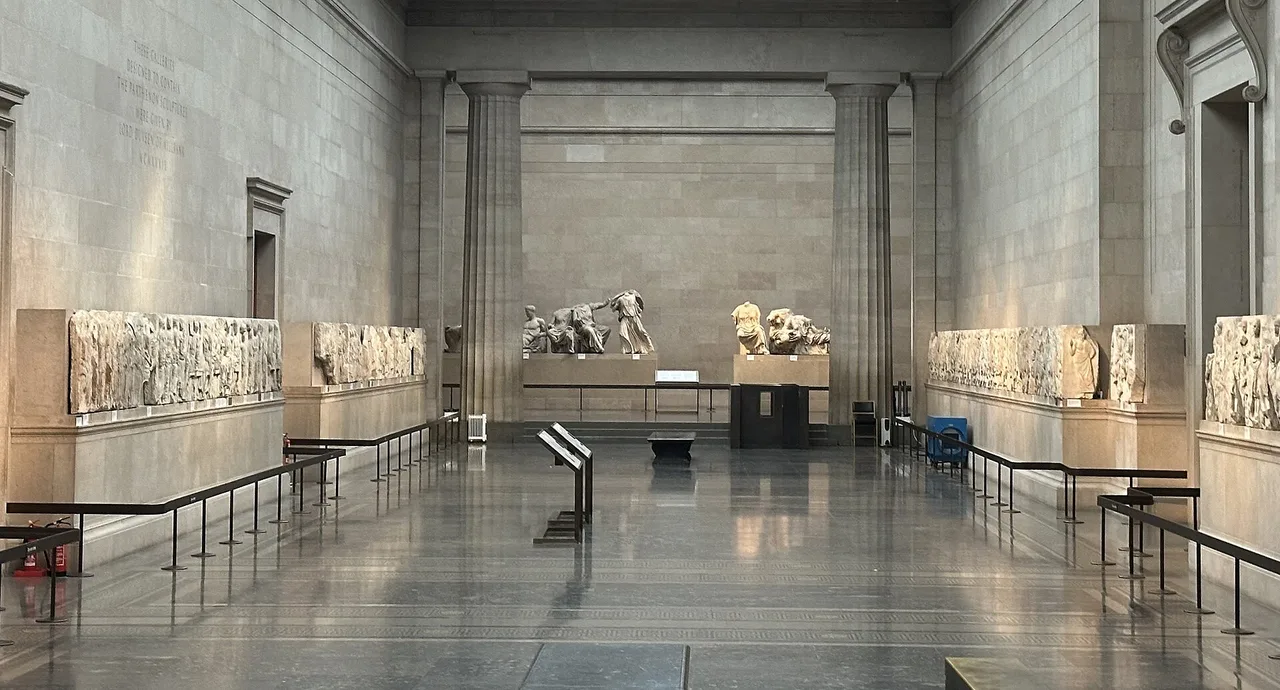
Thomas Bruce, the 7th Earl of Elgin, removed about half of the surviving sculptures from the Parthenon between 1801 and 1812. He claimed to have obtained a permit from the ruling Ottoman Empire. Lord Byron, who was a passionate supporter of Greek independence, actually strongly condemned Elgin's actions in his poetry.
Photo: Jay.M, Wikimedia Commons, CC BY-SA 4.0.
Tap the right answer
Iktinos designed the Parthenon with Callicrates in the 5th century BC. Mnesikles was another brilliant architect of the era who designed the Propylaea, the monumental gateway to the Acropolis. Interestingly, the Parthenon doesn't have a single straight line; its columns lean slightly inward to create an optical illusion of perfect straightness.
Tap the right answer
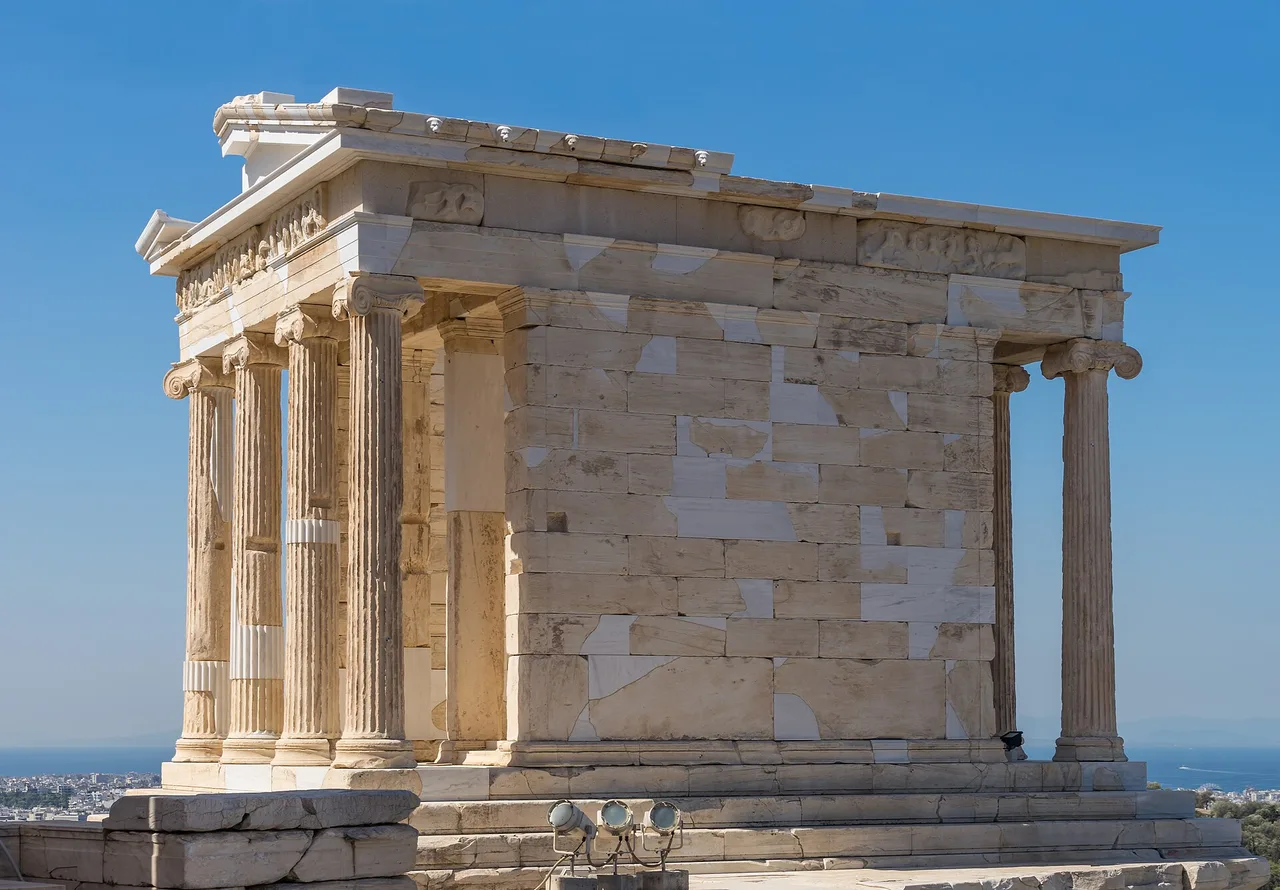
The Temple of Athena Nike stands on a steep bastion at the southwest corner of the Acropolis. Built around 420 BC, it honors the goddess of victory. Unlike the Caryatids of the nearby Erechtheion, this temple features classical Ionic columns and once housed a wooden statue of Athena holding a pomegranate, symbolizing peace.
Photo: Jebulon, Wikimedia Commons, CC0.
Tap the right answer
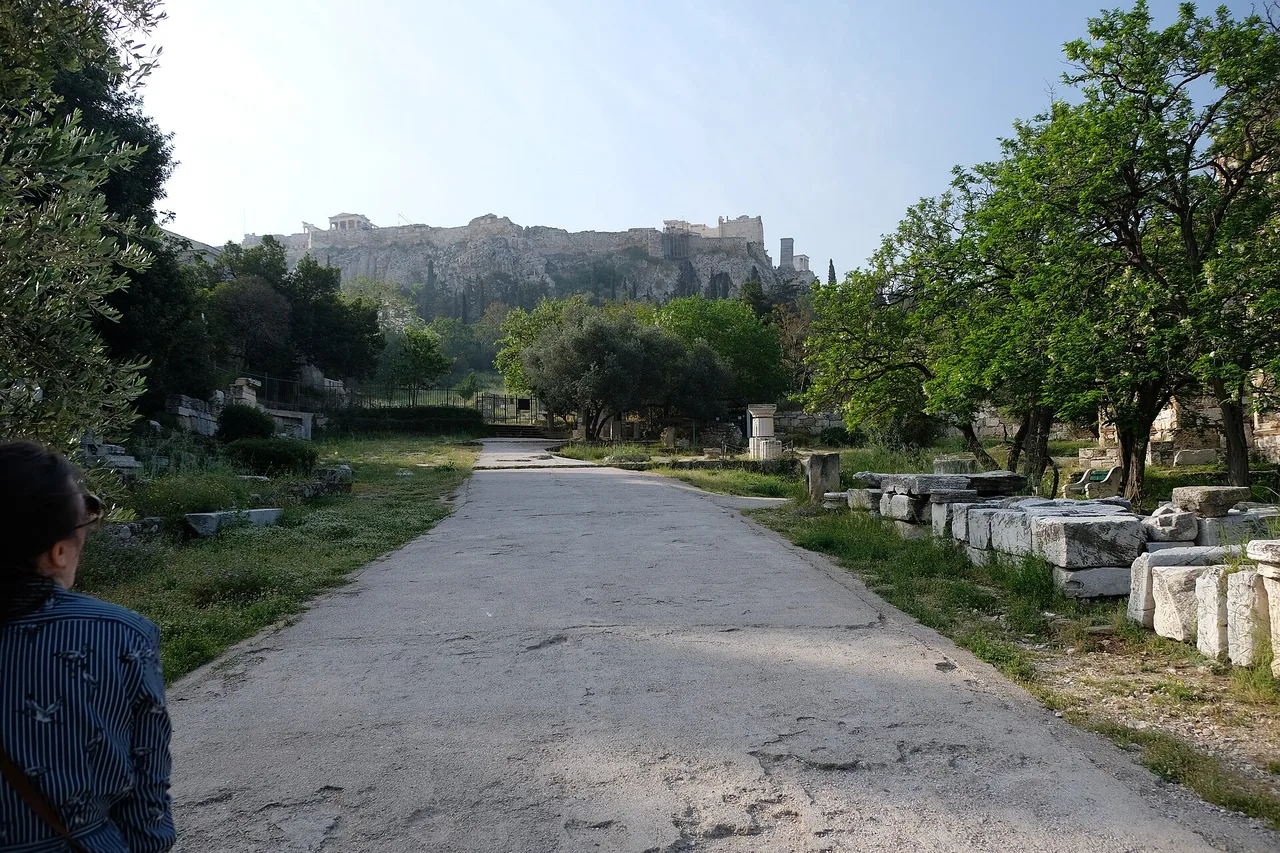
The Panathenaic Way was the central route of the great Panathenaic Festival, held every four years to honor Athena. A grand procession traveled along this path carrying a newly woven robe, called a peplos, to drape over the ancient wooden statue of the goddess. The procession is famously depicted on the Parthenon frieze.
Photo: Davide Mauro, Wikimedia Commons, CC BY-SA 4.0.
Tap the right answer
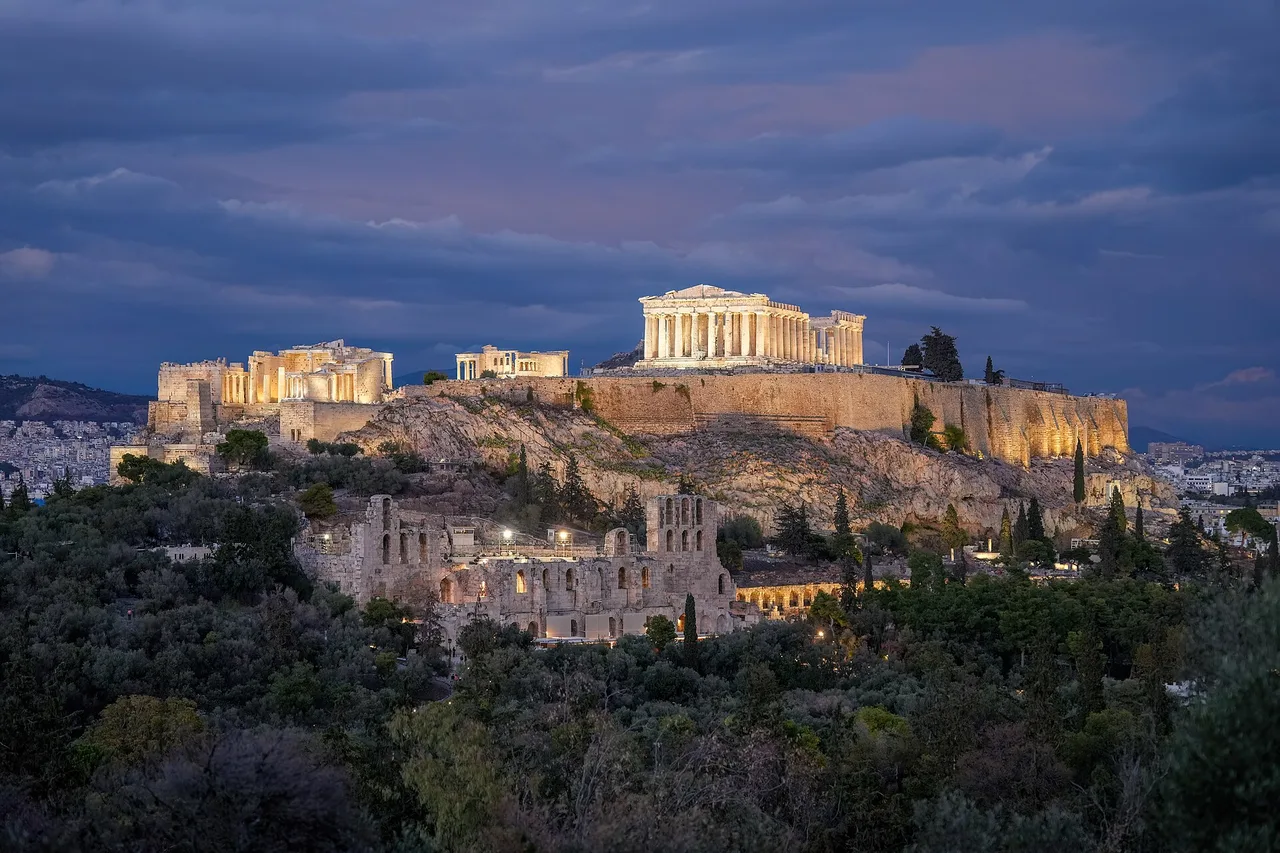
Long before the Parthenon, the Acropolis was a fortified citadel. The Mycenaeans built a massive wall, known as the Pelasgian Wall, around the hill in the 13th century BC. These walls were so thick and sturdy that parts of their foundations survived centuries of rebuilding and can still be identified by archaeologists today.
Photo: Giles Laurent, Wikimedia Commons, CC BY-SA 4.0.
Tap the right answer
Designed by architect Bernard Tschumi, the new Acropolis Museum opened in June 2009 to house every artifact found on the rock and its slopes. The building is elevated on pillars over extensive archaeological ruins, which visitors can view through glass floors. It was built specifically to showcase the Parthenon Marbles in natural light, awaiting their return.


Want to make a quiz like this yourself? Do it on Votur, it's free.
Paste the code into your page. The player fits itself in, and every vote counts in Votur.
On WordPress, Ghost or Squarespace? Just paste the link of this page into your post.
This is how it looks
Also fun


