 Get app
 Photo: Yann; edited by Jim Carter, Wikimedia Commons, CC BY-SA 4.0.
How well do you know India's most famous monument? Test your knowledge on the history, legends, and architectural genius behind the legendary marble mausoleum of Agra.
Curious Explorer 0–4 · Dedicated Admirer 5–8 · Master Historian 9–10

Tap the right answer
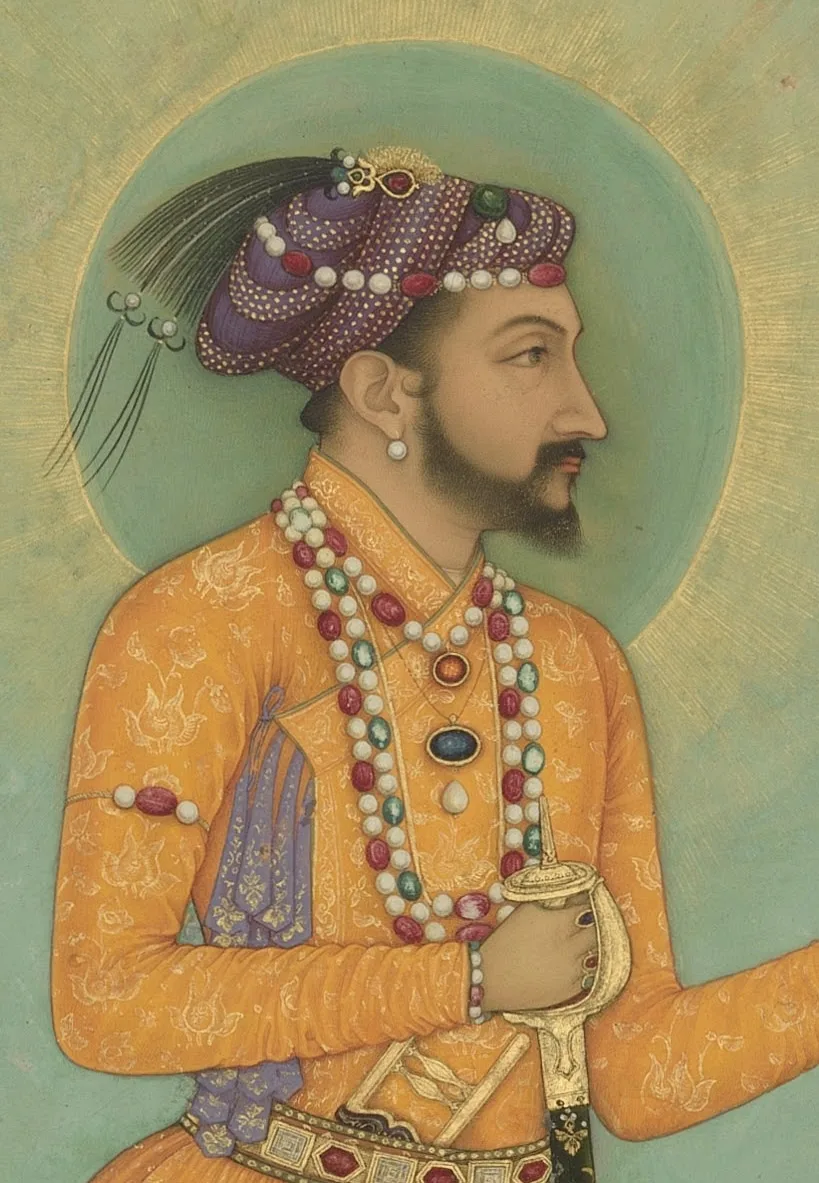
Shah Jahan commissioned the monument in 1632 to honor his third wife, Mumtaz Mahal, who died giving birth to their 14th child. Akbar was Shah Jahan's grandfather, who built the famous Agra Fort nearby but had passed away decades earlier.
Photo: Bichitr, Wikimedia Commons, Public domain.
Tap the right answer
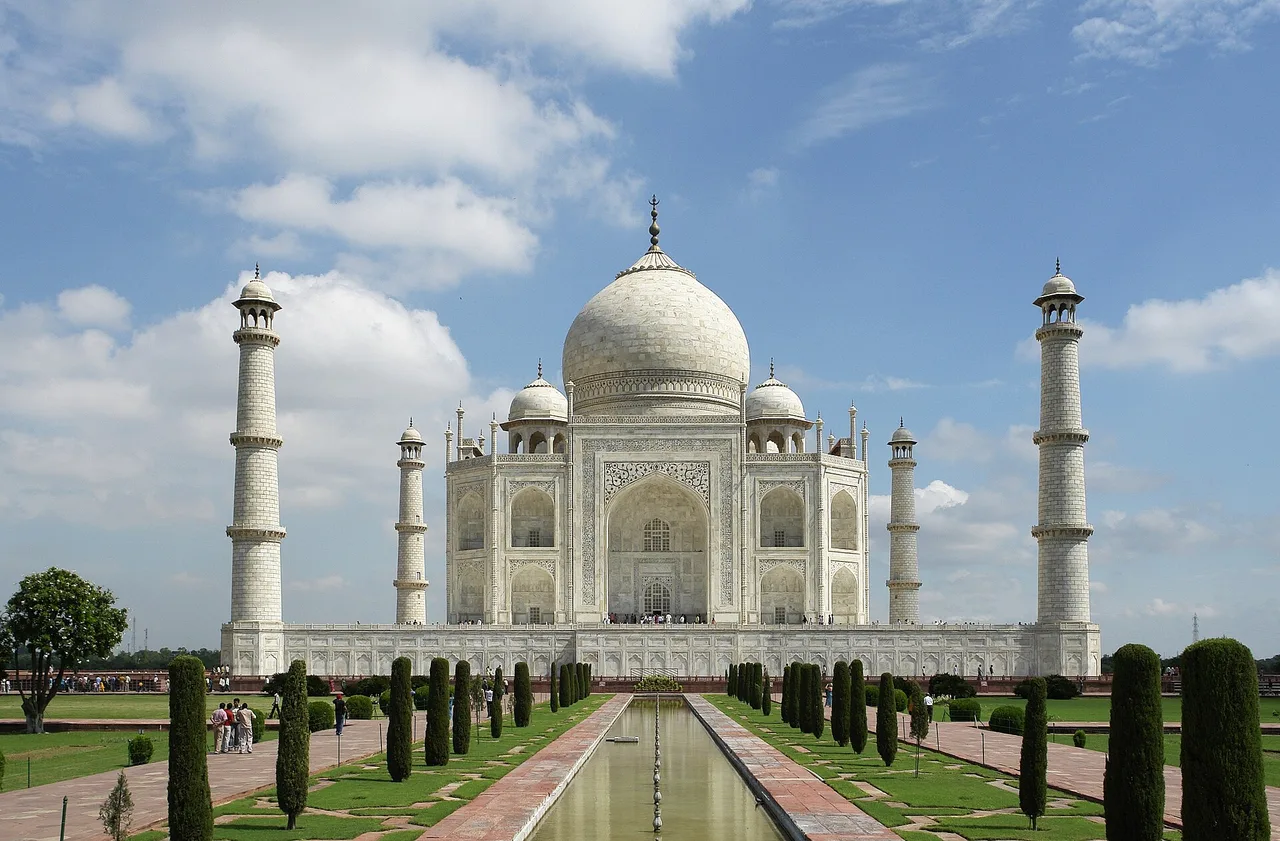
The iconic white marble was transported all the way from the quarries of Makrana in Rajasthan, over 200 miles away. Interestingly, the marble is highly translucent, allowing the monument to change its color from soft pink in the morning to bright white during the day and golden under the moonlight.
Photo: Yann; edited by Jim Carter, Wikimedia Commons, CC BY-SA 4.0.
Tap the right answer
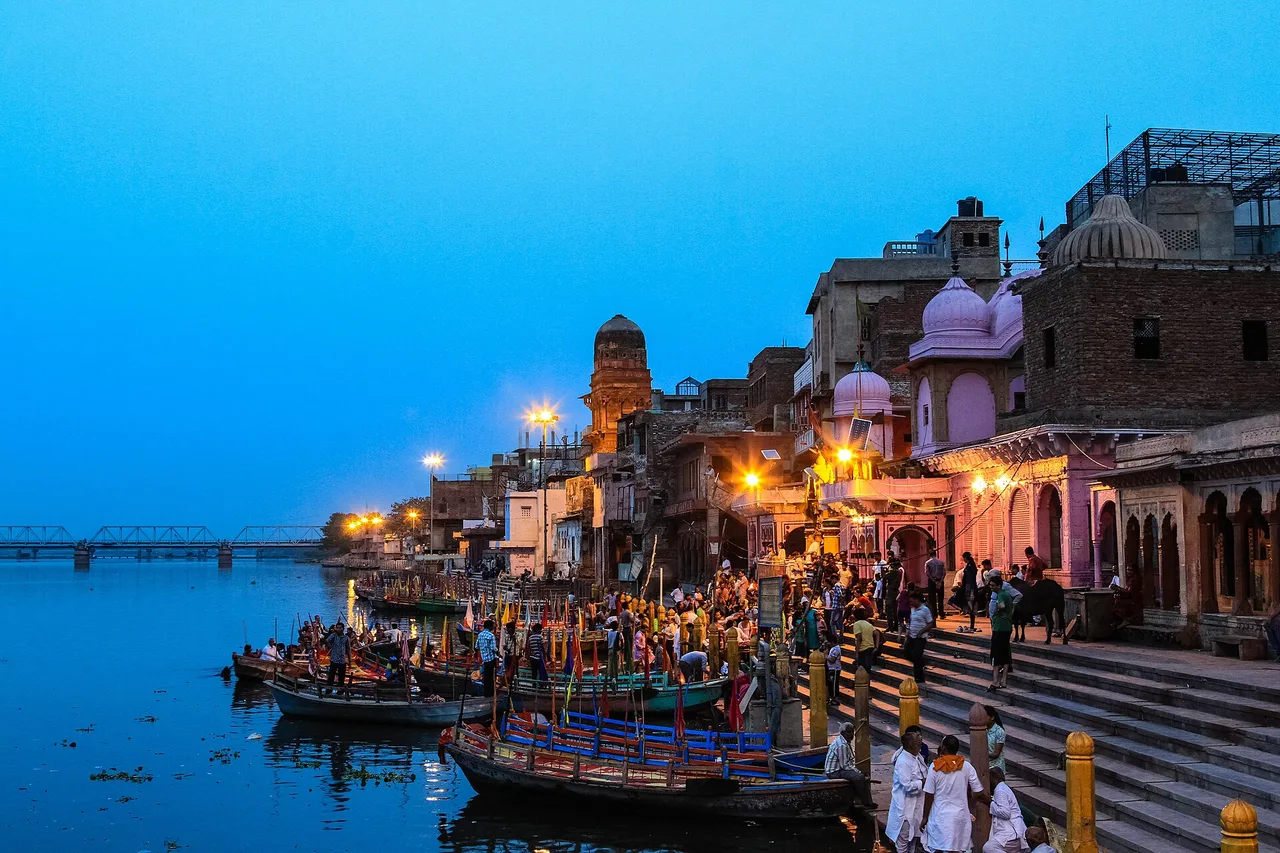
The monument sits on the banks of the Yamuna River, which provides a stunning backdrop and crucial moisture to stabilize the wooden foundations of the structure. The Ganges is India's most famous river, but it does not flow through Agra.
Photo: Umang108, Wikimedia Commons, CC BY-SA 4.0.
Tap the right answer
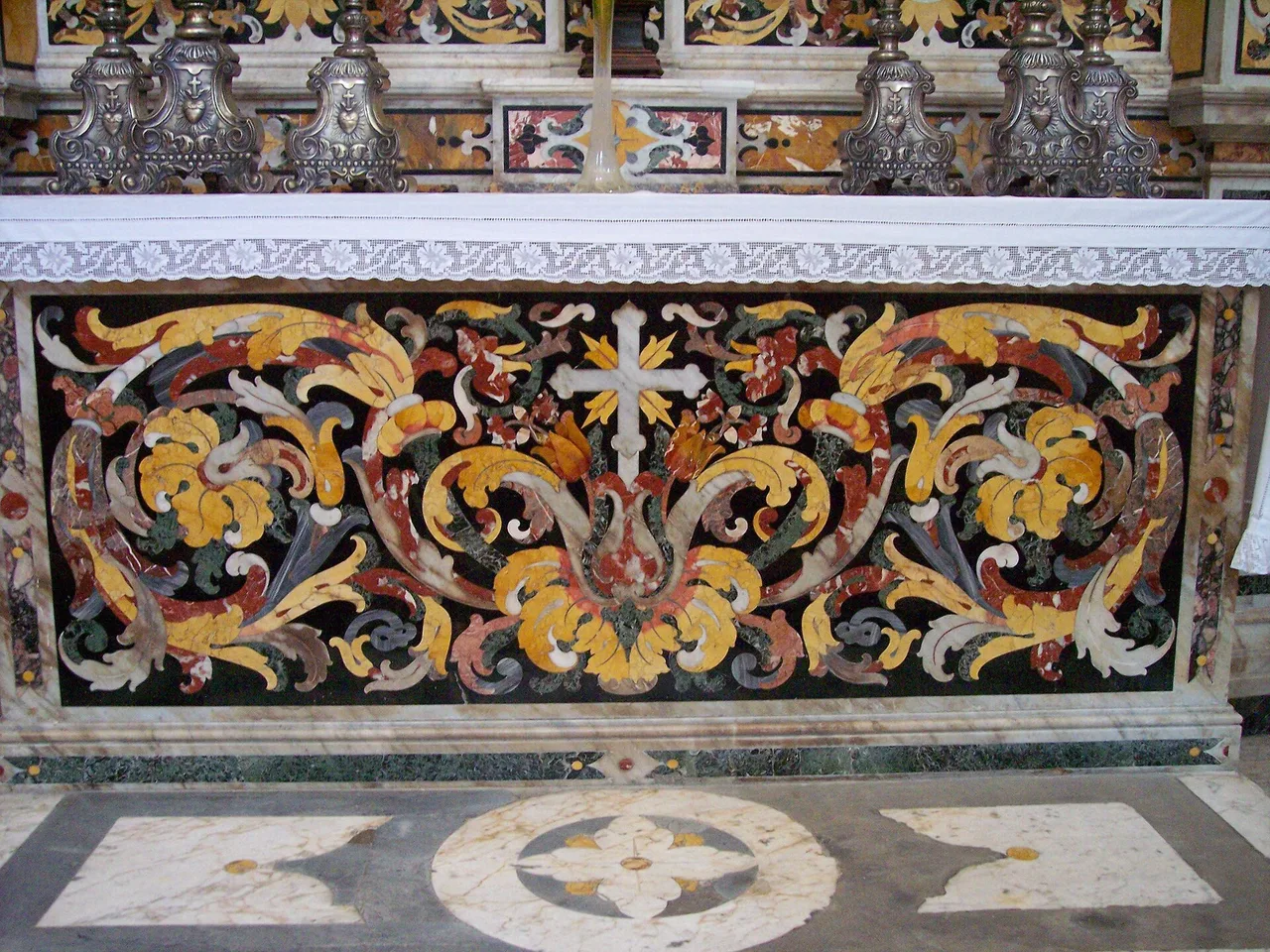
Pietra dura, known locally as Parchin kari, is the precise art of inlaying highly polished colored stones into marble. This technique creates the stunning floral patterns seen throughout the complex. Bidriware is a metal handicraft from Hyderabad, not a marble inlay technique.
Photo: László Szalai (Beyond silence), Wikimedia Commons, Public domain.
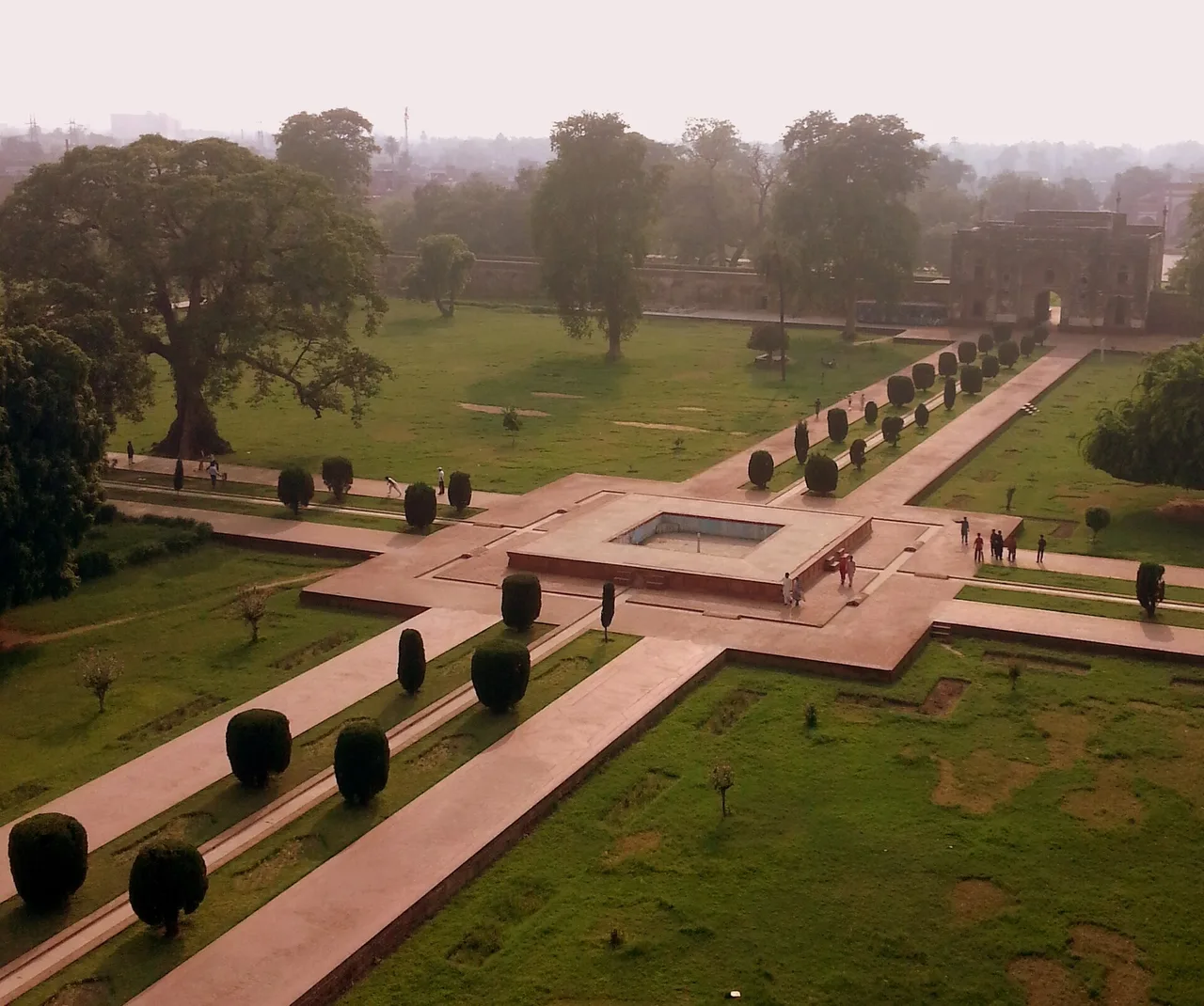
Tap the right answer
The gardens are laid out in a classic Charbagh style, a quadrilateral garden layout divided by walkways or flowing water into four smaller parts. This design is meant to represent the four rivers of Paradise mentioned in Islamic texts. Bagh-e Babur is a specific garden in Kabul, not a general layout style.
Photo: Muhammad Atique Alam, Wikimedia Commons, CC BY-SA 3.0.
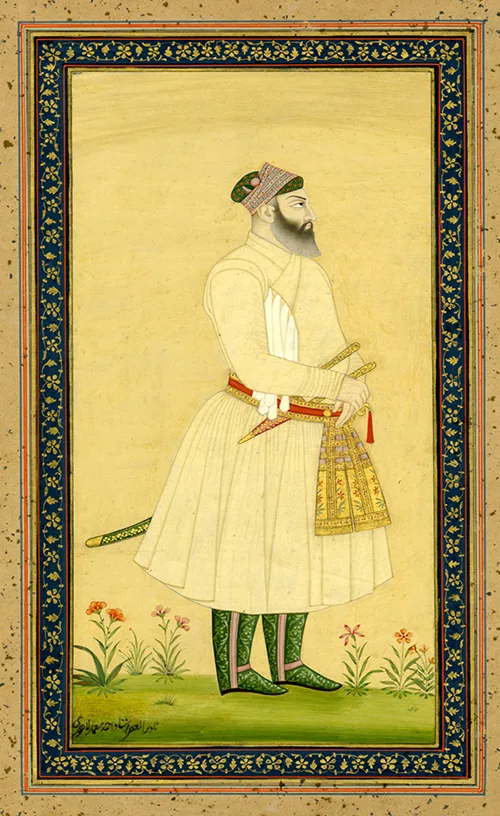
Tap the right answer
Ustad Ahmad Lahori, a Persian architect in the court of Shah Jahan, is credited as the main designer of this architectural marvel. Mirak Mirza Ghiyas was also a famous Persian architect, but he designed Humayun's Tomb in Delhi.
Photo: Unknown authorUnknown author, Wikimedia Commons, Public domain.
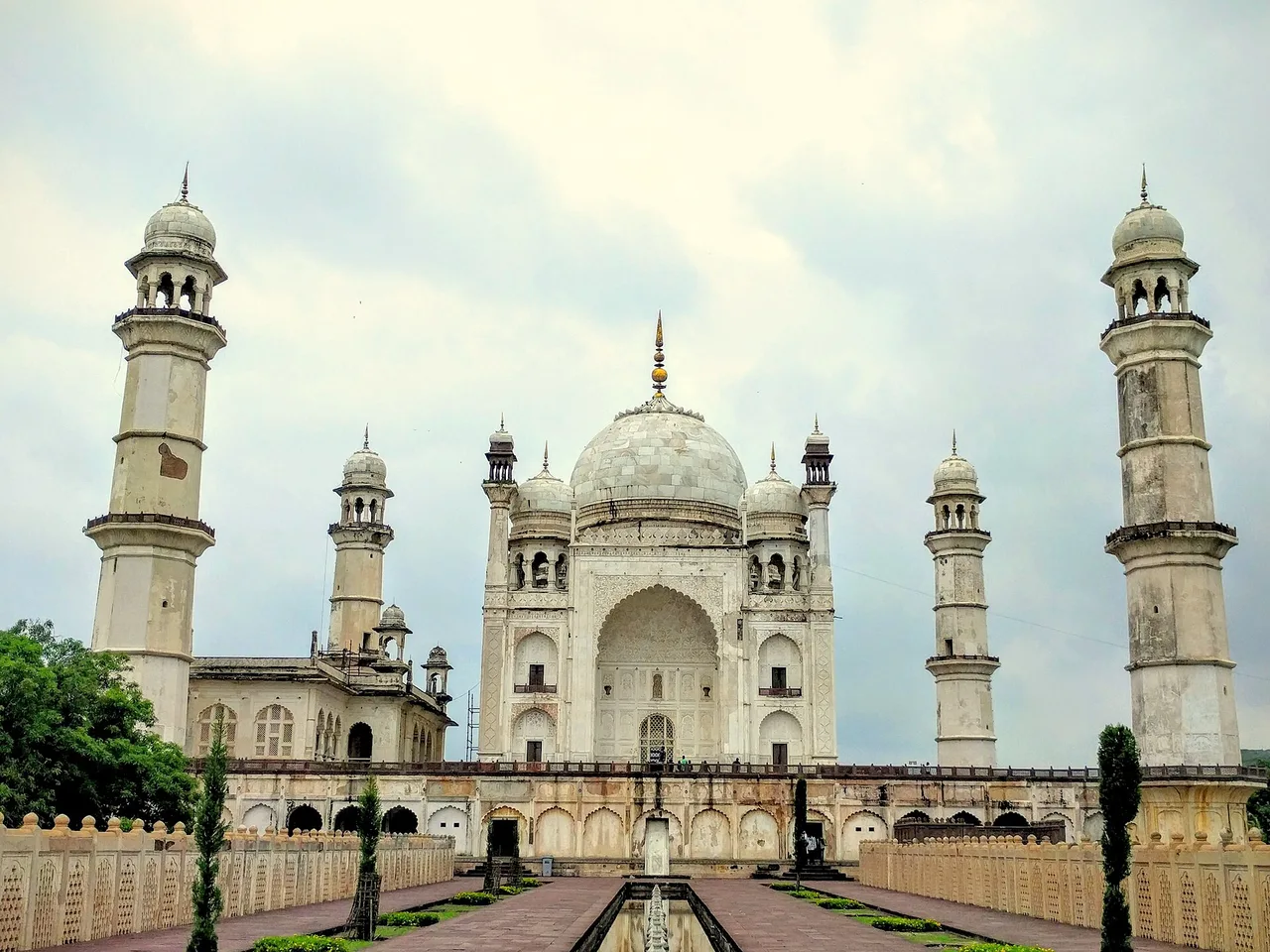
Tap the right answer
Bibi Ka Maqbara, often called the Taj of the Deccan, was built by Emperor Aurangzeb's son (Shah Jahan's grandson) in memory of his mother, Dilras Banu Begum. The Tomb of Itimad-ud-Daulah is in Agra and is known as the Baby Taj, but it predates the Taj Mahal.
Photo: Ameya Kulkarni, Wikimedia Commons, CC BY-SA 4.0.
Tap the right answer
The pristine white marble of the Taj Mahal came from the quarries of Makrana in Rajasthan, over 300 kilometers away. It was transported to Agra using a massive fleet of over a thousand elephants. Jabalpur is famous for its marble rocks but was not the source.
Tap the right answer
Amanat Khan, born Abd al-Haqq, was the calligrapher who designed the exquisite Quranic inscriptions on the Taj Mahal. Shah Jahan was so impressed by his work that he allowed the artist to sign his name on the monument, a rare honor. Mir Imad was another legendary calligrapher of the era but worked in Persia.
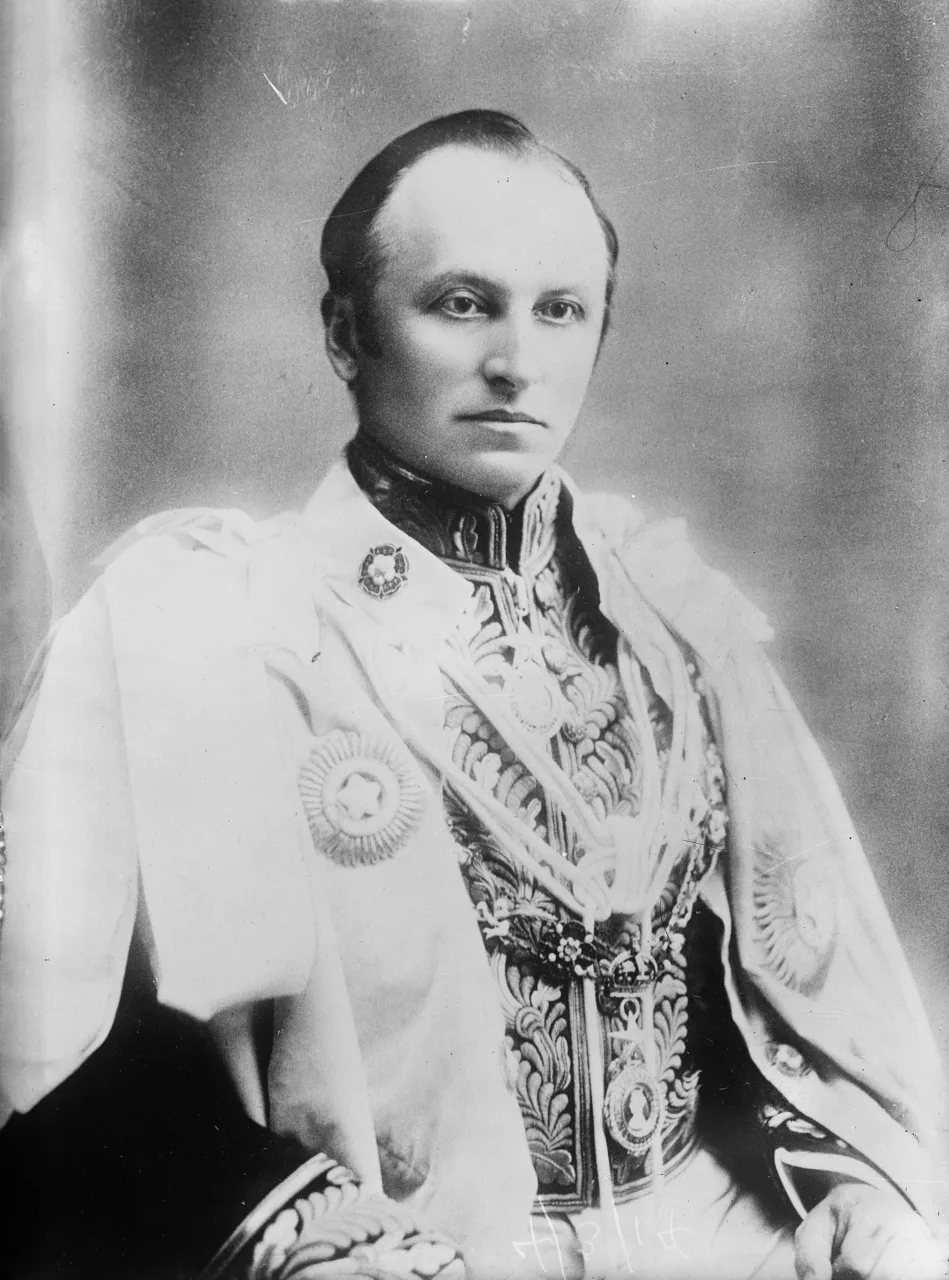
Tap the right answer
Lord Curzon, the Viceroy of India from 1899 to 1905, directed a massive restoration project to repair the Taj Mahal, which had fallen into neglect. He also gifted the large bronze lamp that still hangs in the main chamber. Lord Mountbatten was the last Viceroy but was not involved in this restoration.
Photo: George Grantham Bain Collection (Library of Congress), Wikimedia Commons, Public domain.


Want to make a quiz like this yourself? Do it on Votur, it's free.
Paste the code into your page. The player fits itself in, and every vote counts in Votur.
On WordPress, Ghost or Squarespace? Just paste the link of this page into your post.
This is how it looks
Also fun


