 Get app
 Photo: Draceane, Wikimedia Commons, CC BY-SA 4.0.
Test your knowledge of the legendary Inca citadel nestled high in the Andes Mountains. Discover the history, architecture, and mysteries of this world wonder!
Base Camp Curious 0–4 · Andean Explorer 5–8 · Master of the Citadel 9–10

Tap the right answer
In the indigenous Quechua language, 'Machu' means old or ancient, and 'Picchu' means peak or mountain. Therefore, the name translates directly to 'Old Peak.' This stands in contrast to the neighboring mountain, Huayna Picchu, which translates to 'Young Peak.'
Tap the right answer
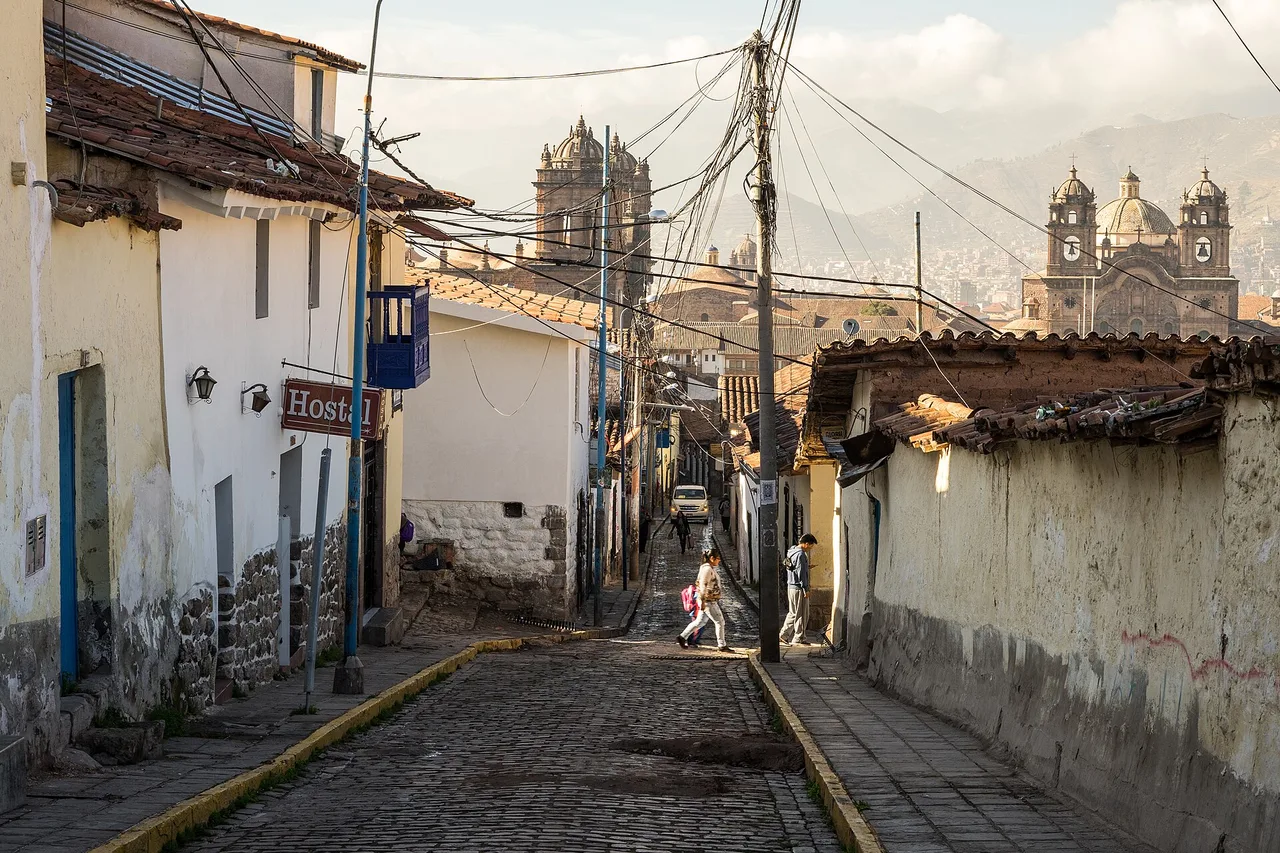
Cusco was the historic capital of the Inca Empire and remains the main hub for visitors traveling to Machu Picchu. Located at an elevation of around 3,400 meters (11,150 feet), it is actually significantly higher than Machu Picchu itself, which sits at a more moderate 2,430 meters.
Photo: tomscoffin, Wikimedia Commons, CC BY 2.0.
Tap the right answer
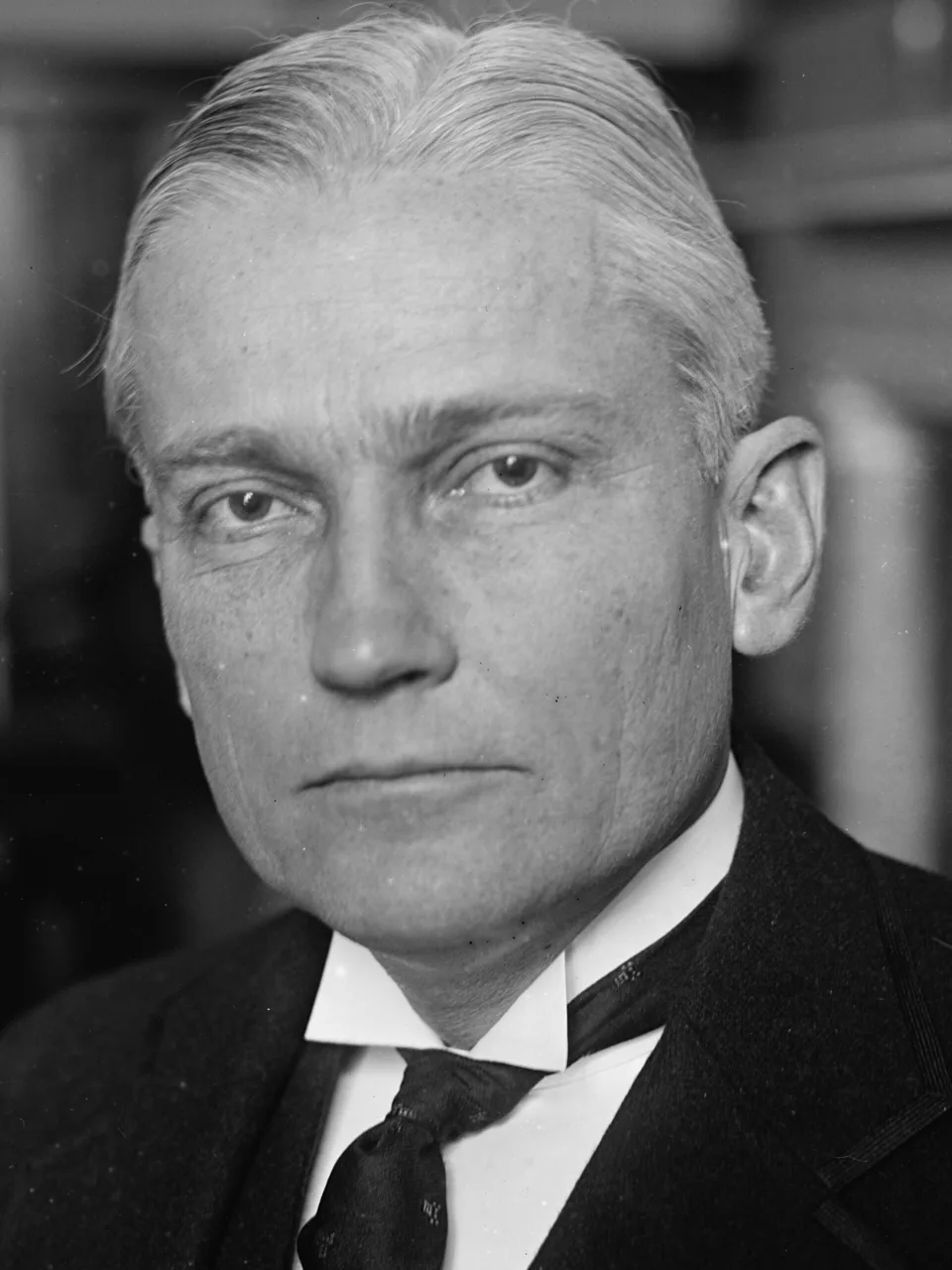
American lecturer Hiram Bingham brought the ruins to world attention with the support of Yale University and the National Geographic Society. Although local families knew of the site, Bingham's team mapped and excavated it. Many believe his exploits partly inspired the fictional character Indiana Jones.
Photo: National Photo Company Collection, Wikimedia Commons, Public domain.
Tap the right answer
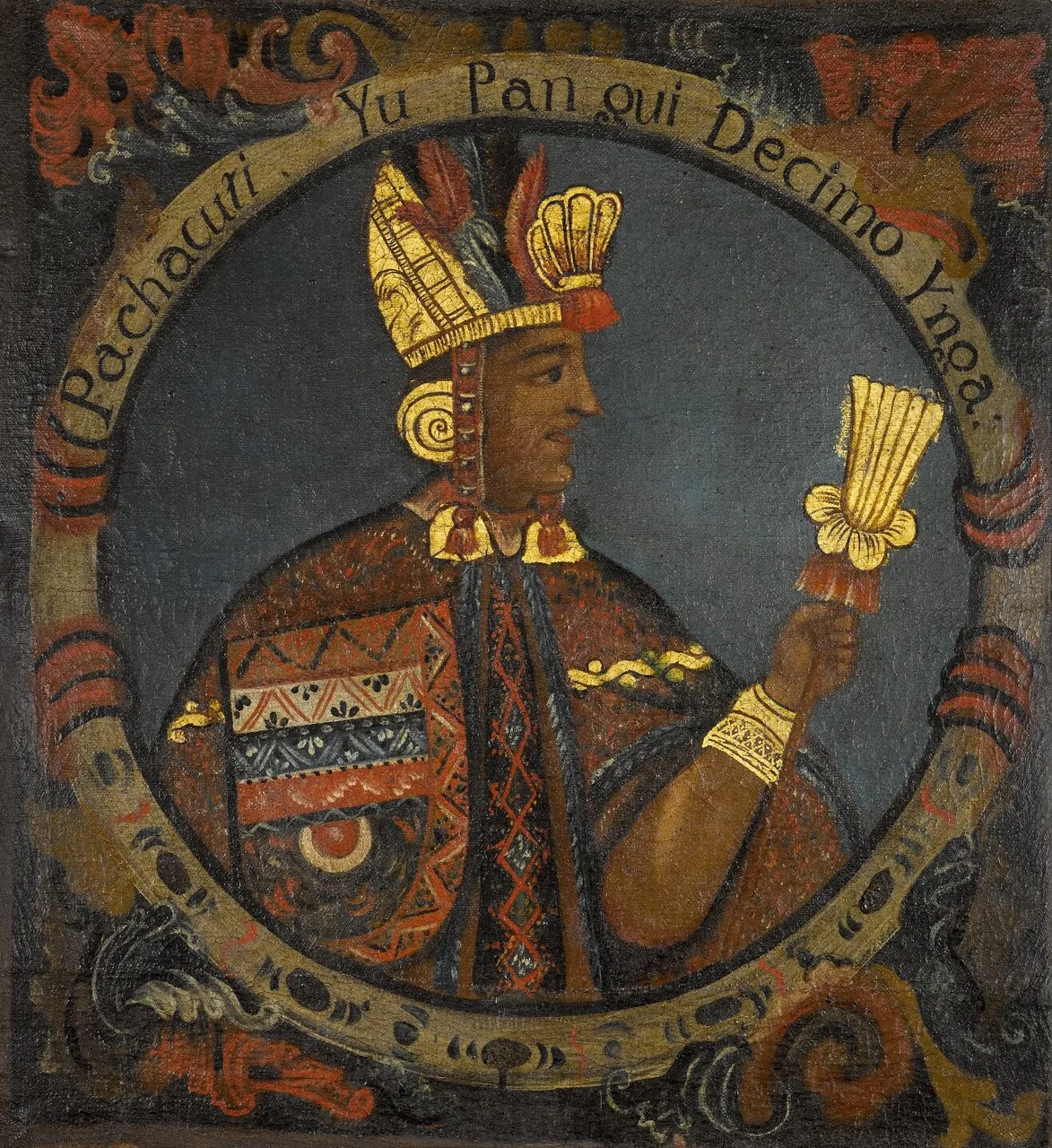
Most historians agree that the estate was built for the emperor Pachacuti around 1450. Pachacuti was the builder who transformed the Kingdom of Cusco into the massive Inca Empire. Interestingly, the site was used for only about eighty years before being abandoned during the Spanish Conquest.
Photo: Wikimedia Commons, Public domain.
Tap the right answer
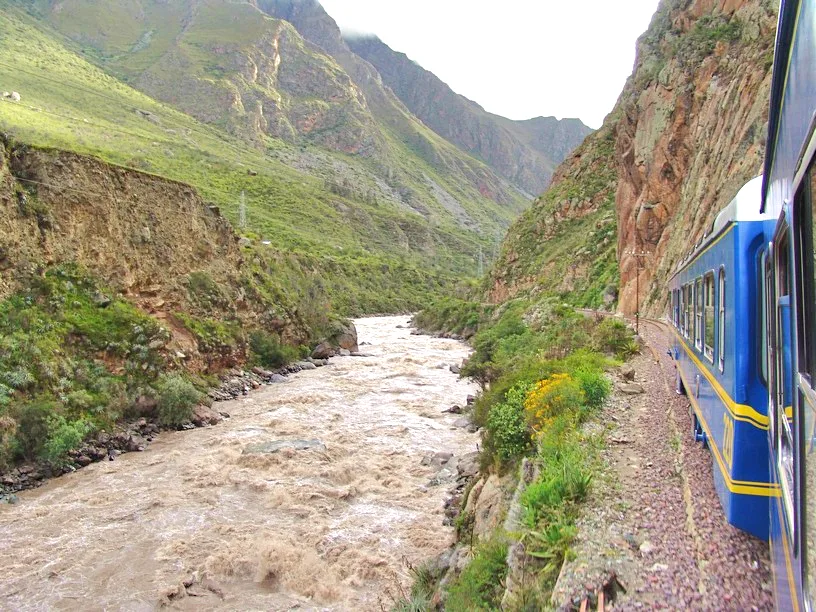
The Urubamba River, also known as the Vilcanota River, wraps around three sides of the Machu Picchu ridge. This powerful river cuts through the Sacred Valley of the Incas, creating a natural barrier and a dramatic gorge that drops nearly 450 meters (1,500 feet) below the ancient citadel.
Photo: Leon petrosyan, Wikimedia Commons, CC BY-SA 3.0.
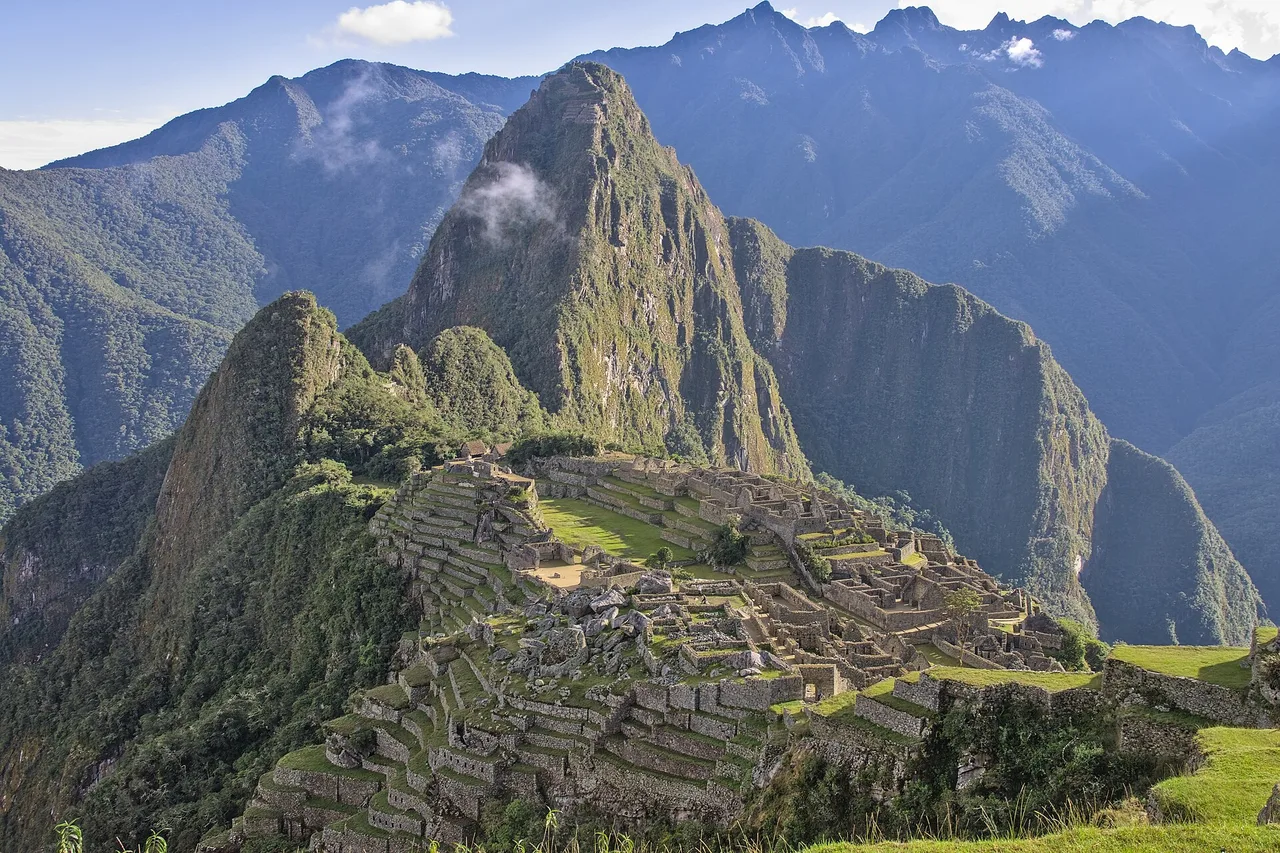
Tap the right answer
While the terraces were used to grow crops like maize and potatoes, their most critical engineering function was structural. They controlled water runoff from heavy tropical rains, preventing the steep mountain slopes from eroding or sliding away and keeping the entire citadel stable for centuries.
Photo: Draceane, Wikimedia Commons, CC BY-SA 4.0.
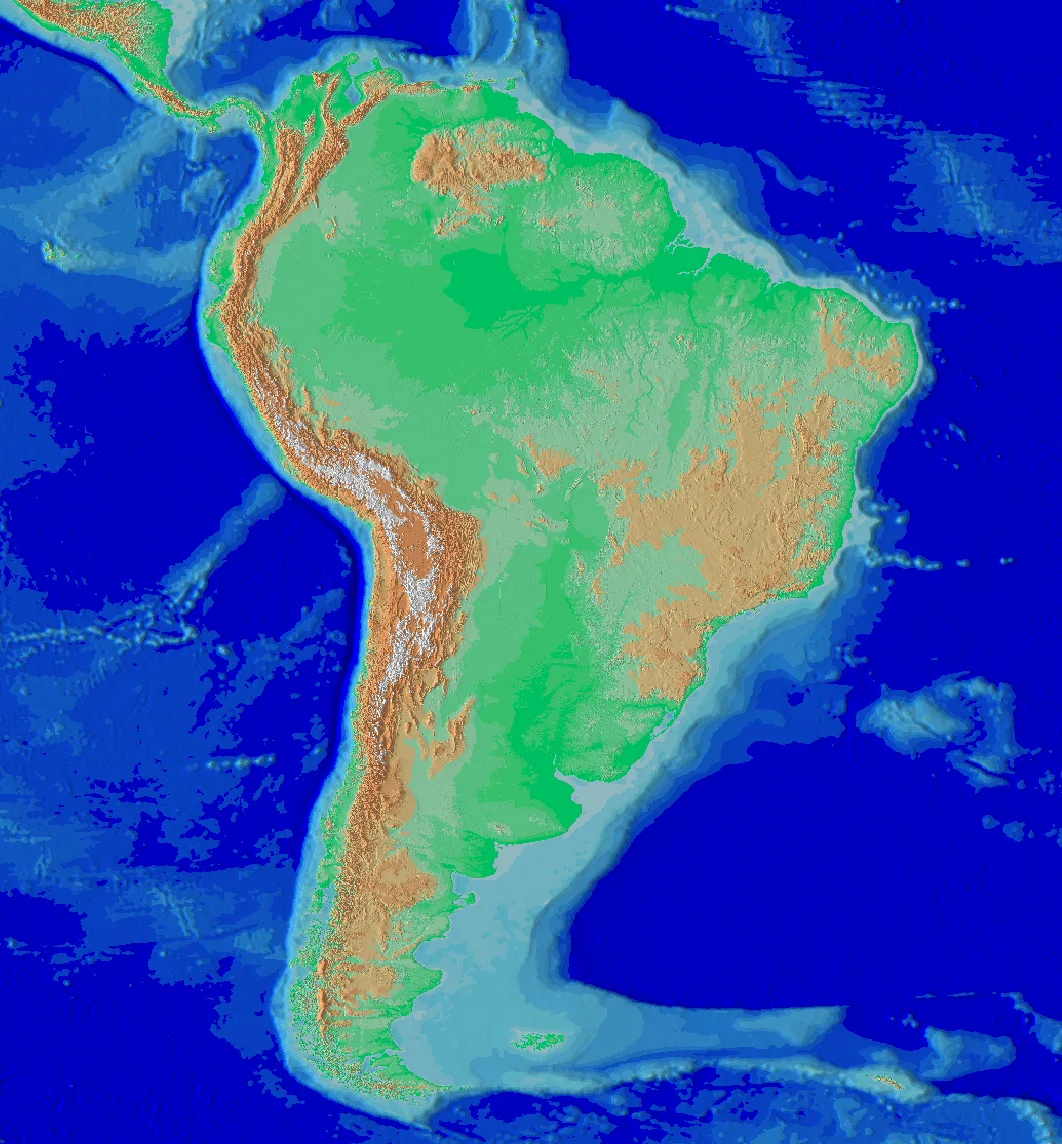
Tap the right answer
The hundreds of terraces served a vital engineering role. By controlling water runoff and stabilizing the incredibly steep slopes, they prevented devastating landslides. Interestingly, the lower layers of these terraces were packed with stone chips and sand to act as a natural drainage filter.
Photo: Carlos A Arango, Wikimedia Commons, Public domain.
Tap the right answer
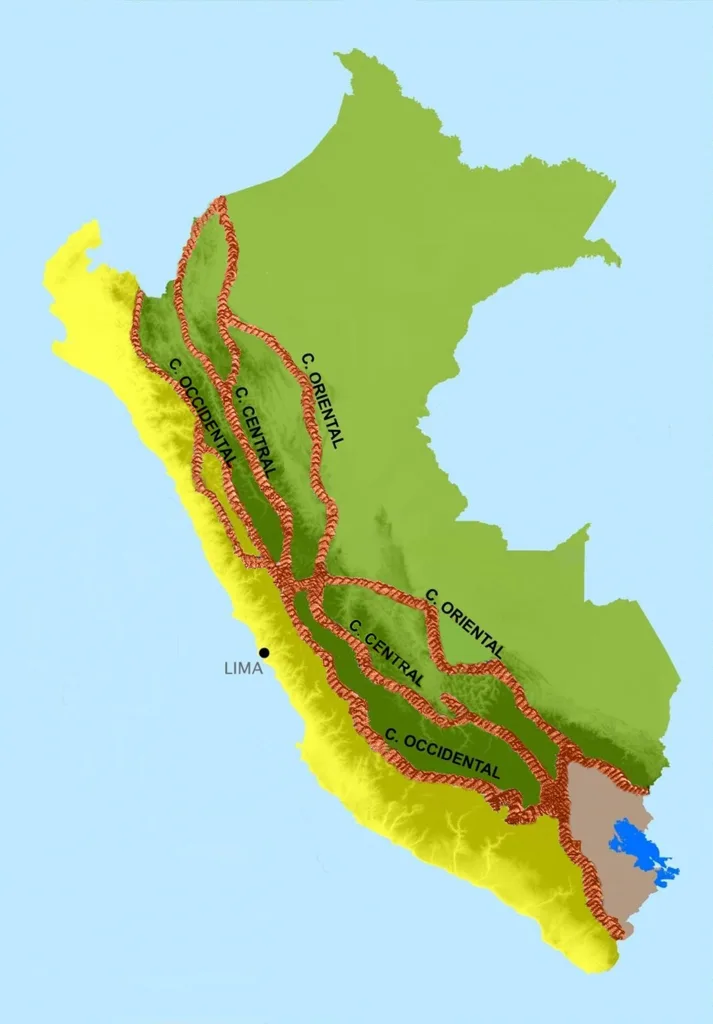
Machu Picchu sits on a mountain ridge in the Cordillera Oriental of southern Peru, overlooking the Urubamba River. This eastern range is known for its dramatic transitions from high alpine peaks to lush, deep cloud forests, providing the site with its famously dramatic, misty backdrop.
Photo: Edubucher, Wikimedia Commons, CC BY-SA 3.0.
Tap the right answer
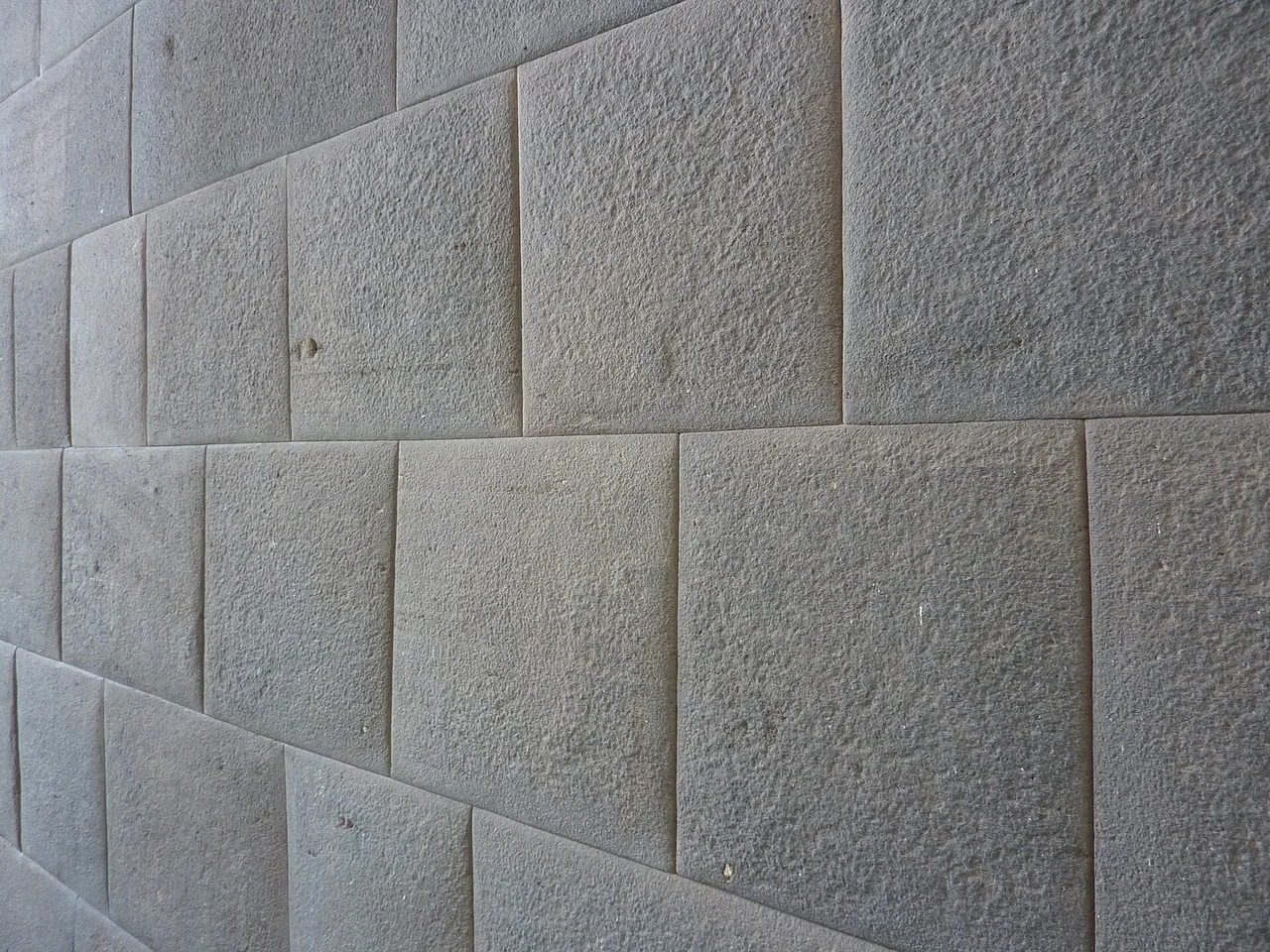
The Incas were master builders who used a technique called ashlar, where stones were cut to fit together precisely without any mortar. During an earthquake, these stones can bounce and dance, settling back into their perfect original positions rather than collapsing.
Photo: Pethrus, Wikimedia Commons, CC BY-SA 4.0.
Tap the right answer
Machu Picchu is one of the rare properties designated as a Mixed World Heritage Site. This honors both its outstanding cultural value as an architectural masterpiece and its natural value, which includes a diverse ecosystem home to endangered species like the spectacled bear.


Want to make a quiz like this yourself? Do it on Votur, it's free.
Paste the code into your page. The player fits itself in, and every vote counts in Votur.
On WordPress, Ghost or Squarespace? Just paste the link of this page into your post.
This is how it looks
Also fun


