 Get app
 Photo: Severin.stalder, Wikimedia Commons, CC BY-SA 3.0.
Embark on an epic journey along the world's longest defensive monument! Test your knowledge on the myths, construction secrets, and rich history of the spectacular Great Wall of China.
Gate Crasher 0–4 · Tower Scout 5–8 · Master of the Wall 9–10

Tap the right answer
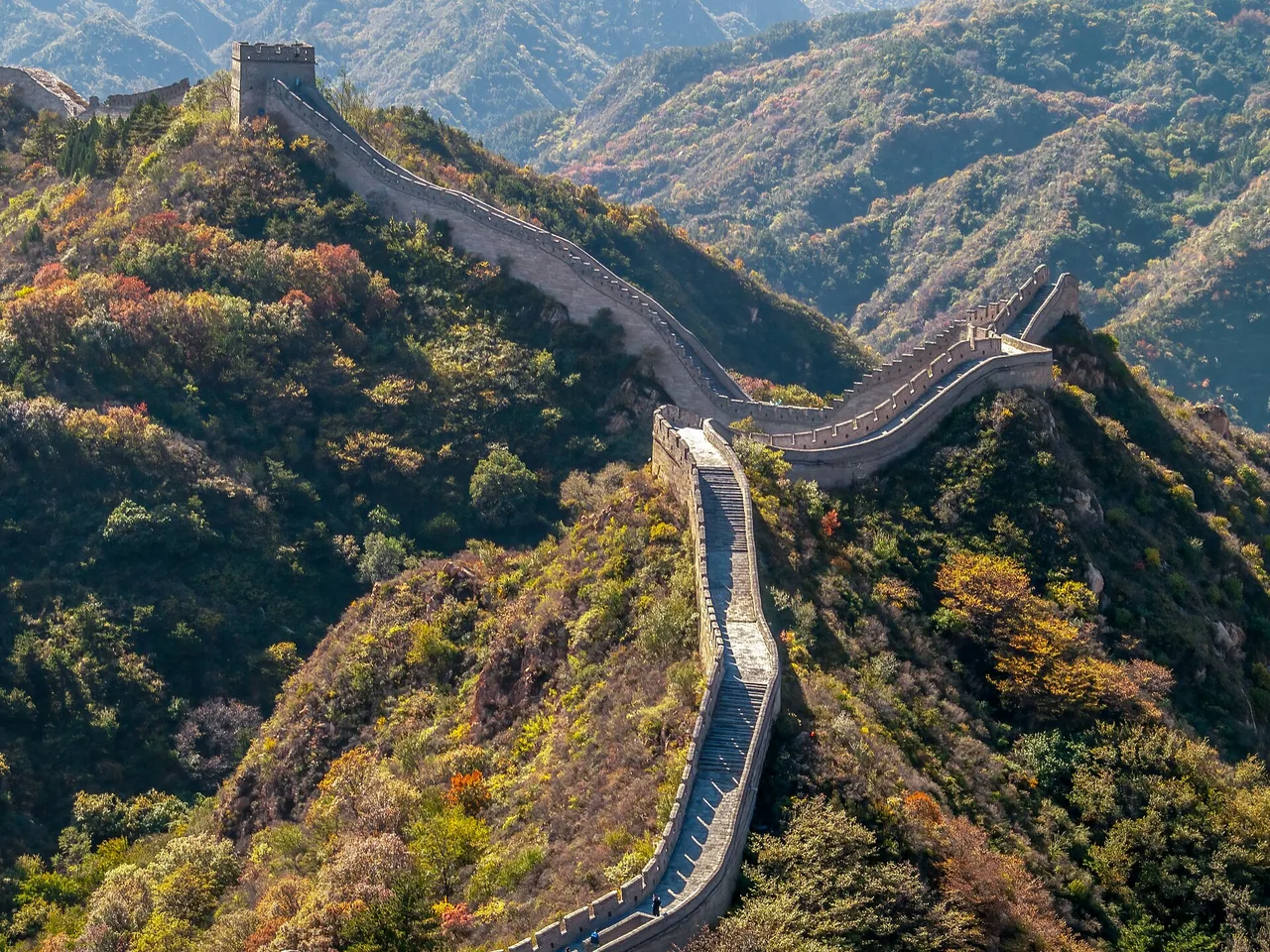
Badaling is the most famous and heavily visited section of the wall, located about 80 kilometers northwest of Beijing. It was the first section to open to tourists in 1957 and has hosted hundreds of world leaders, including Richard Nixon in 1972.
Photo: Ermell, Wikimedia Commons, CC BY-SA 4.0.
Tap the right answer
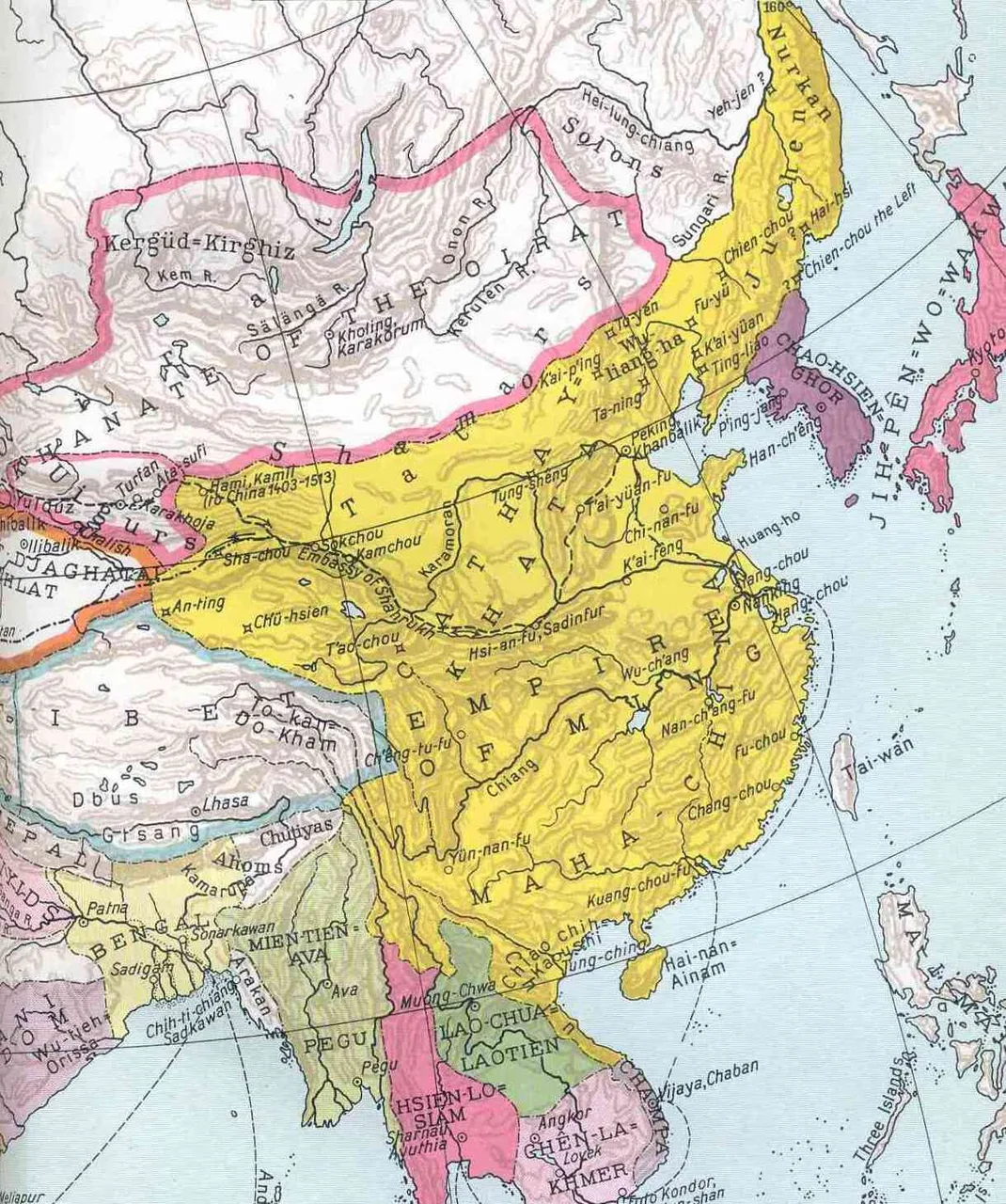
While older sections were made of rammed earth, the Ming dynasty rebuilt the wall using durable stone and kiln-fired bricks. They added over a thousand watchtowers to protect the capital from Mongol invasions, creating the famous silhouette we recognize today.
Photo: Albert Herrmann Creator:Q1509115 & Georg Westermann, Wikimedia Commons, Public domain.
Tap the right answer
The Chinese national anthem, 'March of the Volunteers', features the line 'Let us build our new Great Wall with our very flesh and blood.' Written in 1935 during the war with Japan, it uses the wall as a powerful metaphor for national defense and resilience.
Photo: Pathe Records, Wikimedia Commons, Public domain.
Tap the right answer
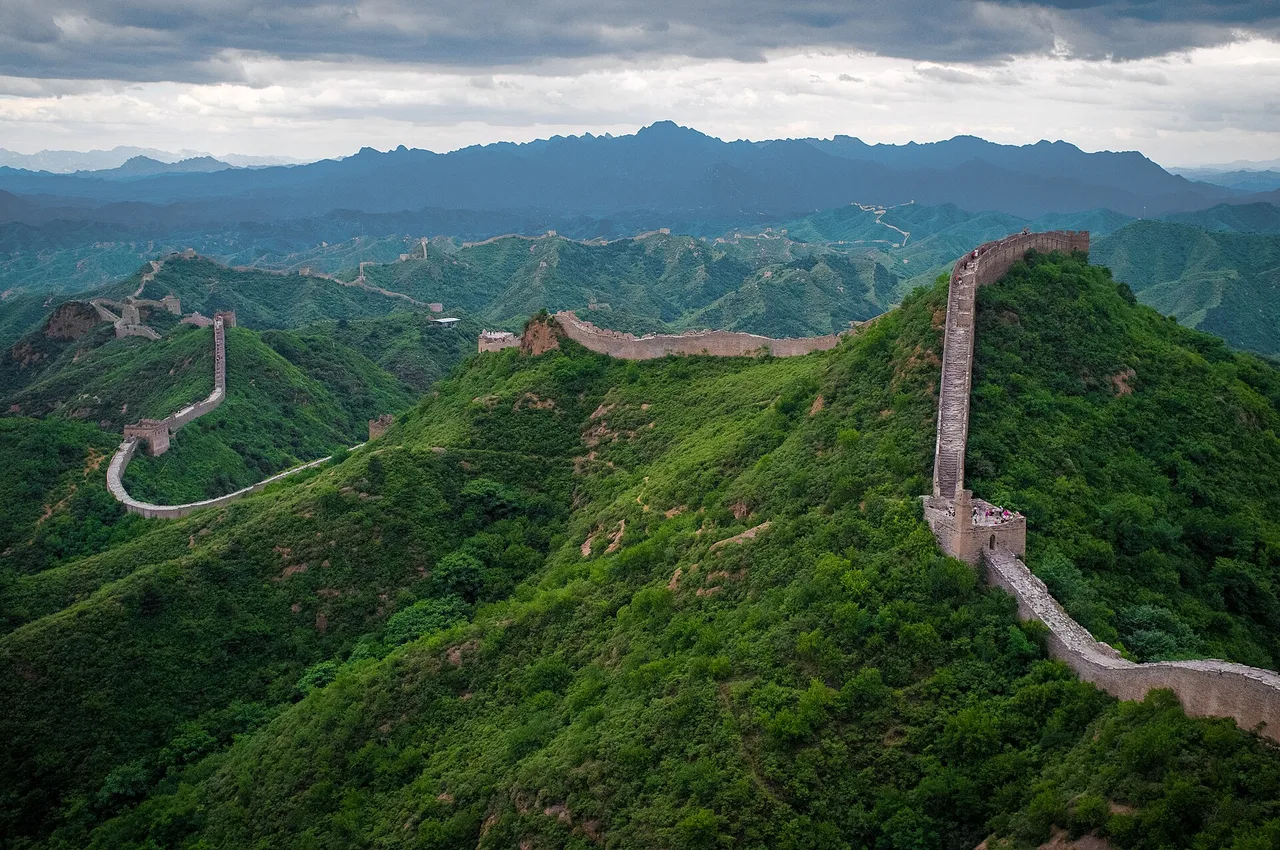
Despite the popular myth that started long before spaceflight, NASA confirmed the wall is generally invisible to the naked eye from space. Because it is built from local clay and stone, its color blends perfectly with the surrounding hills. Astronauts usually need high-powered lenses to spot it.
Photo: Severin.stalder, Wikimedia Commons, CC BY-SA 3.0.
Tap the right answer
Watchtowers used a sophisticated system of smoke signals by day and fires by night to warn of invading forces. By using different mixtures of wolf dung, straw, and sulfur, soldiers could even communicate the approximate size of the approaching enemy army.
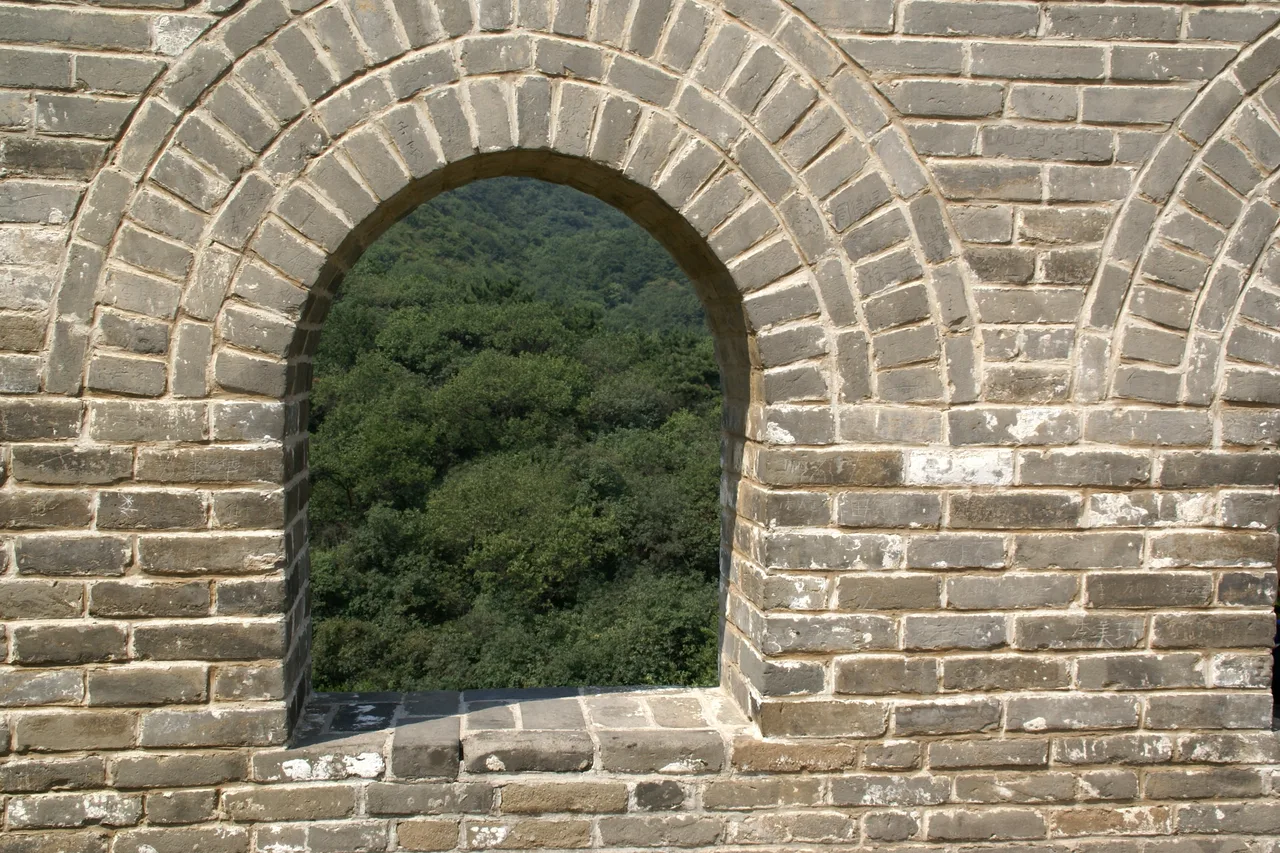
Tap the right answer
Workers during the Ming dynasty mixed sweet sticky rice soup with slaked lime to create an incredibly tough mortar. This organic-inorganic blend sealed the bricks so tightly that weeds still cannot grow in many places today, and it helped the structures survive major earthquakes.
Photo: Hermann Luyken, Wikimedia Commons, CC0.
Tap the right answer
The bitter legend of Meng Jiangnü tells of a devoted wife whose husband was forced into hard labor on the wall and died there. Her grief was so intense that her weeping caused a long stretch of the wall to collapse, exposing her husband's bones so she could bury them.
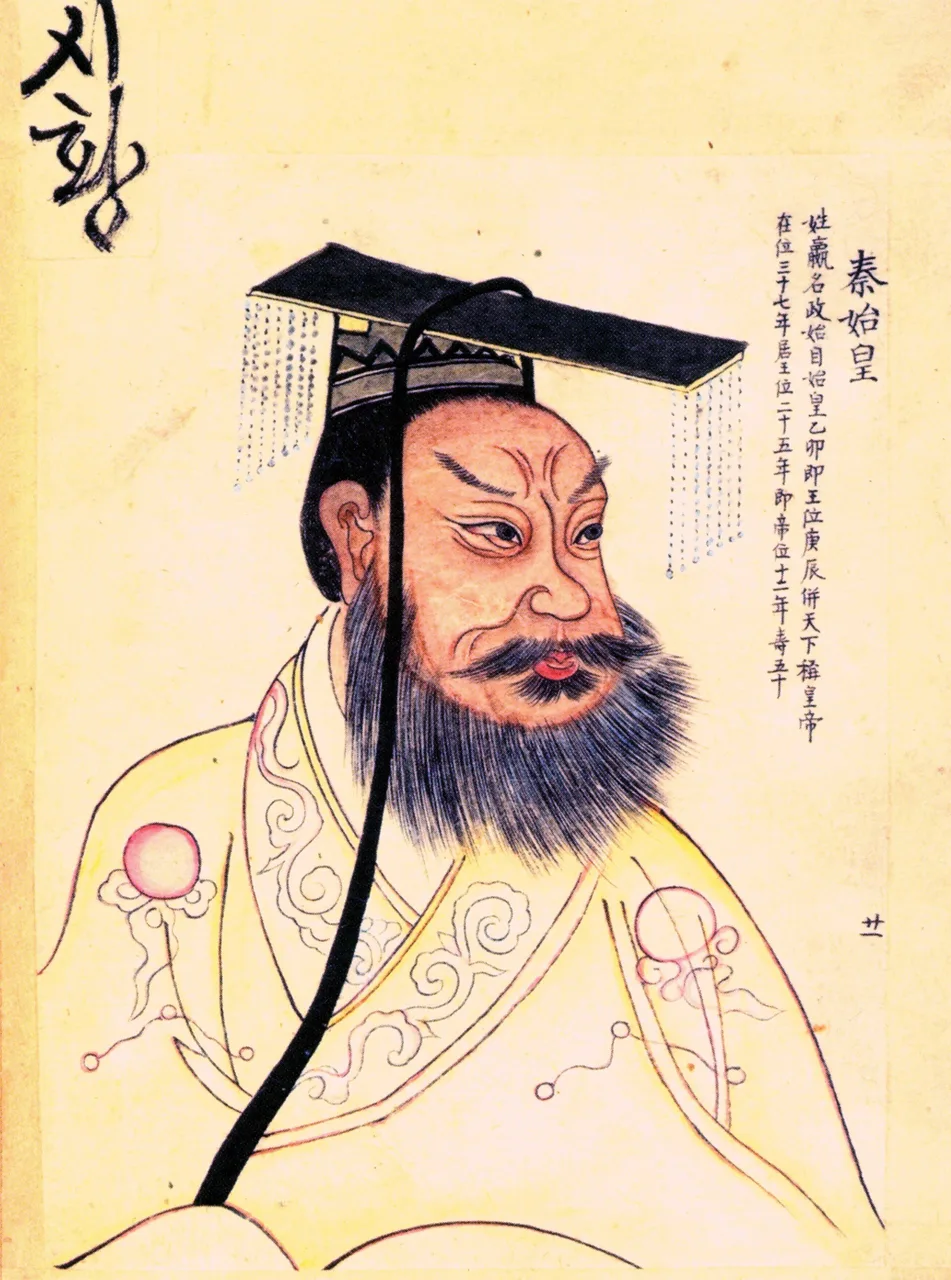
Tap the right answer
Emperor Qin Shi Huang, who first unified China, ordered the connection of existing northern walls around 221 BC. To achieve this massive feat, he mobilized hundreds of thousands of soldiers, peasants, and convicts to work under incredibly harsh conditions.
Photo: Unknown (18??–18??), Wikimedia Commons, Public domain.
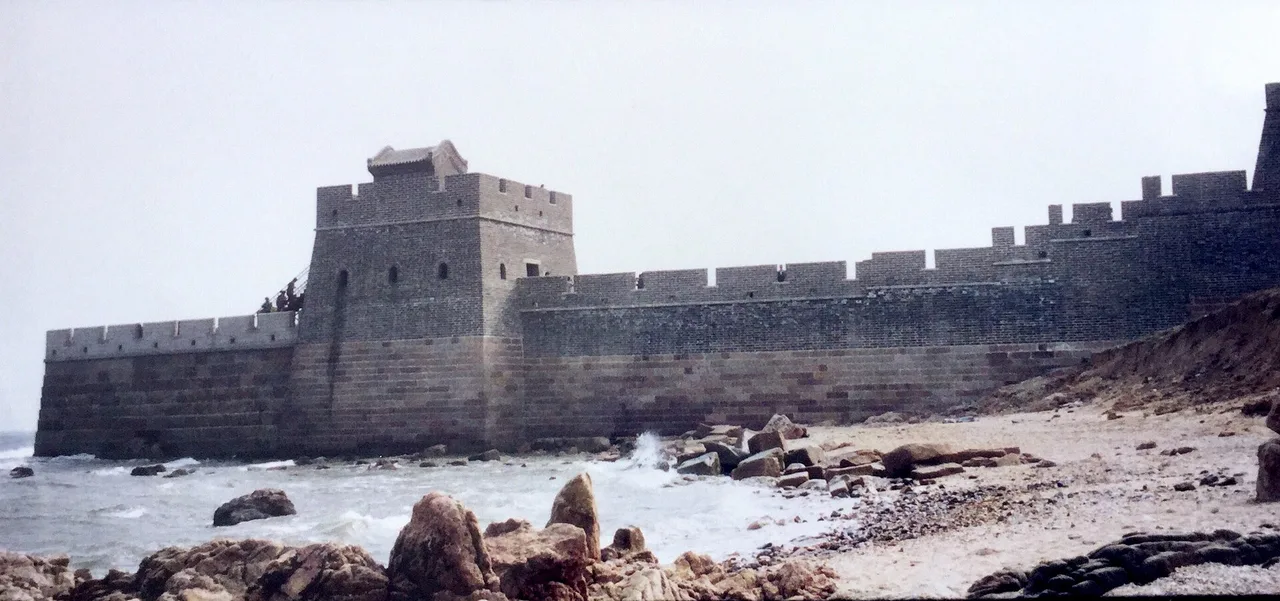
Tap the right answer
Shanhai Pass, or Shanhaiguan, is a strategic coastal pass where the Great Wall meets the sea. Its easternmost point is known as the 'Old Dragon's Head' because it resembles a giant dragon drinking water from the Bohai Sea.
Photo: Prince Roy, Wikimedia Commons, CC BY 2.0.
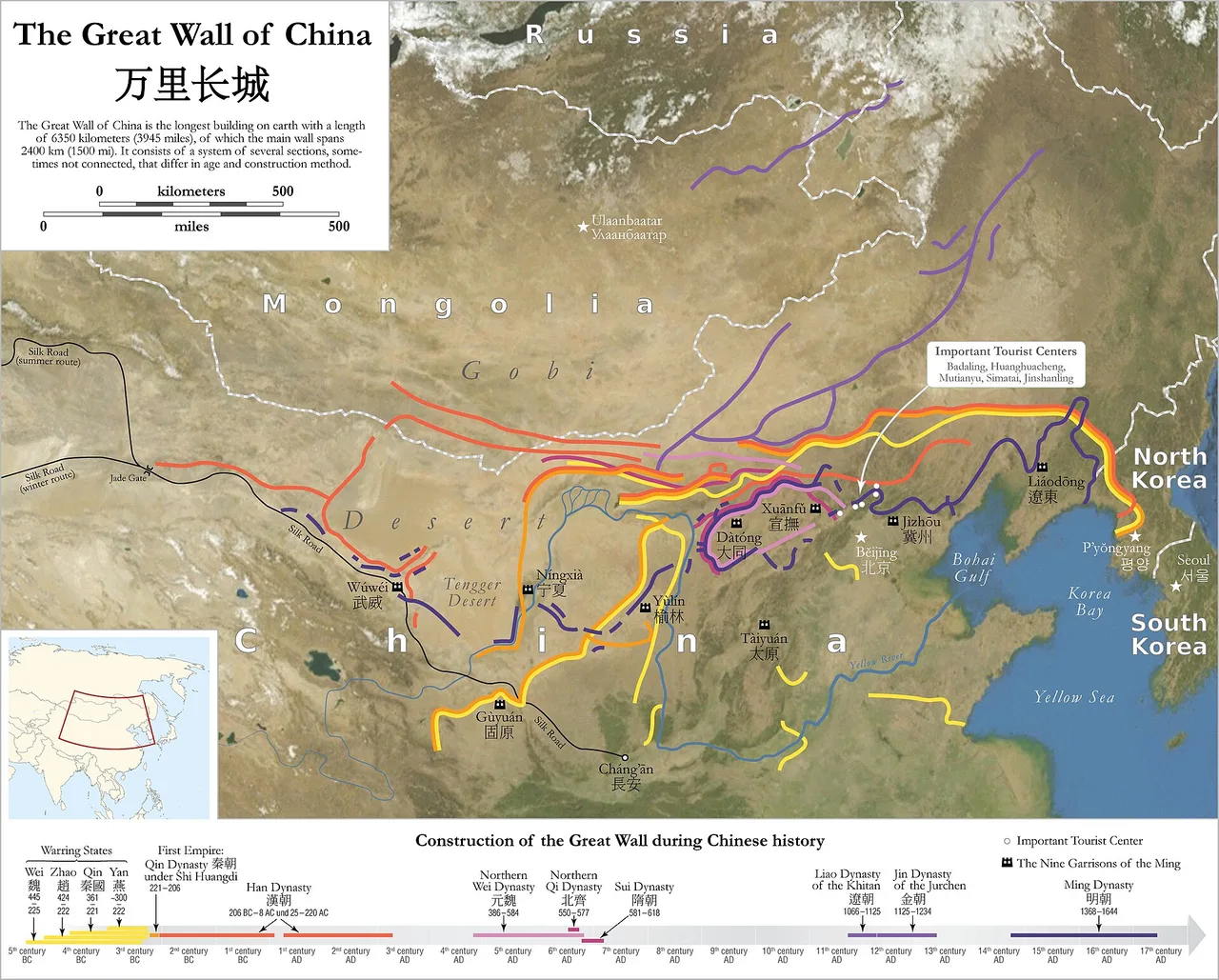
Tap the right answer
In 2012, China's State Administration of Cultural Heritage released an official survey measuring all historical sections of the wall at 21,196 kilometers. This massive figure includes defensive trenches, natural barriers, and ruins built across multiple dynasties.
Photo: Maximilian Dörrbecker (Chumwa), Wikimedia Commons, CC BY-SA 2.5.


Want to make a quiz like this yourself? Do it on Votur, it's free.
Paste the code into your page. The player fits itself in, and every vote counts in Votur.
On WordPress, Ghost or Squarespace? Just paste the link of this page into your post.
This is how it looks
Also fun


