 Get app
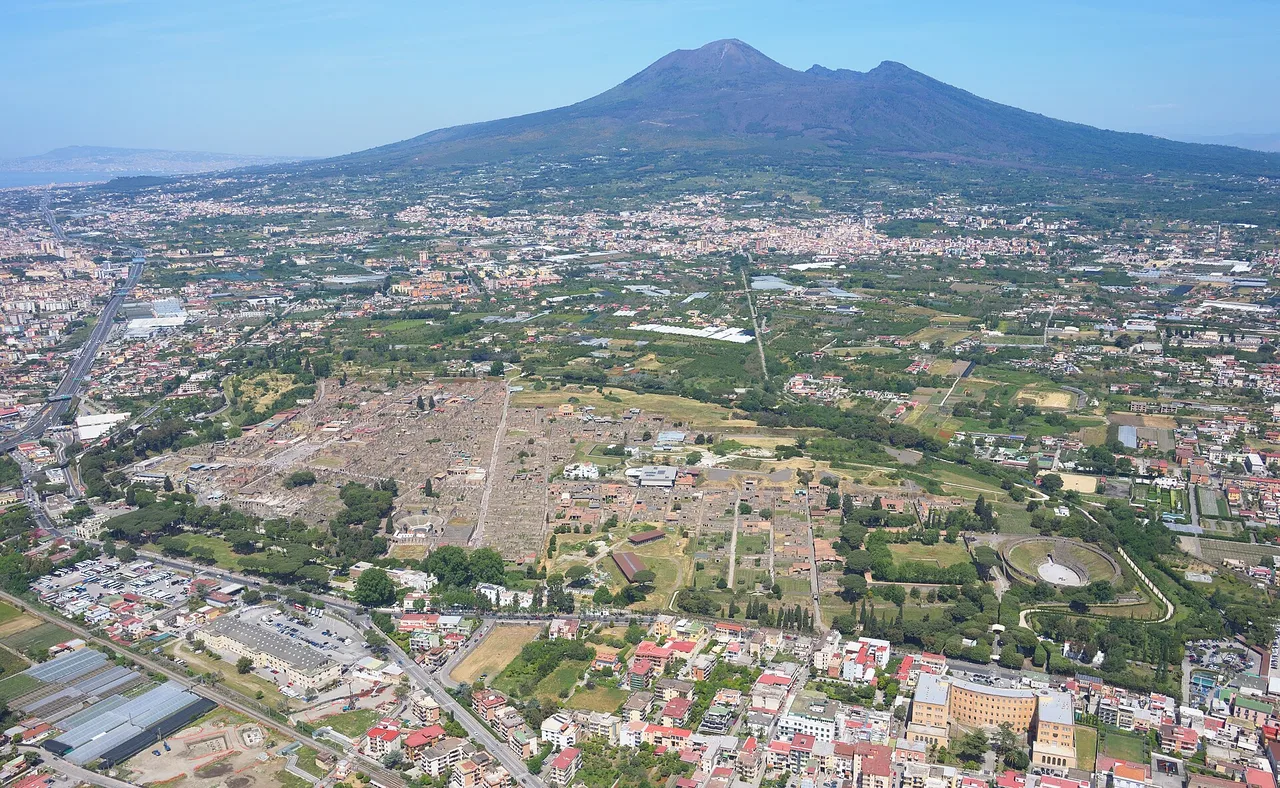
Step back in time to the ancient Roman city frozen by volcanic ash! Test your knowledge on how the people of Pompeii lived, worked, and what they left behind.
Curious Tourist 0–4 · History Buff 5–8 · Master Antiquarian 9–10

Tap the right answer
Instead of being wiped out by liquid lava, Pompeii was buried under a thick blanket of falling ash and light pumice stones. This sealed the city from air and moisture, keeping buildings, everyday objects, and even the shapes of people intact for centuries.
Photo: Carsten Steger, Wikimedia Commons, CC BY-SA 4.0.
Tap the right answer
Pink Floyd recorded a legendary concert film in the oldest surviving Roman amphitheater. They played to an empty stadium, with only the crew and some local children watching. The performance captured a unique, haunting atmosphere among the ancient ruins.
Tap the right answer
The mosaic features a chained dog alongside the words 'Cave Canem', which translates to 'Beware of the dog'. This shows that keeping guard dogs and warning visitors about them was just as common in ancient Roman times as it is today.
Photo: Wikimedia Commons, Public domain.
Tap the right answer
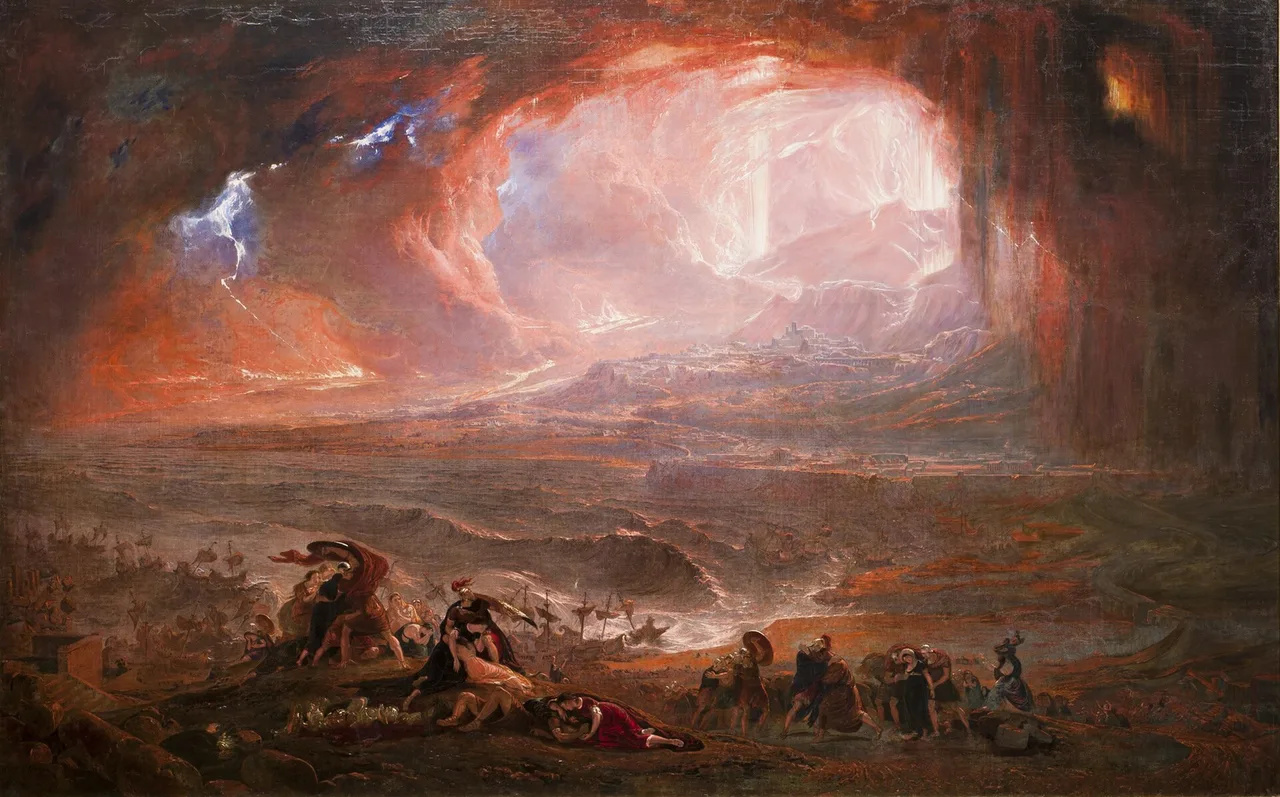
The eruption occurred in the late summer or autumn of 79 AD. The disaster was recorded by Pliny the Younger, who watched the terrifying event from across the bay. Interestingly, his uncle, Pliny the Elder, died while trying to rescue stranded citizens.
Photo: John Martin, Wikimedia Commons, Public domain.
Tap the right answer
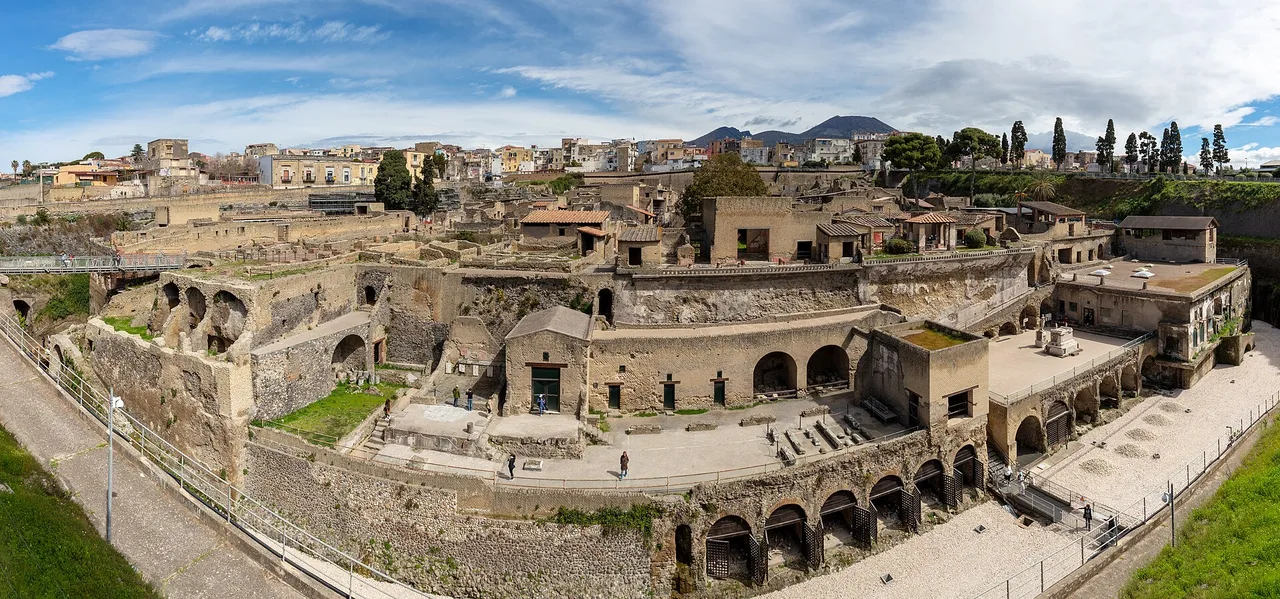
Herculaneum was buried under scorching avalanches of volcanic ash and gas, many meters deep during the same eruption. Because it was sealed by a different mixture of volcanic material, organic matter like wooden furniture, food, and even scrolls were preserved much better than in Pompeii.
Photo: Diego Delso, Wikimedia Commons, CC BY-SA 4.0.

Tap the right answer
In the 19th century, Giuseppe Fiorelli realized that decayed bodies left empty spaces in the hardened ash. By pumping plaster into these cavities, he created highly detailed casts of the citizens, capturing their facial expressions and clothing folds.
Photo: Wikimedia Commons, Public domain.
Tap the right answer
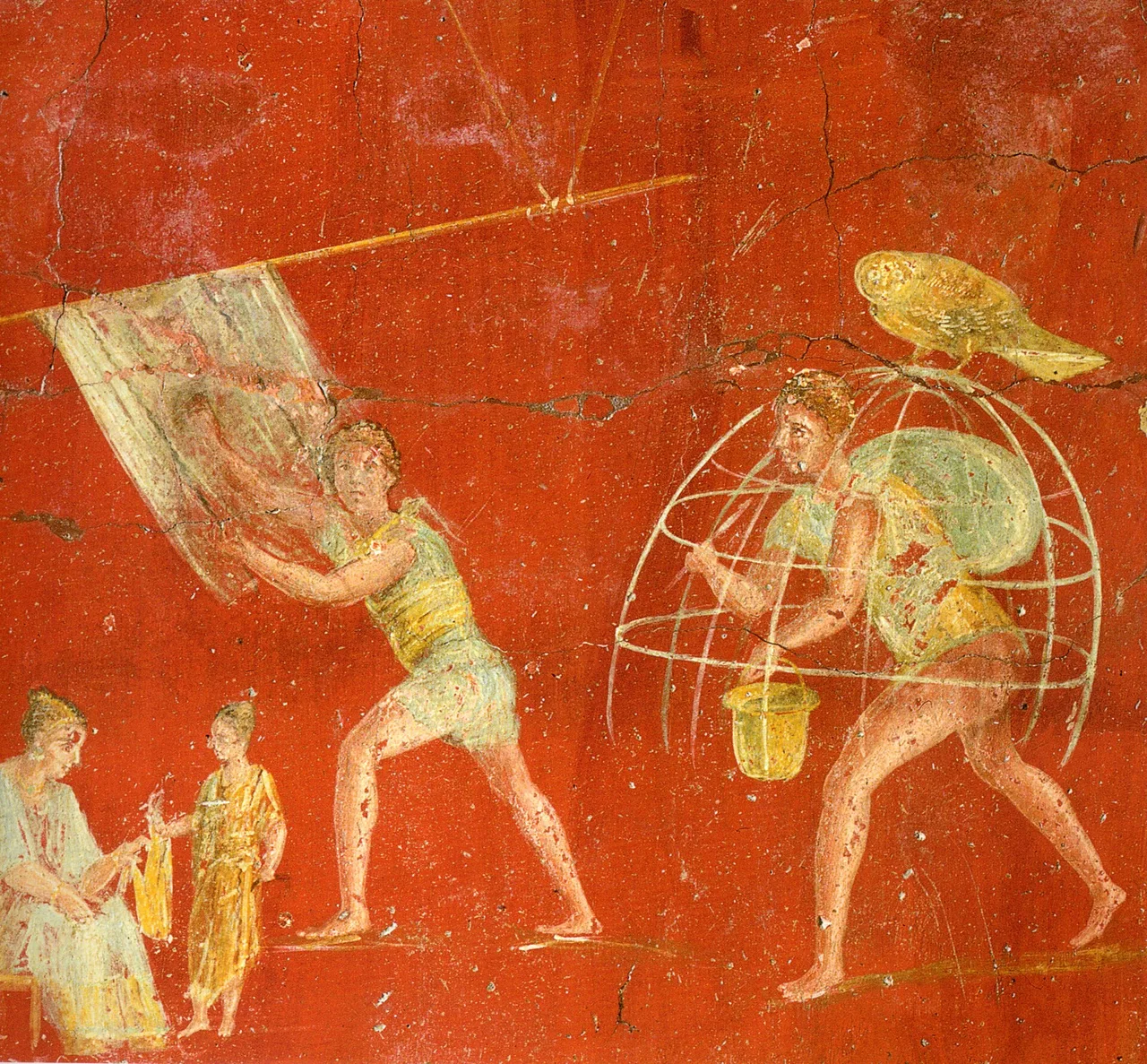
Roman laundry workers, known as fullers, collected urine from public pots to bleach and clean dirty wool. Urine contains ammonia, which is excellent for cutting through grease. Workers would stand in tubs of urine and stomp on the clothes to clean them.
Photo: WolfgangRieger, Wikimedia Commons, Public domain.
Tap the right answer
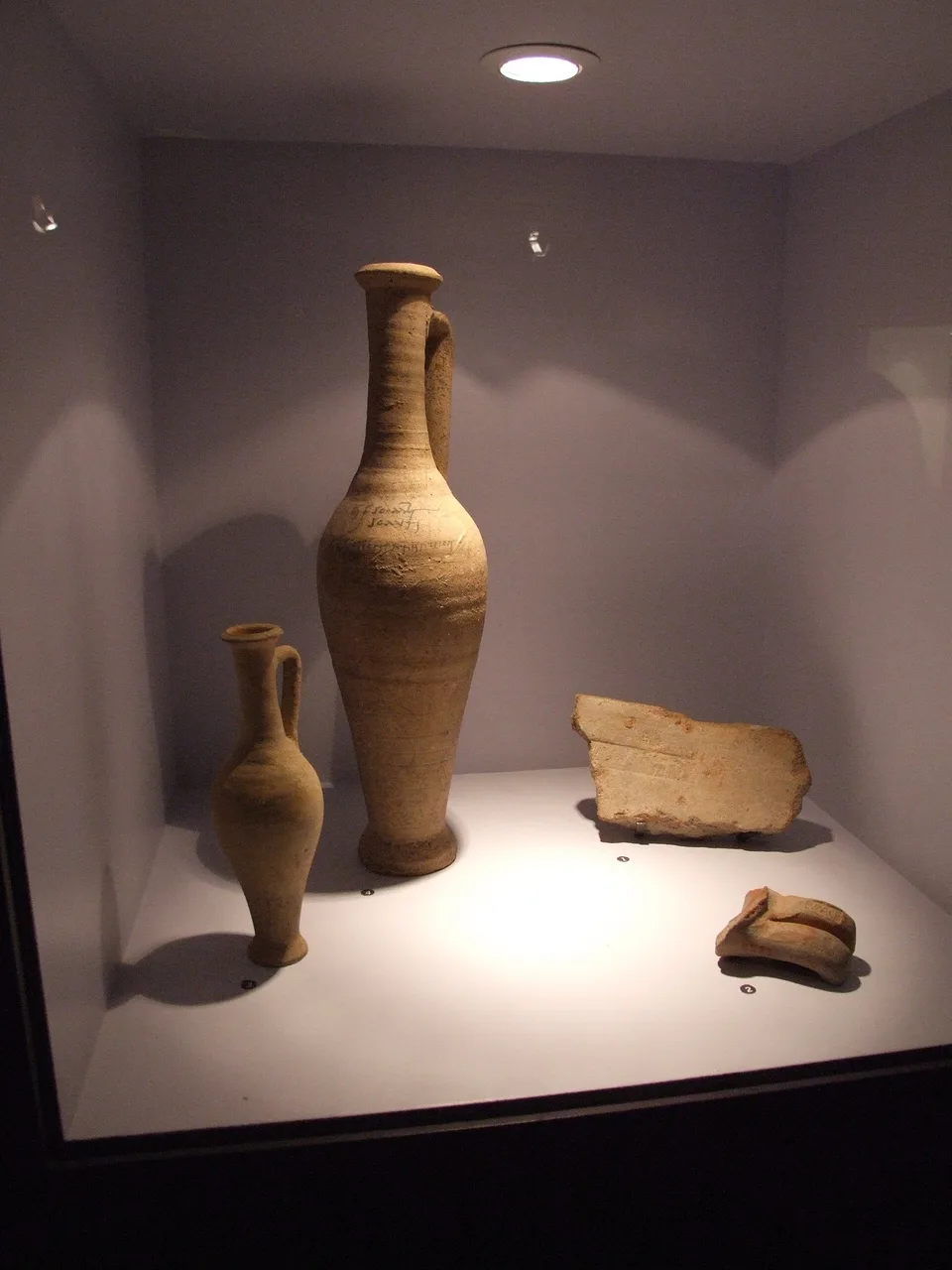
Garum was a salty, savory sauce made by fermenting fish intestines in the sun. It was the ketchup of the Roman world, added to almost every meal. Pompeii was famous for producing some of the highest-quality garum in the region.
Photo: Claus Ableiter, Wikimedia Commons, CC BY-SA 3.0.
Tap the right answer
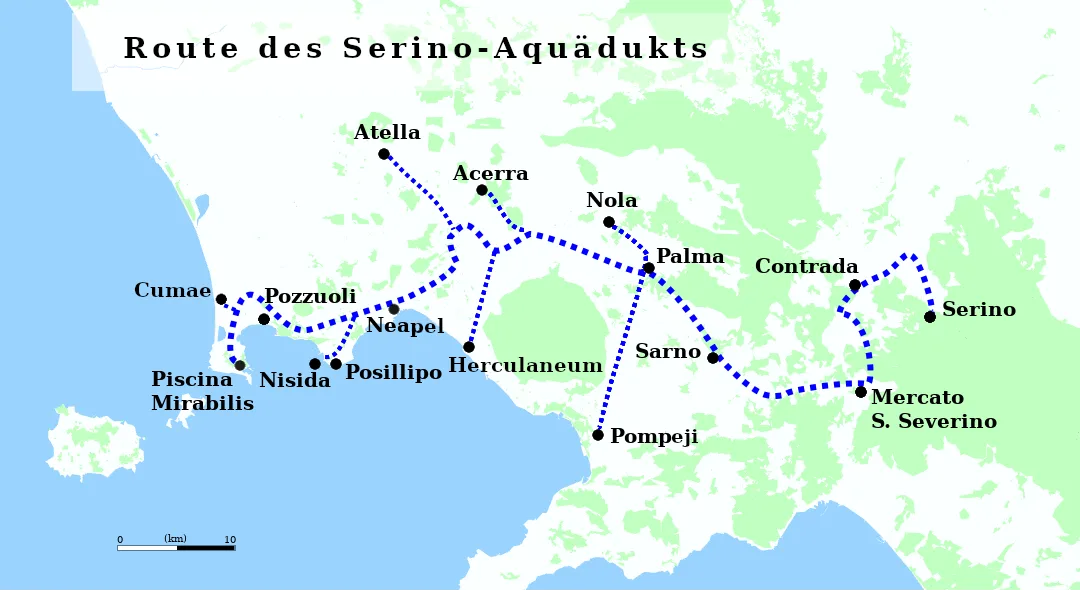
Pompeii was connected to the Serino Aqueduct, which brought fresh mountain water directly into the city. The water was stored in a central water tower and distributed through lead pipes to public fountains, public baths, and wealthy private homes.
Photo: RuthvenOpenStreetMap contributors, Wikimedia Commons, ODbL.
Tap the right answer
Venus was the patron deity of Pompeii. When the city became a Roman colony in 80 BC, it was officially named Colonia Cornelia Veneria Pompeianorum in her honor, and a grand temple was built for her near the marine gate.


Want to make a quiz like this yourself? Do it on Votur, it's free.
Paste the code into your page. The player fits itself in, and every vote counts in Votur.
On WordPress, Ghost or Squarespace? Just paste the link of this page into your post.
This is how it looks
Also fun