 Get app
Dive into the incredible red river flowing inside you! Discover the science, history, and surprising quirks of blood in this lively trivia challenge.
Cell Novice 0–4 · Pulse Regular 5–8 · Master of Circulation 9–9

Tap the right answer
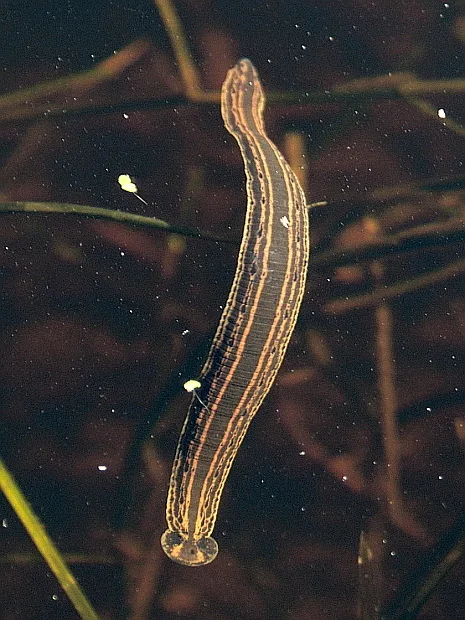
Leeches were used for centuries in bloodletting, a medical practice based on the ancient belief that illnesses were caused by an imbalance of bodily fluids. Today, medicinal leeches are still used in modern reconstructive surgery to restore blood flow to reattached tissue. Their saliva contains a natural anesthetic and a powerful anticoagulant that keeps blood flowing freely.
Photo: (c) Георгий Виноградов (Georgy Vinogradov), some rights reserved (CC BY), Wikimedia Commons, CC BY 4.0.
Tap the right answer
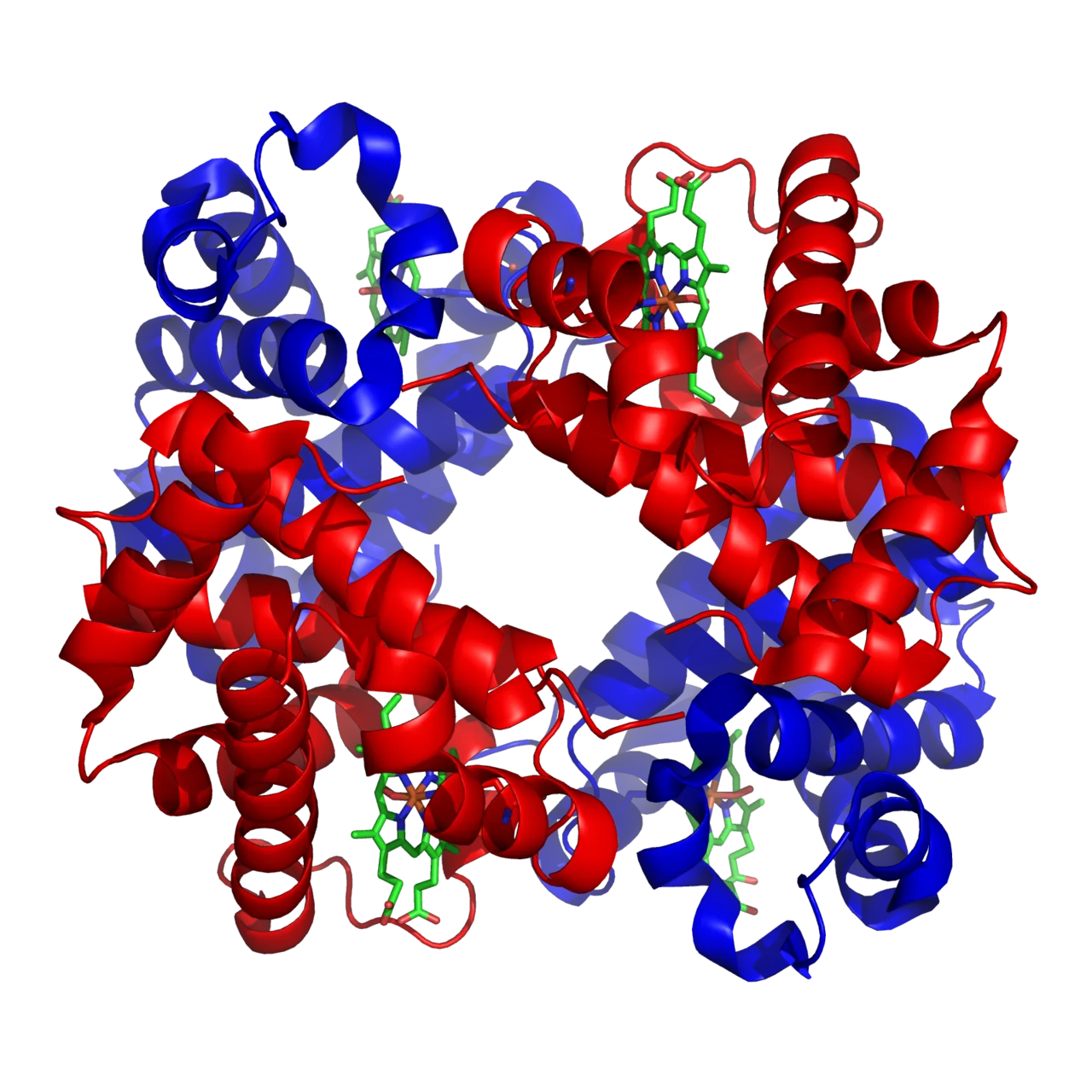
Hemoglobin contains iron, which binds to oxygen and gives our blood its red hue. Humans rely entirely on this iron-based protein to carry oxygen. A single drop of blood contains millions of red blood cells, each packed with hundreds of millions of these iron-rich hemoglobin molecules.
Photo: Zephyris at English Wikipedia, Wikimedia Commons, CC BY-SA 3.0.
Tap the right answer
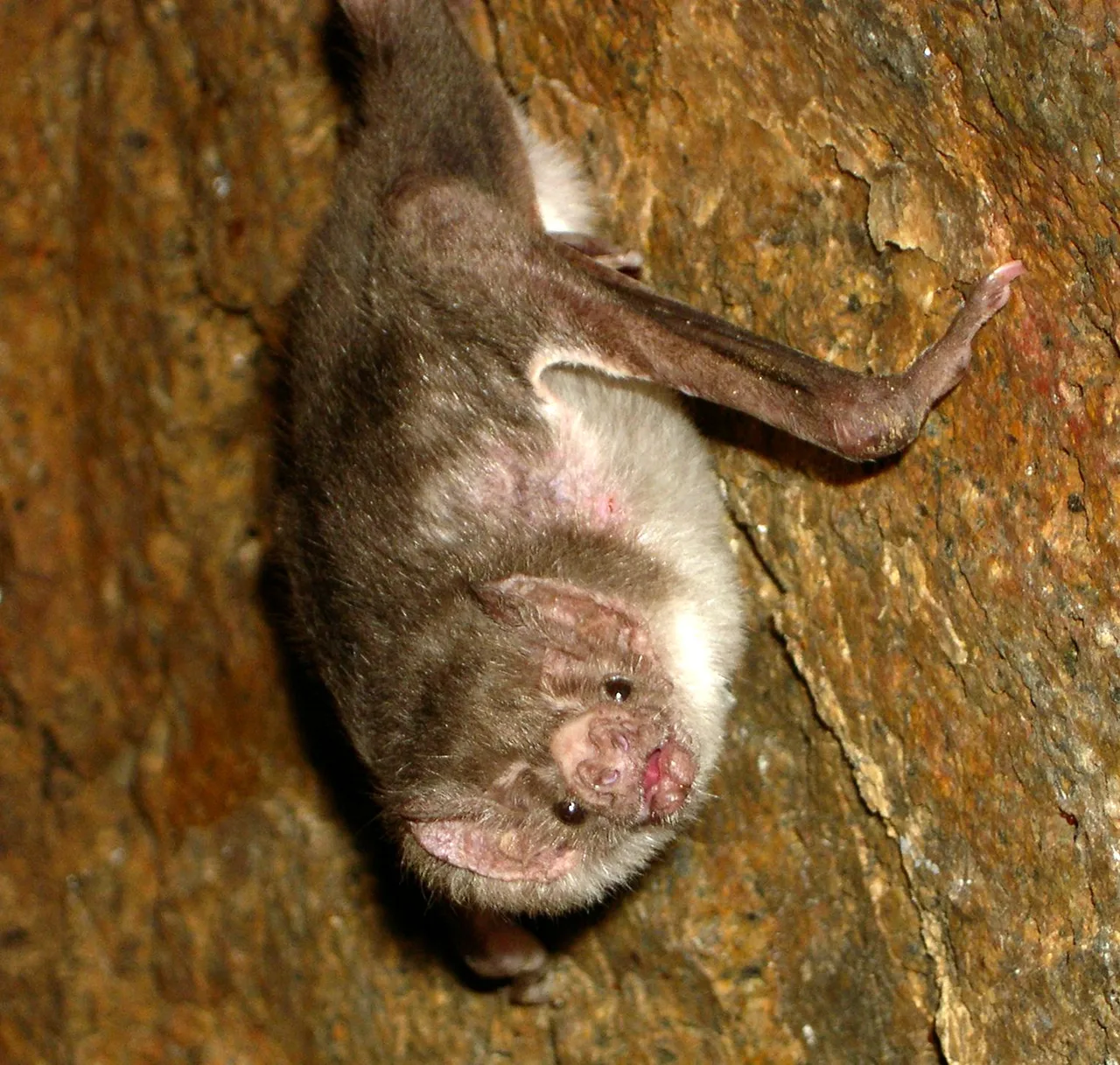
Vampire bats are the only mammals that feed entirely on blood, a diet known as hematophagy. Despite its spooky name, the vampire squid does not drink blood at all; it feeds on drifting organic detritus in the deep ocean. Vampire bats have special heat sensors on their noses to help them find warm blood vessels close to the skin of their prey.
Photo: Acatenazzi at English Wikipedia, Wikimedia Commons, CC BY-SA 3.0.
Tap the right answer
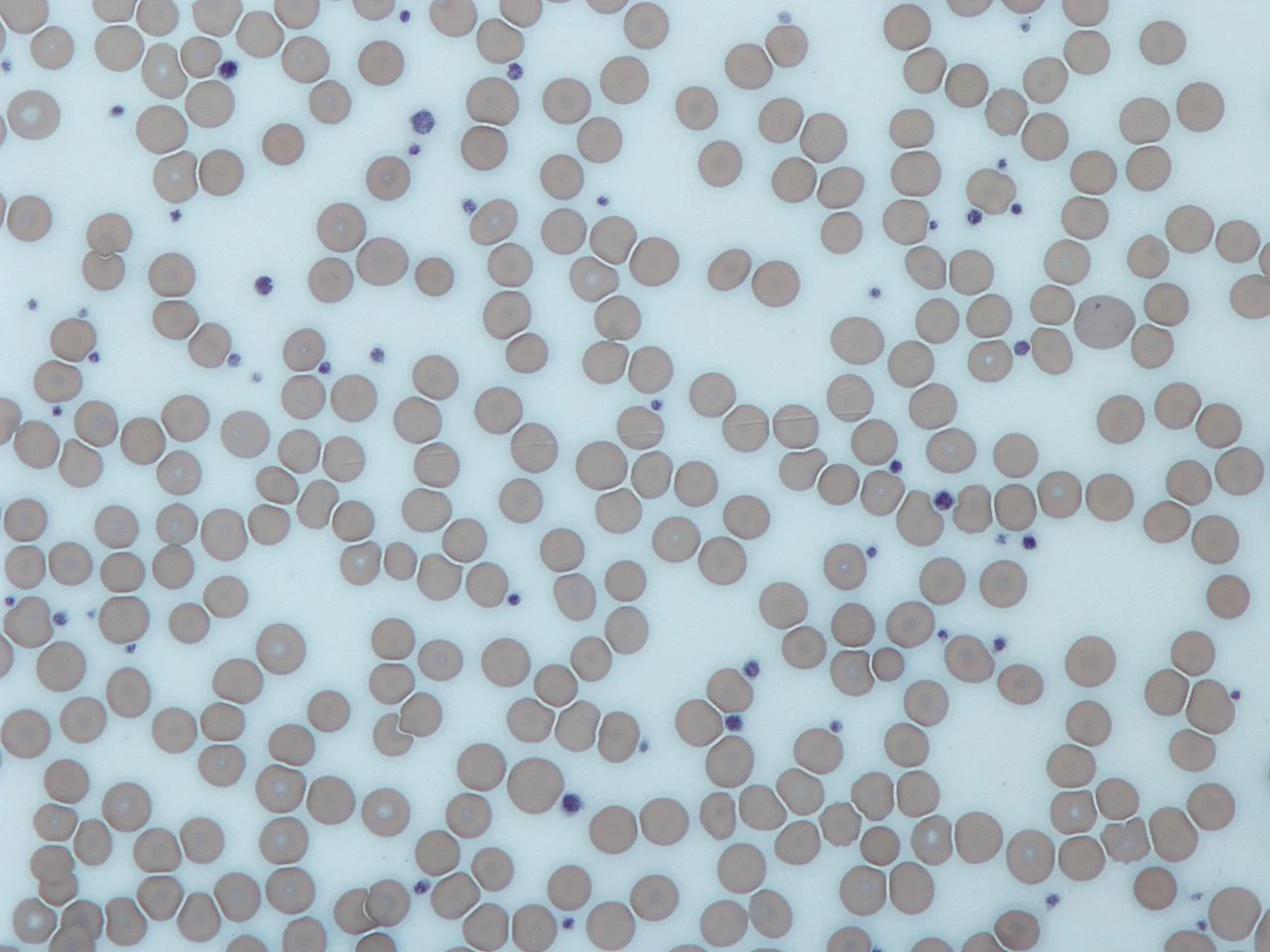
Platelets are tiny, colorless cell fragments that rush to the site of an injury, sticking together to plug the leak and start the clotting process. White blood cells are part of the immune system and focus on fighting off invading bacteria and viruses. Platelets only survive in the body for about eight to ten days before being replaced.
Photo: Dr Graham Beards, Wikimedia Commons, CC BY-SA 4.0.
Tap the right answer
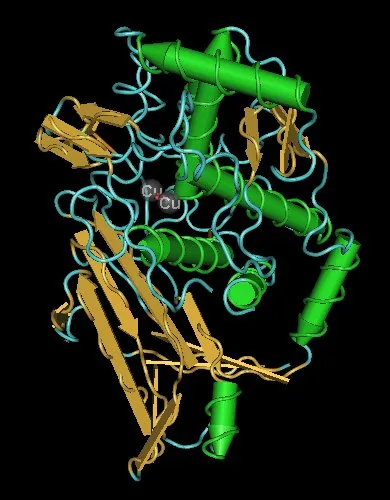
Octopus blood is blue because it uses a copper-rich protein called hemocyanin to transport oxygen instead of iron-based hemoglobin. This copper-based system works well in the cold, low-oxygen water where many octopuses live. When an octopus loses oxygen, its blood loses its blue color and turns completely clear.
Photo: Cuff ME, Miller KI, van Holde KE, Hendrickson WA, Wikimedia Commons, Public domain.
Tap the right answer
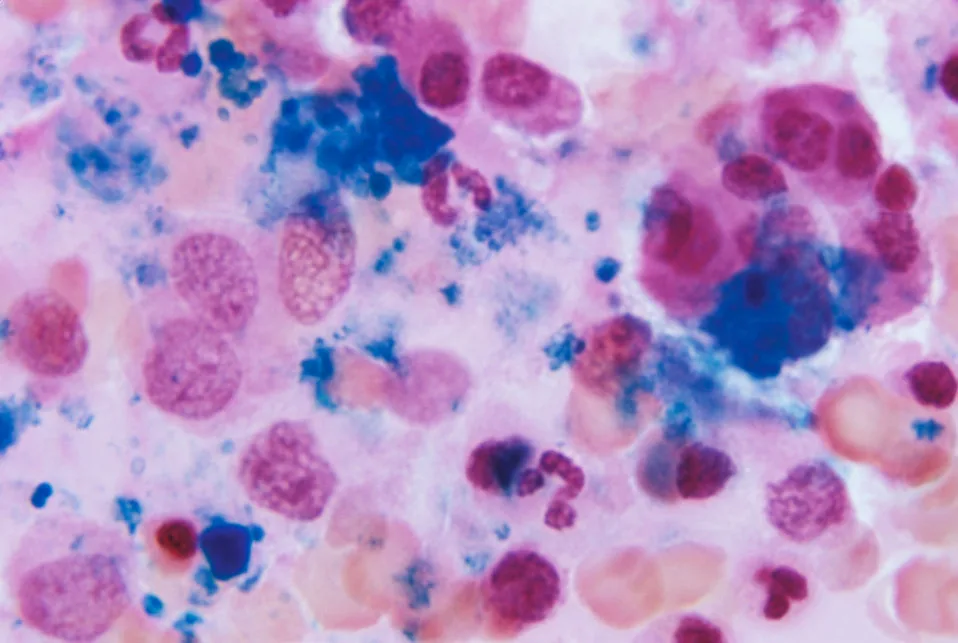
The spleen acts as a quality-control filter for the blood, trapping old or damaged red blood cells and breaking them down to salvage their iron. While the kidneys filter waste and excess water to make urine, the spleen keeps the cellular part of your blood fresh. A person can live without a spleen, as the liver can take over some of its recycling duties.
Tap the right answer
New blood cells are manufactured inside the soft tissue of your bones, specifically the red bone marrow. This factory works incredibly fast, producing about two million red blood cells every single second to replace the ones that naturally wear out. Most of this production happens in flat bones like the pelvis, ribs, and sternum.
Photo: Dr. Gordon D. McLaren, Wikimedia Commons, Public domain.
Tap the right answer
Type O is the most common blood type worldwide, making up the majority of donors in many regions. People with O-negative blood are known as universal donors because their red blood cells can be safely given to patients of any other blood type in an emergency. In contrast, the rarest common type is AB-negative, found in less than one percent of the population.
Tap the right answer
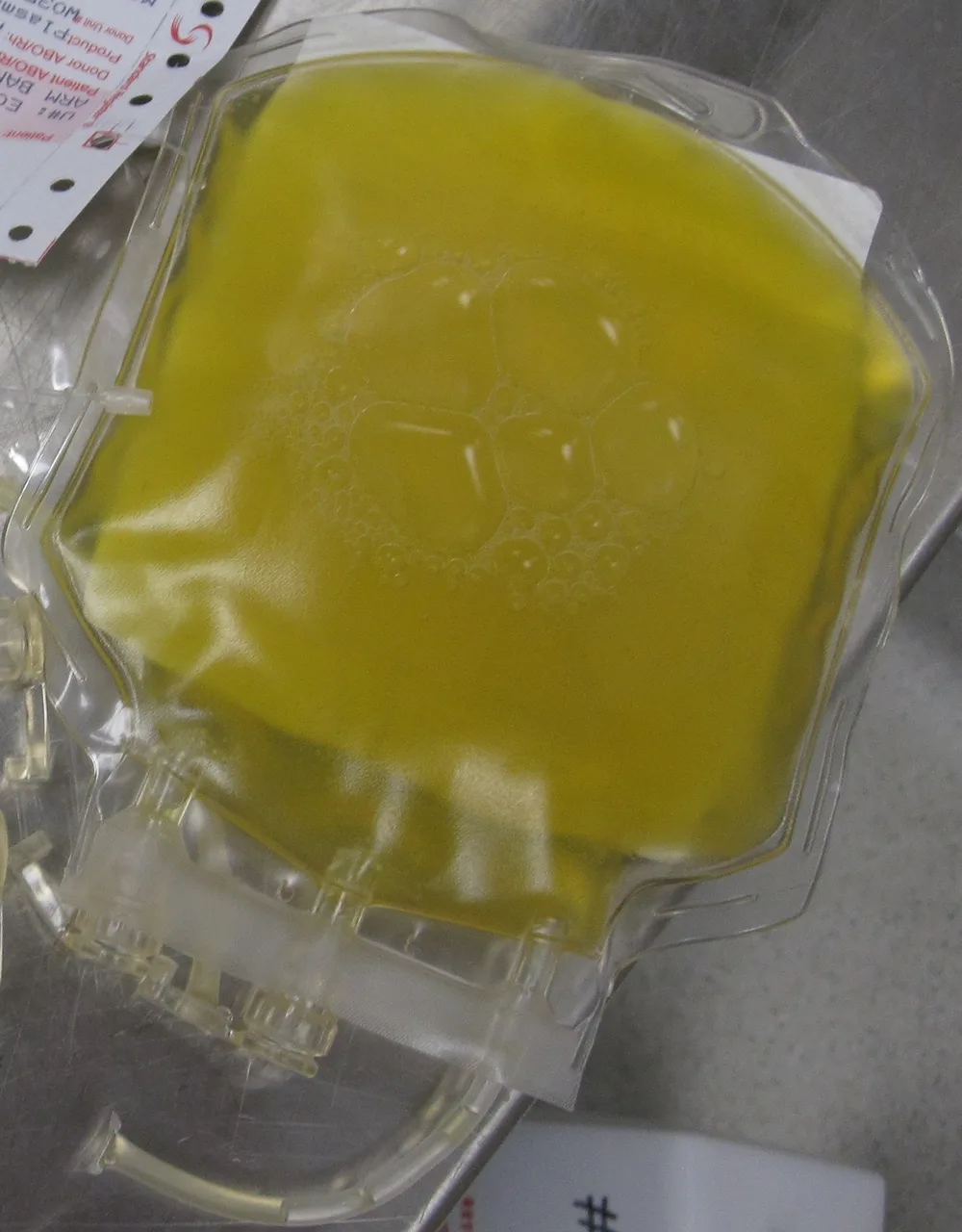
Plasma makes up about 55% of your total blood volume and is mostly composed of water, along with proteins, glucose, and mineral ions. Lymph is a different bodily fluid that flows through the lymphatic system to help fight infections. Scientists can separate plasma from the rest of the blood using a centrifuge, where it appears as a light yellow liquid.
Photo: DiverDave, Wikimedia Commons, CC BY-SA 3.0.


Want to make a quiz like this yourself? Do it on Votur, it's free.
Paste the code into your page. The player fits itself in, and every vote counts in Votur.
On WordPress, Ghost or Squarespace? Just paste the link of this page into your post.
This is how it looks
Also fun