Get app
 Photo: Jerm, Wikimedia Commons, CC BY 2.5.
Test your knowledge on the hard-working muscle that keeps you going every second of the day. Explore its anatomy, history, and cultural impact!
First Beat 0–4 · Rhythm Keeper 5–8 · Master of the Pulse 9–10
Pick one

The sounds you hear through a stethoscope are not the muscles contracting, but the abrupt snapping shut of the heart valves. The first sound ("lub") comes from the mitral and tricuspid valves closing, while the second ("dub") is the aortic and pulmonary valves shutting.
Pick one
Dr. Christiaan Barnard performed this historic operation at Groote Schuur Hospital in Cape Town, South Africa. The recipient, Louis Washkansky, lived for 18 days after the surgery before succumbing to pneumonia due to a weakened immune system from anti-rejection drugs.
Pick one
William Harvey published his groundbreaking findings in 1628, proving that the heart acts as a muscular pump to circulate blood throughout the body. Before his work, many believed blood was constantly produced by the liver and consumed by the organs.

Photo: After Daniël Mijtens, Wikimedia Commons, Public domain.
Pick one
Willem Einthoven designed the string galvanometer, which was sensitive enough to record the tiny electrical currents of the heart. His original machine was massive, weighing over 600 pounds and requiring several people to operate, yet it laid the foundation for modern cardiology.
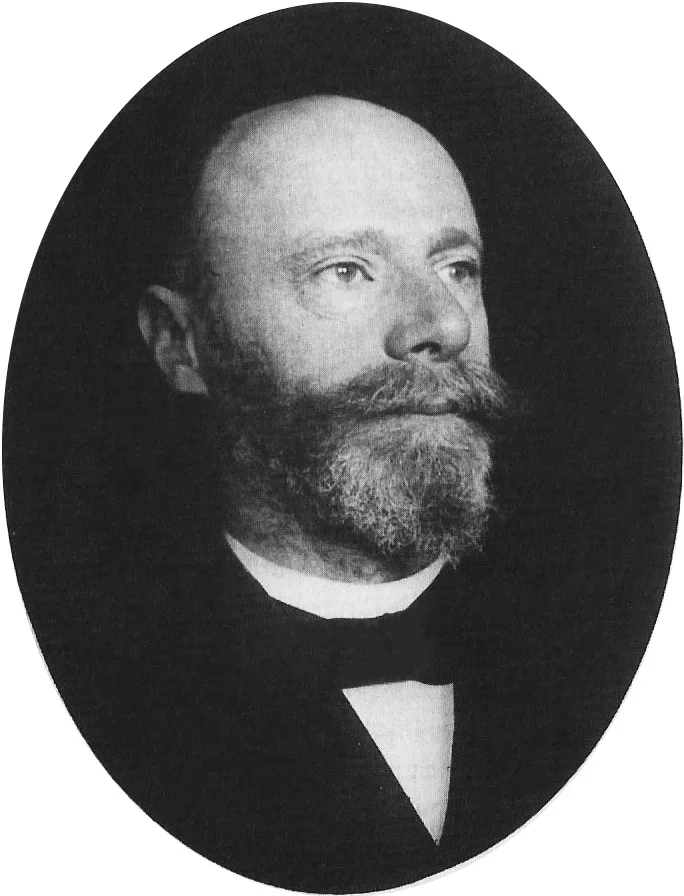
Photo: Wikimedia Commons, Public domain.
Pick one
The mitral valve, also known as the bicuspid valve, has two flaps and sits on the left side of the heart. The tricuspid valve performs a similar function but is located on the right side, managing deoxygenated blood. The mitral valve got its name because its shape resembles a bishop's miter hat.
Pick one
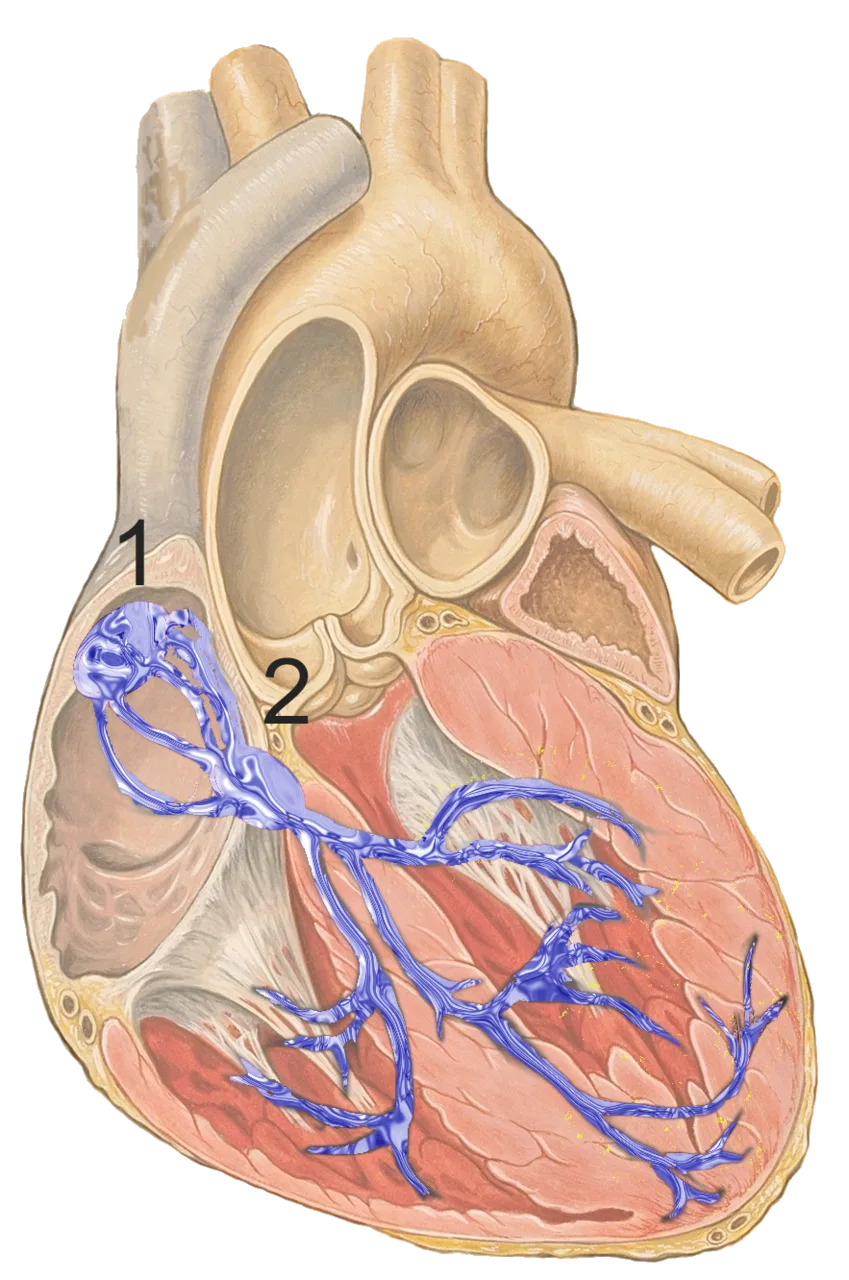
The sinoatrial (SA) node, located in the upper wall of the right atrium, generates electrical impulses that set the rhythm of your heartbeat. While the atrioventricular (AV) node also handles electrical signals, its main job is to slightly delay the impulse so the ventricles have time to fill with blood.
Photo: J. Heuser, Wikimedia Commons, CC BY 2.5.
Pick one
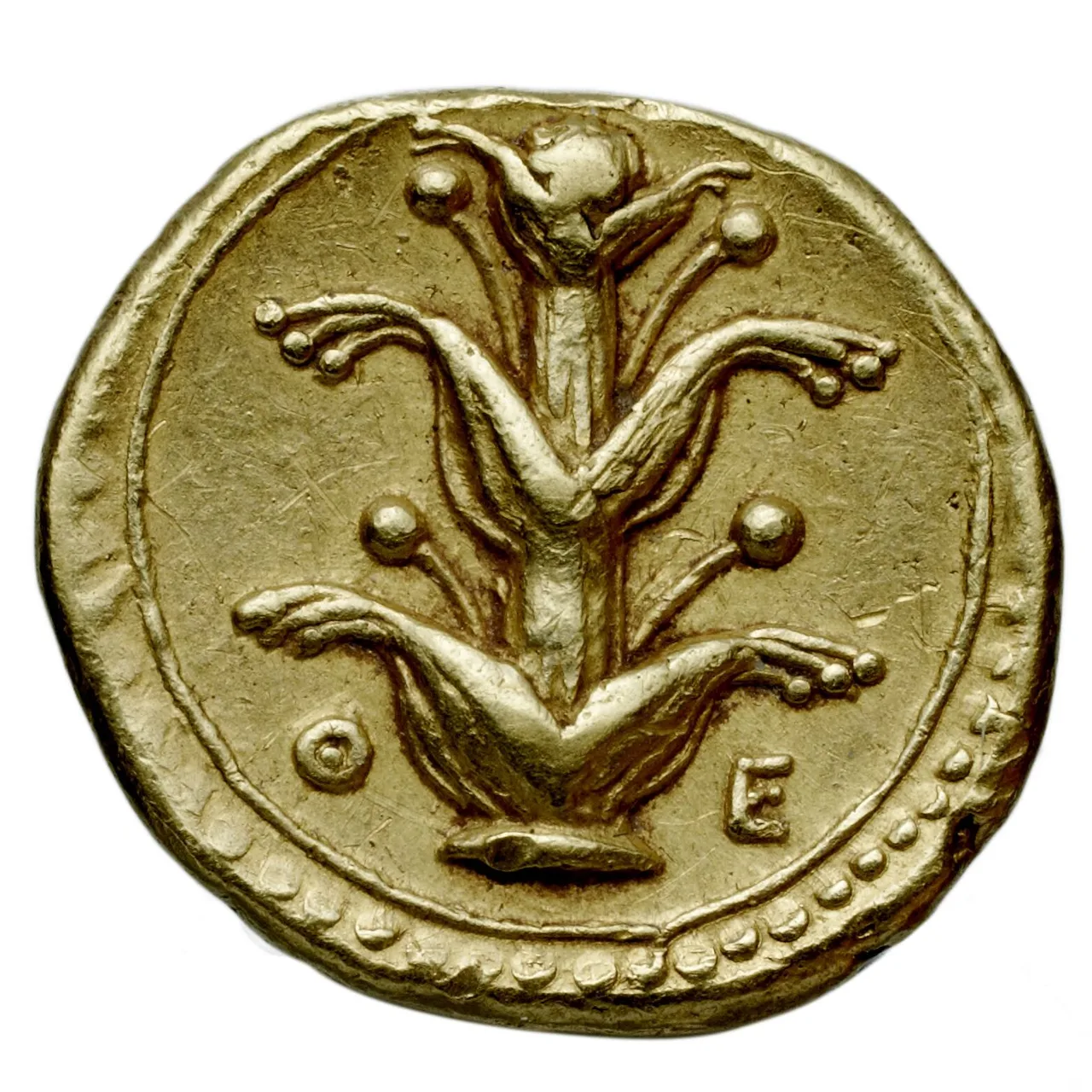
The seed pod of the now-extinct silphium plant looked remarkably like the modern heart symbol. It was so valuable to the ancient economy of Cyrene that its image, heart shape and all, was stamped onto their local silver coins.
Photo: Theupheidès (magistrat monétaire de Cyrène). Magistrat monétaire Alexandre lll (, Wikimedia Commons, Public domain.
Pick one
The human heart is the first functional organ to develop, starting to beat rhythmically around day 21 or 22, which is during the fourth week. This early start is crucial because the growing embryo quickly becomes too large to rely solely on simple diffusion for oxygen and nutrients.
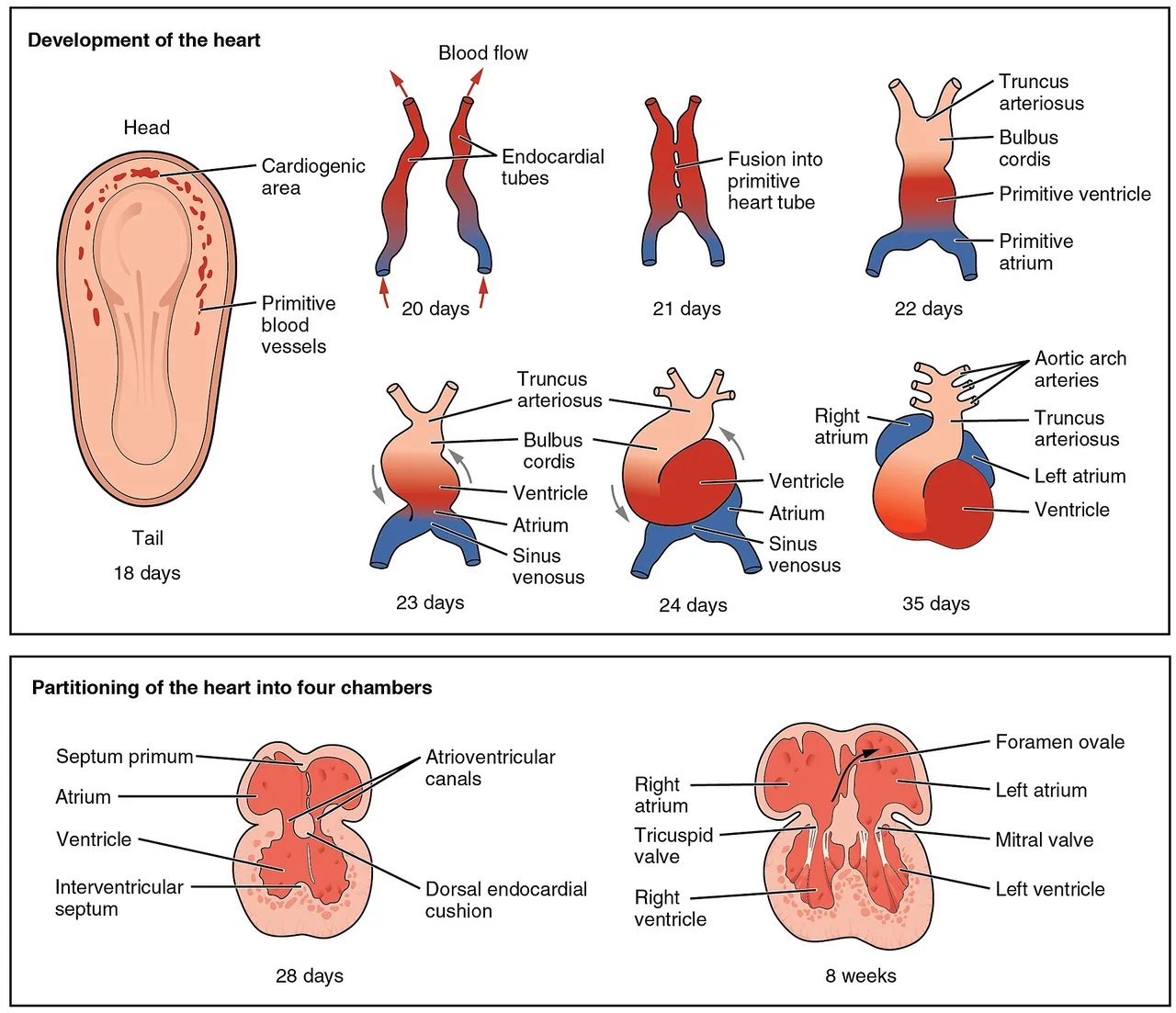
Photo: OpenStax College, Wikimedia Commons, CC BY 3.0.
Pick one
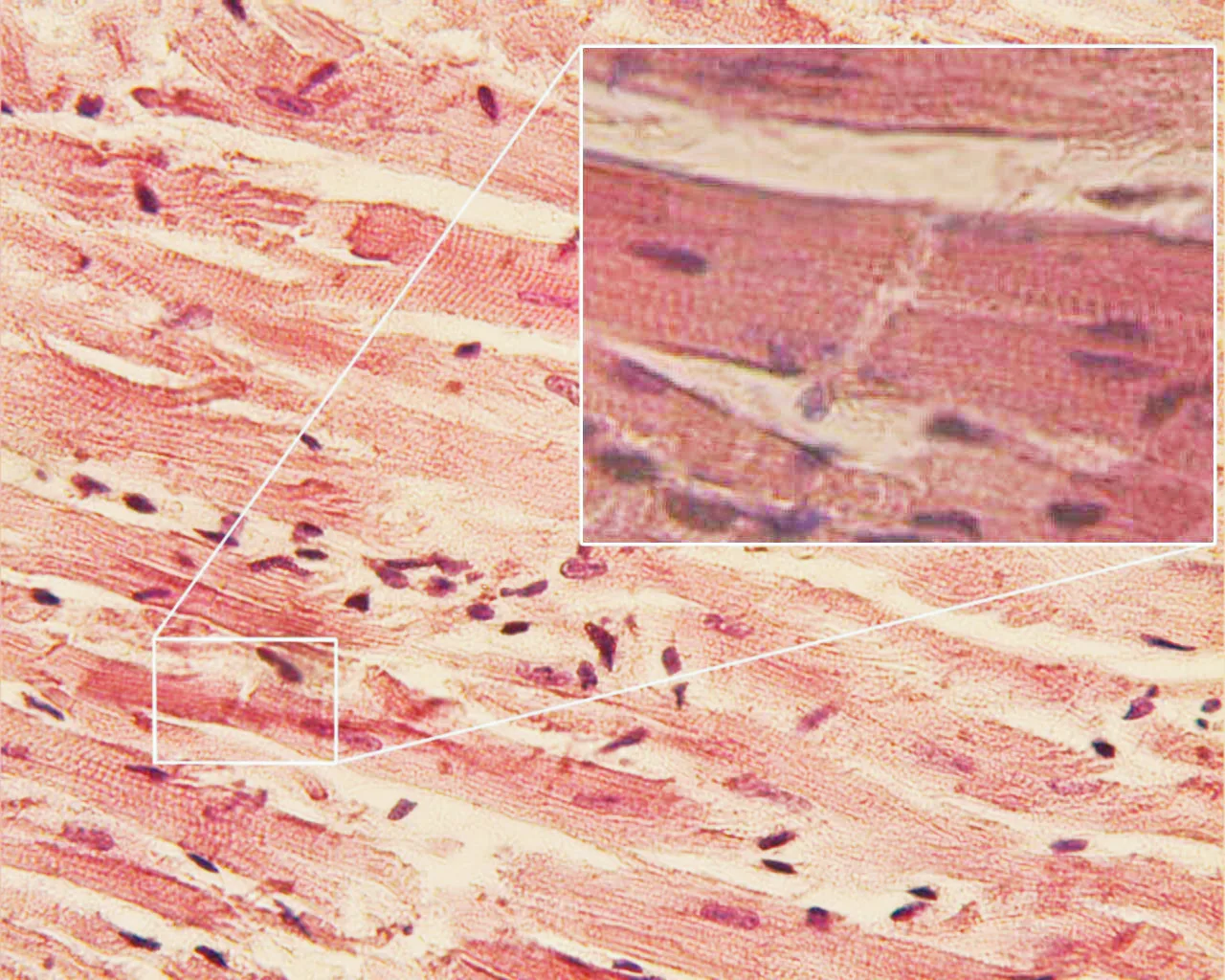
Intercalated discs are special joints between heart muscle cells. They contain tiny channels called gap junctions that let electrical signals jump straight from one cell to the next. That is why the whole heart muscle can squeeze together in one smooth wave.
Photo: Dr. S. Girod, Anton Becker, Wikimedia Commons, CC BY 2.5.
Pick one
Bradycardia refers to a slow heart rate. While it can sometimes indicate an underlying health issue, it is also very common in highly trained athletes whose hearts are exceptionally strong and efficient. Hypotension refers to low blood pressure, which is a different measurement.


Paste the code into your page. The player fits itself in, and every vote counts in Votur.
On WordPress, Ghost or Squarespace? Just paste the link of this page into your post.
This is how it looks
Also fun