Get app
 Photo: William Campbell, Wikimedia Commons, CC0.
Step into the fascinating history and science of how medicine conquered pain. Test your knowledge on the discoveries, myths, and mind-bending facts behind anesthesia!
Curious Observer 0–4 · In the Operating Theater 5–8 · Master of Sedation 9–10
Pick one

Propofol does not dissolve well in water, so it is mixed into a white, milky emulsion of soybean oil and egg lecithin. Because it acts incredibly fast and often wipes out short-term memory of the procedure, medical staff nicknamed it the milk of amnesia.
Pick one
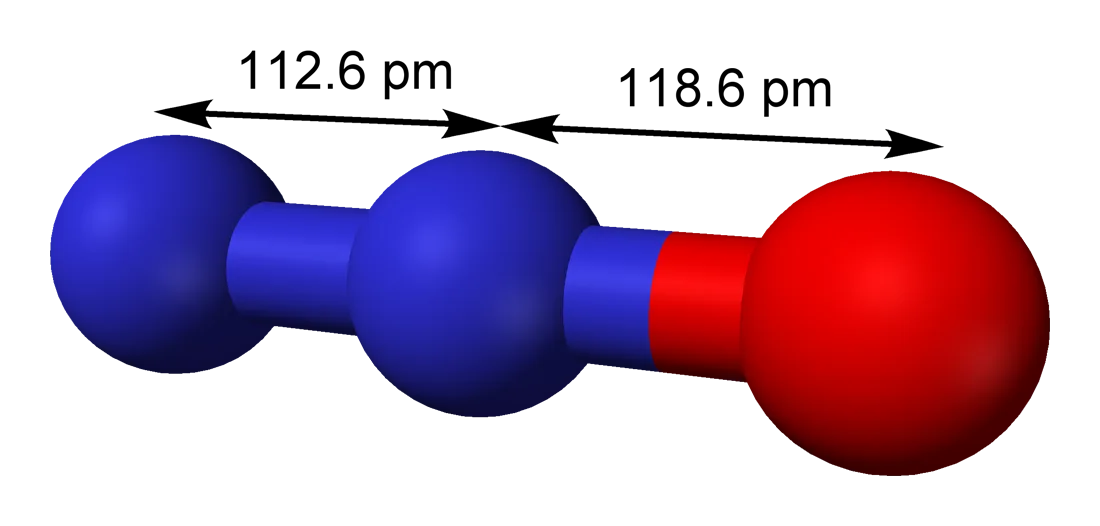
Discovered in the late 18th century, nitrous oxide was initially used at laughing gas parties and traveling shows to amuse audiences with its euphoric effects. It took decades before pioneering dentist Horace Wells realized its potential to block dental pain.
Photo: Ben Mills, Wikimedia Commons, Public domain.
Pick one
Lidocaine and similar local anesthetics work by binding to and blocking sodium channels in nerve membranes. This prevents the rapid influx of sodium ions required to generate and conduct electrical pain signals to the brain. Interestingly, local anesthetics are chemically related to cocaine, which was the first local anesthetic ever discovered.
Pick one
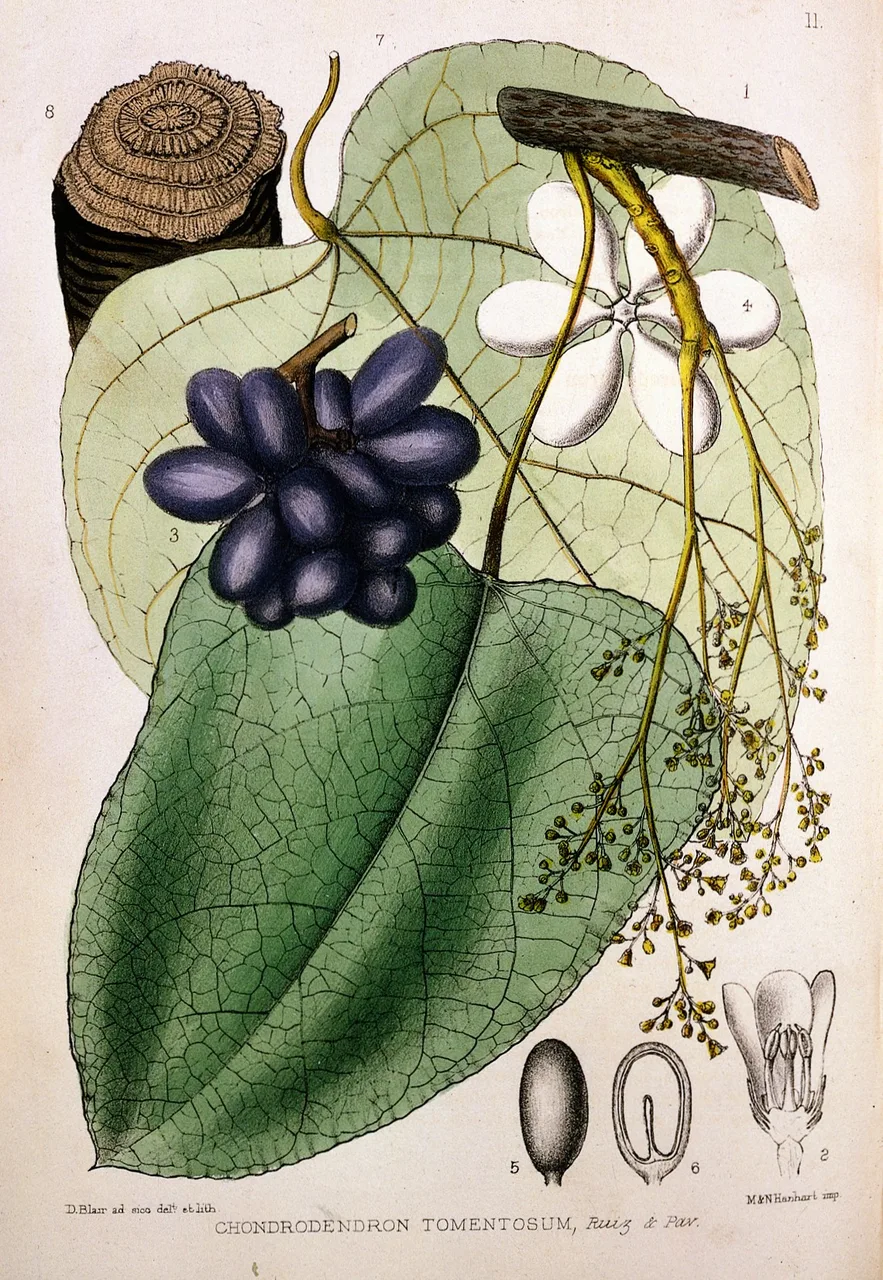
Indigenous hunters in the Amazon used curare on blowpipe darts to paralyze prey. In 1942, doctors successfully used a refined form of it during surgery to relax a patient's muscles, making abdominal operations much easier and safer by reducing the amount of deep general anesthesia needed.
Photo: Wikimedia Commons, CC BY 4.0.
Pick one
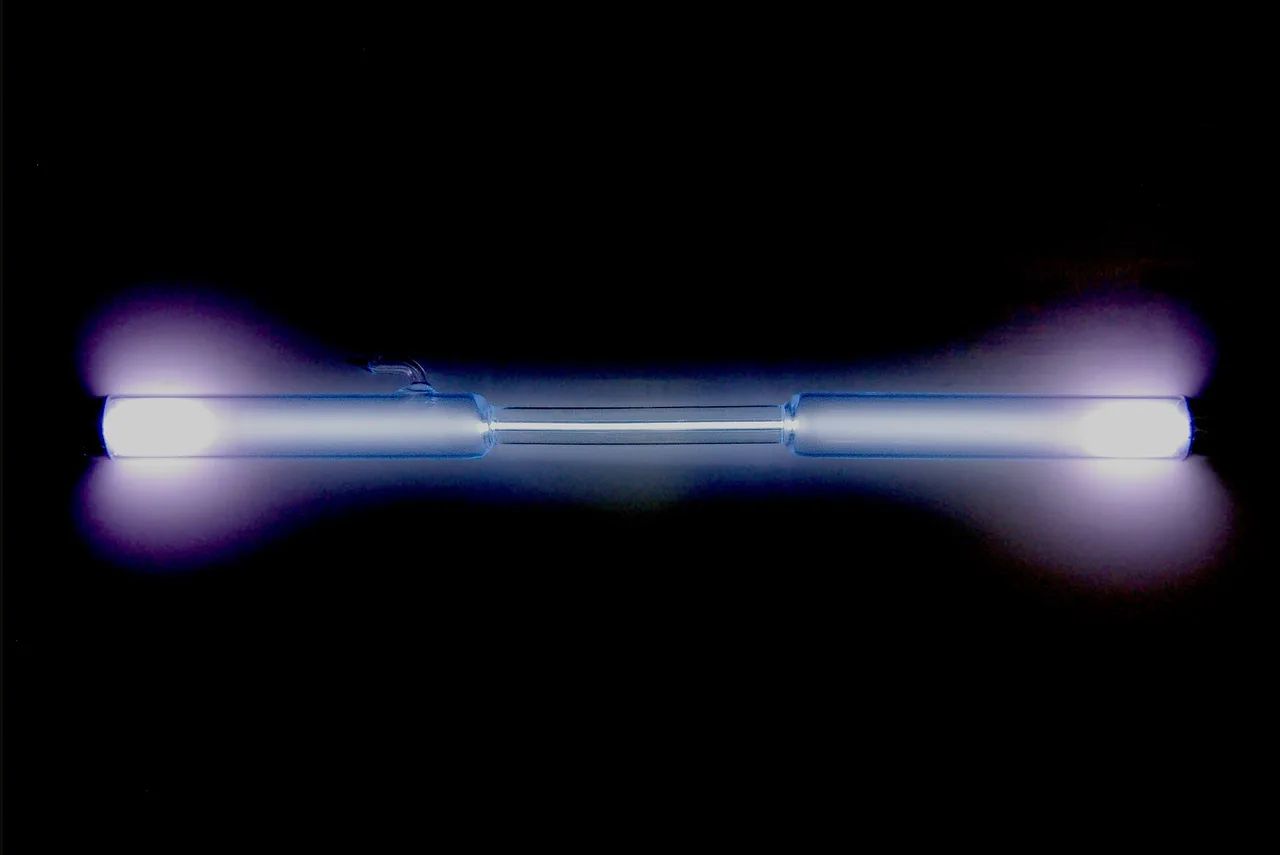
Xenon is an ideal anesthetic because it is non-toxic, odorless, does not harm the environment, and allows for extremely fast recovery. However, because it must be extracted from the atmosphere in tiny amounts, its high cost limits its widespread daily use.
Photo: Alchemist-hp (talk) (www.pse-mendelejew.de), Wikimedia Commons, FAL.

Pick one
The historic Ether Dome is located inside Massachusetts General Hospital. On October 16, 1846, dentist William T.G. Morton gave a patient inhaled ether while surgeon John Collins Warren painlessly removed a tumor from his neck. This successful demonstration revolutionized surgery worldwide.
Photo: Kenneth C. Zirkel, Wikimedia Commons, CC BY-SA 4.0.
Pick one
Oliver Wendell Holmes Sr. proposed the word anesthesia in a letter to William Morton in November 1846. Derived from Greek roots meaning without sensation, it quickly became the standard medical term. Holmes was also a renowned poet and the father of a famous Supreme Court justice.
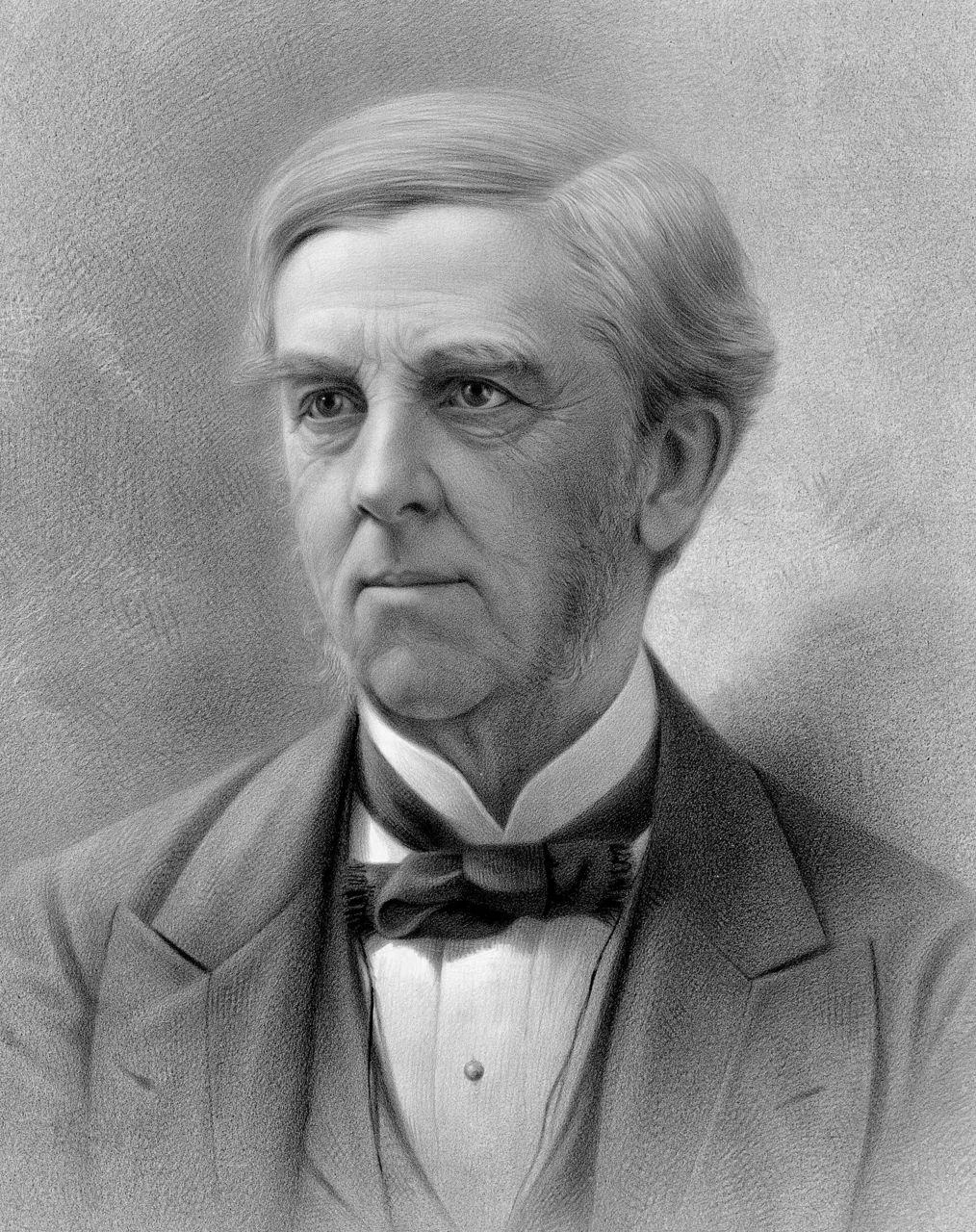
Photo: Armstrong & Co. (Boston, Mass.),, Wikimedia Commons, Public domain.
Pick one
Dr. John Snow, famous for his epidemiological work on cholera, gave chloroform to Queen Victoria for her eighth delivery. Her public approval of the drug helped remove social and religious objections to pain relief during childbirth.
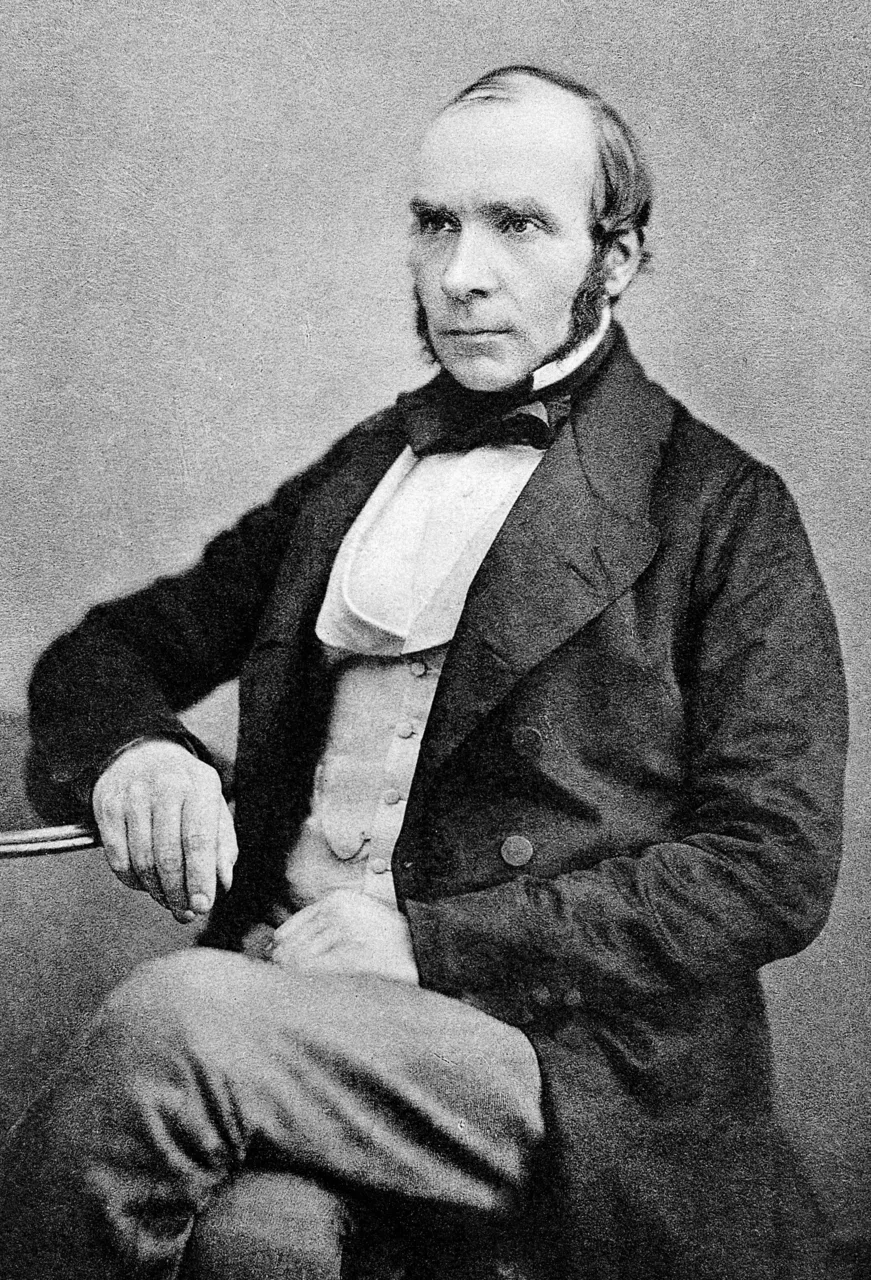
Photo: Wikimedia Commons, Public domain.
Pick one
Carl Koller realized that cocaine could numb the cornea, allowing for delicate eye operations without involuntary blinking. Before this, eye surgery was incredibly difficult and painful. His discovery marked the birth of modern local anesthesia.
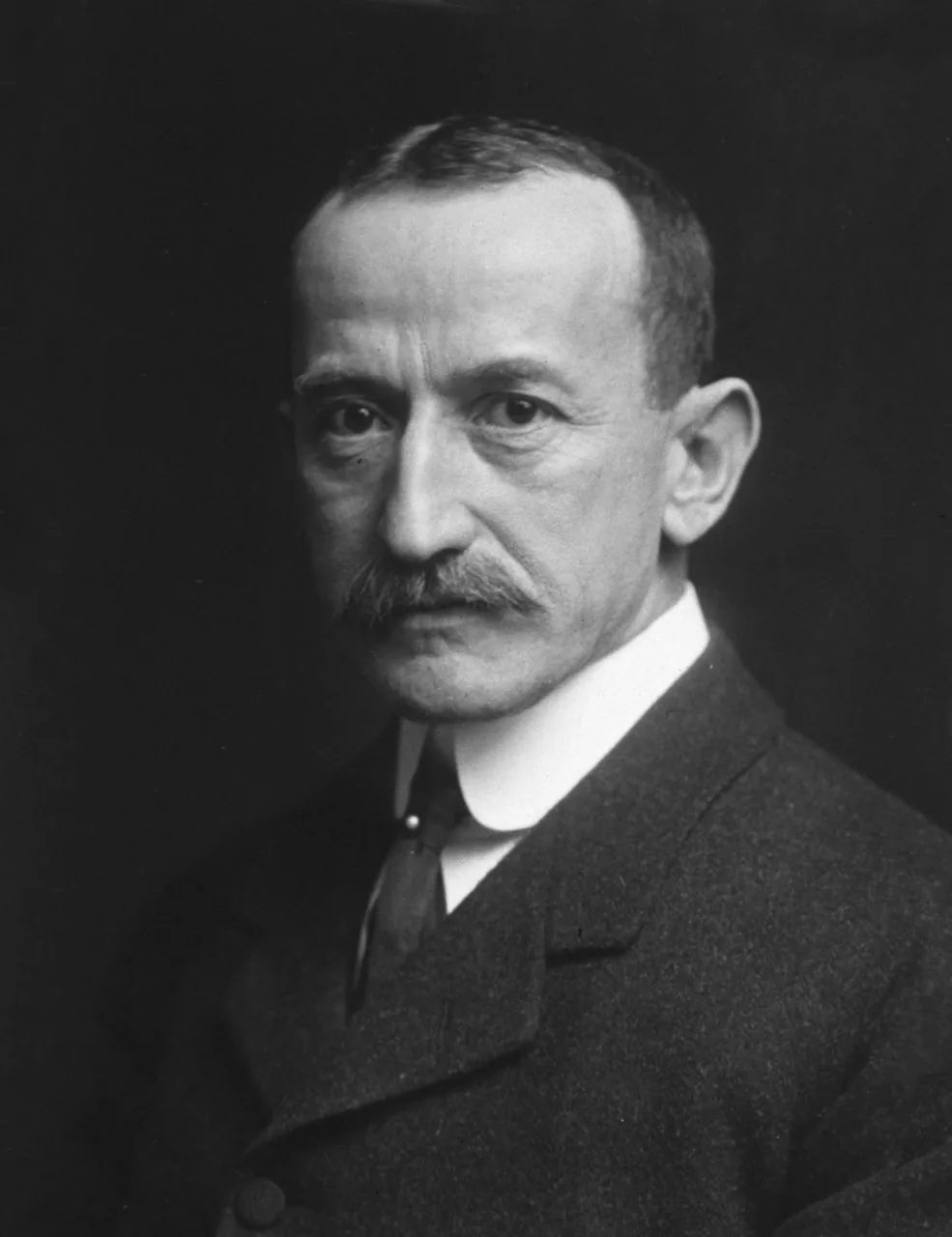
Photo: Alman Co., New York., Wikimedia Commons, Public domain.
Pick one
Anesthesia awareness occurs when a patient is intellectually awake but physically paralyzed due to neuromuscular blockers. It is extremely rare, happening in only a tiny fraction of a percent of surgeries. Modern anesthesiologists use specialized brain-wave monitors to ensure patients remain deeply asleep.


Paste the code into your page. The player fits itself in, and every vote counts in Votur.
On WordPress, Ghost or Squarespace? Just paste the link of this page into your post.
This is how it looks
Also fun