Get app
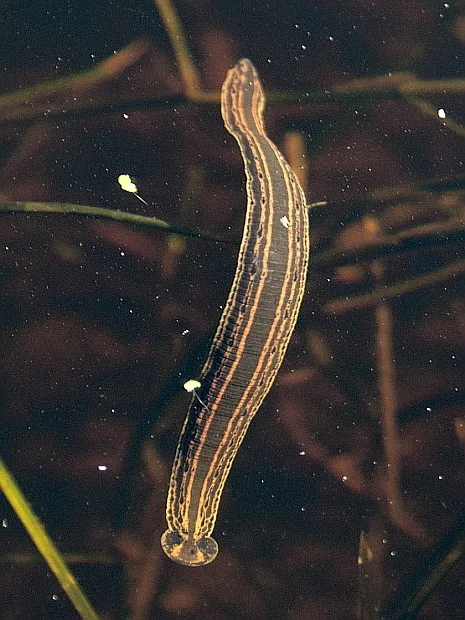
 Photo: Photo Credit: James Gathany Content Providers(s): CDC, Wikimedia Commons, Public domain.
From milkmaids and cowpox to cutting-edge genetic breakthroughs, vaccines have reshaped human history. Test your knowledge on how we trained our immune systems to fight off the world's deadliest diseases!
Immune Explorer 0–4 · Shield Builder 5–8 · Body Guard 9–10
Pick one

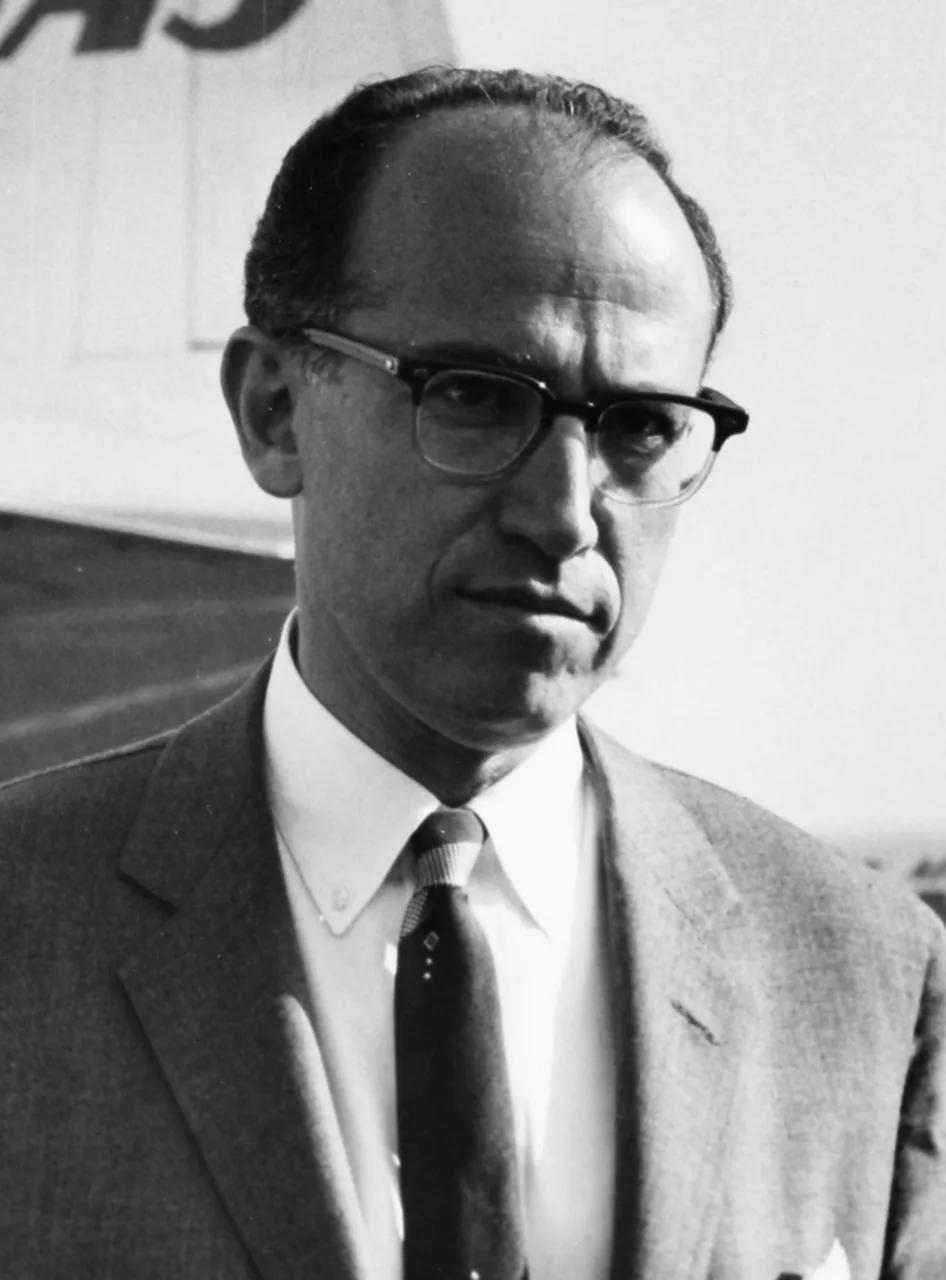
Jonas Salk developed the inactivated polio vaccine (IPV) using a killed virus, which was declared safe and effective in 1955. Shortly after, Albert Sabin developed an oral polio vaccine (OPV) using a weakened live virus. Salk famously chose not to patent his vaccine, famously asking in a television interview, 'Could you patent the sun?' to emphasize that it belonged to the public.
Photo: SAS Scandinavian Airlines, Wikimedia Commons, Public domain.

Pick one
In 1931, Ernest Goodpasture and his colleagues showed that viruses could be grown inside fertilised chicken eggs. A few years later, researchers such as Frank Macfarlane Burnet used the same trick for flu viruses. Most flu vaccines are still made this way, with up to three eggs needed for a single dose.
Photo: Airman Joseph R Schmitt, U.S. Navy, Wikimedia Commons, Public domain.
Pick one
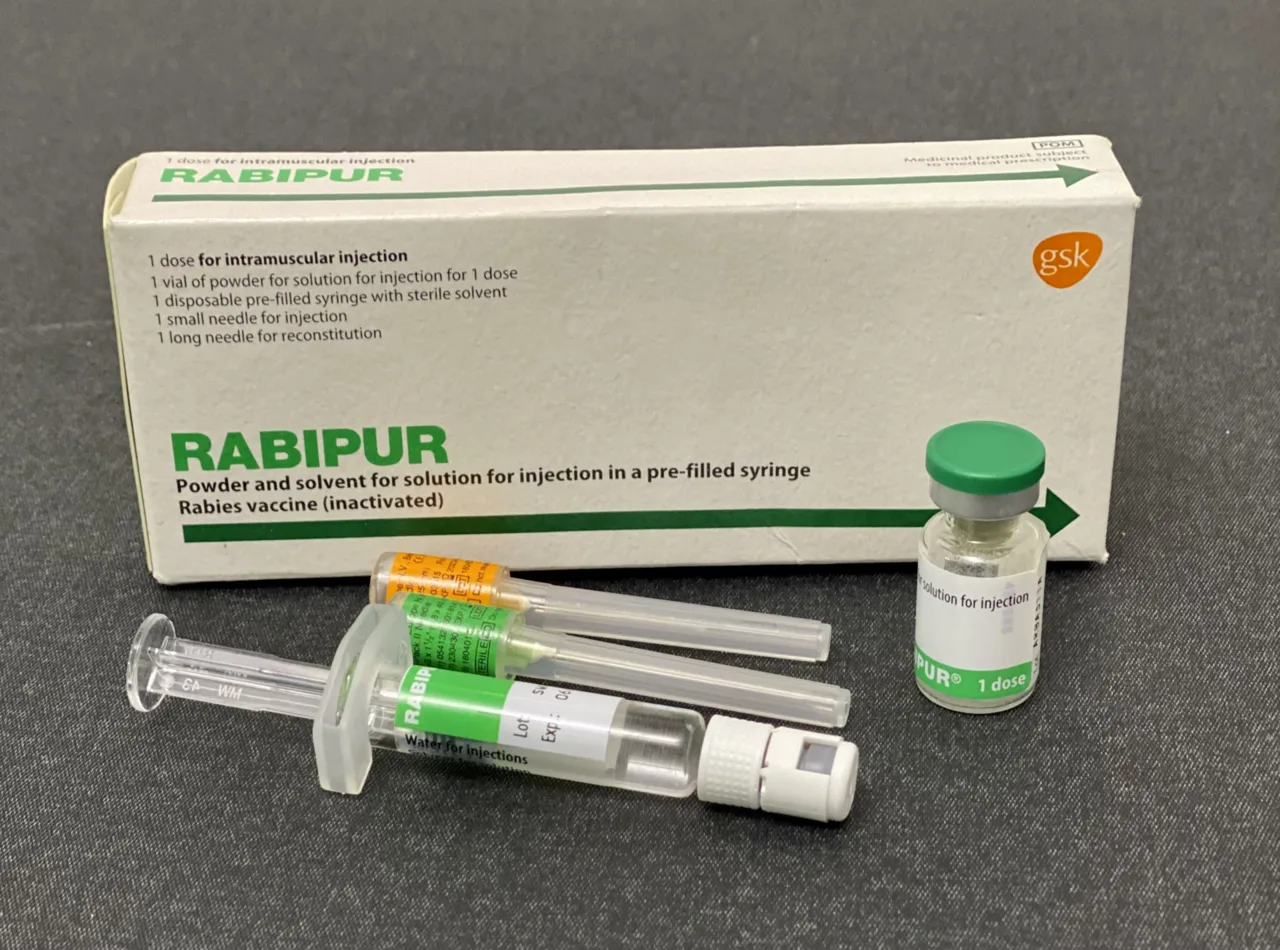
Louis Pasteur developed the rabies vaccine by transmitting the virus through rabbits and then drying their spinal cords to weaken the pathogen. In 1885, he successfully used this vaccine on Joseph Meister, a nine-year-old boy mauled by a rabid dog. Interestingly, Pasteur was not a licensed physician, which made treating the boy a significant legal and ethical risk at the time.
Photo: Whispyhistory, Wikimedia Commons, CC BY-SA 4.0.
Pick one
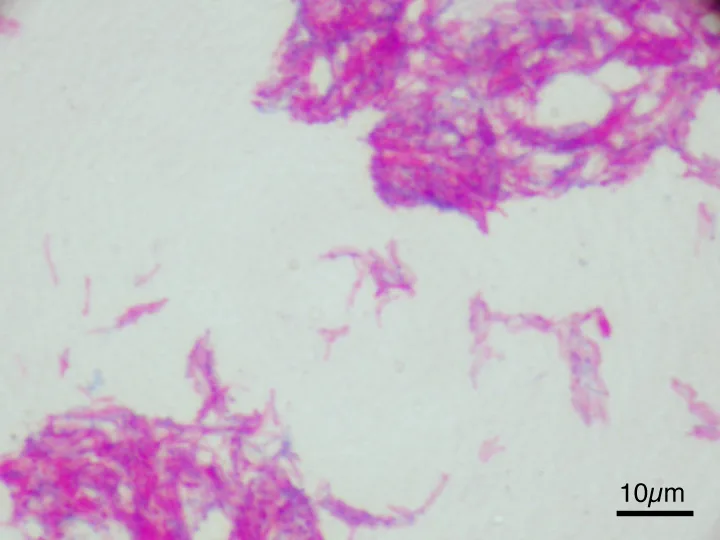
Albert Calmette and Camille Guérin developed the Bacille Calmette-Guérin (BCG) vaccine at the Pasteur Institute in Lille, France. They spent over a decade, from 1908 to 1919, repeatedly subculturing a strain of bovine tuberculosis to weaken it. First used in humans in 1921, BCG remains one of the most widely administered vaccines in history, particularly in countries with high TB rates.
Photo: Y tambe, Wikimedia Commons, CC BY-SA 3.0.
Pick one
Adjuvants are substances added to some vaccines to trigger a stronger, longer-lasting immune response. They help the body recognize the vaccine's antigen more effectively, which means a smaller amount of the active ingredient is needed per dose. Aluminum salts, first used in the 1920s, are the most common type of adjuvant still used in many routine vaccines today.
Pick one
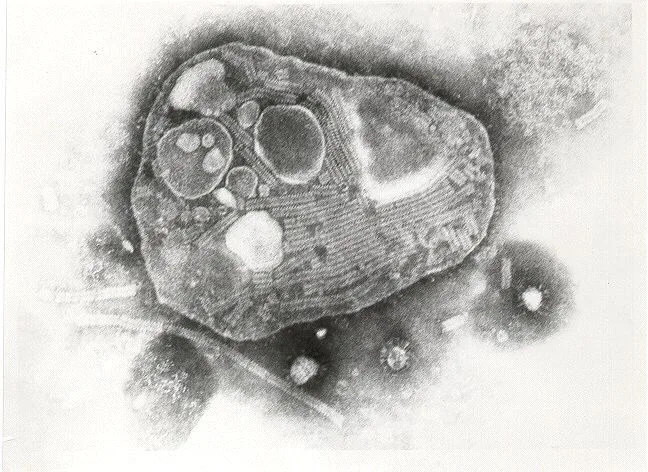
Rinderpest, also known as cattle plague, was a devastating viral disease that killed millions of cattle, buffalo, and wild animals, often causing severe famines. Thanks to a highly effective vaccine and a coordinated global campaign, the World Organisation for Animal Health officially declared rinderpest eradicated in 2011, marking a monumental victory for veterinary medicine.
Photo: The picture was given by the copyright holder, dr. Rajnish Kaushik, who would al, Wikimedia Commons, CC BY-SA 2.5.
Pick one
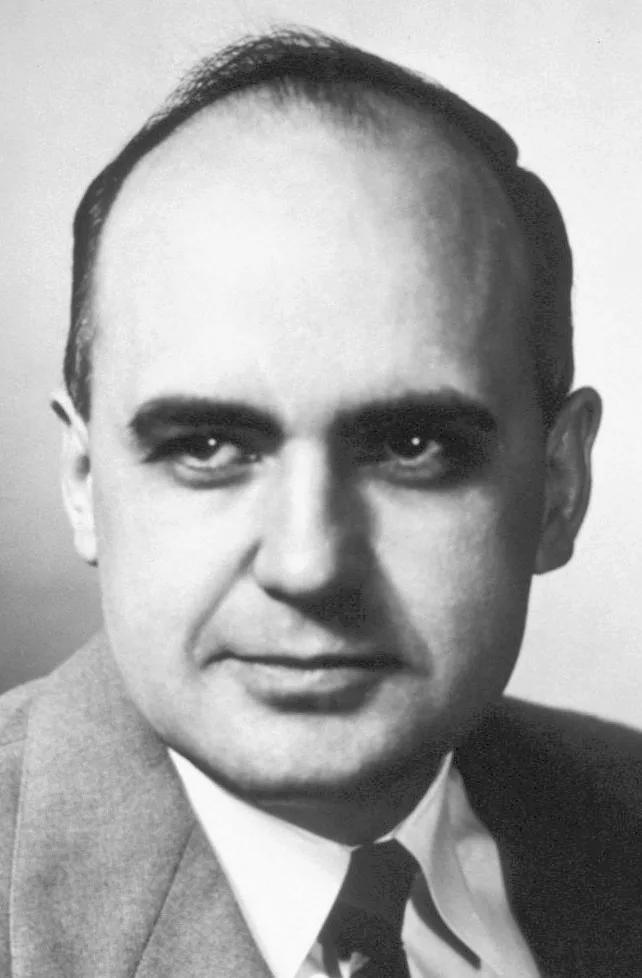
In 1963, Maurice Hilleman's five-year-old daughter, Jeryl Lynn, fell ill with the mumps. Hilleman swabbed her throat, cultured the virus, and used it to develop the 'Jeryl Lynn' strain vaccine, which is still used worldwide today as part of the MMR shot. Hilleman is credited with saving more lives than perhaps any other modern scientist, having developed over forty vaccines in his career.
Photo: Walter Reed Army Medical Center, Wikimedia Commons, Public domain.
Pick one
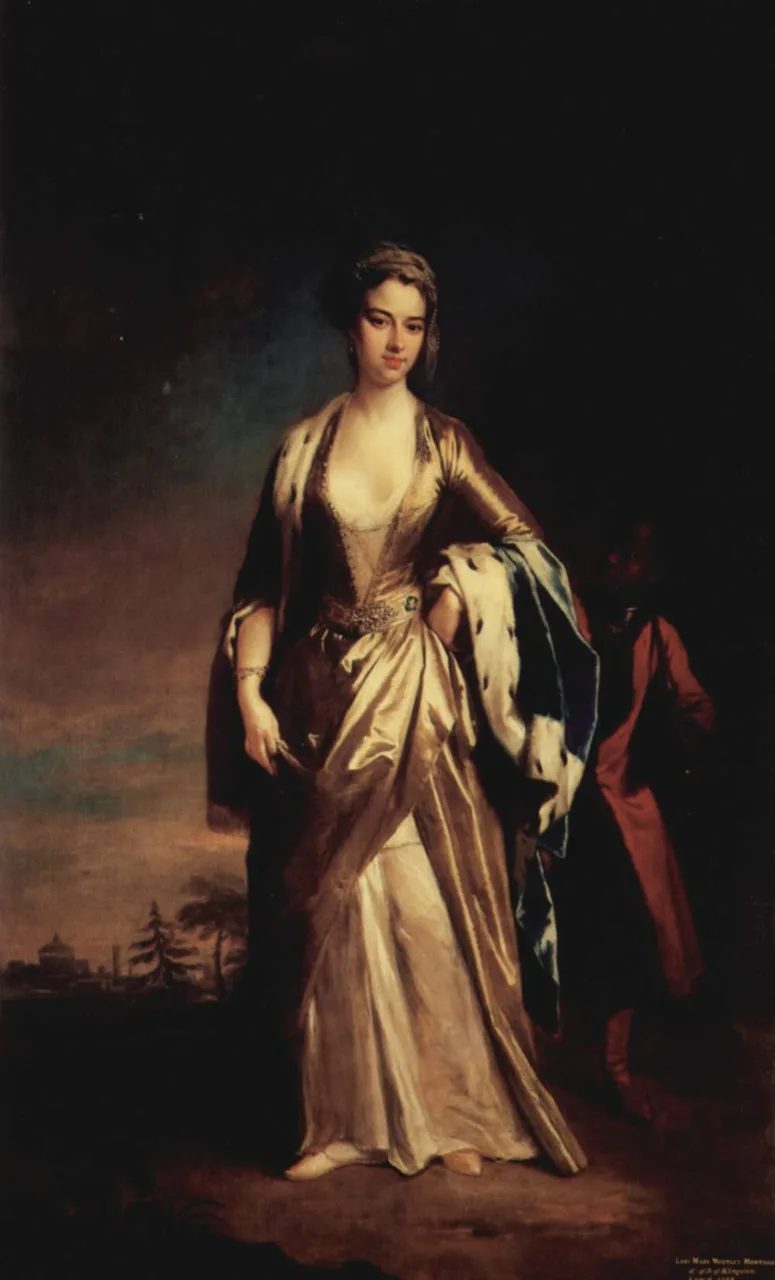
Lady Mary Wortley Montagu survived smallpox herself and witnessed the practice of variolation (inoculation with actual smallpox material) while living in Constantinople. She had her own children inoculated and courageously introduced the technique to British high society in the early 1700s. Despite facing heavy skepticism from doctors, her efforts paved the way for Jenner's later work.
Photo: Jonathan Richardson the younger, Wikimedia Commons, Public domain.
Pick one
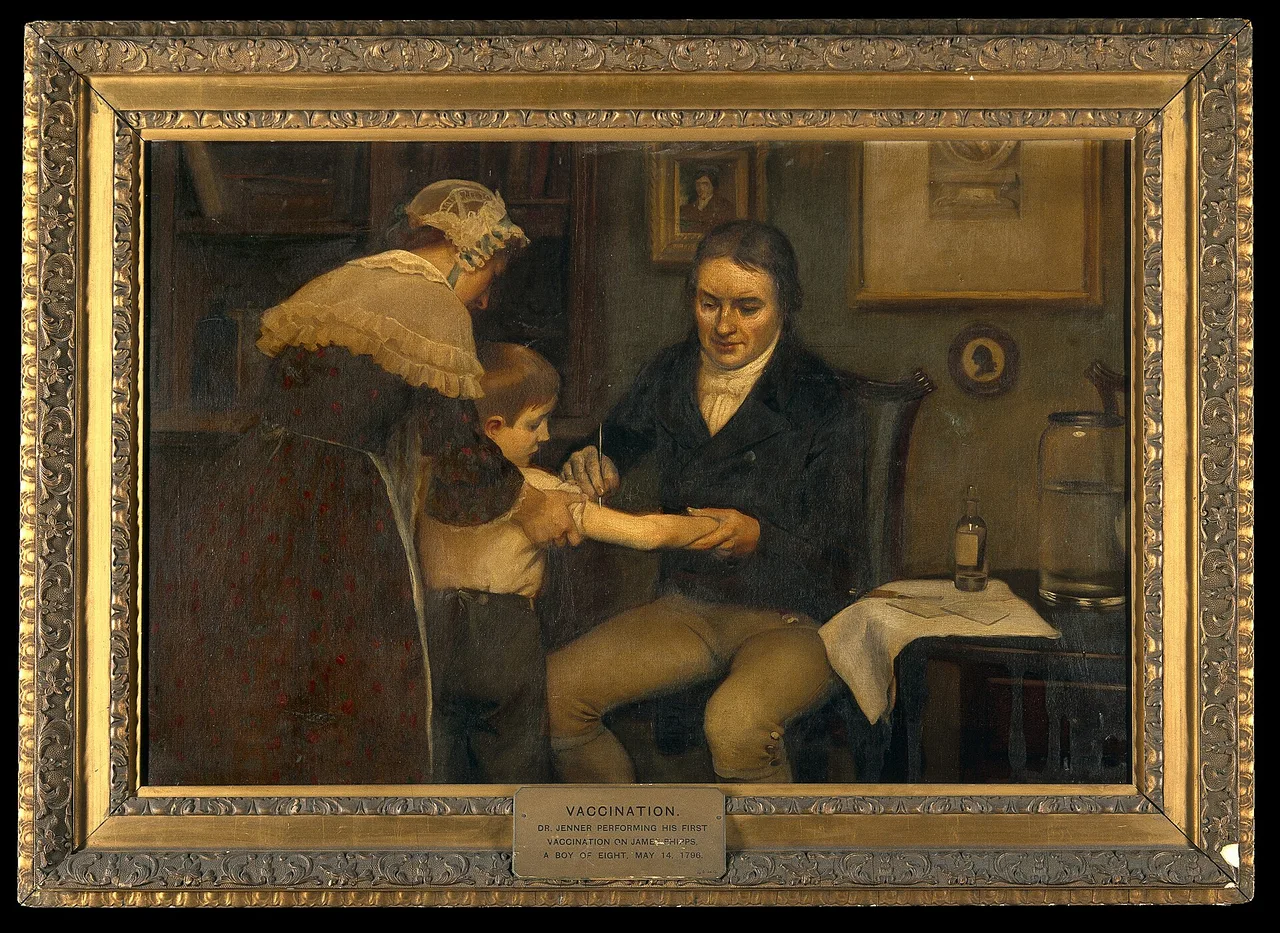
Edward Jenner tested his theory on James Phipps, the eight-year-old son of his gardener, in 1796. Jenner took pus from a cowpox lesion on a milkmaid's hand and inoculated the boy. After Phipps recovered from the mild cowpox fever, Jenner exposed him to actual smallpox multiple times, and Phipps never developed the disease. This bold experiment laid the foundation for modern vaccinology.
Photo: Wikimedia Commons, CC BY 4.0.
Pick one
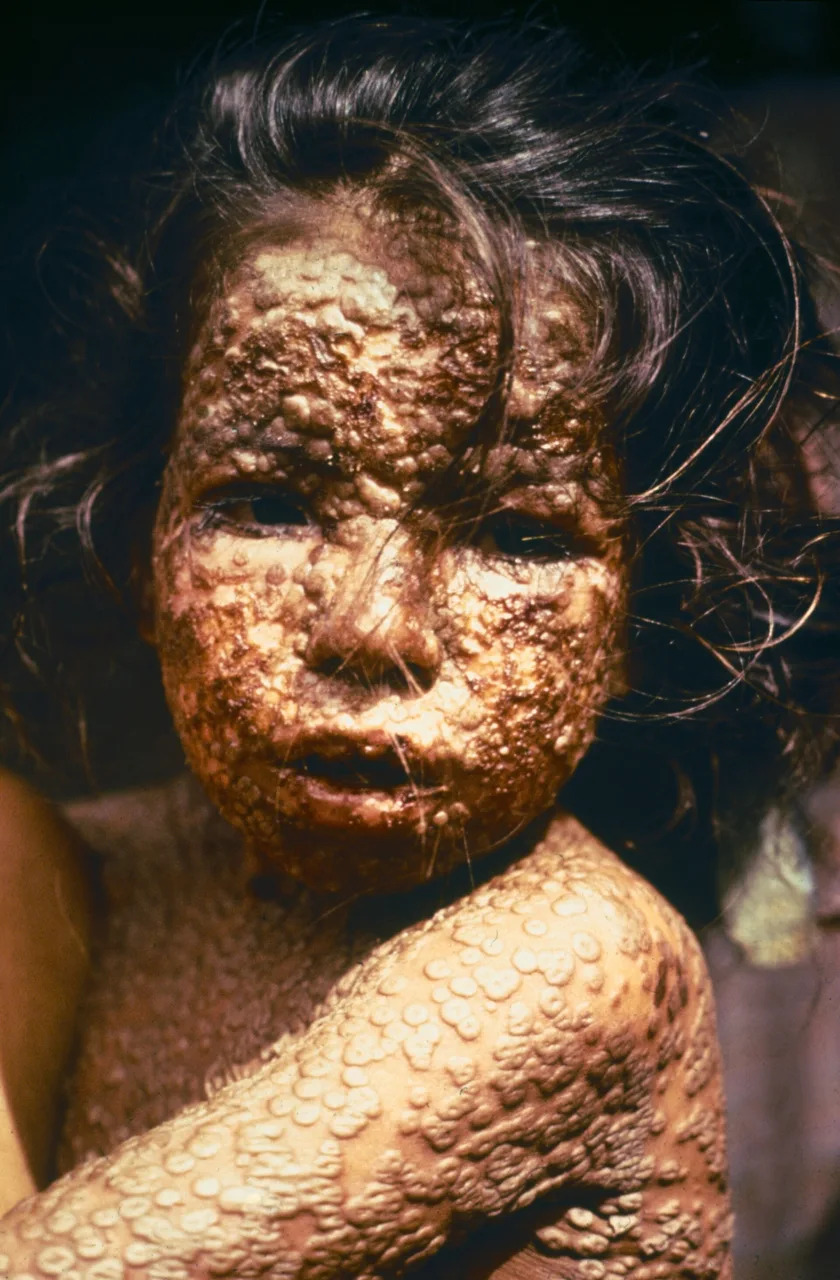
Following a massive, decades-long global immunization campaign, the World Health Organization officially declared smallpox eradicated in 1980. It remains the first and only human infectious disease to be completely wiped out by human intervention. The very last natural case of the more severe form occurred in Bangladesh in 1975, while a milder natural case was recorded in Somalia in 1977.
Photo: Photo Credit: Content Providers(s): CDC/James Hicks, Wikimedia Commons, Public domain.


Paste the code into your page. The player fits itself in, and every vote counts in Votur.
On WordPress, Ghost or Squarespace? Just paste the link of this page into your post.
This is how it looks
Also fun