Get app
 Photo: Jensflorian, Wikimedia Commons, CC BY-SA 4.0.
Think you know the organ that does all your thinking? Test your knowledge on the mysteries, myths, and mind-boggling mechanics of the human brain.
Curious Synapse 0–4 · Active Explorer 5–8 · Master Neuron 9–10
Pick one

The idea that we only use 10% of our brains is a complete myth popularized by self-help culture. Brain scans reveal that virtually all parts of the brain are active at some point during the day, and even minor damage to a tiny area can have devastating consequences on daily function.
Pick one
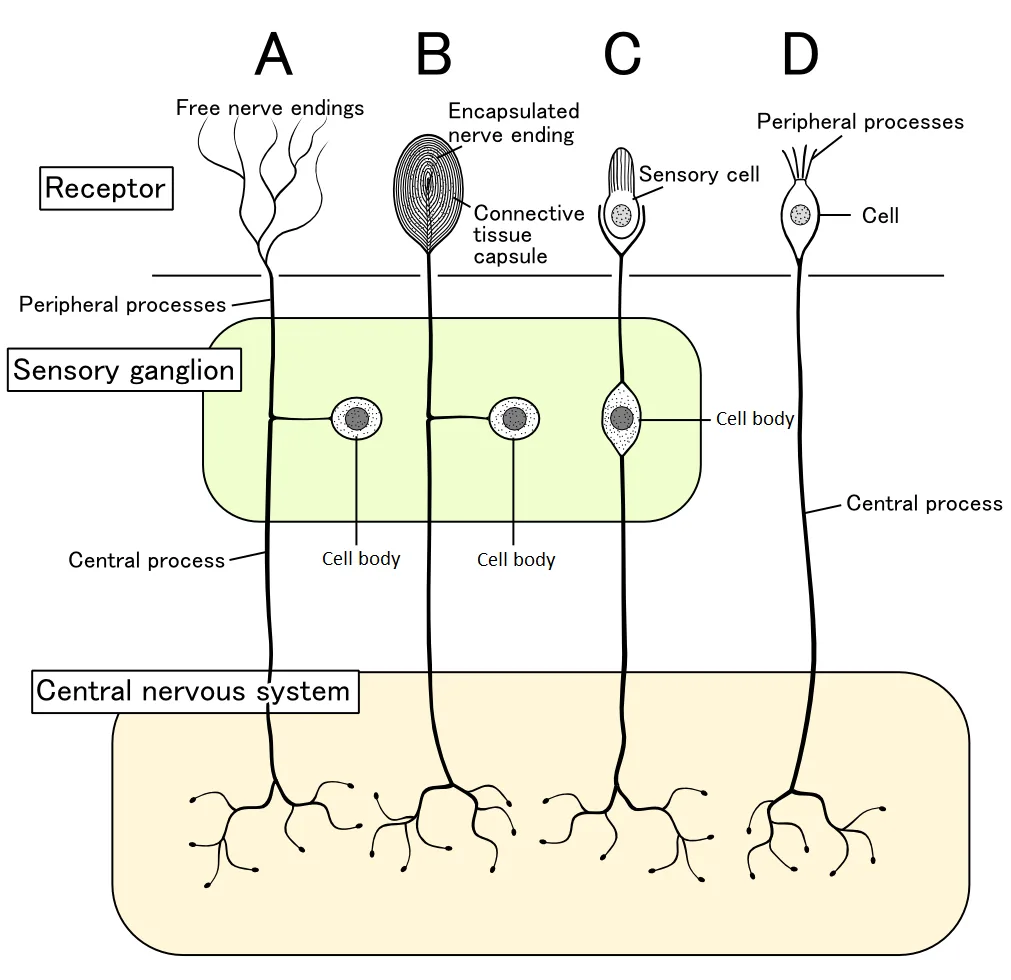
While the brain processes pain signals from the rest of the body, the brain tissue itself completely lacks nociceptors (pain receptors). This unique trait allows surgeons to map vital brain functions in real-time by talking to patients while operating on their cerebral cortex.
Photo: Shigeru23, Wikimedia Commons, CC BY-SA 3.0.
Pick one
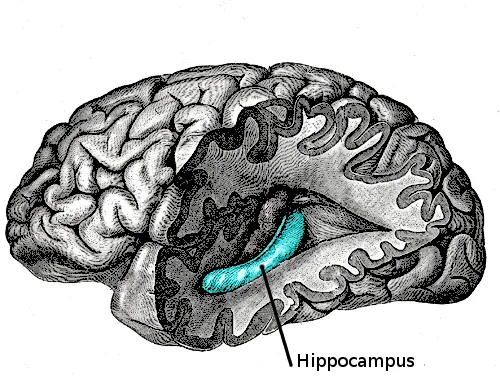
The term hippocampus comes from the Greek words 'hippos' (horse) and 'kampos' (sea monster) because its curved shape closely resembles a seahorse. This vital structure acts like a temporary saving station before memories are permanently filed away in the cerebral cortex.
Photo: Henry Vandyke Carter, Wikimedia Commons, Public domain.

Pick one
An iron rod pierced Phineas Gage's left frontal lobe in 1848. While he survived the accident and kept his memories, his friends reported he was no longer himself. This historic case helped scientists first realize that the frontal lobe is heavily involved in personality, decision-making, and social behavior.
Photo: Photograph by Jack and Beverly Wilgus of daguerreotype originally from their col, Wikimedia Commons, CC BY-SA 3.0.
Pick one
Synapses are the microscopic junctions where neurons communicate using chemical messengers called neurotransmitters. A single human brain can contain over 100 trillion of these connections, which constantly form, strengthen, or weaken as we learn and adapt to new experiences.
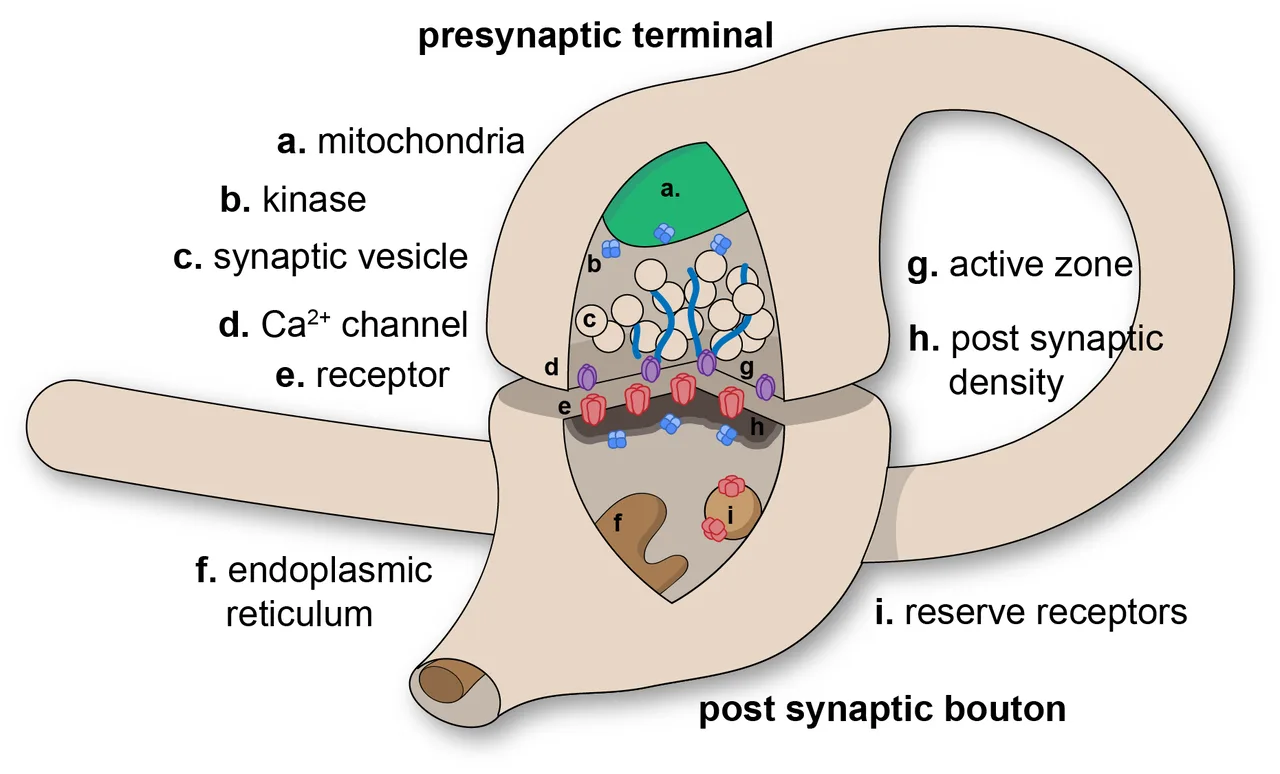
Photo: Curtis Neveu, Wikimedia Commons, CC BY-SA 4.0.
Pick one
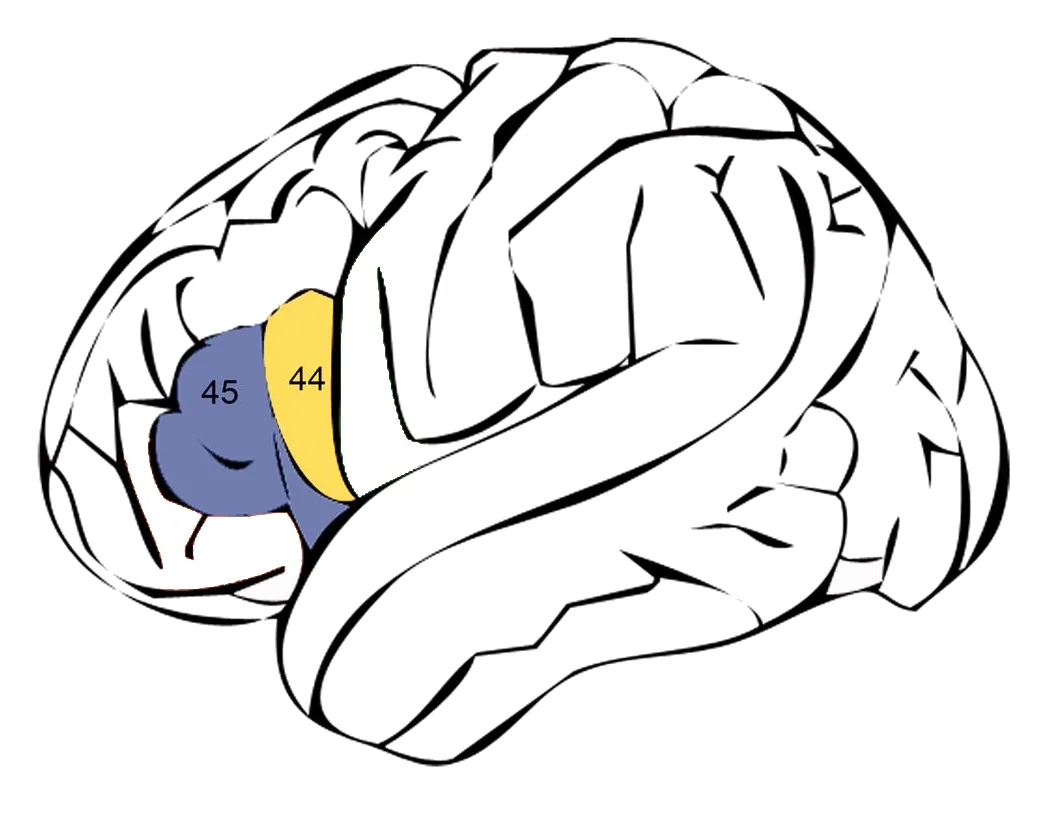
Broca's area, located in the frontal lobe, is crucial for turning thoughts into spoken words. Damage to this region can lead to a type of aphasia where a person understands language perfectly but struggles to physically produce speech. Its counterpart, Wernicke's area, handles language comprehension.
Photo: Fatemeh Geranmayeh, Sonia L. E. Brownsett, Richard J. S. Wise, Wikimedia Commons, CC BY 3.0.
Pick one
The human brain is incredibly rich in lipids, with fats making up about 60% of its dry weight. These lipids are crucial for building cell membranes and insulating electrical signals. Interestingly, dietary healthy fats like omega-3s are directly used by your body to maintain this complex neural architecture.
Pick one
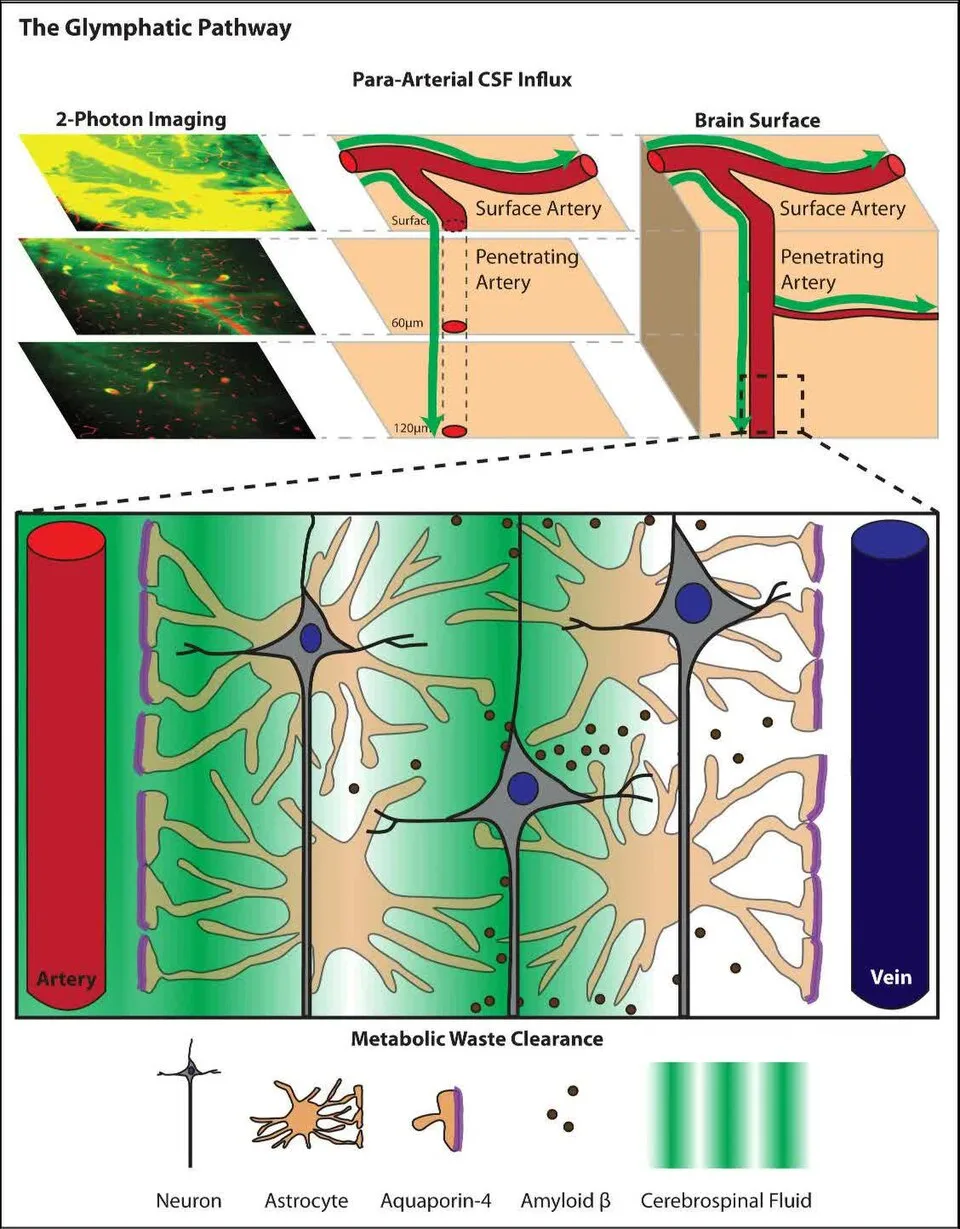
The glymphatic system acts like a biological dishwasher for the brain. During deep sleep, brain cells shrink slightly to allow cerebrospinal fluid to rush through and wash away metabolic waste, including harmful proteins linked to neurodegenerative diseases.
Photo: Jeffery J. Iliff, Wikimedia Commons, Public domain.
Pick one
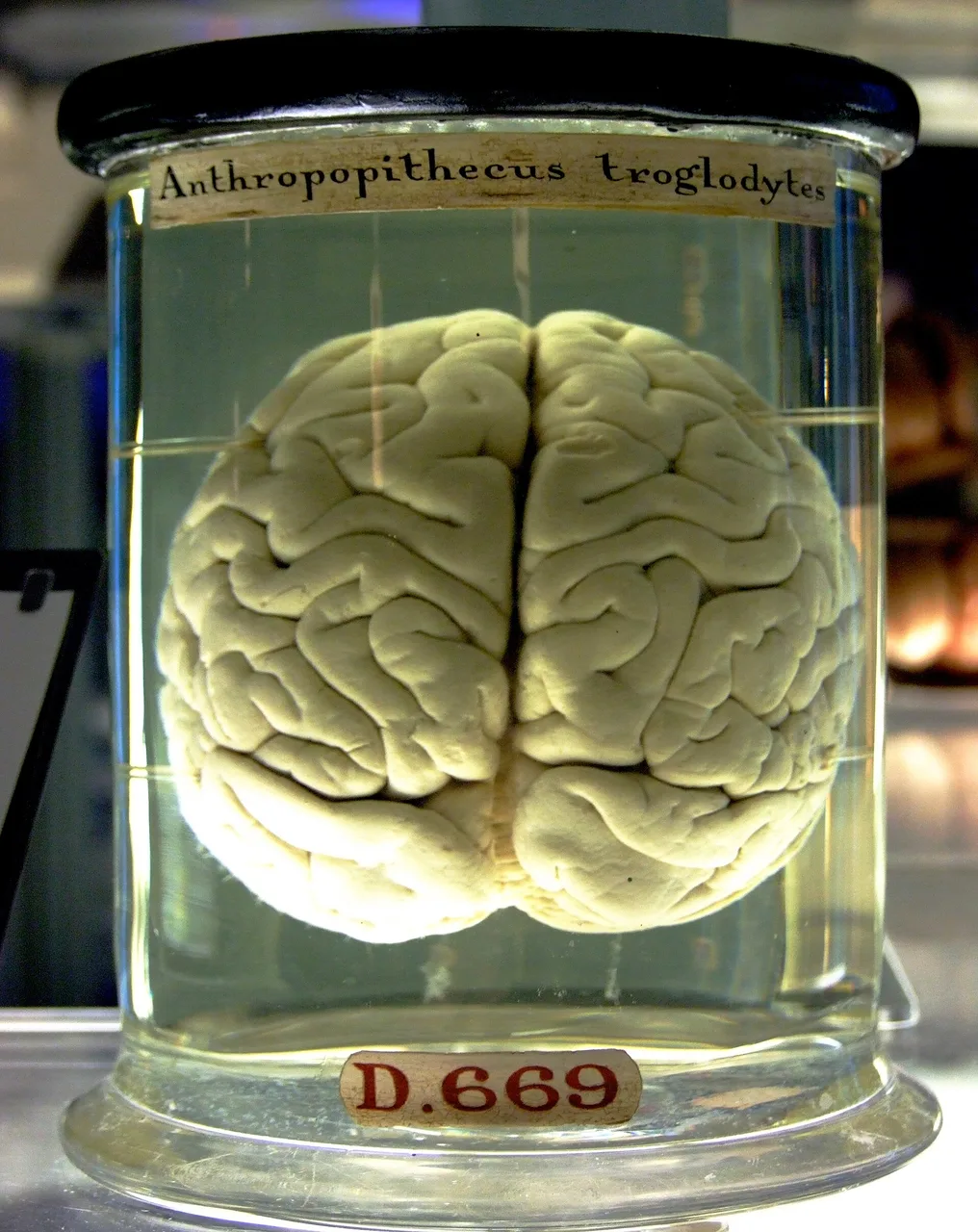
Einstein's brain was actually slightly lighter than the average male brain. However, researchers discovered that his parietal lobes, which are responsible for spatial and mathematical reasoning, were about 15% wider than normal, suggesting a structural link to his unique genius.
Pick one
The human brain is an energy hog, demanding roughly 20% of the body's glucose and oxygen to keep its network of neurons firing. Even when you are completely at rest or fast asleep, this metabolic rate barely drops because the brain is constantly maintaining its complex cellular state.
Photo: Gaetan Lee . Tilt corrected by Kaldari., Wikimedia Commons, CC BY 2.0.


Paste the code into your page. The player fits itself in, and every vote counts in Votur.
On WordPress, Ghost or Squarespace? Just paste the link of this page into your post.
This is how it looks
Also fun