 Get app
We spend about a third of our lives asleep, but what actually happens when we close our eyes? Test your knowledge on how our brains rest, dream, and recover.
Drowsy Dreamer 0–4 · Night Owl 5–8 · Master of Sleep 9–10

Tap the right answer
Melatonin is produced by the pineal gland in response to darkness, helping to regulate your internal clock. Blue light from screens can trick your brain into thinking it is still daytime, which delays the release of this hormone. This hormone is also found in some foods like tart cherries and walnuts.
Tap the right answer
Rapid Eye Movement, or REM sleep, is when your brain is highly active and most intense dreams occur. During this phase, your body temporarily paralyzes its muscles so you do not physically act out your dreams. Babies spend about half of their sleep time in REM, compared to only twenty percent for adults.
Tap the right answer
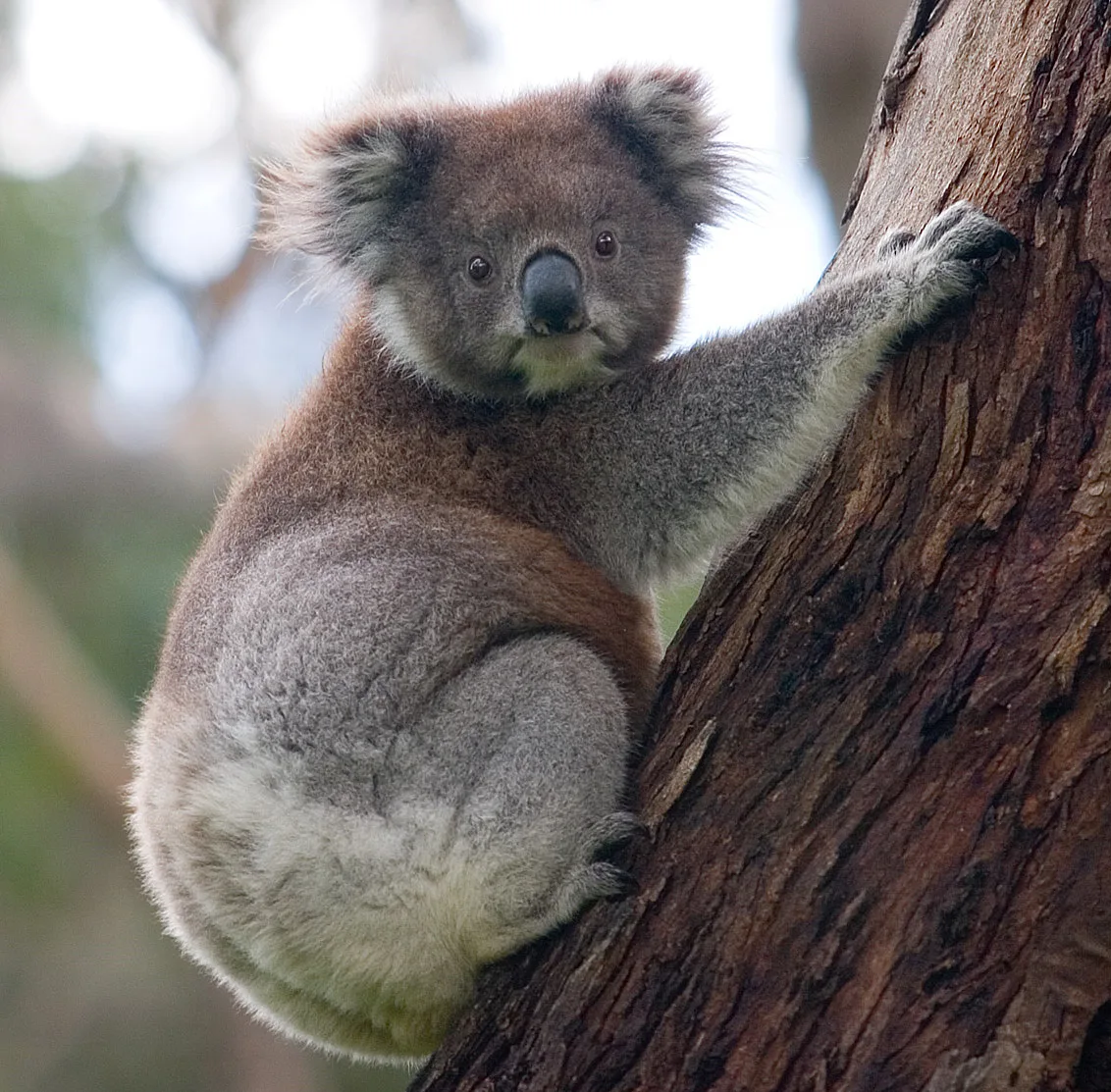
Koalas sleep up to twenty hours a day to conserve energy, as their diet of eucalyptus leaves is incredibly low in nutrients and hard to digest. While many people think sloths sleep just as much, wild sloths actually sleep for only about ten hours a day.
Photo: Diliff, Wikimedia Commons, CC BY-SA 3.0.
Tap the right answer
The circadian rhythm is driven by a tiny region in the brain called the suprachiasmatic nucleus. It responds to light cues from your eyes to keep your bodily functions aligned with the day-night cycle. Plants and fungi also have these internal clocks to help them prepare for sunrise.
Tap the right answer
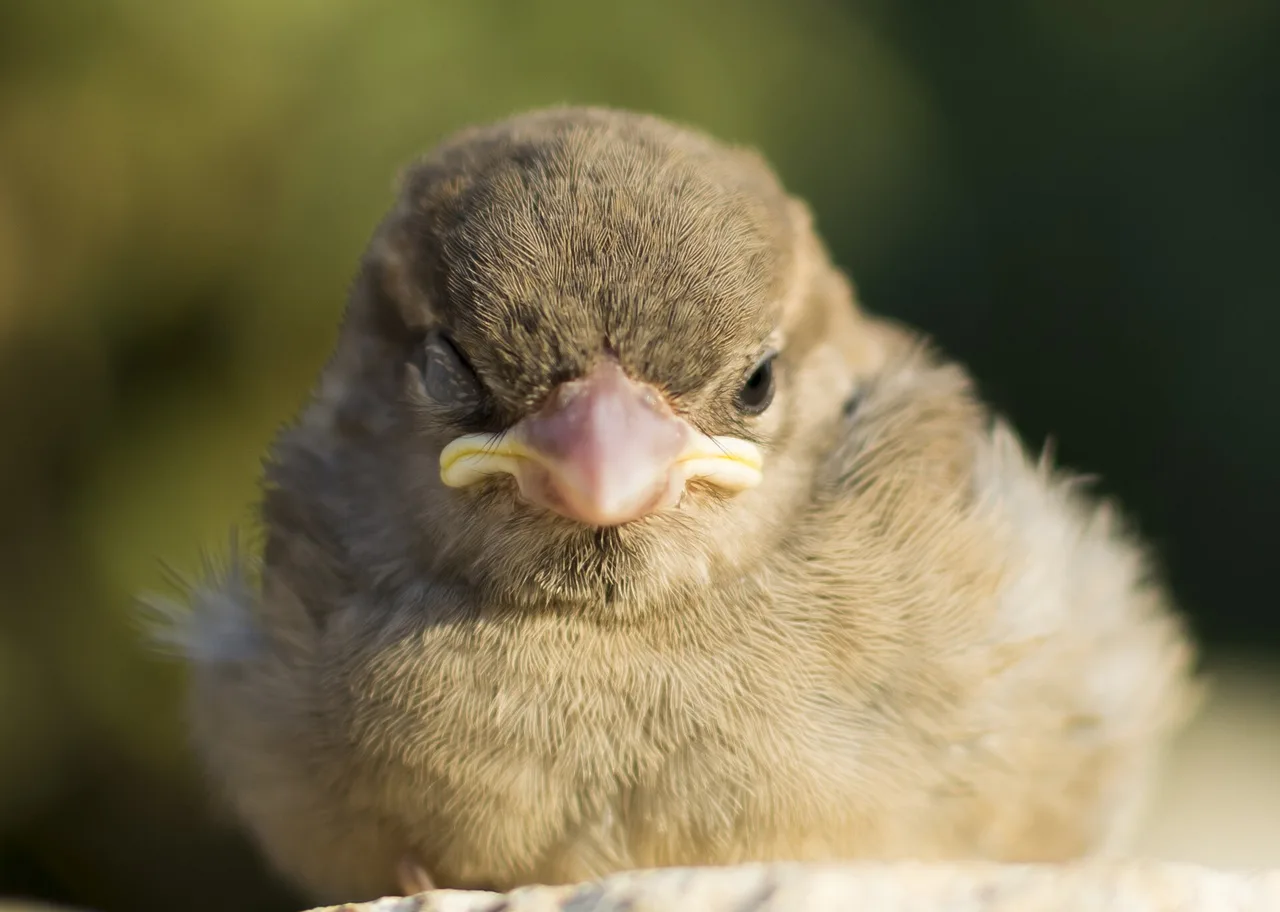
Dolphins use unihemispheric slow-wave sleep, meaning one half of their brain stays awake while the other half rests. This allows them to keep breathing at the surface and watch out for sharks. They even keep one eye open during this time, which is always the eye opposite to the active side of the brain.
Photo: Hussain Kaouri, Wikimedia Commons, CC BY-SA 4.0.
Tap the right answer
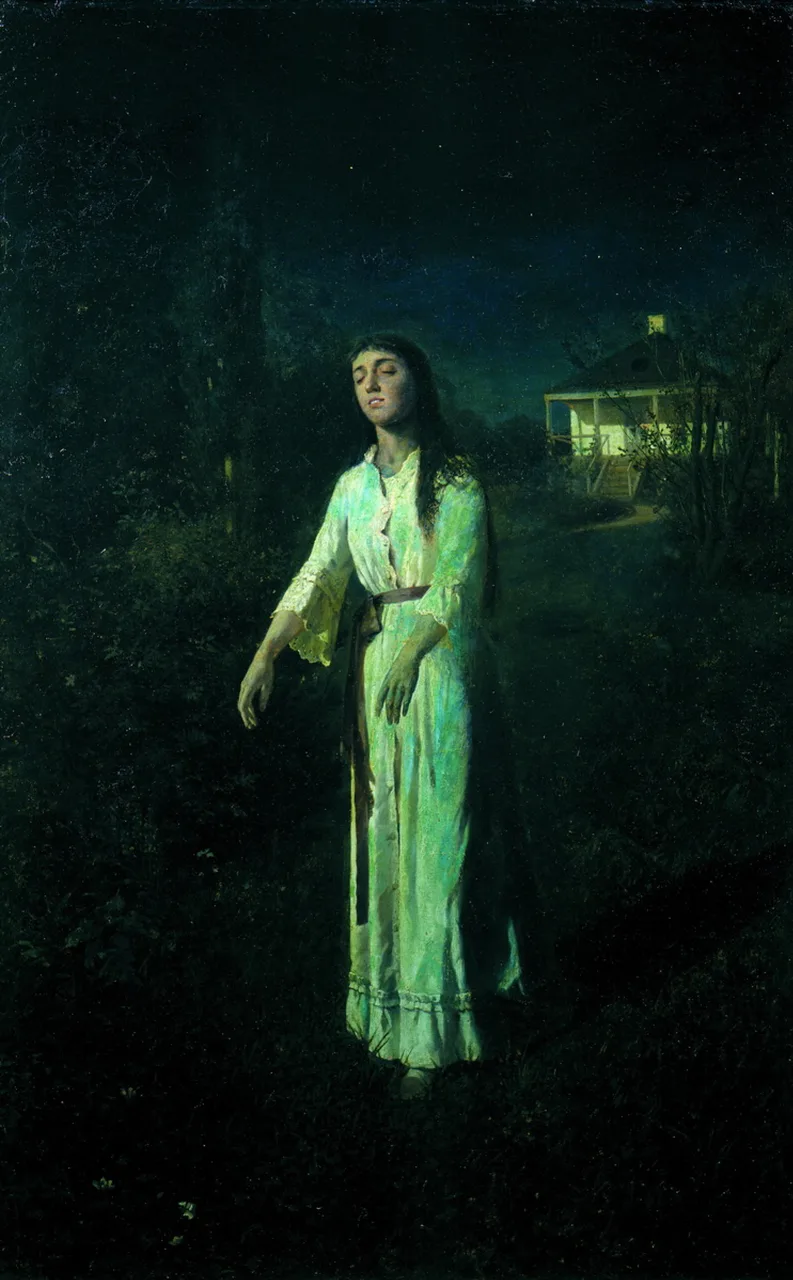
Waking a sleepwalker is not dangerous to their physical health, though they might be very disoriented or accidentally lash out in surprise. It is usually best to gently guide them back to bed without waking them. Some sleepwalkers have been known to perform complex tasks, like cooking a full meal or even driving a car.
Photo: Ivan Kramskoi, Wikimedia Commons, Public domain.
Tap the right answer
That sudden startle is called a hypnic jerk. It is a natural muscle twitch that happens as your body transitions from alertness to sleep. Scientists think it might be an ancient reflex from when our ancestors slept in trees, helping to prevent them from falling out of the branches.
Tap the right answer
Many people used to practice biphasic sleep, waking up for an hour or two in the middle of the night. During this midnight gap, they would read, pray, chat, or visit neighbors before going back for a second sleep. This pattern vanished when artificial lighting made it easier to stay up late.
Tap the right answer
Most adults need around seven to nine hours of sleep a night, which adds up to roughly a third of a lifetime. Someone who lives to 75 spends about 25 years asleep! Babies sleep even more, up to 16 hours a day, while their brains and bodies grow at top speed.
Tap the right answer
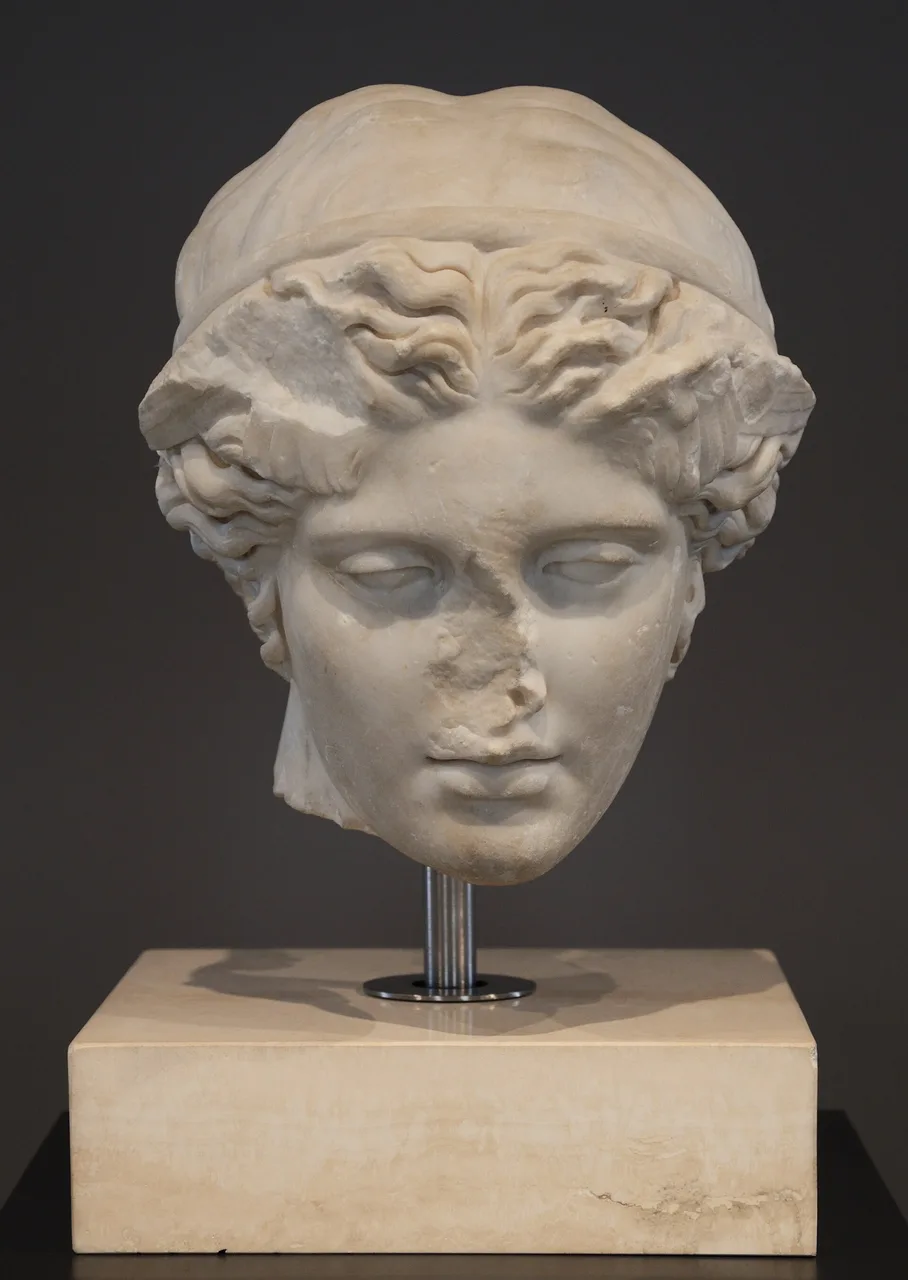
Hypnos is the ancient Greek god of sleep, while his brother Thanatos represents death. Hypnos lived in a dark cave where the river of forgetfulness flowed, and the entrance was surrounded by poppies. His son Morpheus was the god of dreams, responsible for shaping what people saw while asleep.
Photo: Livioandronico2013, Wikimedia Commons, CC BY-SA 4.0.


Want to make a quiz like this yourself? Do it on Votur, it's free.
Paste the code into your page. The player fits itself in, and every vote counts in Votur.
On WordPress, Ghost or Squarespace? Just paste the link of this page into your post.
This is how it looks
Also fun