Get app
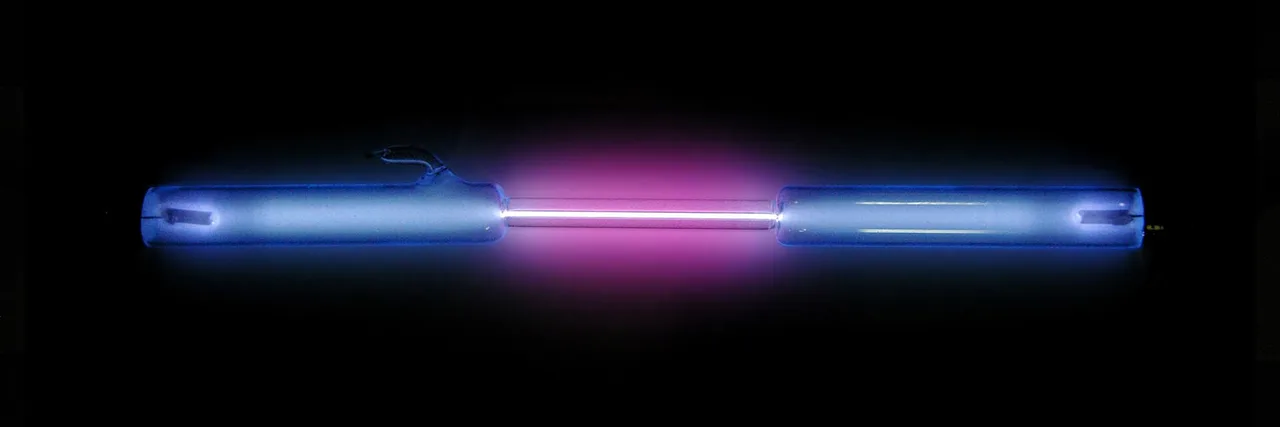
 Photo: NickSpiker, Wikimedia Commons, CC BY-SA 4.0.
How much do you know about the mysterious rays that changed medicine and science forever? Test your knowledge on the history, physics, and pop culture of X-rays!
Radiant Rookie 0–4 · Bone Reader 5–8 · Master of the Spectrum 9–10
Pick one

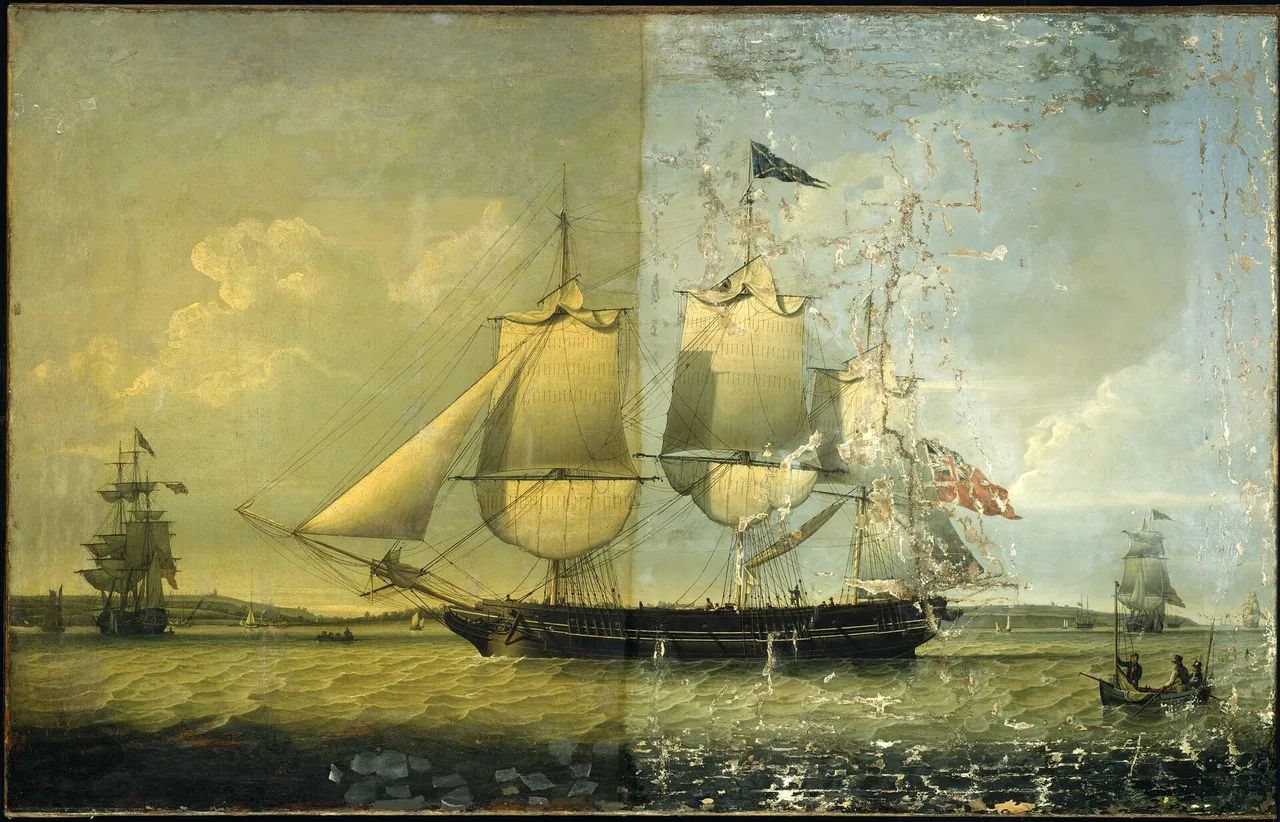
X-rays can pass through newer layers of paint to reveal sketch outlines, alterations, or entirely different paintings hidden beneath. This helps museum experts detect clever forgeries and study the artist's original process.
Photo: Robert Salmon, Wikimedia Commons, Public domain.
Pick one
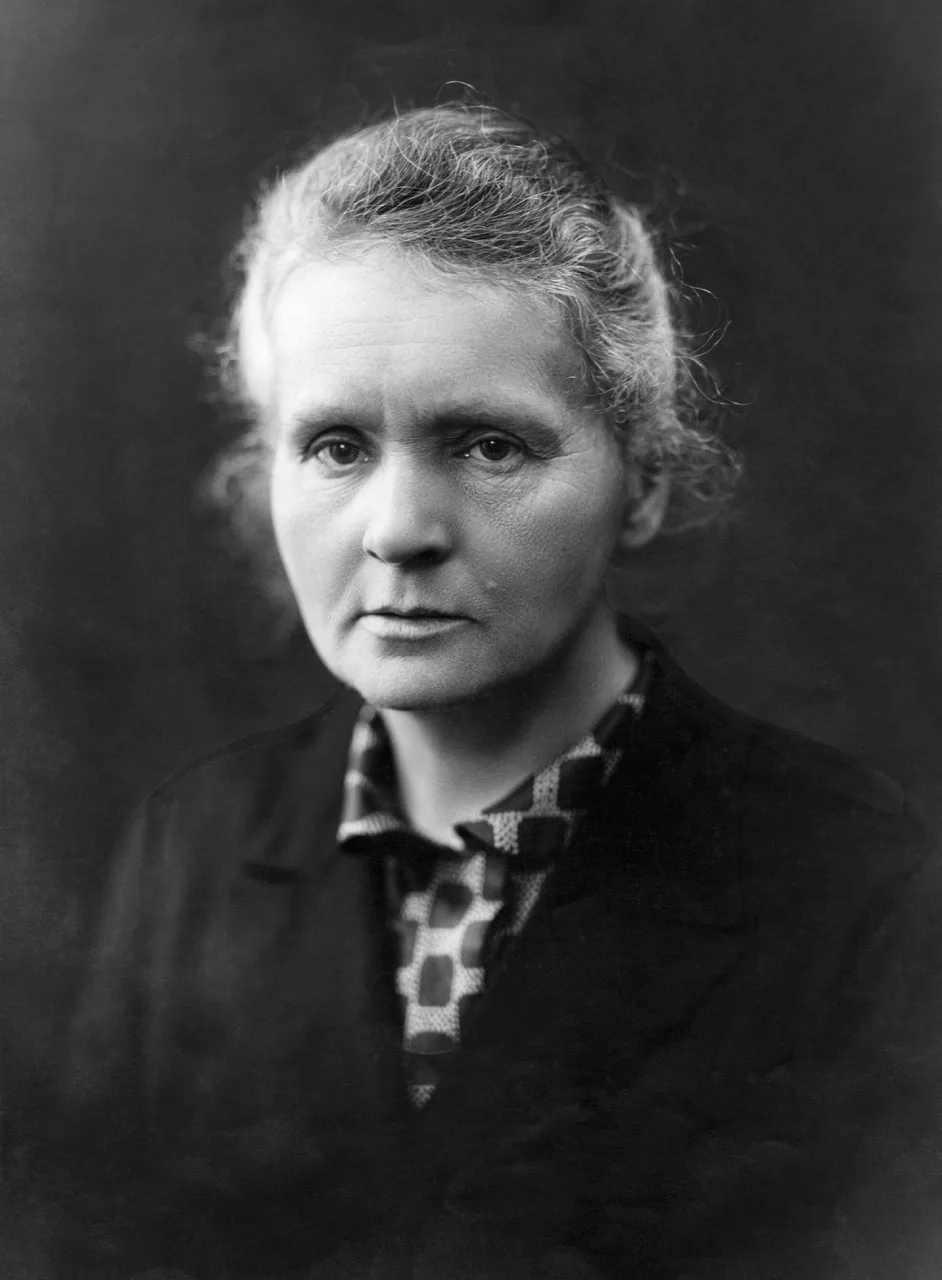
Marie Curie created mobile units equipped with X-ray machines and darkroom gear, known as 'Little Curies'. She personally drove these to the front lines and trained women to assist in diagnosing battlefield injuries.
Photo: Henri Manuel, Wikimedia Commons, Public domain.
Pick one
Known as 'bone music' or 'ribs', bootleggers used discarded hospital X-ray sheets to press banned Western jazz and rock music. The flexible sheets were cheap, available, and easy to cut into circles and hide.
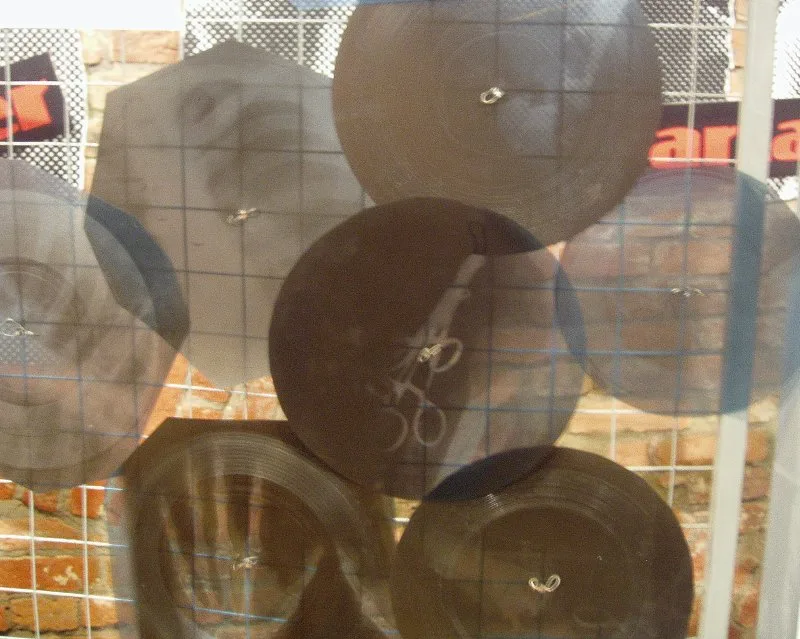
Photo: Dmitry Rozhkov, Wikimedia Commons, CC BY-SA 3.0.
Pick one
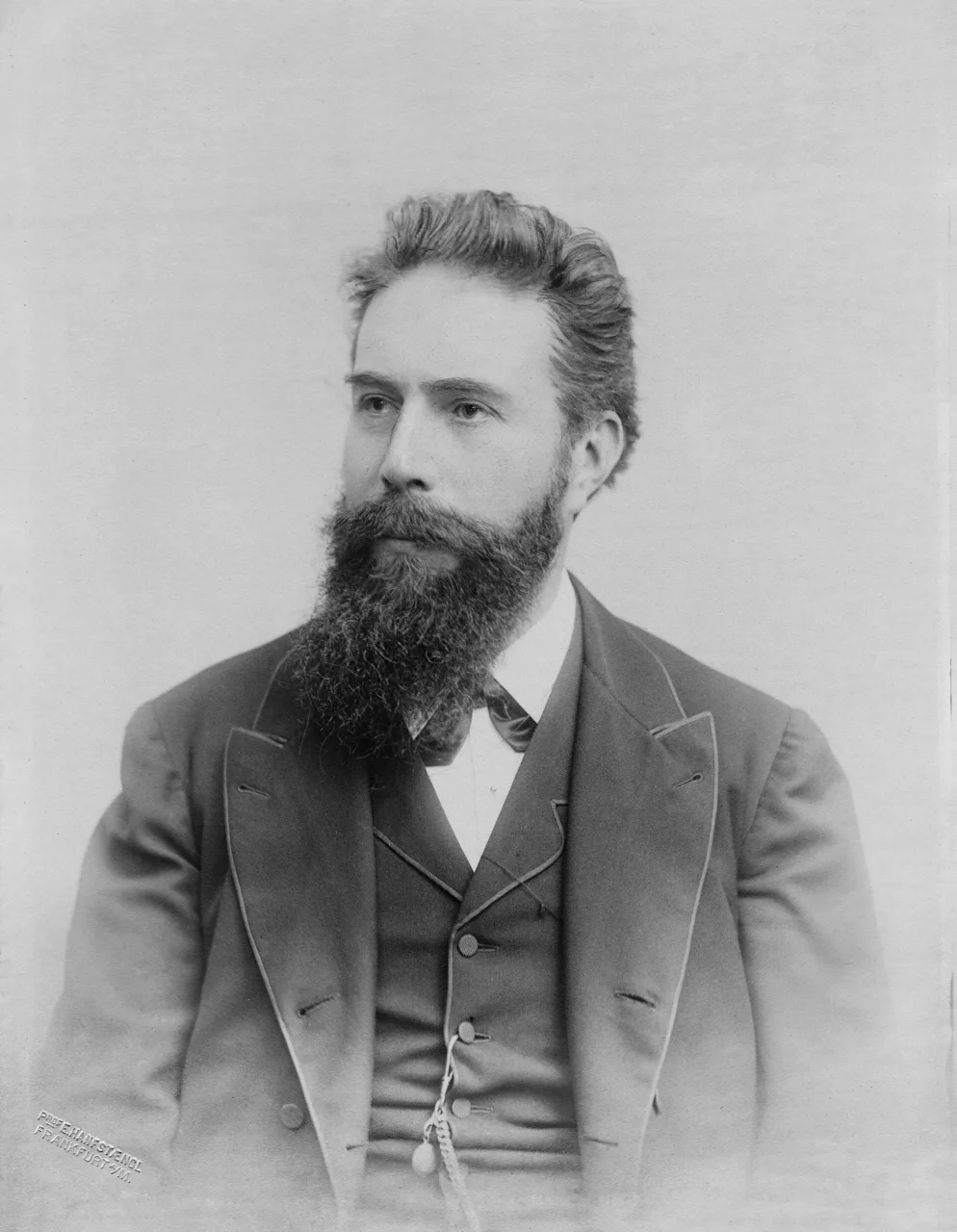
Wilhelm Röntgen captured the first medical X-ray of his wife Anna Bertha's hand. Upon seeing her bones and wedding ring, she famously exclaimed, 'I have seen my death!' This historic image marked the beginning of diagnostic radiology.
Photo: Erwin Hanfstaengl, Wikimedia Commons, Public domain.
Pick one
Photo 51 was captured by chemist Rosalind Franklin and her student Raymond Gosling in 1952. This critical image revealed the helical structure of DNA, which helped Watson and Crick build their famous double-helix model.
Pick one
Röntgen was awarded the inaugural Nobel Prize in Physics in 1901. Generously, he donated his prize money to his university and refused to patent his discovery, believing that his work should belong to everyone.
Pick one
Dual-energy X-ray absorptiometry, or DEXA, uses two different X-ray beams to measure bone density. It is highly effective for diagnosing osteoporosis and predicting fracture risks with minimal radiation exposure.
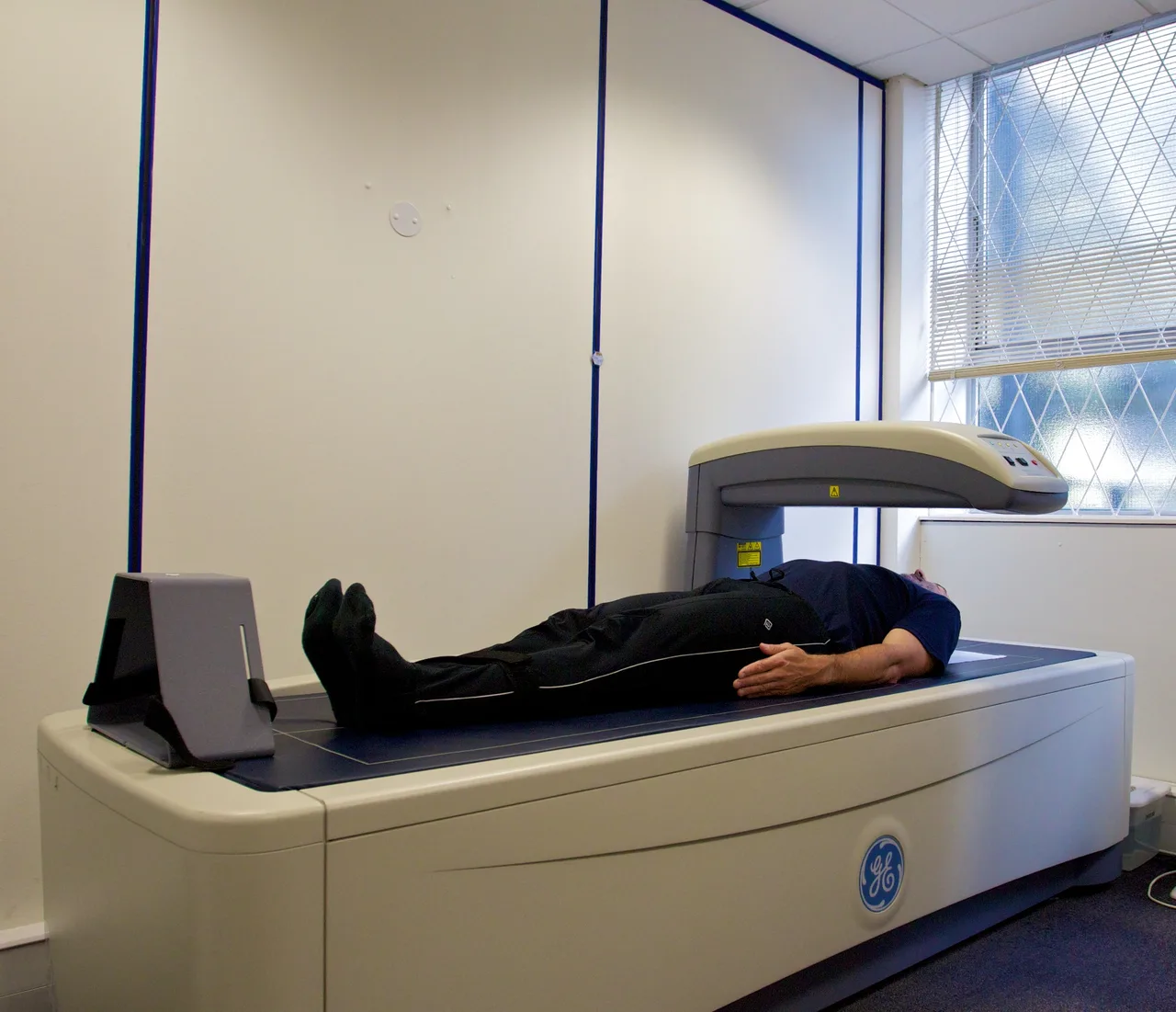
Photo: Nick Smith photography, Wikimedia Commons, CC BY-SA 3.0.
Pick one
Scorpius X-1, located about 9,000 light-years away, was detected in 1962. It is a binary system where a neutron star pulls matter from a companion star, heating it up so much that it releases intense X-rays.
Pick one
Dorothy Hodgkin solved the structure of penicillin in 1945 and later vitamin B12, earning her the Nobel Prize in Chemistry in 1964. Her work revolutionized the study of complex biological molecules and helped mass-produce medicine.

Pick one
Röntgen used the mathematical symbol 'X' because the nature of these rays was completely unknown to him at the time of his discovery. Even though scientists later understood what they were, the mysterious name stuck around.
Photo: NickSpiker, Wikimedia Commons, CC BY-SA 4.0.


Paste the code into your page. The player fits itself in, and every vote counts in Votur.
On WordPress, Ghost or Squarespace? Just paste the link of this page into your post.
This is how it looks
Also fun