Get app
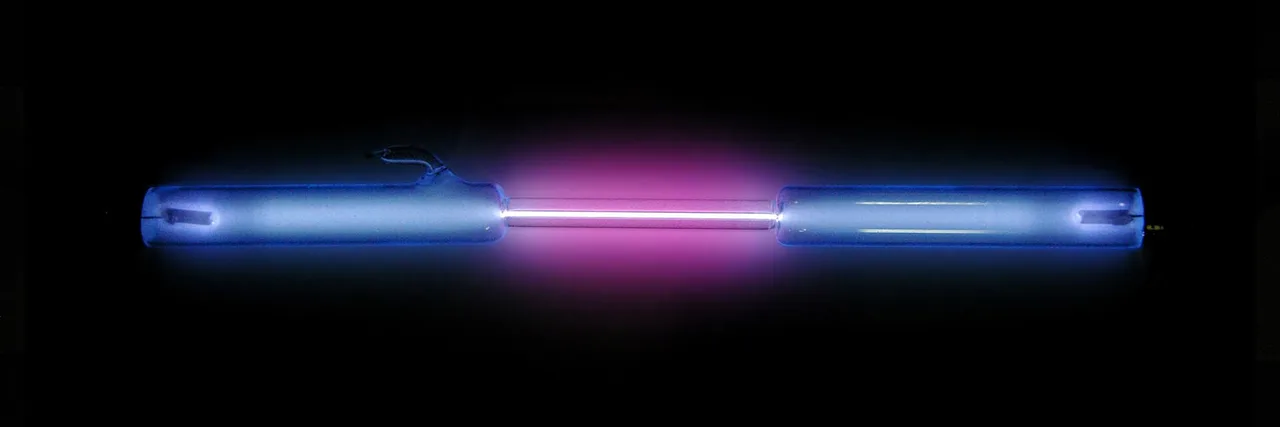
 Photo: Wikimedia Commons, CC BY-SA 4.0.
Step into the world of chemistry and test your knowledge of the elements! From historical breakthroughs to surprising physical properties, discover the secrets behind the periodic table.
Curious Electron 0–4 · Element Explorer 5–8 · Master Alchemist 9–10
Pick one

Mercury remains a liquid at standard room temperature and pressure, a unique trait among metals. Historically known as quicksilver, it was widely used in thermometers and barometers due to its consistent thermal expansion.
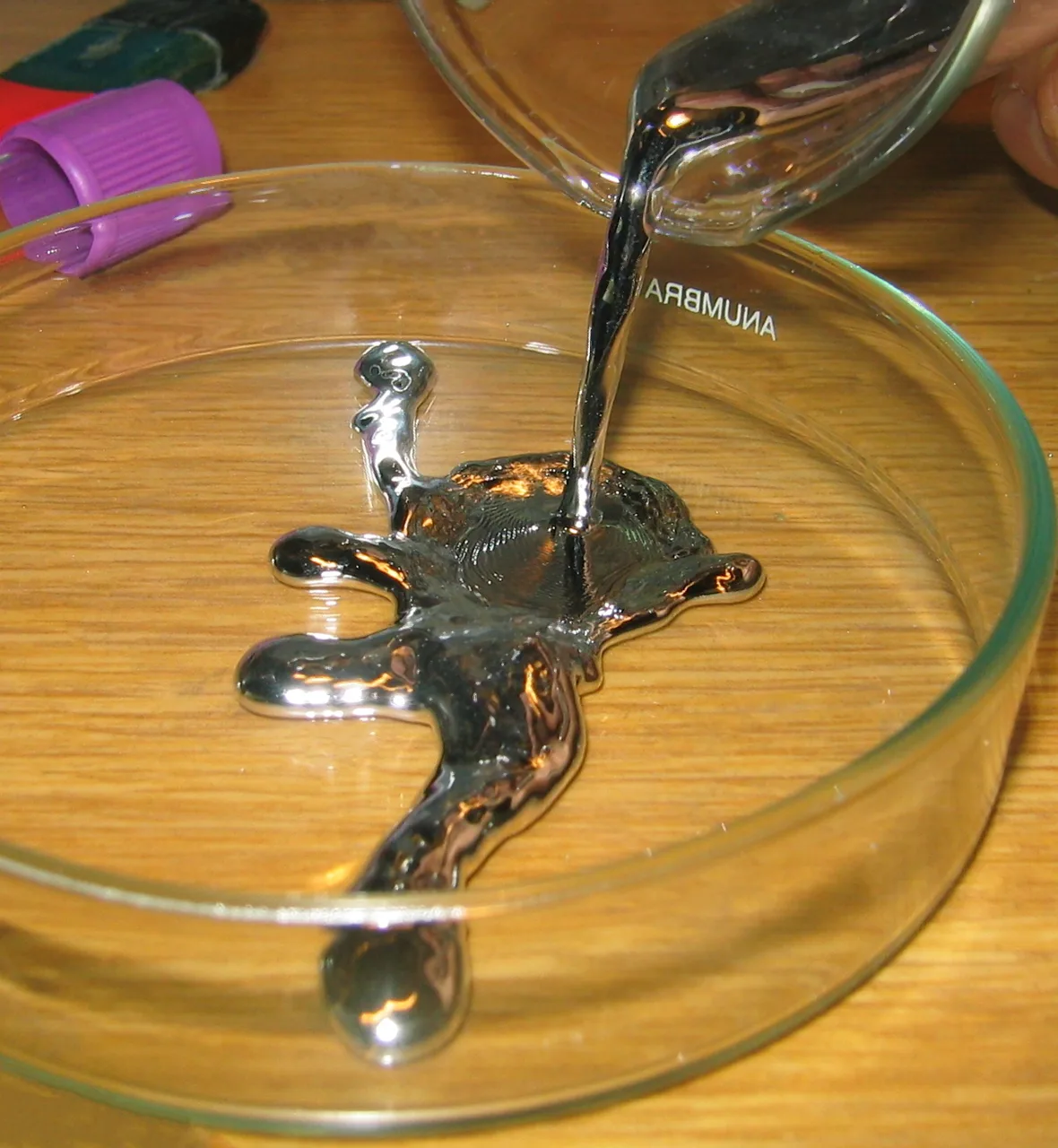
Photo: Bionerd, Wikimedia Commons, CC BY 3.0.
Pick one
Aluminum makes up about 8% of the Earth's crust by weight, making it the most abundant metal. While iron is more common in the Earth as a whole, most of it is locked away deep inside the planet's dense core.
Pick one
The symbol Pb comes from plumbum, the ancient Latin word for lead. This historical term is also the origin of our modern word "plumbing," because the ancient Romans widely used lead pipes to construct their vast water systems.
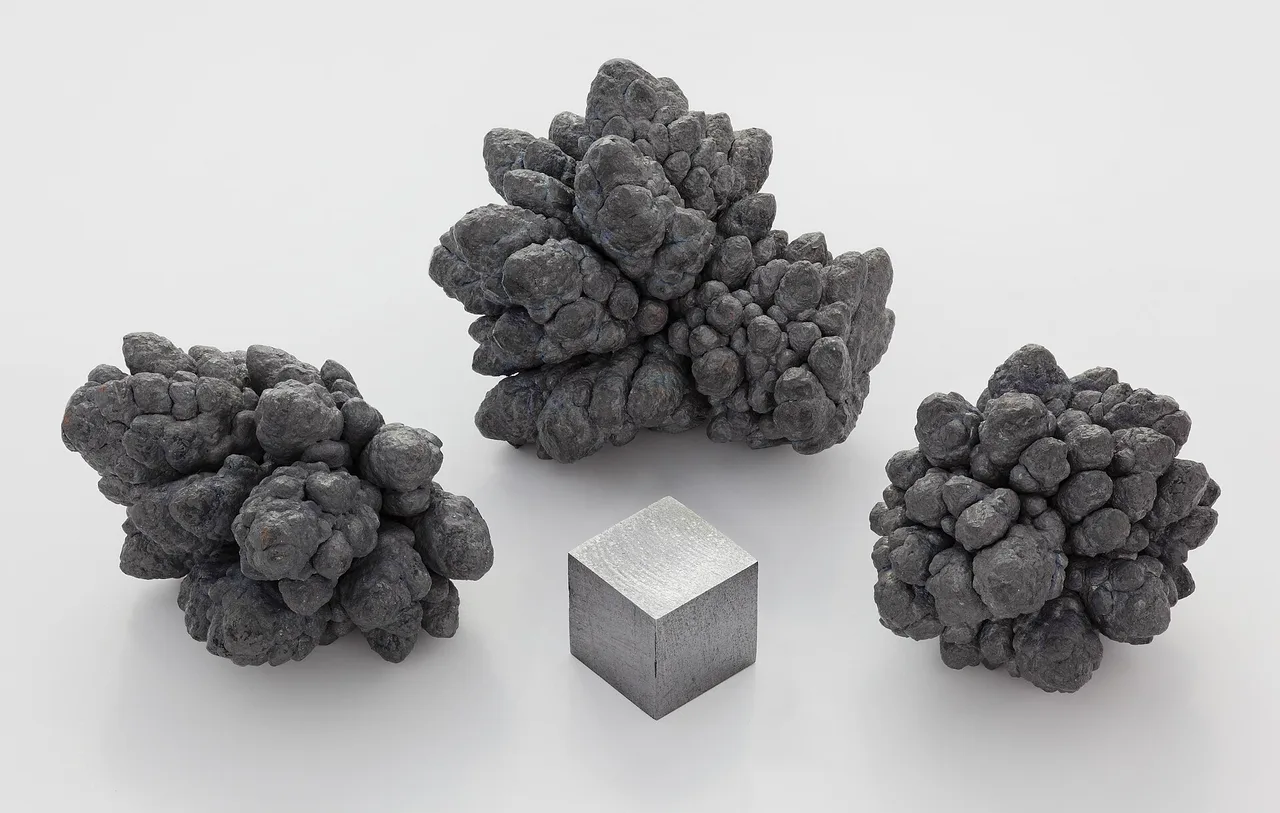
Photo: Alchemist-hp (talk) (www.pse-mendelejew.de), Wikimedia Commons, FAL.
Pick one
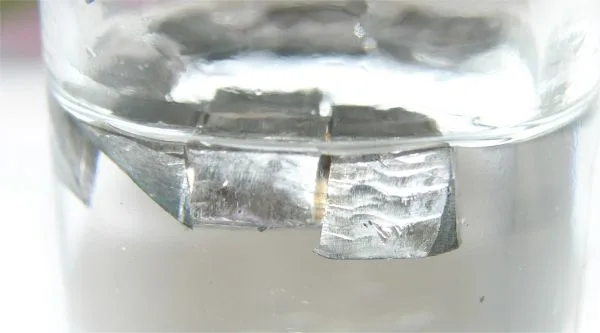
Alkali metals like sodium and potassium have a single outer electron they are eager to lose, making them highly reactive. When dropped in water, they produce hydrogen gas and heat, often resulting in a dramatic explosion.
Photo: Tomihahndorf at German Wikipedia, Wikimedia Commons, Public domain.
Pick one
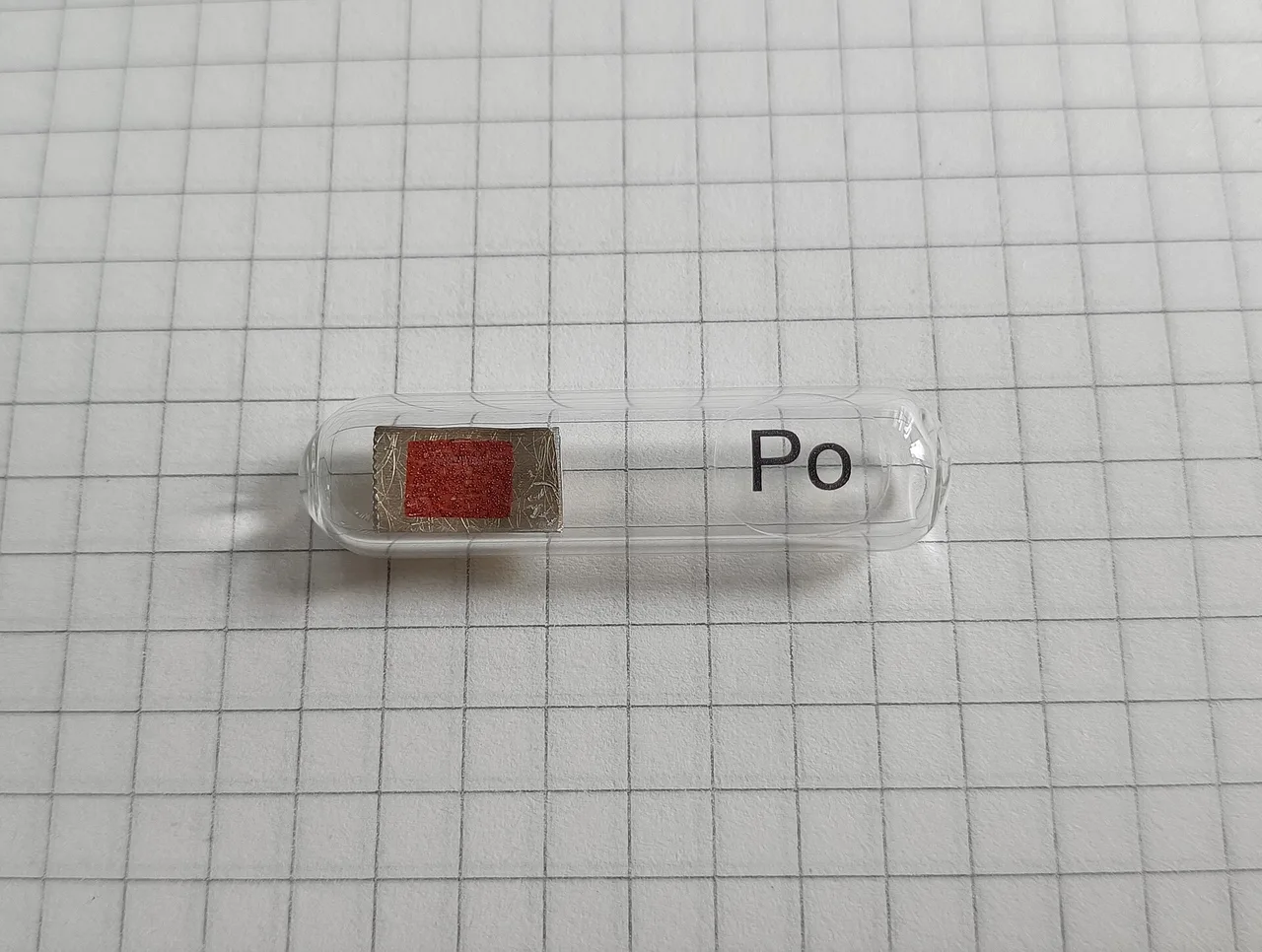
Marie Curie discovered polonium in 1898 and named it in honor of Poland, hoping the publicity would highlight her homeland's struggle for independence. It was the very first element named to highlight a political dispute.
Photo: 范皓程, Wikimedia Commons, CC BY 4.0.
Pick one
Helium was detected in 1868 as a yellow spectral line in sunlight during a solar eclipse. Since it had not yet been found on Earth, it was named after Helios, the Greek god of the Sun. It was only isolated on Earth decades later.
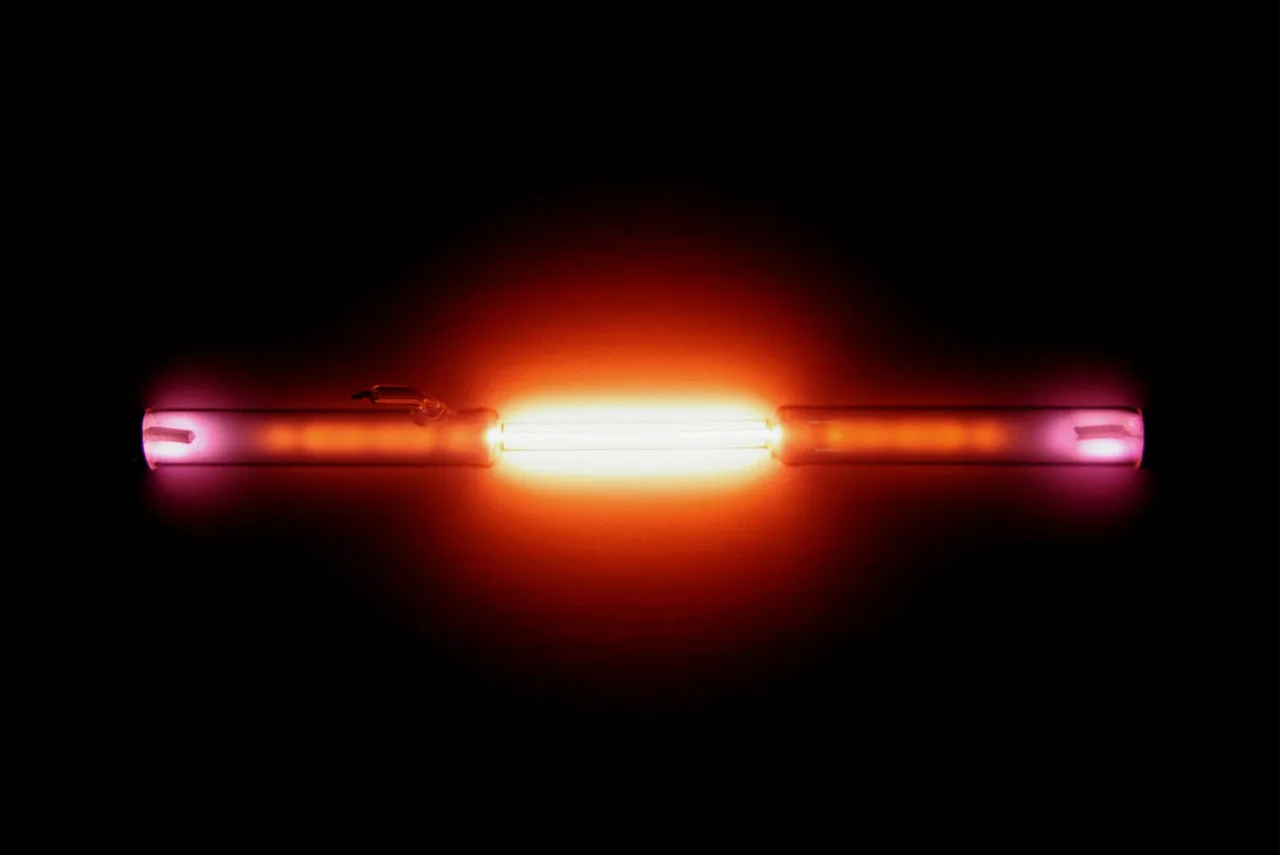
Photo: Alchemist-hp (talk) (www.pse-mendelejew.de), Wikimedia Commons, GFDL 1.2.
Pick one
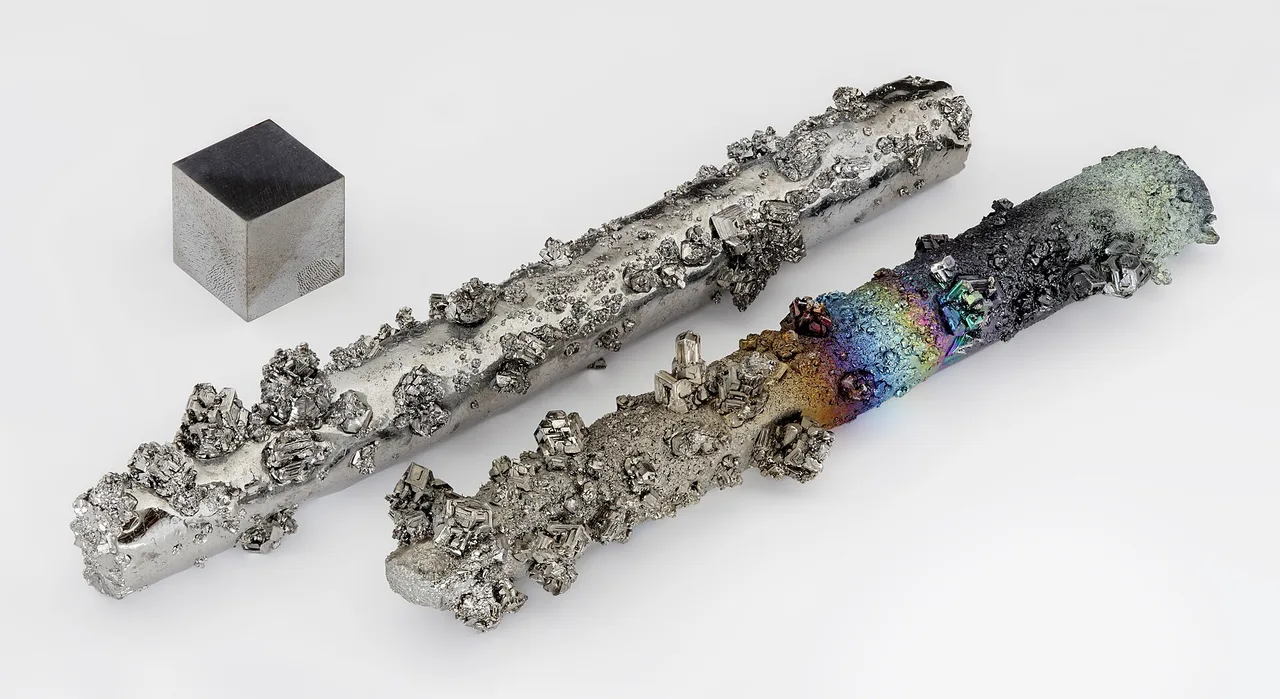
Tungsten has a mind-boggling melting point of 3,422 degrees Celsius, the highest of all pure metals. Because of this extreme heat resistance, it was long used as the glowing filament in traditional incandescent light bulbs.
Photo: Alchemist-hp (talk) (www.pse-mendelejew.de), Wikimedia Commons, FAL.

Pick one
For decades, scientists believed noble gases could not form compounds. In 1962, Neil Bartlett proved them wrong by combining xenon with platinum hexafluoride, opening a whole new field of noble gas chemistry.
Photo: Alchemist-hp (talk) (www.pse-mendelejew.de), Wikimedia Commons, FAL.
Pick one
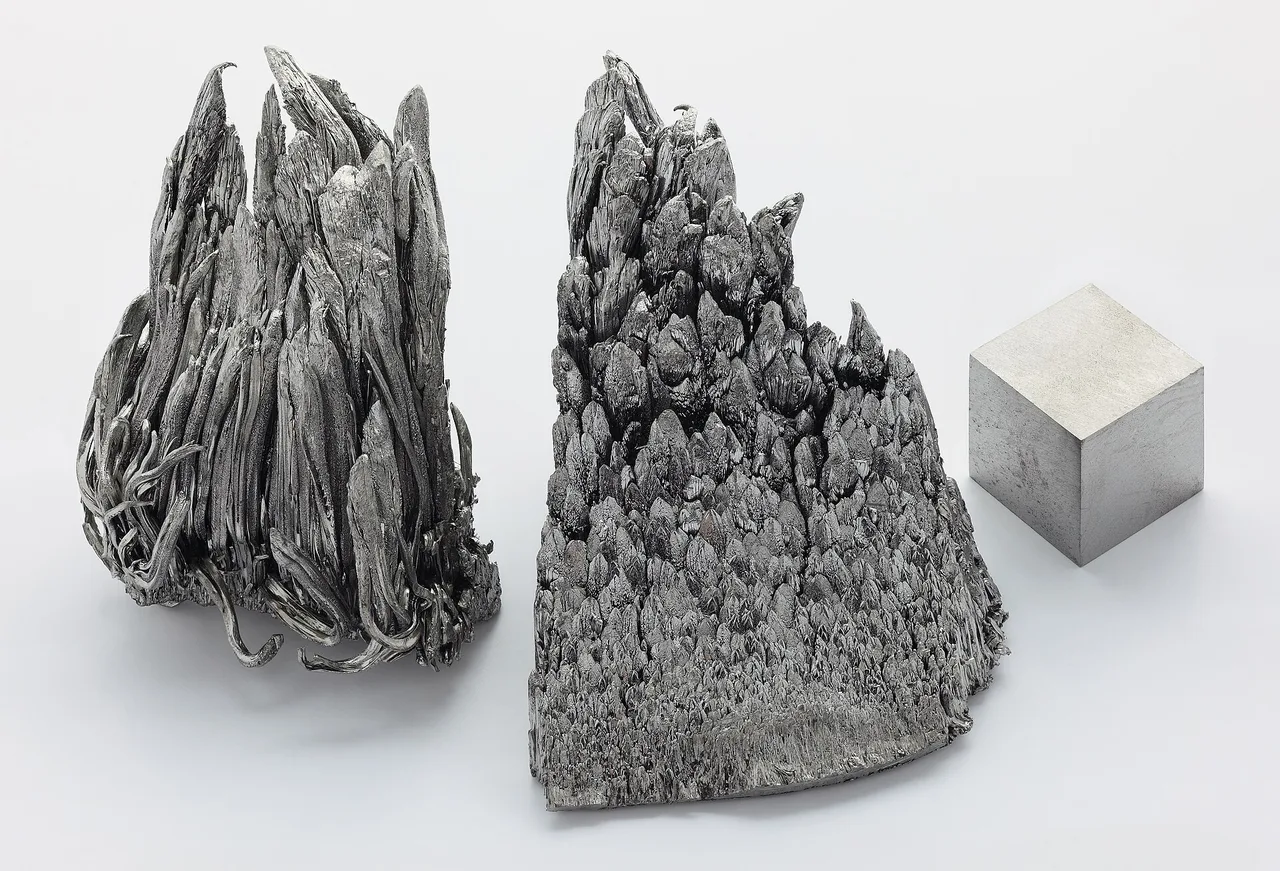
The black mineral that led to yttrium was found in 1787 in a quarry near the Swedish village of Ytterby. That one quarry gave its name to four elements: yttrium, terbium, erbium and ytterbium. Several more, such as holmium and scandium, were also first found in its rocks.
Photo: Alchemist-hp (www.pse-mendelejew.de), Wikimedia Commons, FAL.
Pick one
Dmitri Mendeleev organized elements by atomic mass and left gaps for undiscovered elements, predicting their properties with shocking accuracy. Julius Lothar Meyer developed a very similar system at the same time, but Mendeleev published first.
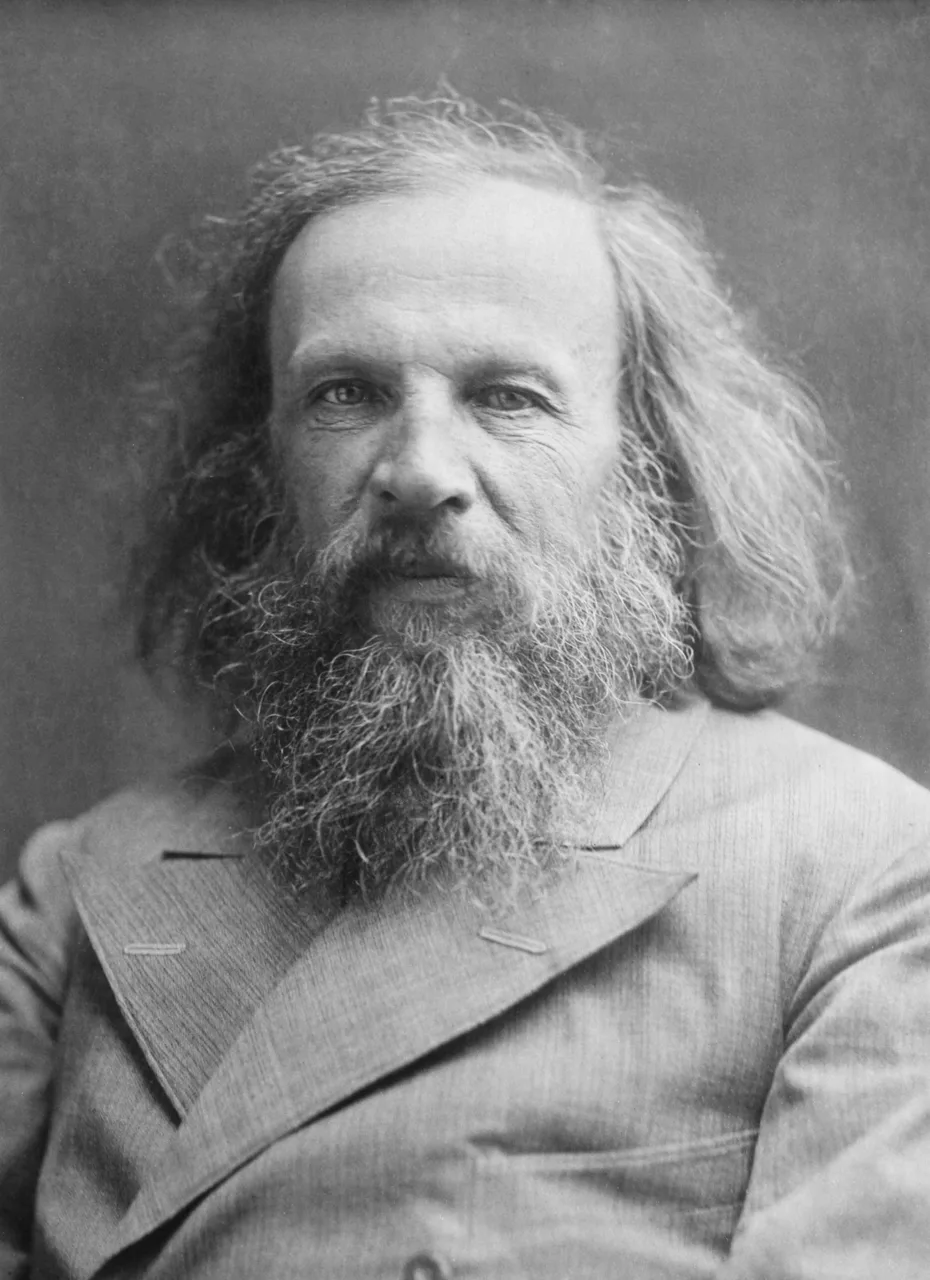
Photo: Original: Unknown authorUnknown author Upload: Germansociety2014, Wikimedia Commons, Public domain.


Paste the code into your page. The player fits itself in, and every vote counts in Votur.
On WordPress, Ghost or Squarespace? Just paste the link of this page into your post.
This is how it looks
Also fun