Get app
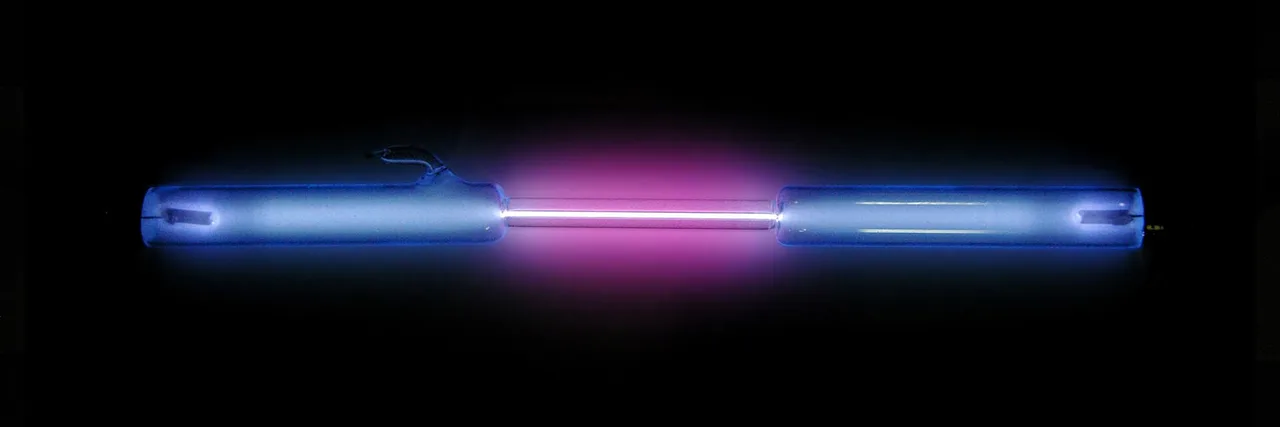
 Photo: Kelvinsong, Wikimedia Commons, CC0.
From the warmth of the Sun to the precision of medical lasers, light shapes how we see and understand our universe. Test your knowledge on how light behaves, its history, and its impact on culture!
Ray Beginner 0–4 · Spectrum Explorer 5–8 · Master of Photon 9–10
Pick one

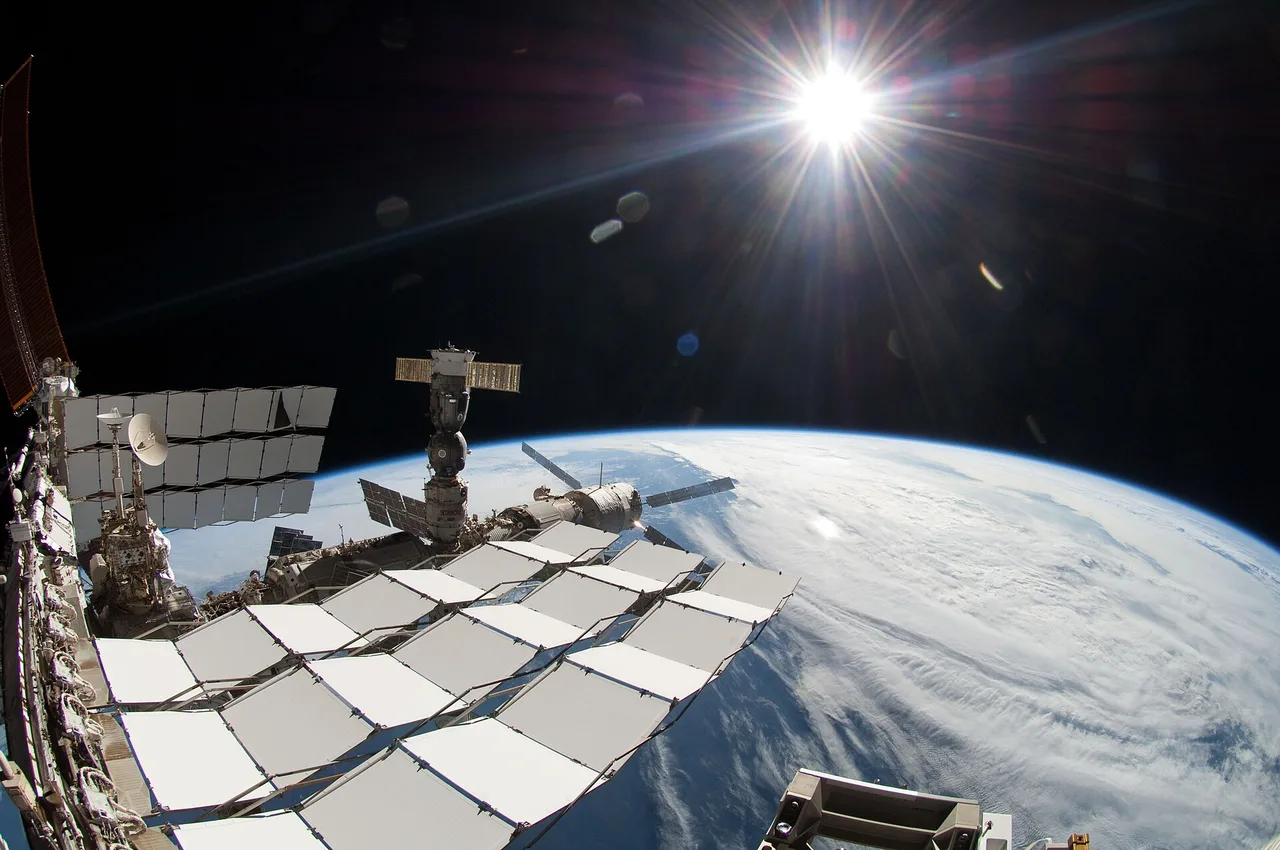
Since light travels at about 300,000 kilometers per second, and Earth is roughly 150 million kilometers away, solar photons take about 8 minutes and 20 seconds to reach us. Interestingly, the energy itself takes tens of thousands of years to travel from the Sun's core to its surface before it can finally escape into space.
Photo: NASA, Wikimedia Commons, Public domain.
Pick one
Luke's first weapon was his father Anakin's old lightsaber, which emitted a classic blue beam. He did not construct his famous green lightsaber until the third movie, 'Return of the Jedi'. The green color was chosen by the filmmakers because it stood out better against the bright blue sky of the desert planet Tatooine.
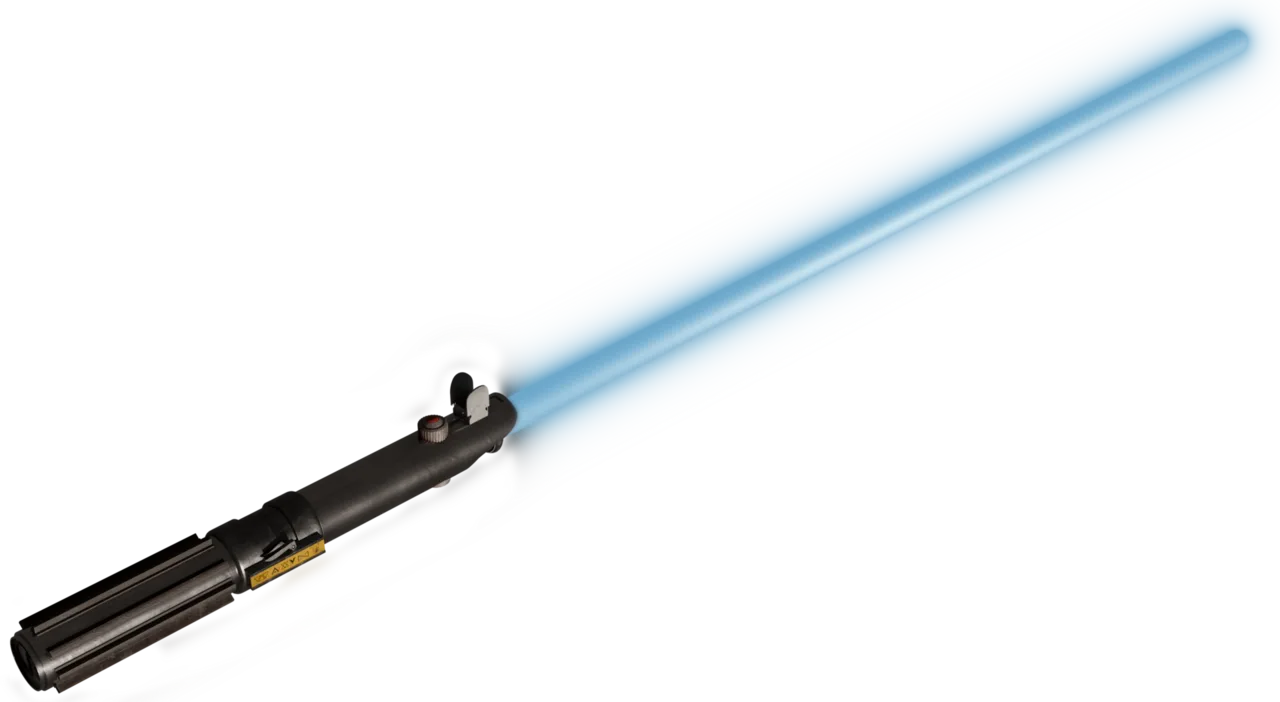
Photo: Wikideas1, Wikimedia Commons, CC0.
Pick one
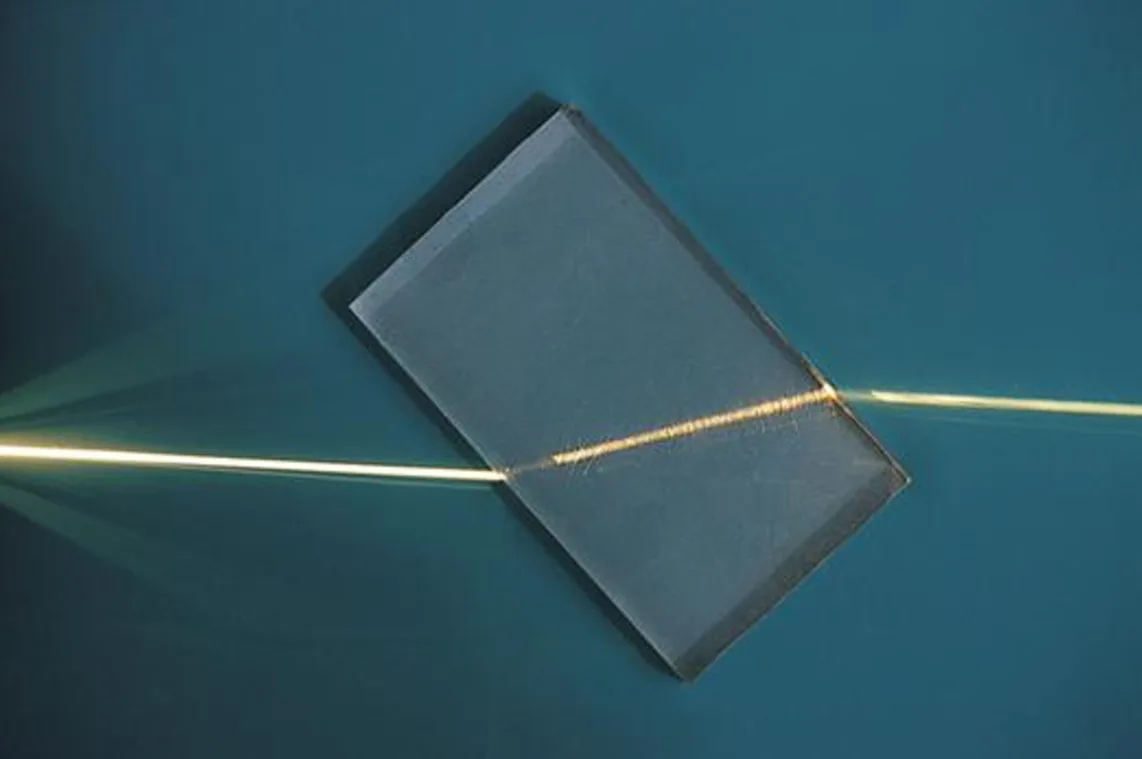
Dispersion happens because different colors of light travel at slightly different speeds in glass, causing them to bend at different angles. Isaac Newton famously used a prism to demonstrate this, proving that white light is actually a mixture of all visible colors rather than being pure and unchangeable.
Photo: Lucas Vieira, Wikimedia Commons, Public domain.
Pick one
Light slows down when passing through dense materials. Because diamond has an exceptionally high refractive index of about 2.42, light travels through it at less than half its speed in a vacuum (around 124,000 kilometers per second). This extreme slowing and bending of light is what gives a well-cut diamond its signature brilliant sparkle!
Photo: ajizai, Wikimedia Commons, Public domain.
Pick one
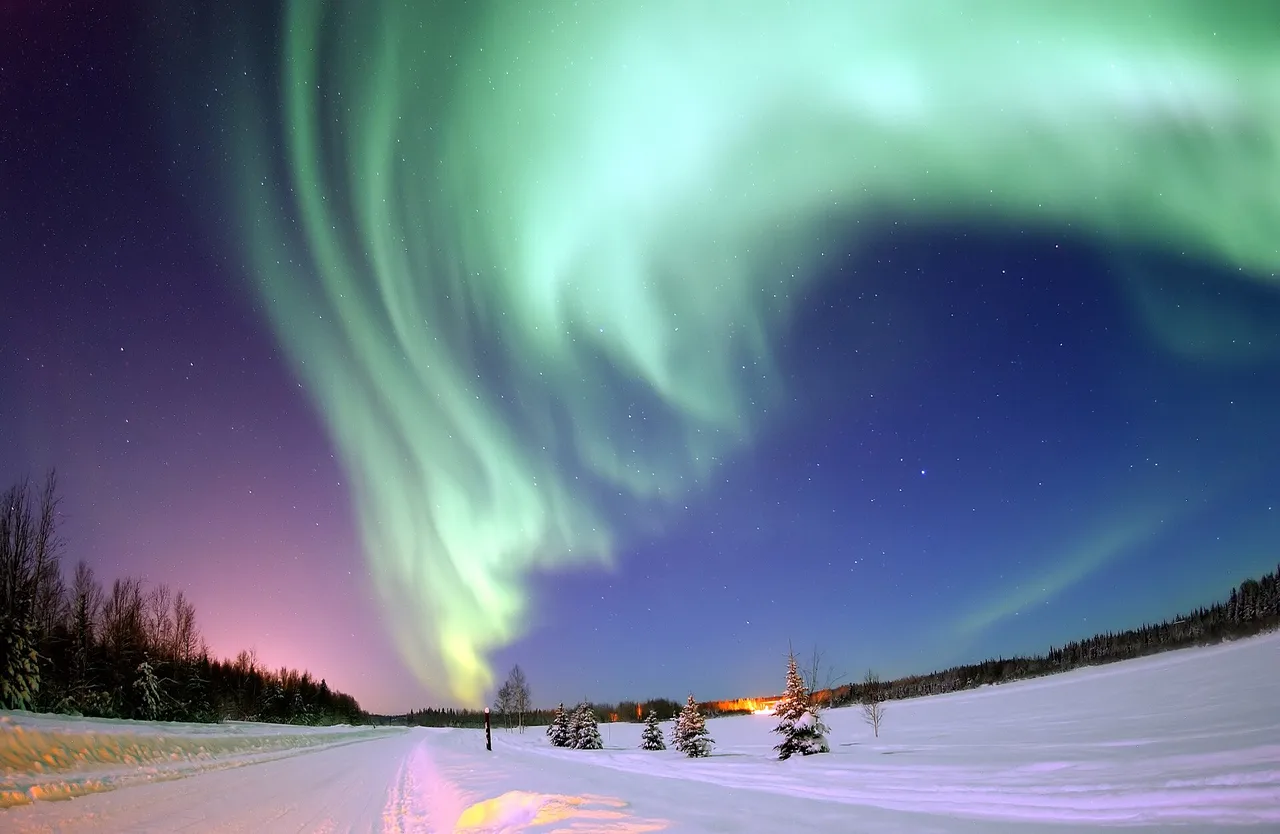
When charged particles from the solar wind collide with Earth's upper atmosphere, they excite gas atoms. Excited oxygen atoms release this energy as a striking green light at an altitude of around 100 kilometers. Nitrogen collisions, on the other hand, tend to produce deep blue or violet hues.
Photo: United States Air Force photo by Senior Airman Joshua Strang, Wikimedia Commons, Public domain.
Pick one
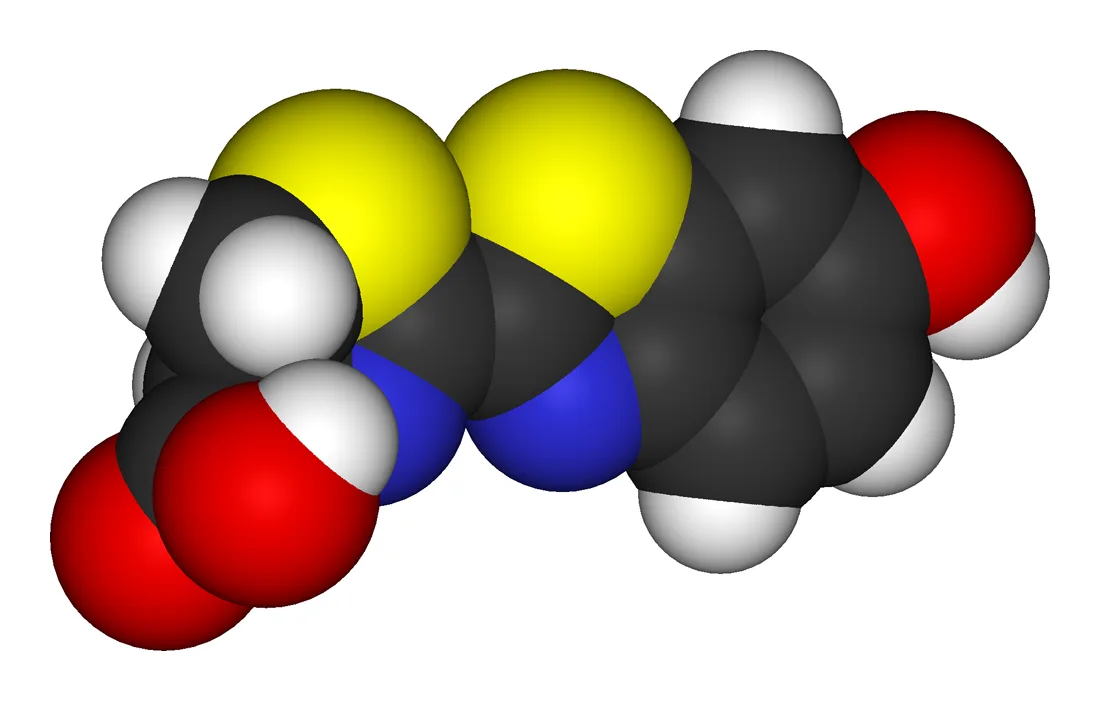
Fireflies produce light through a chemical reaction involving the compound luciferin and the enzyme luciferase. This reaction is remarkably efficient, turning a large share of its energy into light while giving off very little heat. In contrast, aequorin is a different light-emitting protein found in bioluminescent jellyfish.
Photo: Wikimedia Commons, Public domain.
Pick one
Invented in 1842 by Sir John Herschel, the cyanotype process uses a simple mixture of iron salts that reacts to ultraviolet light. This technique became famous for creating architectural 'blueprints' and was also used by botanist Anna Atkins to produce the very first photographically illustrated book.
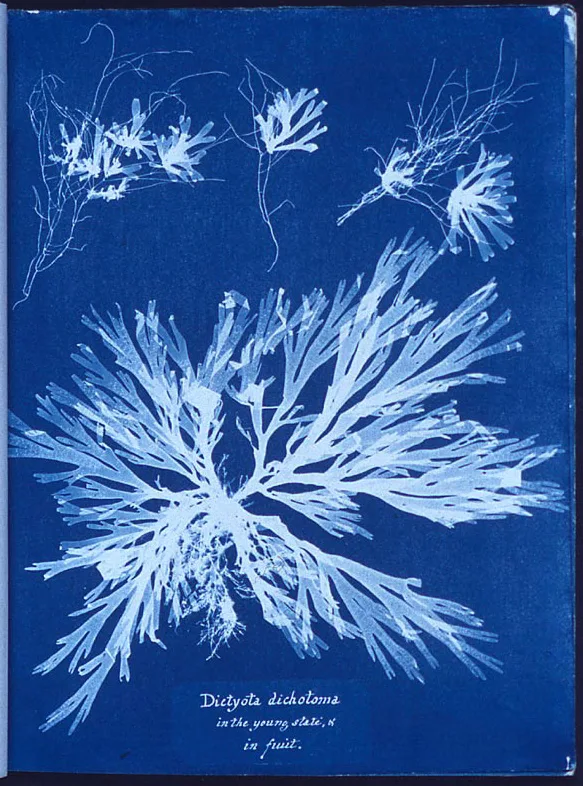
Photo: Atkins, Anna, 1799-1871, Wikimedia Commons, Public domain.
Pick one
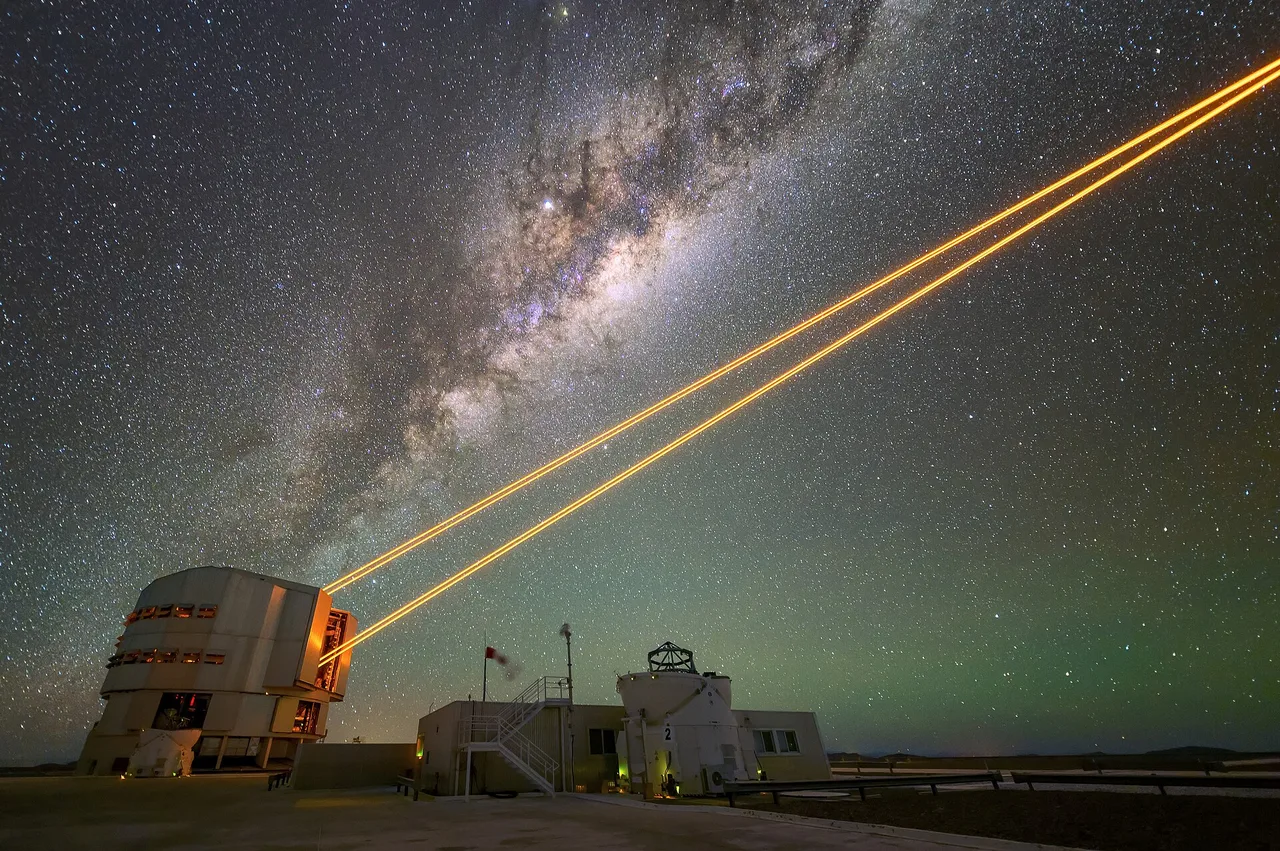
Theodore Maiman constructed the first functioning laser at Hughes Research Laboratories, using a synthetic ruby crystal to produce a bright red beam. While Charles Townes won a Nobel Prize for developing the theoretical foundations and the precursor 'maser', Maiman's practical breakthrough paved the way for modern barcode scanners and fiber optics.
Photo: ESO/A. Ghizzi Panizza (www.albertoghizzipanizza.com), Wikimedia Commons, CC BY 4.0.
Pick one
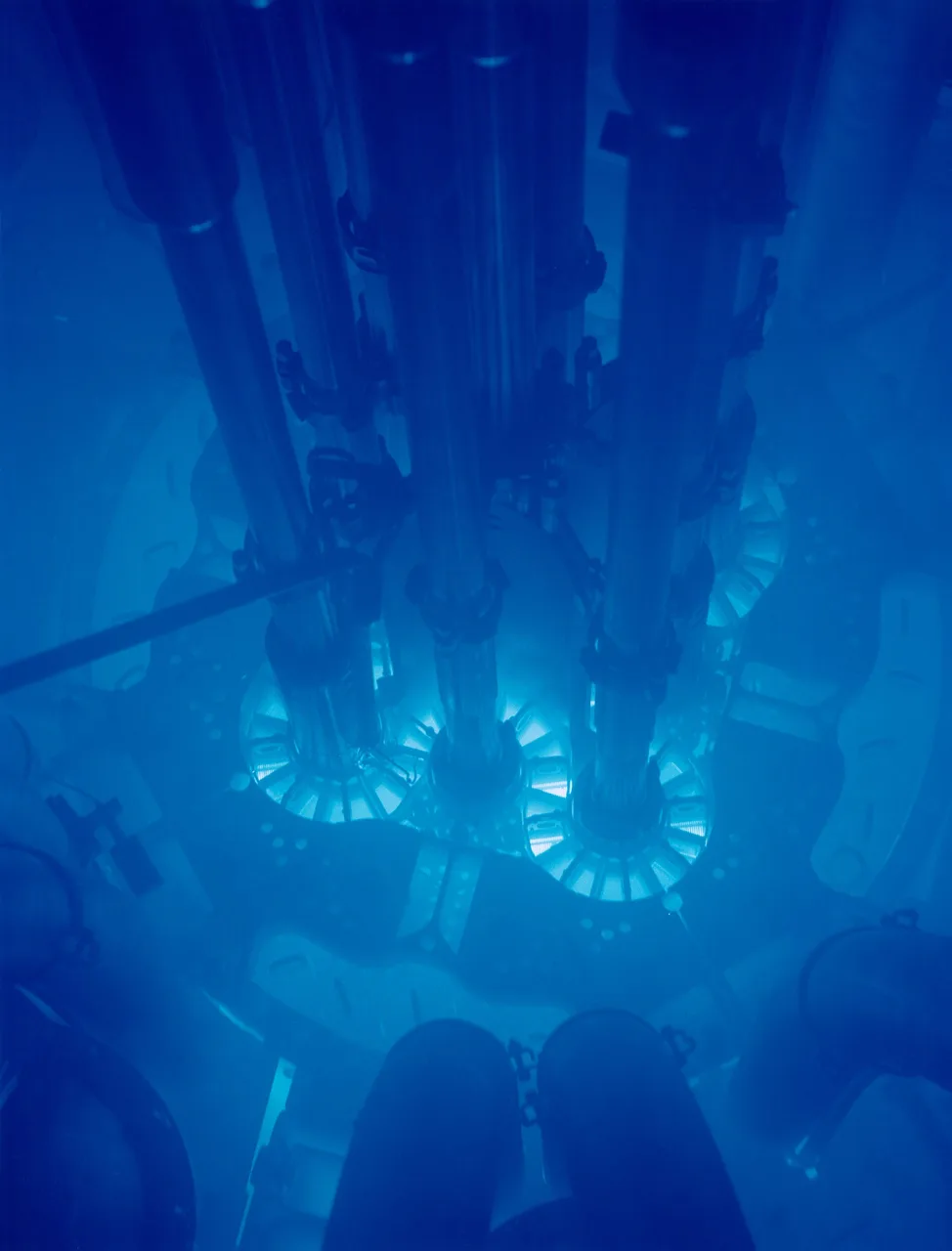
Cherenkov radiation occurs when particles exceed the speed of light in a specific medium, like water inside a nuclear reactor. This creates an optical shockwave similar to a sonic boom, resulting in a beautiful blue glow. Synchrotron radiation is also real but is produced by accelerating particles in magnetic fields.
Photo: Argonne National Laboratory, Wikimedia Commons, CC BY-SA 2.0.
Pick one
Human eyes contain millions of cone cells concentrated in the center of the retina, which detect red, green, and blue wavelengths. Rod cells are much more sensitive to light and help us see in the dark, but they cannot distinguish colors, which is why everything looks grayscale in dim moonlight.


Paste the code into your page. The player fits itself in, and every vote counts in Votur.
On WordPress, Ghost or Squarespace? Just paste the link of this page into your post.
This is how it looks
Also fun