 Get app
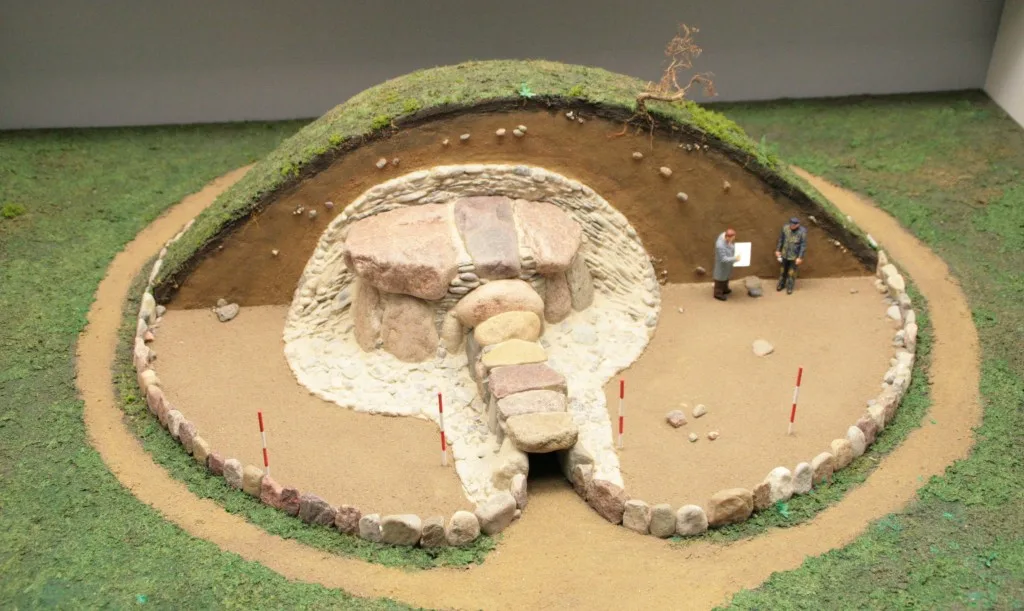
Who built these giant stone piles in Drenthe, how did the stones get there, and what were they for? Ten questions about the hunebeds.
Stone spotter 0–4 · Young archaeologist 5–8 · Keeper of the stones 9–10

Tap the right answer
Hunebeds are stone tombs where people were buried, often together with pots, tools and jewellery. Originally the stones were covered with a mound of earth.
Photo: Kai-Erik Ballak, Wikimedia Commons, CC BY-SA 3.0.
Tap the right answer
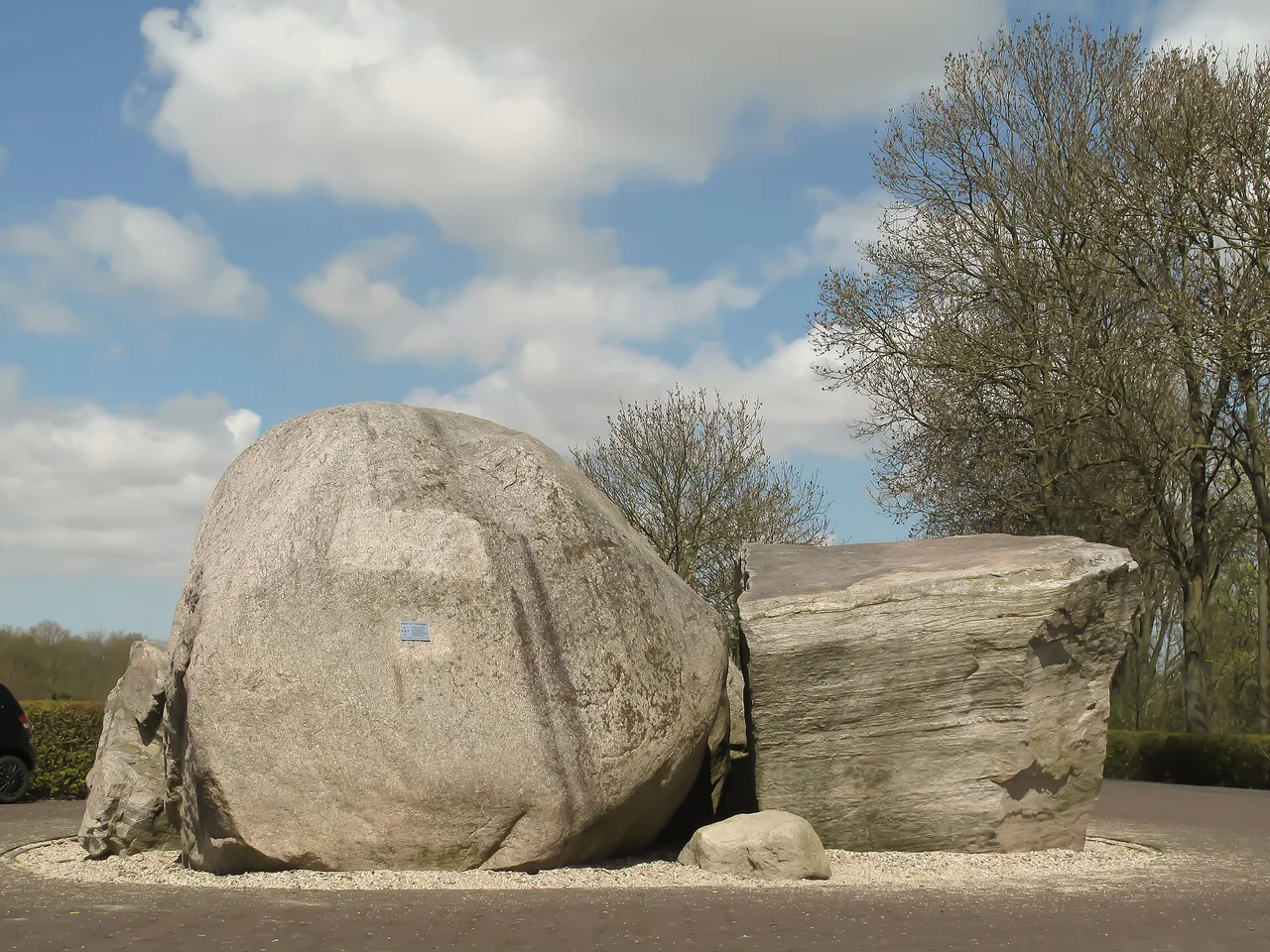
Ice sheets slowly pushed boulders all the way from Scandinavia and left them behind when the ice melted. The builders only had to find them nearby and move them into place.
Photo: Michielverbeek, Wikimedia Commons, CC BY-SA 3.0.
Tap the right answer
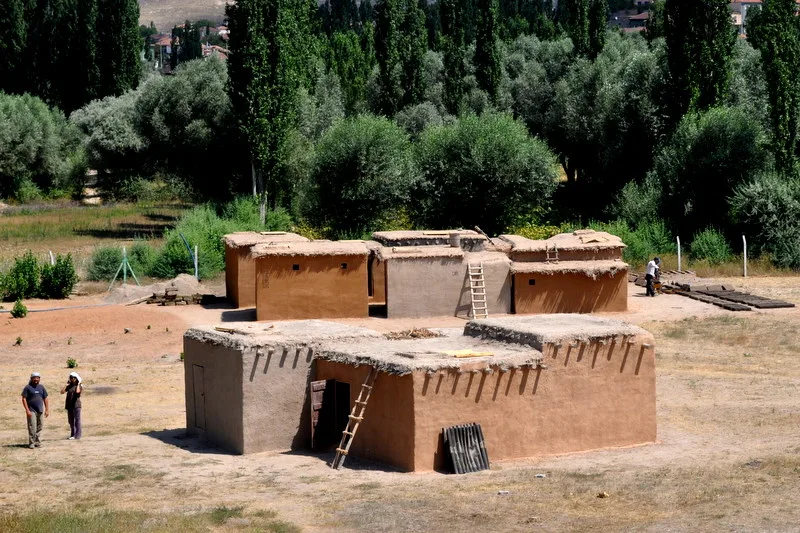
They were built between about 3470 and 3250 BC, in the New Stone Age. That makes them older than the great pyramids of Giza.
Photo: Sarah Murray from Palo Alto, CA, Wikimedia Commons, CC BY-SA 2.0.
Tap the right answer
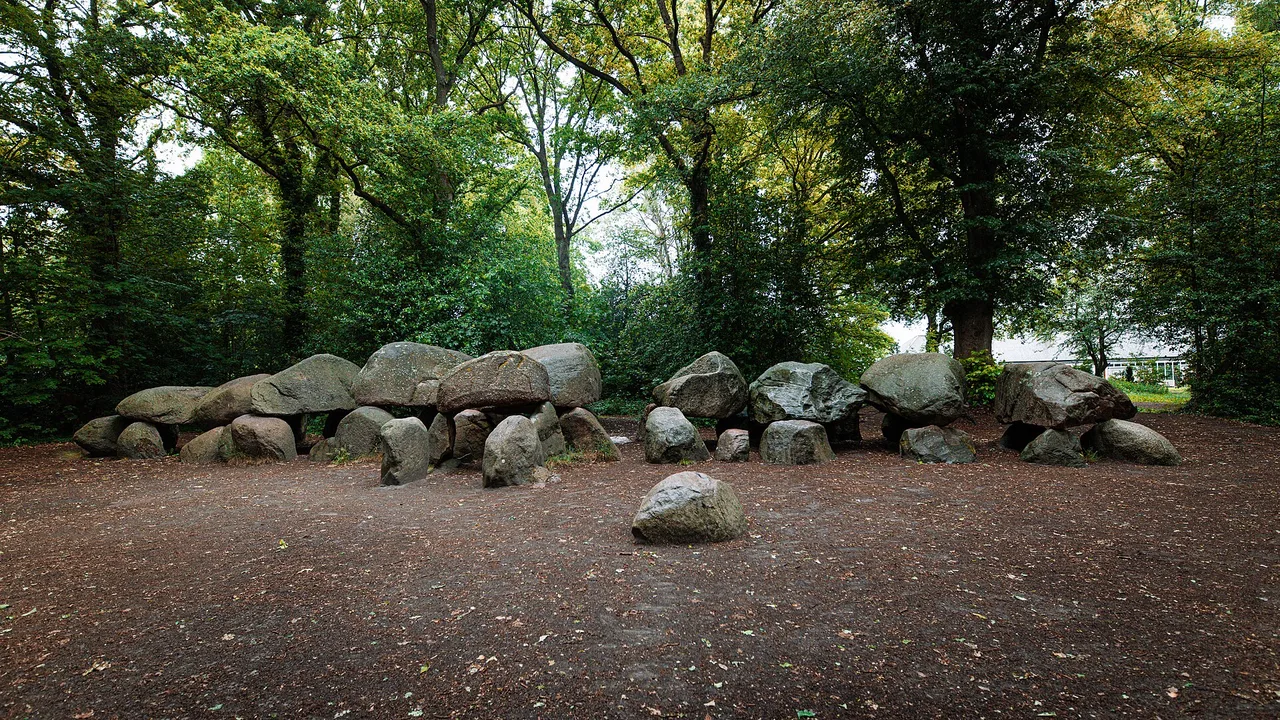
There were once about 100. Of the 54 that survive, 52 are in Drenthe and two are in Groningen.
Photo: Richard Broekhuijzen, Wikimedia Commons, CC BY-SA 4.0.
Tap the right answer
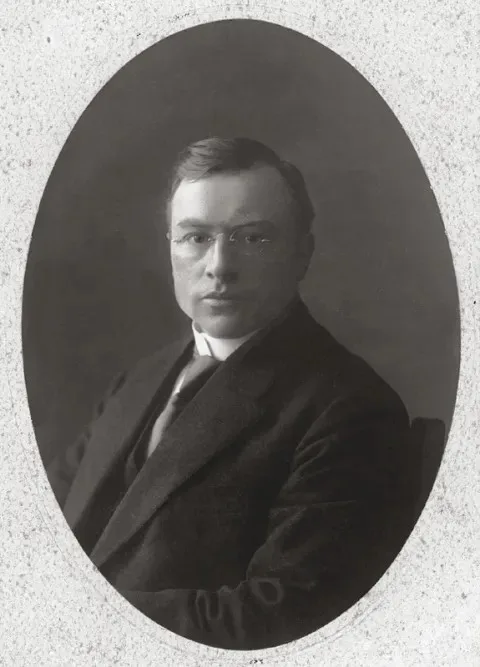
Archaeologist Albert Egges van Giffen gave each hunebed a letter for its province, D for Drenthe or G for Groningen, and a number counting from north to south. The system is still used today.
Photo: Unknown photographer, Wikimedia Commons, Public domain.
Tap the right answer
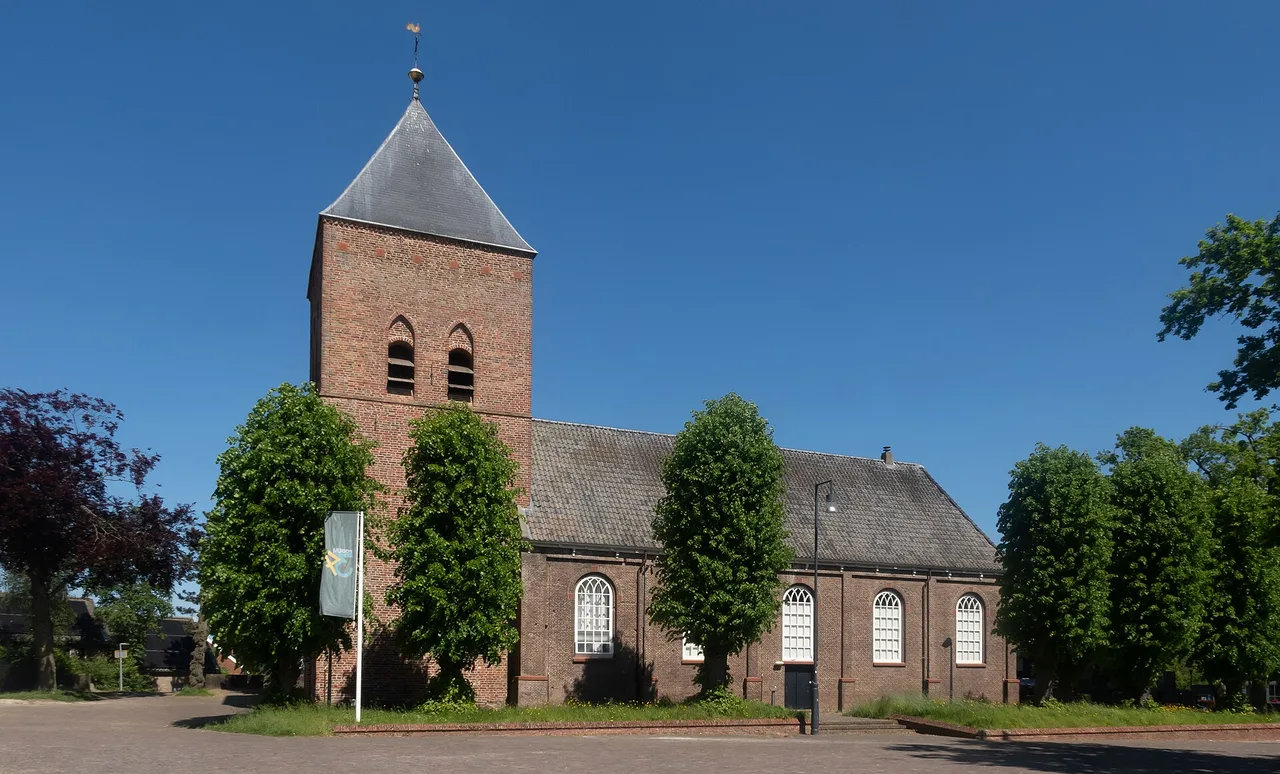
Hunebed D27 in Borger is about 22 metres long and is covered by nine huge capstones. The Hunebedcentrum museum stands right next to it.
Photo: Michielverbeek, Wikimedia Commons, CC BY 4.0.
Tap the right answer
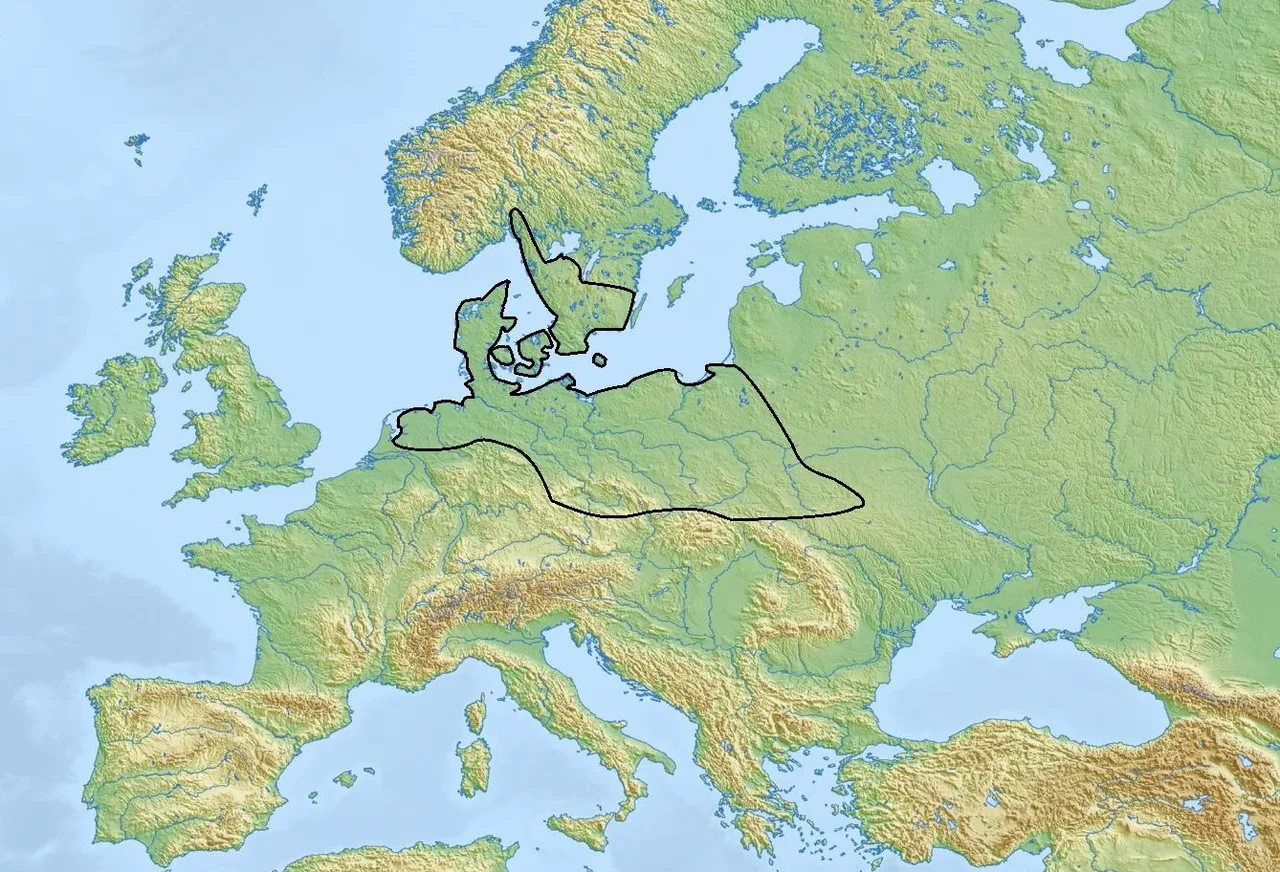
They are called the Funnelbeaker culture after their pots with a wide, funnel-like neck. They lived in the Stone Age, before people in this region used metal.
Photo: Krakkos, Wikimedia Commons, CC BY-SA 4.0.
Tap the right answer
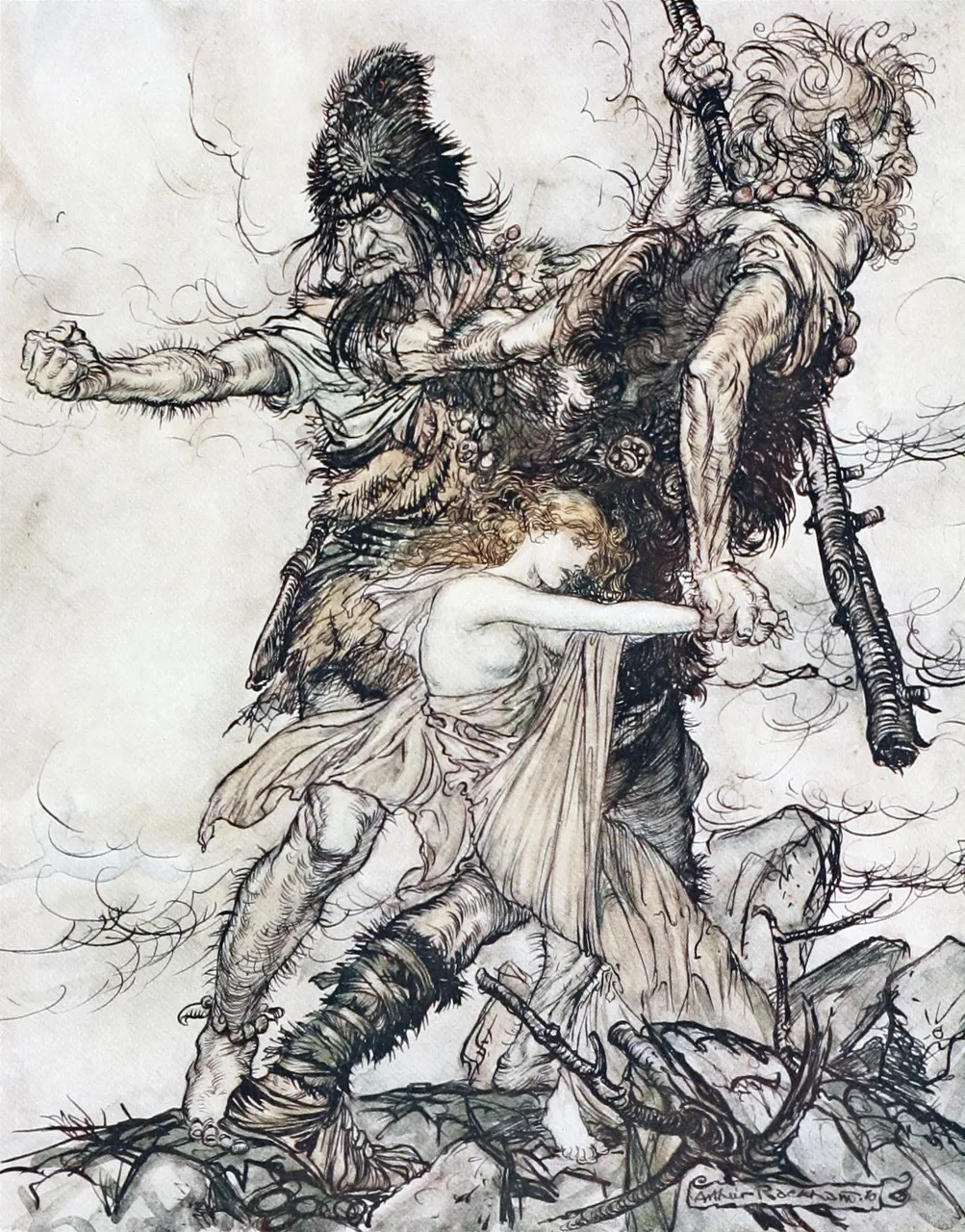
Pastor Johan Picardt believed giants had come to Drenthe and stacked the huge stones. His dramatic drawings made the idea famous for a long time.
Photo: Arthur Rackham, Wikimedia Commons, Public domain.
Tap the right answer
The Hondsrug is a ridge shaped during the Ice Age, running from the city of Groningen towards Emmen. Its name sounds like 'dog's back' in Dutch.
Photo: Serassot at Dutch Wikipedia, Wikimedia Commons, CC BY-SA 3.0.
Tap the right answer
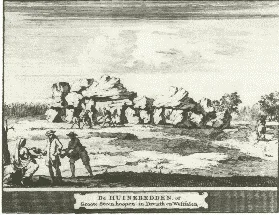
Titia Brongersma had the big hunebed at Borger dug open and wrote poems about it; she thought it was a temple to nature. Petrus Camper, a famous doctor and scientist, made drawings of hunebeds about 80 years later.
Photo: Gravure van J. Schijnvoet, Wikimedia Commons, Public domain.


Want to make a quiz like this yourself? Do it on Votur, it's free.
Paste the code into your page. The player fits itself in, and every vote counts in Votur.
On WordPress, Ghost or Squarespace? Just paste the link of this page into your post.
This is how it looks
Also fun