 Get app
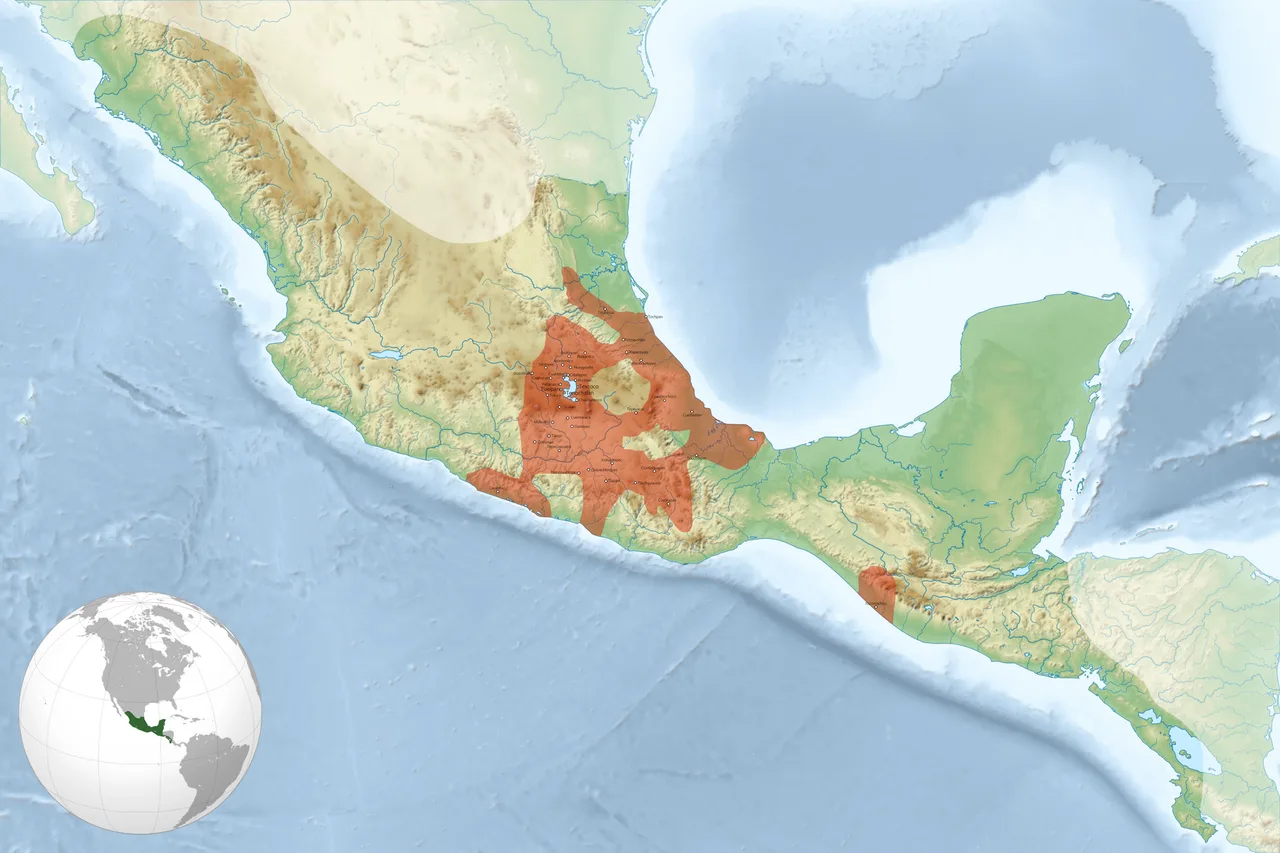
Step back in time to the bustling island city of Tenochtitlan. Discover how the Aztecs really lived, from their floating gardens to their surprising daily habits.
Curious Wanderer 0–4 · Codex Explorer 5–8 · Eagle Knight 9–10

Tap the right answer
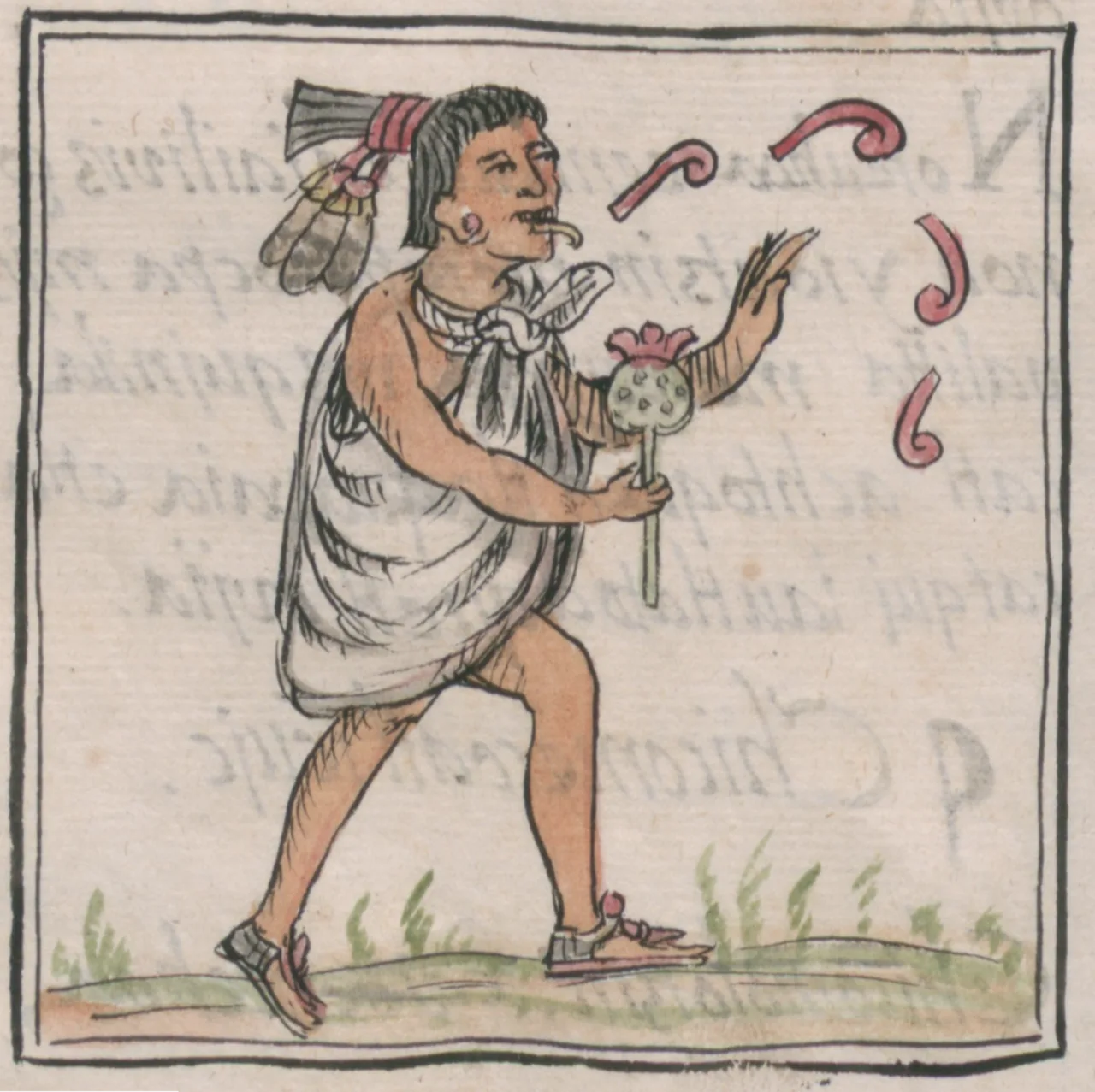
Tomato comes from the Nahuatl word 'tomatl'. Avocado (ahuacatl) and chili (chilli) come from Nahuatl too. Vanilla, on the other hand, comes from Spanish: 'vainilla' means 'little pod'.
Photo: Unnamed Nahua contributors under leadership of Bernardino de Sahagún, Wikimedia Commons, Public domain.
Tap the right answer
While gold was highly prized for jewelry, cocoa beans were so valuable that they were used as everyday money. You could buy a small rabbit for about thirty beans. Crafty counterfeiters would even strip the skins of the beans, fill them with dirt, and mix them back into the piles to trick merchants.
Photo: Aldan-2, Wikimedia Commons, CC BY-SA 4.0.

Tap the right answer
These ingenious agricultural plots, called chinampas, were made by layering mud, lake sediment, and decaying vegetation inside woven reed frames. Anchored to the lakebed by willow trees, they were so fertile that farmers could harvest up to seven crops a year, feeding the massive city of Tenochtitlan.
Photo: Kristinoller, Wikimedia Commons, CC BY-SA 3.0.
Tap the right answer
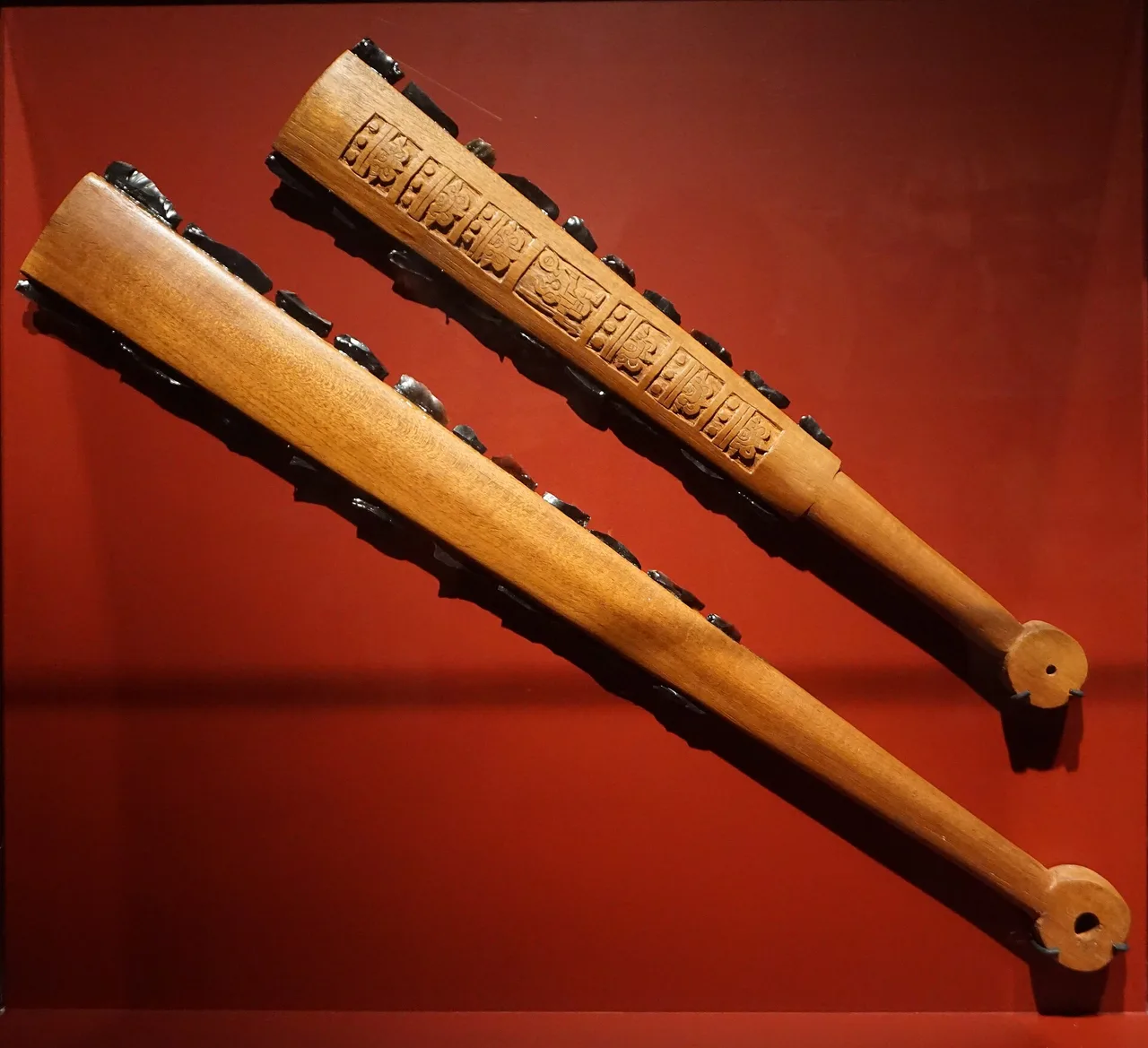
Instead of iron or steel, the Aztecs used obsidian, a naturally occurring volcanic glass. Their primary sword, the macuahuitl, was a wooden club with rows of obsidian blades embedded in the sides. These blades were sharper than modern steel surgical scalpels, though they were brittle and could shatter against metal armor.
Photo: Arjuno3, Wikimedia Commons, CC BY-SA 4.0.
Tap the right answer
The Aztecs were among the first societies in the world to have compulsory education for all children, regardless of gender or social class. Boys and girls attended separate schools around the age of fifteen, where they learned history, religion, citizenship, and practical trade or military skills.
Tap the right answer
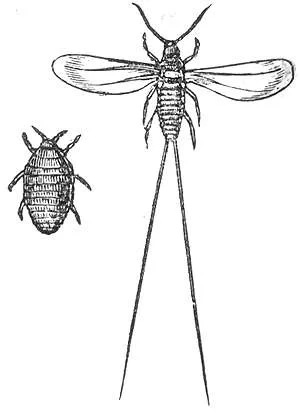
The brilliant crimson red came from cochineal, tiny scale insects that live on prickly pear cacti. It took about seventy thousand insects to produce just one pound of dye. When the Spanish arrived, they were so amazed by the intensity of the color that it became one of their most valuable global exports.
Photo: Wikimedia Commons, Public domain.

Tap the right answer
The hairless Xoloitzcuintli, or 'Xolo', was named after the god Xolotl. The Aztecs believed these dogs guided the souls of the dead through the underworld. The breed still exists and is a national symbol of Mexico.
Photo: Svenska Mässan from Sweden, Wikimedia Commons, CC BY 2.0.
Tap the right answer
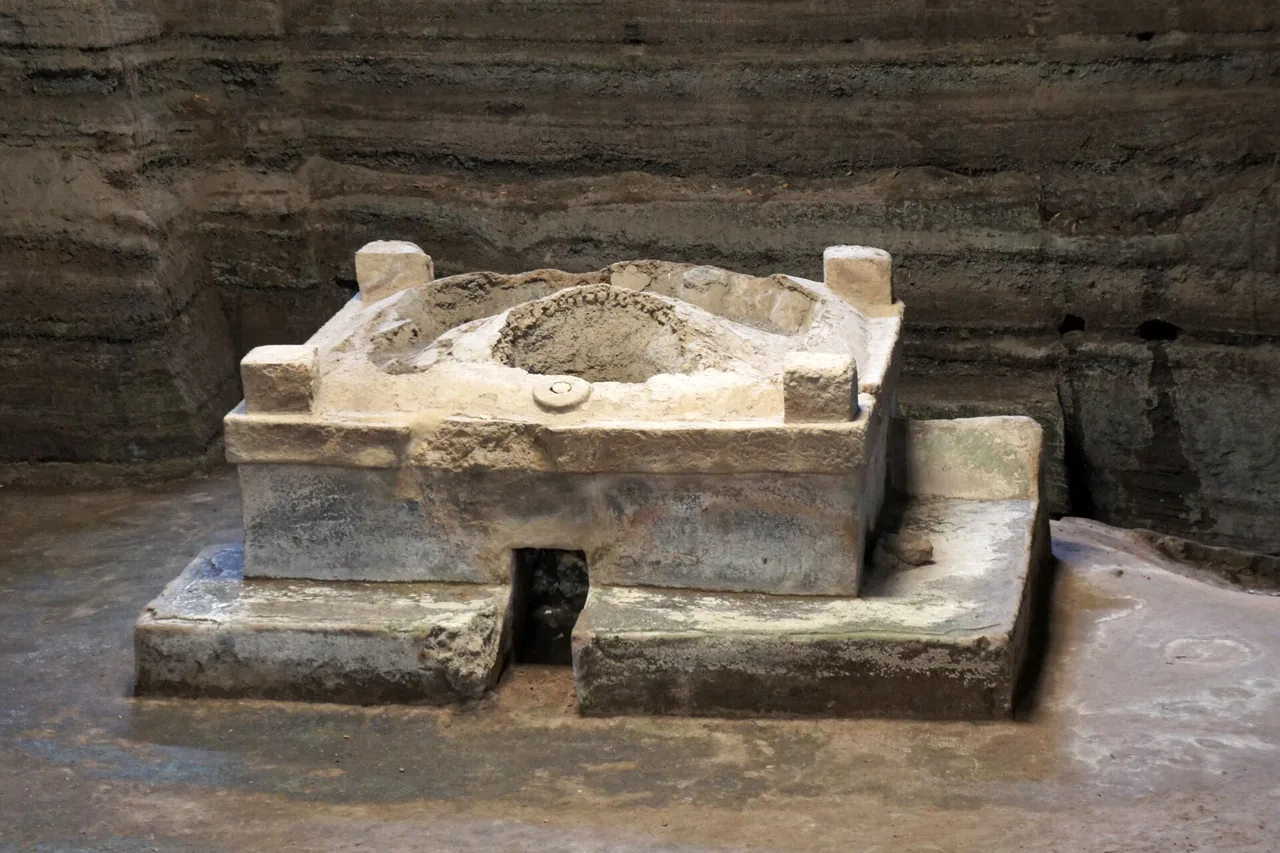
The temazcal was a dome-shaped stone structure used for healing, purification, and post-battle recovery. Water was poured over hot volcanic rocks to create therapeutic steam. These structures are still used in Mexico today for traditional sweat lodge ceremonies.
Photo: Mariordo (Mario Roberto Duran Ortiz), Wikimedia Commons, CC BY-SA 3.0.

Tap the right answer
Aztec warriors wore thick quilted cotton armor called ichcahuipilli. It was light, cool in the heat and stopped arrows and darts well, so many Spanish soldiers swapped their hot metal armor for it.
Photo: Wikimedia Commons, Public domain.

Tap the right answer
Tenochtitlan was remarkably clean compared to European cities of the same era. A large team of public workers swept the streets and washed the plazas daily. Human waste was carefully collected in boats and sold as highly valued fertilizer for the floating agricultural gardens.
Photo: thomas kole, Wikimedia Commons, CC BY 4.0.


Want to make a quiz like this yourself? Do it on Votur, it's free.
Paste the code into your page. The player fits itself in, and every vote counts in Votur.
On WordPress, Ghost or Squarespace? Just paste the link of this page into your post.
This is how it looks
Also fun