Get app
 Photo: NASA/STSCI (S.T.A.R.S), Wikimedia Commons, Public domain.
Test your cosmic knowledge with this quiz about Jupiter, the largest and most massive planet in our solar system. From its iconic storms to its fascinating moons, how well do you truly know the king of planets?
Stargazer in Training 0–4 · Solar System Savvy 5–8 · Galilean Guru 9–10
Pick one

Jupiter, also known as Jove, was the supreme deity in ancient Roman religion and mythology, equivalent to the Greek god Zeus. He was revered as the god of sky and thunder, and the principal state god of Rome, often depicted wielding a mighty lightning bolt as his symbol of power.
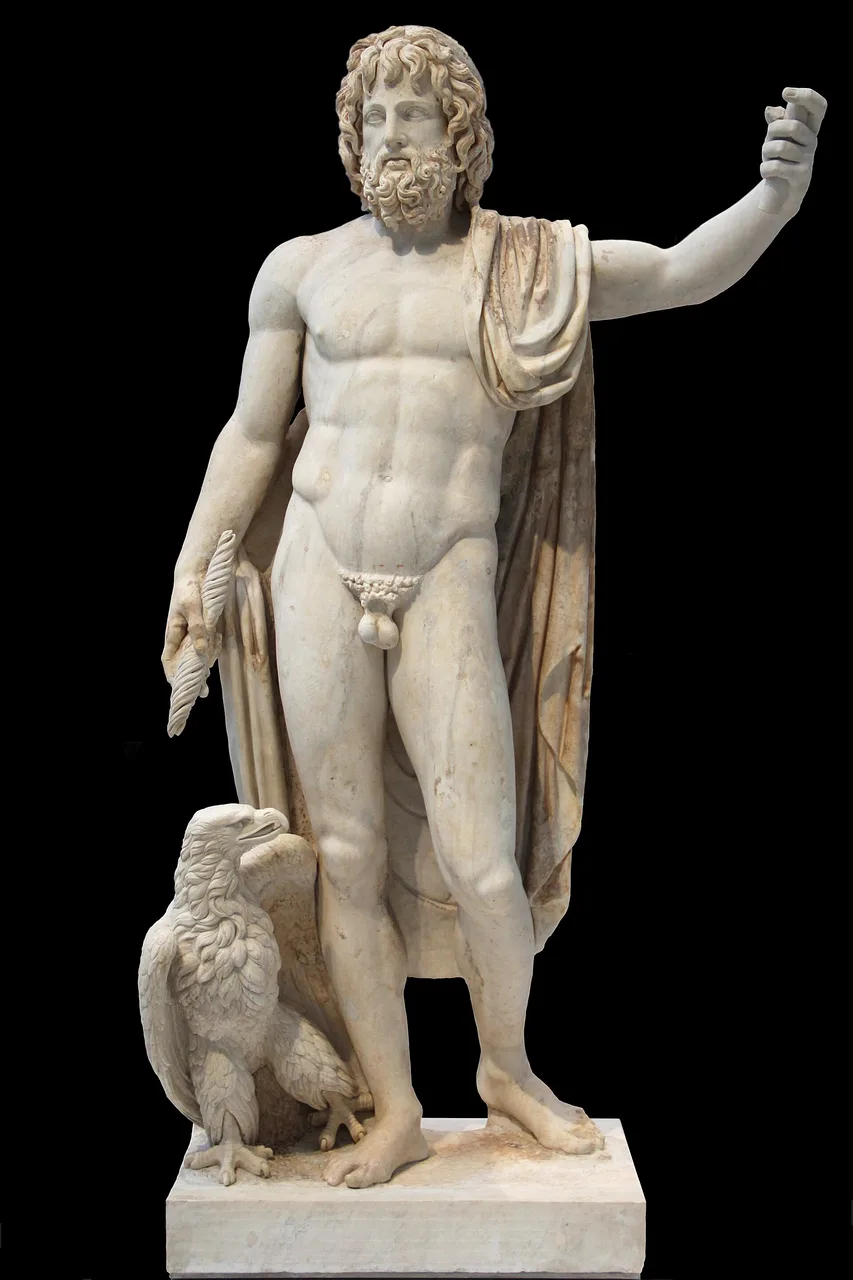
Photo: Jean-Pol GRANDMONT, Wikimedia Commons, CC BY 3.0.
Pick one
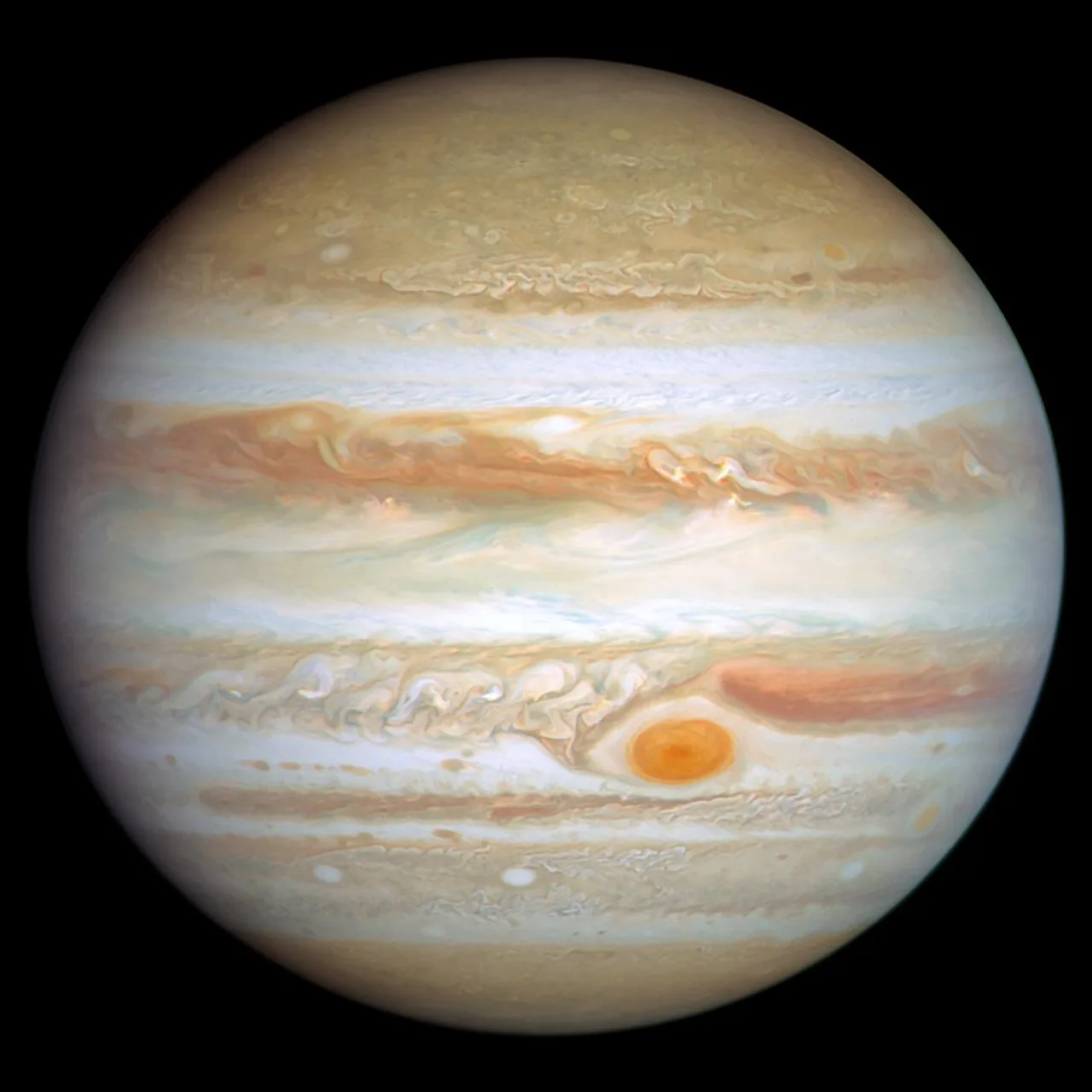
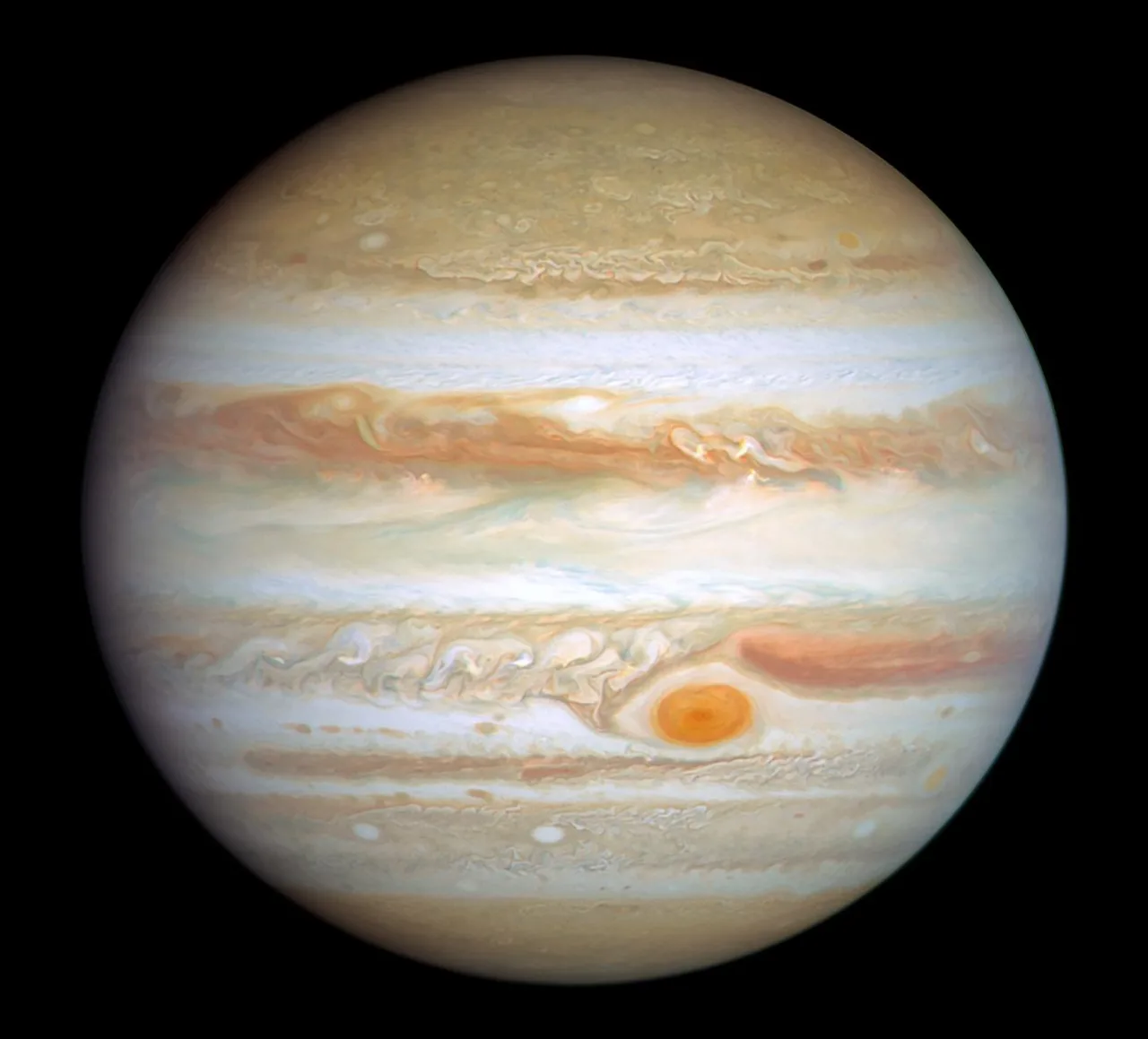
Jupiter is the quintessential gas giant, composed mostly of hydrogen and helium, with a relatively small rocky core. Unlike ice giants such as Uranus and Neptune, which contain a significant proportion of heavier volatile elements, Jupiter's immense bulk is primarily made up of these light gases.
Photo: NASA/STSCI (S.T.A.R.S), Wikimedia Commons, Public domain.
Pick one
Despite its enormous size, Jupiter rotates incredibly fast, completing a full rotation in just under 10 Earth hours. This rapid spin contributes to its noticeably flattened shape at the poles and its distinctive banded appearance, as the swift motion stretches out its cloud features into zones and belts.
Photo: NASA/STSCI (S.T.A.R.S), Wikimedia Commons, Public domain.
Pick one
Ganymede is not only Jupiter's largest moon but also holds the title for the biggest moon in our solar system, surpassing even the planet Mercury in size. It is unique among moons for possessing its own internally generated magnetic field, a feature typically associated with planets.
Pick one
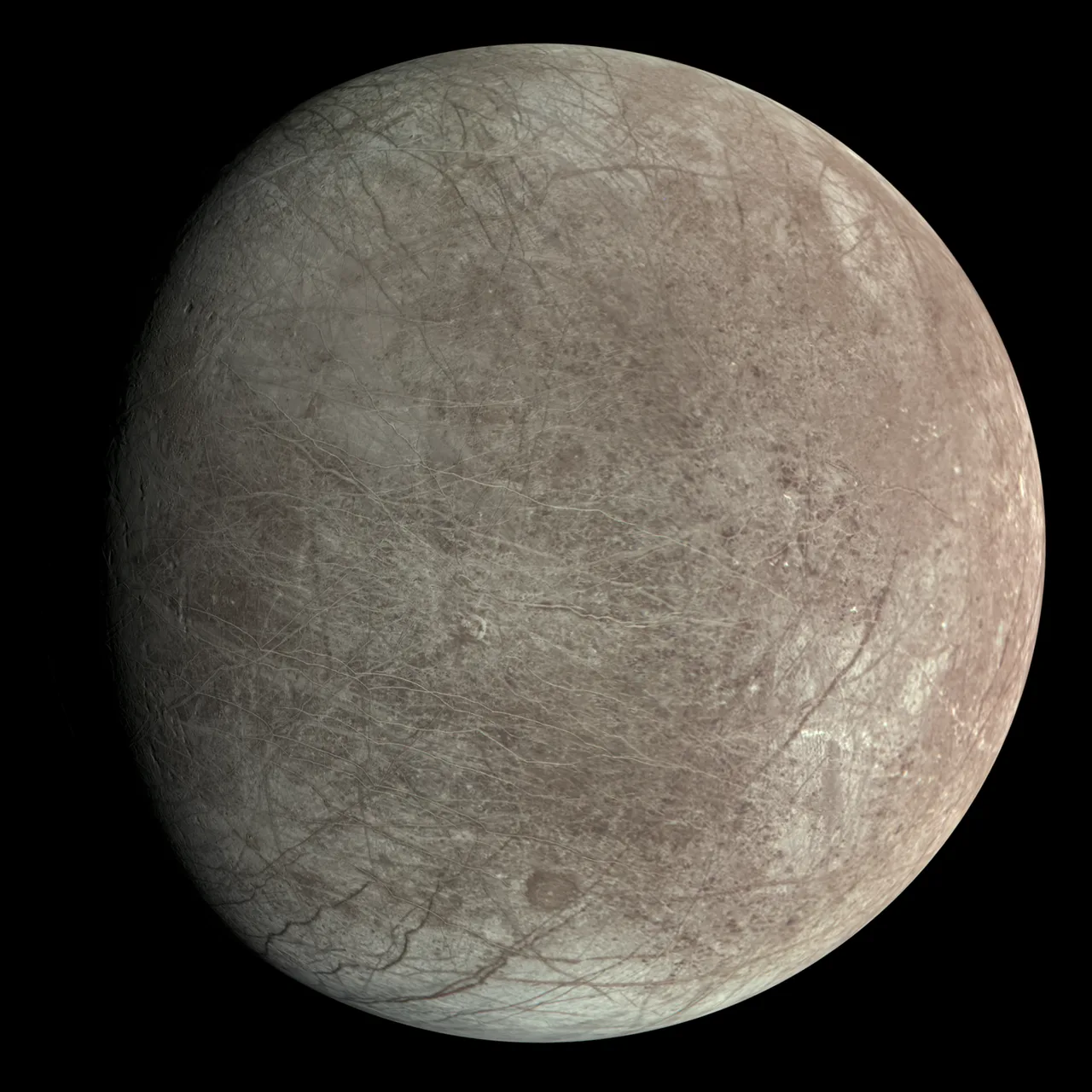
Scientists strongly suspect that Europa harbors a vast global ocean of liquid saltwater beneath its icy shell, potentially containing more water than all of Earth's oceans combined. This subsurface ocean, kept warm by tidal heating, is considered one of the most promising places to search for extraterrestrial life within our solar system.
Photo: NASA/JPL-Caltech/SwRI/MSSS/Kevin M. Gill, Wikimedia Commons, CC BY 2.0.
Pick one
Io is an incredibly dynamic moon, constantly reshaped by hundreds of active volcanoes erupting with sulfur and silicate rock. This intense volcanic activity is driven by immense tidal forces exerted by Jupiter and the other Galilean moons, which powerfully stretch and squeeze Io's interior, generating extreme heat.
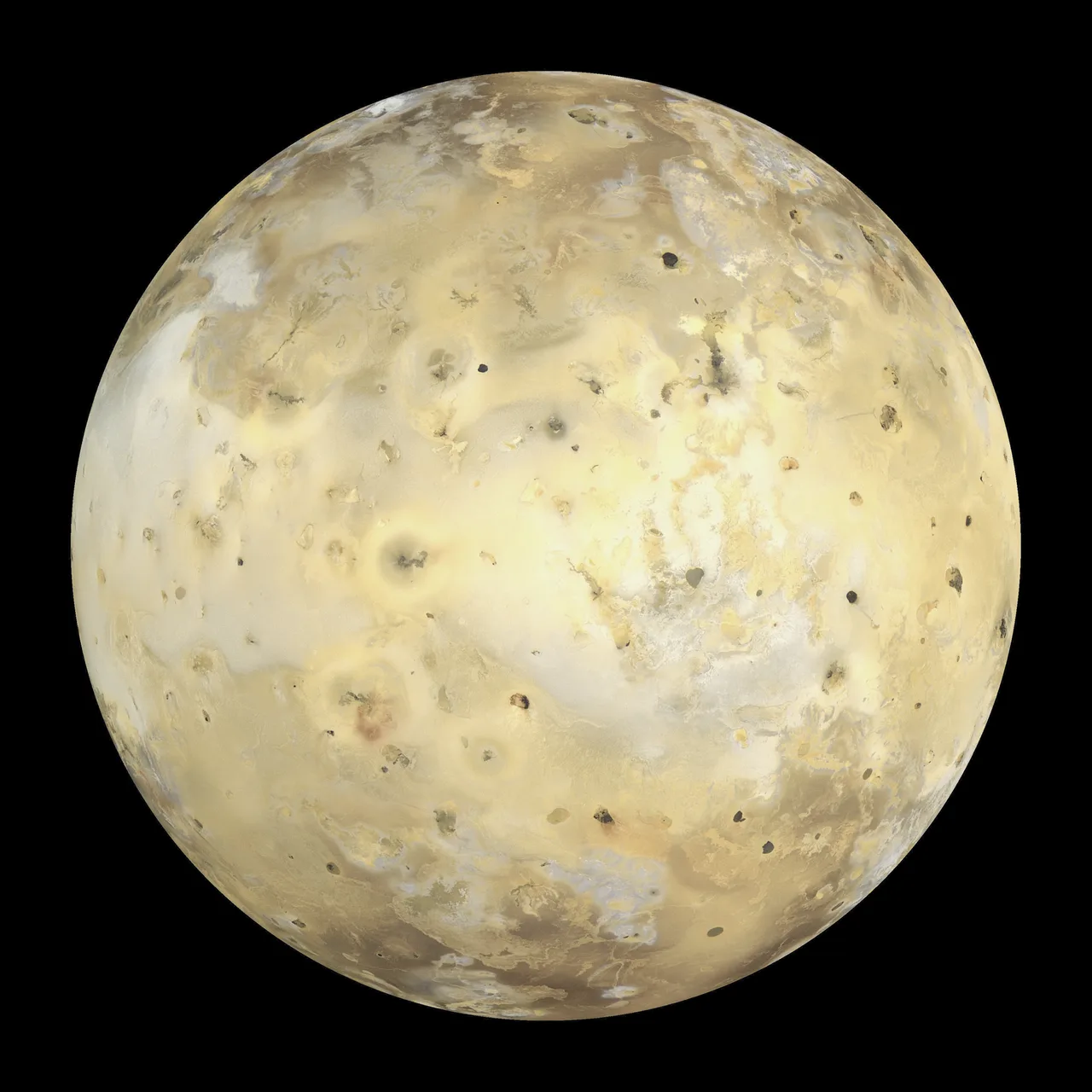
Photo: NASA, Wikimedia Commons, Public domain.
Pick one
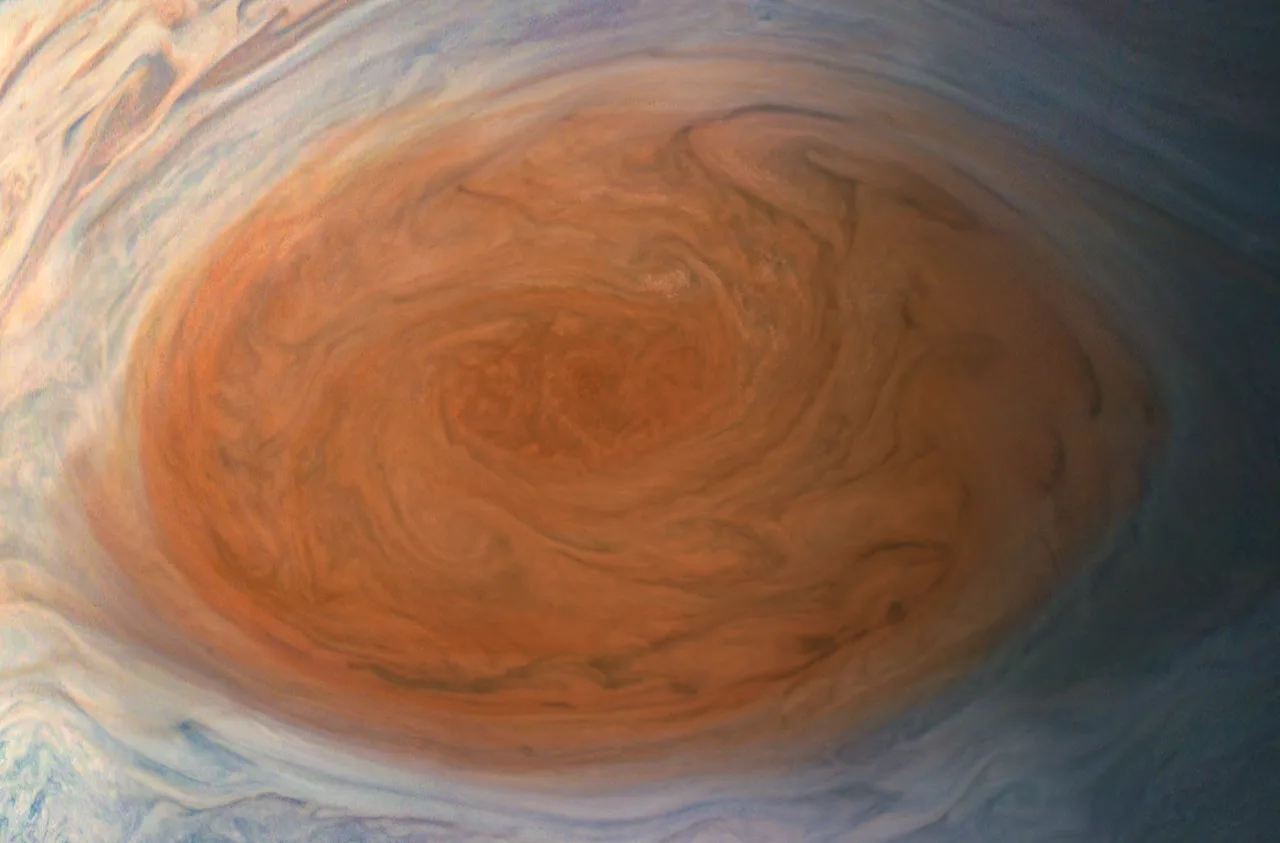
The Great Red Spot is a colossal storm, larger than Earth, that has been tracked regularly since 1831. Astronomer Giovanni Cassini saw a big spot on Jupiter back in 1665, but after a long gap in observations nobody knows for sure whether it was the same storm. Despite its incredible longevity, the storm has been shrinking in recent decades.
Photo: Kevin Gill from Los Angeles, CA, United States, Wikimedia Commons, CC BY 2.0.
Pick one
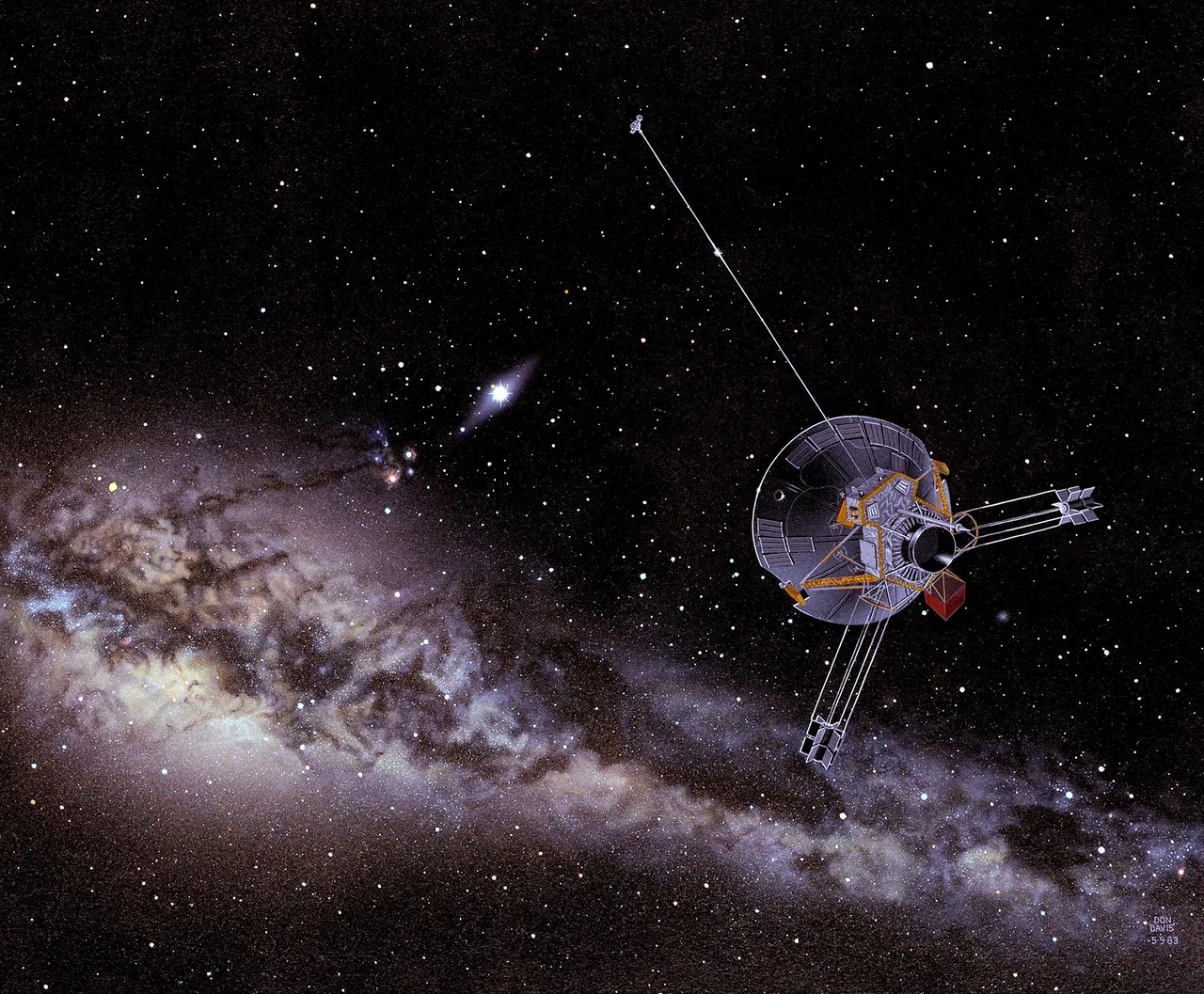
Pioneer 10 made history in December 1973 as the first spacecraft to successfully traverse the asteroid belt and conduct a direct flyby of Jupiter. It sent back the first close-up images and valuable data, laying the groundwork for more advanced missions like Voyager and Galileo to further explore the gas giant.
Photo: NASA/Don Davis, Wikimedia Commons, Public domain.
Pick one
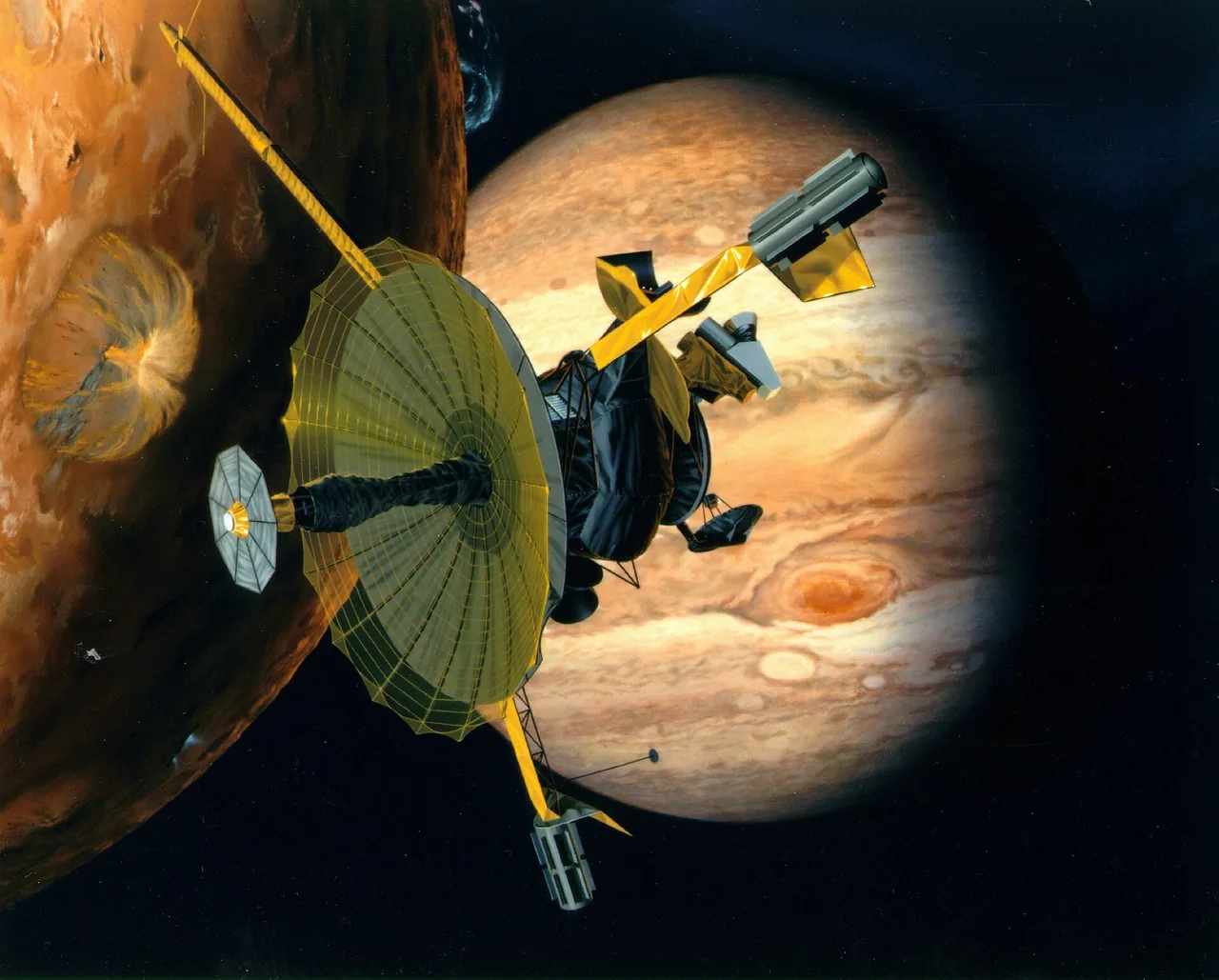
The Galileo probe was the first spacecraft to orbit Jupiter, doing so from 1995 to 2003. It provided unprecedented data on Jupiter's atmosphere, its powerful magnetosphere, and its fascinating Galilean moons, including the first direct observations suggesting a subsurface ocean on Europa.
Photo: NASA, Wikimedia Commons, Public domain.
Pick one
While not as prominent as Saturn's, Jupiter does possess a subtle ring system, first discovered by the Voyager 1 probe in 1979. These rings are composed of tiny, dark dust particles, likely ejected from Jupiter's small inner moons by meteoroid impacts, making them very difficult to observe from Earth.
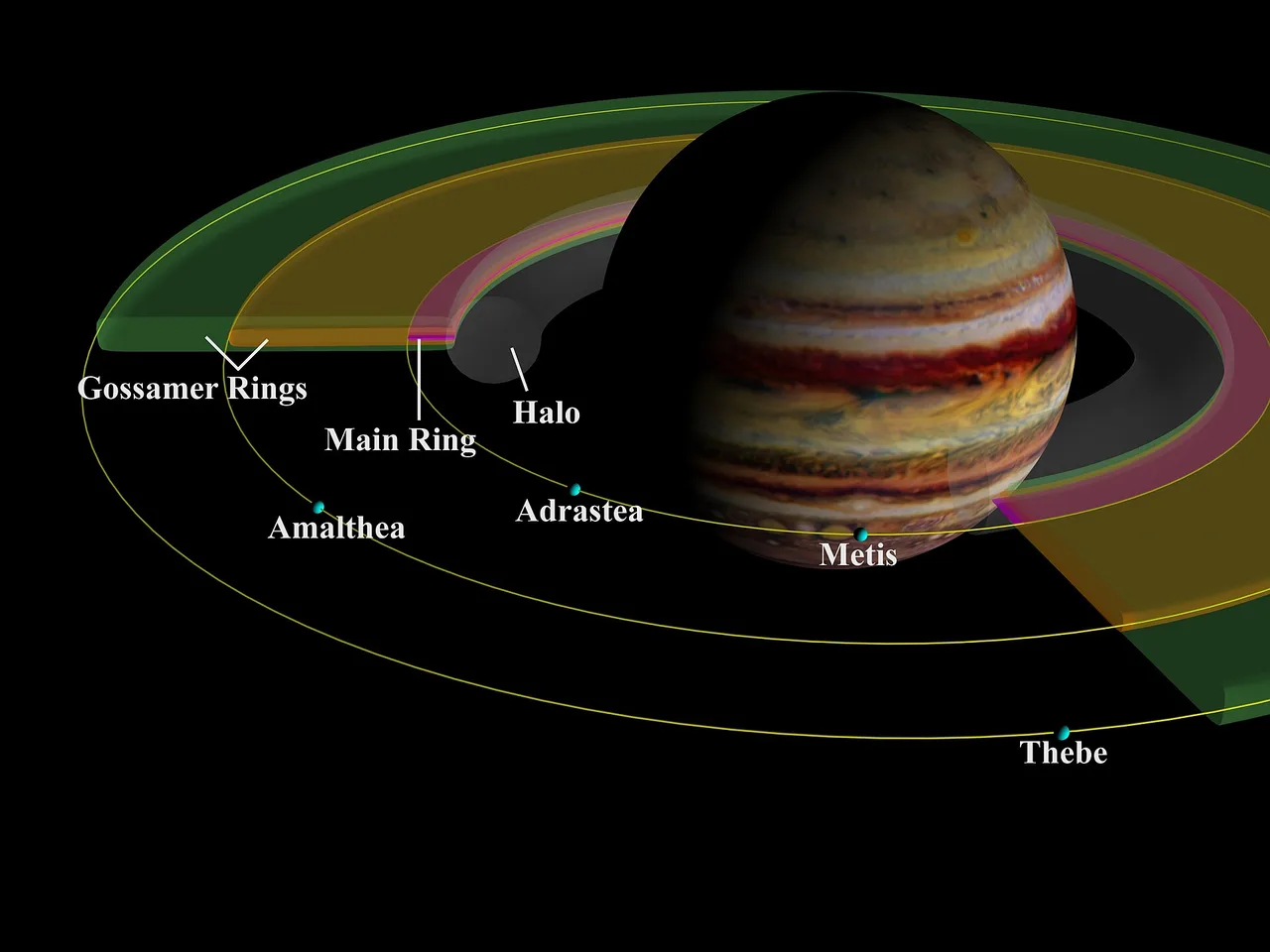
Photo: NASA/JPL/Cornell University, Wikimedia Commons, Public domain.


Paste the code into your page. The player fits itself in, and every vote counts in Votur.
On WordPress, Ghost or Squarespace? Just paste the link of this page into your post.
This is how it looks
Also fun