 Get app
Journey through our cosmic neighborhood with this quiz about the Sun, planets, moons, and everything in between. Test your knowledge of the fascinating facts that make up our Solar System!
Space Cadet 0–4 · Solar System Savant 5–8 · Cosmic Cartographer 9–10

Tap the right answer
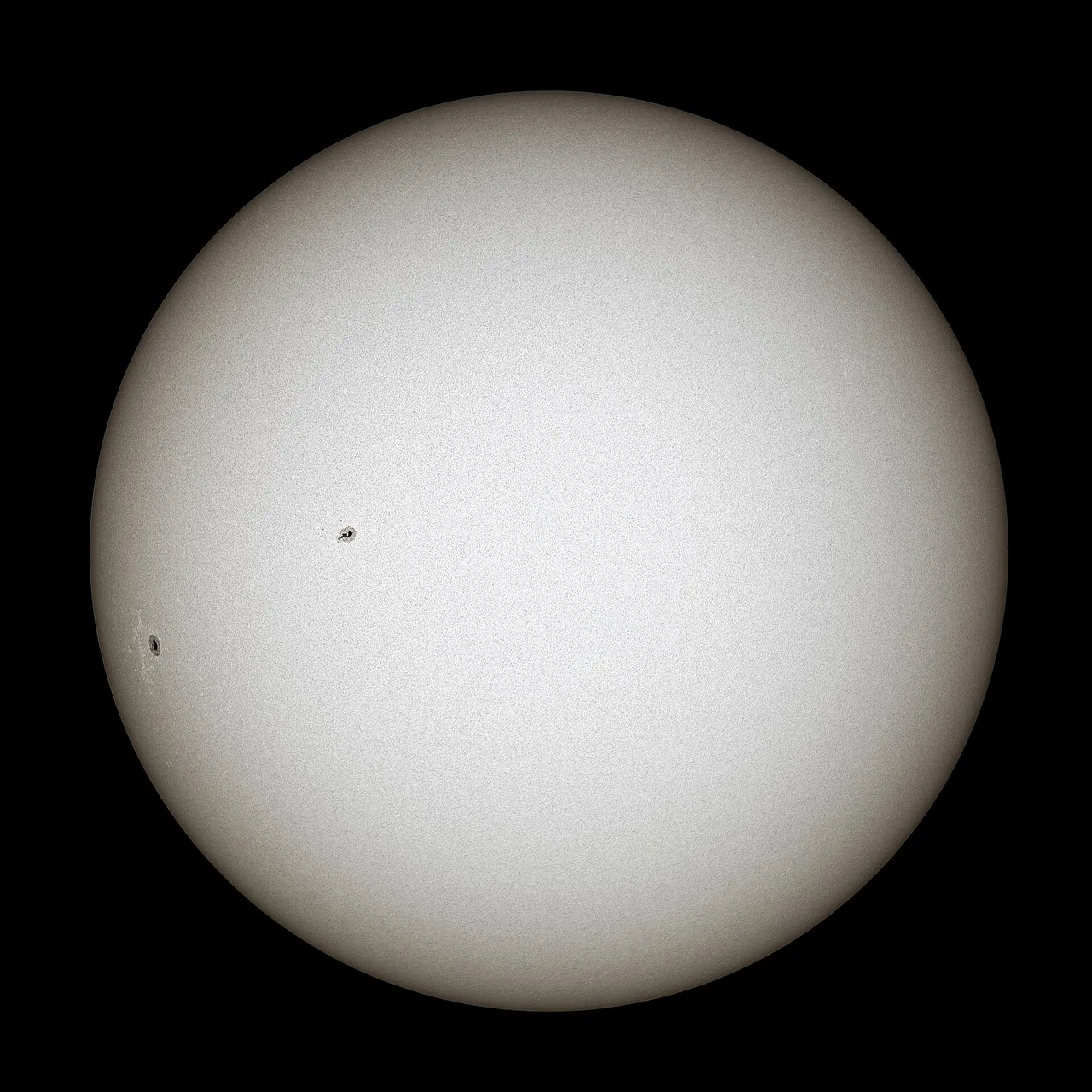
The Sun is truly enormous, with a diameter about 109 times that of Earth. Its immense size means that over a million Earths could be packed inside its volume. Despite its massive size, the Sun is considered an average-sized star in the galaxy, highlighting the vastness of the universe.
Photo: Matúš Motlo, Wikimedia Commons, CC BY-SA 4.0.
Tap the right answer
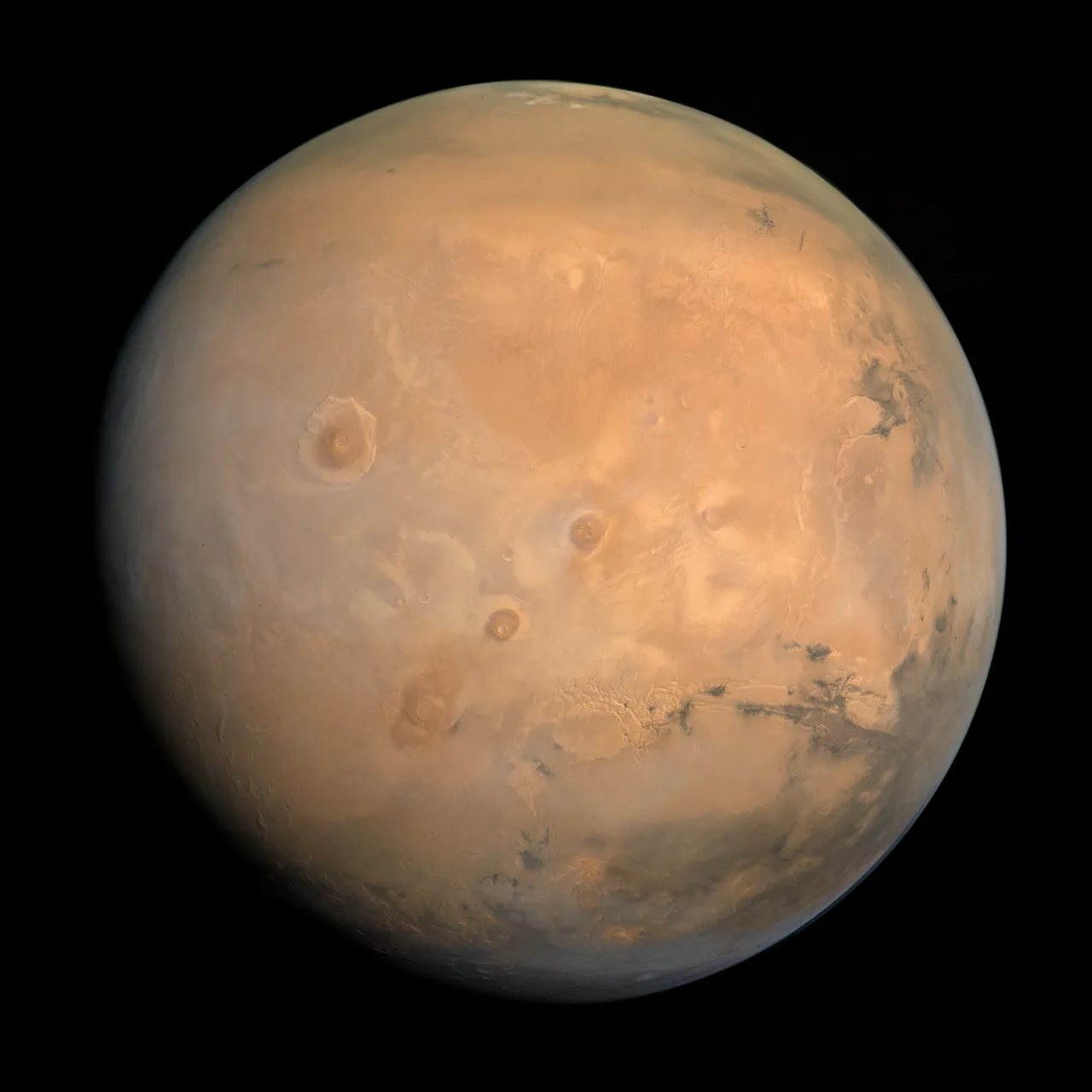
The surface of Mars is rich in iron minerals, which, when exposed to oxygen, rust and form iron oxides. This process gives the planet its iconic red-orange appearance, earning it the nickname 'The Red Planet.' Intriguingly, Mars's atmosphere is very thin, yet this oxidation process still occurred over billions of years.
Photo: Kevin Gill from Los Angeles, CA, United States, Wikimedia Commons, CC BY 2.0.
Tap the right answer
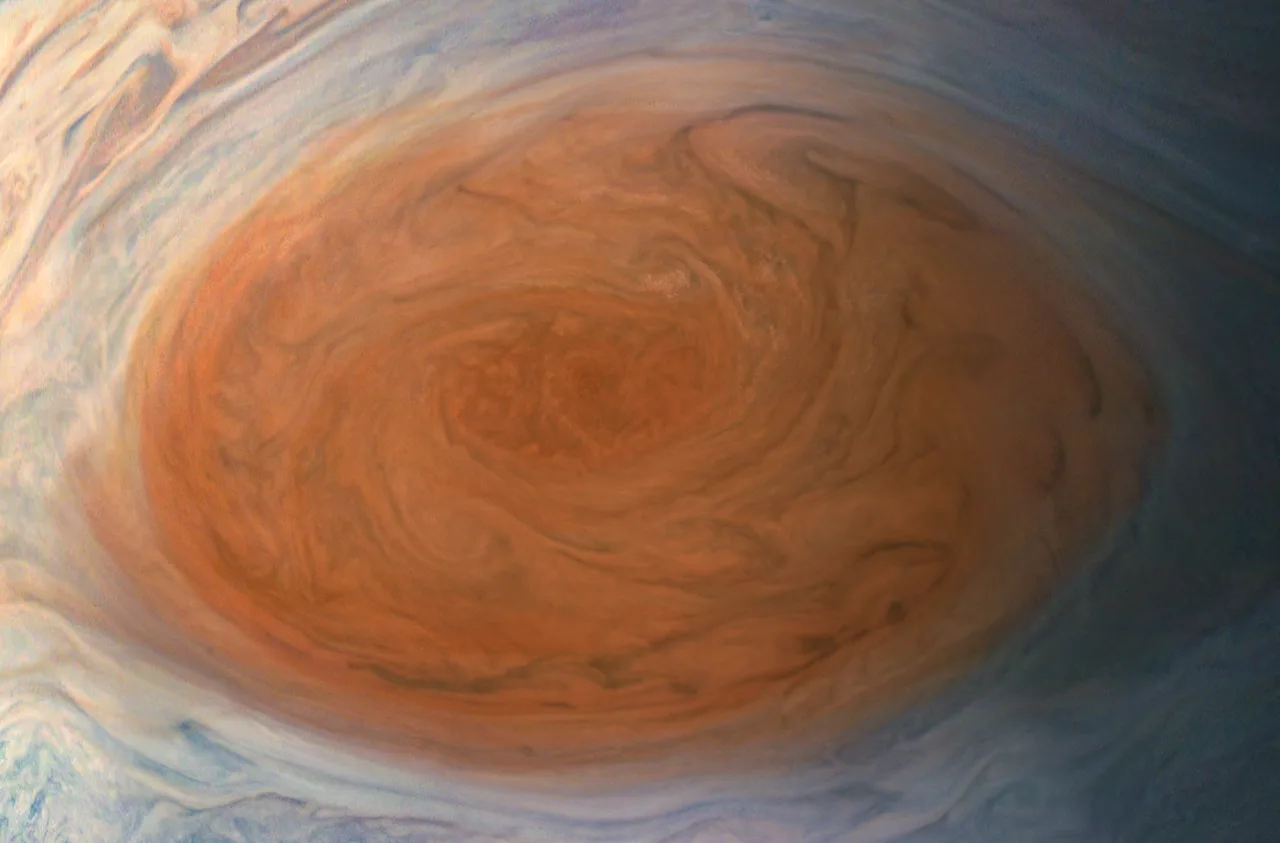
The Great Red Spot is an anticyclonic storm, larger than Earth, that has been observed for at least 350 years. Its winds can reach speeds of over 400 miles per hour, and it rotates counter-clockwise. While it has been shrinking over recent decades, it remains a prominent and mysterious feature of Jupiter's turbulent atmosphere.
Photo: Kevin Gill from Los Angeles, CA, United States, Wikimedia Commons, CC BY 2.0.
Tap the right answer
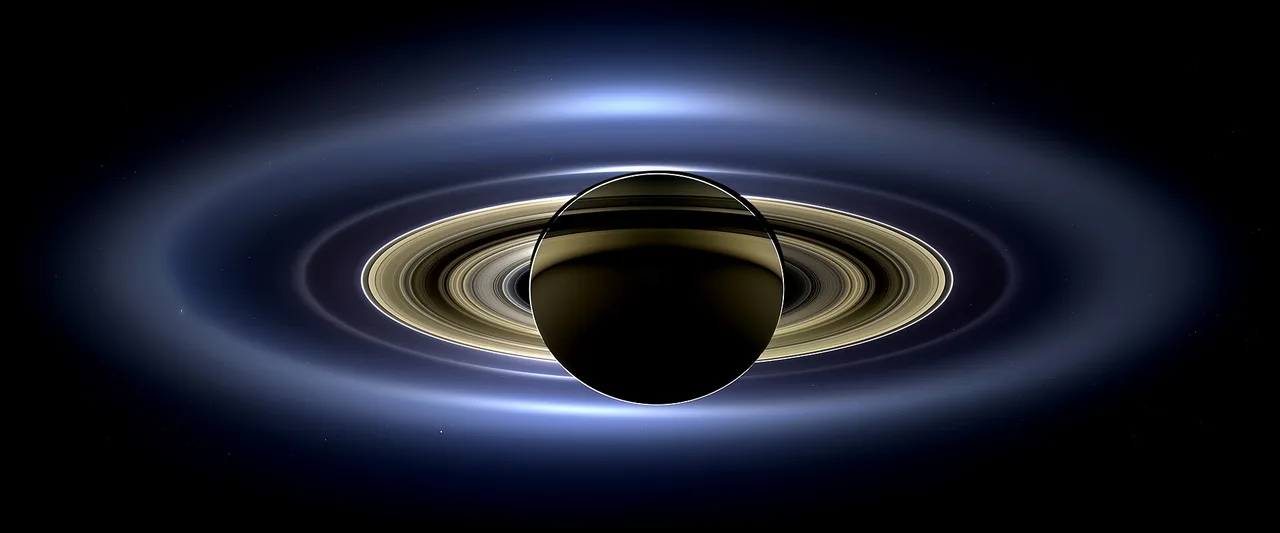
Saturn's magnificent rings are not solid structures but are made up of countless small particles, ranging in size from micrometers to meters. These particles are mostly water ice, with a smaller amount of rocky material. If you could gather all the material from Saturn's main rings, it would form a moon only about 100 kilometers across.
Photo: NASA / JPL-Caltech / Space Science Institute, Wikimedia Commons, Public domain.
Tap the right answer
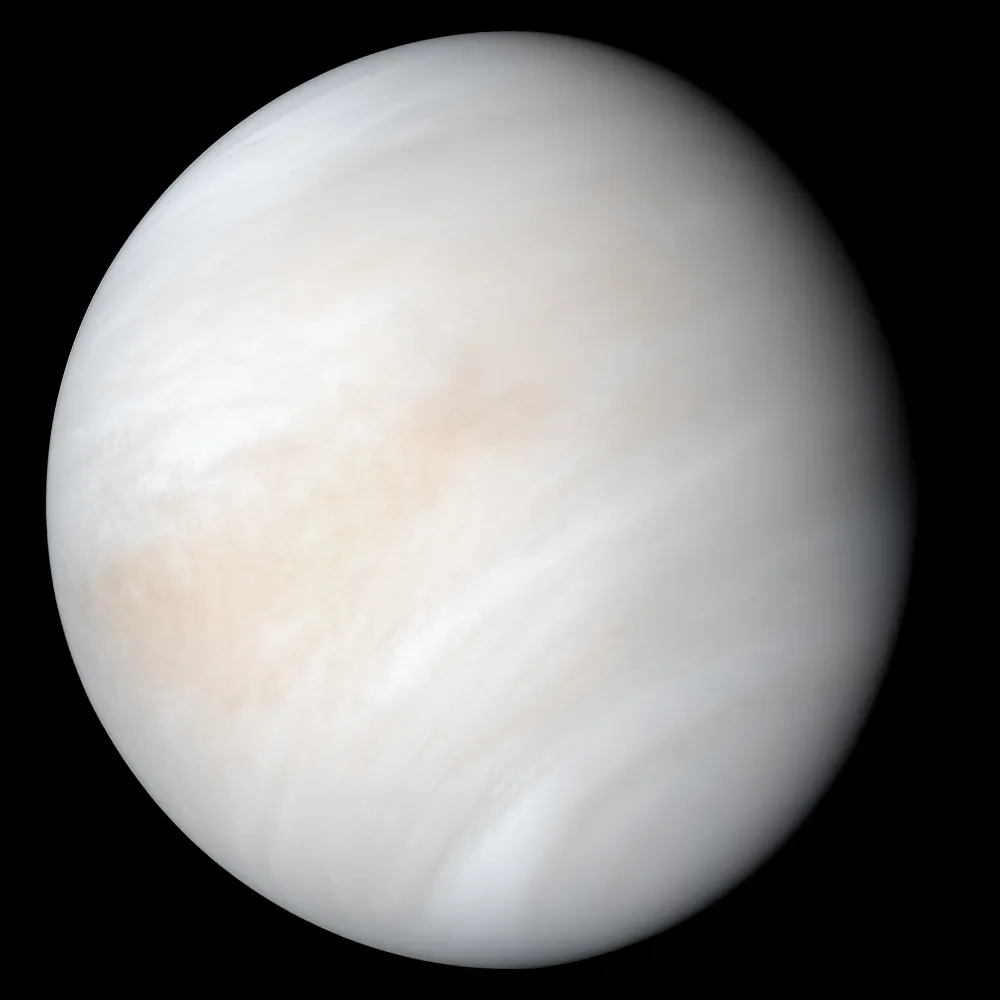
Despite Mercury being closer to the Sun, Venus holds the record for the hottest planet. Its incredibly dense atmosphere, primarily carbon dioxide, creates a runaway greenhouse effect, trapping heat and raising surface temperatures to over 460 degrees Celsius (860 degrees Fahrenheit), hot enough to melt lead.
Photo: NASA/JPL-Caltech, Wikimedia Commons, Public domain.
Tap the right answer
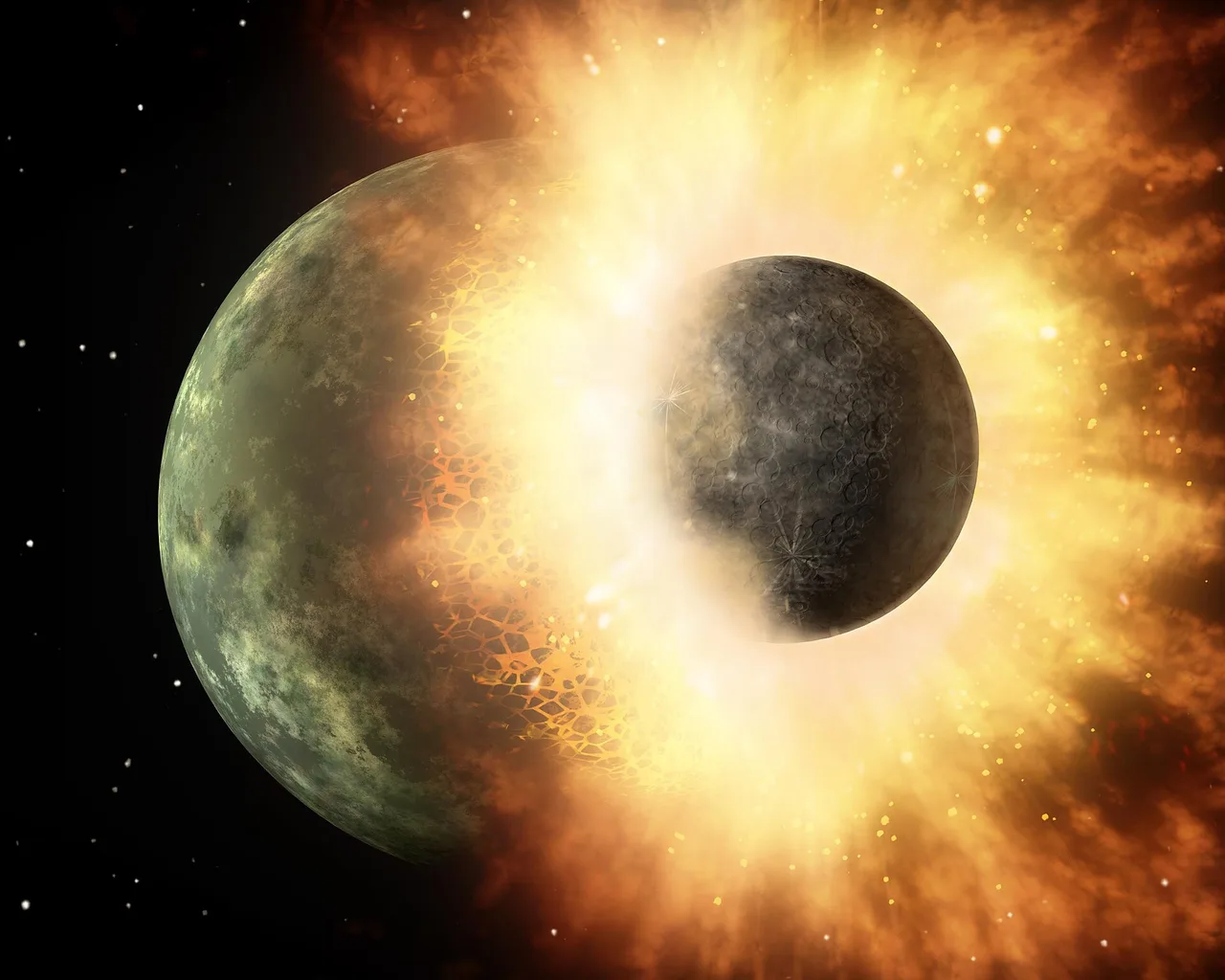
The most widely accepted theory, known as the Giant Impact Hypothesis, suggests that the Moon formed from the debris ejected into orbit after a colossal collision between early Earth and a Mars-sized protoplanet named Theia. This event is estimated to have occurred about 4.5 billion years ago, just after the Solar System's formation.
Photo: NASA/JPL-Caltech, Wikimedia Commons, Public domain.
Tap the right answer
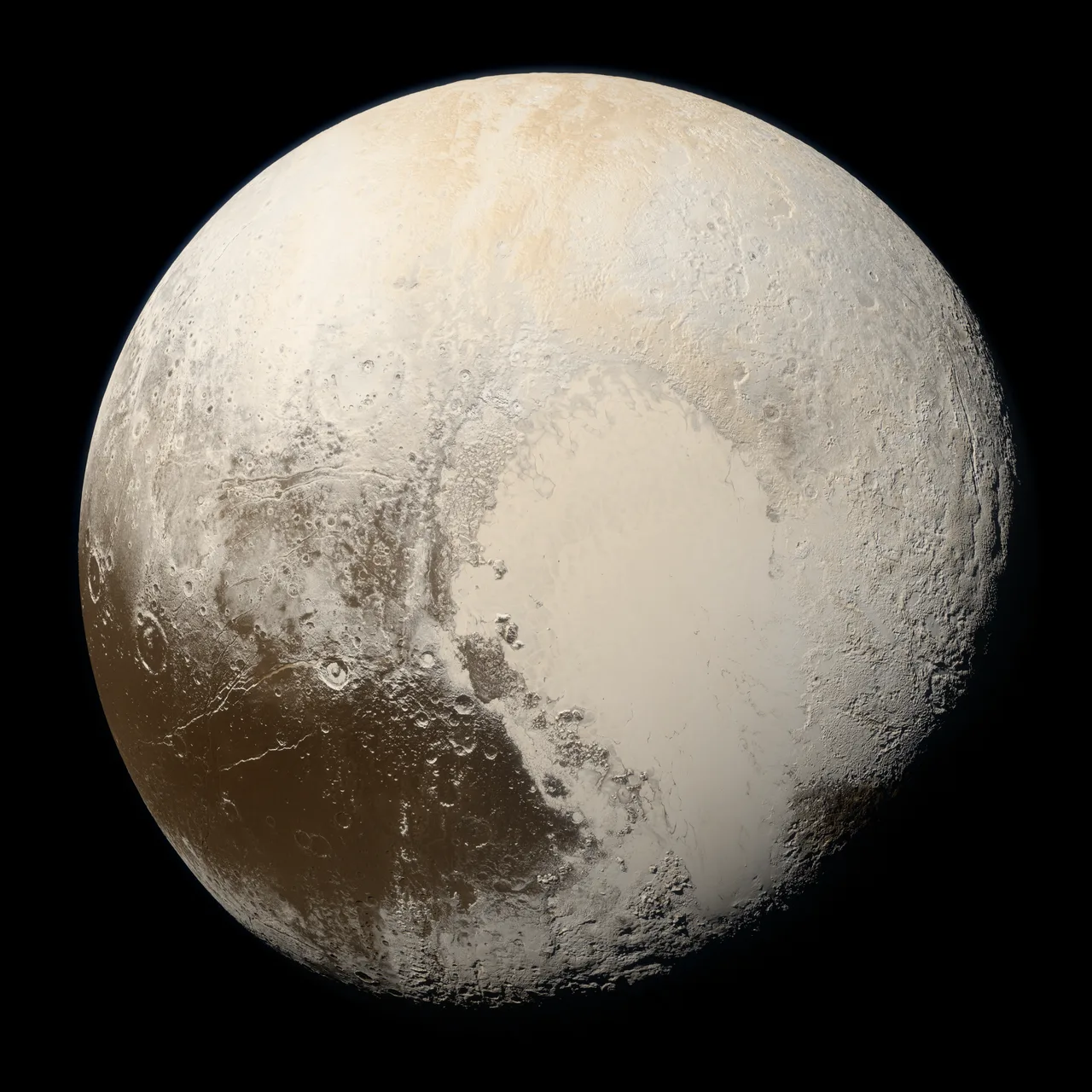
Pluto's reclassification by the International Astronomical Union (IAU) in 2006 sparked much debate. It was demoted because it failed to meet the new criterion of 'clearing its orbit' of other debris, unlike the eight major planets. This decision led to the formal definition of a 'dwarf planet' and the inclusion of other similar bodies.
Photo: NASA/Johns Hopkins University Applied Physics Laboratory/Southwest Research Inst, Wikimedia Commons, Public domain.
Tap the right answer
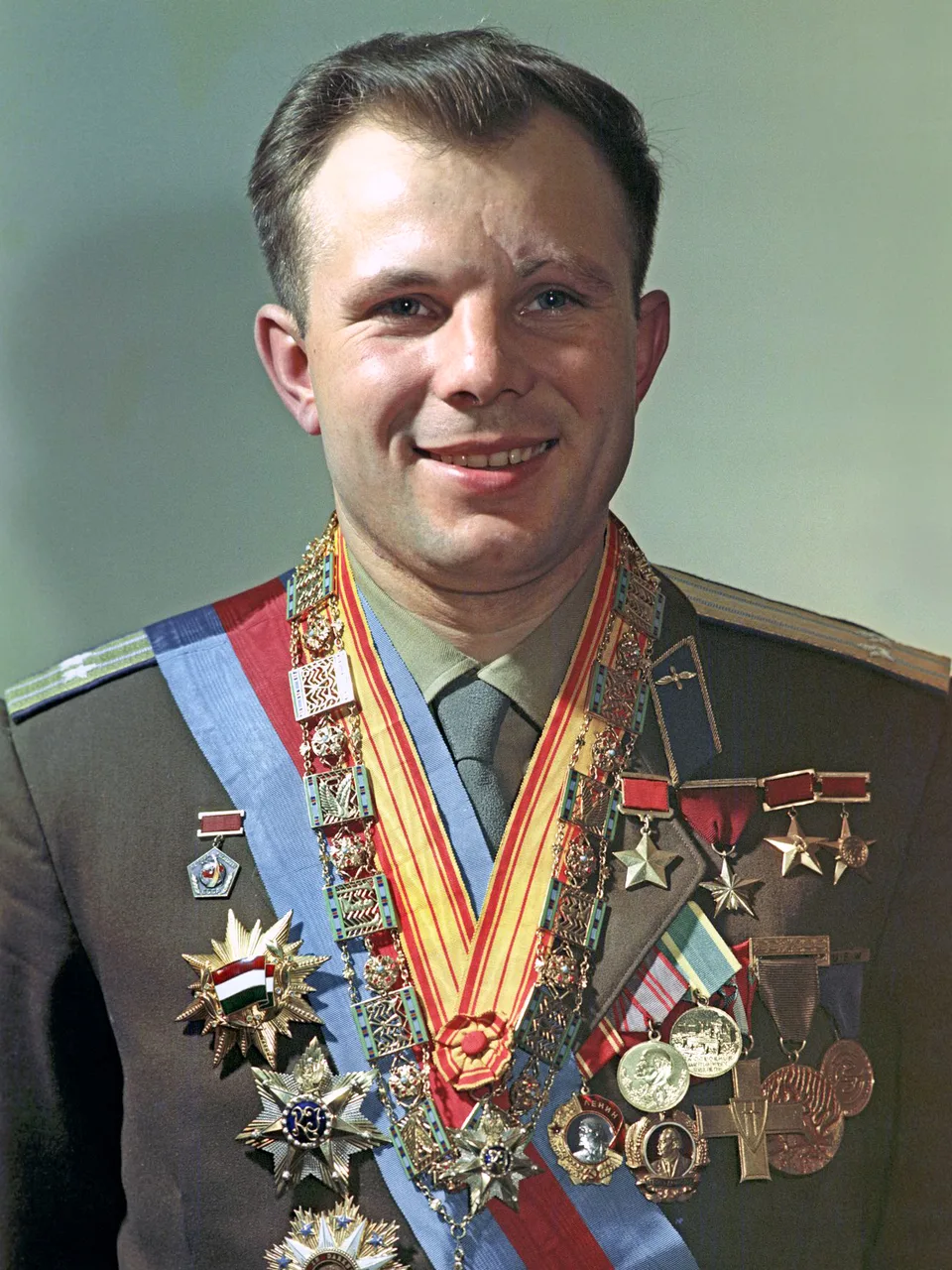
On April 12, 1961, Soviet cosmonaut Yuri Gagarin made history aboard the Vostok 1 spacecraft, becoming the first person to orbit Earth. His groundbreaking flight lasted 108 minutes, marking a pivotal moment in the Space Race and human exploration. Neil Armstrong was the first to walk on the Moon, much later.
Photo: Александр Моклецов / СовИнформБюро, Wikimedia Commons, CC BY 4.0.
Tap the right answer
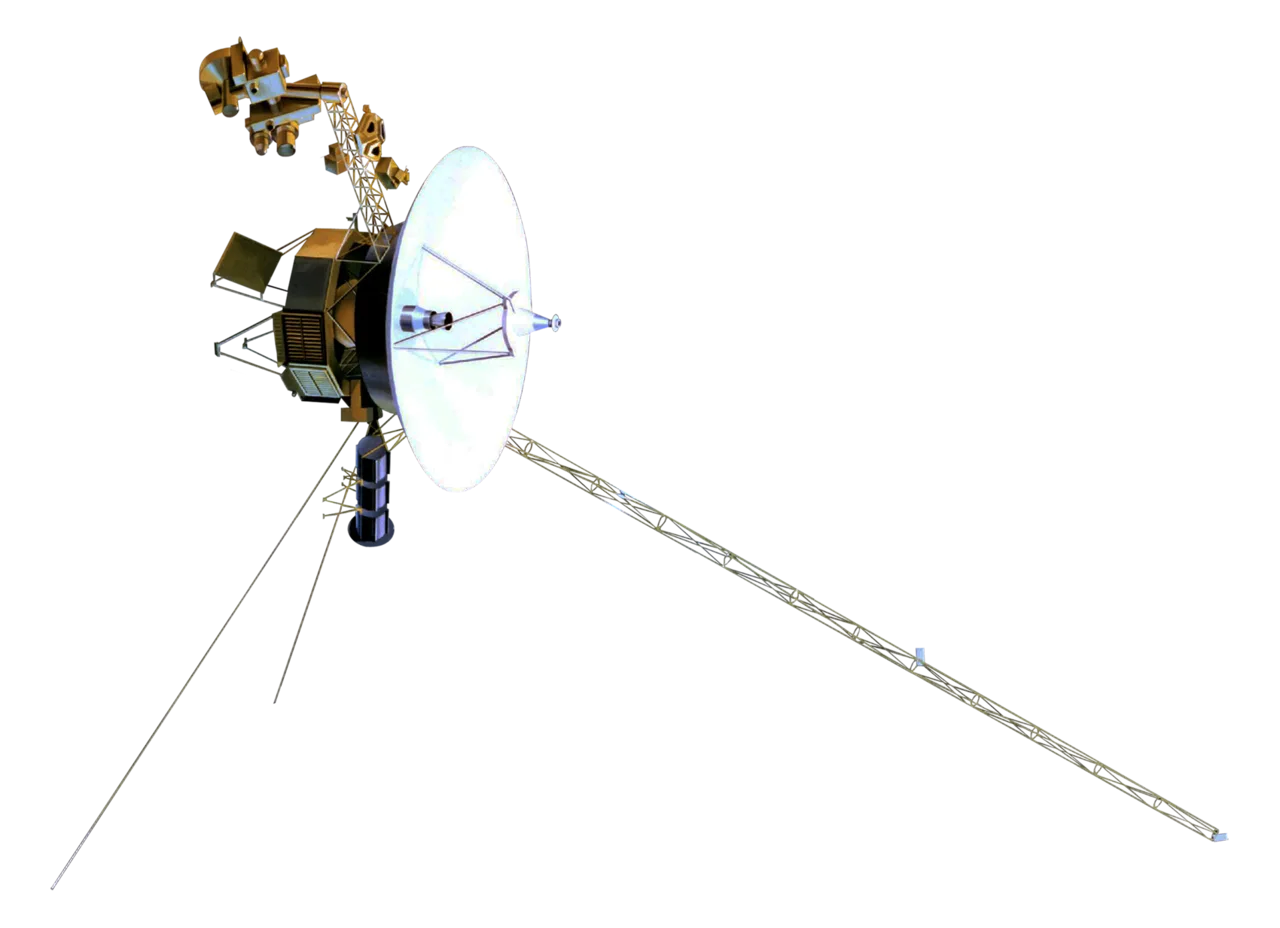
Launched in 1977, Voyager 1 is well beyond the heliopause, venturing into interstellar space. It continues to send back data from over 16 billion miles away, making it the most distant human-made object. Its twin probe, Voyager 2, is also very far, but Voyager 1 is slightly further.
Photo: National Aeronautics and Space Administration (NASA), Wikimedia Commons, Public domain.
Tap the right answer
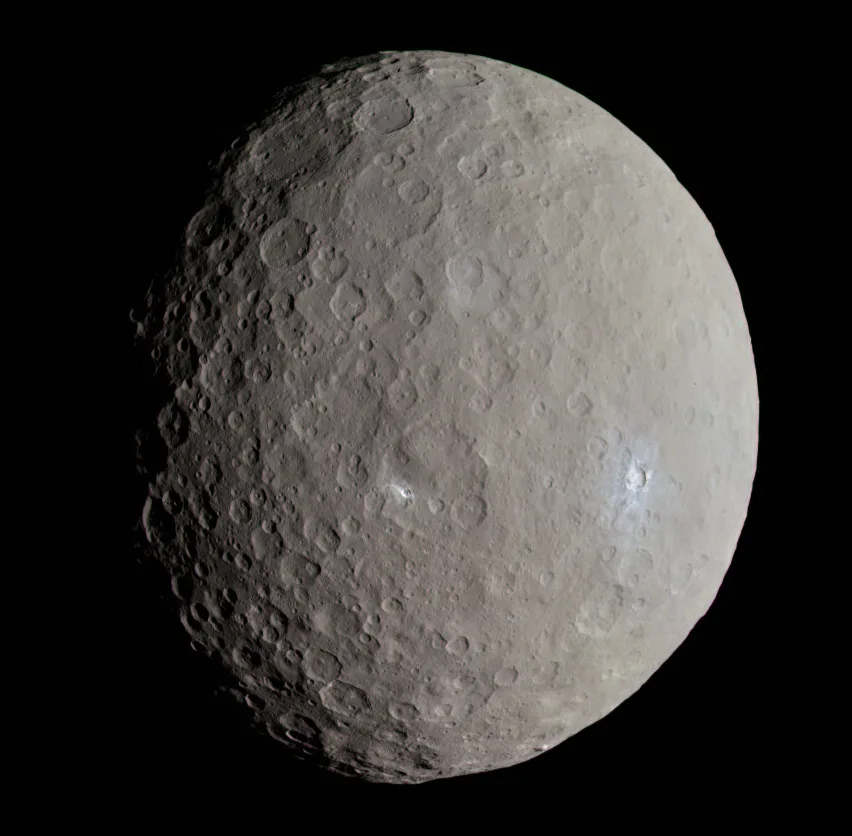
Ceres is unique as both the largest object in the asteroid belt and the only dwarf planet located within the inner Solar System. It's massive enough for its own gravity to have pulled it into a spherical shape. The Dawn spacecraft extensively studied Ceres, revealing a surprisingly active world with potential subsurface water.
Photo: Justin Cowart, Wikimedia Commons, Public domain.


Want to make a quiz like this yourself? Do it on Votur, it's free.
Paste the code into your page. The player fits itself in, and every vote counts in Votur.
On WordPress, Ghost or Squarespace? Just paste the link of this page into your post.
This is how it looks
Also fun
How well do you know Saturn? · 10 →How well do you know Jupiter? · 10 →How well do you know Mars? · 10 →How well do you know the Sun? · 10 →How well do you know the Moon? · 10 →How well do you know Budapest? · 10 →How well do you know Hungary? · 10 →How well do you know Bratislava? · 10 →How well do you know Slovakia? · 10 →How well do you know Prague? · 10 →How well do you know Czechia? · 10 →How well do you know Warsaw? · 10 →How well do you know Poland? · 10 →How well do you know Luxembourg City? · 10 →How well do you know Luxembourg? · 10 →How well do you know Dublin? · 10 →How well do you know Ireland? · 10 →How well do you know Vilnius? · 10 →How well do you know Lithuania? · 10 →How well do you know Riga? · 10 →How well do you know Latvia? · 10 →How well do you know Reykjavík? · 10 →How well do you know Iceland? · 10 →How well do you know Helsinki? · 10 →How well do you know Finland? · 10 →How well do you know Oslo? · 10 →How well do you know Norway? · 10 →How well do you know Stockholm? · 10 →How well do you know Sweden? · 10 →How well do you know Madrid? · 10 →How well do you know Spain? · 10 →How well do you know Rome? · 10 →How well do you know Italy? · 10 →How well do you know Bern? · 10 →How well do you know Switzerland? · 10 →How well do you know Vienna? · 10 →How well do you know Austria? · 10 →How well do you know Berlin? · 10 →How well do you know London? · 10 →How well do you know the United Kingdom? · 10 →How well do you know Paris? · 10 →How well do you know France? · 10 →How well do you know Brussels? · 10 →How well do you know Amsterdam? · 10 →How well do you know the Netherlands? · 10 →How well do you know Copenhagen? · 10 →How well do you know Denmark? · 10 →How well do you know Athens? · 10 →How well do you know Greece? · 10 →How well do you know Lisbon? · 10 →How well do you know Portugal? · 10 →How well do you know Tallinn? · 10 →How well do you know Estonia? · 10 →Belgium · 8 →Universe · 10 →Which Greek hero are you? · 8 →Gulpen · 5 →How well do you know Dutch weather? · 10 →How well do you know Germany? · 10 →Who owns the Netherlands? · 10 →The little church village of Klimmen · 10 →Do you know Neutral Moresnet? · 10 →