 Get app
Embark on an interstellar journey with our quiz about Mars, the fascinating fourth planet from the Sun. Test your knowledge on its physical features, explorations, and unique characteristics.
Martian Recruit 0–4 · Red Planet Pro 5–8 · Olympus Mons Master 9–10

Tap the right answer
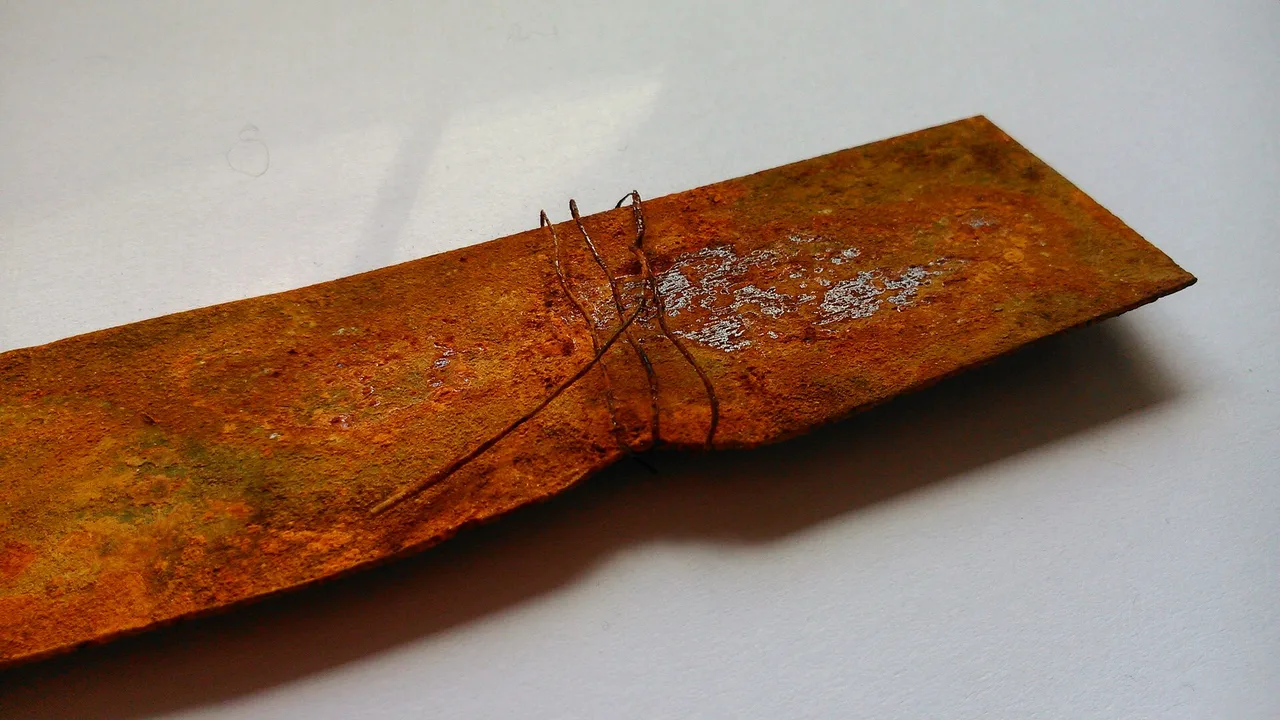
The red color of Mars comes from iron oxide, commonly known as rust, which is abundant in the planet's soil and dust. This same compound gives blood and rust their reddish hues. The fine dust particles, lifted by winds, contribute to the planet's overall rusty appearance, making it easily identifiable in the night sky.
Photo: Jonasfolmer, Wikimedia Commons, CC BY-SA 4.0.
Tap the right answer
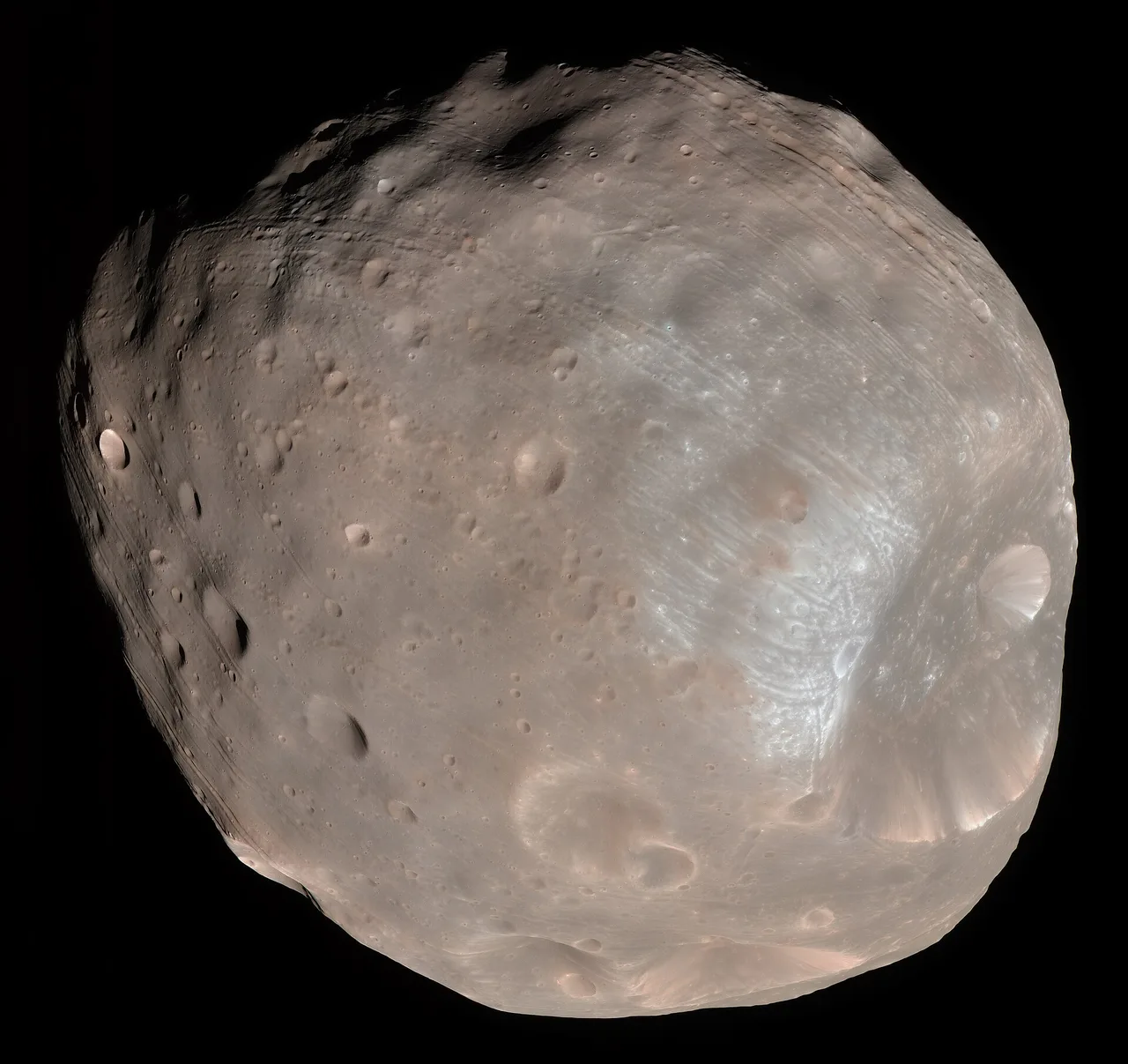
Phobos and Deimos, Mars's two irregularly shaped moons, are believed to be captured asteroids rather than having formed with Mars. Their small size, non-spherical shape, and orbital characteristics are consistent with objects pulled in by Mars's gravity from the nearby asteroid belt. Phobos is slowly spiraling inward and is predicted to either crash into Mars or break apart in tens of millions of years.
Photo: NASA / JPL-Caltech / University of Arizona, Wikimedia Commons, Public domain.
Tap the right answer
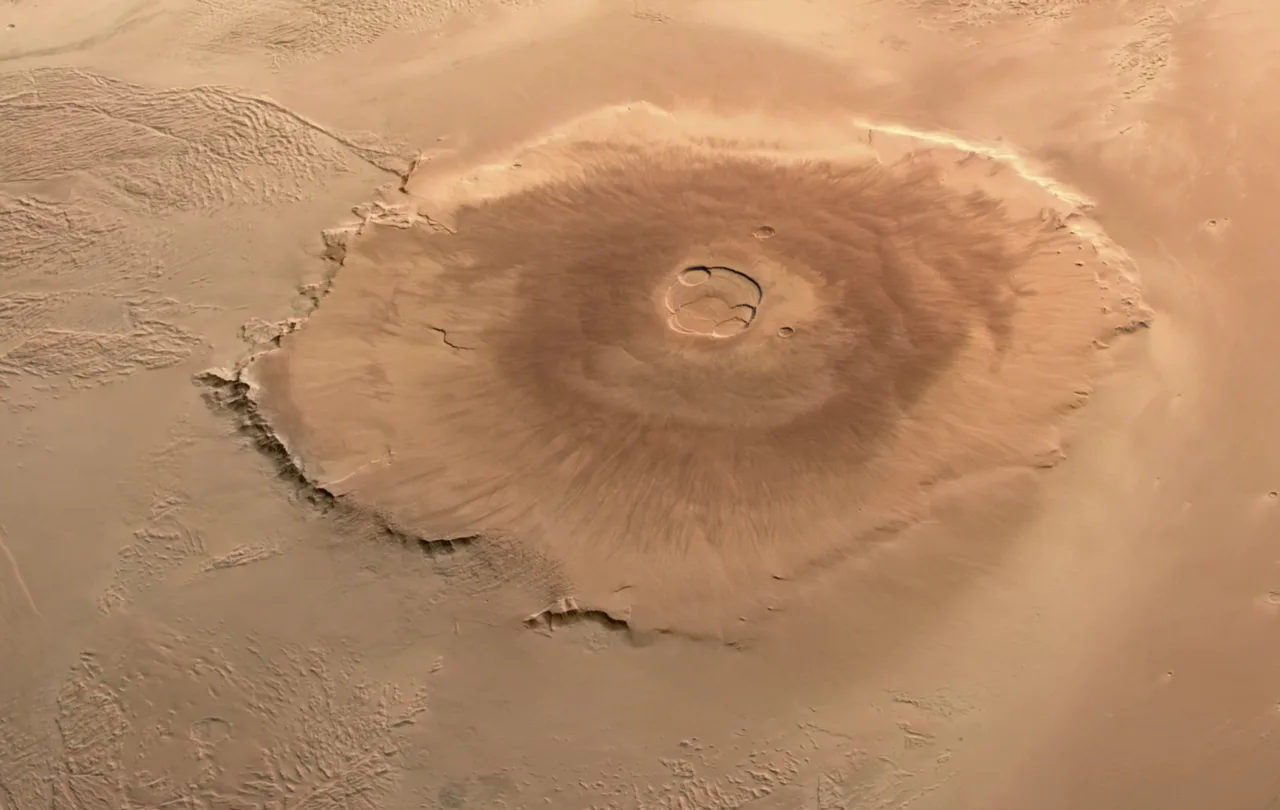
Olympus Mons is a massive shield volcano on Mars, standing about 25 km (16 mi) high and stretching over 600 km (370 mi) across its base. Its enormous size is partly due to Mars's lower gravity and lack of tectonic plates, allowing lava to continuously erupt from a single hotspot for billions of years without the volcano moving off the plume.
Photo: ESA/DLR/FUBerlin/AndreaLuck, Wikimedia Commons, CC BY 2.0.
Tap the right answer
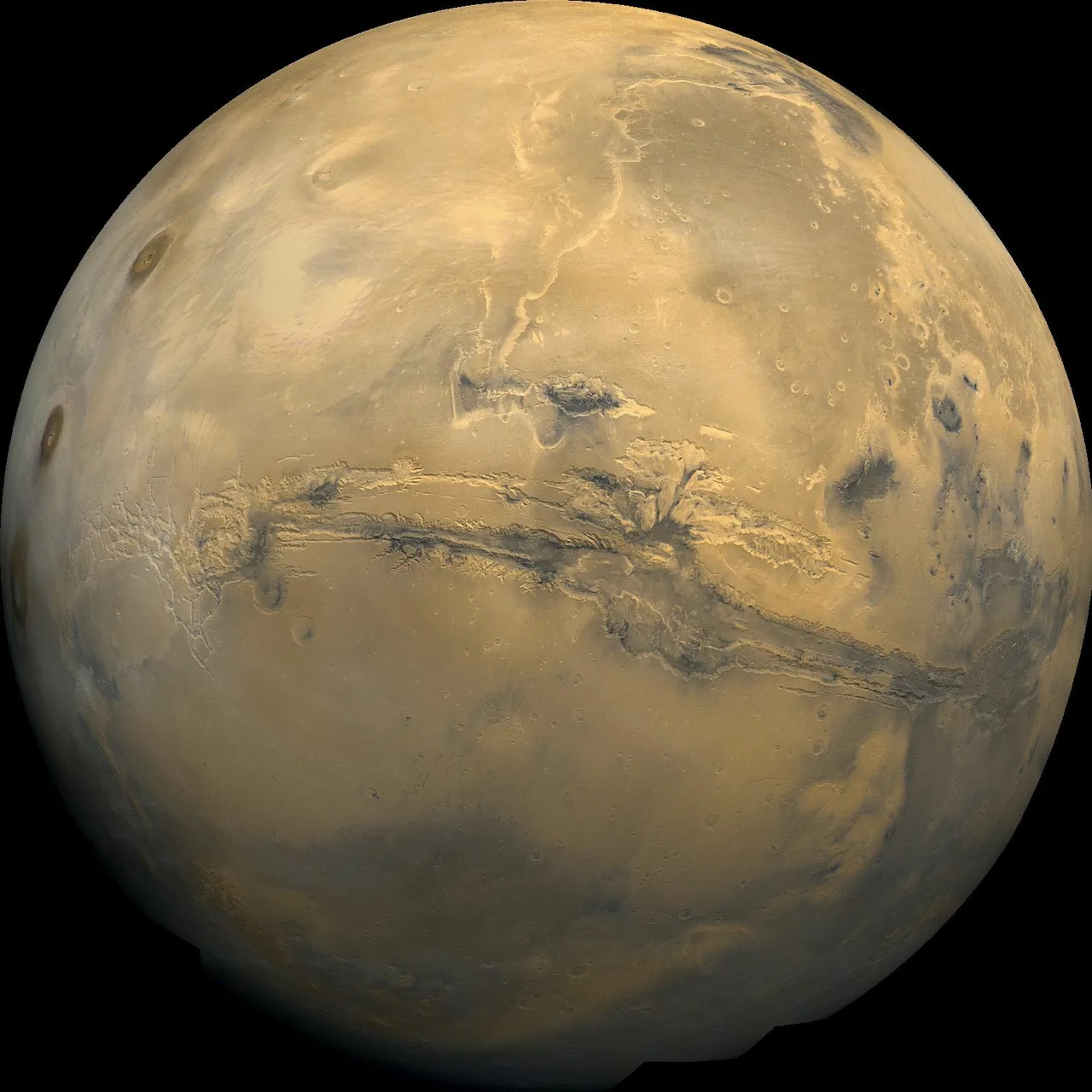
Valles Marineris is an immense canyon system that spans about 4,000 kilometers (2,500 miles) across the Martian equator. To put that in perspective, it is roughly the width of the continental United States and significantly larger than Earth's Grand Canyon, making it one of the largest canyons in the Solar System. Its formation is still debated, but it's likely linked to tectonic activity and crustal stretching.
Photo: NASA / USGS (see PIA04304 catalog page), Wikimedia Commons, Public domain.
Tap the right answer
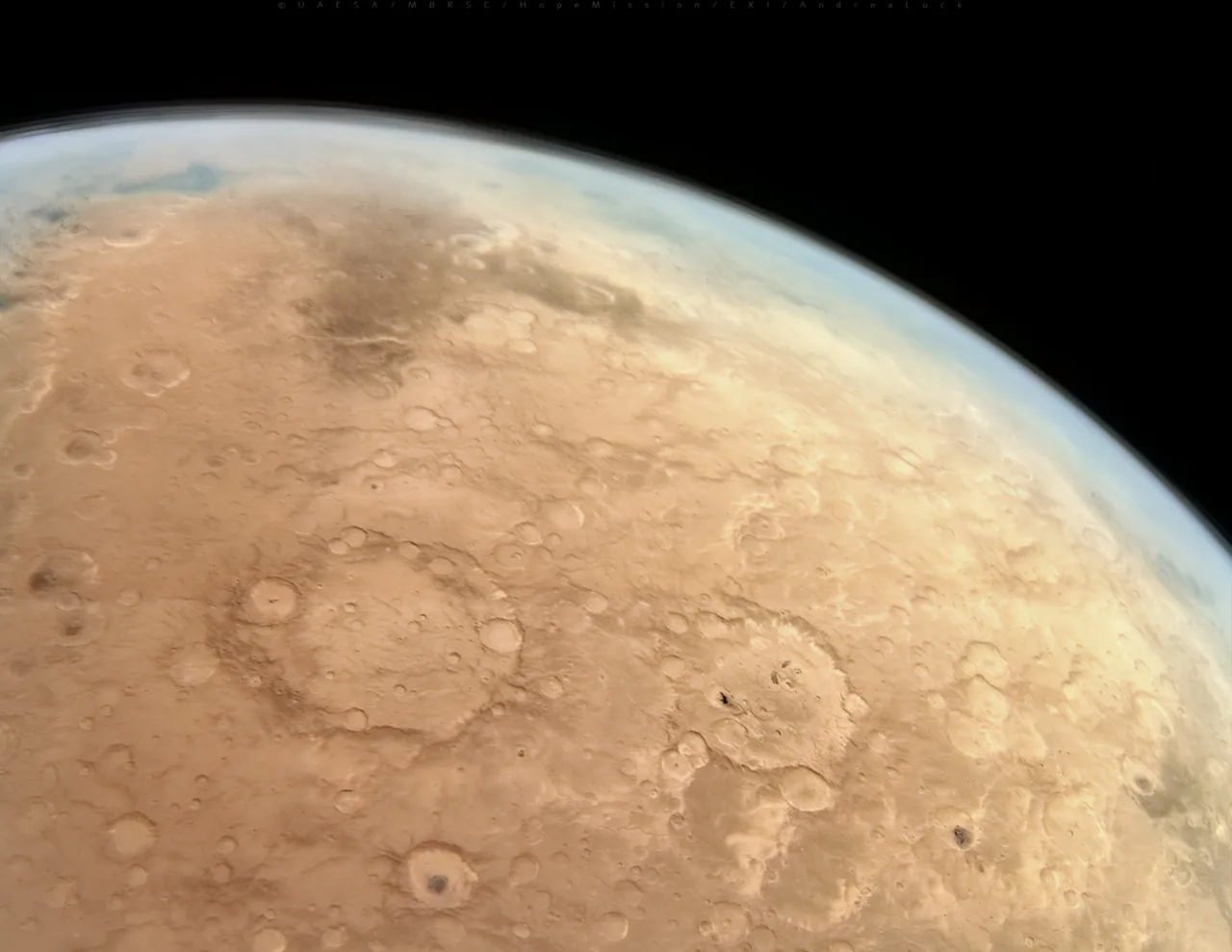
Mars's atmosphere is extremely thin, less than 1% as dense as Earth's, and is predominantly composed of carbon dioxide, making up about 95% of its volume. This high concentration of CO2 contributes to the planet's cold temperatures, as there is little atmospheric pressure to retain heat. The thin atmosphere also allows for significant temperature swings between day and night.
Photo: Andrea Luck from Glasgow, Scotland, United Kingdom, Wikimedia Commons, CC BY 2.0.
Tap the right answer
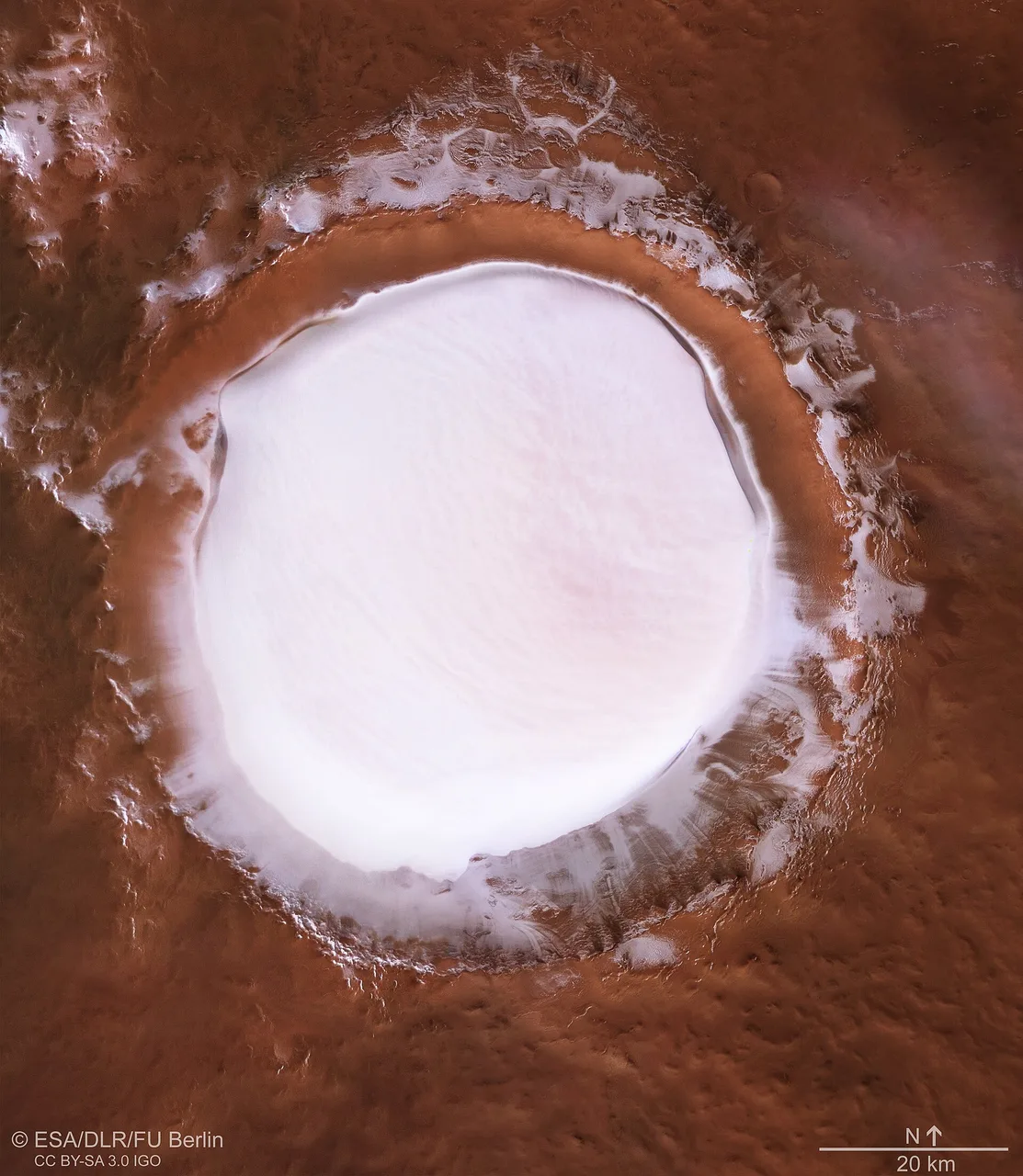
While evidence suggests Mars once had abundant liquid water, most of its water today is locked up as ice. Significant amounts are found in the planet's polar ice caps, which contain both water ice and frozen carbon dioxide, and substantial quantities are also believed to exist as permafrost beneath the surface. Liquid water is unstable on the surface due to the low atmospheric pressure.
Photo: ESA/DLR/FU Berlin, Wikimedia Commons, CC BY-SA 3.0.
Tap the right answer
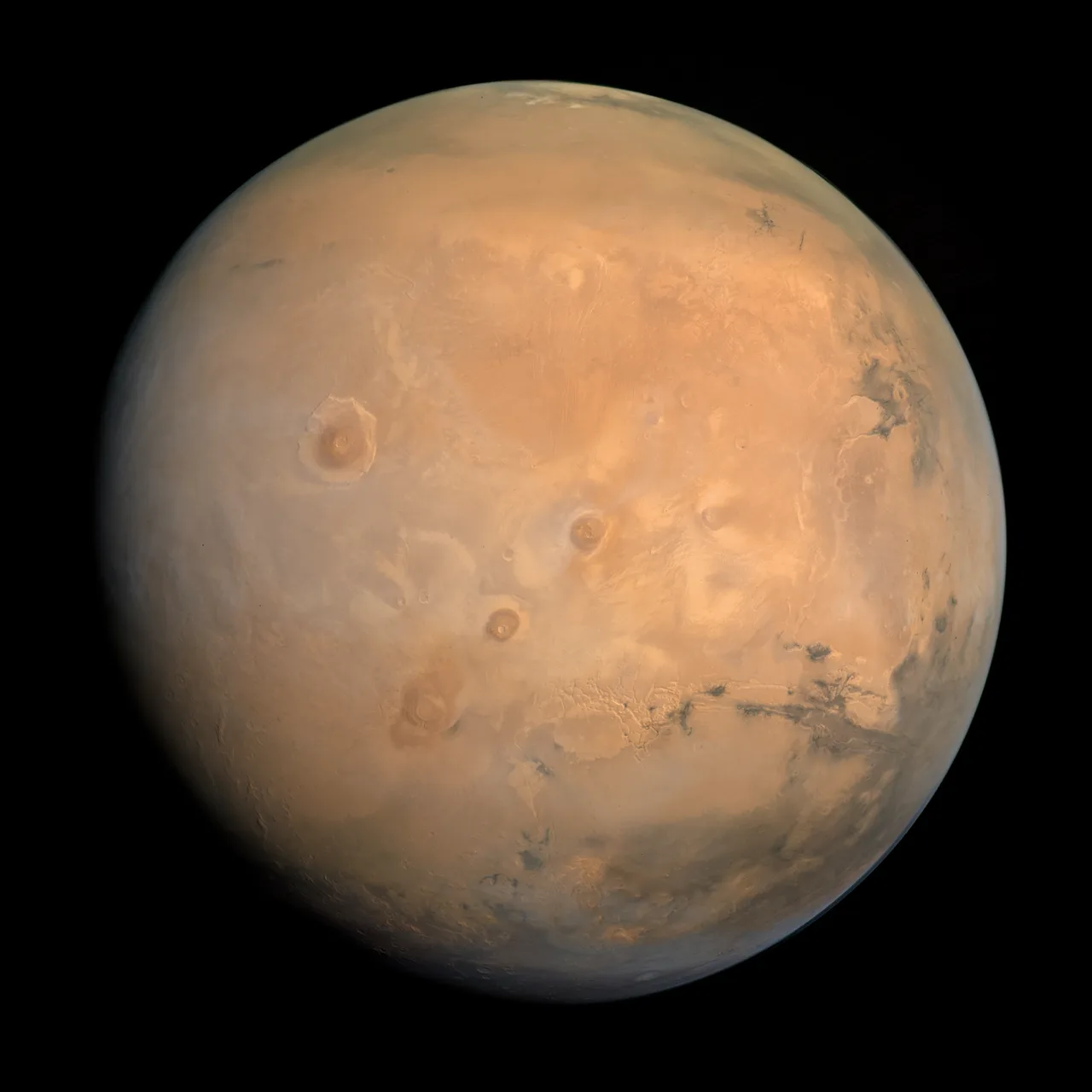
A Martian day, or 'sol,' is only slightly longer than an Earth day, lasting about 24 hours and 37 minutes. This similarity in rotation period means that future human missions to Mars would experience a day-night cycle quite comparable to what they are used to on Earth, simplifying daily routines. This makes Mars unique among other planets in our solar system for its similar day length.
Photo: Kevin Gill from Los Angeles, CA, United States, Wikimedia Commons, CC BY 2.0.
Tap the right answer
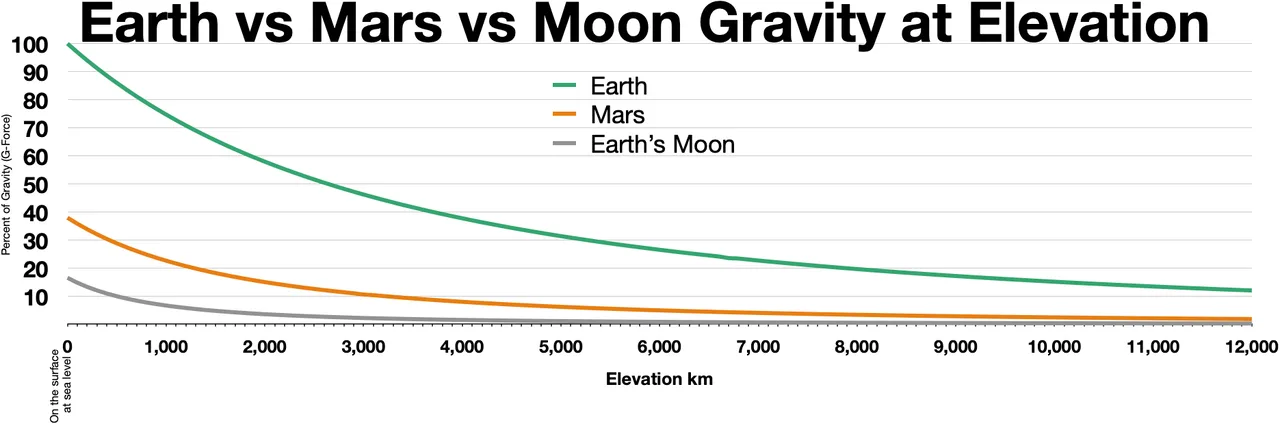
Mars has significantly lower gravity than Earth, approximately 38% of Earth's surface gravity. This means a person weighing 100 pounds on Earth would weigh only 38 pounds on Mars. This reduced gravity would have profound effects on human physiology and locomotion for future Martian explorers, allowing for higher jumps and potentially different forms of movement.
Photo: Wikideas1, Wikimedia Commons, CC0.
Tap the right answer
The planet Mars is named after the Roman god of war, Mars, due to its reddish appearance, which reminded ancient civilizations of blood. This association with conflict and battle has persisted through history, influencing its depiction in art and literature. The Greek equivalent of Mars was Ares, also a god of war.
Tap the right answer
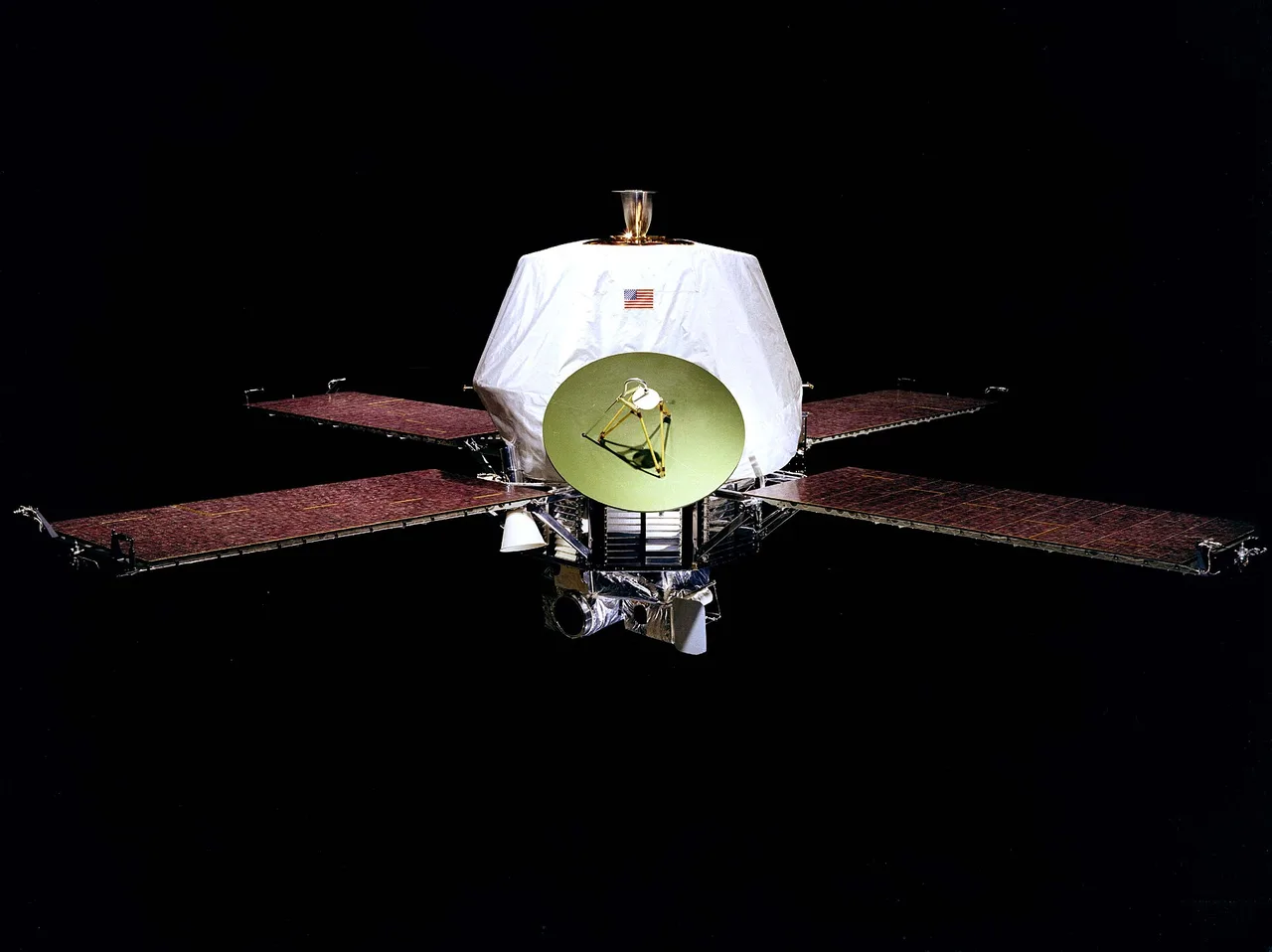
The United States was the first to successfully orbit Mars with its Mariner 9 spacecraft in November 1971. This mission provided detailed images of the Martian surface, including its polar caps, volcanoes, and canyons, revolutionizing our understanding of the planet. Mariner 9 also observed the beginning of a global dust storm, a common Martian phenomenon.
Photo: NASA, Wikimedia Commons, Public domain.


Want to make a quiz like this yourself? Do it on Votur, it's free.
Paste the code into your page. The player fits itself in, and every vote counts in Votur.
On WordPress, Ghost or Squarespace? Just paste the link of this page into your post.
This is how it looks
Also fun
How well do you know Saturn? · 10 →How well do you know Jupiter? · 10 →How well do you know the Solar System? · 10 →How well do you know the Sun? · 10 →How well do you know the Moon? · 10 →How well do you know Budapest? · 10 →How well do you know Hungary? · 10 →How well do you know Bratislava? · 10 →How well do you know Slovakia? · 10 →How well do you know Prague? · 10 →How well do you know Czechia? · 10 →How well do you know Warsaw? · 10 →How well do you know Poland? · 10 →How well do you know Luxembourg City? · 10 →How well do you know Luxembourg? · 10 →How well do you know Dublin? · 10 →How well do you know Ireland? · 10 →How well do you know Vilnius? · 10 →How well do you know Lithuania? · 10 →How well do you know Riga? · 10 →How well do you know Latvia? · 10 →How well do you know Reykjavík? · 10 →How well do you know Iceland? · 10 →How well do you know Helsinki? · 10 →How well do you know Finland? · 10 →How well do you know Oslo? · 10 →How well do you know Norway? · 10 →How well do you know Stockholm? · 10 →How well do you know Sweden? · 10 →How well do you know Madrid? · 10 →How well do you know Spain? · 10 →How well do you know Rome? · 10 →How well do you know Italy? · 10 →How well do you know Bern? · 10 →How well do you know Switzerland? · 10 →How well do you know Vienna? · 10 →How well do you know Austria? · 10 →How well do you know Berlin? · 10 →How well do you know London? · 10 →How well do you know the United Kingdom? · 10 →How well do you know Paris? · 10 →How well do you know France? · 10 →How well do you know Brussels? · 10 →How well do you know Amsterdam? · 10 →How well do you know the Netherlands? · 10 →How well do you know Copenhagen? · 10 →How well do you know Denmark? · 10 →How well do you know Athens? · 10 →How well do you know Greece? · 10 →How well do you know Lisbon? · 10 →How well do you know Portugal? · 10 →How well do you know Tallinn? · 10 →How well do you know Estonia? · 10 →Belgium · 8 →Universe · 10 →Which Greek hero are you? · 8 →Gulpen · 5 →How well do you know Dutch weather? · 10 →How well do you know Germany? · 10 →Who owns the Netherlands? · 10 →The little church village of Klimmen · 10 →Do you know Neutral Moresnet? · 10 →