 Get app
Journey to the sixth planet from the Sun and test your knowledge of Saturn's unique features, magnificent rings, and fascinating moons. How well do you truly know the gas giant?
Ring Tourist 0–4 · Ring Navigator 5–8 · Saturn Sage 9–10

Tap the right answer
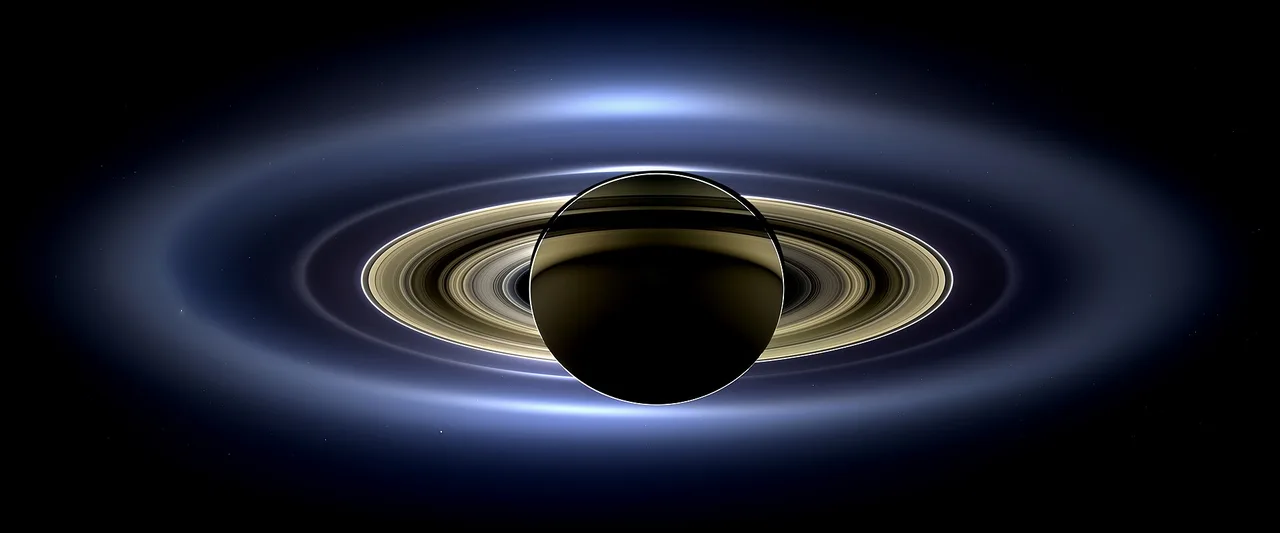
Saturn's prominent rings are predominantly made of billions of individual ice particles, along with some rocky debris, ranging in size from microscopic dust grains to house-sized boulders. These rings are incredibly thin, often less than 100 meters thick, despite stretching hundreds of thousands of kilometers across, which is surprising given their vast extent.
Photo: NASA / JPL-Caltech / Space Science Institute, Wikimedia Commons, Public domain.
Tap the right answer
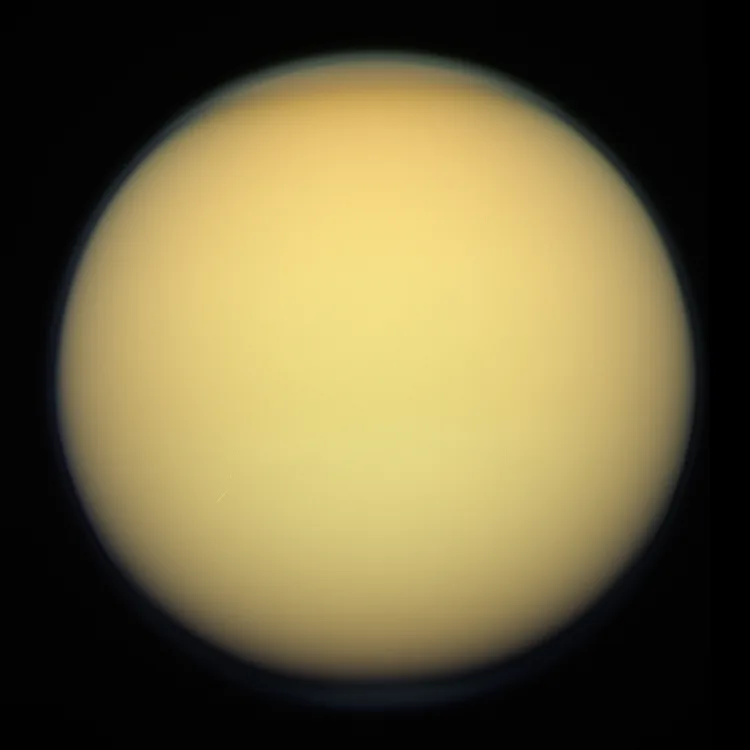
Titan stands out as the only moon in our solar system with a dense, substantial atmosphere, even thicker than Earth's. This nitrogen-rich atmosphere is so opaque that it obscures the moon's surface from visible light. Amazingly, it also supports an active methane cycle, complete with clouds, rain, rivers, and lakes of liquid methane and ethane.
Photo: NASA/JPL-Caltech/SSI/Kevin M. Gill, Wikimedia Commons, CC BY 2.0.
Tap the right answer
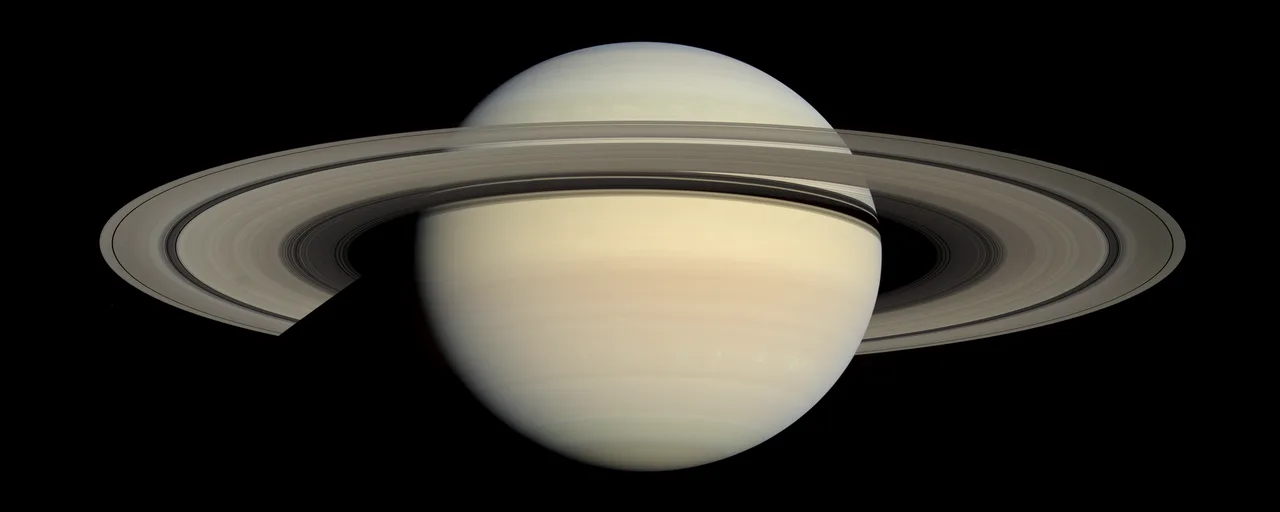
Saturn holds the distinction of being the least dense planet in our solar system, with an average density less than that of water. This means that, hypothetically, if you could find an ocean large enough, Saturn would float! Its low density is primarily due to its composition of mostly hydrogen and helium.
Photo: NASA / JPL-Caltech / SSI / color composite by Gordan Ugarkovic, Wikimedia Commons, Public domain.
Tap the right answer
Saturn's characteristic pale yellow hue originates from ammonia crystals present in its upper atmosphere. These reflective crystals scatter sunlight, giving the planet its familiar color. Beneath these clouds, the atmosphere is composed mainly of hydrogen and helium, with traces of methane and other gases.
Tap the right answer
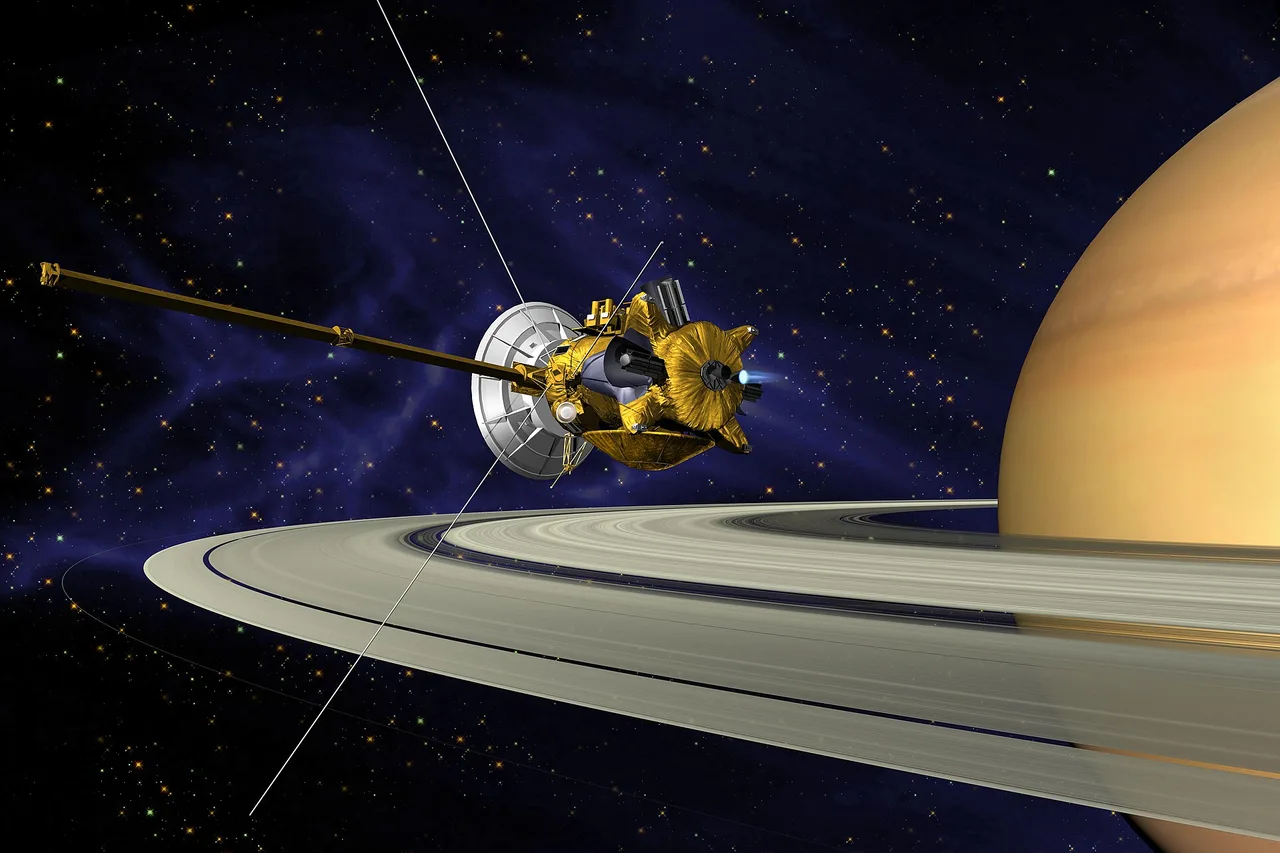
The Cassini spacecraft made history by becoming the first probe to successfully orbit Saturn, arriving in 2004. It spent over 13 years meticulously studying the planet, its elaborate ring system, and its diverse moons, fundamentally reshaping our understanding of the Saturnian system. Its mission concluded with a deliberate plunge into Saturn's atmosphere in 2017.
Photo: NASA/JPL, Wikimedia Commons, Public domain.
Tap the right answer
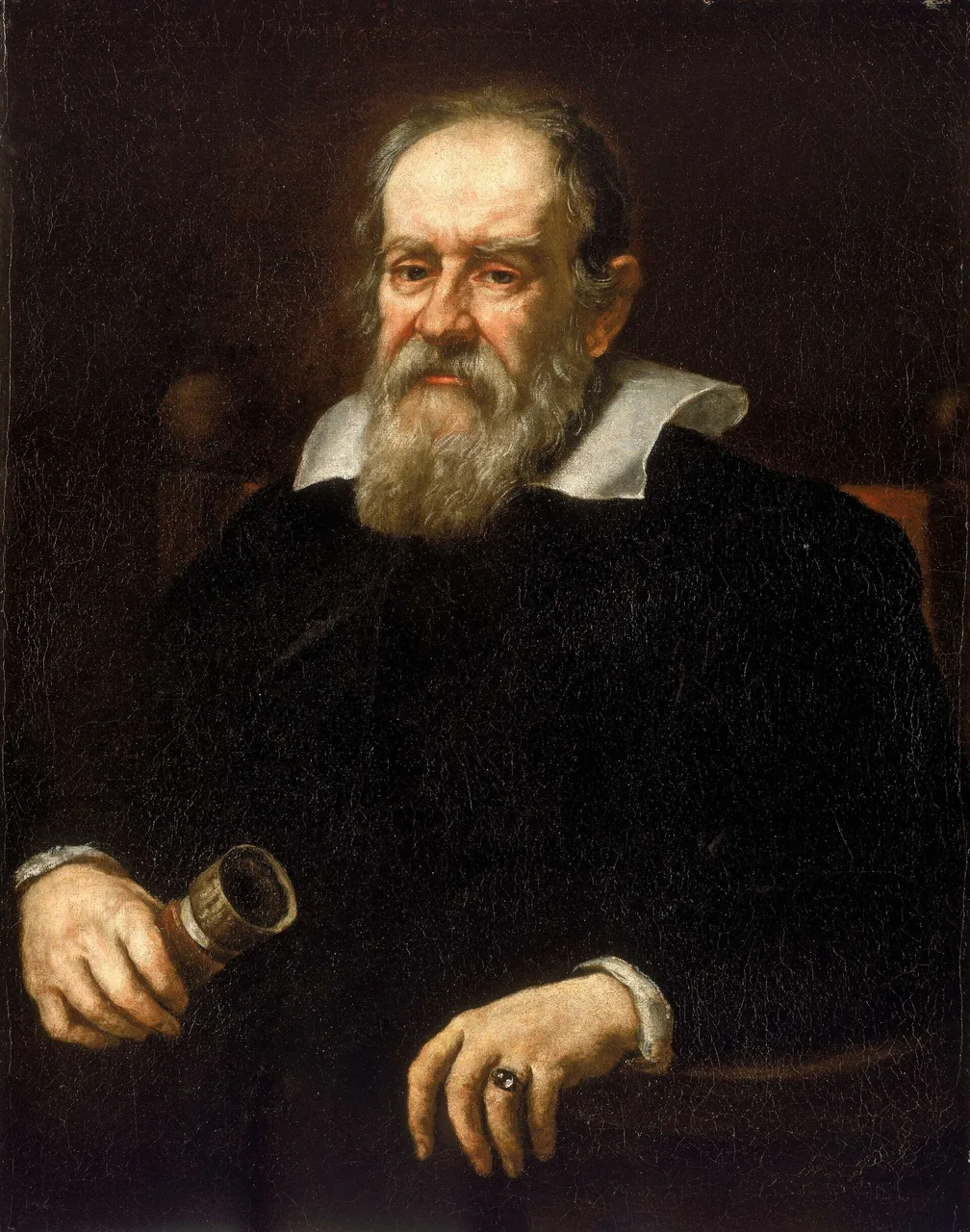
Galileo Galilei was the first to observe Saturn's rings in 1610, though his early telescope wasn't powerful enough to discern them clearly as rings. He initially described them as "ears" or "handles." It was Christiaan Huygens, decades later with improved optics, who correctly identified them as a distinct ring system surrounding the planet.
Photo: Justus Sustermans, Wikimedia Commons, Public domain.
Tap the right answer
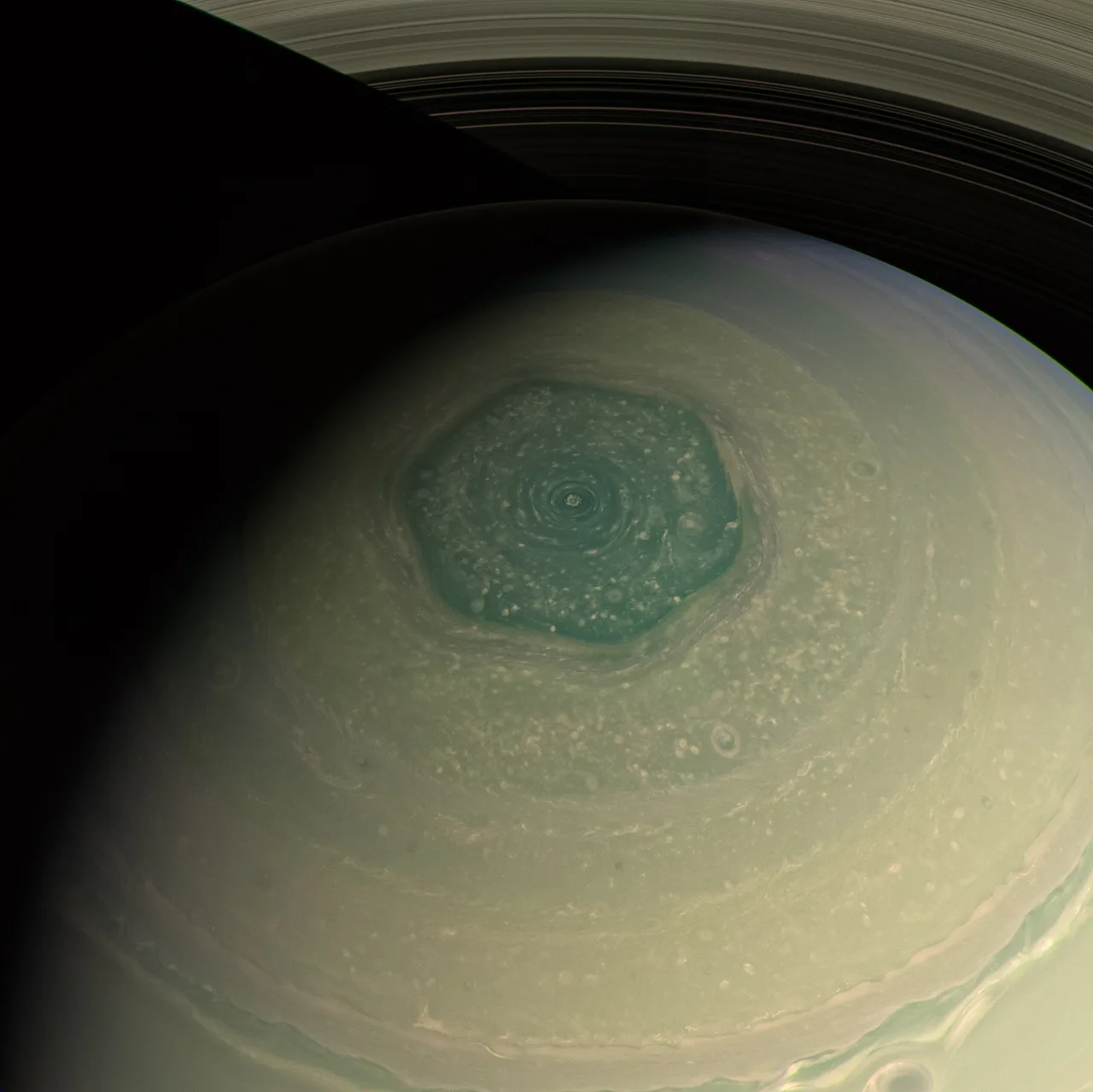
At Saturn's north pole, a remarkable and stable hexagonal cloud pattern, known as Saturn's Hexagon, has been observed. This massive, six-sided jet stream is hundreds of kilometers deep and spans about 30,000 kilometers across, large enough to encompass four Earths. Its precise formation mechanism is still an active area of research.
Photo: Kevin Gill from Los Angeles, CA, United States, Wikimedia Commons, CC BY 2.0.
Tap the right answer
The planet Saturn is named after the Roman god of agriculture, wealth, and liberation, who was often associated with the Greek titan Cronus. This ancient tradition of naming celestial bodies after deities reflects their significance in early human cultures and mythologies.
Tap the right answer
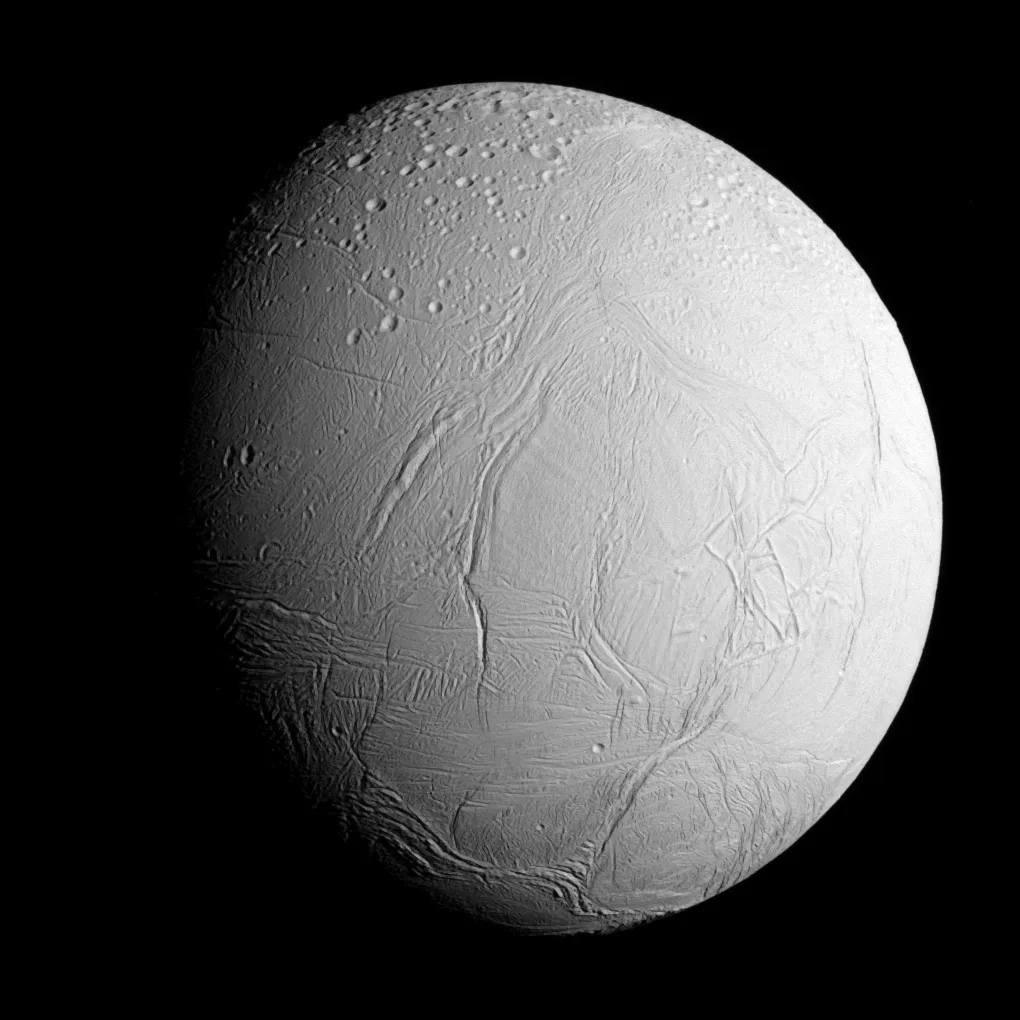
Enceladus is famous for its geysers that erupt plumes of water ice and vapor from its south polar region, strongly indicating a subsurface ocean. These plumes contribute material to Saturn's E ring, making it a dynamic environment. The potential presence of liquid water beneath its icy crust makes it a prime candidate in the search for extraterrestrial life.
Photo: National Aeronautics and Space Administration (NASA) / Jet Propulsion Laboratory, Wikimedia Commons, Public domain.
Tap the right answer
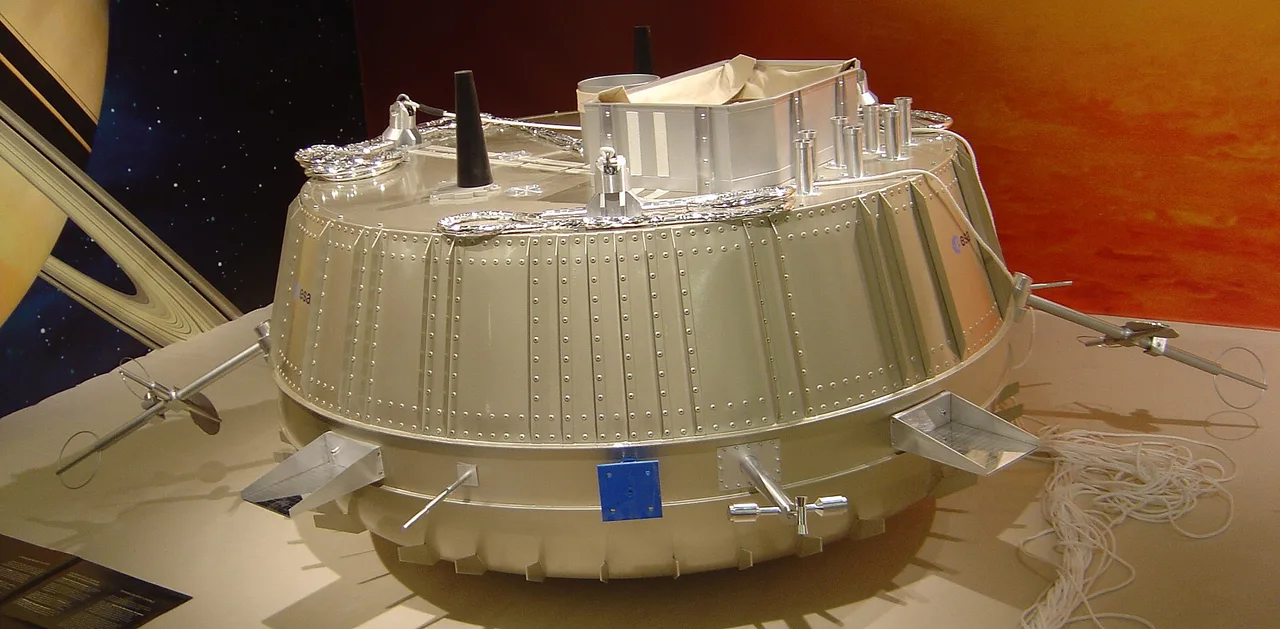
The Huygens probe successfully landed on the surface of Saturn's largest moon, Titan, in 2005. This made it the most distant landing ever achieved by a spacecraft from Earth. It transmitted data and images from Titan's frigid surface for over an hour, revealing a landscape shaped by liquid methane and a unique geological environment.
Photo: David Monniaux, Wikimedia Commons, CC BY-SA 3.0.


Want to make a quiz like this yourself? Do it on Votur, it's free.
Paste the code into your page. The player fits itself in, and every vote counts in Votur.
On WordPress, Ghost or Squarespace? Just paste the link of this page into your post.
This is how it looks
Also fun
How well do you know Jupiter? · 10 →How well do you know Mars? · 10 →How well do you know the Solar System? · 10 →How well do you know the Sun? · 10 →How well do you know the Moon? · 10 →How well do you know Budapest? · 10 →How well do you know Hungary? · 10 →How well do you know Bratislava? · 10 →How well do you know Slovakia? · 10 →How well do you know Prague? · 10 →How well do you know Czechia? · 10 →How well do you know Warsaw? · 10 →How well do you know Poland? · 10 →How well do you know Luxembourg City? · 10 →How well do you know Luxembourg? · 10 →How well do you know Dublin? · 10 →How well do you know Ireland? · 10 →How well do you know Vilnius? · 10 →How well do you know Lithuania? · 10 →How well do you know Riga? · 10 →How well do you know Latvia? · 10 →How well do you know Reykjavík? · 10 →How well do you know Iceland? · 10 →How well do you know Helsinki? · 10 →How well do you know Finland? · 10 →How well do you know Oslo? · 10 →How well do you know Norway? · 10 →How well do you know Stockholm? · 10 →How well do you know Sweden? · 10 →How well do you know Madrid? · 10 →How well do you know Spain? · 10 →How well do you know Rome? · 10 →How well do you know Italy? · 10 →How well do you know Bern? · 10 →How well do you know Switzerland? · 10 →How well do you know Vienna? · 10 →How well do you know Austria? · 10 →How well do you know Berlin? · 10 →How well do you know London? · 10 →How well do you know the United Kingdom? · 10 →How well do you know Paris? · 10 →How well do you know France? · 10 →How well do you know Brussels? · 10 →How well do you know Amsterdam? · 10 →How well do you know the Netherlands? · 10 →How well do you know Copenhagen? · 10 →How well do you know Denmark? · 10 →How well do you know Athens? · 10 →How well do you know Greece? · 10 →How well do you know Lisbon? · 10 →How well do you know Portugal? · 10 →How well do you know Tallinn? · 10 →How well do you know Estonia? · 10 →Belgium · 8 →Universe · 10 →Which Greek hero are you? · 8 →Gulpen · 5 →How well do you know Dutch weather? · 10 →How well do you know Germany? · 10 →Who owns the Netherlands? · 10 →The little church village of Klimmen · 10 →Do you know Neutral Moresnet? · 10 →