Get app
Step to the edge of the universe's ultimate mystery. Test your knowledge on the cosmic giants that warp time, stretch space, and swallow light itself!
Stargazer 0–4 · Event Horizon Scout 5–8 · Singularity Savant 9–10
Pick one

The event horizon is the point of no return where the escape velocity exceeds the speed of light. Once any object crosses this threshold, it is physically impossible to exit or send signals back to the outside universe.
Pick one
Since the mass of the Sun would not change, its gravitational pull on the Earth would remain identical. Our planet would continue to orbit normally, though we would quickly freeze without solar light and heat.
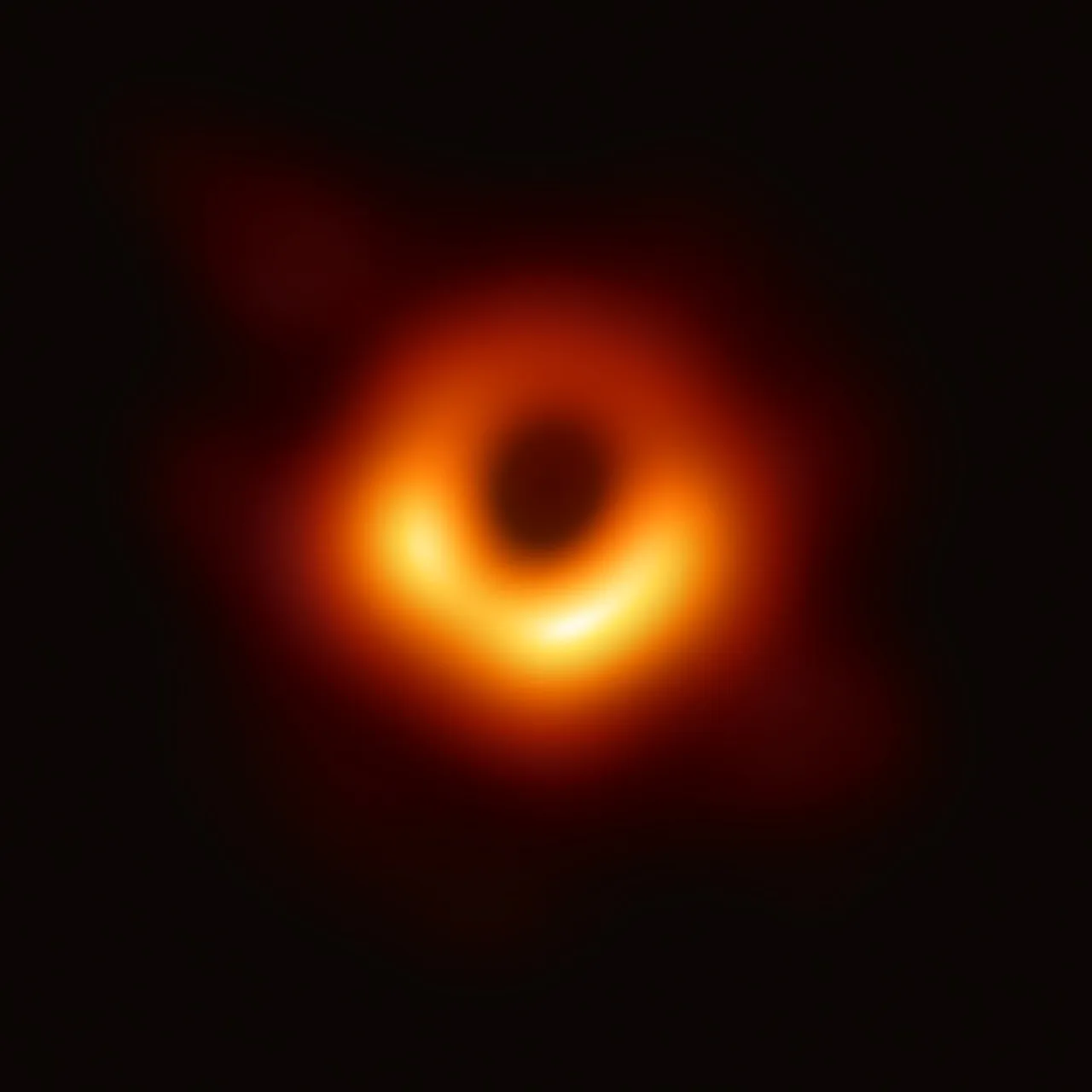
Photo: Event Horizon Telescope , uploader cropped and converted TIF to JPG, Wikimedia Commons, CC BY 4.0.
Pick one
This theoretical emission is known as Hawking radiation. Over vast stretches of time, this constant leaking of energy causes black holes to lose mass and eventually evaporate entirely in a giant flash.
Pick one
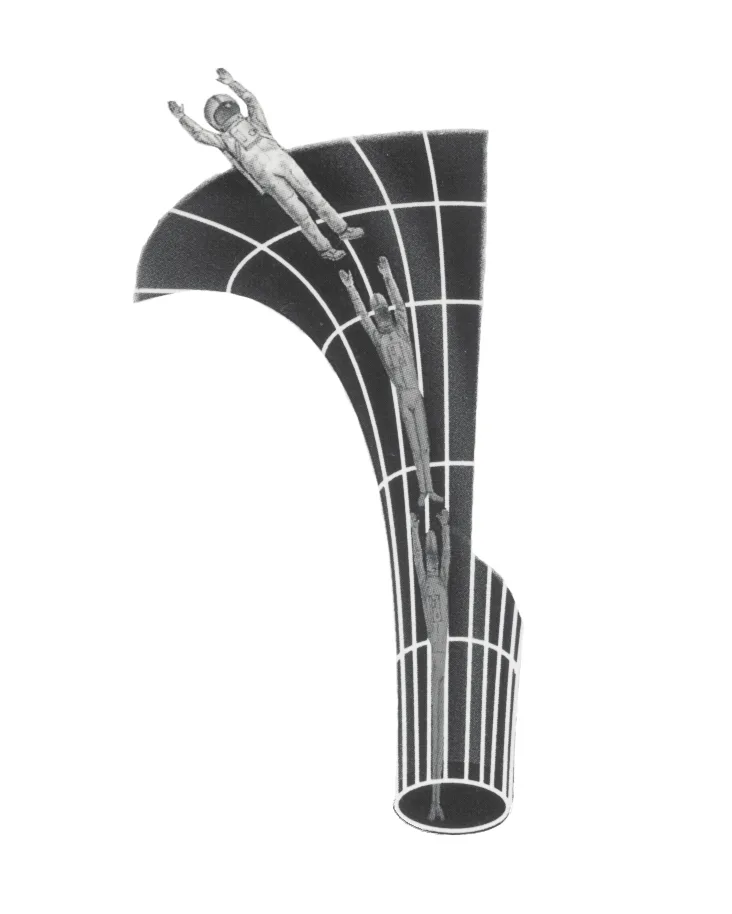
This playful but accurate term describes how gravity pulls much harder on your feet than on your head if you fall in feet-first. The extreme difference stretches your body vertically and squeezes it horizontally into a long, thin string.
Photo: Laura A. Whitlock, Kara C. Granger, Jane D. Mahon, Wikimedia Commons, Public domain.
Pick one
The filmmakers worked closely with theoretical physicist Kip Thorne to ensure the visual depiction of Gargantua was scientifically accurate. The resulting computer models were so detailed they actually helped scientists better understand light bending.
Pick one
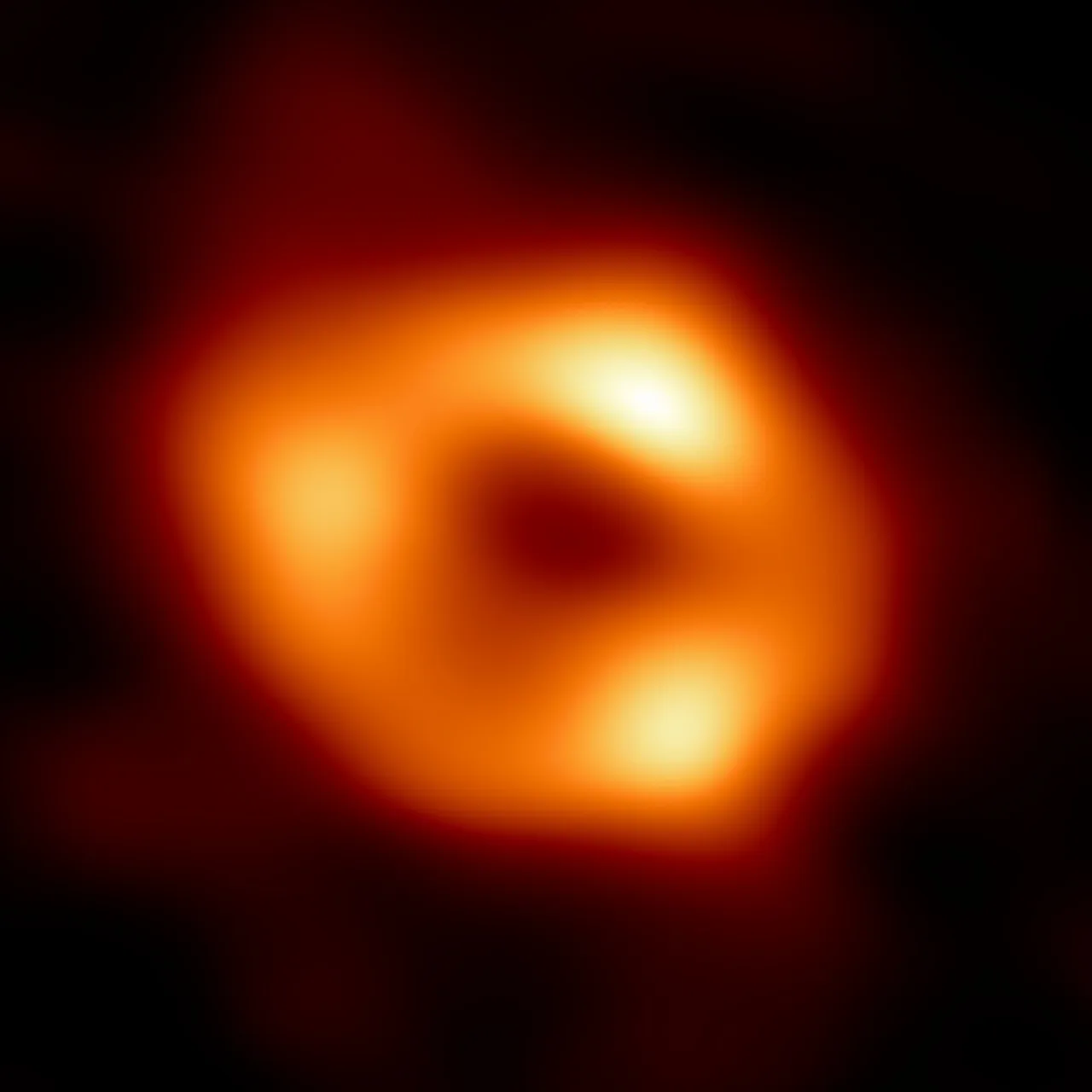
Sagittarius A* is located about 26,000 light-years from Earth and contains the mass of about four million Suns. Scientists confirmed its existence by watching stars rapidly orbit an invisible point in space for decades.
Photo: EHT Collaboration, Wikimedia Commons, CC BY 4.0.
Pick one
This project linked together eight radio observatories across the globe to create an Earth-sized virtual telescope. In 2019, they successfully imaged the glowing ring of gas surrounding the giant black hole in the Messier 87 galaxy.
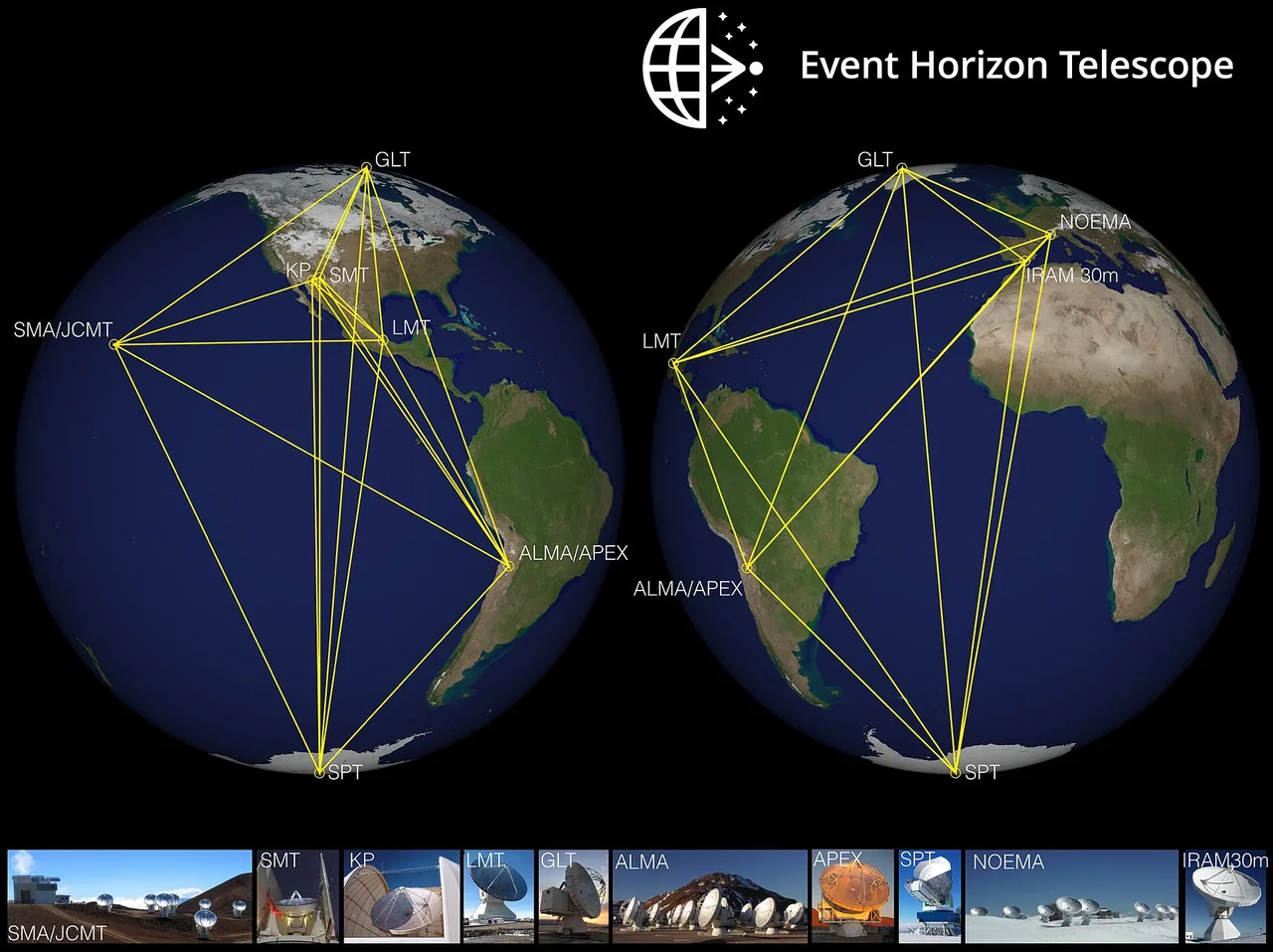
Photo: D. Marrone/UofA, Wikimedia Commons, CC BY 4.0.
Pick one
Discovered in 1964, this powerful X-ray source in the constellation Cygnus is about 21 times the mass of our Sun. It was the subject of a famous friendly bet between physicists Stephen Hawking and Kip Thorne over whether it truly held a black hole.
Pick one
The English clergyman and philosopher John Michell came up with this brilliant concept in 1783. He calculated that if a star was as dense as the Sun but many times larger, its gravity would prevent its own light from leaving.
Pick one
Gravity slows down time, an effect called gravitational time dilation, and close to a black hole it becomes extreme. It even happens around Earth: clocks on GPS satellites, where gravity is weaker, run slightly fast and must be corrected, or your map app would drift off by kilometres every day.


Paste the code into your page. The player fits itself in, and every vote counts in Votur.
On WordPress, Ghost or Squarespace? Just paste the link of this page into your post.
This is how it looks
Also fun