 Get app
Buckle up and prepare for takeoff! Discover the surprising science, history, and hidden quirks of the airplanes that connect our world.
First-Time Flyer 0–4 · Frequent Flier 5–8 · Chief Pilot 9–10

Tap the right answer
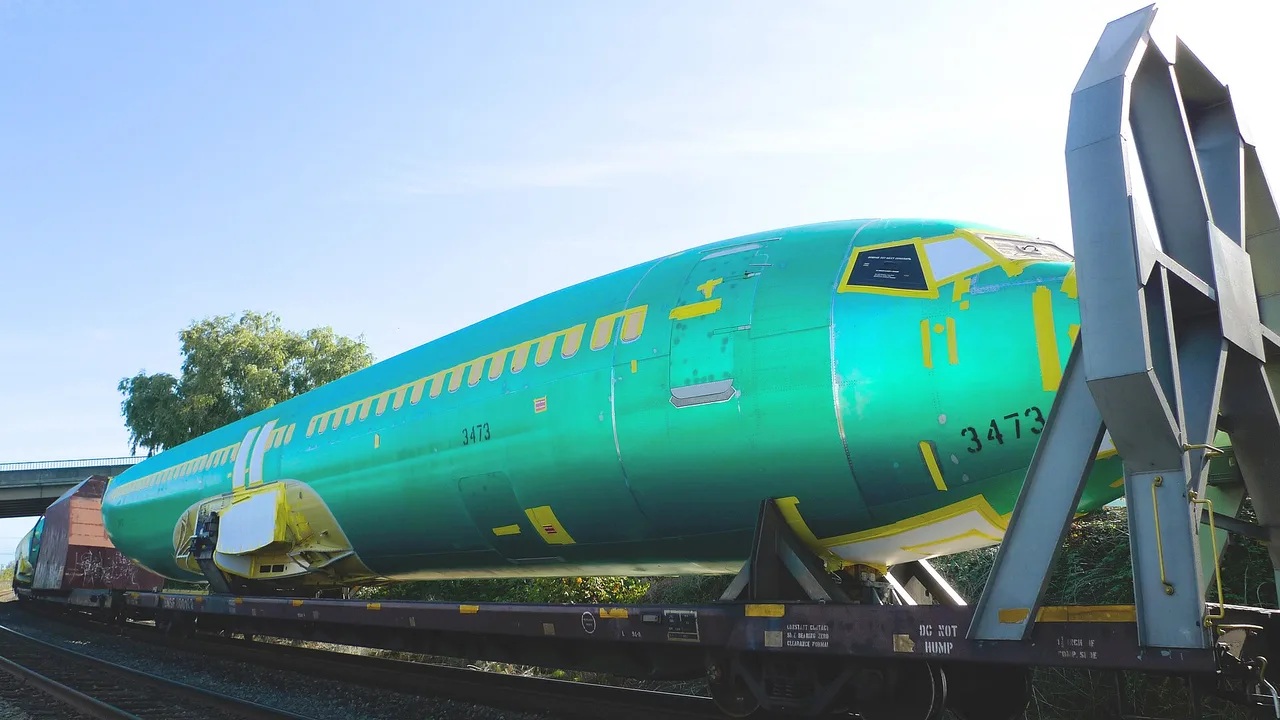
Early passenger planes had square windows, but the sharp corners created weak spots that suffered from metal fatigue under pressure. Rounded windows distribute the stress evenly across the fuselage. Square windows on early De Havilland Comet planes actually caused tragic crashes before engineers figured this out.
Photo: Dan Bennett from Seattle, USA, Wikimedia Commons, CC BY 2.0.
Tap the right answer
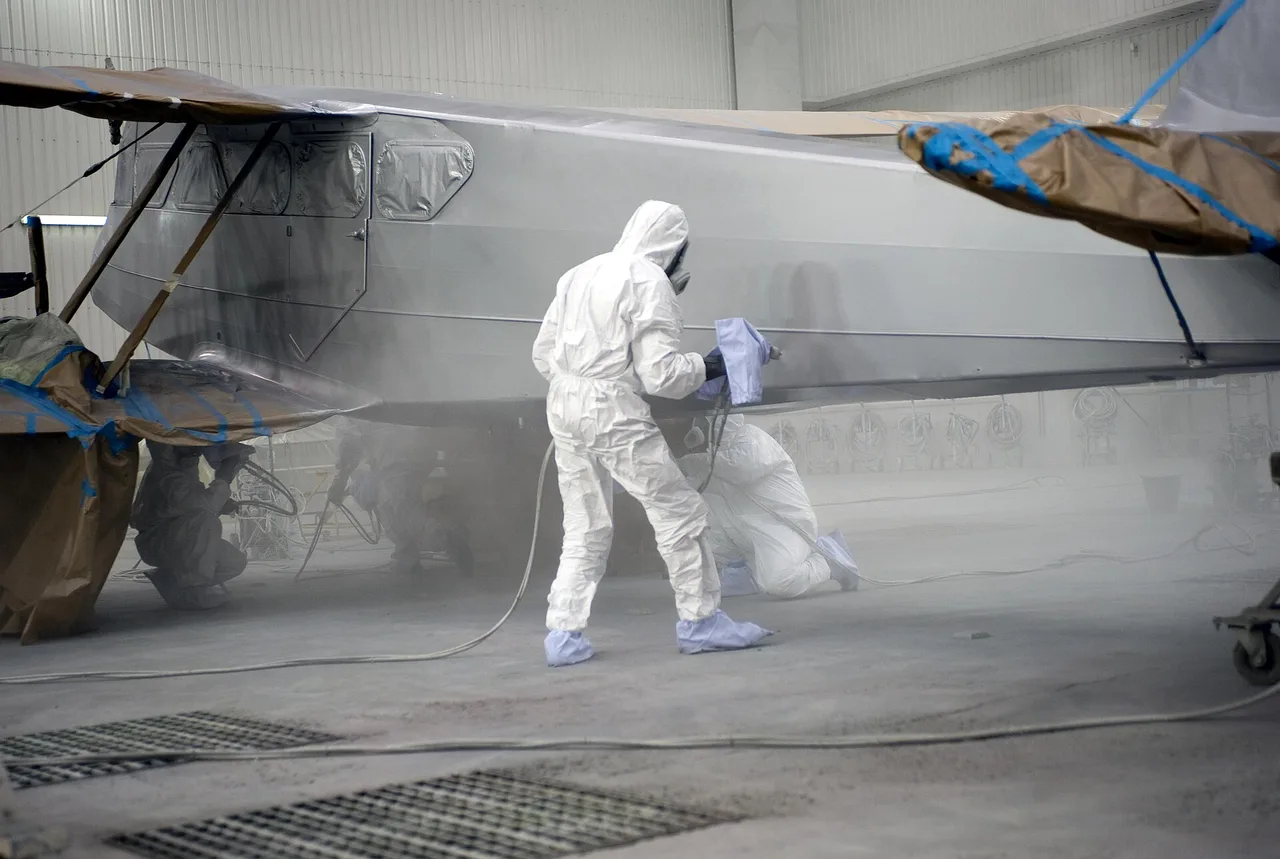
Just like wearing a white shirt on a hot day, white paint reflects solar radiation, keeping the cabin cooler and protecting the plane's composite materials from heat damage. It also makes it much easier for maintenance crews to spot oil leaks, cracks, or dents on the fuselage.
Photo: Iberia Airlines, Wikimedia Commons, CC BY 2.0.
Tap the right answer
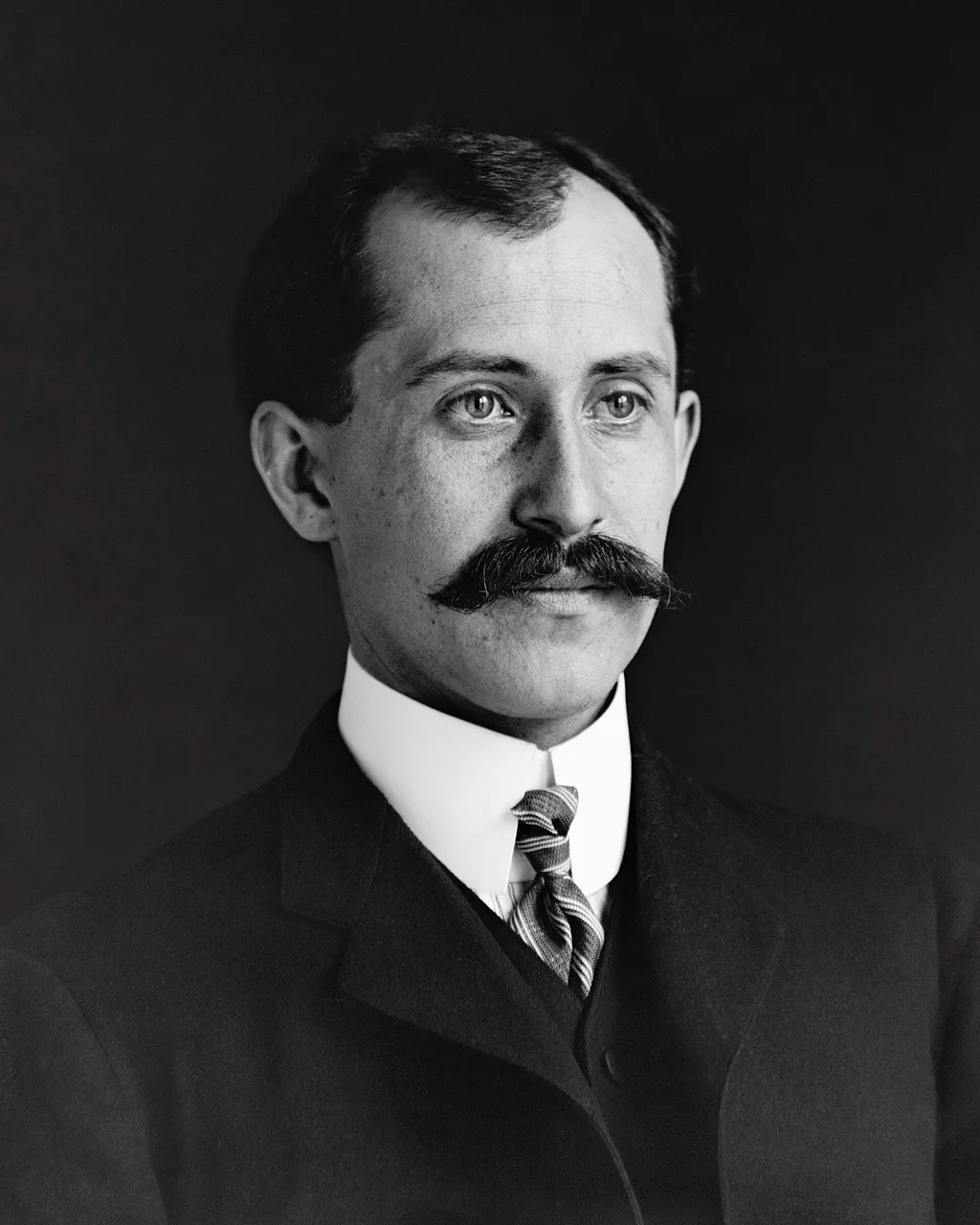
Orville and Wilbur Wright chose the sandy dunes of Kitty Hawk because of its strong, steady winds and soft landing surfaces. Although they built their gliders and planes in their bicycle shop in Dayton, Ohio, they traveled to the coast of North Carolina to conduct their historic flight trials.
Photo: Orville Wright and Wilbur Wright (credited as photographers), Wikimedia Commons, Public domain.
Tap the right answer
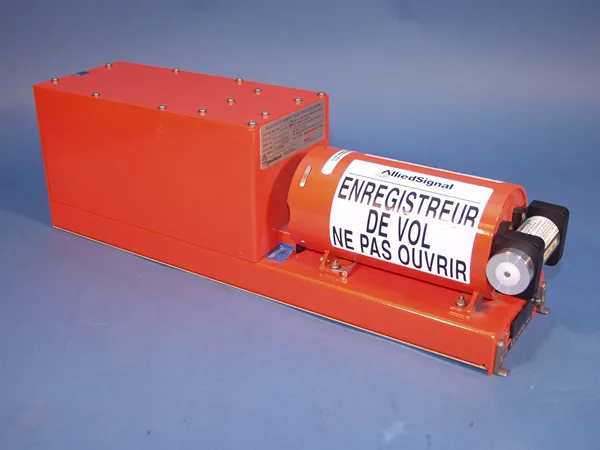
Flight data recorders are painted bright orange with reflective strips so they are easy to spot in wreckage. One theory says the nickname black box comes from early designs that used photographic film, which required a completely light-proof, black interior to prevent the film from being ruined.
Photo: NTSB, Wikimedia Commons, Public domain.
Tap the right answer
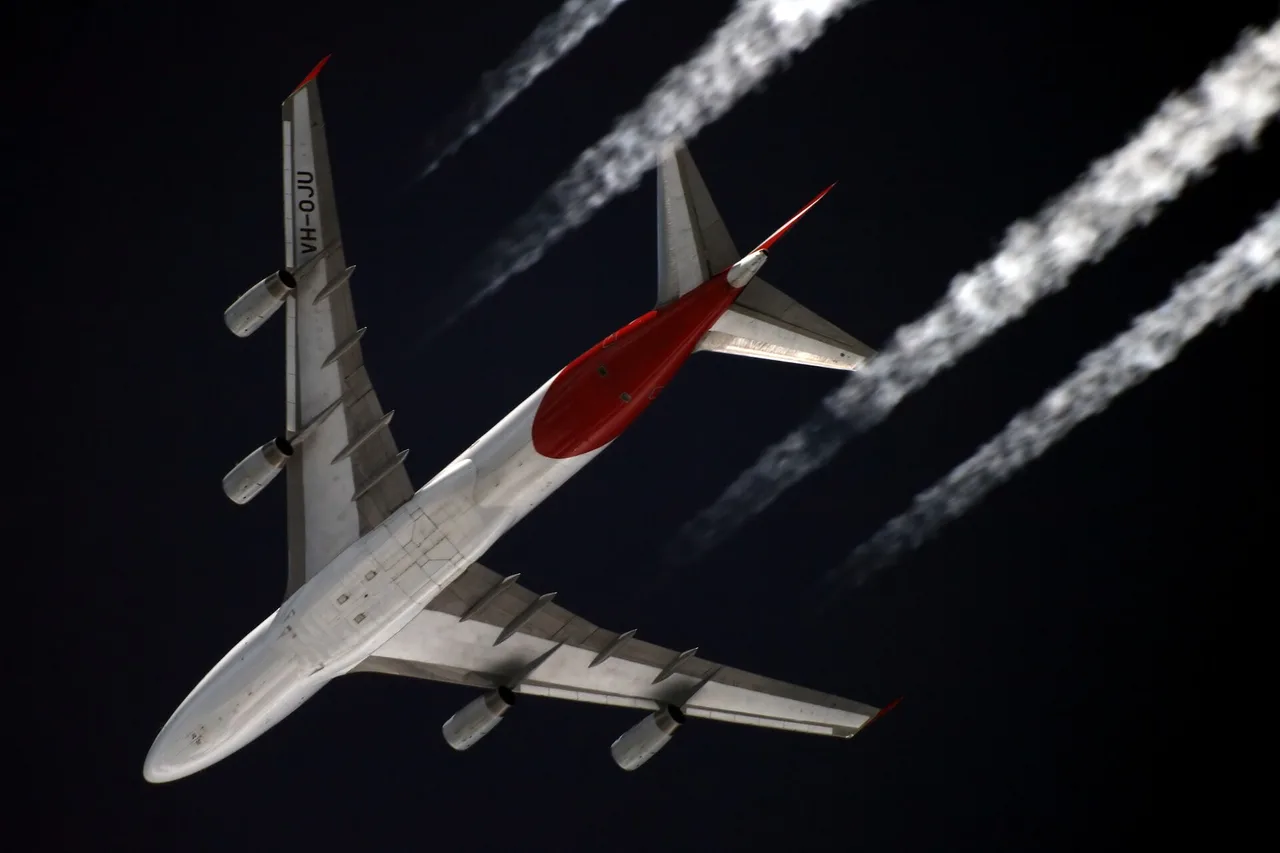
At high altitudes, the thin air creates less aerodynamic drag on the plane, allowing it to fly faster while burning much less fuel. This sweet spot high in the sky also keeps the plane above most stormy weather systems, making the flight much smoother for passengers.
Photo: Sergey Kustov, Wikimedia Commons, CC BY-SA 3.0.
Tap the right answer
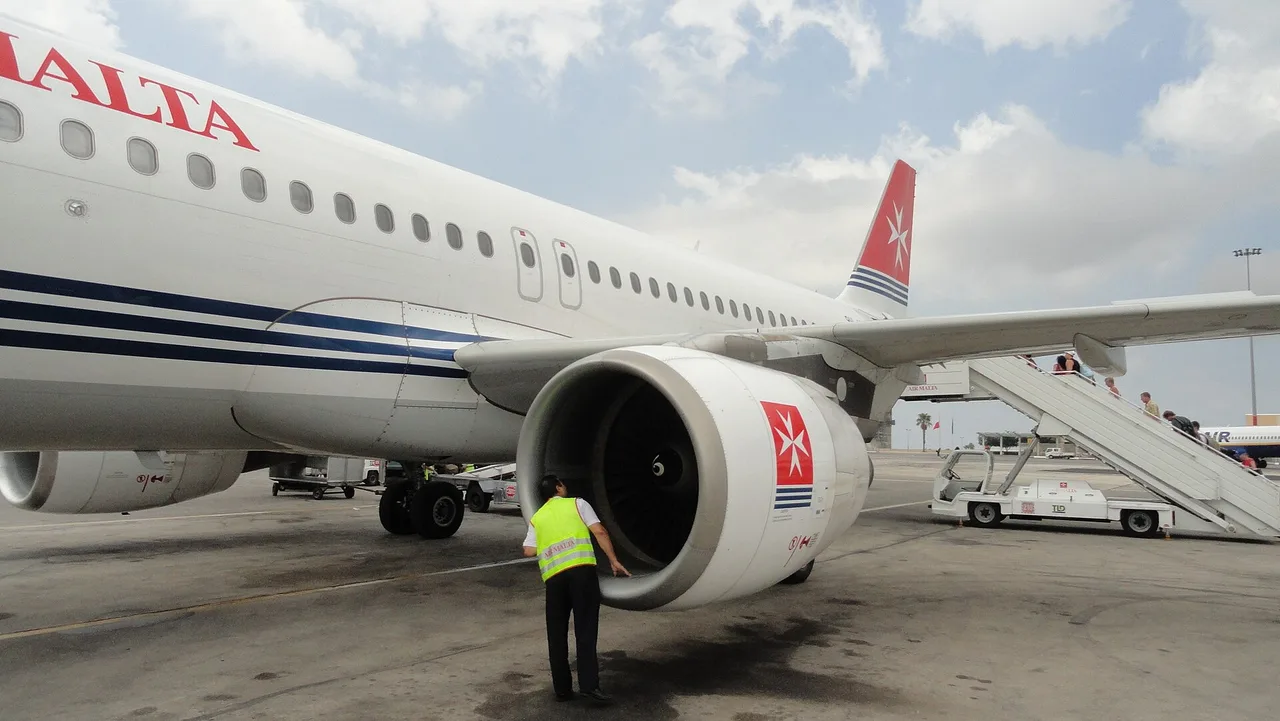
Dimming the lights is a safety measure so that if there is an emergency evacuation, your eyes are already adjusted to the darkness outside. It also makes the emergency exit signs and path lighting much easier to see in a dark cabin.
Photo: Kristoferb, Wikimedia Commons, CC BY-SA 3.0.
Tap the right answer
Airplane windows actually have three layers of acrylic. The middle pane has a tiny hole, called a bleed hole, which balances the air pressure between the cabin and the space between the panes. It also keeps the window from fogging up or frosting over during the flight.
Tap the right answer
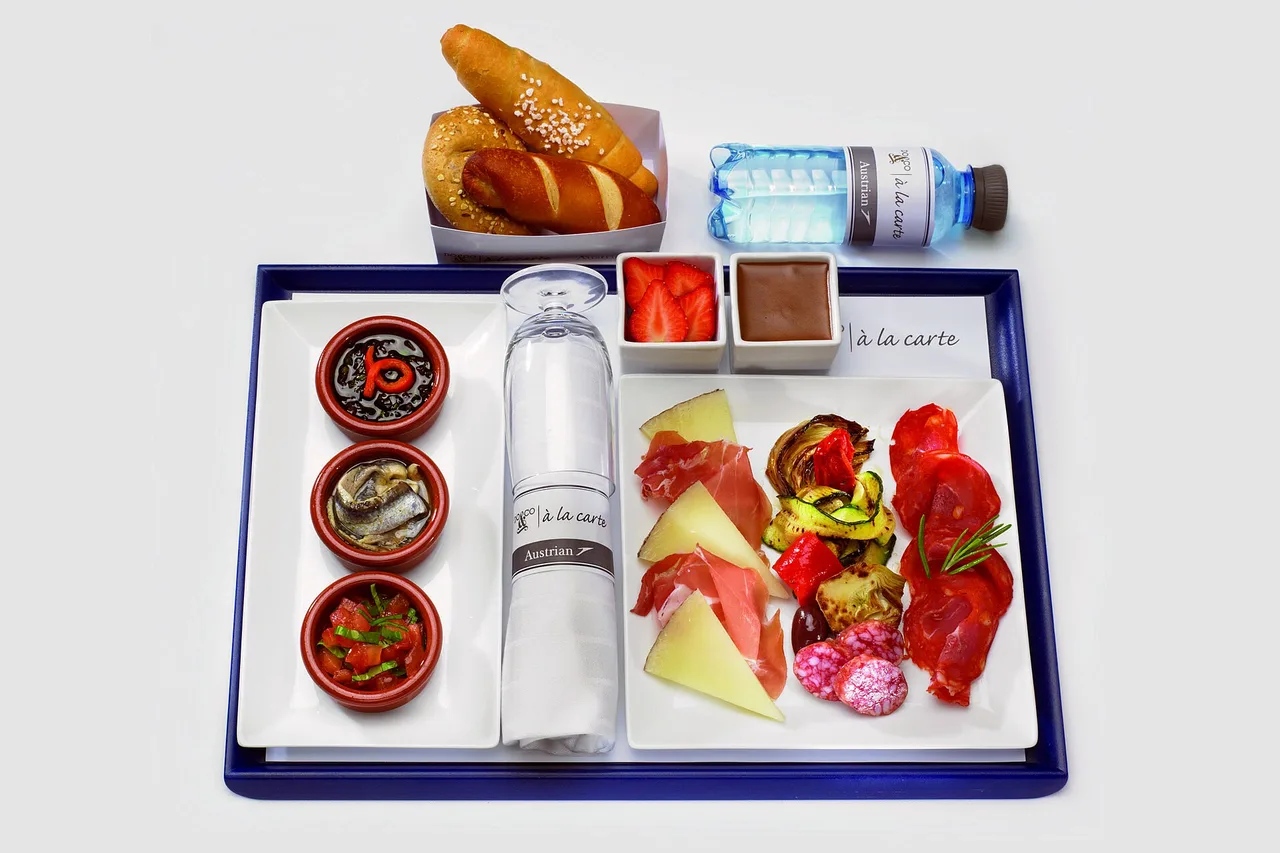
The combination of extremely dry air and low cabin pressure reduces your taste buds' sensitivity to sweet and salty flavors by up to thirty percent. To combat this, airline caterers actually add extra spices and salt to meals so they taste normal to you in the air.
Photo: Austrian Airlines, Wikimedia Commons, CC BY-SA 2.0.
Tap the right answer
Instead of heavy, bulky oxygen tanks, planes carry chemical oxygen generators above the seats. Pulling the mask down triggers a small explosive cap that starts a chemical reaction, heating up sodium chlorate to release fresh oxygen. This reaction is why the masks can smell slightly burnt when activated.
Tap the right answer
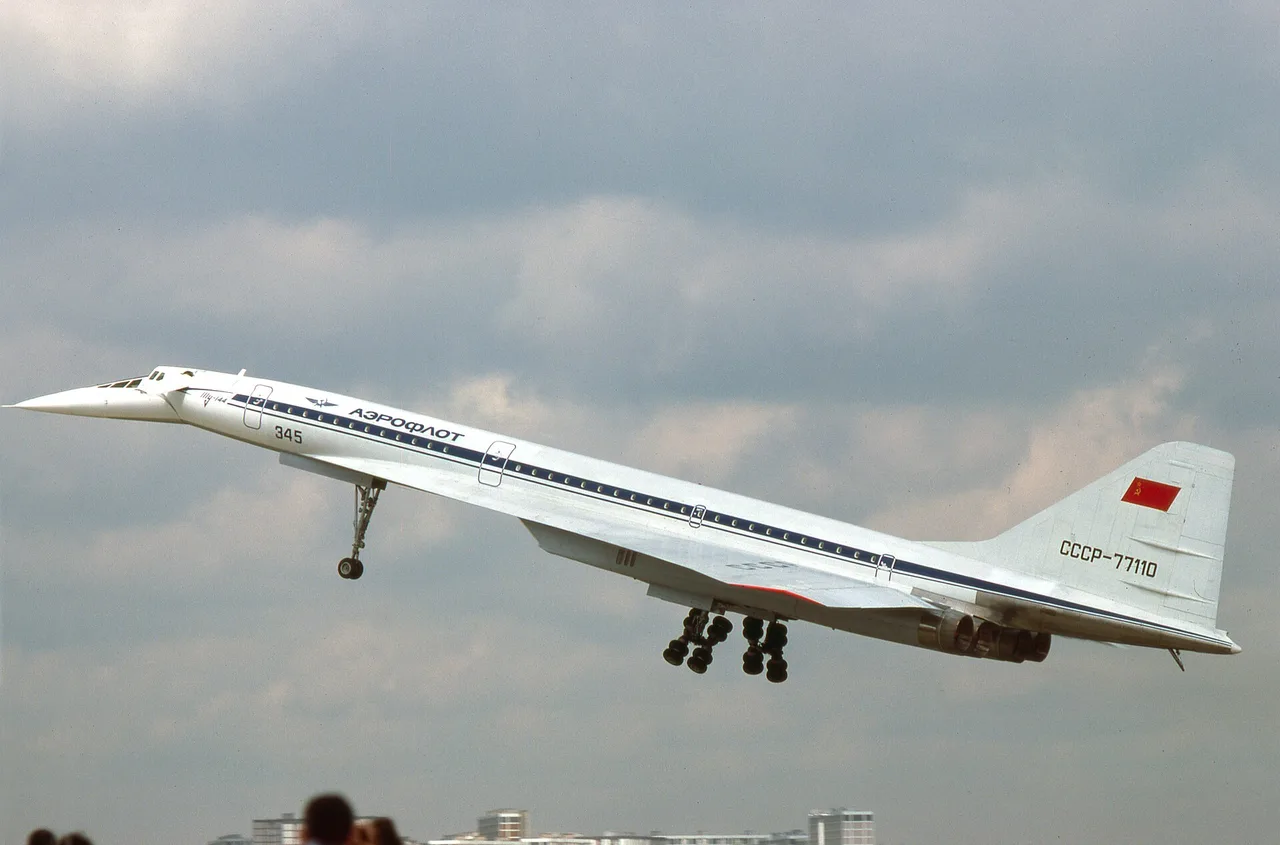
While the Anglo-French Concorde is much more famous, the Soviet Union's Tupolev Tu-144 actually beat it into the air, making its maiden flight on 31 December 1968, about two months before Concorde. Both planes featured a distinctive drooping nose to help pilots see the runway during takeoff and landing.
Photo: clipperarctic, Wikimedia Commons, CC BY-SA 2.0.


Want to make a quiz like this yourself? Do it on Votur, it's free.
Paste the code into your page. The player fits itself in, and every vote counts in Votur.
On WordPress, Ghost or Squarespace? Just paste the link of this page into your post.
This is how it looks
Also fun