 Get app
Step behind the screen and discover the surprising history, quirky facts, and unexpected science of the box that changed our living rooms forever.
Channel Surfer 0–4 · Dedicated Viewer 5–8 · Master of the Screen 9–10

Tap the right answer
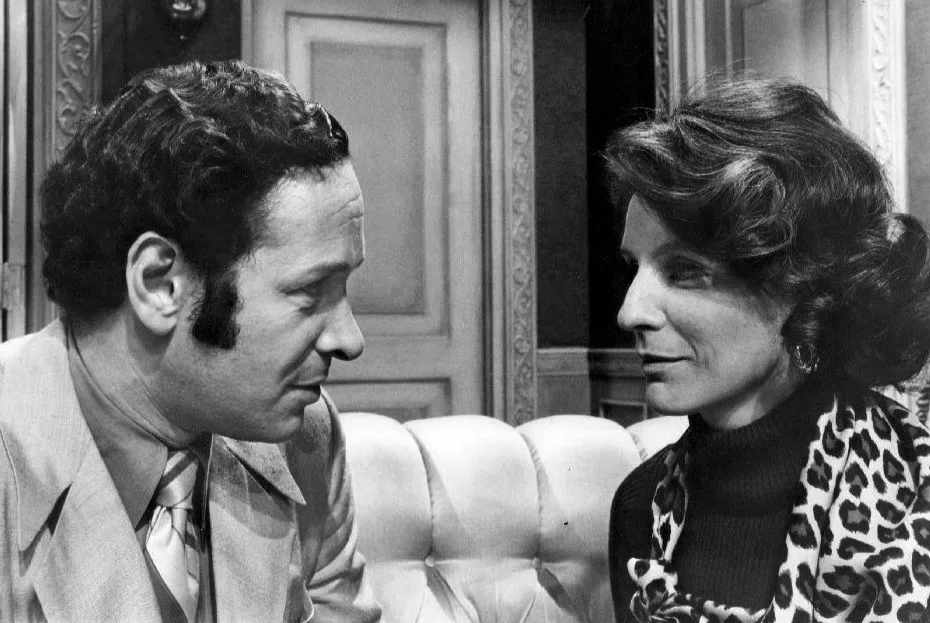
The term was coined because these daytime serial dramas were originally sponsored by soap and detergent companies like Procter & Gamble. The target audience was homemakers working at home during the day, making laundry soap a perfect product to advertise during the commercial breaks.
Photo: ABC Television, Wikimedia Commons, Public domain.
Tap the right answer
The Flintstones debuted in prime time in 1960 and held the record as the most financially successful network animated franchise for three decades. It was a cartoon sitcom for the whole family, set in a Stone Age town full of dinosaur-powered gadgets.

Tap the right answer
Mr. Potato Head became the first toy advertised on television in 1952. The commercial was a massive success, selling more than a million kits in its first year. Back then, the toy didn't come with a plastic body; parents had to provide a real potato or other vegetable for kids to poke the plastic face pieces into.
Photo: c'est la Viva, Wikimedia Commons, CC BY 2.0.
Tap the right answer
The Buggles' hit 'Video Killed the Radio Star' was the first music video shown on MTV when the channel launched on August 1, 1981. The song's title perfectly captured the shift from audio-only entertainment to the visual era of music television.

Tap the right answer
Regis Philbin set the Guinness World Record for the most hours on US television, logging over 16,700 hours on camera. His long career included hosting talk shows and game shows like Who Wants to Be a Millionaire. He kept adding to his own record until he retired in 2011.
Photo: David Shankbone, Wikimedia Commons, CC BY 3.0.
Tap the right answer
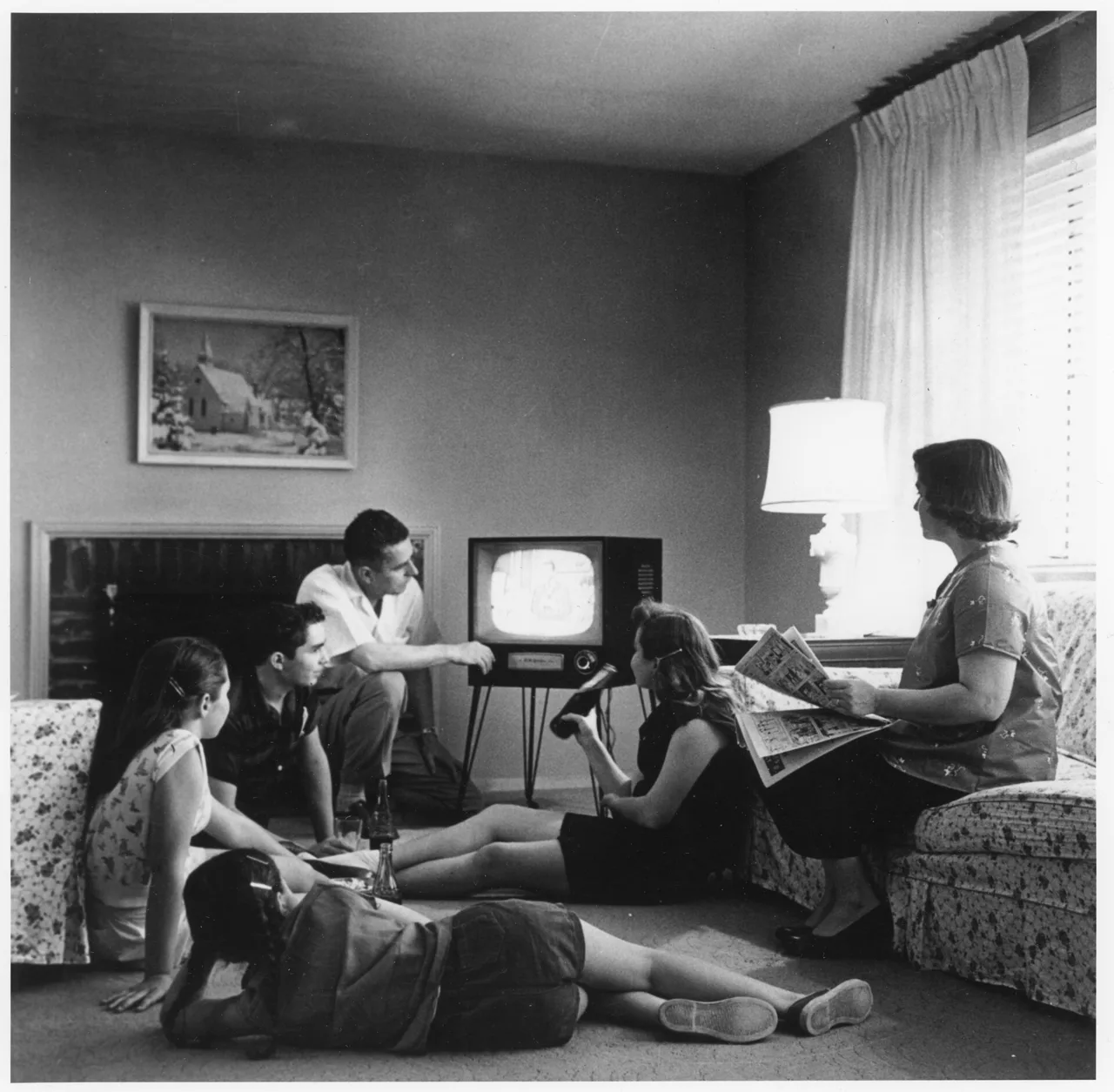
Early television cameras used photoelectric cells that were highly sensitive to blue and green but barely registered red. Normal red lipstick and rosy cheeks barely showed up, leaving faces looking flat. Green makeup and black lipstick ensured features actually looked natural in black and white.
Photo: Evert F. Baumgardner, Wikimedia Commons, Public domain.
Tap the right answer
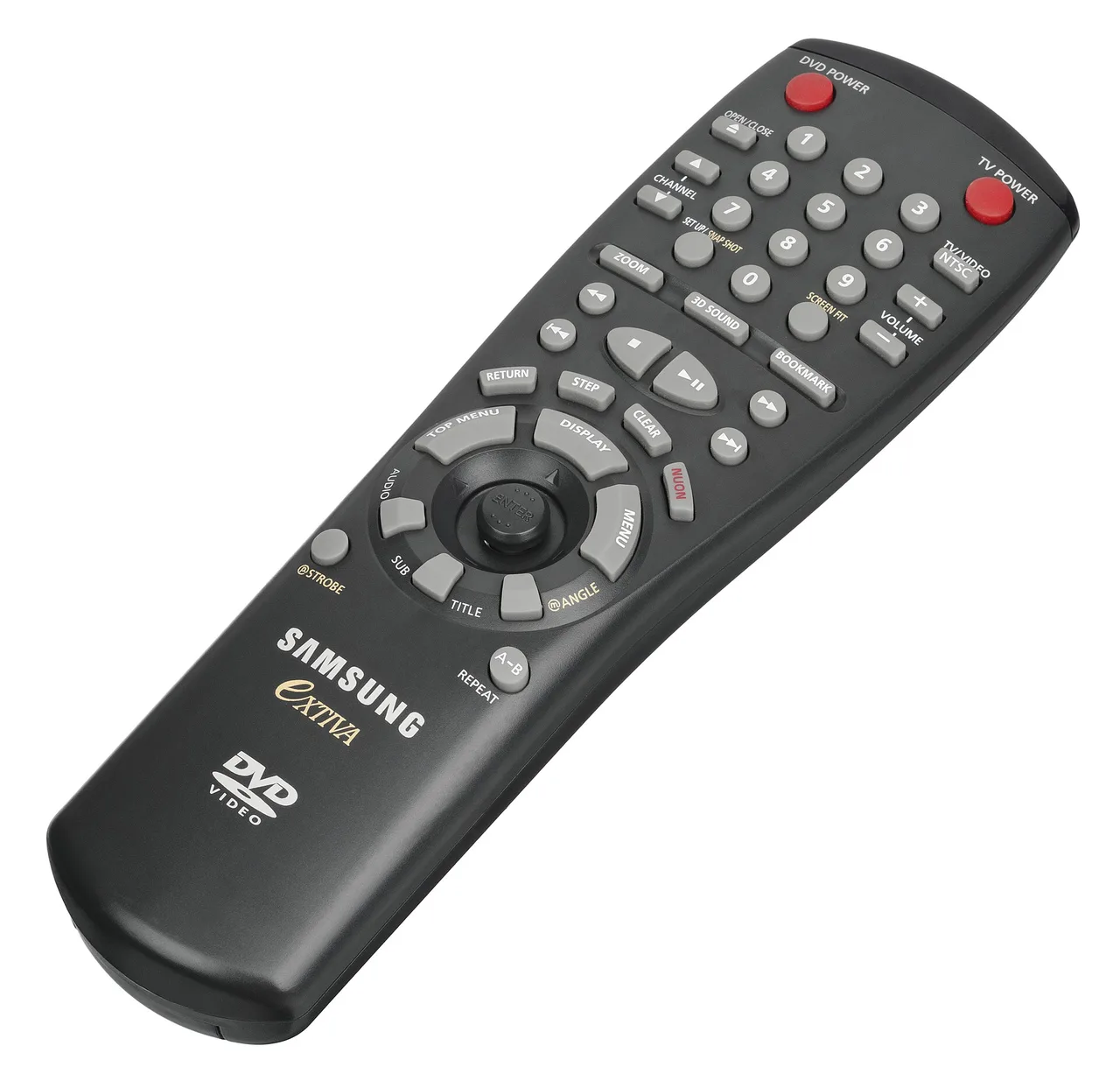
The Space Command remote used no batteries at all. Pressing a button struck a small metal bar inside the remote, which produced an ultrasonic click that only the television receiver could hear. A major drawback was that clinking keys or dog collars could accidentally change the channel.
Photo: Evan-Amos, Wikimedia Commons, Public domain.
Tap the right answer
Test cards allowed viewers and technicians to manually calibrate their television sets for focus, contrast, and color balance. They were broadcast at times when no programs were running, often accompanied by a steady tone or instrumental music. Some stations even used photos of employees' children as their test cards.
Tap the right answer
The BBC launched what it called the world's first regular high-definition television service from Alexandra Palace in London in November 1936. At the time, 'high definition' meant a resolution of just 240 to 405 lines, which is a tiny fraction of the detail we see on modern high-definition screens.
Tap the right answer
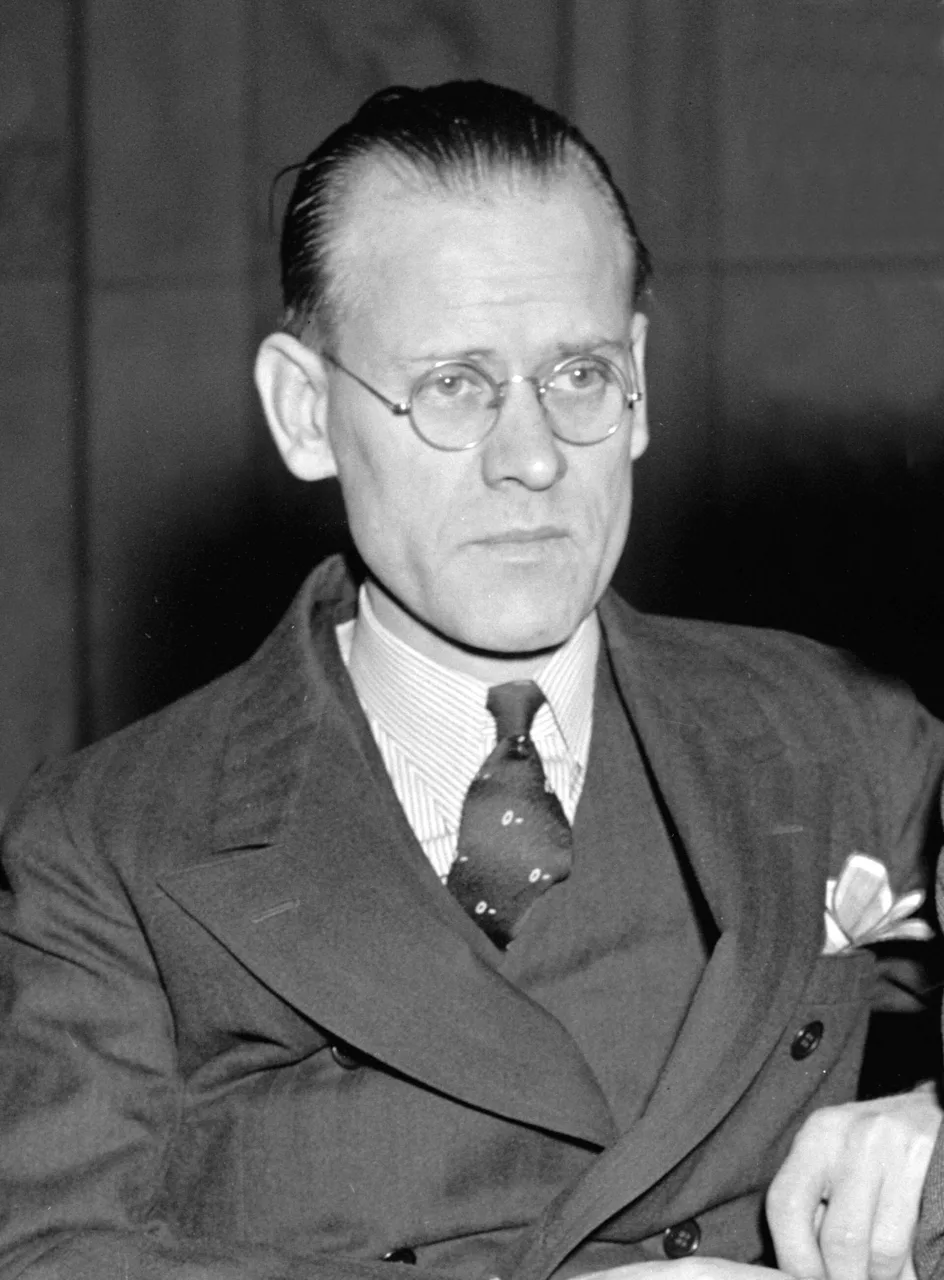
In San Francisco in 1927, Farnsworth transmitted his first electronic image: a simple straight line. Later he famously sent a dollar sign, after an investor asked when the invention would start making money. He came up with the idea of scanning a picture line by line as a teenager, while working a field in neat parallel rows.
Photo: Harris & Ewing, Wikimedia Commons, Public domain.


Want to make a quiz like this yourself? Do it on Votur, it's free.
Paste the code into your page. The player fits itself in, and every vote counts in Votur.
On WordPress, Ghost or Squarespace? Just paste the link of this page into your post.
This is how it looks
Also fun