Get app
Embark on a journey across Europe to discover the birthplaces, homes, and legendary laboratories of the continent's greatest scientific minds!
Lab Newcomer 0–4 · Curious Researcher 5–8 · Brilliant Mind 9–10
Pick one

Marie Curie remains the only person in history to claim Nobel Prizes in two different sciences. She shared the 1903 Nobel Prize in Physics for her work on radiation, and won the 1911 Nobel Prize in Chemistry for discovering radium and polonium. Surprisingly, her personal notebooks are still so radioactive today that they must be kept in lead-lined boxes.
Photo: Henri Manuel, Wikimedia Commons, Public domain.
Pick one
Alfred Nobel patented dynamite in 1867, which revolutionized construction, mining, and warfare. When his brother died, a French newspaper mistakenly printed Alfred's obituary, calling him the 'merchant of death.' Horrified by how he would be remembered, Nobel decided to leave his vast wealth to establish the Nobel Prizes.
Photo: Wikimedia Commons, Public domain.
Pick one
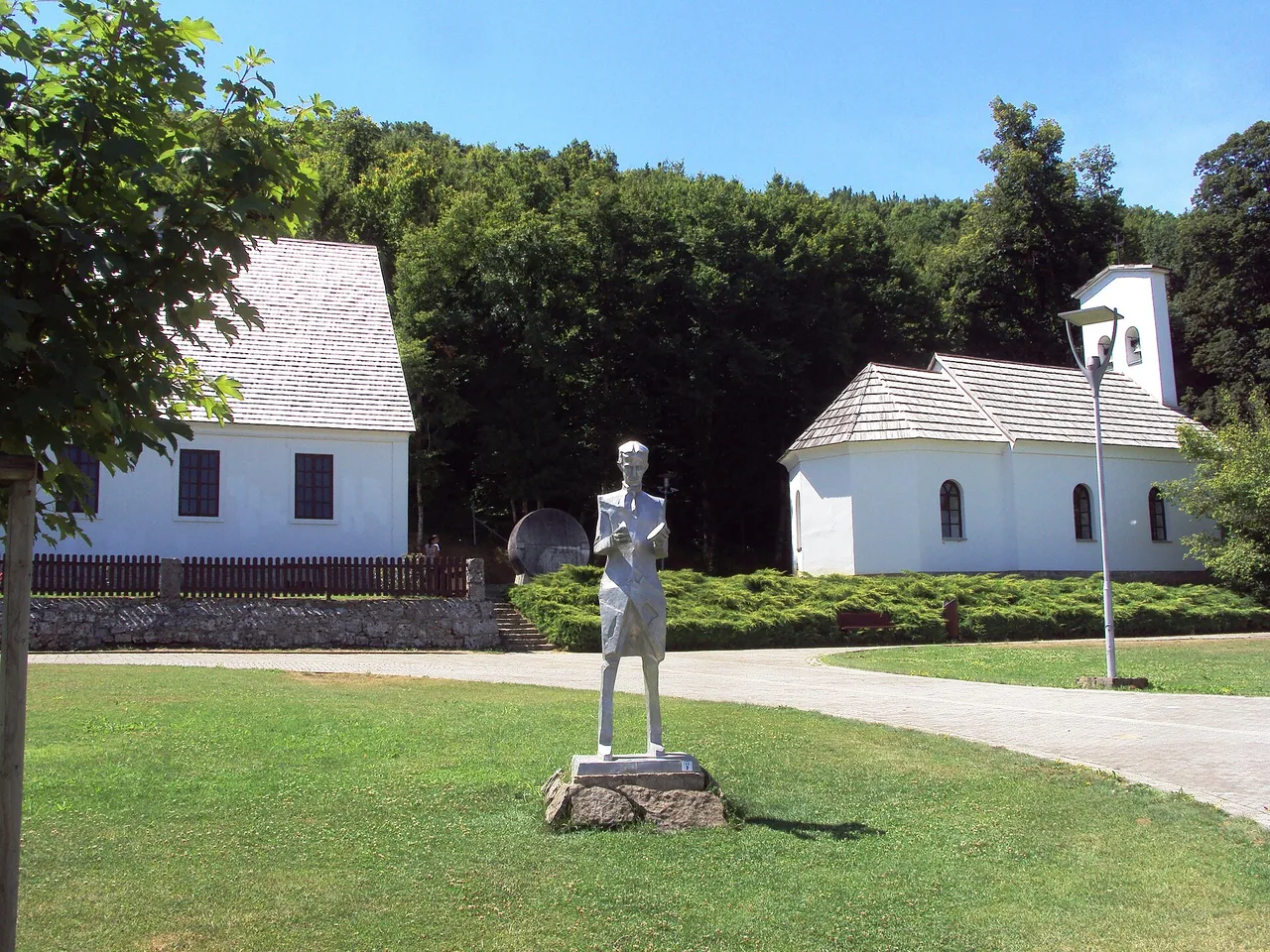
Nikola Tesla was born around midnight during a fierce lightning storm in modern-day Croatia. The midwife reportedly called it a bad omen and said he would be a child of darkness, but his mother replied, 'No, he will be a child of light.' He went on to dedicate his life to mastering electricity and wireless technologies.
Photo: Fraxinus, Wikimedia Commons, CC BY-SA 4.0.
Pick one
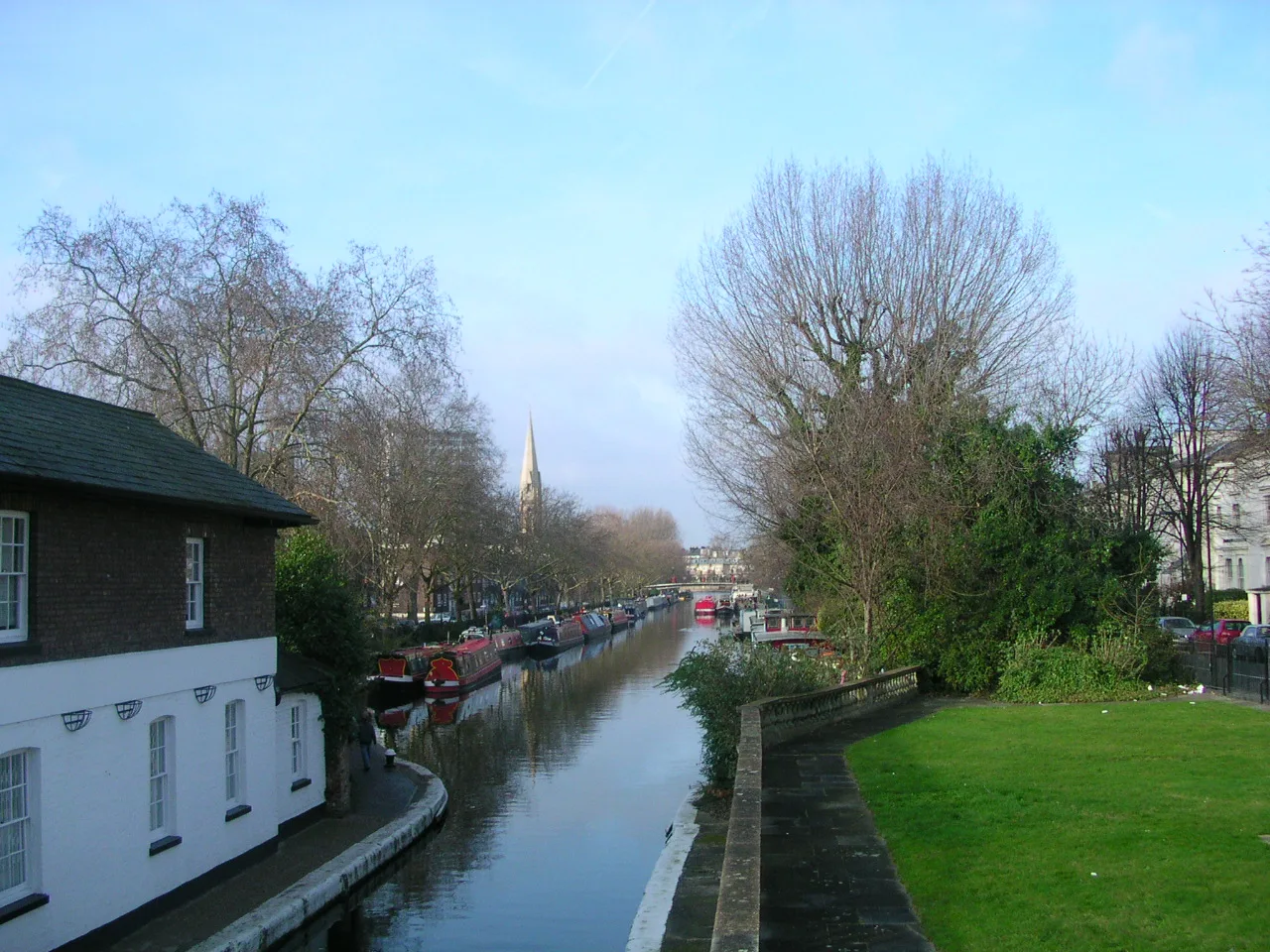
Alan Turing led the team at Bletchley Park that developed the Bombe, a device that drastically sped up the decryption of German Enigma messages. Historians think the codebreakers' work shortened the war by years. Despite his heroism, Turing was prosecuted for his homosexuality in 1952 and received a royal pardon only posthumously in 2013.
Photo: Wikimedia Commons, Public domain.
Pick one
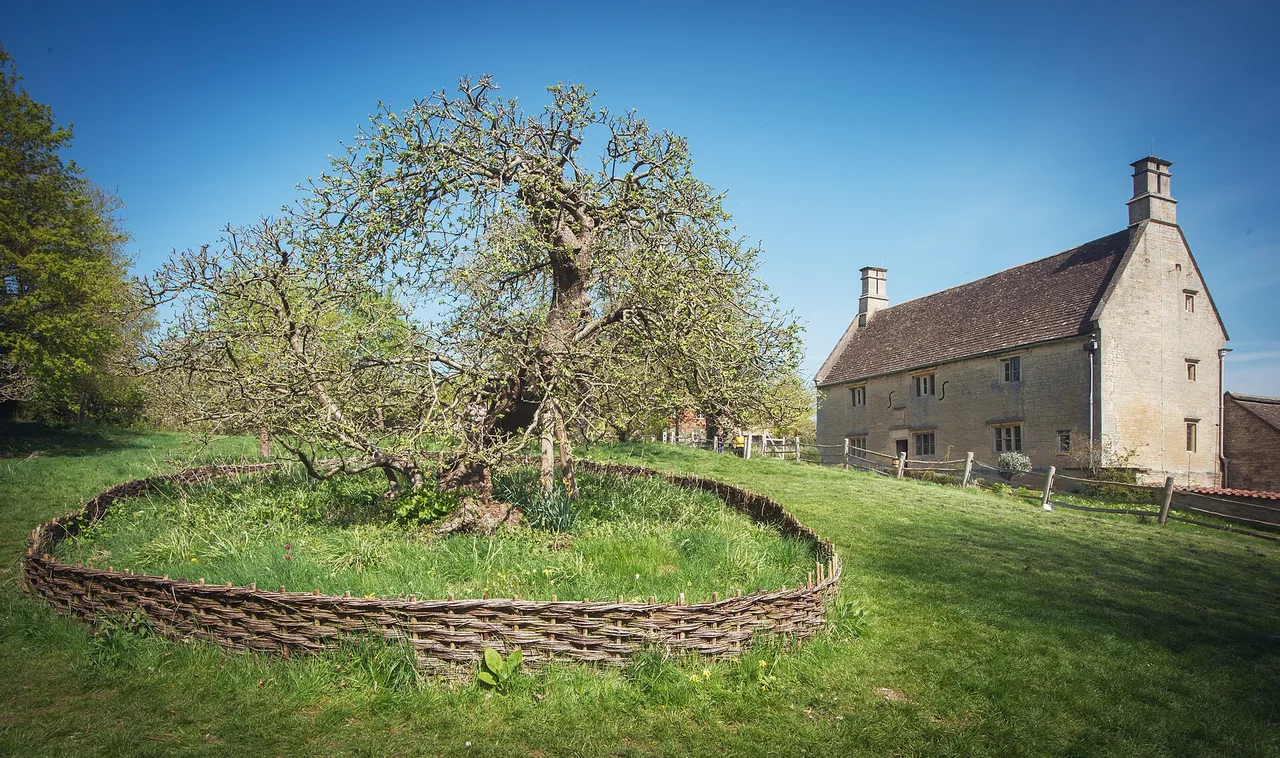
In 1696, Isaac Newton became Warden, and later Master, of the Royal Mint. He took this job very seriously, actively prosecuting counterfeiters and even going undercover to gather evidence. During his tenure, he oversaw the massive project of recalling and re-coining all of England's silver currency.
Photo: Godfrey Kneller, Wikimedia Commons, Public domain.
Pick one
Ada Lovelace wrote the first algorithm intended to be carried out by a machine, specifically Charles Babbage's planned Analytical Engine. She realized the machine could do more than just pure math, predicting it could create music and art. Sadly, the engine was never fully built during her lifetime.
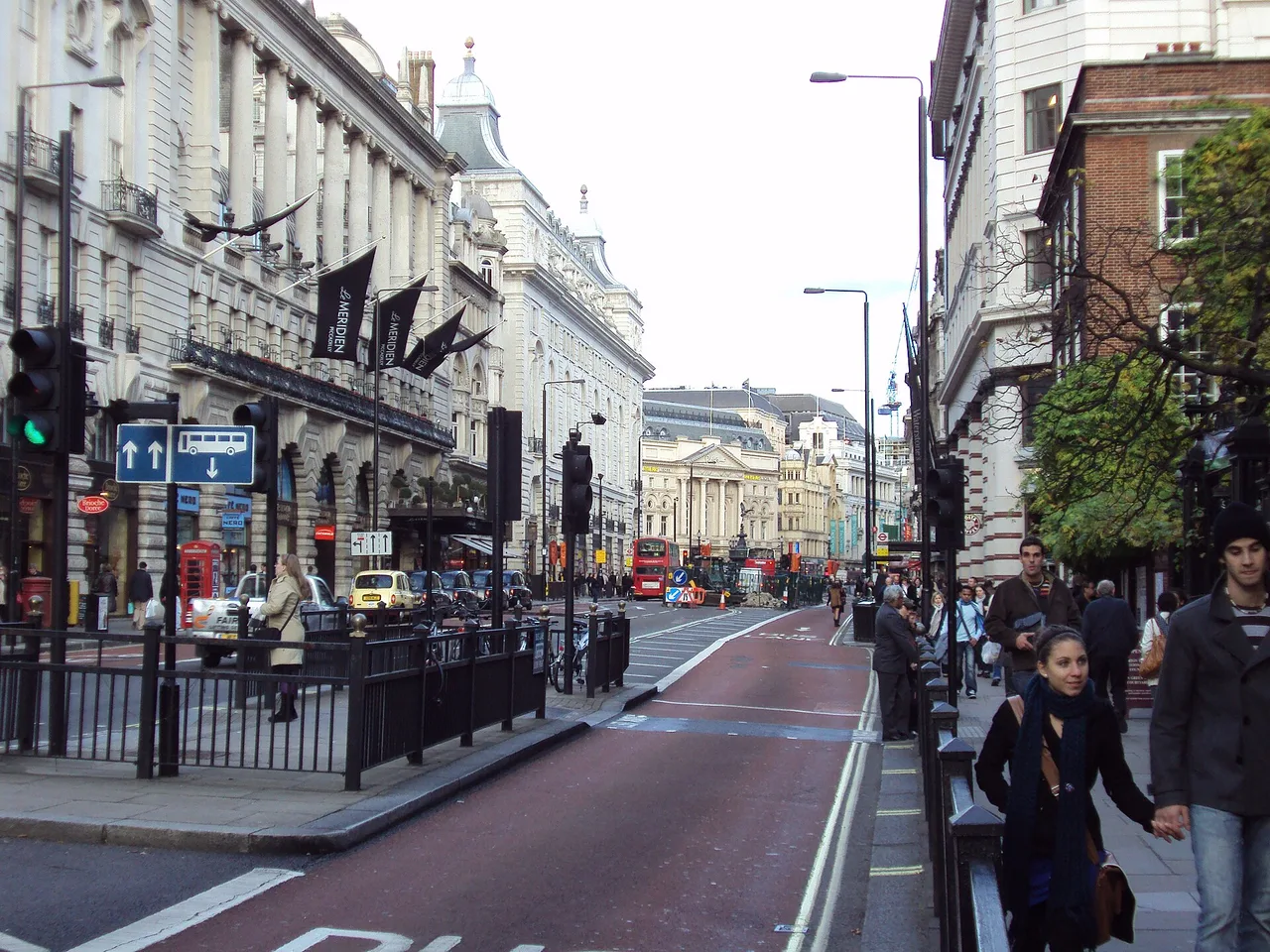
Photo: Bruno Barral (ByB), Wikimedia Commons, CC BY-SA 2.5.
Pick one
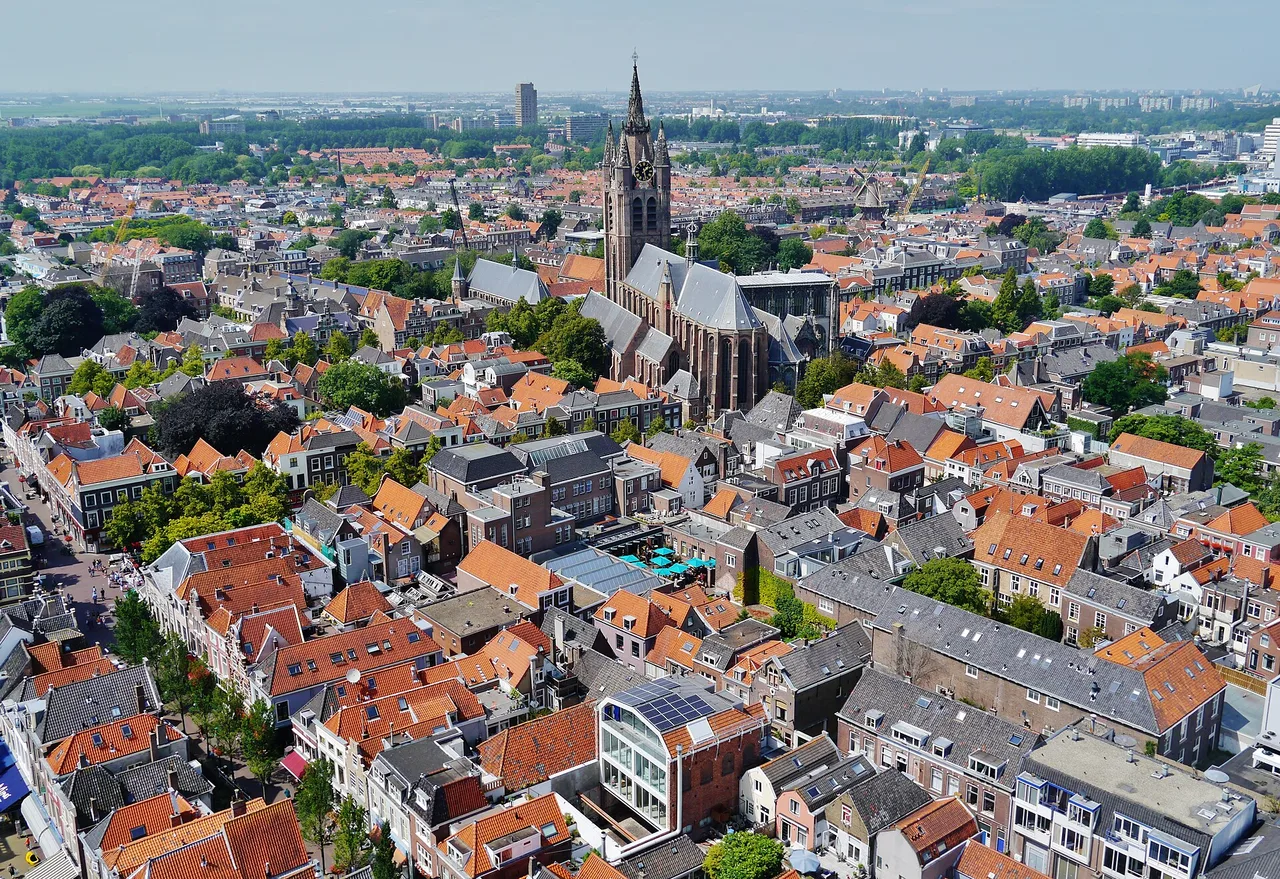
Antonie van Leeuwenhoek was a Dutch fabric merchant who wanted a better way to inspect the quality of threads. This led him to make incredibly powerful single-lens microscopes. Using his secret lens-making techniques, he became the first person to see bacteria and other tiny single-celled creatures.
Photo: Jan Verkolje, Wikimedia Commons, Public domain.
Pick one
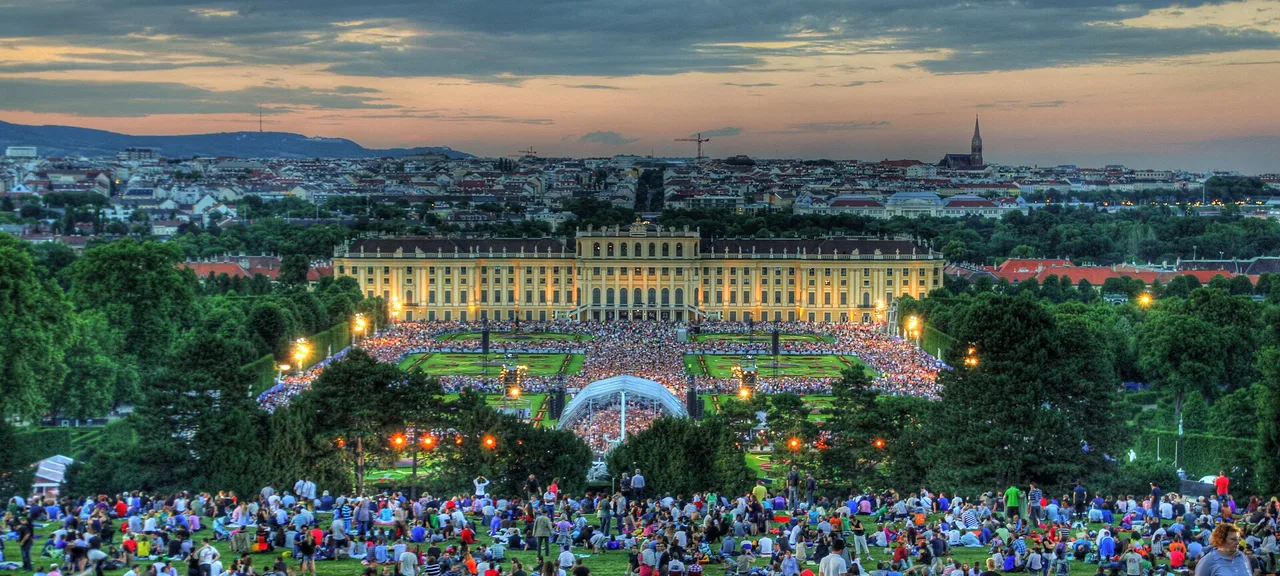
Niels Bohr was a passionate footballer and played in goal for Akademisk Boldklub in Copenhagen. His younger brother Harald was an even better player: he won an Olympic silver medal with Denmark in 1908. Niels went on to win the 1922 Nobel Prize in Physics for his model of the atom.
Pick one
Schrödinger created his famous cat paradox to highlight what he saw as the absurdity of the Copenhagen interpretation, which suggests particles exist in all possible states until observed. In his scenario, a cat in a box is simultaneously alive and dead until the box is opened. Ironically, it became the most famous symbol of the theory he sought to challenge.
Photo: Wikimedia Commons, Public domain.
Pick one
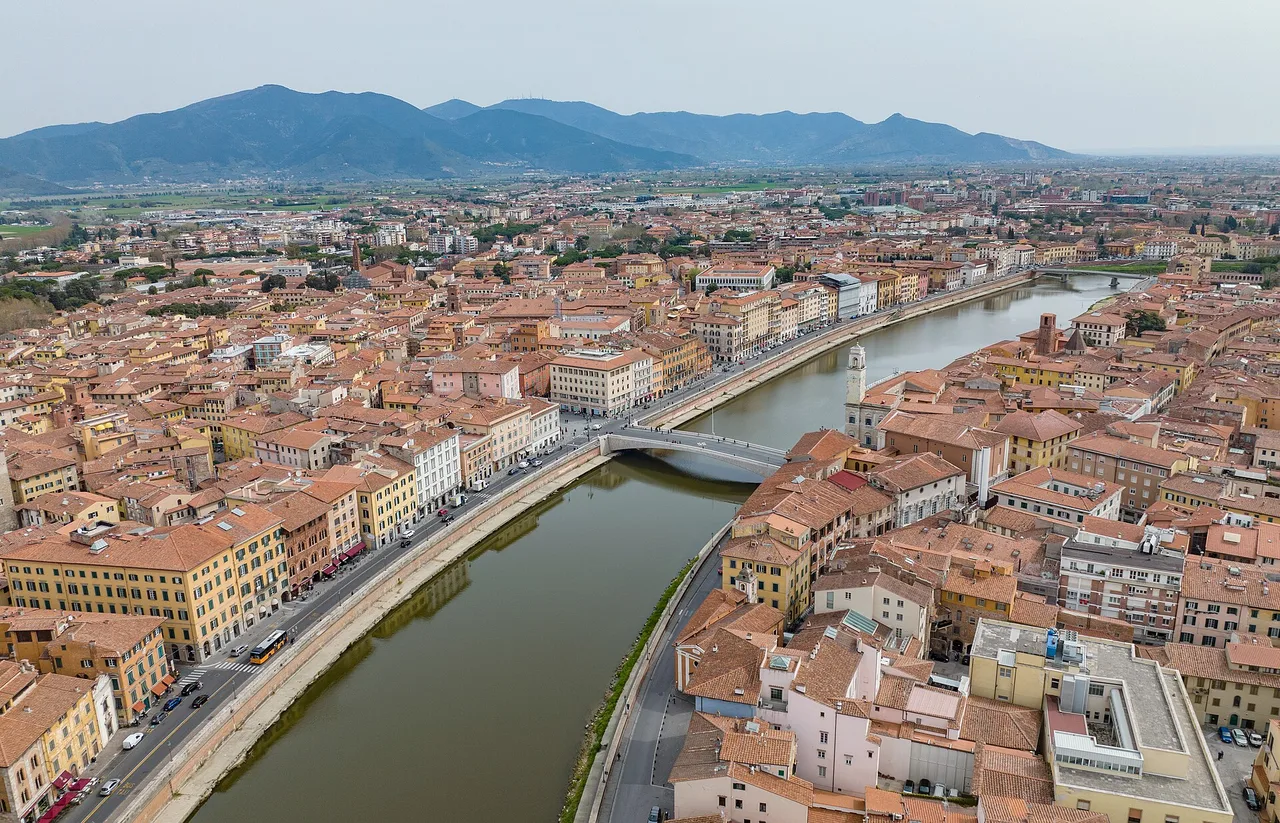
In 1610, Galileo turned his telescope toward Jupiter and spotted four small objects orbiting it. These are now known as the Galilean moons: Io, Europa, Ganymede, and Callisto. This discovery proved that not everything in the universe revolves around the Earth, which eventually got him into deep trouble with the Roman Inquisition.
Photo: Justus Sustermans, Wikimedia Commons, Public domain.


Paste the code into your page. The player fits itself in, and every vote counts in Votur.
On WordPress, Ghost or Squarespace? Just paste the link of this page into your post.
This is how it looks
Also fun