Get app
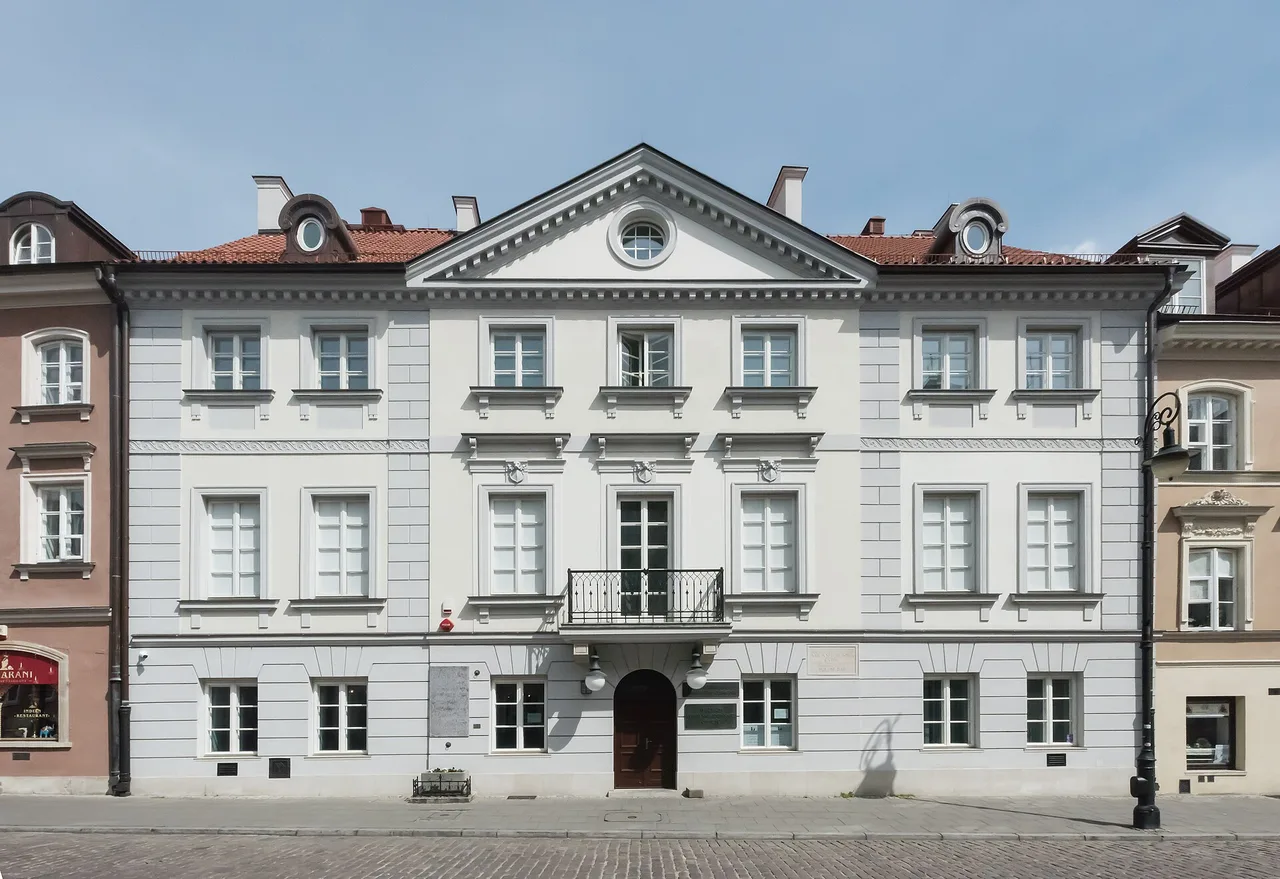
 Photo: Hidalgo944, Wikimedia Commons, CC BY-SA 4.0.
Step into the glowing story of electric light! Test your knowledge on the brilliant minds, accidental discoveries, and scientific breakthroughs that banished the darkness from our homes.
Curious Spark 0–4 · Bright Explorer 5–8 · Master of Illumination 9–10
Pick one

Before electric lights, people regularly practiced segmented sleep, waking up for an hour or two in the middle of the night to read, pray, or socialize. The availability of cheap, bright artificial light pushed bedtimes later and consolidated sleep into a single block.
Pick one
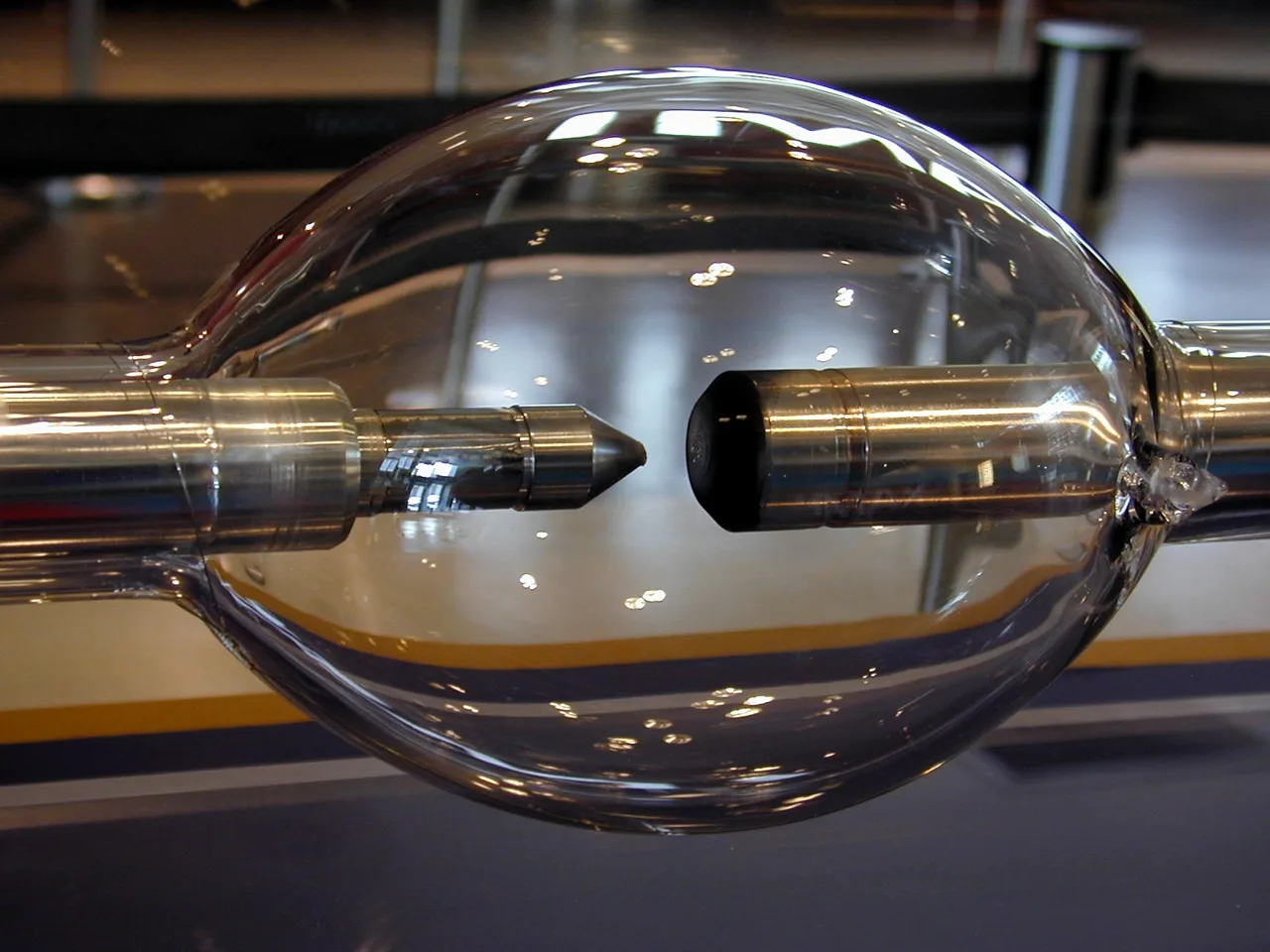
In the early 1800s, Humphry Davy made a dazzling arc of light jump between two charcoal sticks, powered by a giant battery of about 2,000 cells. His carbon arc light is often called the first practical electric light, but it was far too bright and power-hungry for ordinary homes.
Photo: I attest that I am the copyright holder for this image and I release it for use , Wikimedia Commons, CC BY 2.5.
Pick one
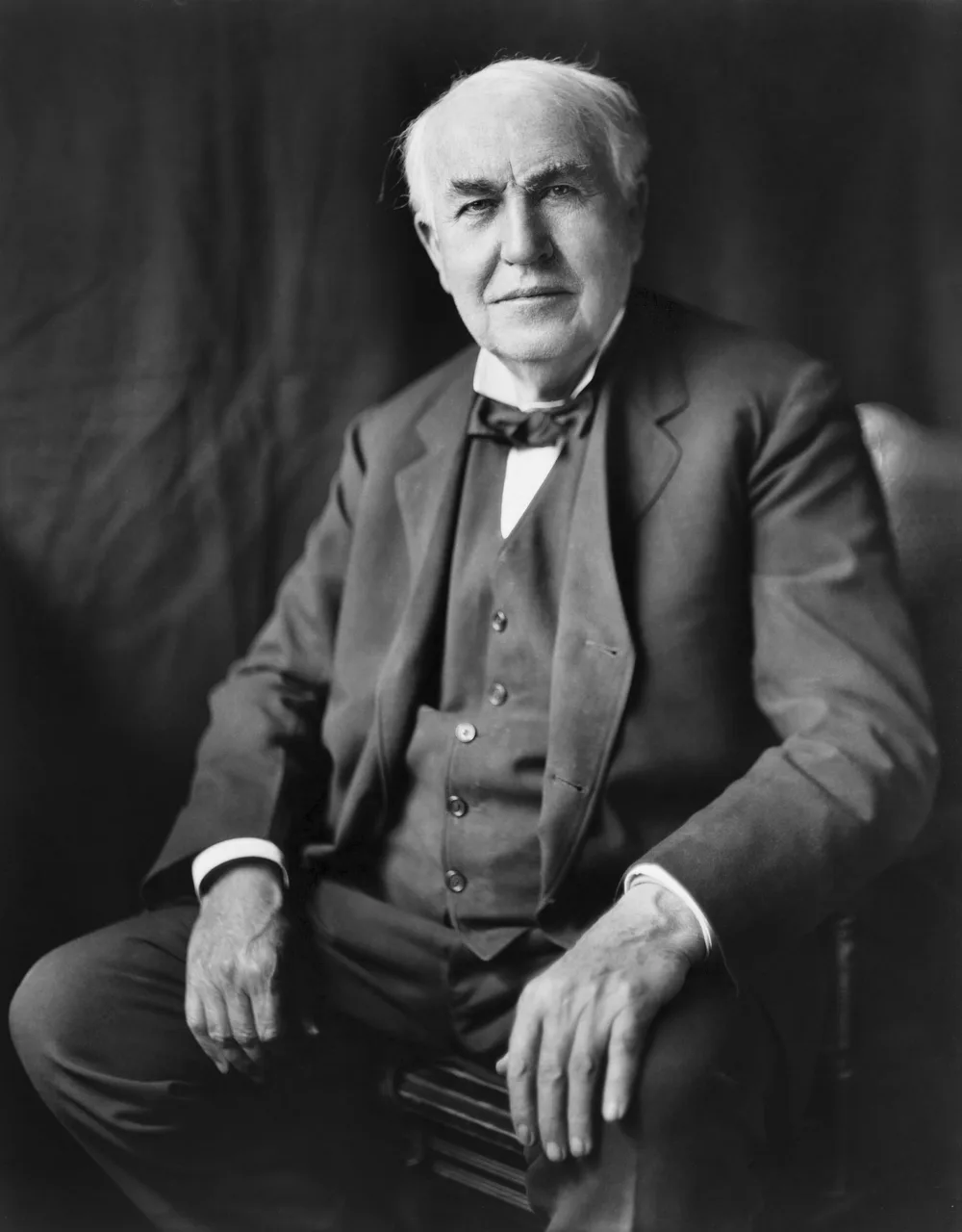
Thomas Edison tested thousands of materials before succeeding with carbonized cotton thread in October 1879. That fragile filament glowed for about thirteen and a half hours. Edison soon switched to carbonized bamboo, which lasted far longer and made his bulbs practical for everyday homes.
Photo: Louis Bachrach, Bachrach Studios, restored by Michel Vuijlsteke, Wikimedia Commons, Public domain.
Pick one
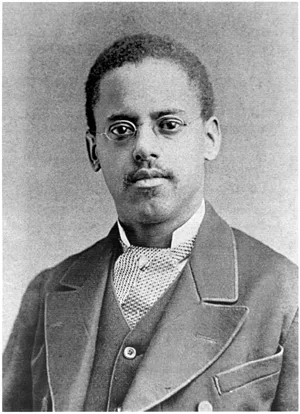
Lewis Latimer improved the making of carbon filaments by protecting them in cardboard envelopes while they were baked. This kept the fragile filaments from breaking during manufacturing, which made light bulbs cheaper to produce and longer-lasting for everyday use in homes.
Photo: Wikimedia Commons, Public domain.
Pick one
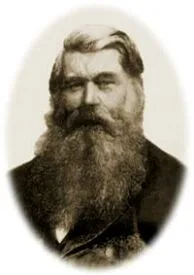
Joseph Swan developed his own working light bulb in England and received a British patent in 1880. To avoid a costly legal battle over who invented the bulb first, Edison and Swan merged their British operations to form the famous Edison and Swan Electric Light Company.
Photo: The original uploader was Maximus Rex at English Wikipedia., Wikimedia Commons, Public domain.
Pick one
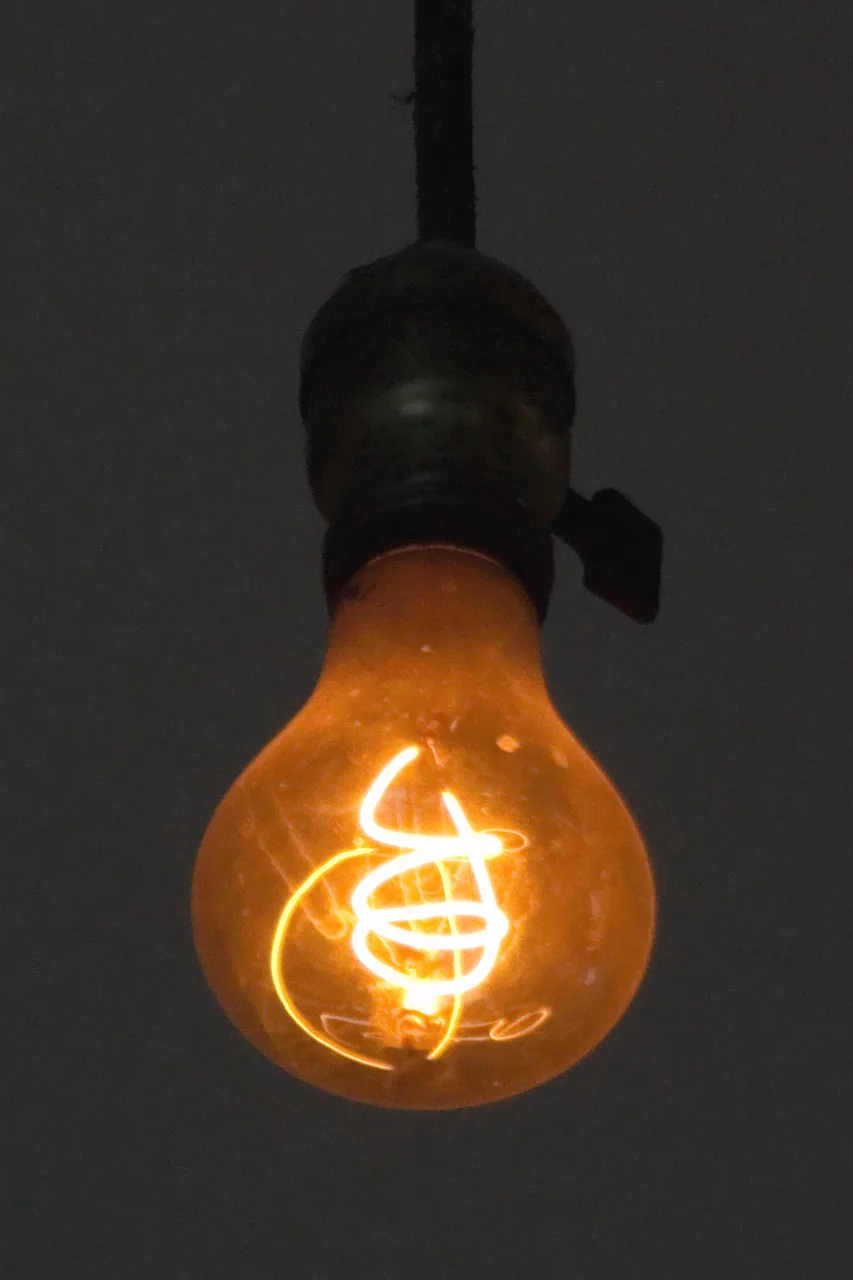
The Centennial Light has been burning since 1901 at a fire station in Livermore, California. It has survived multiple power outages and relocations, and its incredible longevity is attributed to its thick carbon filament and low operating wattage.
Photo: LPS.1, Wikimedia Commons, CC0.
Pick one
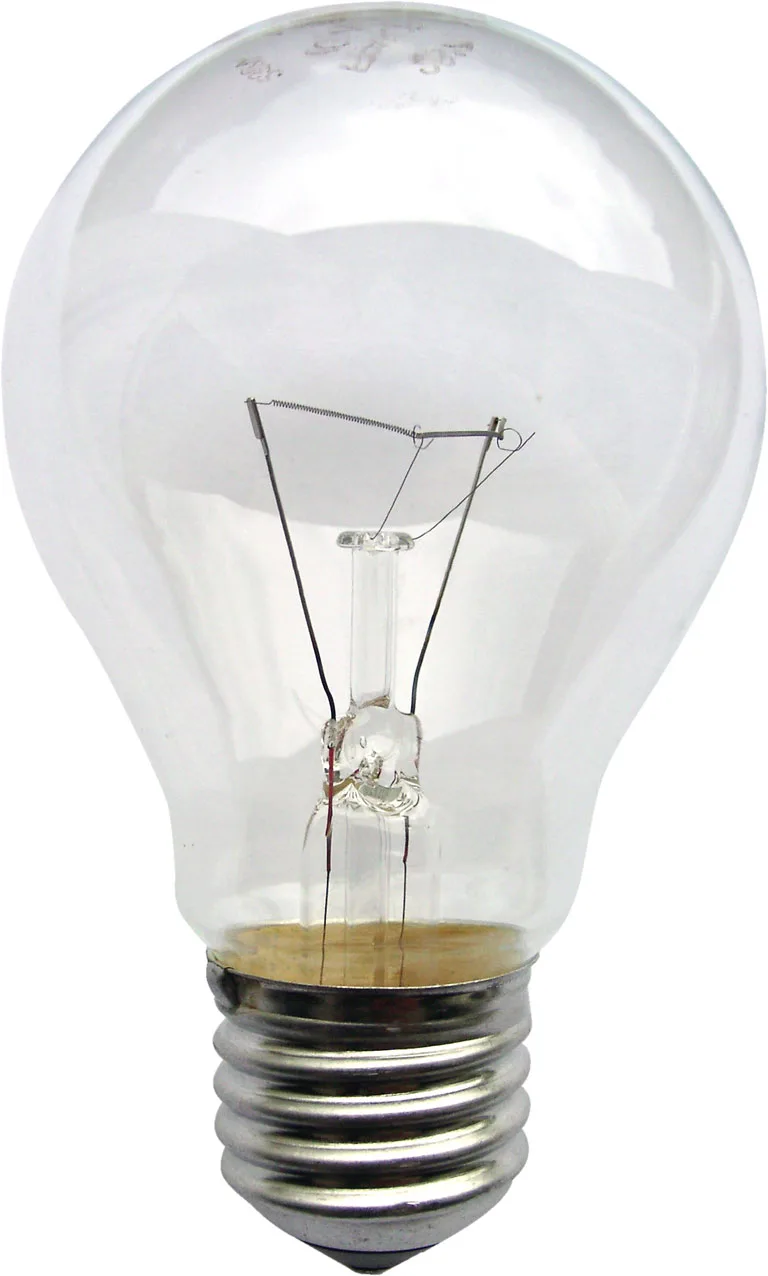
The E stands for Edison, who designed the screw base, while the number 26 indicates that the base is exactly 26 millimeters in diameter. This standard size is used across North America, while Europe commonly uses the slightly larger E27 base.
Photo: KMJ, Wikimedia Commons, CC BY-SA 3.0.
Pick one
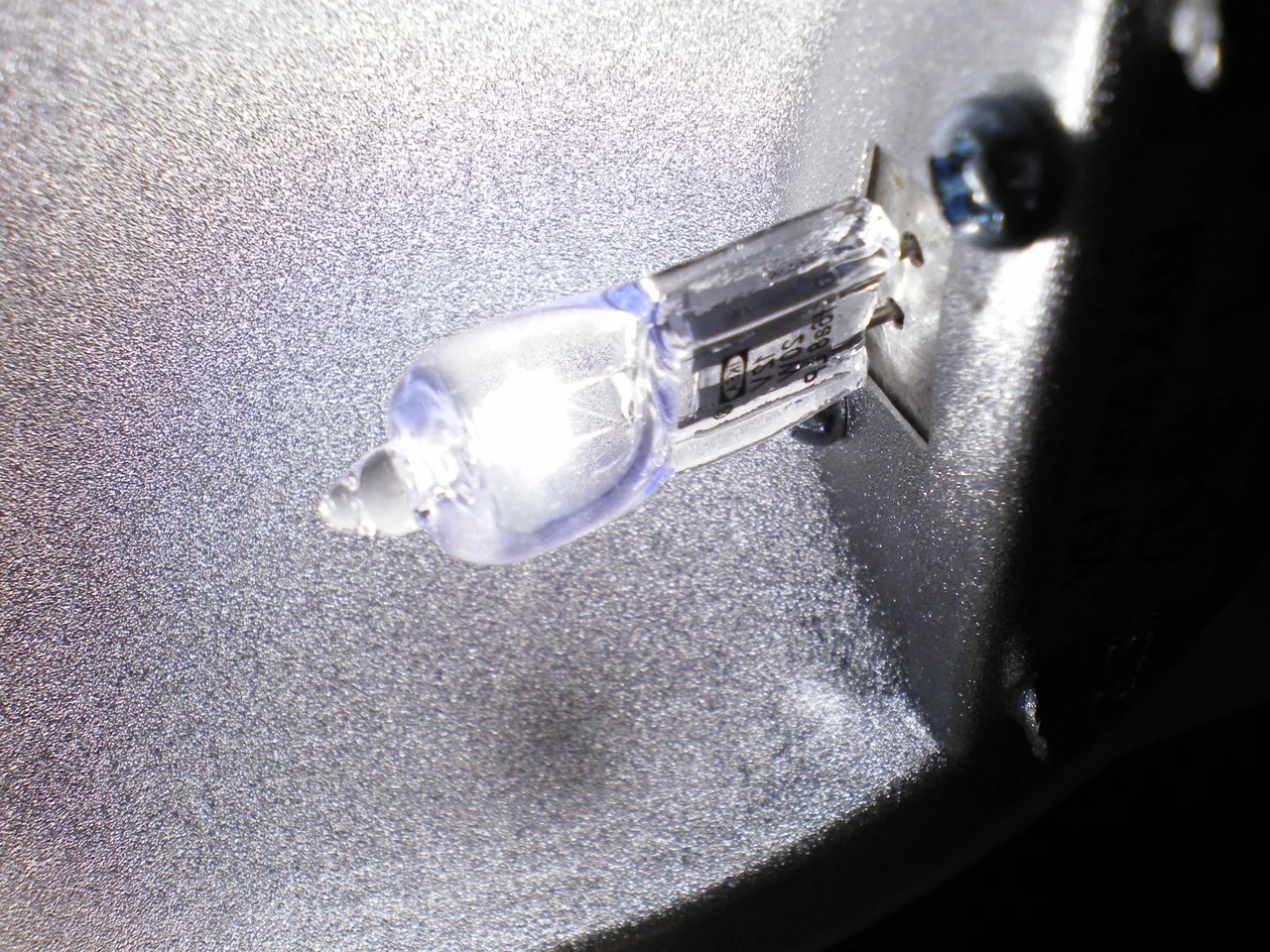
Halogen bulbs contain a small amount of a halogen gas like iodine or bromine. This gas chemically reacts with the evaporated tungsten, carrying it back to the hot filament in a continuous cycle that keeps the bulb clean and allows it to run at higher temperatures.
Photo: CoolKoon, Wikimedia Commons, Public domain.
Pick one
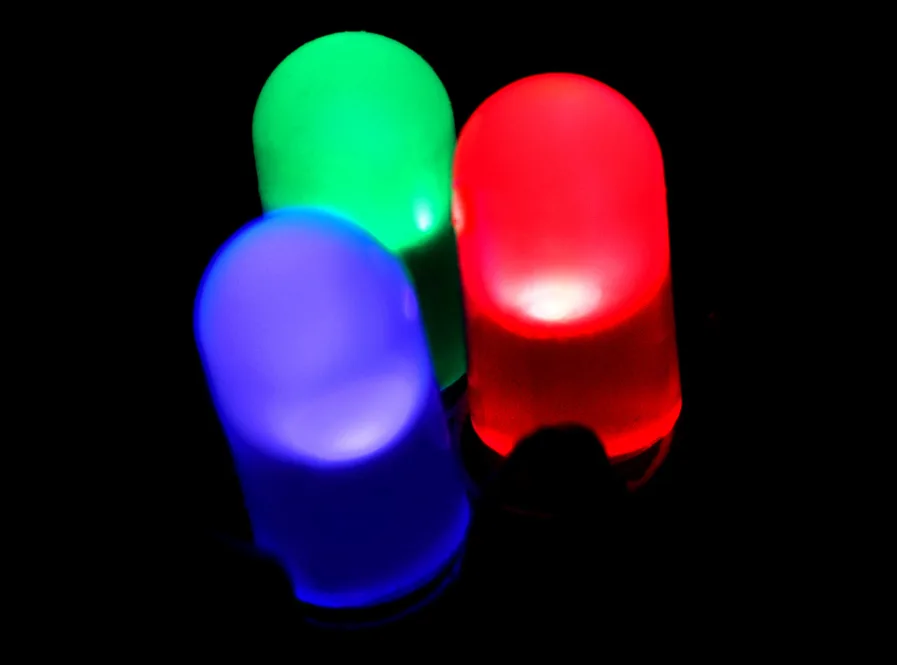
Shuji Nakamura, Isamu Akasaki, and Hiroshi Amano won the 2014 Nobel Prize in Physics for developing gallium nitride crystals. This breakthrough allowed the creation of bright blue LEDs, which could finally be combined with red and green to produce white light.
Photo: PiccoloNamek, Wikimedia Commons, CC BY-SA 3.0.
Pick one
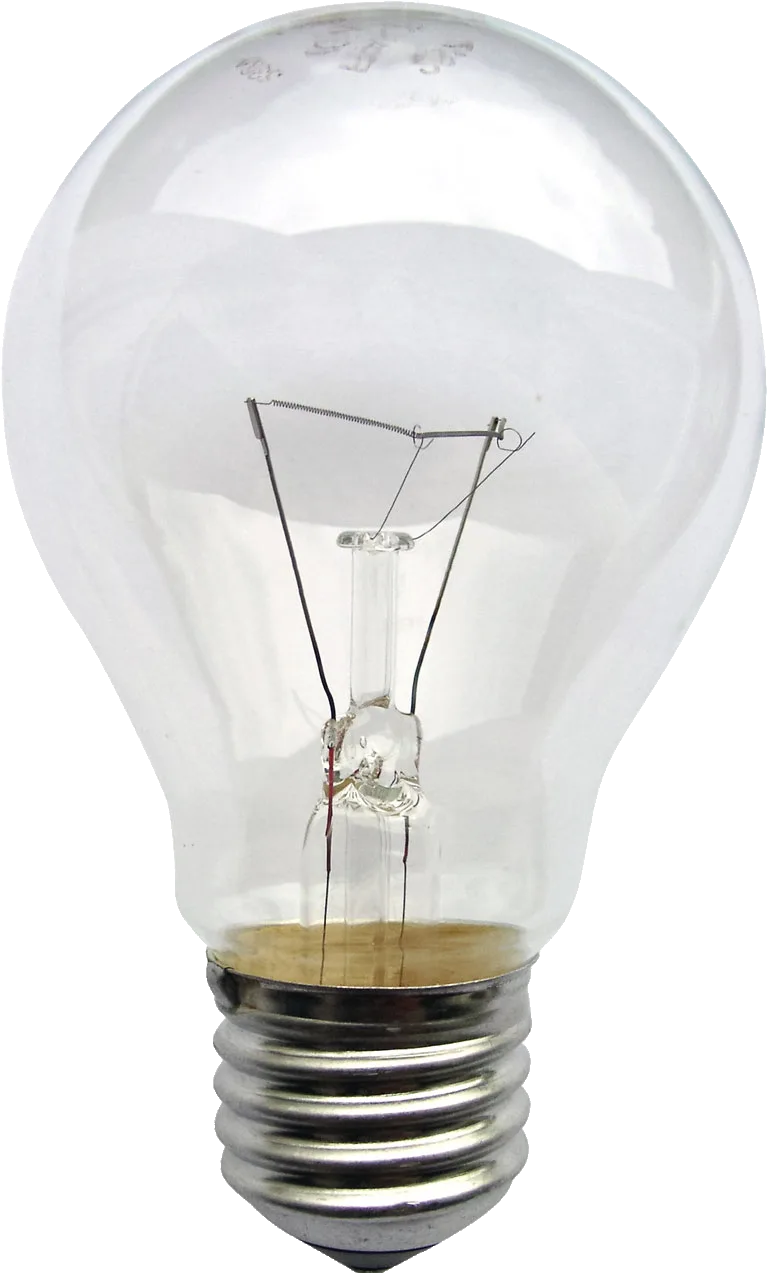
Most modern incandescent bulbs are filled with a mixture of argon and nitrogen. This inert gas pressure slows down the evaporation of the tungsten filament, which keeps the glass from turning black and significantly extends the lifespan of the bulb.
Photo: KMJ, alpha masking by Edokter, Wikimedia Commons, CC BY-SA 3.0.


Paste the code into your page. The player fits itself in, and every vote counts in Votur.
On WordPress, Ghost or Squarespace? Just paste the link of this page into your post.
This is how it looks
Also fun