Get app
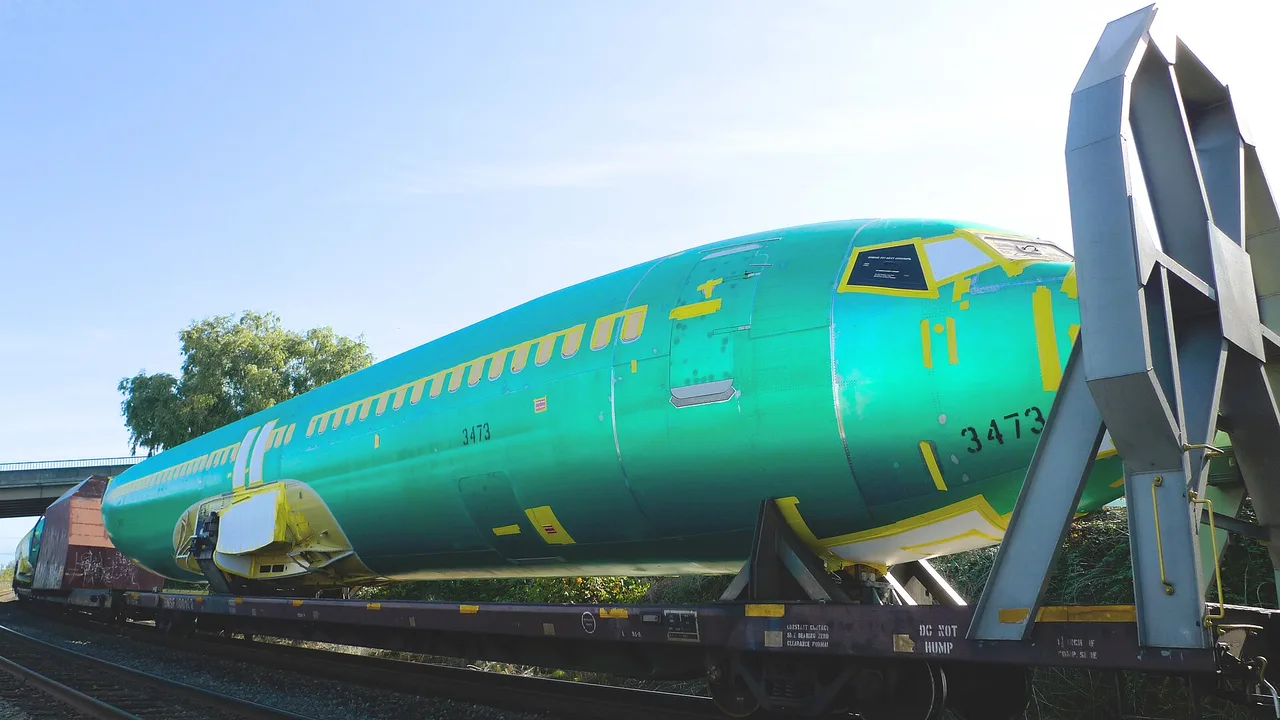
 Photo: Petar Milošević, Wikimedia Commons, CC BY-SA 4.0.
Step back into the era that changed the world! Test your knowledge on the inventors, mechanics, and incredible machines that powered the Industrial Revolution and shaped our modern life.
Coal Shoveler 0–4 · Steam Fitter 5–8 · Master Machinist 9–10
Pick one

Watt needed a clear way to explain the strength of his engines to potential buyers, who were accustomed to using horses for heavy labor. After measuring the work done by working horses, he estimated that one horse could pull 33,000 foot-pounds per minute. This brilliant marketing strategy allowed factory owners to easily understand exactly how many draft animals a single engine could replace.
Pick one
Early industrial factories relied heavily on water wheels, which required mills to be built next to fast-flowing rivers in remote areas. The steam engine liberated manufacturing, allowing factories to be built in urban areas close to ports, labor forces, and major markets.

Photo: Spike, Wikimedia Commons, CC BY-SA 4.0.
Pick one
Introduced in 1712, Newcomen's engine was specifically designed to pump water out of flooded coal mines. Before this invention, miners relied on expensive teams of horses to haul water buckets up. Surprisingly, these early engines were incredibly inefficient, consuming massive amounts of coal, but because they were situated directly at coal mines, fuel was cheap and readily available.
Photo: Emoscopes, Wikimedia Commons, CC BY 2.5.
Pick one
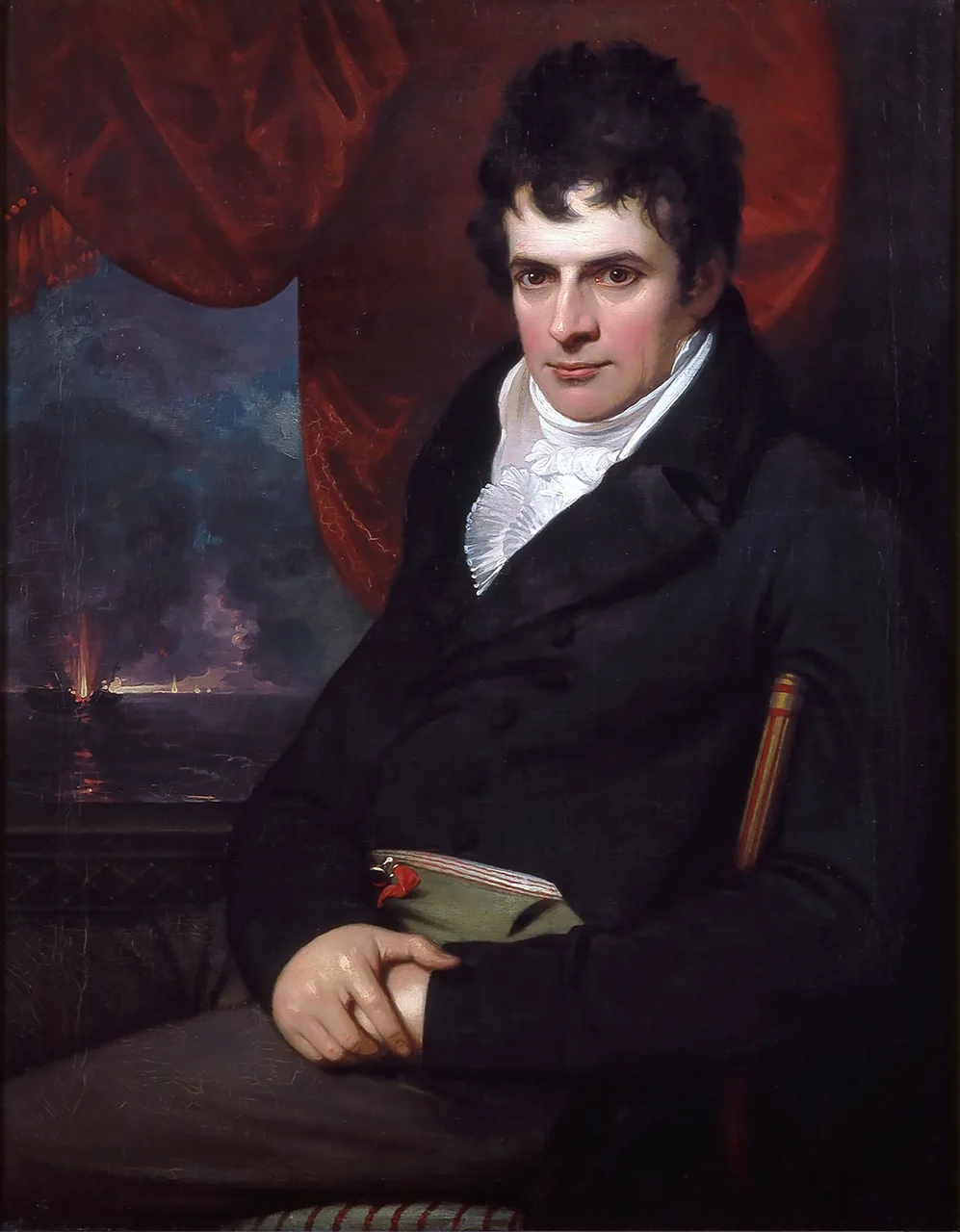
Robert Fulton's North River Steamboat (later known as the Clermont) revolutionized water transport by carrying passengers between New York City and Albany. While others had built experimental steamboats before him, Fulton was the first to turn the technology into a viable, profitable business. This breakthrough paved the way for massive trade expansion along America's great interior rivers.
Photo: Wikimedia Commons, Public domain.
Pick one
The LNER Class A4 locomotive "Mallard" set the unbroken world speed record for steam traction on July 3, 1938, on a slightly downhill stretch of track in England. Designed by Sir Nigel Gresley, its aerodynamic, wind-tunnel-tested casing helped it reach 126 mph (202.7 km/h). Although modern electric and diesel trains go much faster, Mallard remains the ultimate symbol of the steam age's peak.
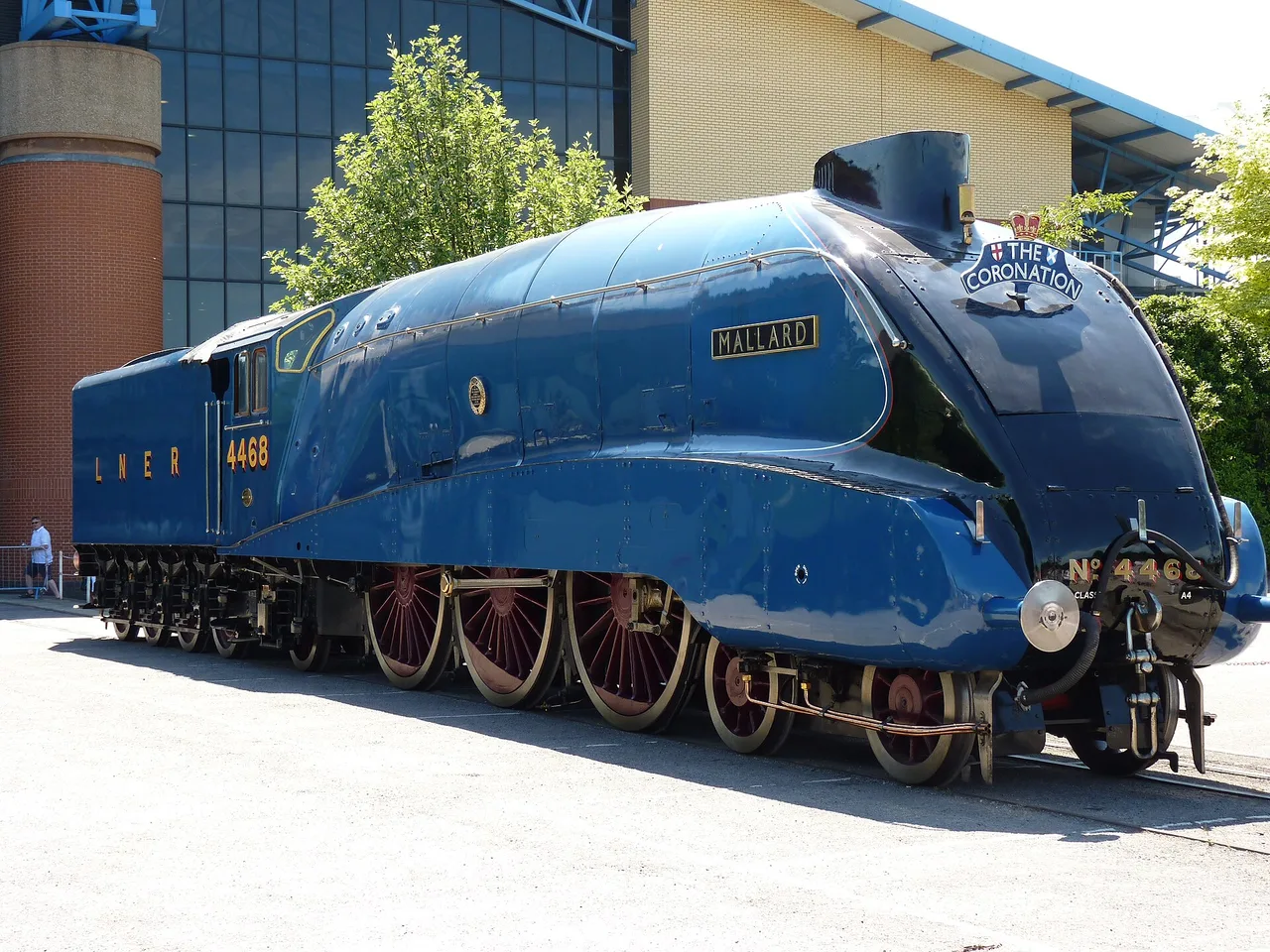
Photo: PTG Dudva, Wikimedia Commons, CC BY-SA 3.0.

Pick one
While George Stephenson is famous for the Rocket, it was Richard Trevithick who pioneered high-pressure steam engines in the early 1800s. By using steam at high pressure, he eliminated the heavy condenser altogether, making engines light enough to put on wheels. In 1804, his locomotive made the world's first steam-powered railway journey in Wales, carrying ten tons of iron.
Photo: John Linnell, Wikimedia Commons, Public domain.
Pick one
Hero of Alexandria described the aeolipile in the 1st century AD: a metal ball that spun round as steam hissed out of two bent pipes. People saw it as a fun novelty rather than a useful machine, and it took about 1,700 more years before steam engines really got to work in the Industrial Revolution.
Pick one
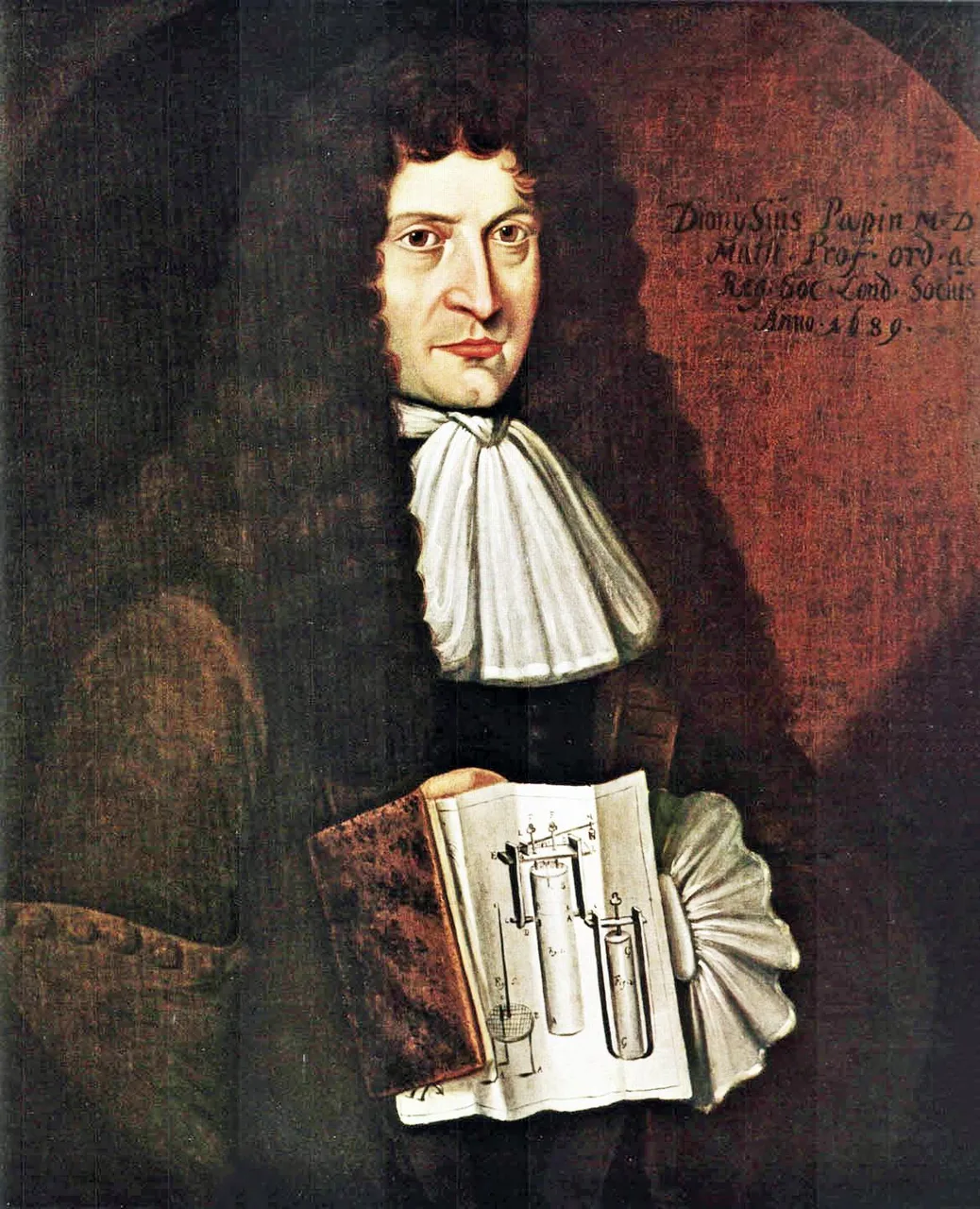
Denis Papin invented the safety valve in 1679 for his steam digester, a forerunner to the modern pressure cooker and steam engine. The valve used a weight to keep a lid closed until steam pressure grew too high, lifting the weight to let steam escape safely. This simple yet vital feedback mechanism prevented catastrophic explosions and became standard on almost all later steam boilers.
Photo: Johann Peter Engelhard, Wikimedia Commons, Public domain.
Pick one
Two heavy balls spin on hinged arms. The faster the engine runs, the further they swing outwards, and their arms close the steam valve a little; when the engine slows, the balls drop and open it again. The engine holds its own speed without anyone watching it - the first feedback loop in widespread use, and the ancestor of the thermostat and cruise control.
Pick one
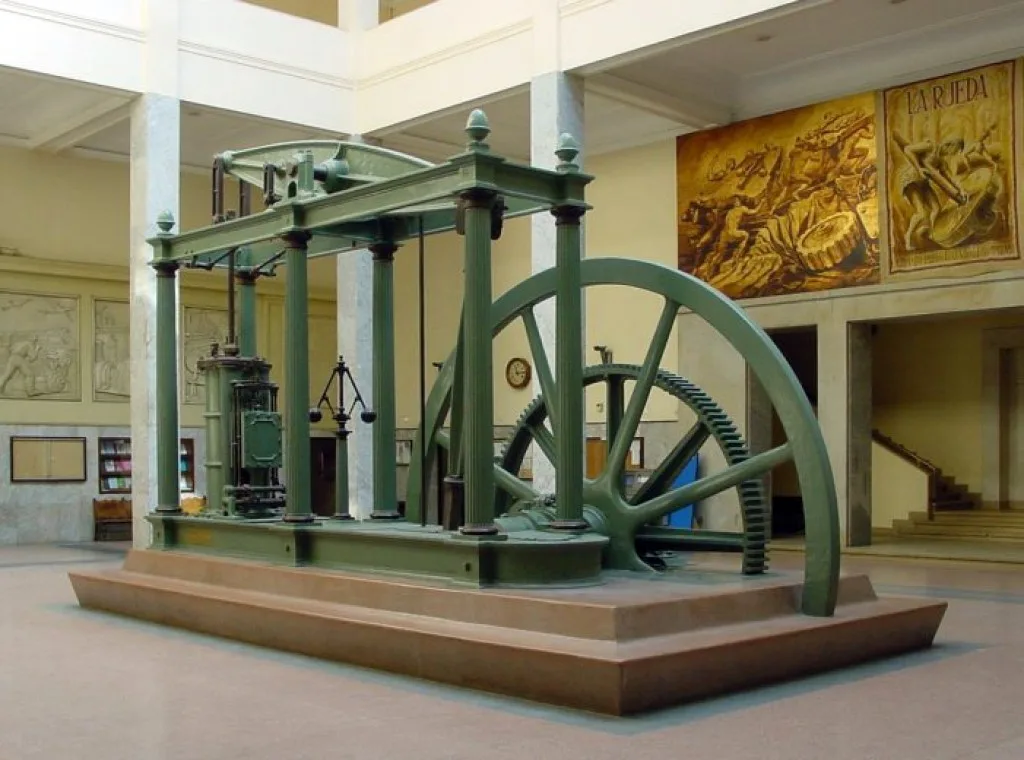
In 1765, James Watt realized that constantly heating and cooling the main cylinder wasted huge amounts of energy. By adding a separate condenser, the main cylinder could remain hot while the steam was cooled elsewhere. This single modification reduced fuel use by more than 60 percent, transforming the steam engine from a specialized mining pump into a versatile power source for factories.
Photo: Nicolás Pérez, Wikimedia Commons, CC BY-SA 3.0.


Paste the code into your page. The player fits itself in, and every vote counts in Votur.
On WordPress, Ghost or Squarespace? Just paste the link of this page into your post.
This is how it looks
Also fun