 Get app
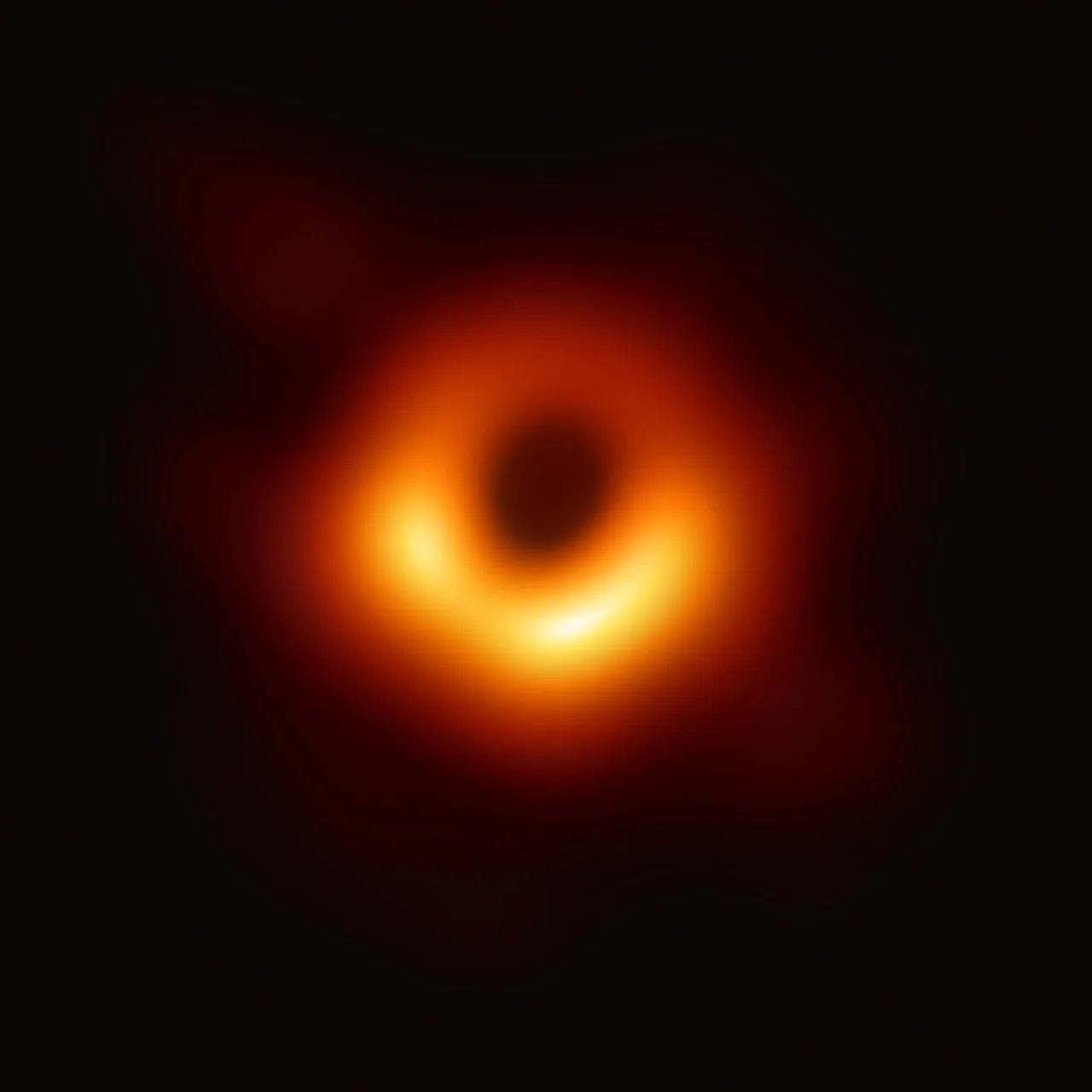
 Photo: NASA and the European Space Agency, Wikimedia Commons, Public domain.
Do you know the basics of our universe?
Stargazer 0–4 · Space Explorer 5–8 · Master of the Cosmos 9–10
Pick one

9 votes so far
In astronomy, the universe encompasses absolutely everything that exists: all matter and energy contained within the vast expanse of spacetime. This includes not just what we can see, but also theoretical regions and unseen components like dark matter and dark energy, forming the complete cosmic reality.
Pick one
7 votes so far
The visible universe is the specific region of space from which light has had sufficient time to travel to Earth since the universe's beginning. We can only observe what light has brought us, making this a finite, observable sphere around us. Beyond this boundary, light simply hasn't arrived yet.
Pick one
7 votes so far
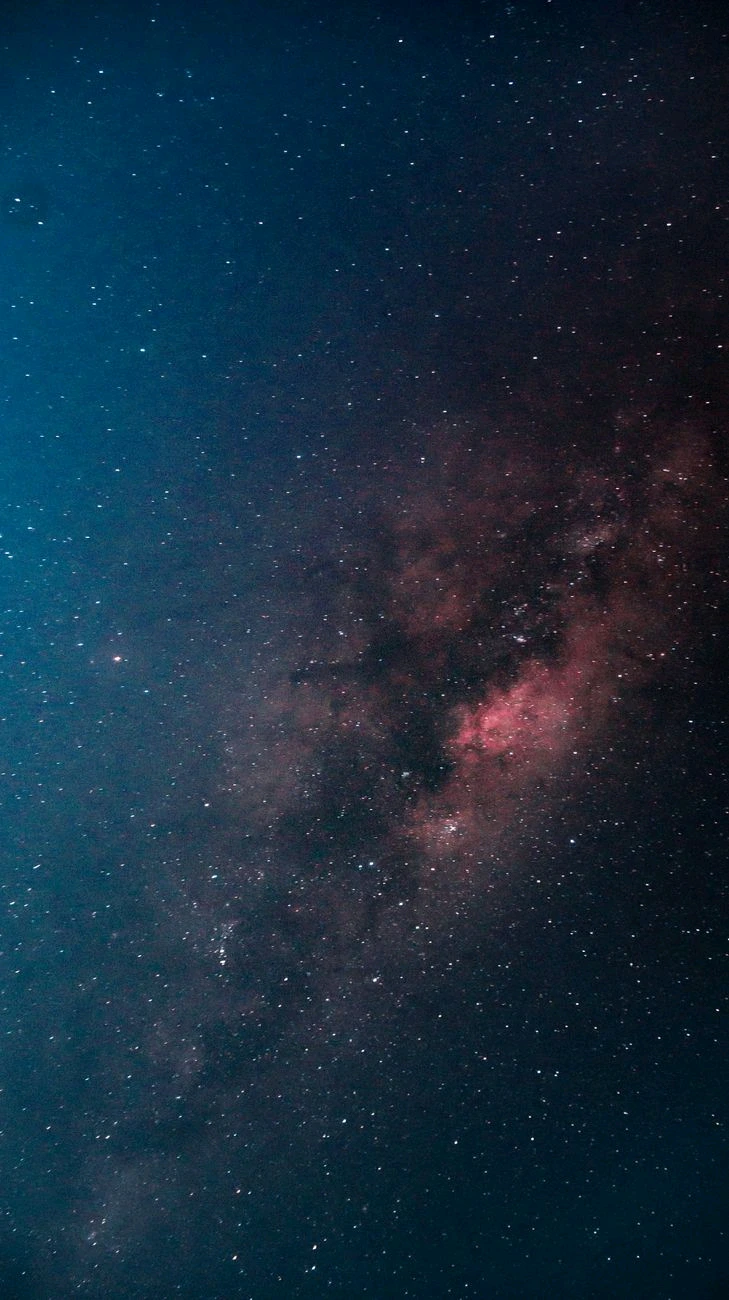
The most precise measurement comes from ESA's Planck space telescope, which mapped the sky from 2009 to 2013 and puts the age of the universe at about 13.8 billion years. That makes the universe roughly three times older than the Earth, which formed about 4.5 billion years ago.
Pick one
6 votes so far
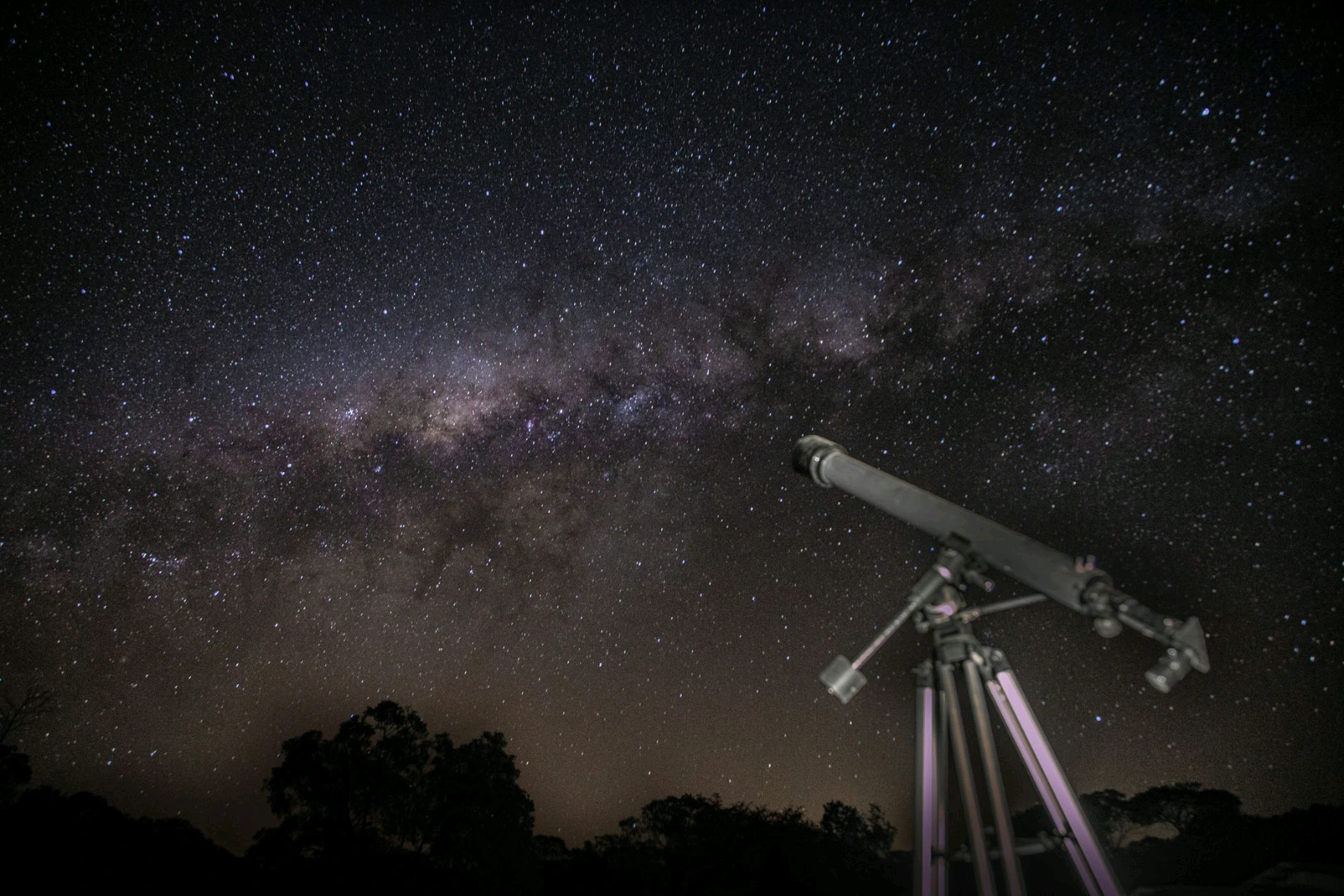
Observations show that the universe is expanding faster and faster, so most scientists expect it to keep growing and cooling forever. In this 'Big Chill', also called the 'Big Freeze', the stars eventually burn out and everything slowly becomes cold and dark.

Pick one
6 votes so far
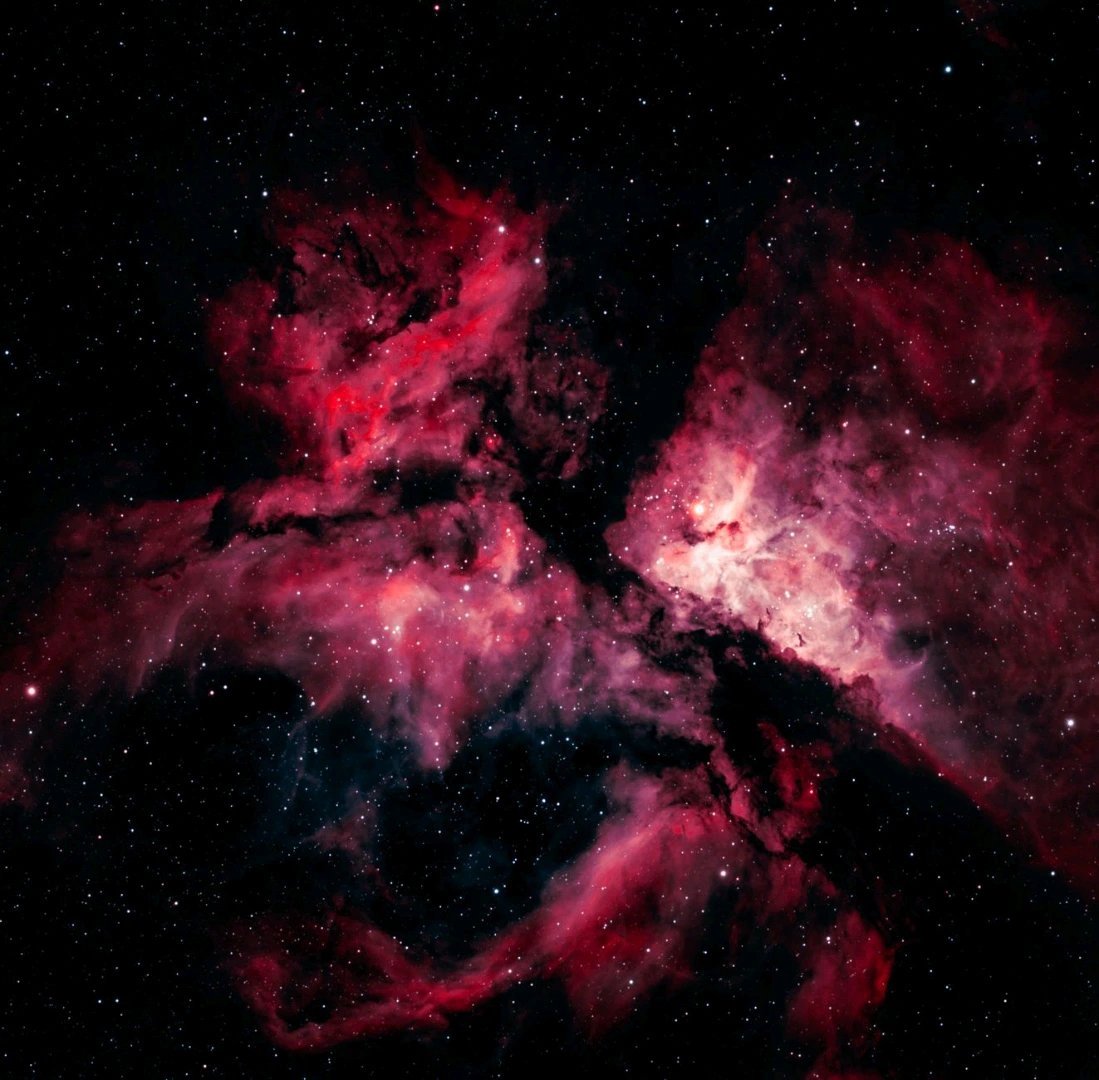
The accidental discovery of cosmic microwave background radiation by Arno Allan Penzias and Robert Woodrow Wilson in 1964 was pivotal. This faint, uniform radiation permeating space is considered the afterglow of the Big Bang, a remnant from the universe's hot, dense early state, earning them a Nobel Prize.
Pick one
7 votes so far
The Belgian astronomer Georges Lemaître introduced the concept of an expanding universe in 1927, explaining the redshift observed in distant galaxies. While Edwin Hubble later provided crucial experimental evidence, confirming Lemaître's theory, Lemaître was the first to theorize it, even suggesting a 'primeval atom' as its origin.
Pick one
6 votes so far
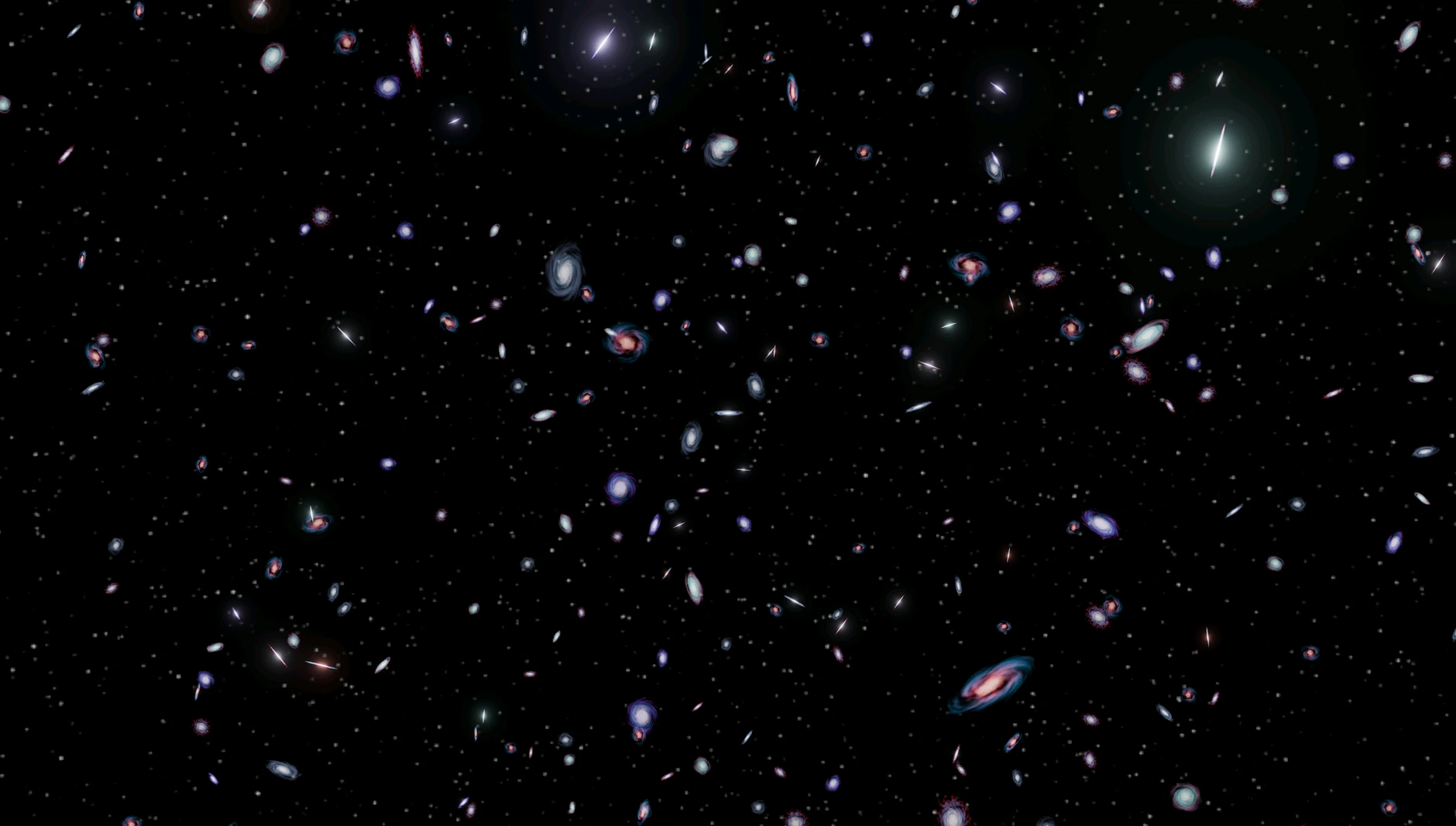
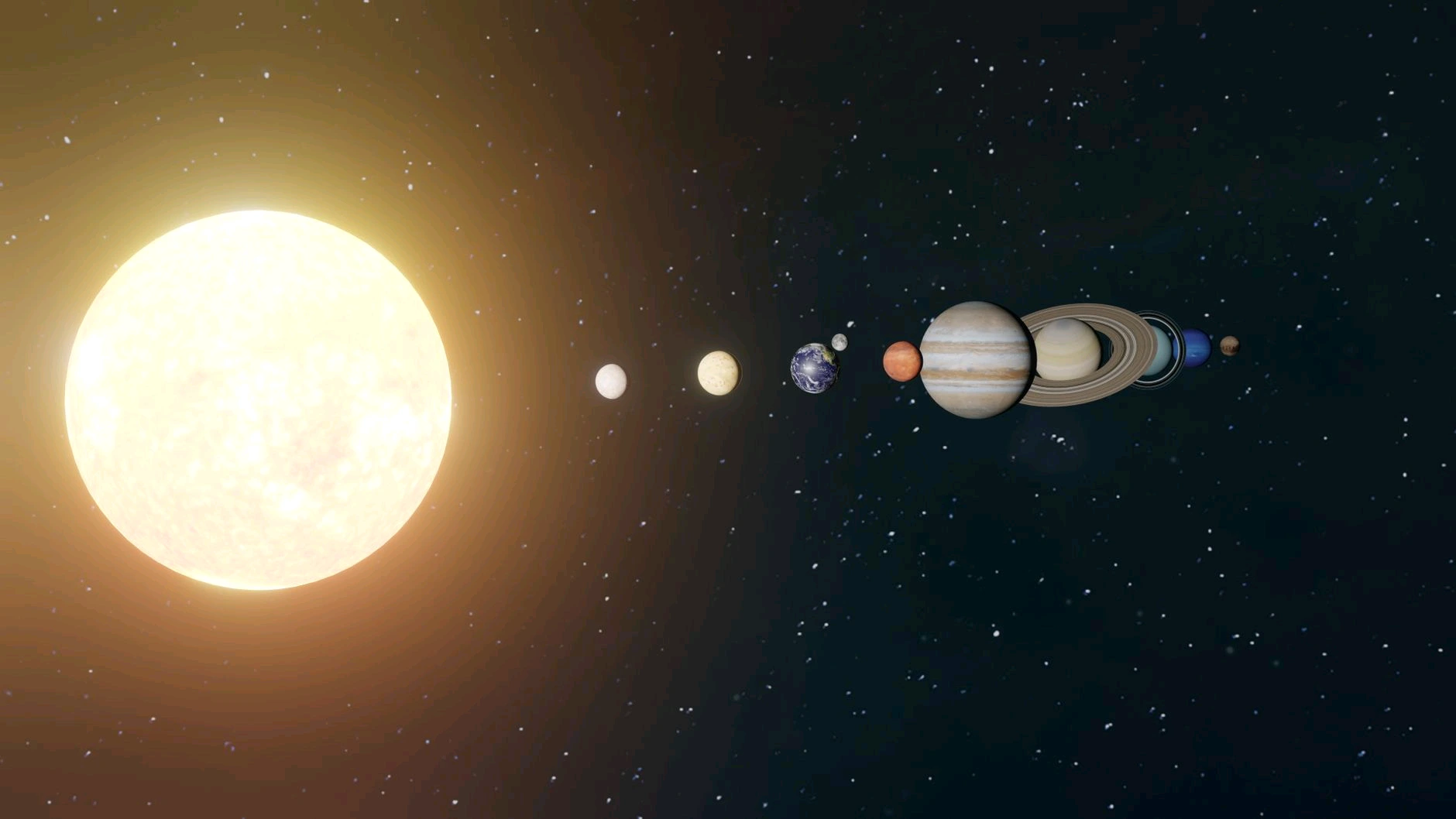
The visible universe is not uniformly spread out but forms a vast 'cosmic web.' This intricate network consists of massive superclusters and clusters of galaxies, interconnected by long, thread-like structures called filaments, with enormous, relatively empty regions known as supervoids in between.
Pick one
6 votes so far
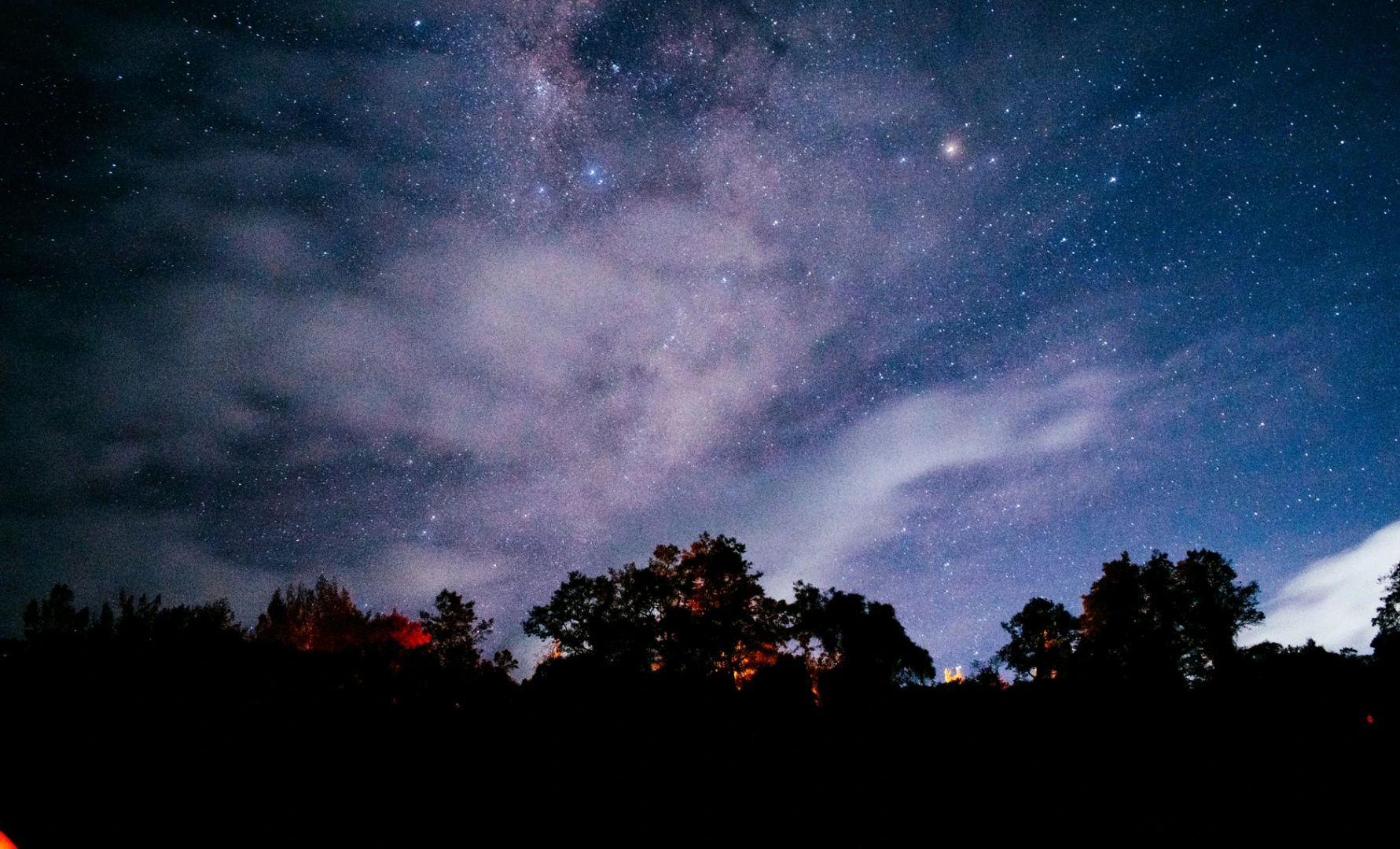
Our solar system sits in a small spiral arm of the Milky Way called the Orion Arm. We are about 26,000 light-years from the centre of the galaxy, out in the quieter suburbs rather than in the crowded, bright core. Light from the centre that reaches us tonight set off long before the first farmers on Earth!
Pick one
6 votes so far
The Milky Way galaxy is part of a smaller collection of galaxies known as the Local Group. This group contains well over 100 known galaxies, most of them small dwarf galaxies, plus our closest large neighbor, the Andromeda Galaxy. It spans millions of light-years.
Pick one
6 votes so far
The 'Big Rip' is a more extreme variation of the Big Chill, theorizing that the universe's accelerating expansion will intensify to such an extent that it overcomes all fundamental forces. This would ultimately tear apart not just galaxies, but also stars, planets, and even atoms themselves, leading to a complete disintegration of all matter.


Paste the code into your page. The player fits itself in, and every vote counts in Votur.
On WordPress, Ghost or Squarespace? Just paste the link of this page into your post.
This is how it looks
Also fun