Get app
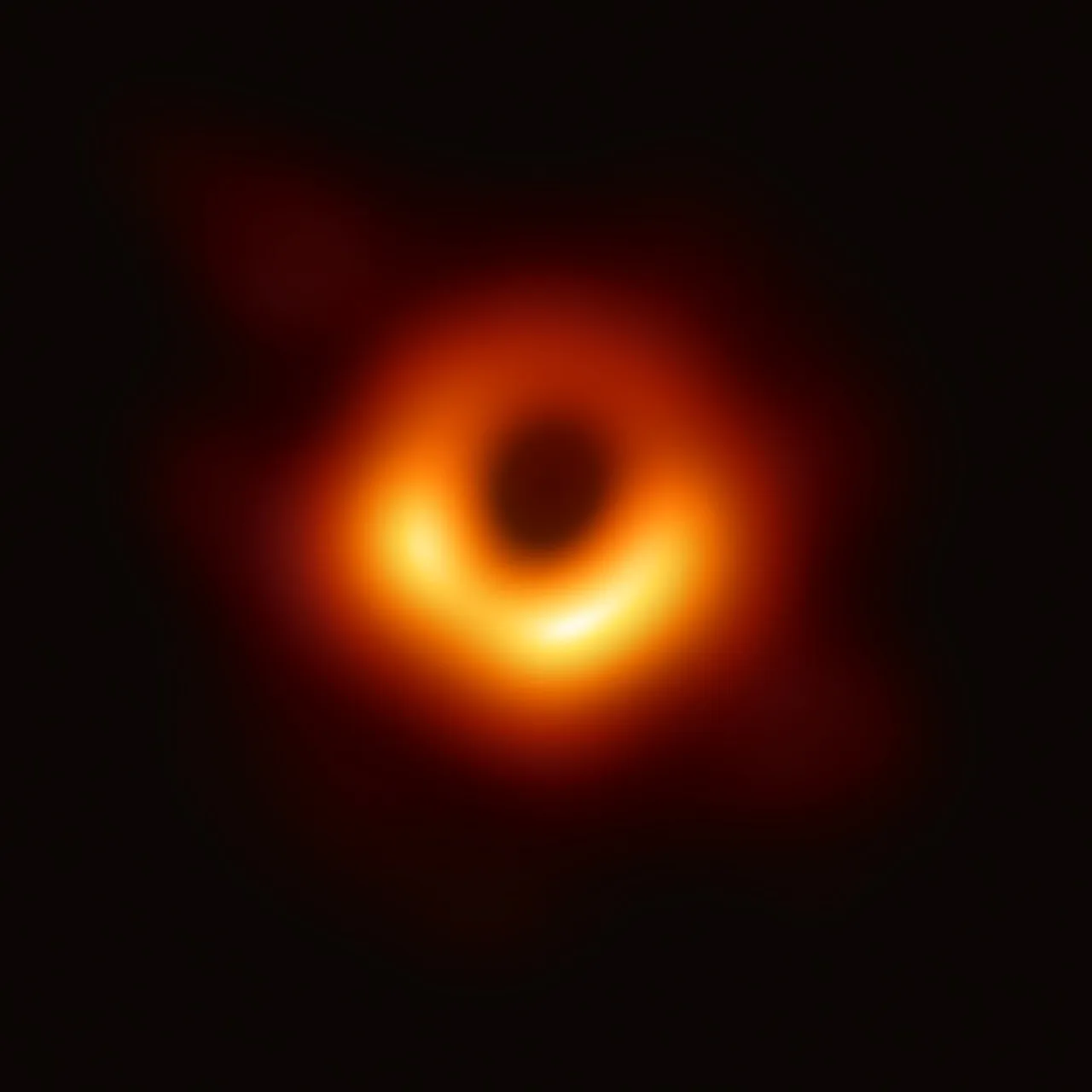
 Photo: NASA, ESA, and the Hubble Heritage Team (STScI/AURA), Wikimedia Commons, Public domain.
How well do you know the invisible force that holds our universe together? Test your knowledge on the history, science, and strange quirks of gravity.
Orbit Aspirant 0–4 · Gravity Explorer 5–8 · Master of Spacetime 9–10
Pick one

Although the Sun is vastly more massive, the Moon is much closer to Earth, meaning its gravitational gradient across our planet is far stronger. This difference in pull stretches the oceans into a slight oval, creating two high tides and two low tides each day. When the Sun and Moon align during full and new moons, their combined forces produce exceptionally high tides known as spring tides.
Pick one
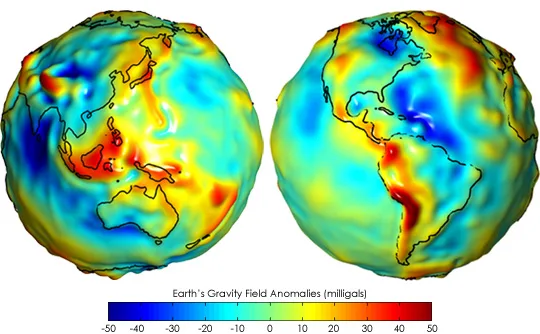
Earth is not a perfect sphere; it bulges slightly at the equator due to centrifugal force from its rotation. This means you are slightly farther from the planet's center of mass when standing at the equator, reducing the pull of gravity. Additionally, the outward centrifugal force itself cancels out a tiny fraction of gravity, making you weigh about 0.5 percent less there than at the poles.
Photo: Wikimedia Commons, Public domain.
Pick one
Alfonso Cuarón spent over four years developing the groundbreaking visual effects needed to simulate weightlessness realistically in Gravity. The film stars Sandra Bullock and George Clooney as astronauts stranded in orbit. To make the movements look natural, the crew built a special mechanical rig that tilted and spun the actors on set.
Pick one
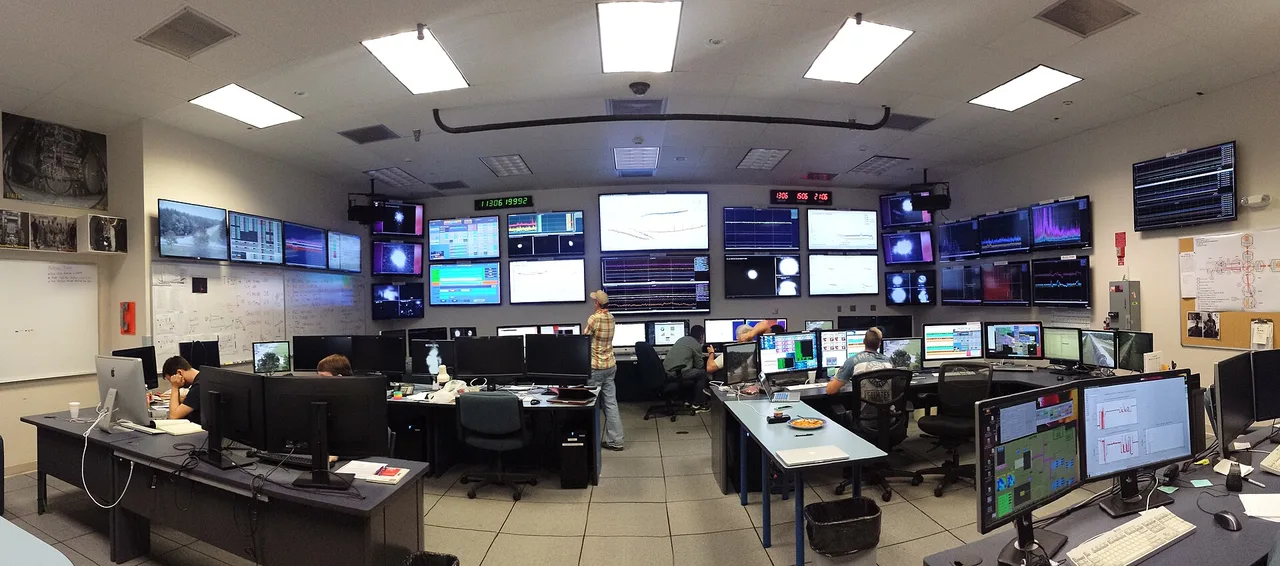
The Laser Interferometer Gravitational-Wave Observatory (LIGO) detected the tiny ripples in spacetime caused by the collision of two black holes over a billion light-years away. This monumental discovery opened a completely new window for astronomy. The achievement was so significant that the project's key founders were awarded the Nobel Prize in Physics just two years later.
Photo: Amber Stuver, Wikimedia Commons, CC BY-SA 4.0.
Pick one
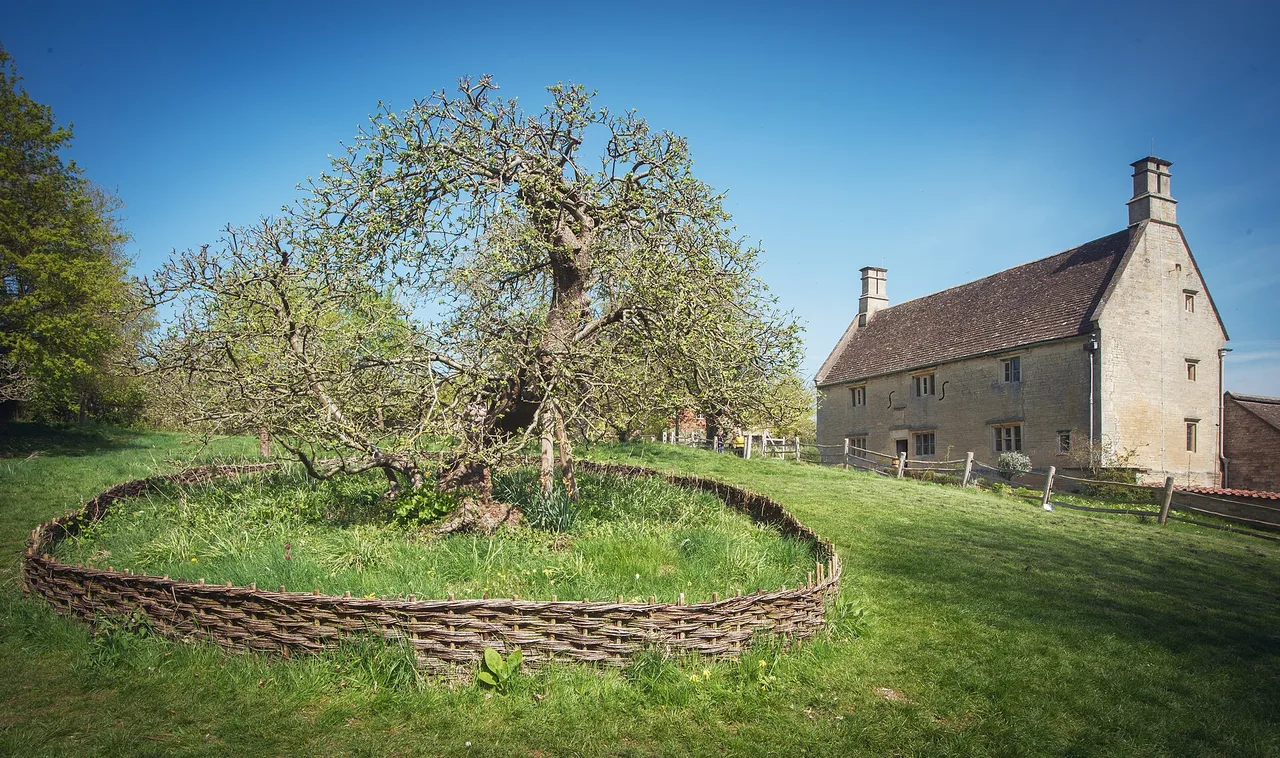
Woolsthorpe Manor, where Newton retreated during the Great Plague of London, is located in Lincolnshire. It was here in his family home's orchard that he watched an apple fall, prompting him to wonder why things always fall straight to the ground. Amazingly, that very tree still grows there today: it blew down around 1820 but regrew from its roots, and it is protected as a historic landmark.
Photo: Bs0u10e01, Wikimedia Commons, CC BY-SA 4.0.
Pick one
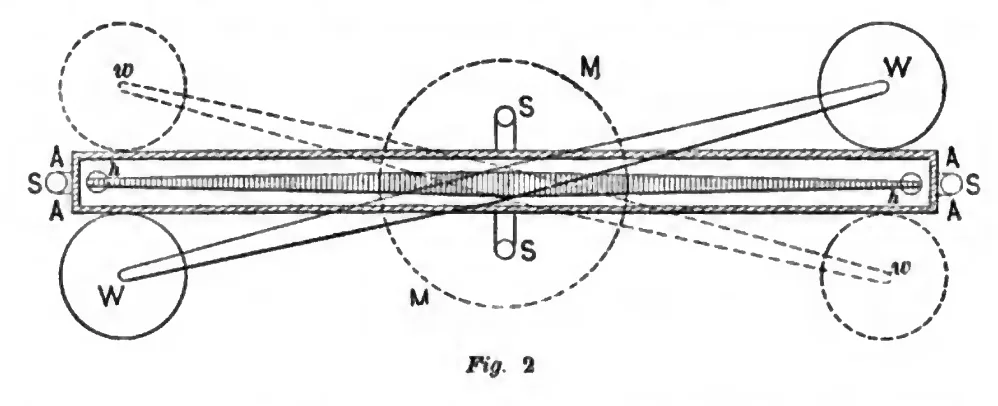
Henry Cavendish used a highly sensitive torsion balance to measure the incredibly faint gravitational attraction between lead balls. This landmark experiment allowed him to calculate the density of Earth and, subsequently, its overall mass. His incredibly precise measurements were so accurate that they remained the standard for nearly a century.
Photo: Henry Cavendish, Wikimedia Commons, Public domain.
Pick one
Commander David Scott performed this famous live-television demonstration in 1971 using a heavy geology hammer and a falcon feather. Because the Moon has virtually no atmosphere to create air resistance, both objects hit the lunar dust at the exact same moment. This beautifully confirmed Galileo's 17th-century hypothesis that all objects fall at the same rate in a vacuum.
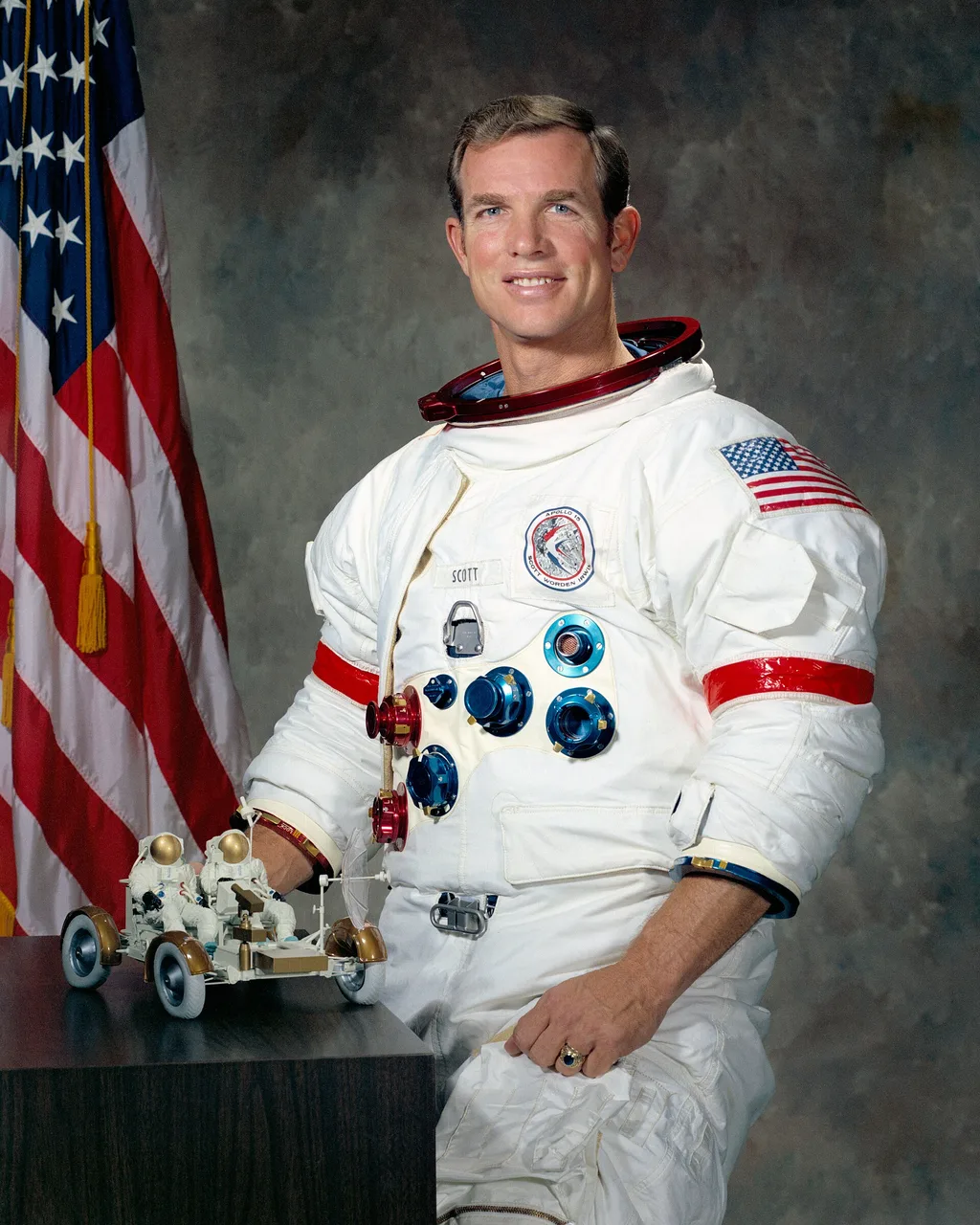
Photo: NASA, Wikimedia Commons, Public domain.
Pick one
Arthur Eddington traveled to the island of Principe off the coast of West Africa to photograph stars near the Sun during a total solar eclipse. By measuring how much the Sun's gravity bent the incoming starlight, he provided the first empirical proof of Einstein's revolutionary theory. This historic measurement instantly propelled Einstein to global fame.
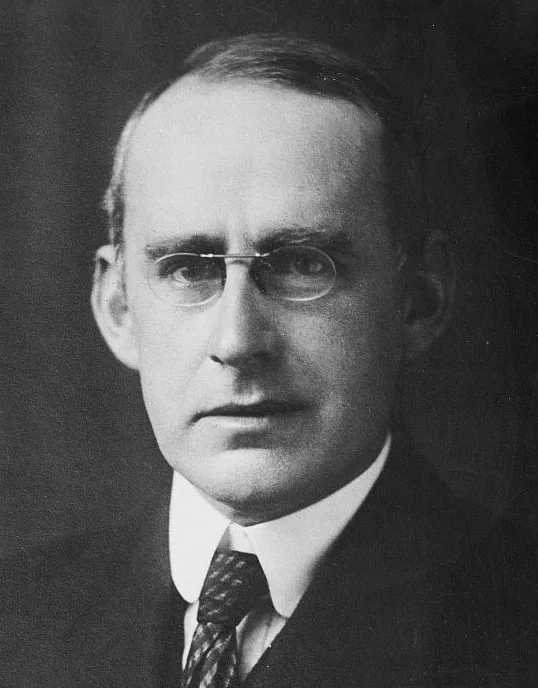
Photo: George Grantham Bain Collection, Library of Congress Prints and Photographs Divi, Wikimedia Commons, Public domain.
Pick one
The James Webb Space Telescope is positioned at the second Lagrange point (L2), about 1.5 million kilometres directly behind Earth as seen from the Sun. This unique spot allows the spacecraft's sunshield to block heat and light from both the Sun and Earth at once. This cooling is vital for keeping its sensitive infrared instruments at their ultra-cold operating temperatures.
Pick one
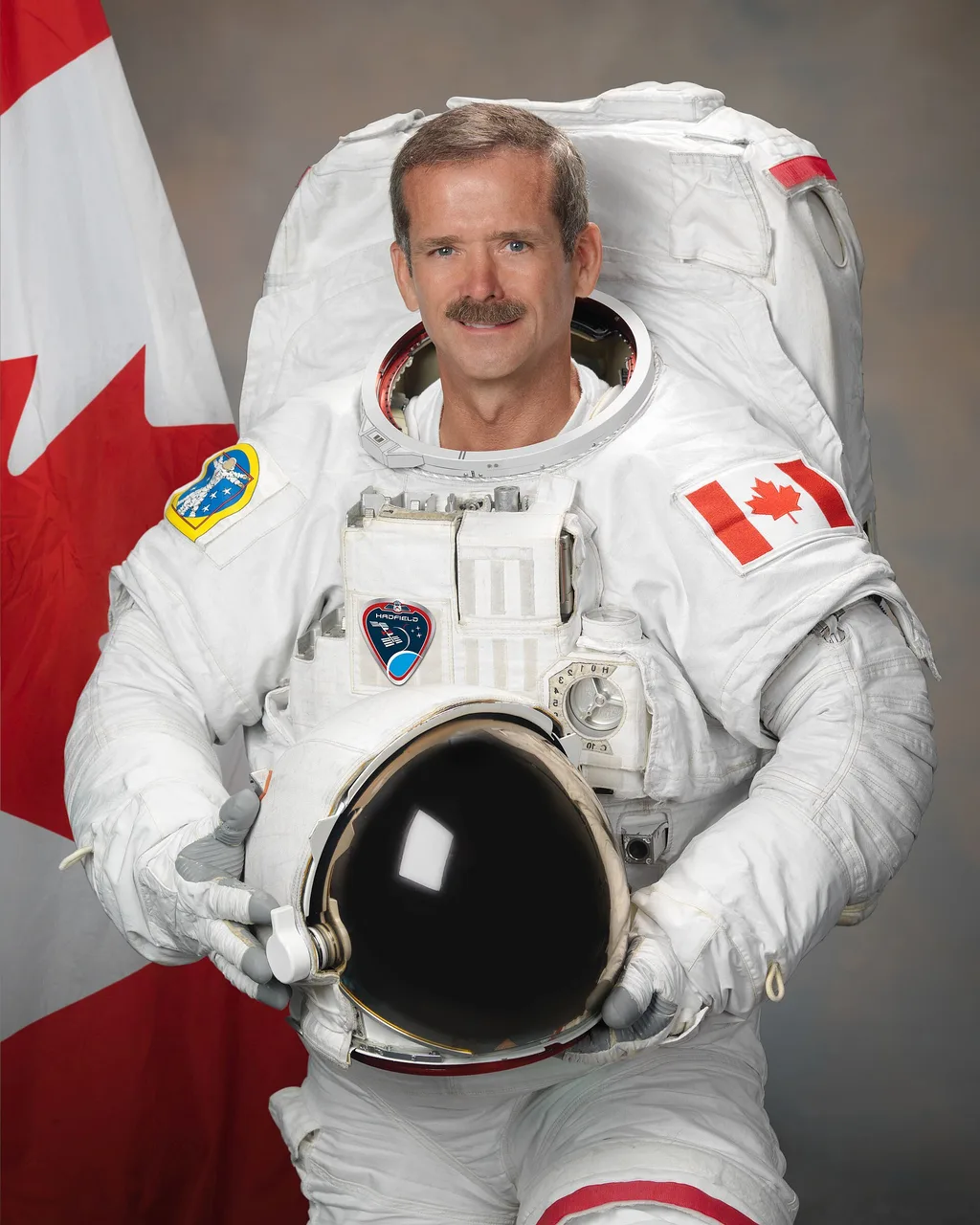
Astronauts in orbit are not actually free from Earth's gravity, which is still about ninety percent as strong up there. Instead, they are in a constant state of free fall around the planet, matching the curve of Earth's surface. Because they and their spacecraft fall together at the exact same rate, they float effortlessly inside, creating the illusion of zero gravity.


Paste the code into your page. The player fits itself in, and every vote counts in Votur.
On WordPress, Ghost or Squarespace? Just paste the link of this page into your post.
This is how it looks
Also fun