 Get app
 Photo: Abraham Ortelius, Wikimedia Commons, Public domain.
Set sail with the brave and ambitious explorers who mapped the unknown. Test your knowledge on the historic voyages, tools, and encounters that permanently connected the continents.
Landlubber 0–4 · Seasoned Sailor 5–8 · Master Navigator 9–10

Tap the right answer
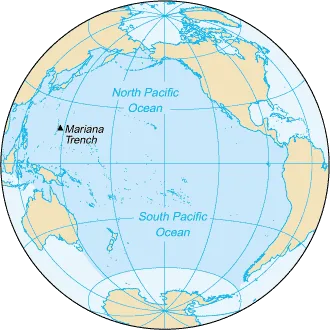
Ferdinand Magellan named the ocean "Mar Pacífico" (peaceful sea) in 1520 because his fleet experienced remarkably calm and favorable winds when entering it. This was a stark contrast to the stormy waters of the strait they had just navigated.
Photo: CIA World Factbook, Wikimedia Commons, Public domain.
Tap the right answer
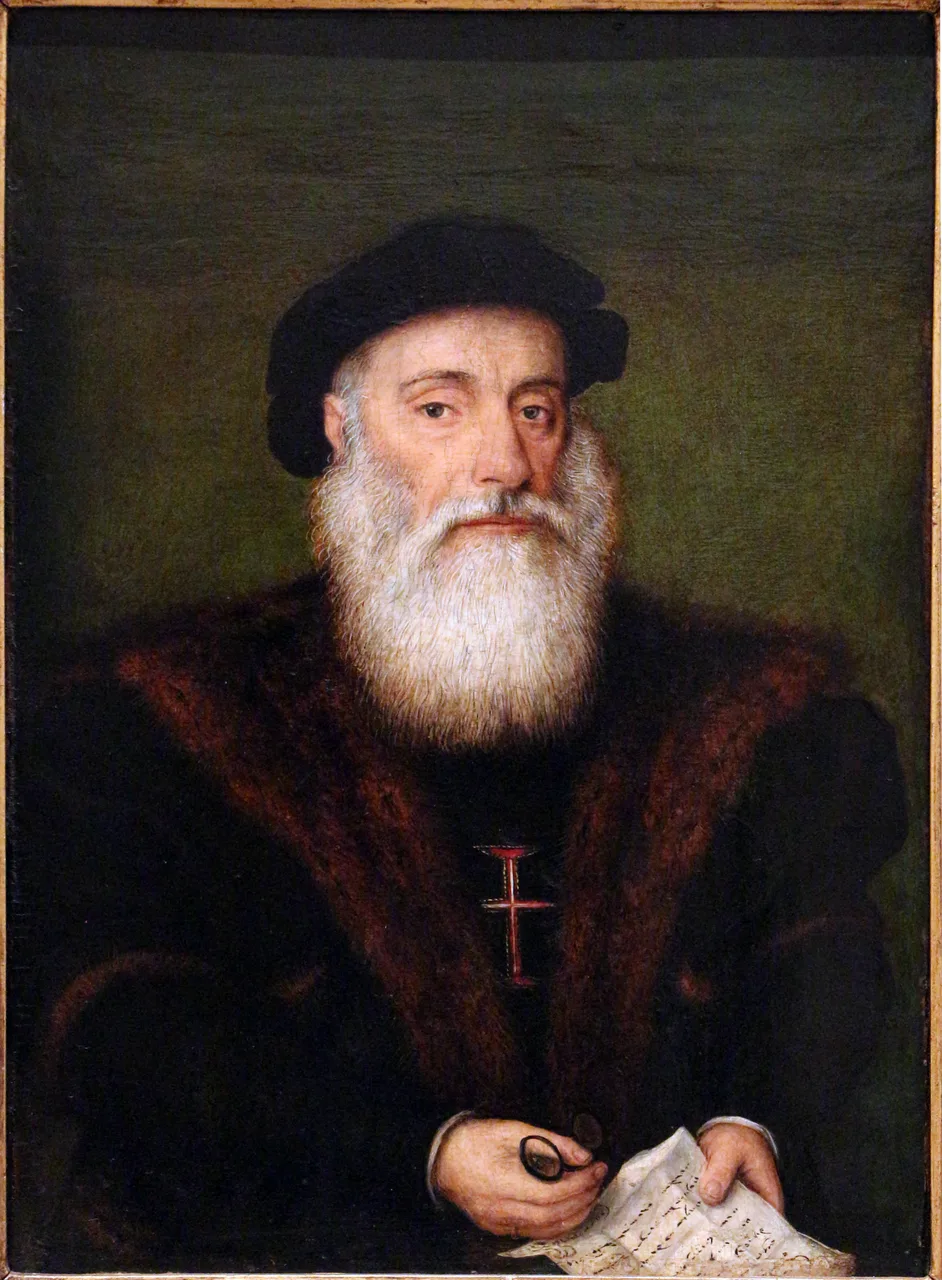
Vasco da Gama landed in Calicut (now Kozhikode) on the southwestern coast of India in May 1498. This historic arrival bypassed the traditional overland trade routes, although negotiations with the local ruler, the Samudiri Raja, proved highly tense.
Photo: Sailko, Wikimedia Commons, CC BY 3.0.
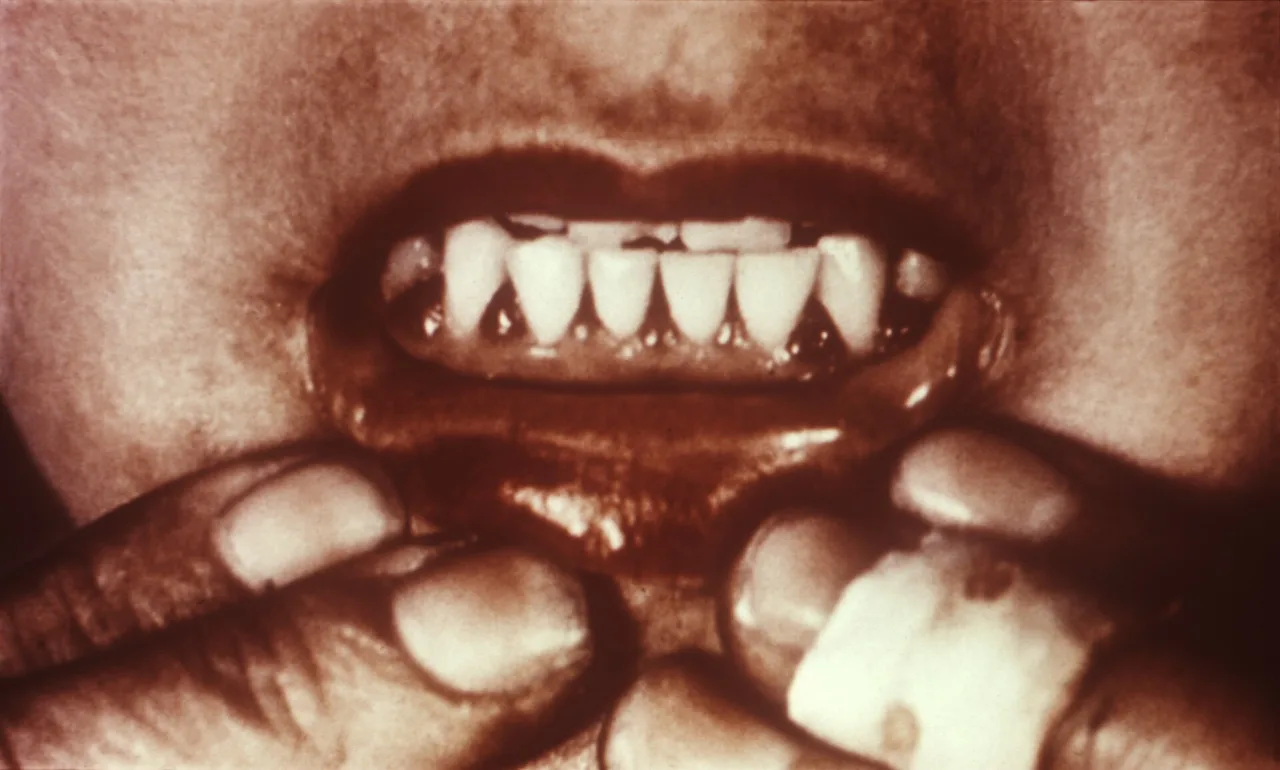
Tap the right answer
Captain James Cook was highly praised for keeping his crew healthy during his long Pacific voyages. He mandated the consumption of sauerkraut, which is rich in Vitamin C, and strictly enforced cleanliness, proving that scurvy could be systematically avoided.
Photo: Centers for Disease Control and Prevention, Wikimedia Commons, Public domain.
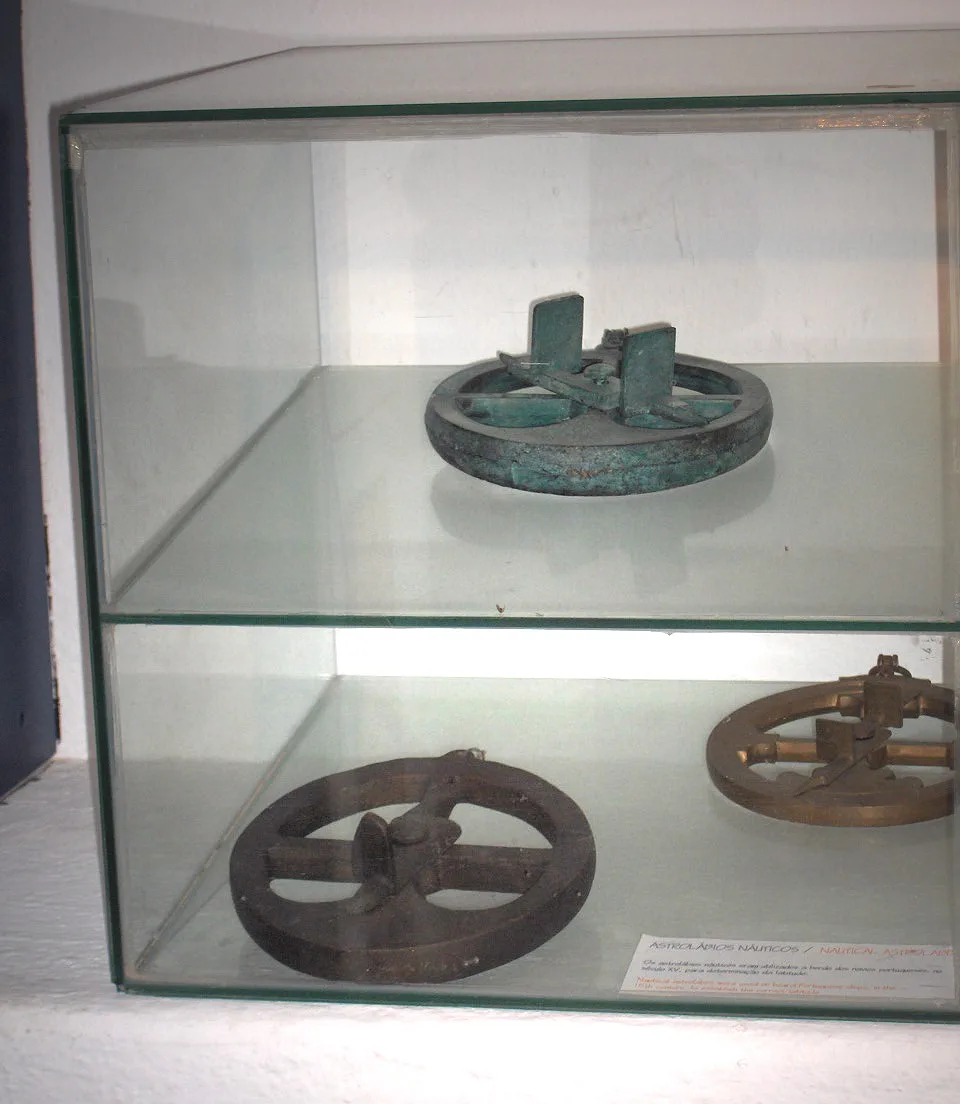
Tap the right answer
The mariner's astrolabe was heavily modified from the classic astronomical astrolabe. It was cast from heavy brass with large cutouts to let the wind pass through, making it stable enough to use on a rolling ship deck for latitude calculation.
Photo: Georges Jansoone, Wikimedia Commons, CC BY 2.5.
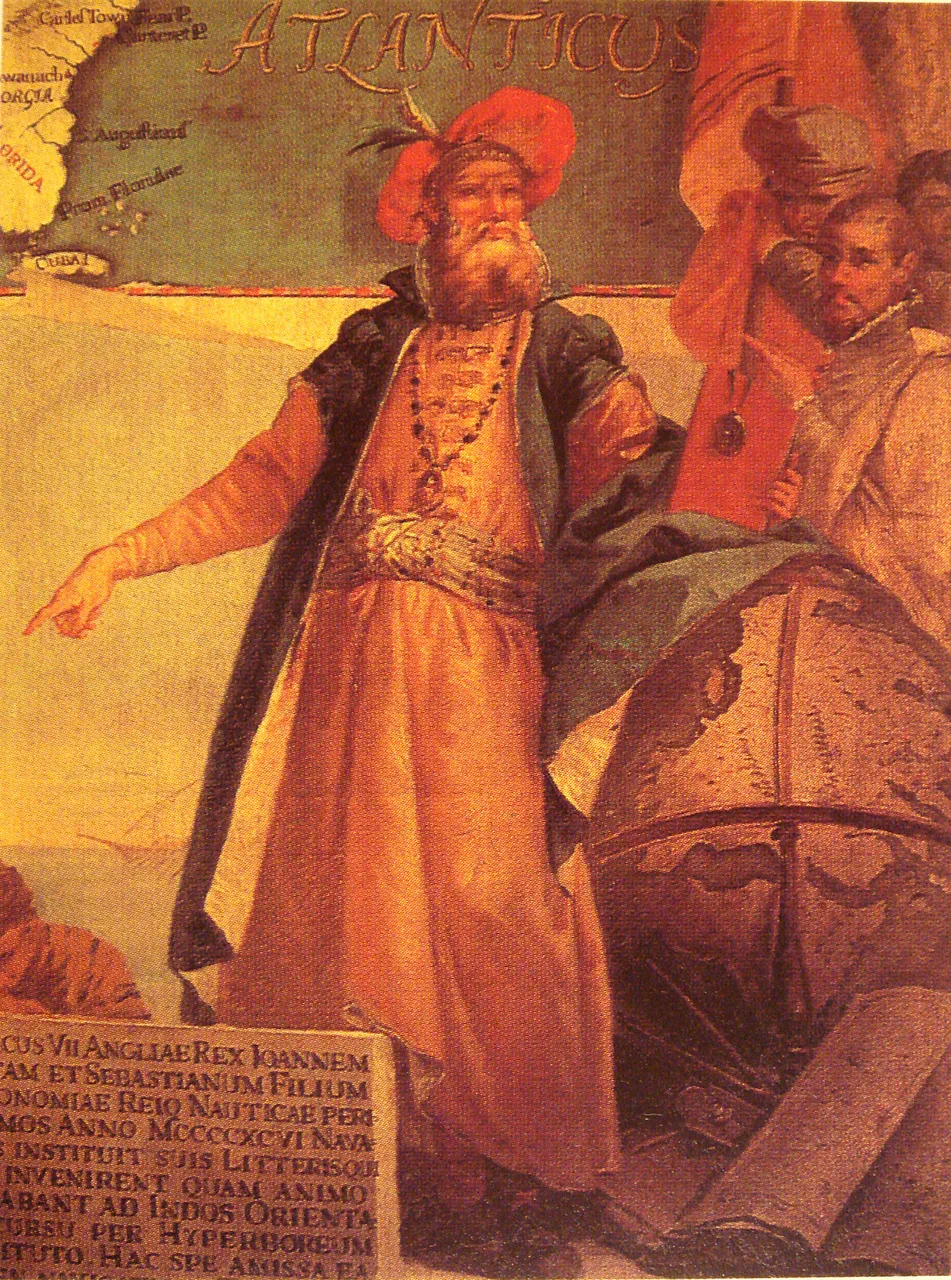
Tap the right answer
John Cabot, born Giovanni Caboto, sailed under the flag of England's King Henry VII. His 1497 voyage aboard the Matthew landed somewhere in Atlantic Canada, representing the first European exploration of coastal North America since the Norse.
Photo: Giustino Menescardi, Wikimedia Commons, Public domain.
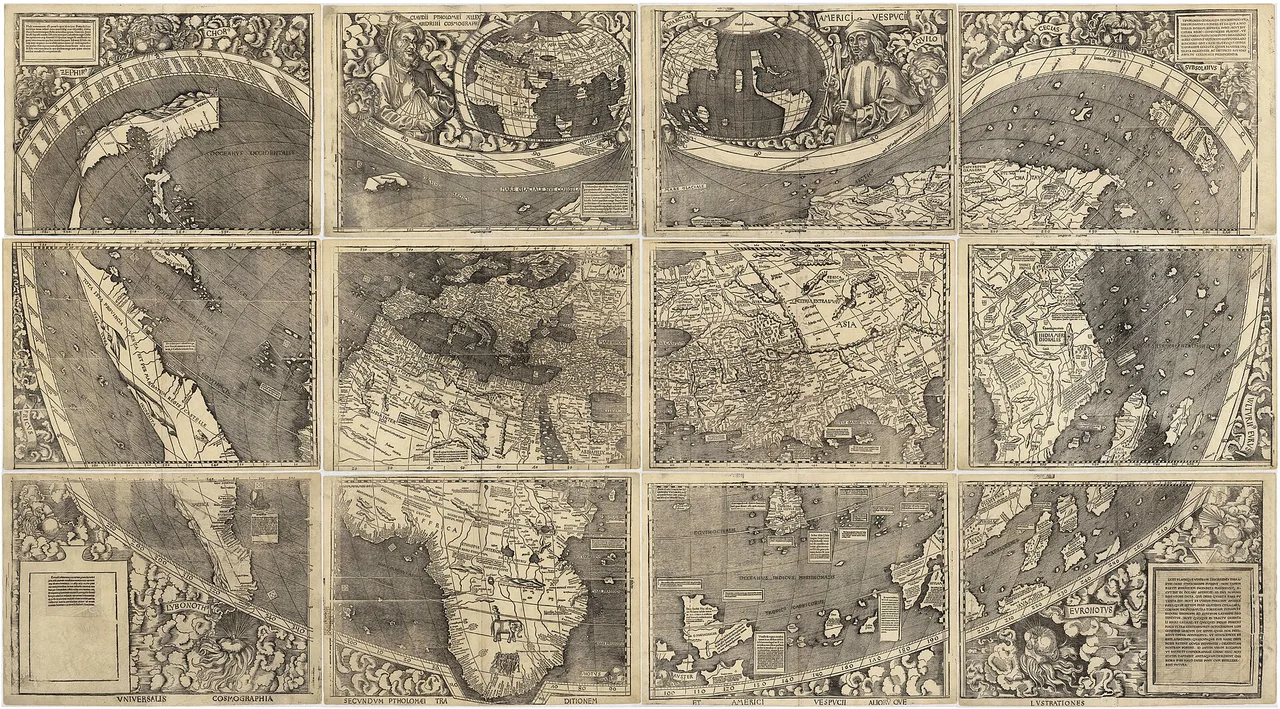
Tap the right answer
German cartographer Martin Waldseemüller, along with Matthias Ringmann, created the monumental 1507 wall map. Influenced by Amerigo Vespucci's accounts, they labeled the new southern continent "America," a feminine form of Amerigo's name.
Photo: Martin Waldseemüller, Wikimedia Commons, Public domain.
Tap the right answer
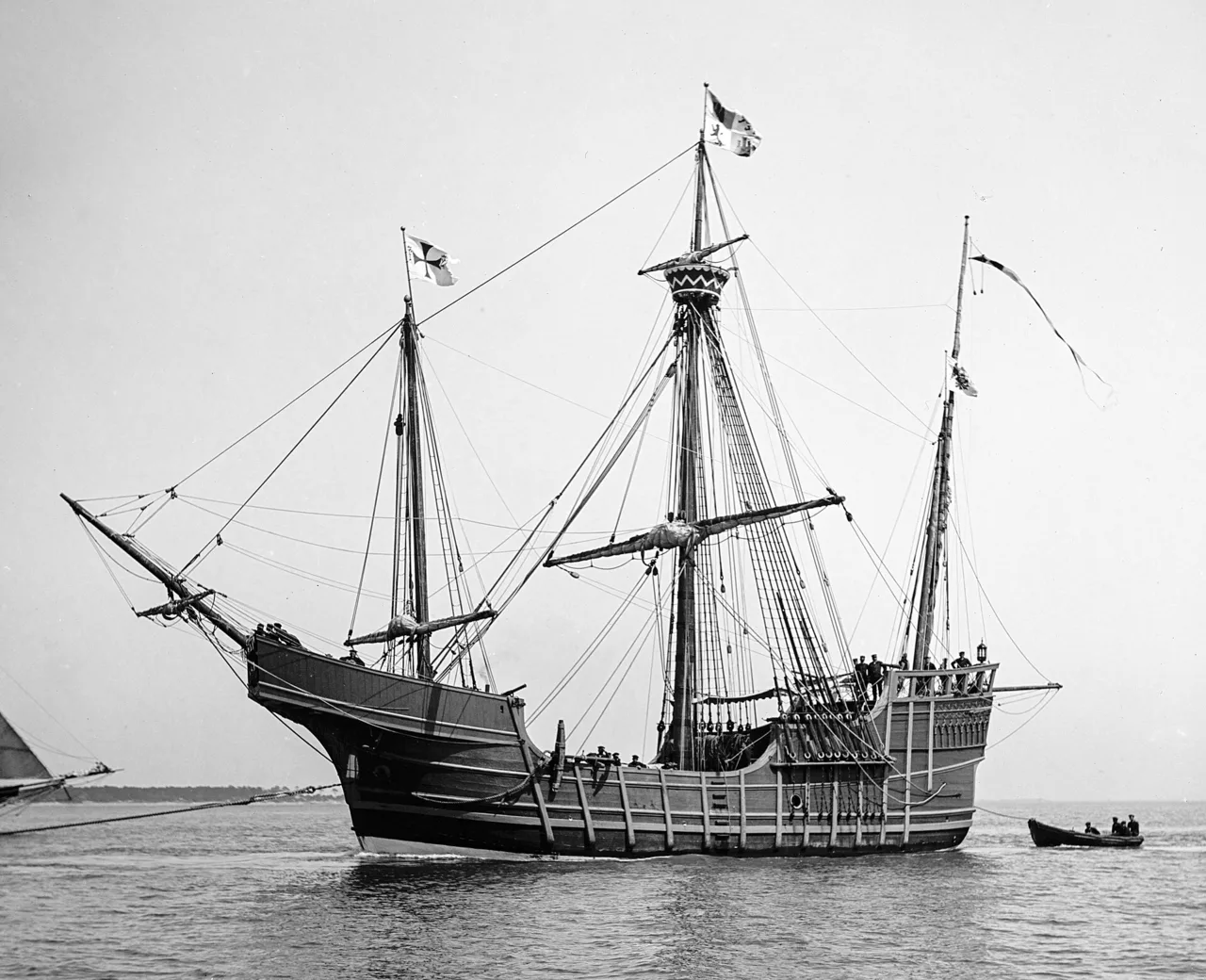
On Christmas Day in 1492, the Santa María ran aground off the coast of modern-day Haiti. Because the ship could not be saved, Columbus ordered its timbers salvaged to construct La Navidad, the first European outpost in the New World.
Photo: Possibly by Edward H. Hart., Wikimedia Commons, Public domain.
Tap the right answer
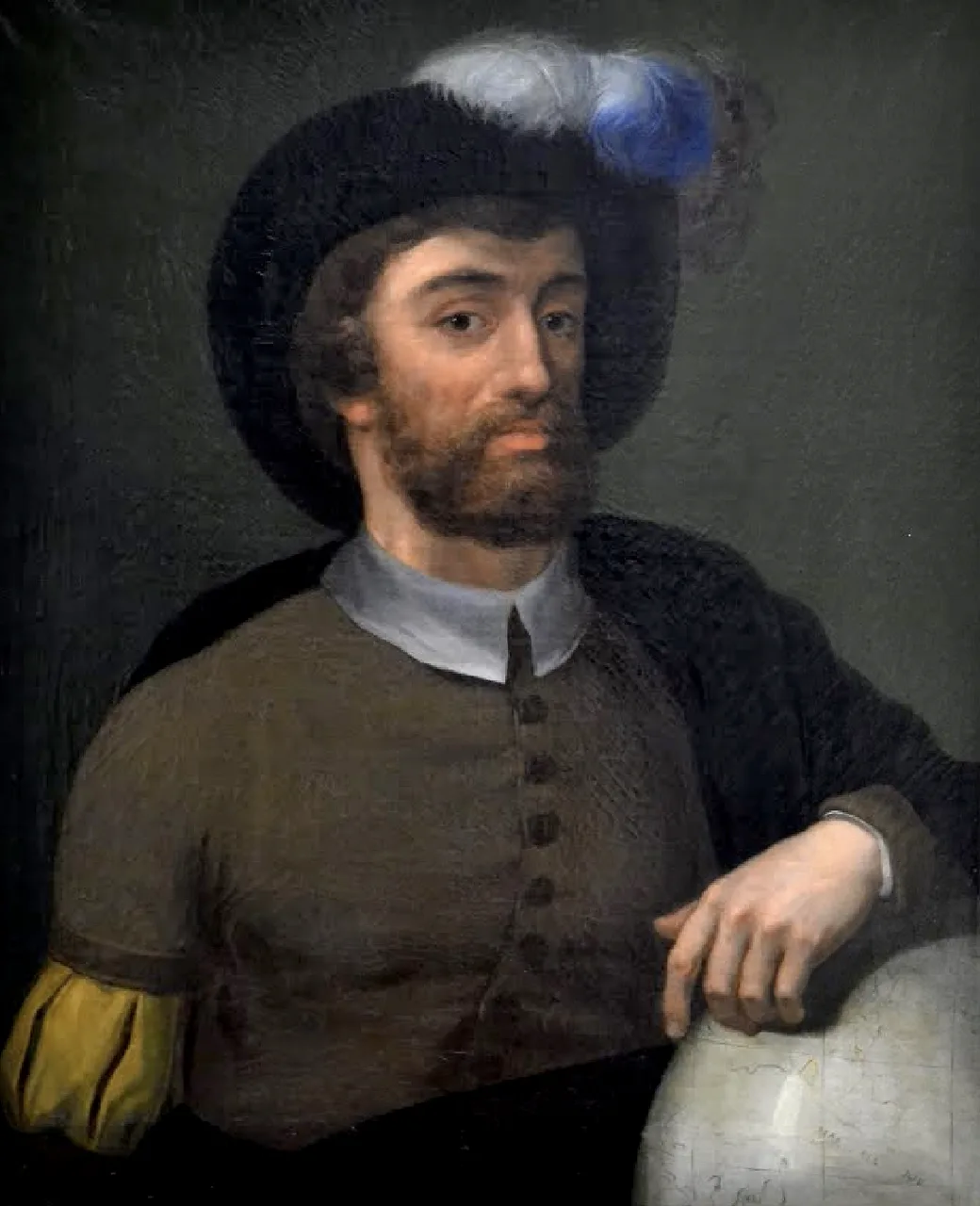
After Ferdinand Magellan was killed in the Philippines in 1521, Basque navigator Juan Sebastián Elcano took command of the remaining ship, the Victoria. He successfully guided the vessel back to Spain in 1522, completing the first recorded voyage around the entire globe.
Photo: AnonymousUnknown author, Wikimedia Commons, Public domain.
Tap the right answer
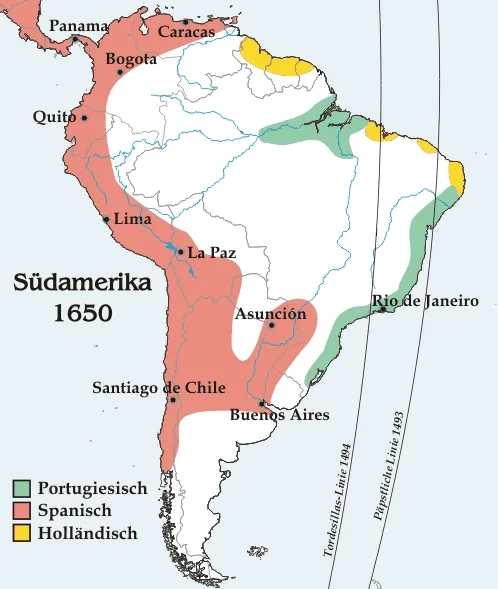
Pope Alexander VI issued the bull Inter caetera in 1493, which established a meridian 100 leagues west of the Cape Verde islands to divide non-Christian lands between Spain and Portugal. This laid the foundation for the Treaty of Tordesillas signed the following year.
Photo: Tzzzpfff at German Wikipedia, Wikimedia Commons, CC BY-SA 3.0.
Tap the right answer
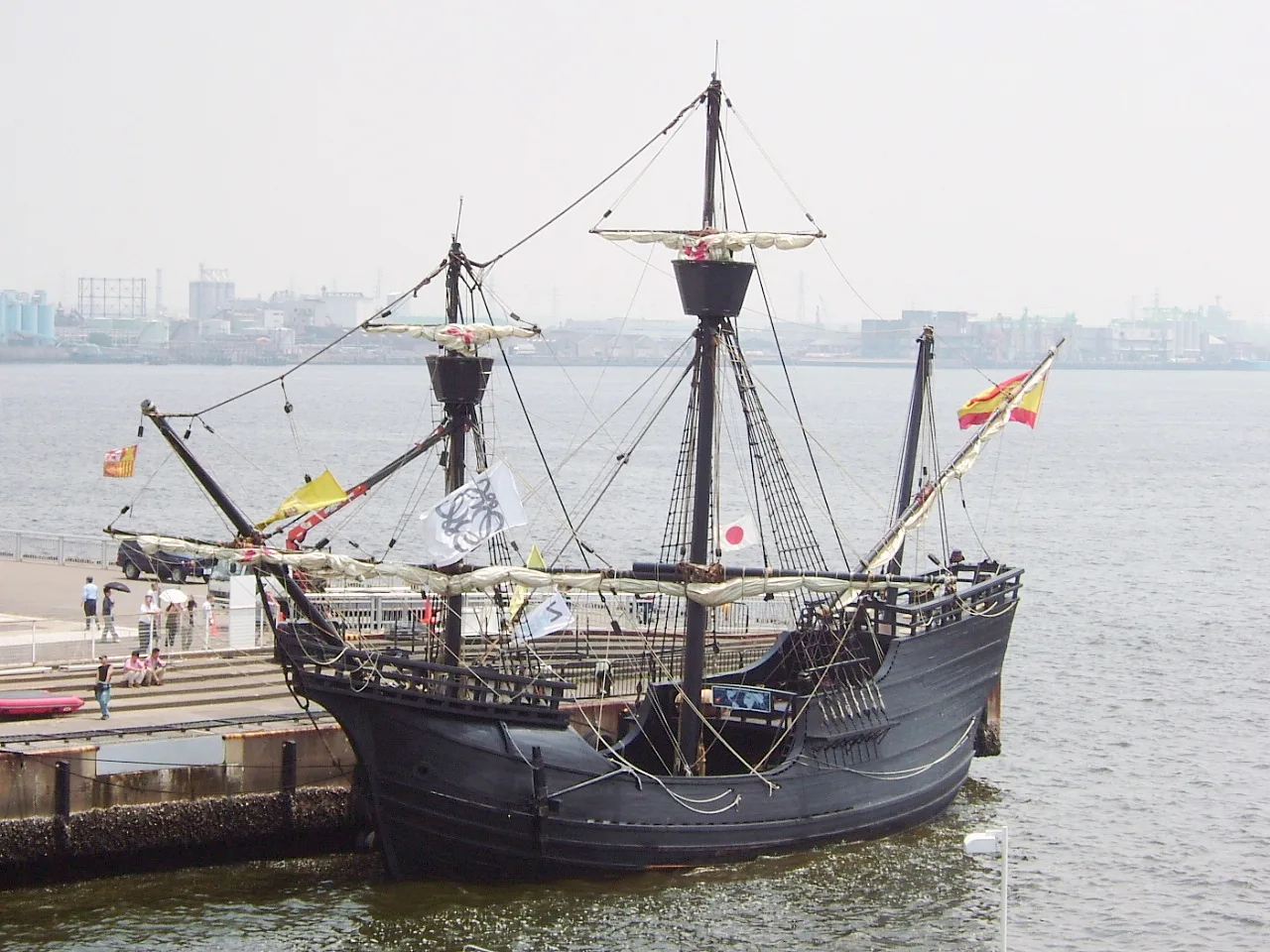
Despite its historic achievement, the Victoria was returned to commercial service. It made two more Atlantic voyages before disappearing at sea with all hands on its return trip from Santo Domingo in 1527.
Photo: Gnsin, Wikimedia Commons, CC BY-SA 3.0.


Want to make a quiz like this yourself? Do it on Votur, it's free.
Paste the code into your page. The player fits itself in, and every vote counts in Votur.
On WordPress, Ghost or Squarespace? Just paste the link of this page into your post.
This is how it looks
Also fun