Get app
 Photo: International Printing Museum, Wikimedia Commons, CC0.
Step back in time to explore the machine that transformed human history. Test your knowledge on how the printing press worked, the people who built it, and the ideas it unleashed.
Curious Page 0–4 · Bookworm 5–8 · Master Printer 9–10
Pick one

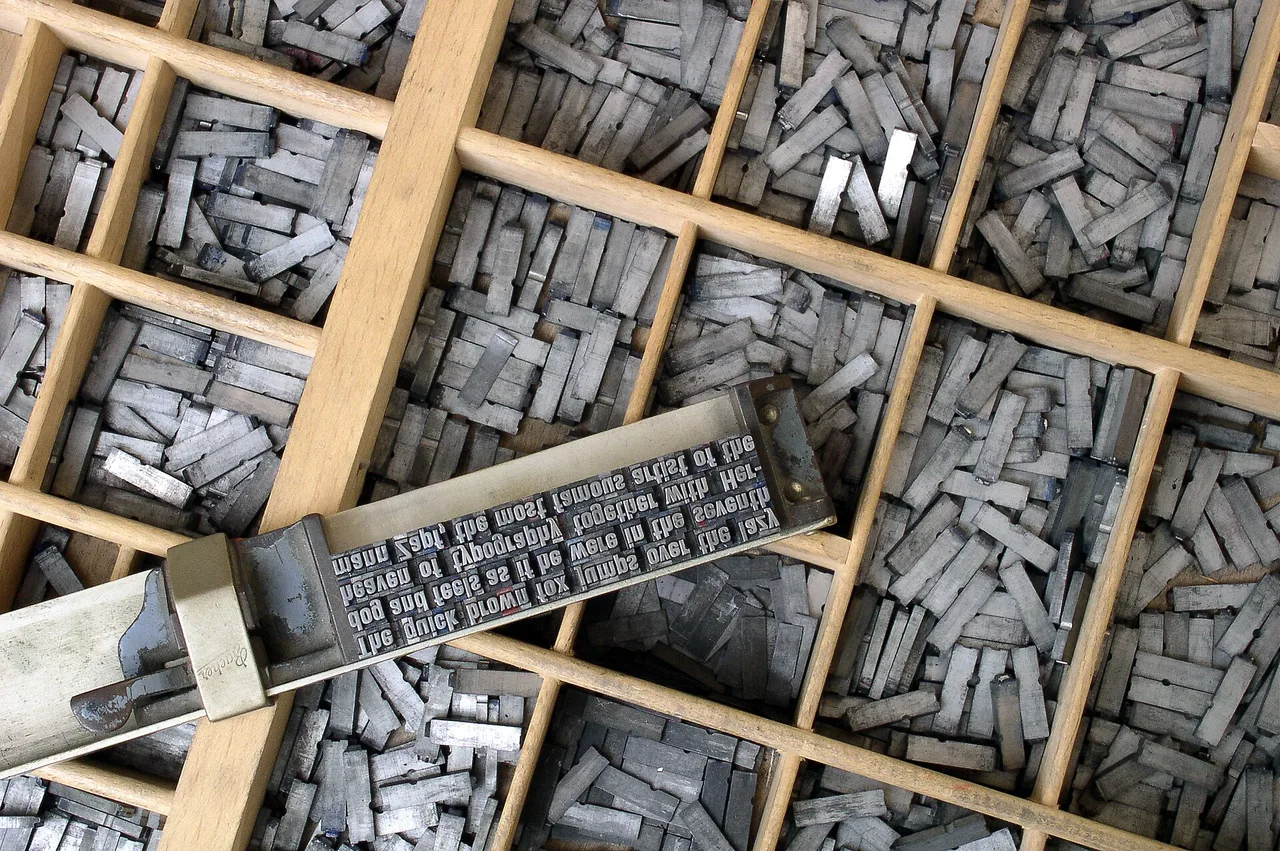
Bi Sheng invented ceramic movable type in China around 1040 during the Song dynasty. While Gutenberg popularized metal type in Europe, Chinese and Korean artisans had been experimenting with clay and metal systems centuries earlier, though woodblock printing remained more popular in Asia.
Photo: Willi Heidelbach, Wikimedia Commons, CC BY 2.5.
Pick one
The Protestant Reformation was deeply intertwined with the printing press. Martin Luther's German translation of the Bible and his critical pamphlets were printed and distributed by the thousands within weeks. This bypassed the traditional control of the Catholic Church and allowed ideas to spread fast.
Pick one
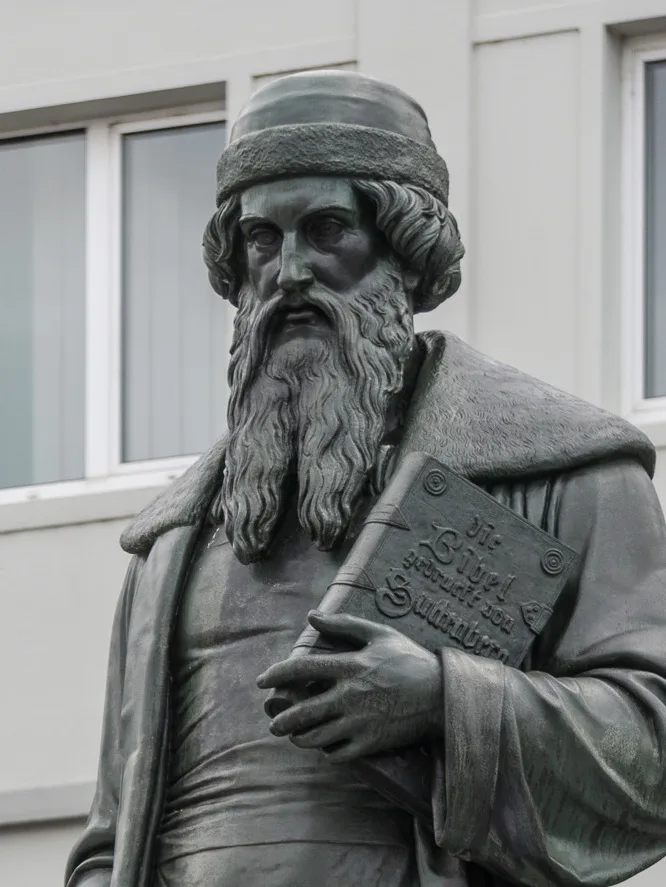
Johannes Gutenberg was trained as a goldsmith, which gave him the precise metalworking skills needed to cut and cast individual metal letter pieces. This background in metallurgy was crucial for creating the durable alloy of lead, tin, and antimony that made his printing system reusable.
Photo: Kenneth C. Zirkel, Wikimedia Commons, CC BY-SA 4.0.
Pick one
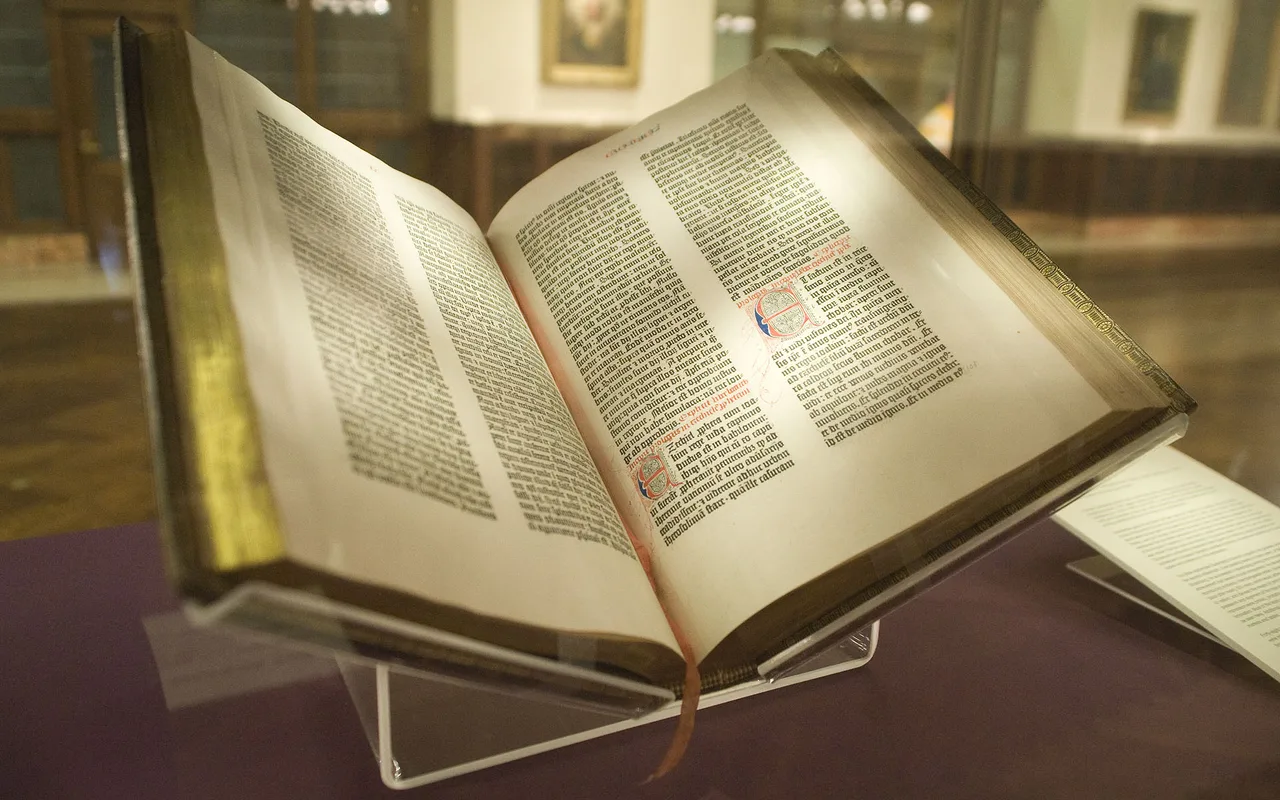
Gutenberg printed about 30 deluxe copies of his 42-Line Bible on vellum, which is prepared calfskin. Printing on vellum required extra care and significantly more resources; it is estimated that producing a single vellum Bible required the skins of around 170 calves.
Photo: NYC Wanderer (Kevin Eng), Wikimedia Commons, CC BY-SA 2.0.
Pick one
In the CMYK color model used for color printing, "K" stands for "Key," which represents black. The black plate is called the key plate because it provides the essential artistic detail, contrast, and alignment for the other three colors: Cyan, Magenta, and Yellow.
Pick one
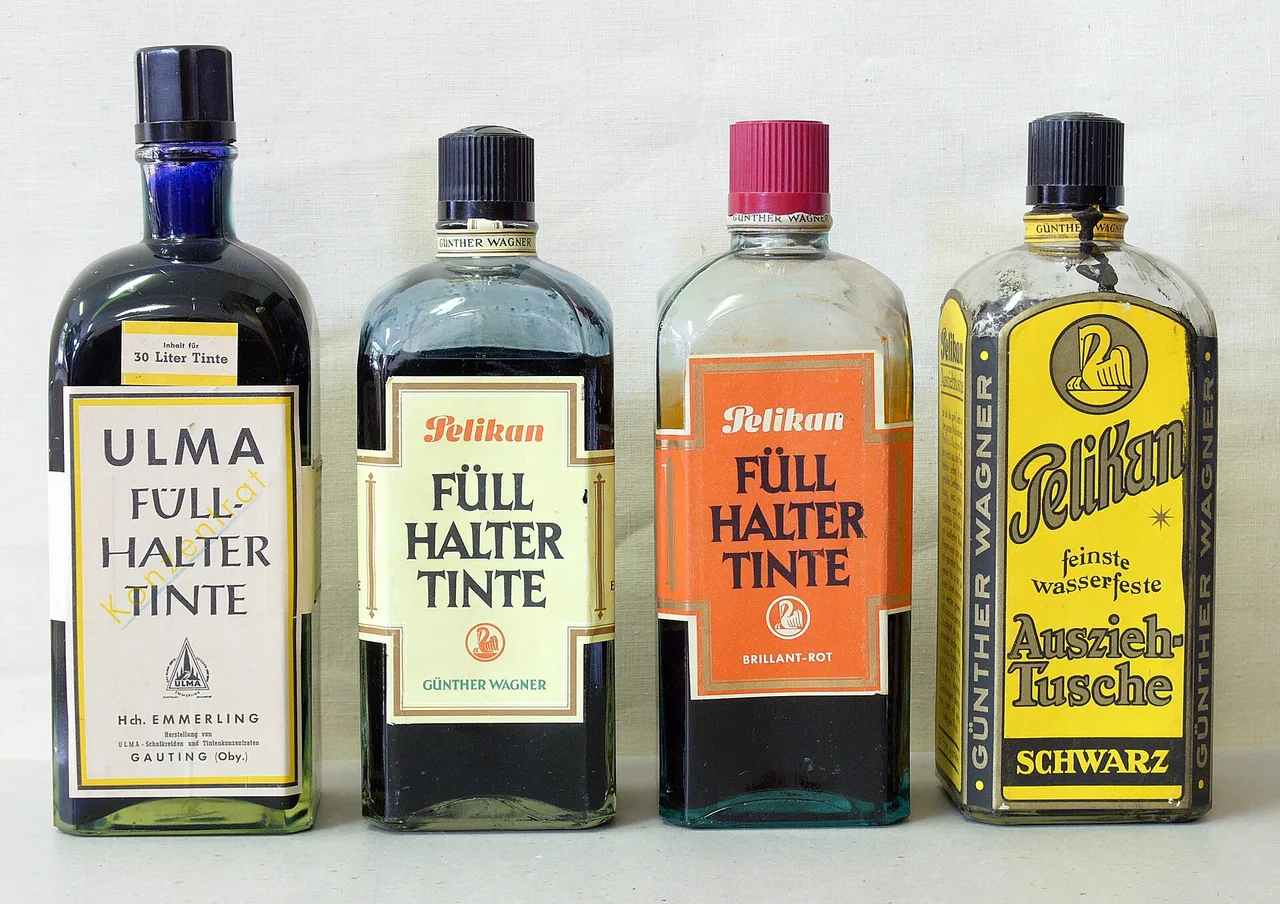
Traditional water-based inks would simply run off metal type without sticking properly. Gutenberg developed an oil-based ink using linseed oil and soot. This thick, viscous mixture adhered perfectly to the metal letters and transferred cleanly to damp paper without smudging or fading.
Photo: Dragon Librarian, Wikimedia Commons, CC BY-SA 4.0.
Pick one
Aldus Manutius revolutionized reading in the late 15th century by introducing "octavo" books, which were small and light enough to be carried in a pocket. To save space and fit more words on these smaller pages, he also commissioned the creation of italic type, which was modeled after handwriting.
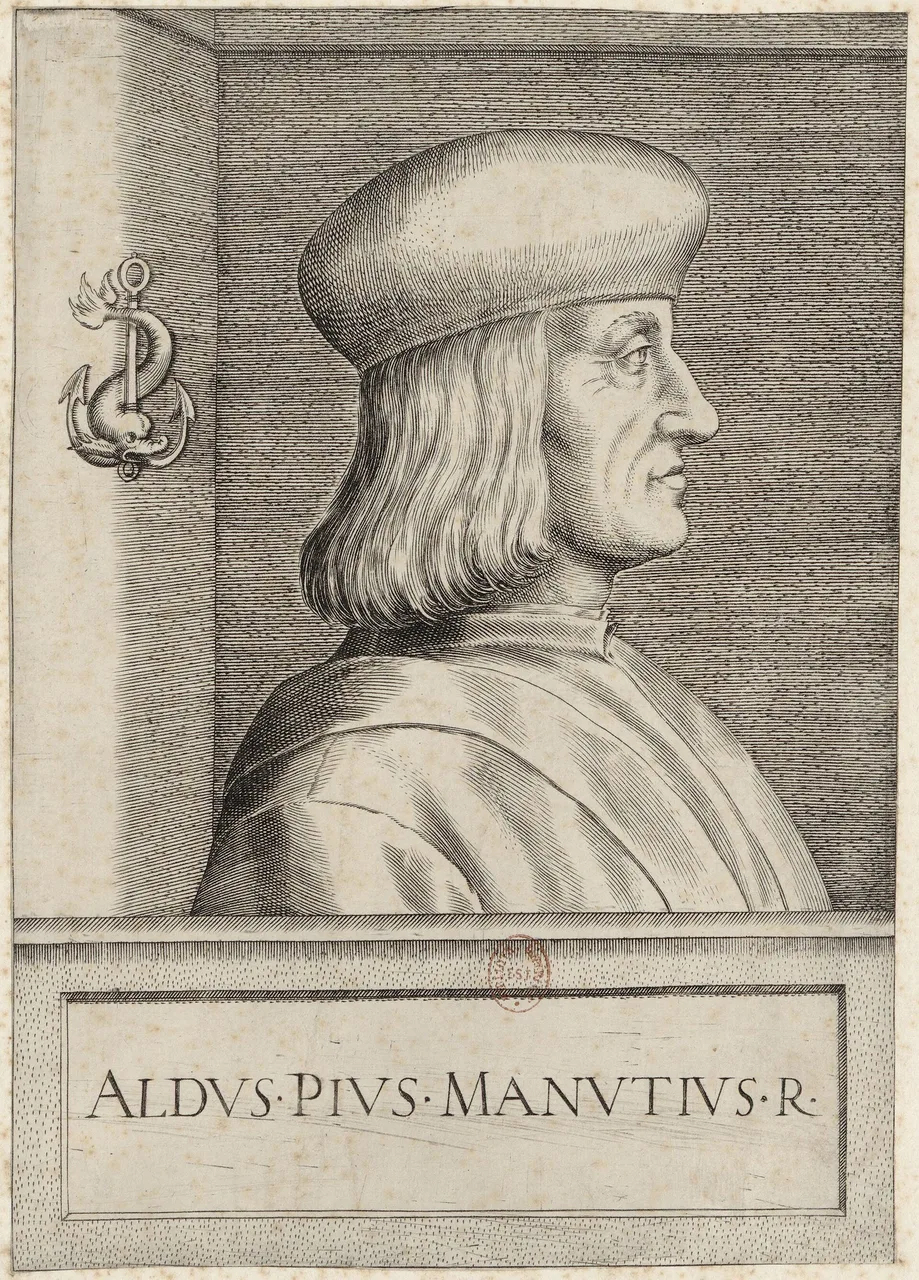
Photo: Rota, Martinus Sibenicensis (1520?-1583). Graveur, Wikimedia Commons, Public domain.
Pick one
Invented by Ottmar Mergenthaler in 1884, the Linotype machine revolutionized typesetting. Instead of picking individual metal letters by hand, an operator typed on a keyboard, and the machine cast a solid line of metal type. Thomas Edison famously called it the "Eighth Wonder of the World."
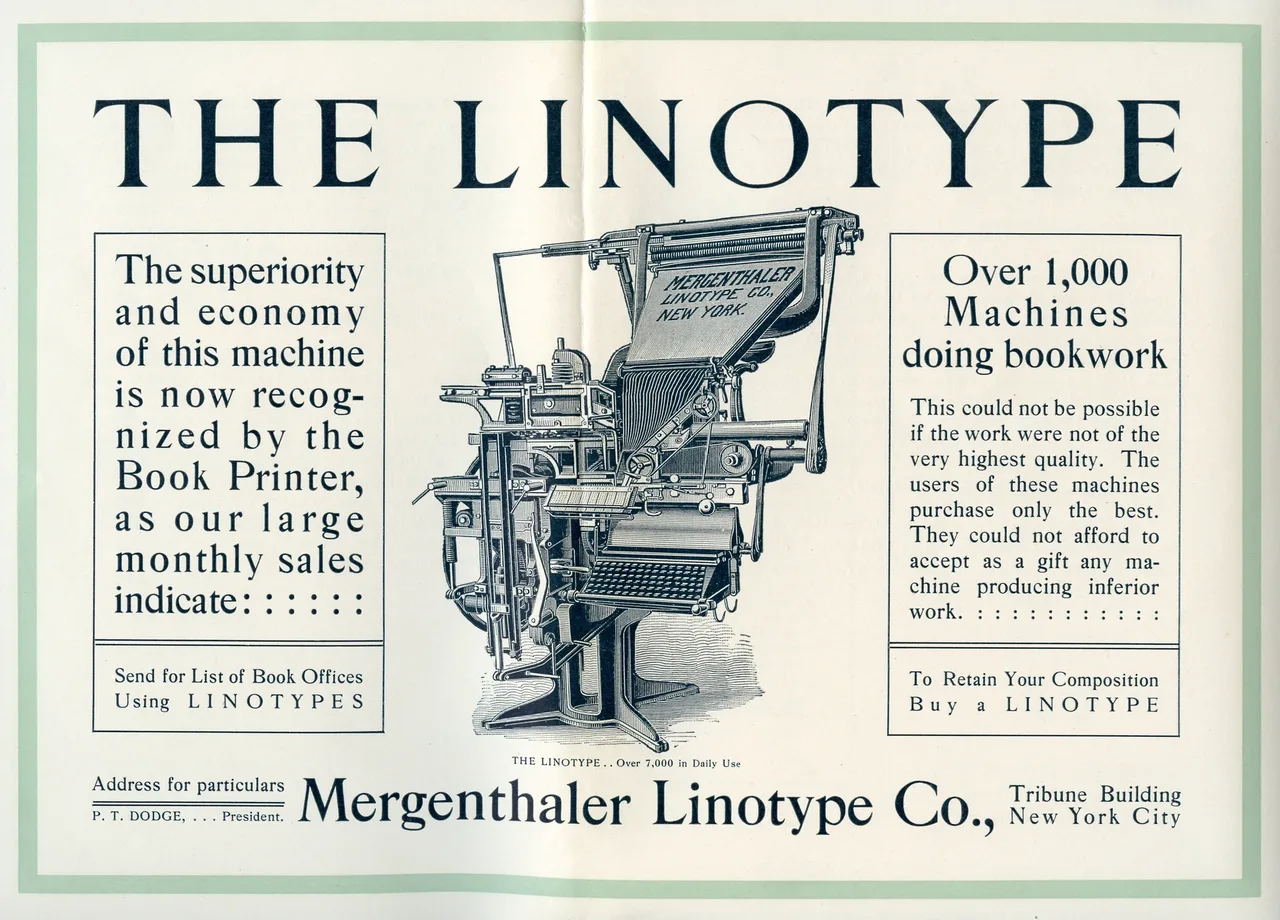
Photo: Mergenthaler Linotype Company, Wikimedia Commons, Public domain.
Pick one
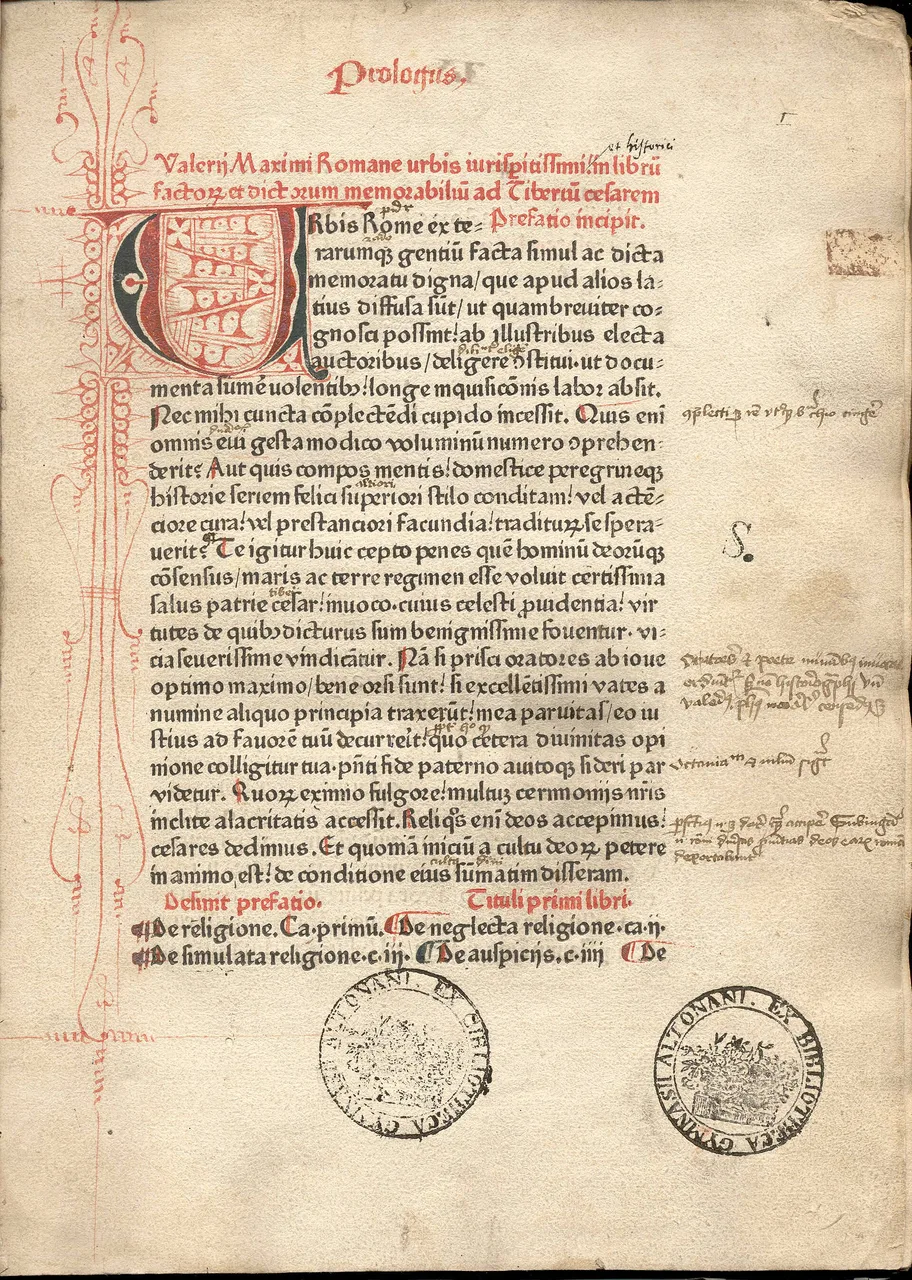
Books printed in Europe during the infancy of printing—specifically from Gutenberg's first press up to December 31, 1500—are called incunabula. The term comes from the Latin word for "cradle." These rare volumes are highly prized today and show the gradual transition from manuscripts to print.
Photo: Valerius Maximus, Wikimedia Commons, Public domain.
Pick one
Gutenberg adapted the wooden screw press used in his region for pressing grapes and olives. By modifying the screw mechanism to apply even, downward pressure on a flat sheet of paper over inked metal type, he transformed an agricultural tool into a machine that revolutionized the spread of knowledge.
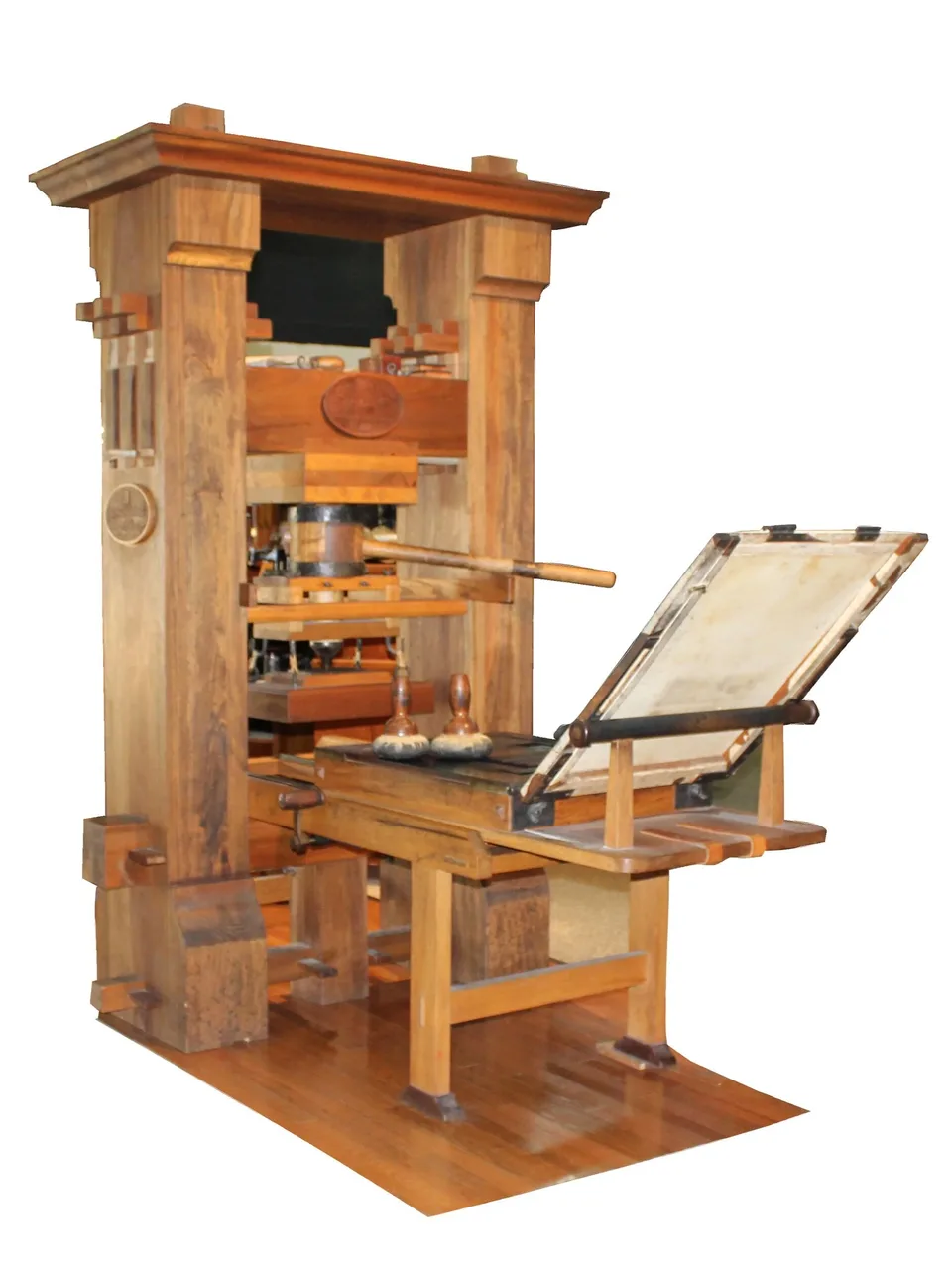
Photo: International Printing Museum, Wikimedia Commons, CC0.


Paste the code into your page. The player fits itself in, and every vote counts in Votur.
On WordPress, Ghost or Squarespace? Just paste the link of this page into your post.
This is how it looks
Also fun