 Get app
Step back to July 1969 and test your knowledge on the historic Apollo 11 mission. Discover the engineering marvels, personal stories, and surprising secrets behind humanity's first steps on the Moon!
Stargazer 0–4 · Mission Contributor 5–8 · Lunar Legend 9–9

Tap the right answer
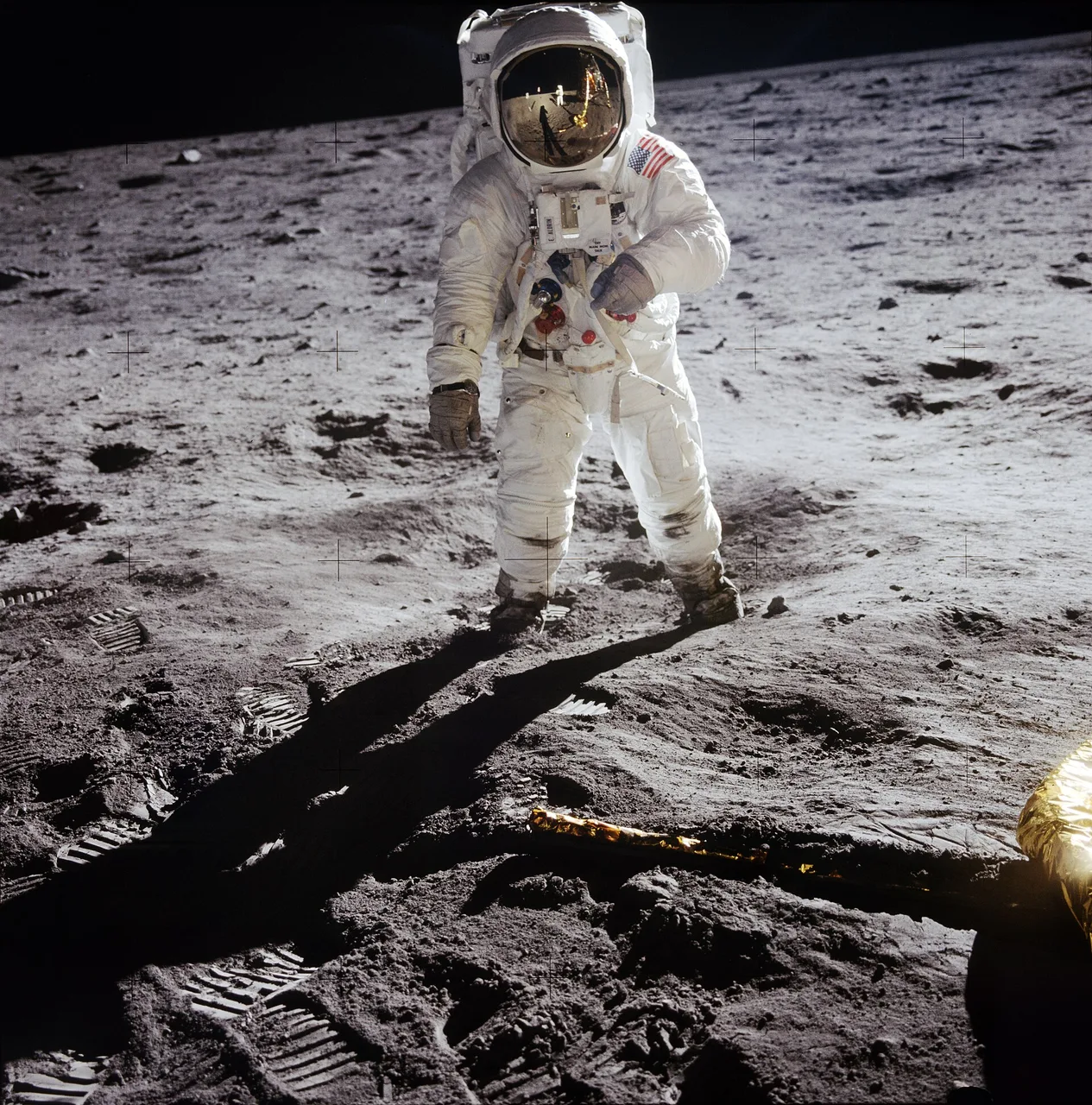
The Lunar Module was named Eagle, which inspired the famous phrase, "The Eagle has landed." The command module, which stayed in orbit with Michael Collins, was named Columbia. Interestingly, the name Eagle was chosen partly because the bald eagle is the national bird of the United States and was featured prominently on the mission patch.
Photo: Neil A. Armstrong, Wikimedia Commons, Public domain.
Tap the right answer
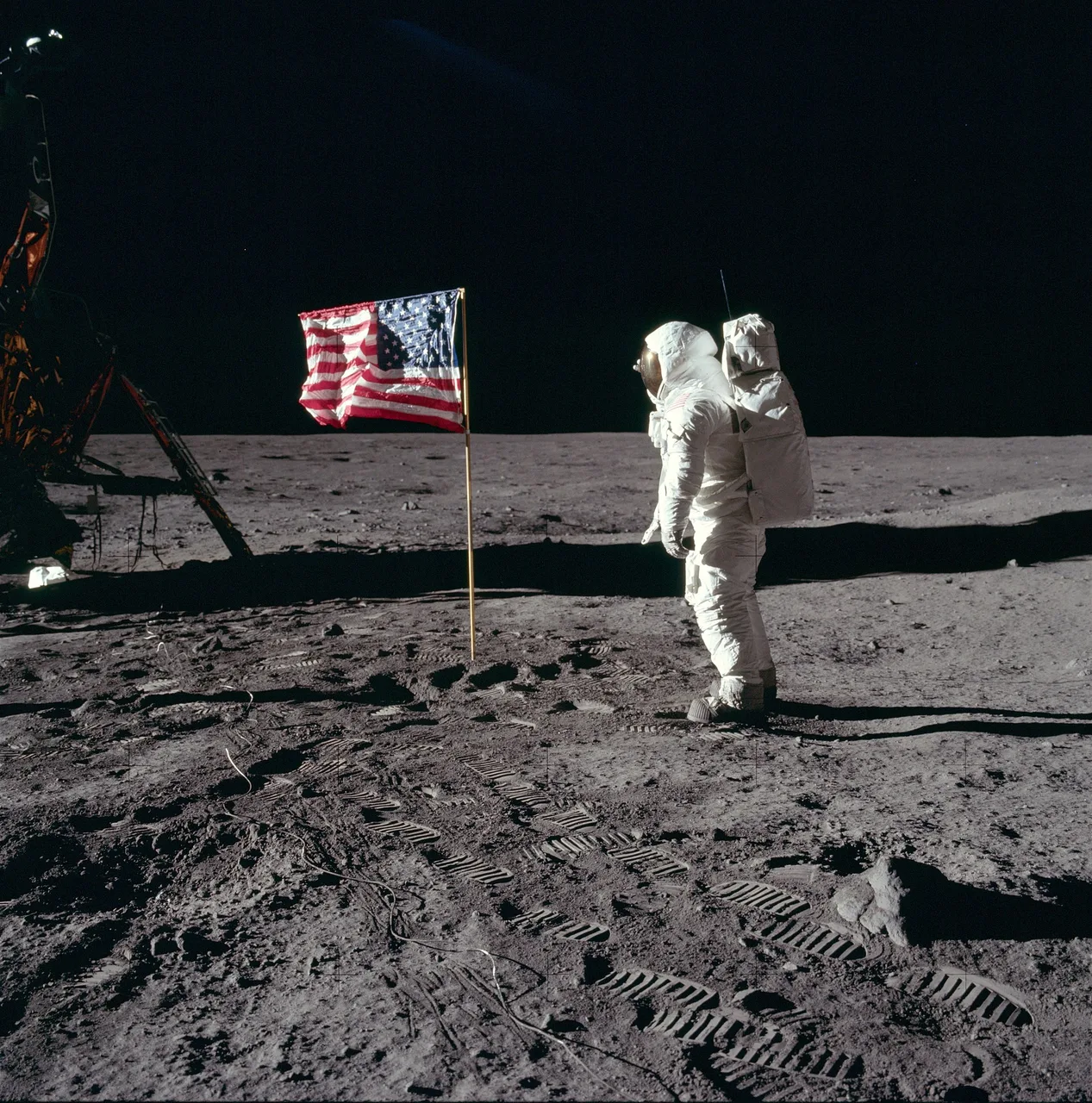
Buzz Aldrin reported seeing the flag topple over due to the powerful blast of the ascent engine as they launched from the Moon. For subsequent landing missions, NASA made sure to plant the flags much further away from the Lunar Module to prevent this from happening again.
Photo: NASA / Neil A. Armstrong, Wikimedia Commons, Public domain.
Tap the right answer
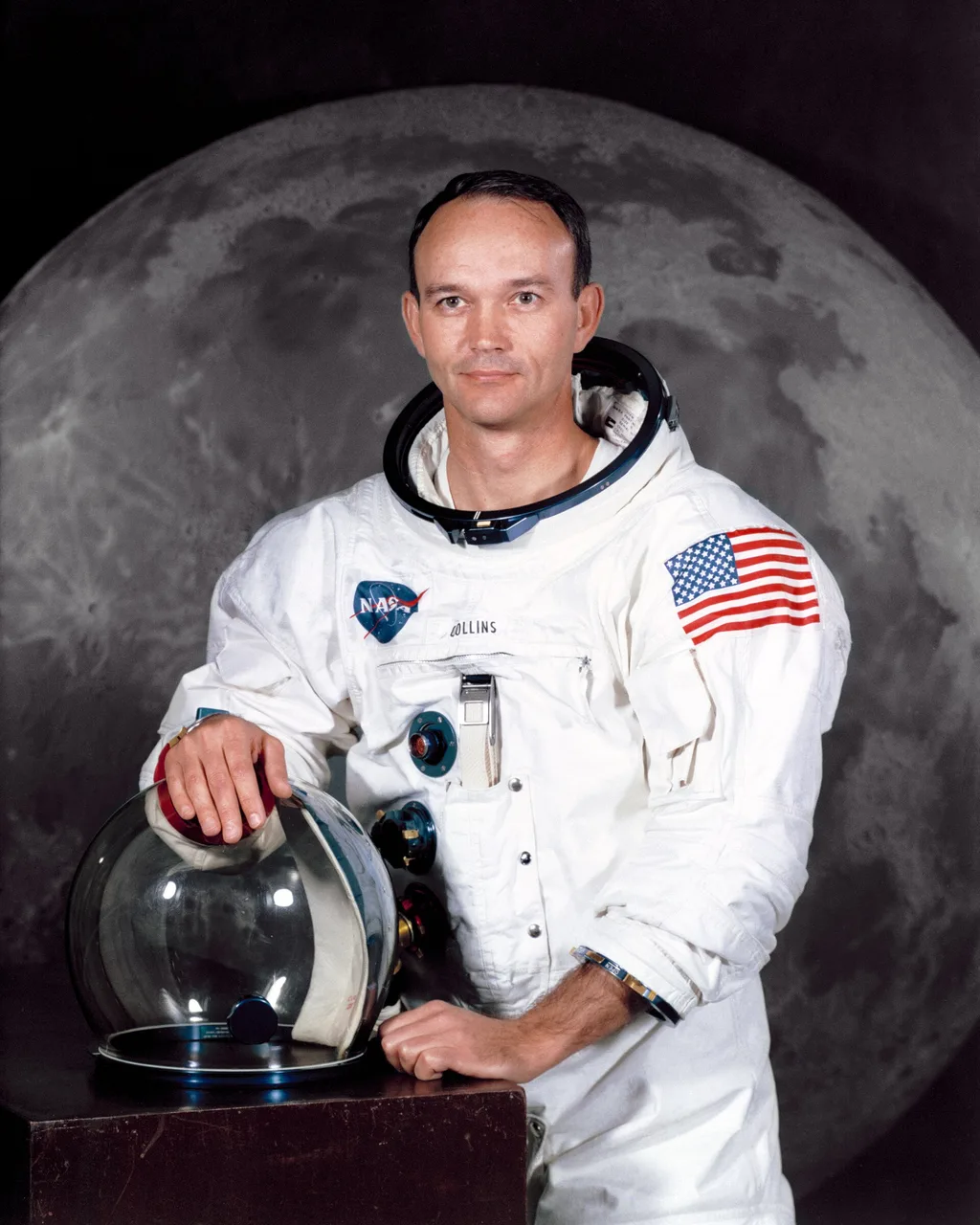
Michael Collins stayed behind to pilot the Columbia command module alone in lunar orbit. While orbiting the far side of the Moon, he was completely cut off from all radio contact with Earth, making him temporarily the most isolated human in the universe. Collins later wrote that he felt a strong sense of peace rather than loneliness during those quiet hours.
Photo: NASA; restored by Coffeeandcrumbs, Wikimedia Commons, Public domain.
Tap the right answer
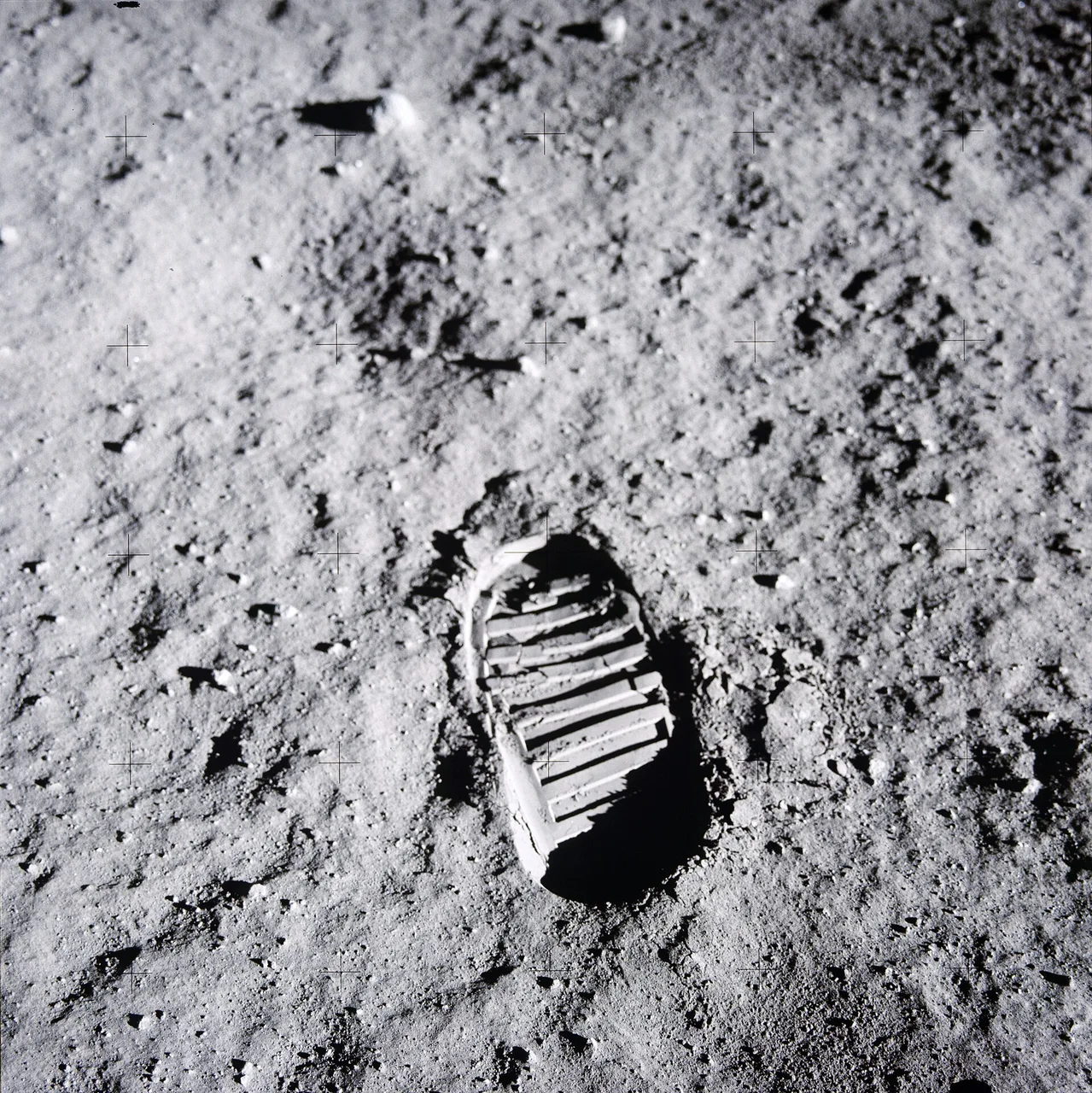
After returning from their spacewalk, the astronauts noticed that the clingy gray dust on their suits carried a distinct scent resembling wet ashes or spent gunpowder. Interestingly, back on Earth, lunar soil samples lose this smell completely because the highly reactive particles immediately oxidize when exposed to our atmosphere.
Photo: Buzz Aldrin, Wikimedia Commons, Public domain.
Tap the right answer
A speech titled "In Event of Moon Disaster" was prepared by speechwriter William Safire. It was designed for President Nixon to read to the nation if the Lunar Module failed to launch from the Moon, leaving the astronauts to perish. Thankfully, the engines fired perfectly, and the speech was never delivered.

Tap the right answer
Swedish manufacturer Hasselblad collaborated with NASA to create a modified camera that could withstand the extreme temperatures and vacuum of space. To save weight for the return trip, the astronauts had to leave the expensive camera bodies on the lunar surface, bringing back only the precious film magazines.
Photo: MahaNakhon, Wikimedia Commons, CC BY-SA 4.0.
Tap the right answer
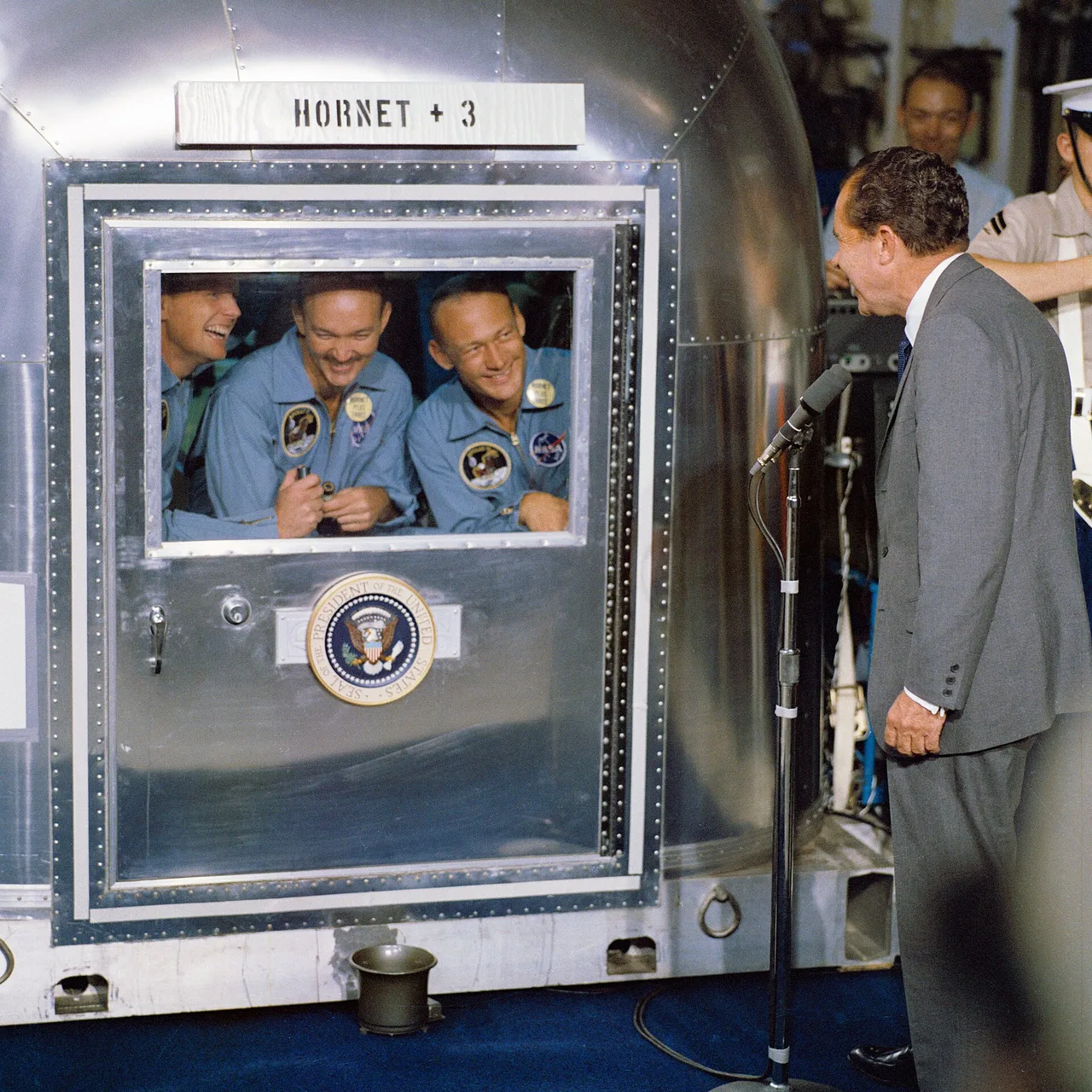
To guard against the highly unlikely threat of "space germs," the crew spent their first days of quarantine inside a converted Airstream trailer called the Mobile Quarantine Facility. They even had to speak to President Richard Nixon through a window in the trailer. The quarantine protocol was eventually abandoned after Apollo 14.
Photo: NASA, Wikimedia Commons, Public domain.
Tap the right answer
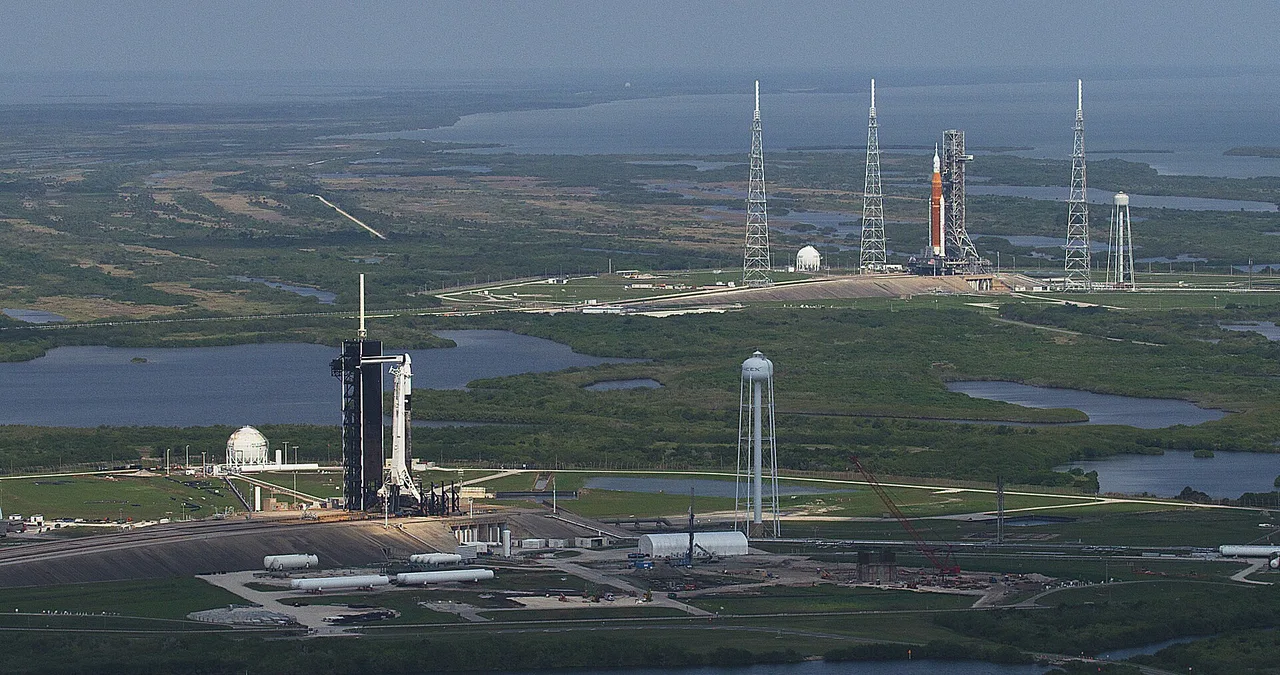
Apollo 11 launched from Pad A of Launch Complex 39 on July 16, 1969. This massive complex was built specifically to handle the giant Saturn V rockets. Launch Complex 34, by contrast, was an older pad used for the Saturn I rockets and was the tragic site of the Apollo 1 fire during a launch rehearsal.
Photo: NASA/Jamie Peer, Wikimedia Commons, Public domain.
Tap the right answer
Since standard life insurance was impossibly expensive for astronauts, the crew signed hundreds of envelopes, known as postal covers, while in pre-launch quarantine. These were postmarked on the day of the launch. If the mission ended in tragedy, their families could sell these highly valuable autographs to support themselves.


Want to make a quiz like this yourself? Do it on Votur, it's free.
Paste the code into your page. The player fits itself in, and every vote counts in Votur.
On WordPress, Ghost or Squarespace? Just paste the link of this page into your post.
This is how it looks
Also fun