 Get app
Spin through history and science with this quiz about the wheel! Discover how this simple machine shaped human civilization, from ancient pottery to modern engineering marvels.
Cartwright Curious 0–4 · Axle Expert 5–8 · Master of Rotation 9–10

Tap the right answer
George Ferris designed his massive 264-foot wheel for the 1893 World's Columbian Exposition in Chicago. It was built as a direct response to Paris's Eiffel Tower. Each of its 36 cars could carry up to 60 people, making it a true engineering triumph of the age.
Tap the right answer
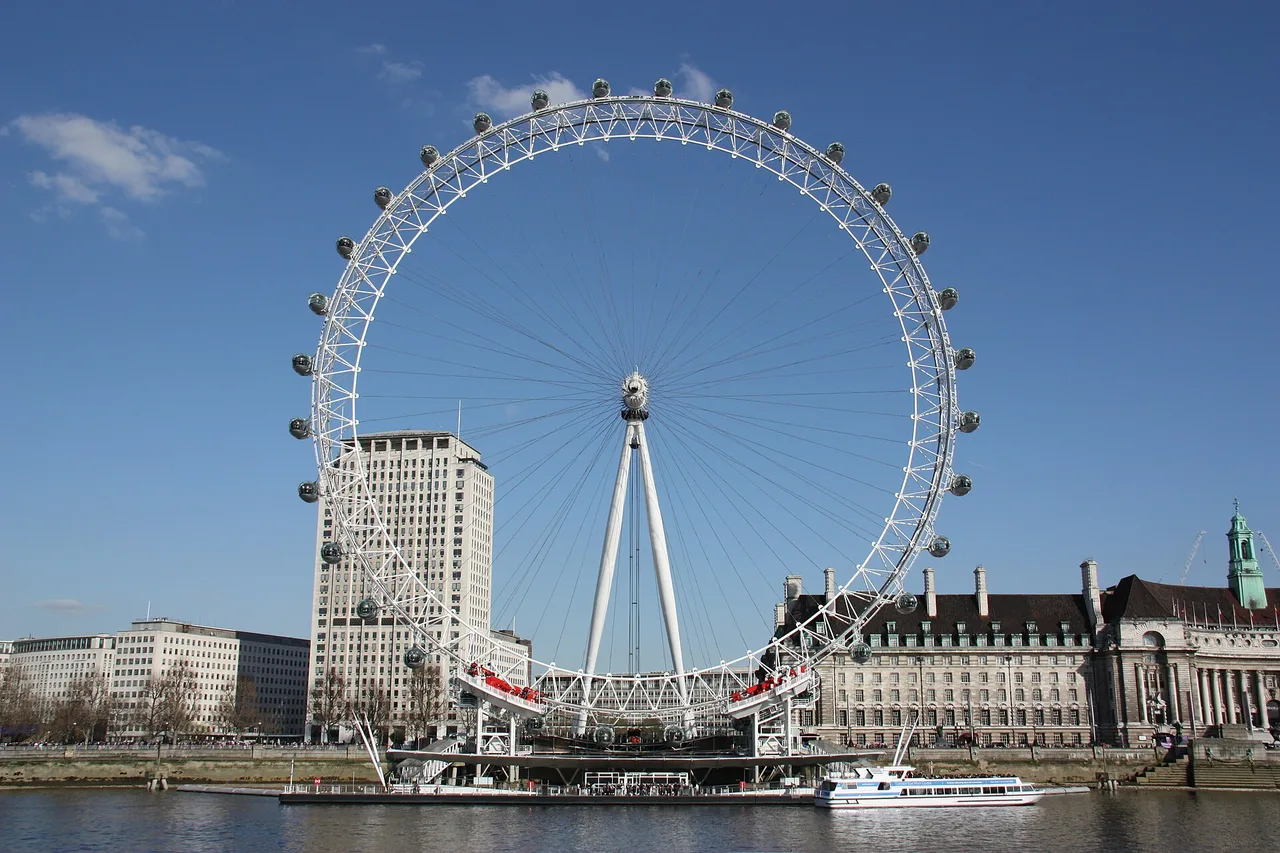
The London Eye is often called a Ferris wheel, but it is actually a cantilevered observation wheel. This means the entire structure is anchored by an A-frame on just one side. When it opened, it was the tallest wheel of its kind in the world, standing at 135 meters.
Photo: Khamtran, Wikimedia Commons, CC BY-SA 3.0.
Tap the right answer
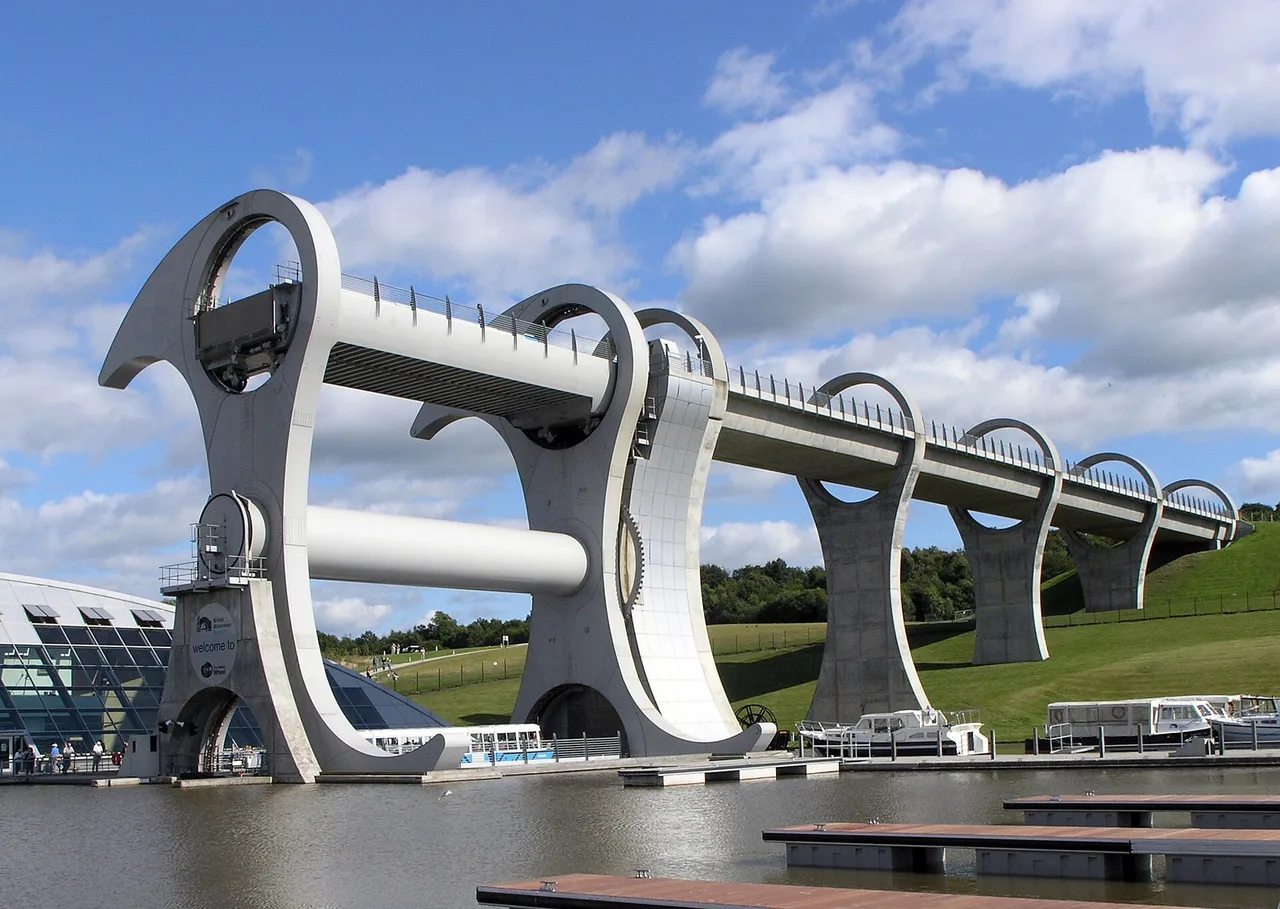
The Falkirk Wheel is a marvelous rotating boat lift in Scotland that connects two canals. It uses a tiny amount of energy to rotate—only about 1.5 kilowatt-hours per turn, which is roughly the same energy needed to boil eight household kettles of water!
Photo: Sean Mack, Wikimedia Commons, CC BY 2.5.
Tap the right answer
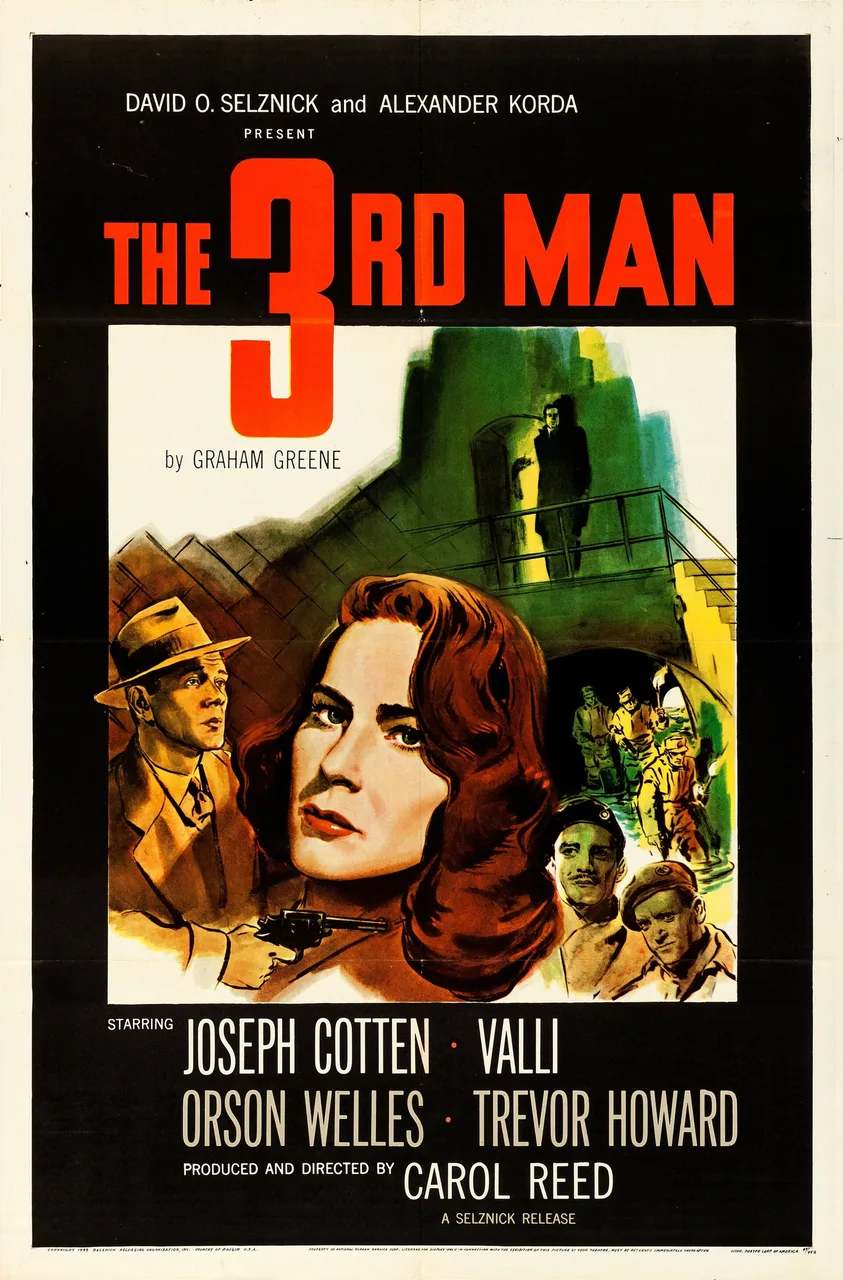
The Wiener Riesenrad in Vienna is the backdrop for one of cinema's most famous scenes in "The Third Man." From high up on the wheel, Orson Welles' character compares the people below to tiny dots. Built in 1897, this historic wheel survived World War II despite being badly damaged.
Photo: "Copyright 1949 Selznick Releasing Organization, Inc. Country of Origin U.S.A.", Wikimedia Commons, Public domain.
Tap the right answer
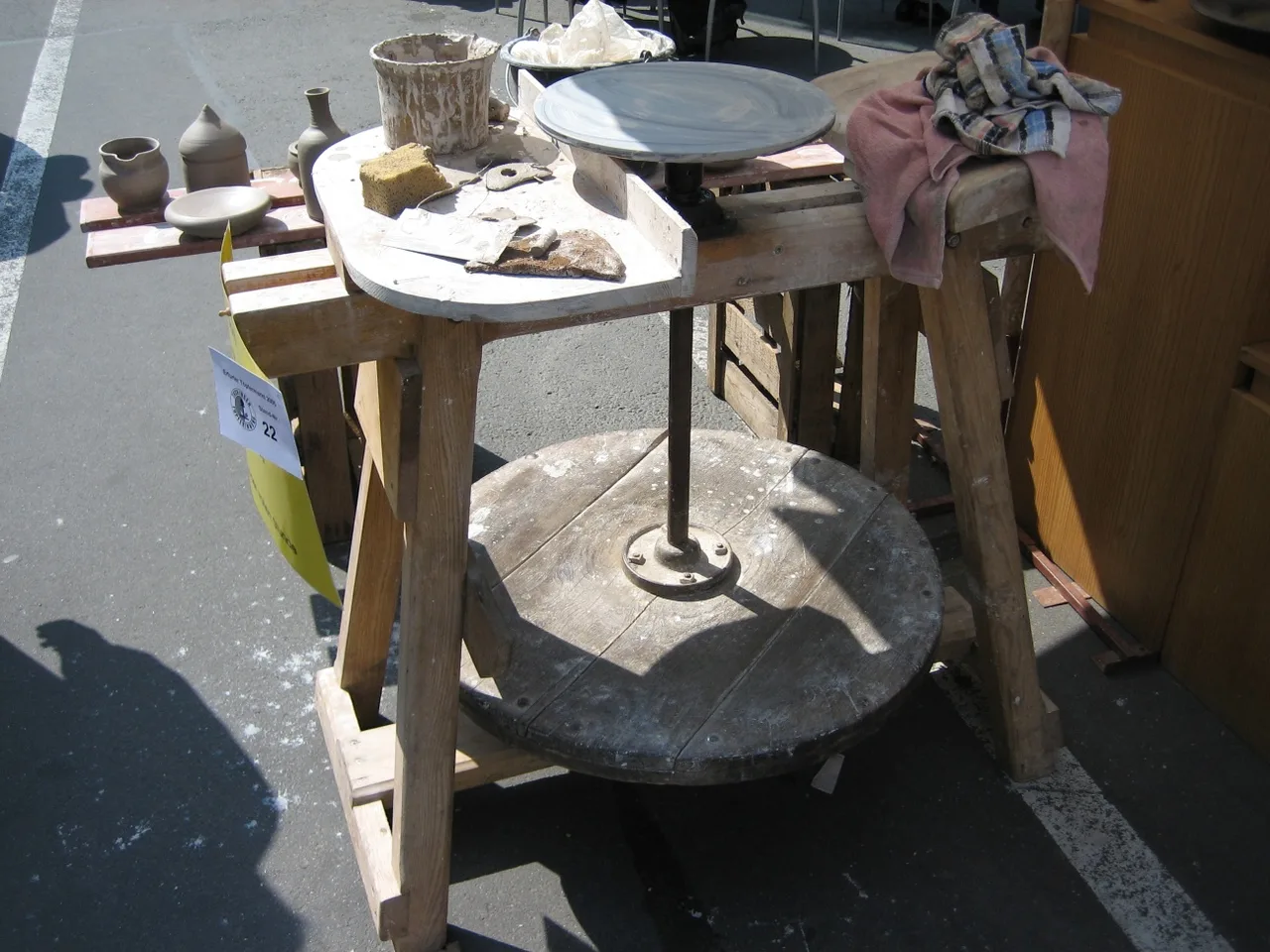
While we associate wheels with transport, the oldest wheels were actually used by potters in Mesopotamia around 3500 BC. It took another three centuries for people to realize that mounting these spinning discs horizontally on axles could help move heavy carts.
Photo: Oliver Kurmis, Wikimedia Commons, Public domain.
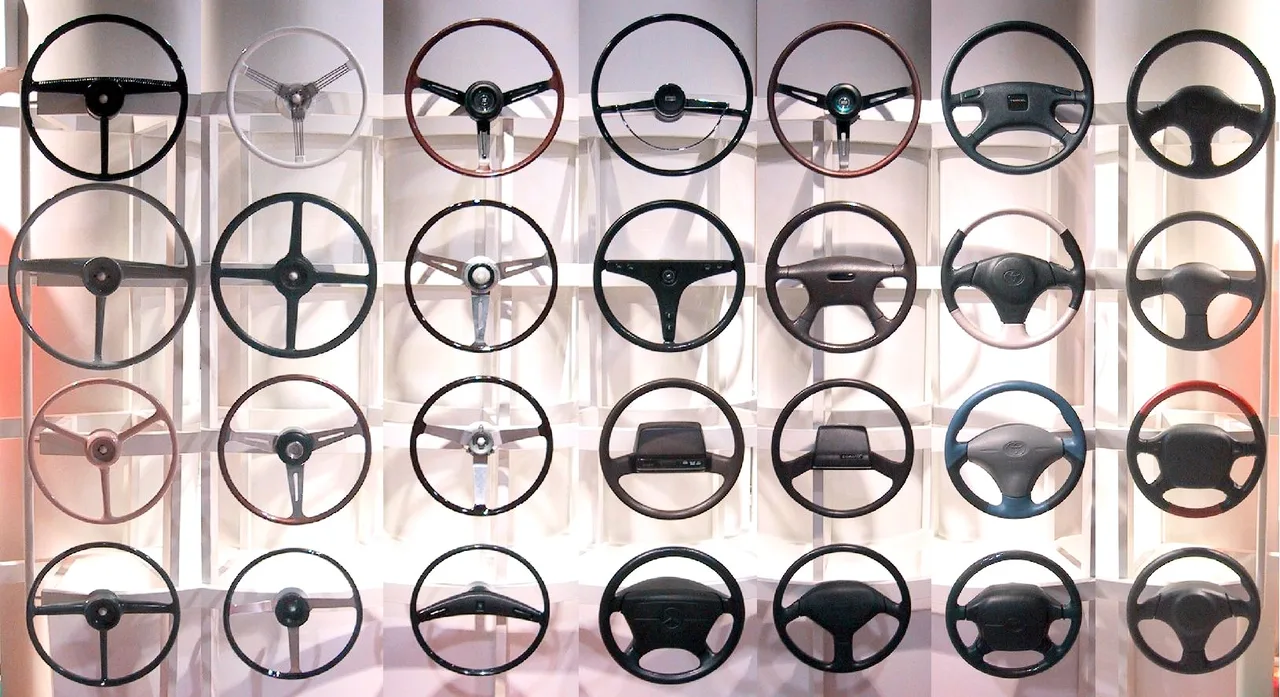
Tap the right answer
In 1894, driver Alfred Vacheron ran a Panhard & Levassor car with a circular steering wheel in the Paris-Rouen race, replacing the traditional tiller. This innovation made steering much more precise. Within a few years, almost all major car makers adopted the design.
Photo: Chris 73, Wikimedia Commons, CC BY-SA 3.0.
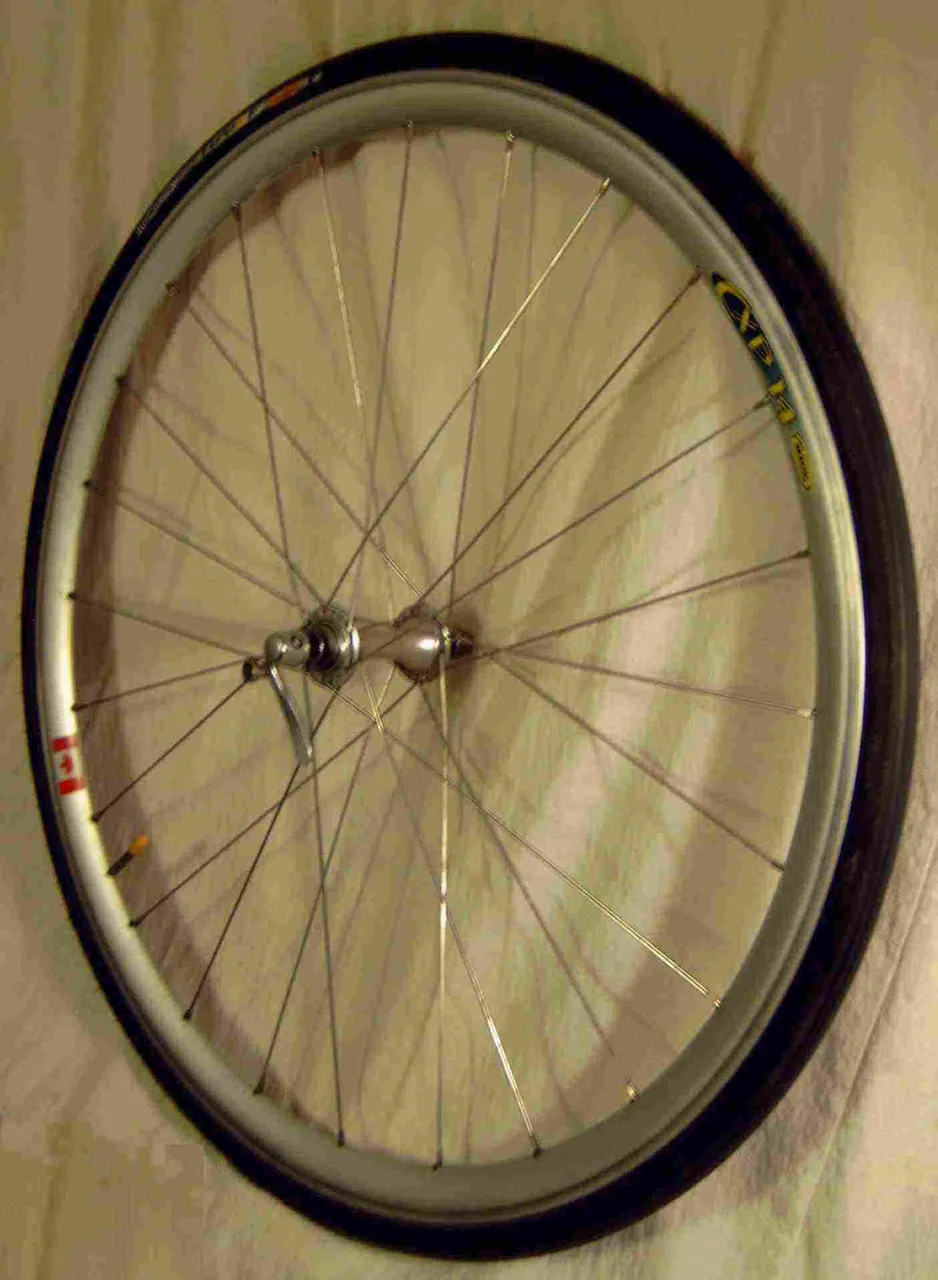
Tap the right answer
Modern bicycle wheels rely on tension rather than compression. The wire spokes are kept under high tension, meaning the wheel's hub actually hangs from the top spokes rather than resting on the bottom ones. This clever design makes the wheel incredibly light yet strong.
Photo: Dhodges at English Wikipedia, Wikimedia Commons, CC BY-SA 3.0.
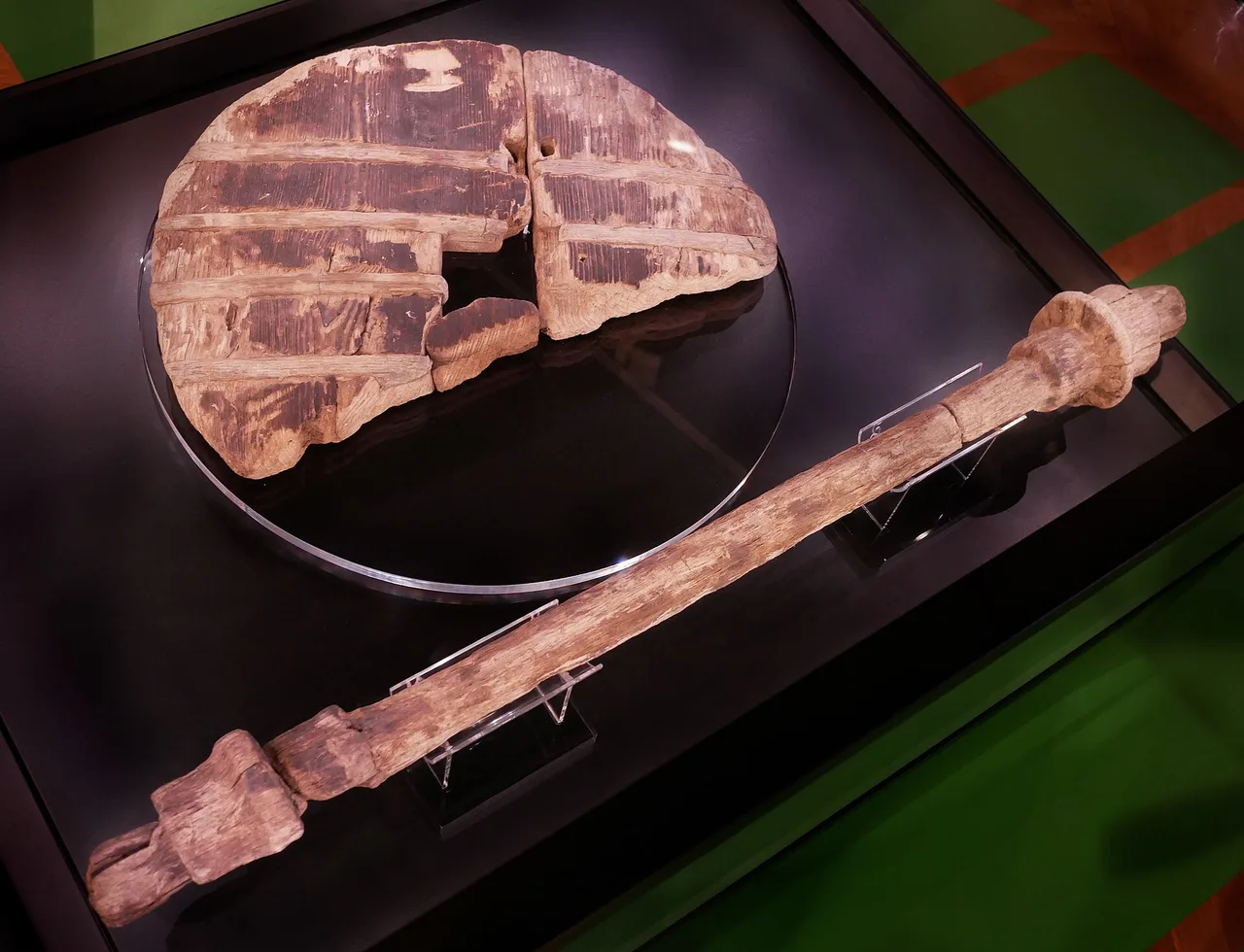
Tap the right answer
The Ljubljana Marshes Wheel was found in Slovenia in 2002 and is estimated to be around 5,150 years old. Made of ash and oak, it even came with its own oak axle. This discovery surprised researchers, as it proved advanced woodwork existed in Europe much earlier than previously assumed.
Photo: Petar Milošević, Wikimedia Commons, CC BY-SA 4.0.
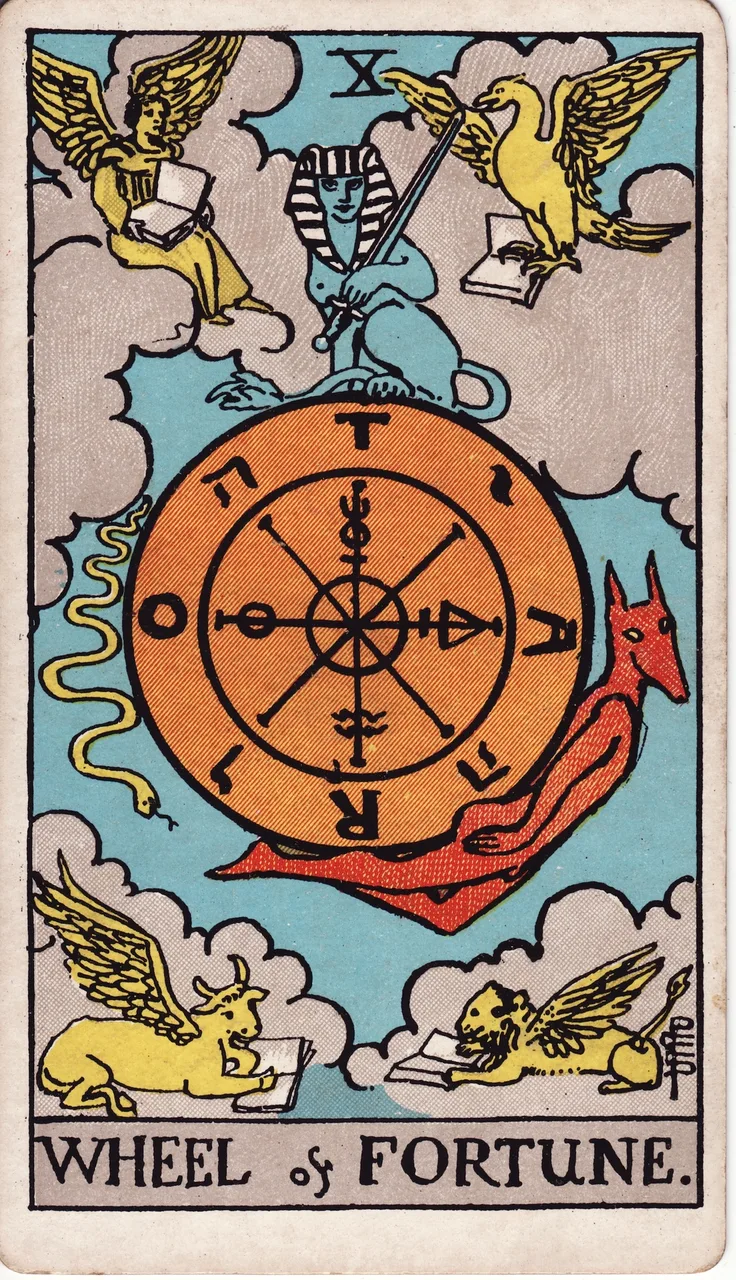
Tap the right answer
In the Rider-Waite tarot deck, the Wheel of Fortune features a blue Sphinx holding a sword at the very top. It represents life's unpredictable ups and downs. The card also features four winged creatures in the corners, symbolizing the four fixed zodiac signs.
Photo: Pamela Colman Smith, Wikimedia Commons, Public domain.
Tap the right answer
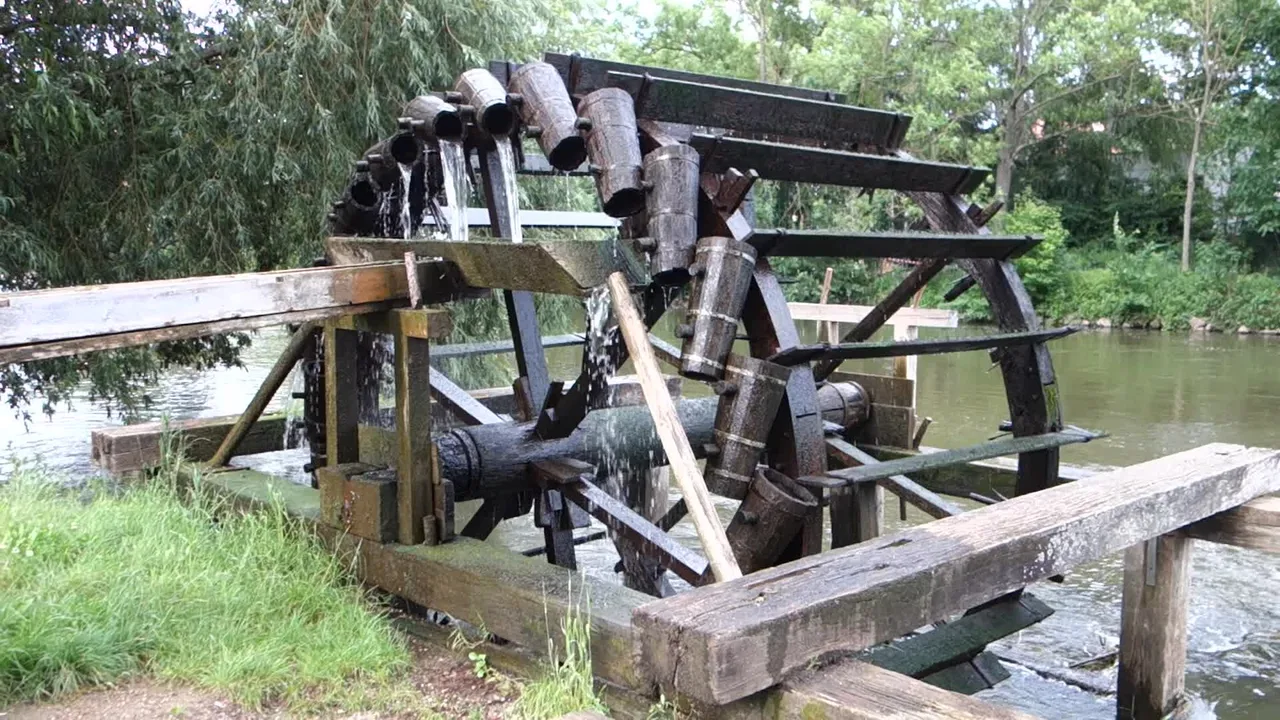
An overshot water wheel is highly efficient because it uses both the physical weight of the water filling its buckets and the force of the flow. Traditional overshot wheels can achieve up to 85% efficiency, which is surprisingly high even by modern mechanical standards.
Photo: Spike, Wikimedia Commons, CC BY-SA 4.0.


Want to make a quiz like this yourself? Do it on Votur, it's free.
Paste the code into your page. The player fits itself in, and every vote counts in Votur.
On WordPress, Ghost or Squarespace? Just paste the link of this page into your post.
This is how it looks
Also fun