 Get app
 Photo: Jacek Halicki, Wikimedia Commons, CC BY-SA 4.0.
Test your knowledge of the compass, the simple magnetic needle that unlocked the world. Discover its history, science, and role in navigation.
Compass Curious 0–4 · Wayfinder 5–8 · Master Navigator 9–10

Tap the right answer
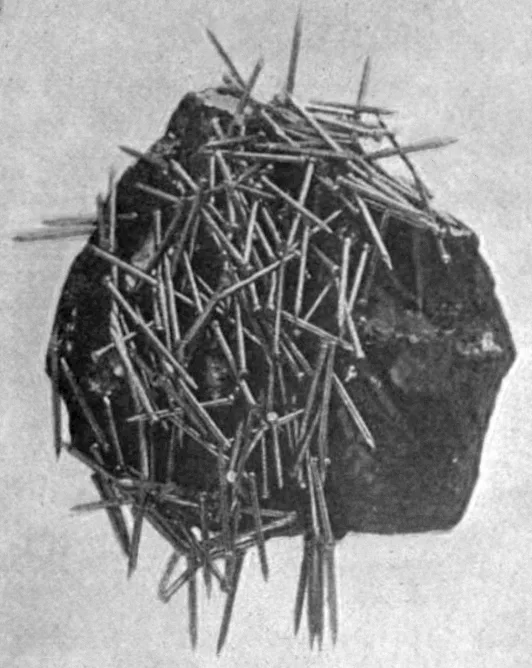
Lodestone is a naturally magnetized piece of the mineral magnetite. Ancient Chinese diviners during the Han dynasty noticed these stones aligned themselves north-to-south. Interestingly, these first compasses were shaped like spoons and were initially used for geomancy and fortune-telling rather than navigation.
Photo: Fred Anzley Annet, Wikimedia Commons, Public domain.
Tap the right answer
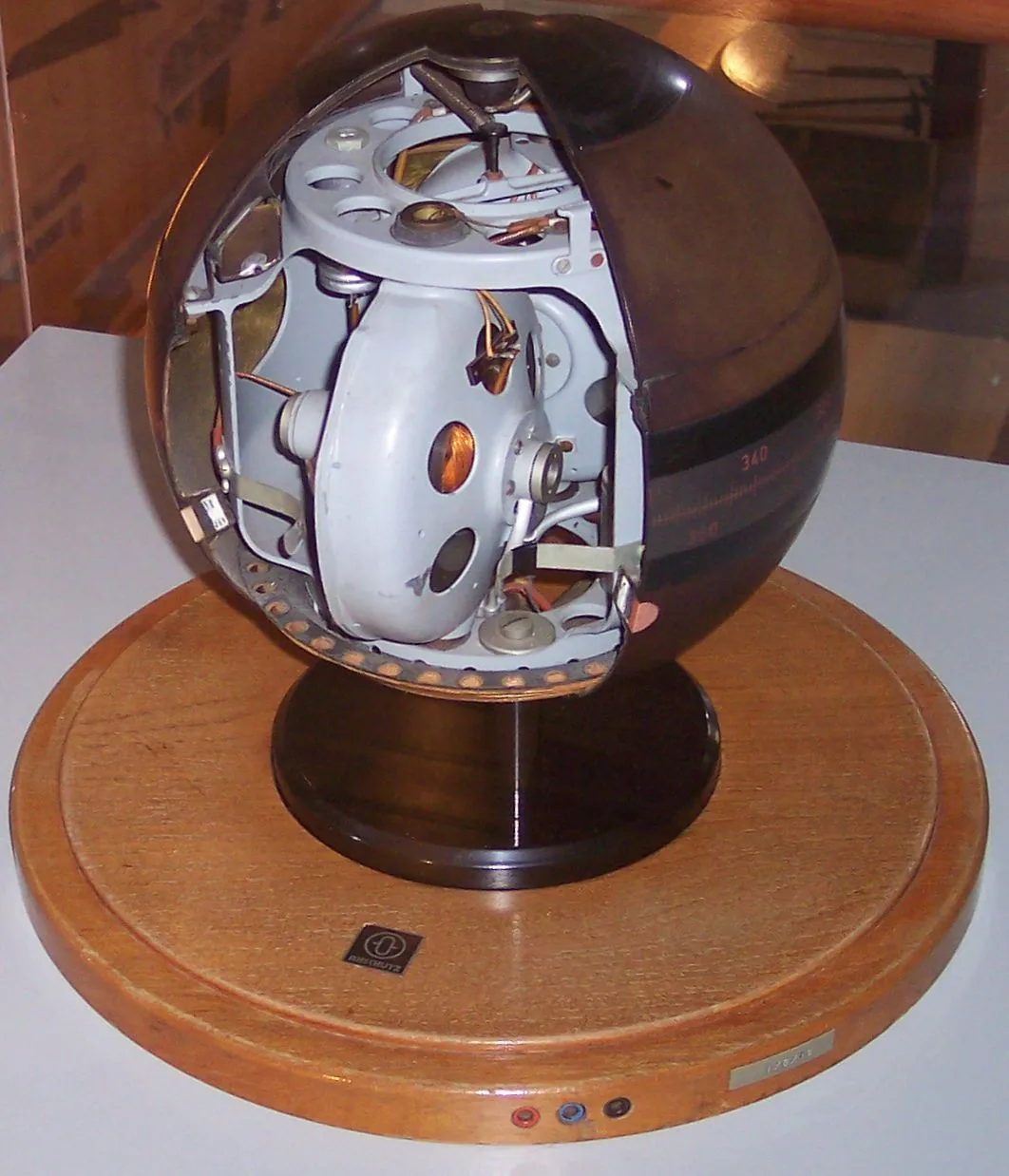
A gyrocompass is a non-magnetic compass that uses a rapidly spinning wheel and the physical laws of precession to align itself with the Earth's rotational axis, pointing directly to true north. This makes it immune to magnetic interference from steel ships.
Photo: Stahlkocher, Wikimedia Commons, CC BY-SA 3.0.
Tap the right answer
The phrase "boxing the compass" refers to the ability to name all 32 points of the compass in order, starting from North. This was a vital skill for sailors in the age of sail, ensuring clear communication when steering a vessel through open water.
Tap the right answer
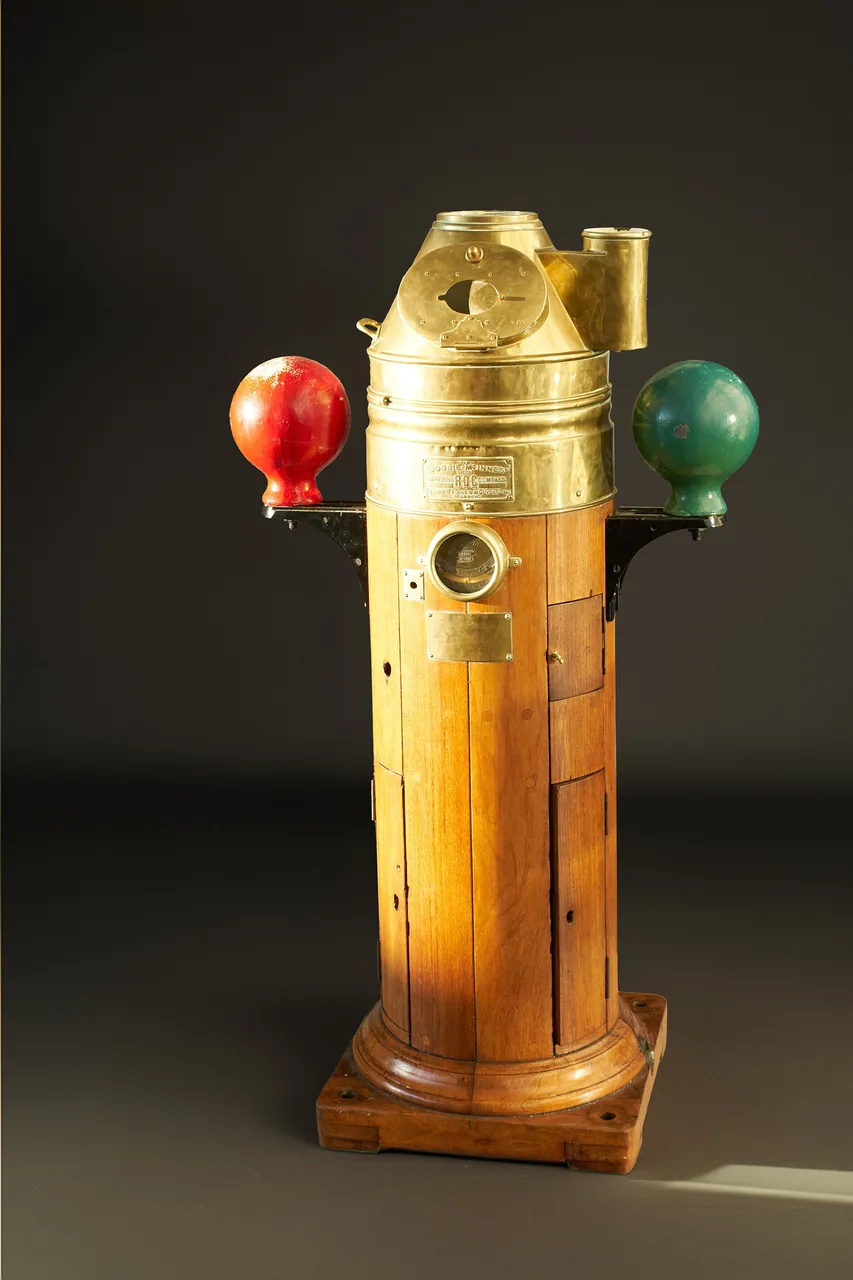
The binnacle is the waist-high housing on a ship's deck that holds the magnetic compass. It is usually placed right in front of the helmsman and often contains compensating magnets to counteract the magnetic interference caused by the ship's iron hull.
Photo: DYVER, Wikimedia Commons, CC BY-SA 4.0.
Tap the right answer
Magnetic declination is the angle between magnetic north and true north, which varies depending on your position on Earth. Navigators must adjust their readings to avoid getting lost. Magnetic inclination, on the other hand, is the angle the Earth's magnetic field lines make with the horizontal plane.
Tap the right answer
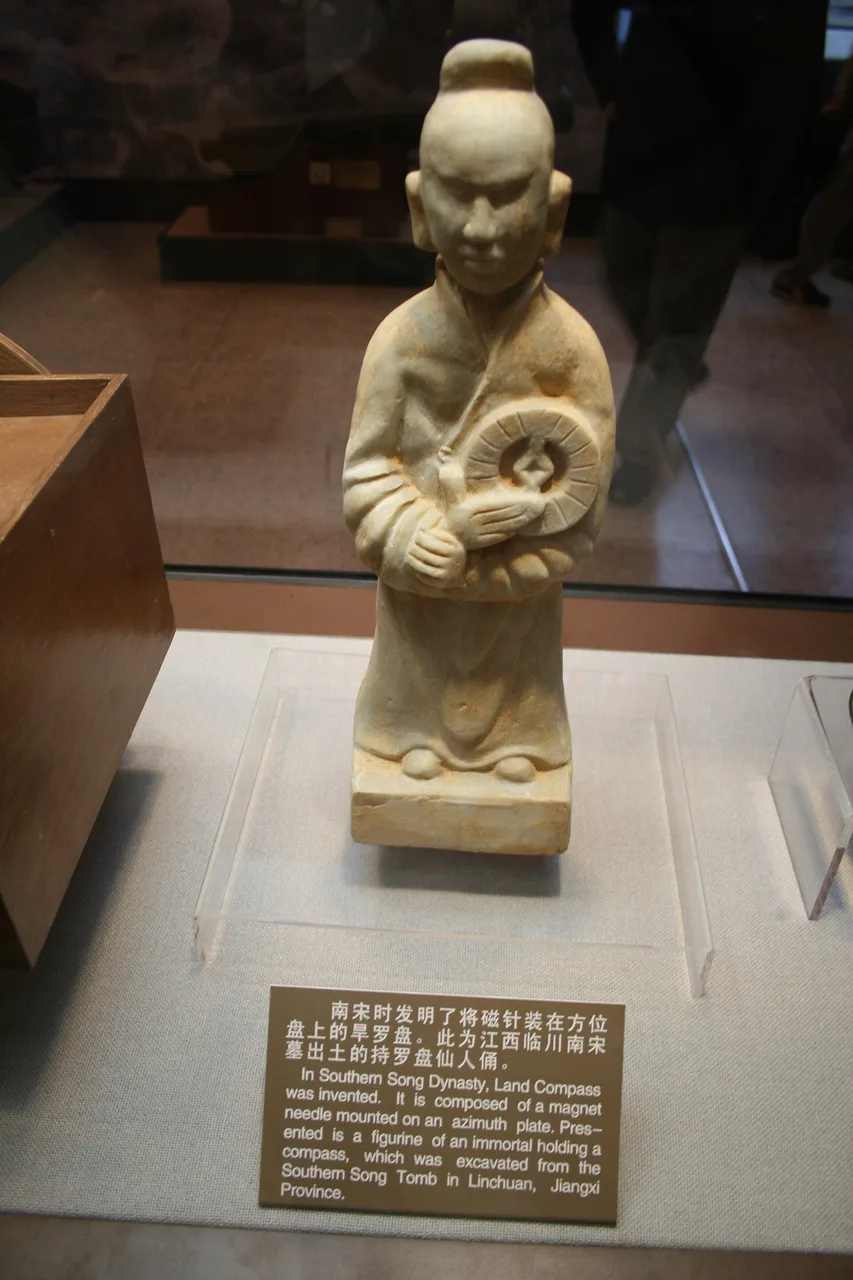
While earlier dynasties understood magnetic properties, the Song dynasty (960–1279 AD) is the first to document using a magnetic needle for open-sea navigation. This revolutionized trade, allowing ships to confidently sail straight across deep oceans instead of hugging the coastline.
Photo: Gary Todd from Xinzheng, China, Wikimedia Commons, CC0.
Tap the right answer
During the Han dynasty, Chinese inventors created the first compasses using lodestone, a naturally magnetic iron ore. These early devices were shaped like ladles or spoons resting on a bronze plate and were initially used for divination and geomancy rather than navigation.
Photo: Jacek Halicki, Wikimedia Commons, CC BY-SA 4.0.
Tap the right answer
Sir James Clark Ross located the North Magnetic Pole on June 1, 1831, during an Arctic expedition led by his uncle, Sir John Ross. He found it on the Boothia Peninsula in northern Canada, where the magnetic needle pointed directly downward at a 90-degree angle.
Tap the right answer
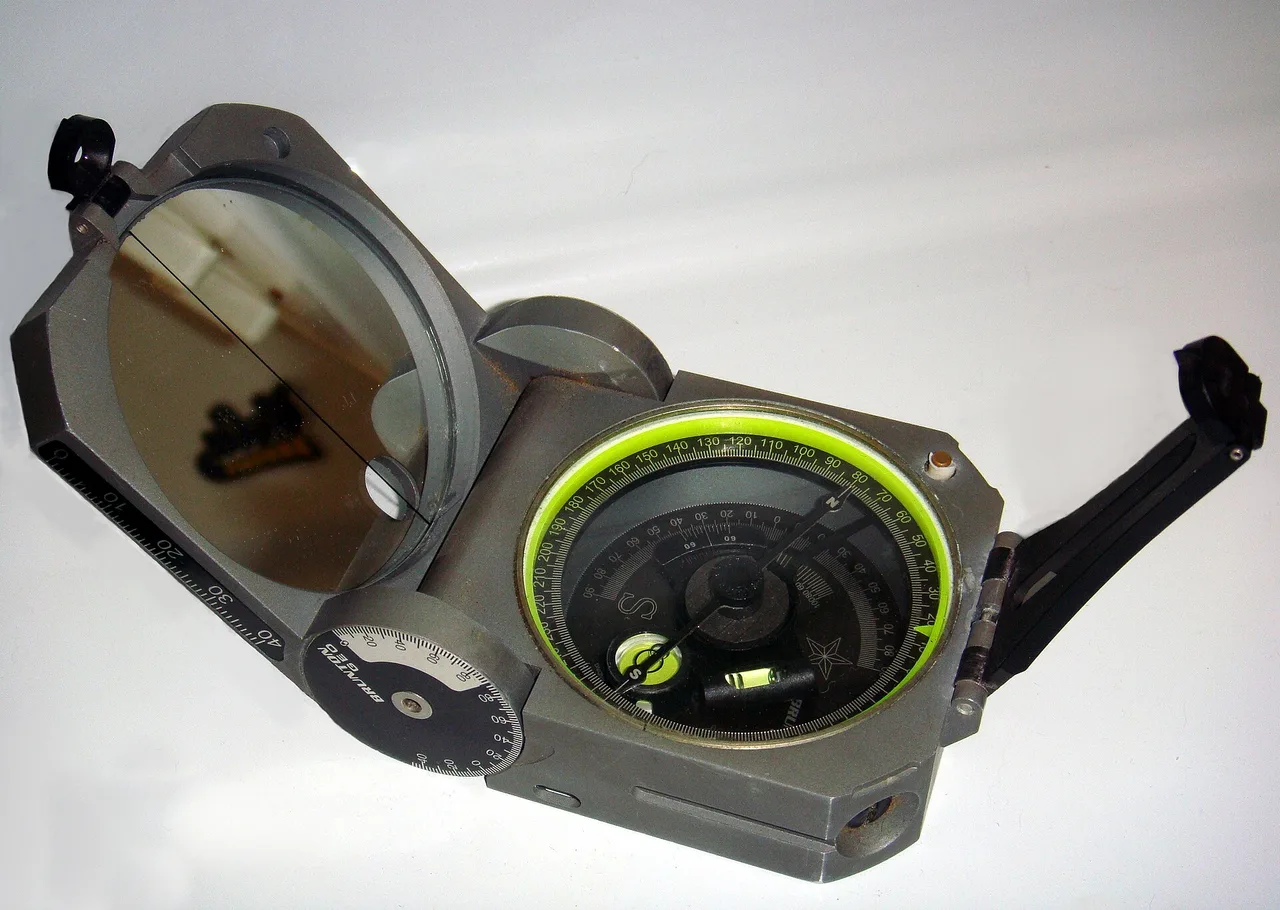
The Brunton Pocket Transit, invented by Canadian geologist David W. Brunton, is an iconic precision instrument used for measuring strike, dip, and geological structures. It combines a compass, clinometer, hand level, and plumb bob in a single compact casing.
Photo: Matt Affolter (QFL247) (talk) (Original uploaded by Matt Affolter (QFL247)), Wikimedia Commons, CC BY-SA 3.0.
Tap the right answer
In his late 12th-century treatise "De naturis rerum" (On the Natures of Things), English scholar Alexander Neckam provided the earliest known European description of a mariner's compass. He detailed how sailors used a magnetized needle to find their way when the stars were obscured by clouds.


Want to make a quiz like this yourself? Do it on Votur, it's free.
Paste the code into your page. The player fits itself in, and every vote counts in Votur.
On WordPress, Ghost or Squarespace? Just paste the link of this page into your post.
This is how it looks
Also fun