Get app
 Photo: Most likely Hamish2k, the first uploader, Wikimedia Commons, CC BY-SA 3.0.
Step back in time to the land of pharaohs, pyramids, and deep mysteries. Test your knowledge on how this legendary civilization along the Nile actually lived, ruled, and believed!
Desert Wanderer 0–4 · Nile Explorer 5–8 · Keeper of the Scrolls 9–10
Pick one

The Rosetta Stone, discovered in 1799, features the same decree written in three different scripts: hieroglyphs, Demotic, and Ancient Greek. Because scholars could read Greek, they used it as a key to unlock the long-lost meaning of the hieroglyphs. It is now housed in the British Museum in London.
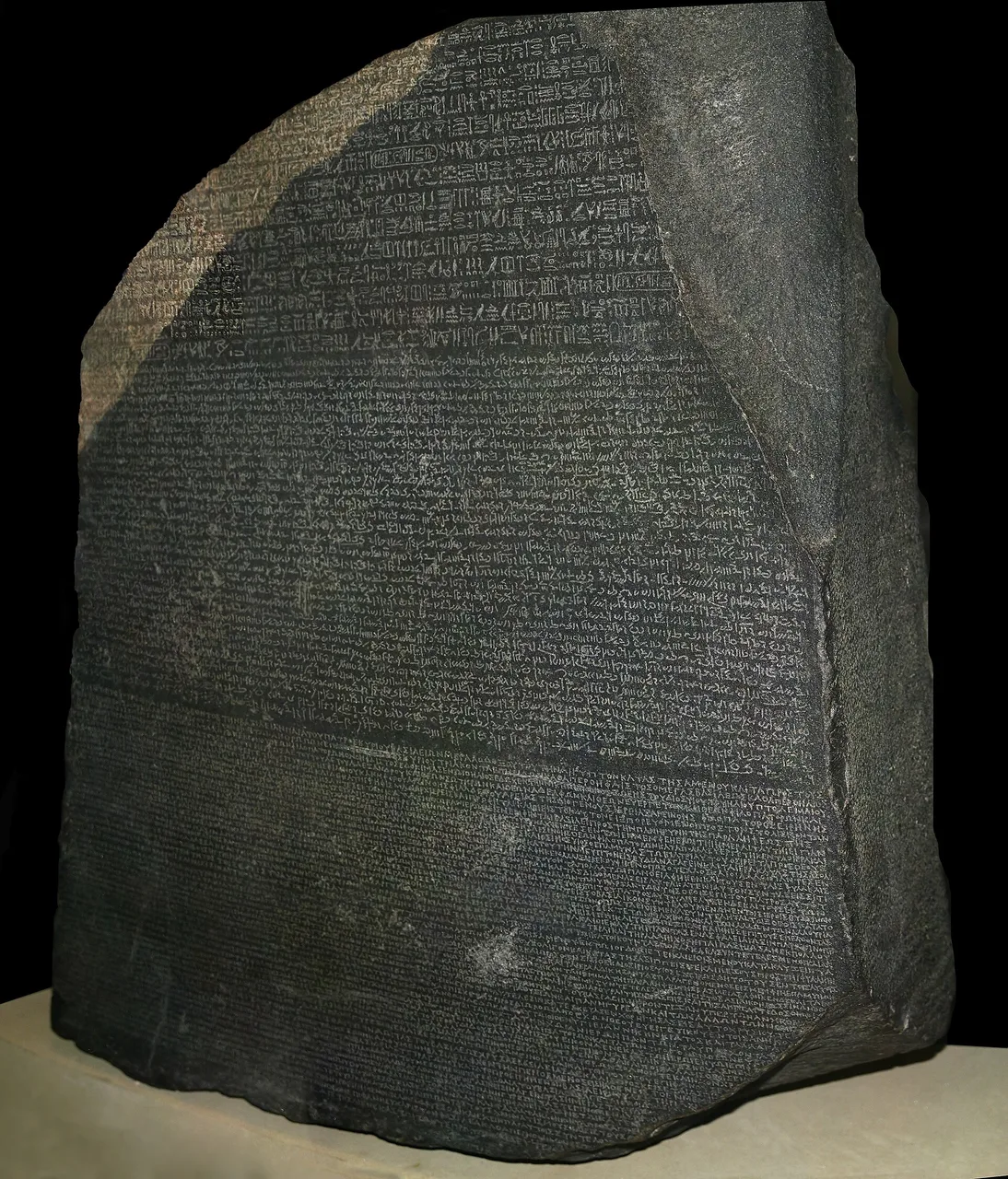
Photo: Hans Hillewaert, Wikimedia Commons, CC BY-SA 4.0.
Pick one
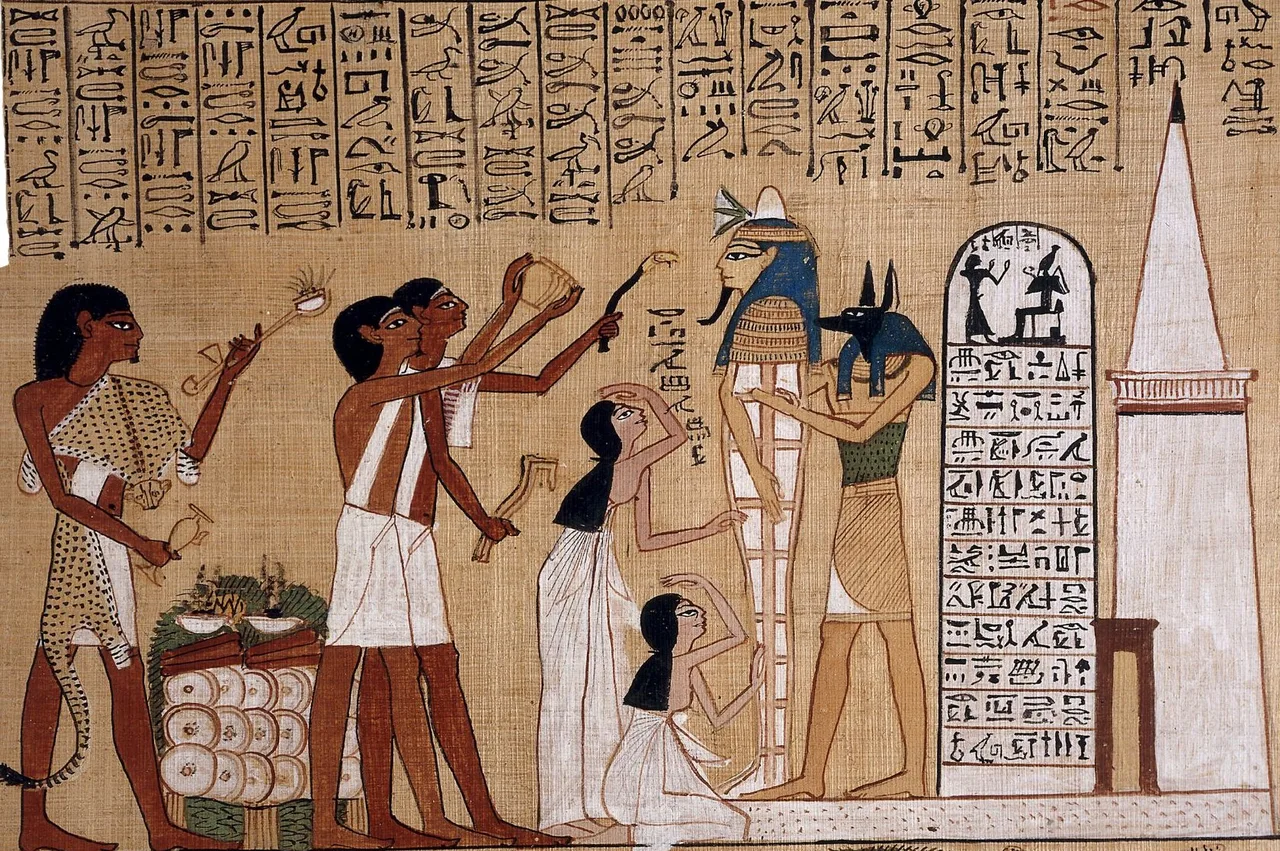
Ancient Egyptians believed the heart was the center of human intelligence and emotion, and it was needed for the final judgment in the afterlife. Other organs, like the lungs and liver, were placed in canopic jars, while the brain was considered useless and was pulled out through the nose and discarded.
Photo: Hunefer, Wikimedia Commons, Public domain.
Pick one
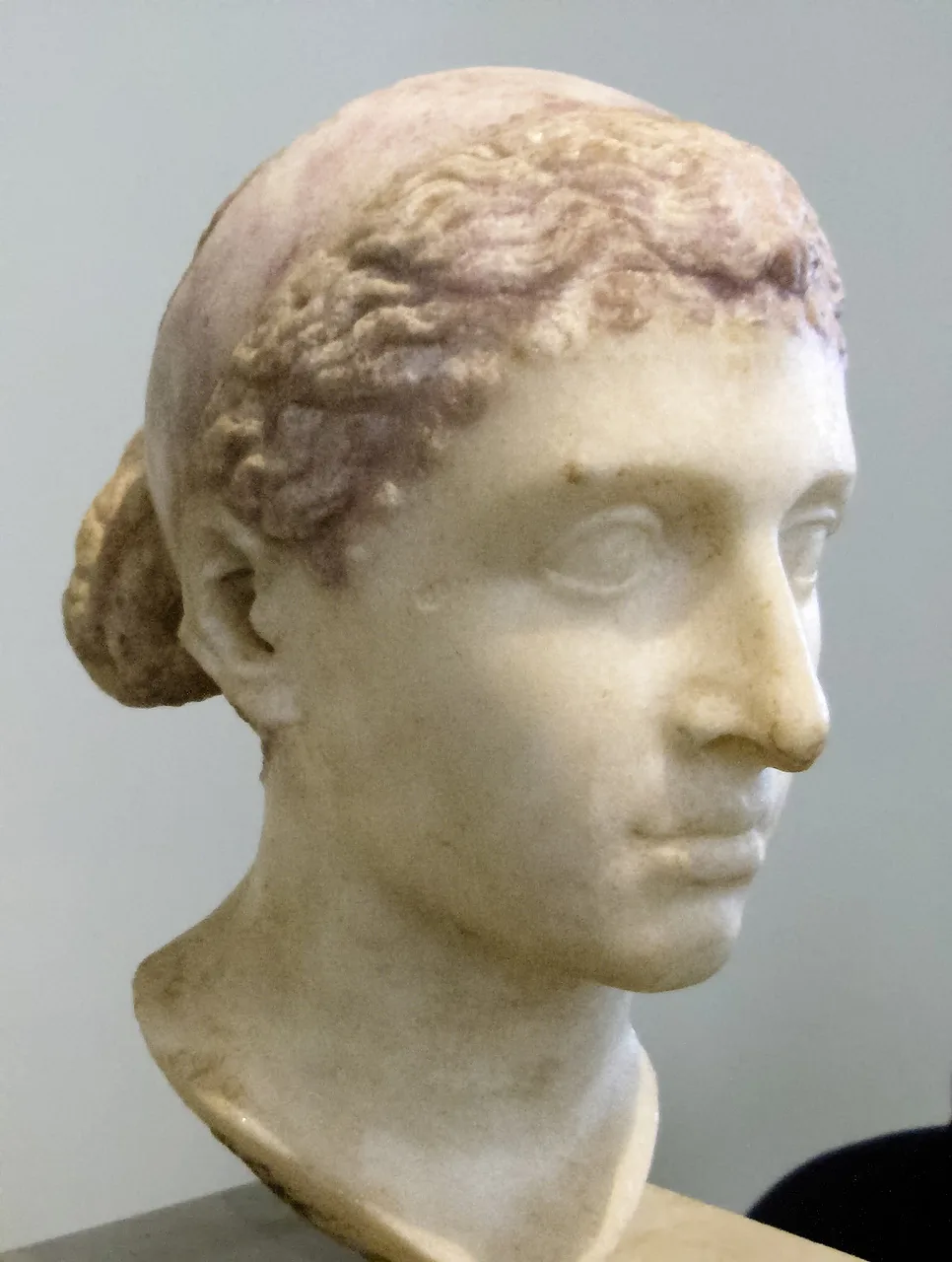
Although she ruled Egypt, Cleopatra was actually of Macedonian Greek descent, tracing her lineage back to Ptolemy I, one of Alexander the Great's generals. She was highly unusual in her dynasty because she actually took the time to learn the Egyptian language, whereas most of her ancestors spoke only Greek.
Photo: Louis le Grand, Wikimedia Commons, Public domain.
Pick one
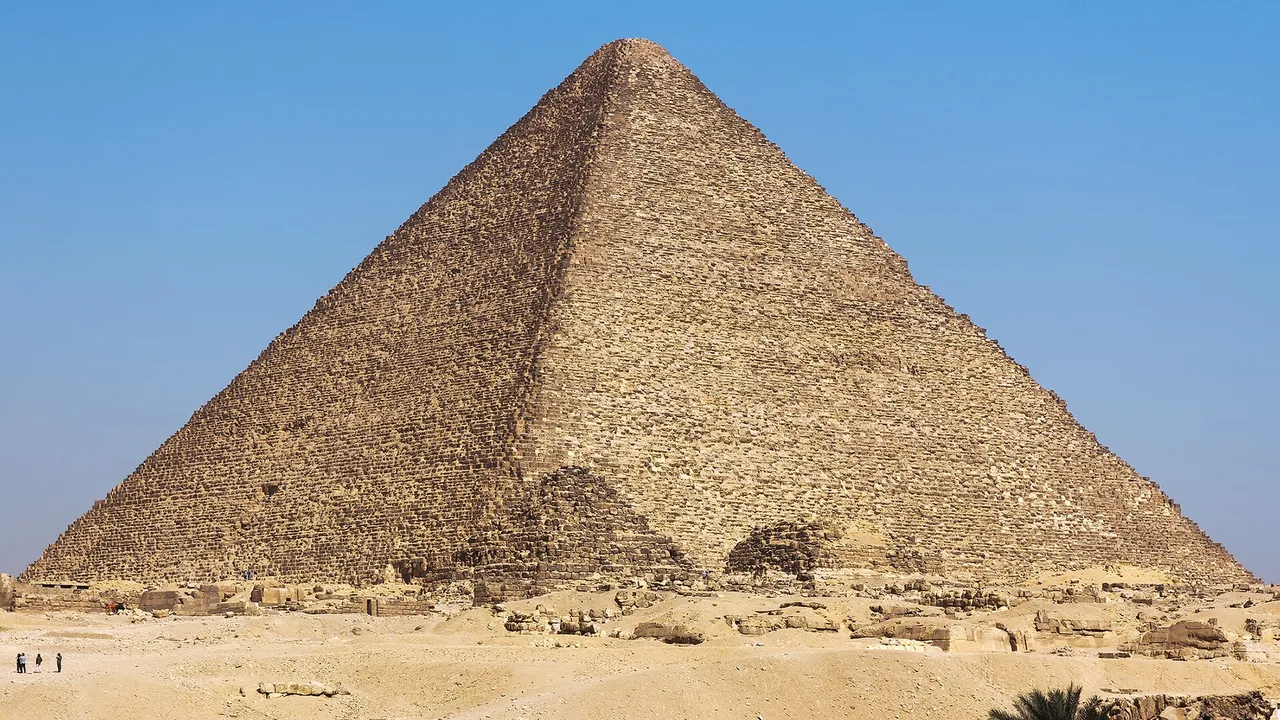
For a long time, popular culture claimed that slaves built the pyramids. However, excavations of the builders' town and tombs near the pyramids show that the workers were actually conscripted Egyptian citizens who were well-fed, respected, and paid. They even received proper burials nearby if they died on duty.
Photo: Douwe C. van der Zee, Wikimedia Commons, CC BY-SA 4.0.
Pick one
Hatshepsut was one of Egypt's most successful rulers, reigning for over two decades. To assert her authority in a male-dominated role, she was depicted in statues wearing the traditional royal kilt and false beard. She established major trade routes and built the spectacular Djeser-Djeseru temple.
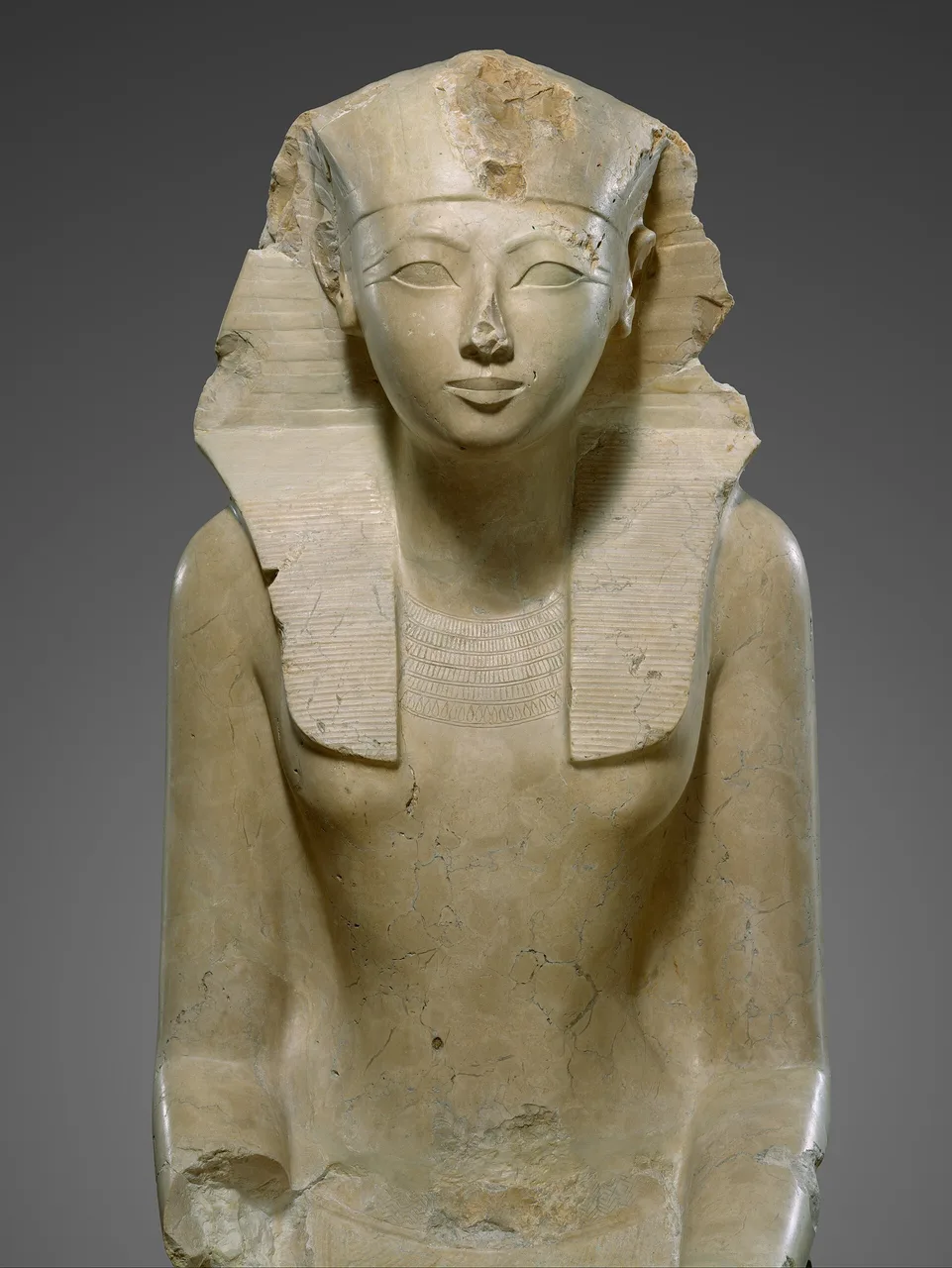
Photo: Wikimedia Commons, CC0.
Pick one
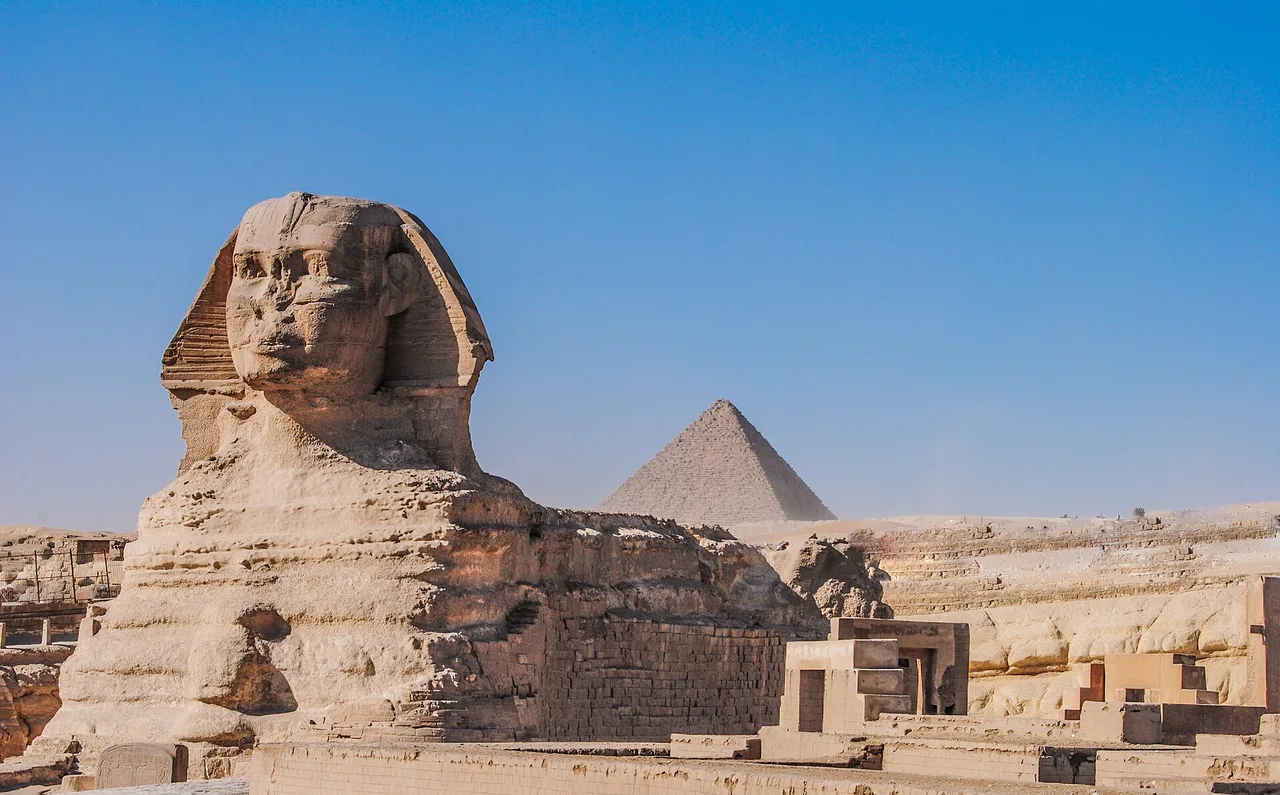
Most scholars agree that the Great Sphinx was built during the reign of Pharaoh Khafre, who also built the second-largest pyramid at Giza. The monument's face is thought to represent him, guarding his pyramid complex. Interestingly, the Sphinx was carved directly out of a single massive block of natural limestone bedrock.
Photo: Hesham Ebaid, Wikimedia Commons, CC0.
Pick one
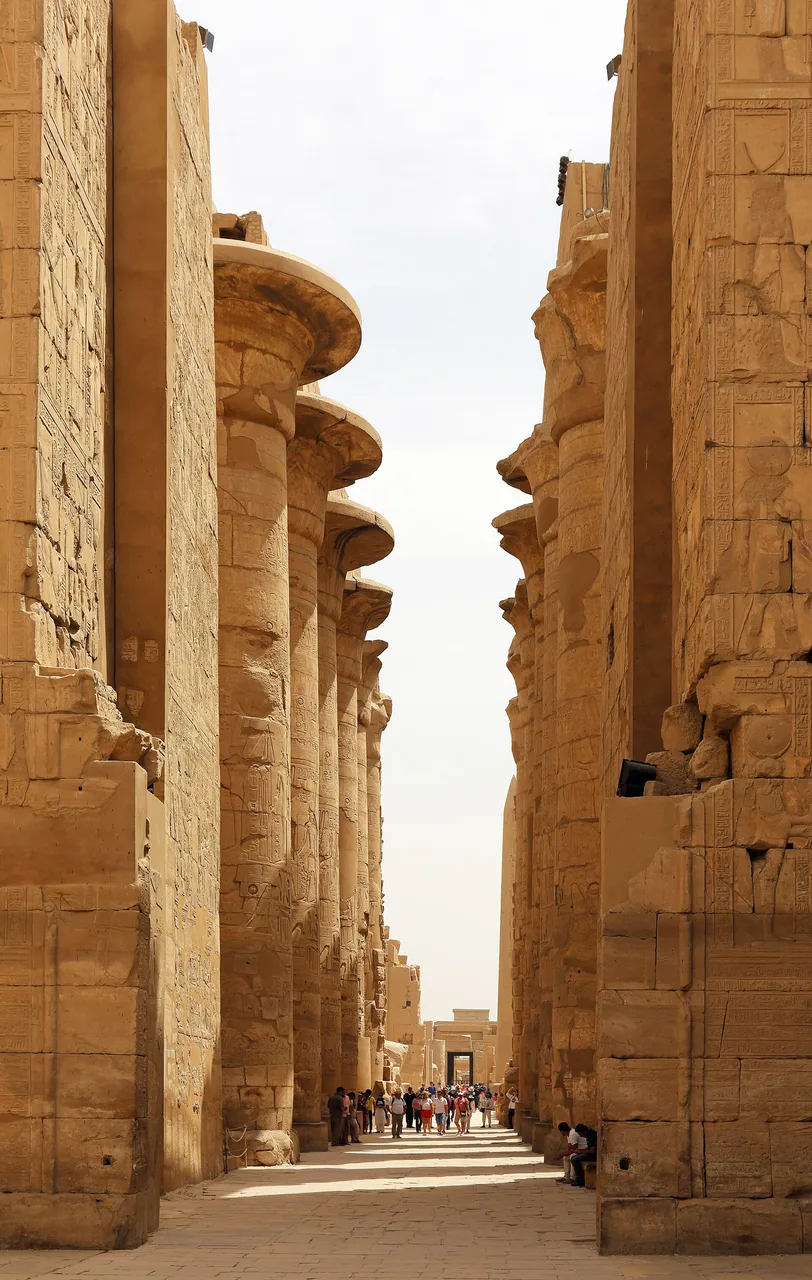
Thebes, in southern Egypt, was the religious heart of the New Kingdom and for long stretches its royal seat. Today the modern city of Luxor stands on its ruins, with the temples of Karnak and Luxor in town and the Valley of the Kings just across the Nile. Memphis, in the north, had been the capital of the Old Kingdom and stayed an important royal and administrative city, especially in the later New Kingdom.
Photo: Marc Ryckaert, Wikimedia Commons, CC BY-SA 4.0.
Pick one
Senet is one of the oldest known board games in the world, dating back to around 3100 BC. It was a game of strategy and luck representing the journey of the soul into the afterlife. Boards made of wood, faience, and ivory have been found in royal tombs, including that of King Tutankhamun.
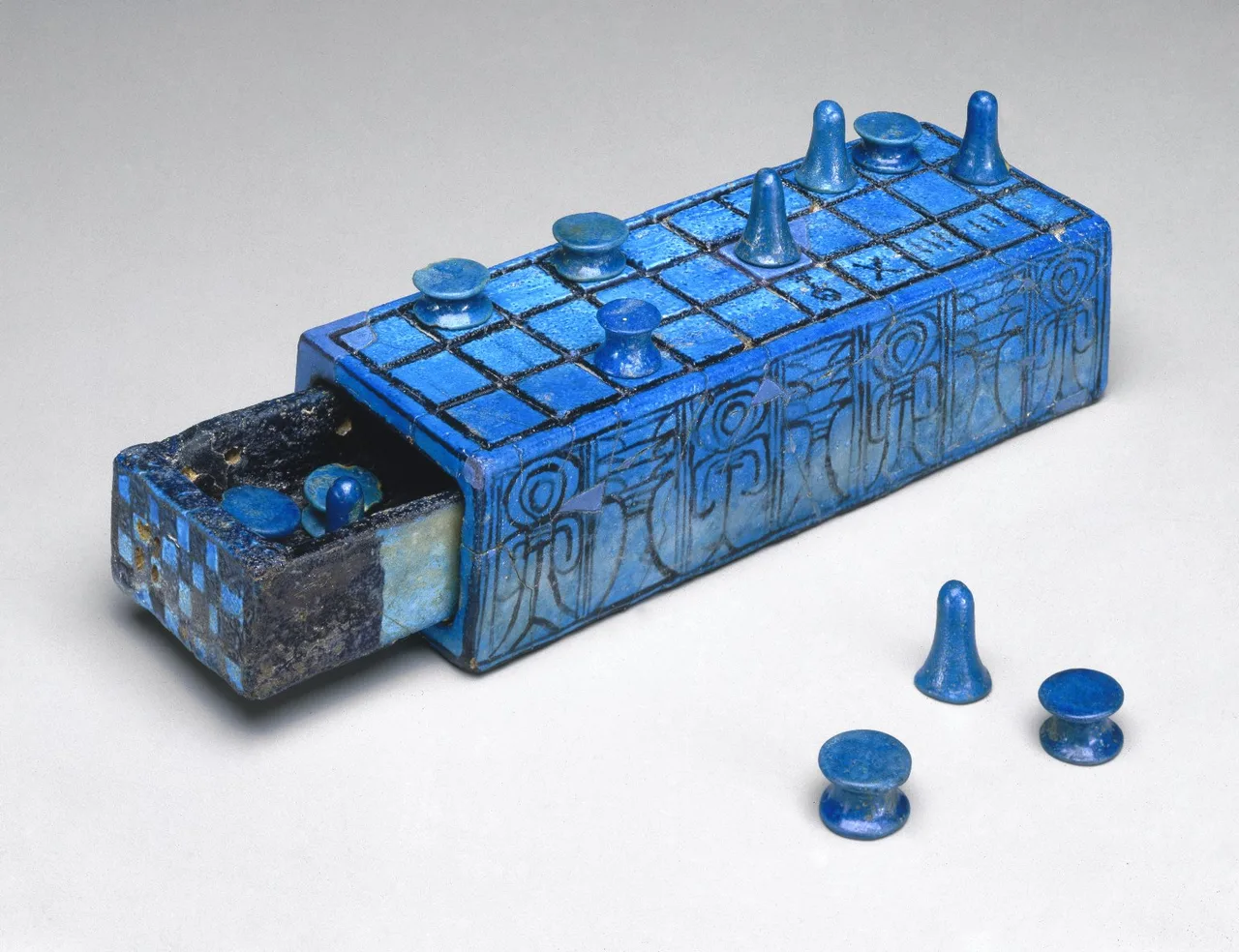
Photo: Charles Edwin Wilbour Fund, Wikimedia Commons, No restrictions.
Pick one
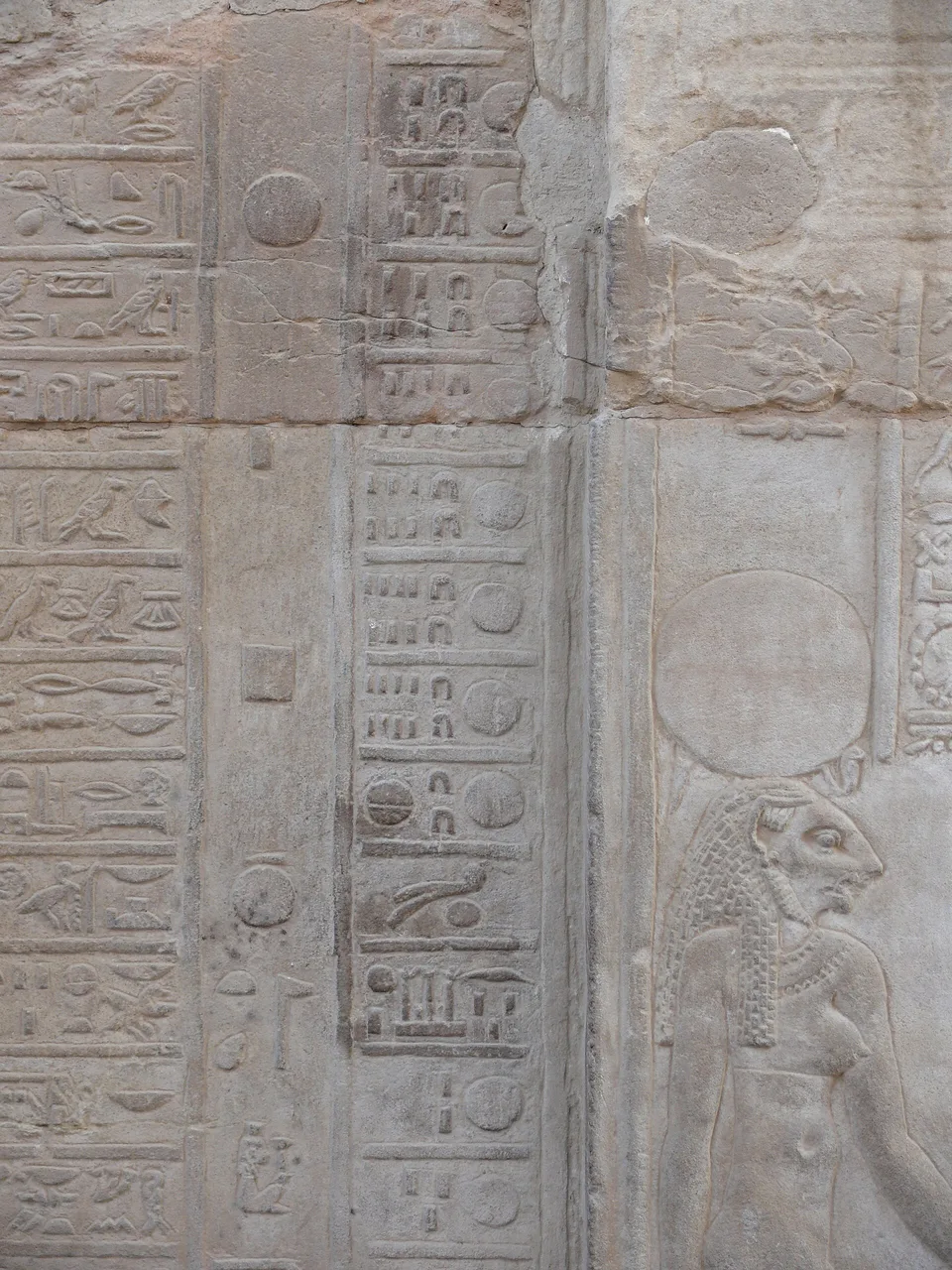
The Egyptians used a civil calendar of 365 days: 12 months of 30 days each, plus 5 extra festival days at the end of the year. Its three seasons were named after the rhythm of the Nile flood, but because it had no leap day, the calendar slowly drifted by about a day every four years against the real seasons.
Photo: Ad Meskens, Wikimedia Commons, CC BY-SA 3.0.
Pick one
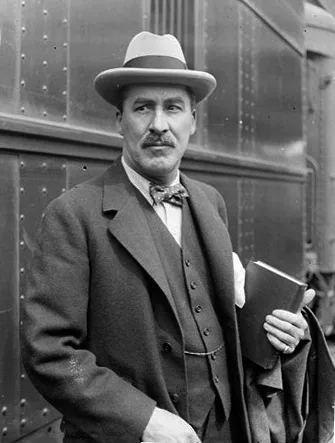
Howard Carter spent years searching the Valley of the Kings before discovering the steps leading to Tutankhamun's tomb in November 1922. The find sparked a global obsession with Egyptology. Amazingly, the tomb had remained largely undisturbed for over 3,000 years, preserving an incredible treasure trove of gold and artifacts.
Photo: Chicago Daily News, Inc., photographer, Wikimedia Commons, Public domain.


Paste the code into your page. The player fits itself in, and every vote counts in Votur.
On WordPress, Ghost or Squarespace? Just paste the link of this page into your post.
This is how it looks
Also fun