 Get app
Step into the world of Norse seafarers, legendary rulers, and ancient myths. Test your knowledge on how these formidable traders and raiders shaped medieval history.
Curious Wanderer 0–4 · Saga Reader 5–8 · Master of the Longship 9–10

Tap the right answer
Thursday translates directly to Thor's Day, originating from the Old English word Thunresdaeg. The Norse thunder god Thor was highly revered among Vikings for his strength. Similarly, Wednesday is named after Odin, who was known as Woden in Old English, and Friday is named after the goddess Frigg.
Tap the right answer
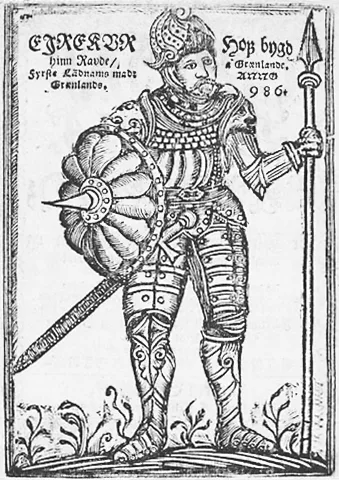
Erik the Red was exiled from Iceland for manslaughter around 982 AD and sailed west to find a new territory. To entice other Norse settlers to join him in colonizing this harsh, icy island, he strategically named the new land Greenland to make it sound far more appealing and fertile than it actually was.
Photo: Arngrímur Jónsson, Wikimedia Commons, Public domain.
Tap the right answer
The Danegeld was a tribute payment collected by Anglo-Saxon kings to pay off Viking raiders and secure peace. Even after the immediate threat of Viking invasions passed, English rulers continued to collect this lucrative tax to fund national defense and build military ships.
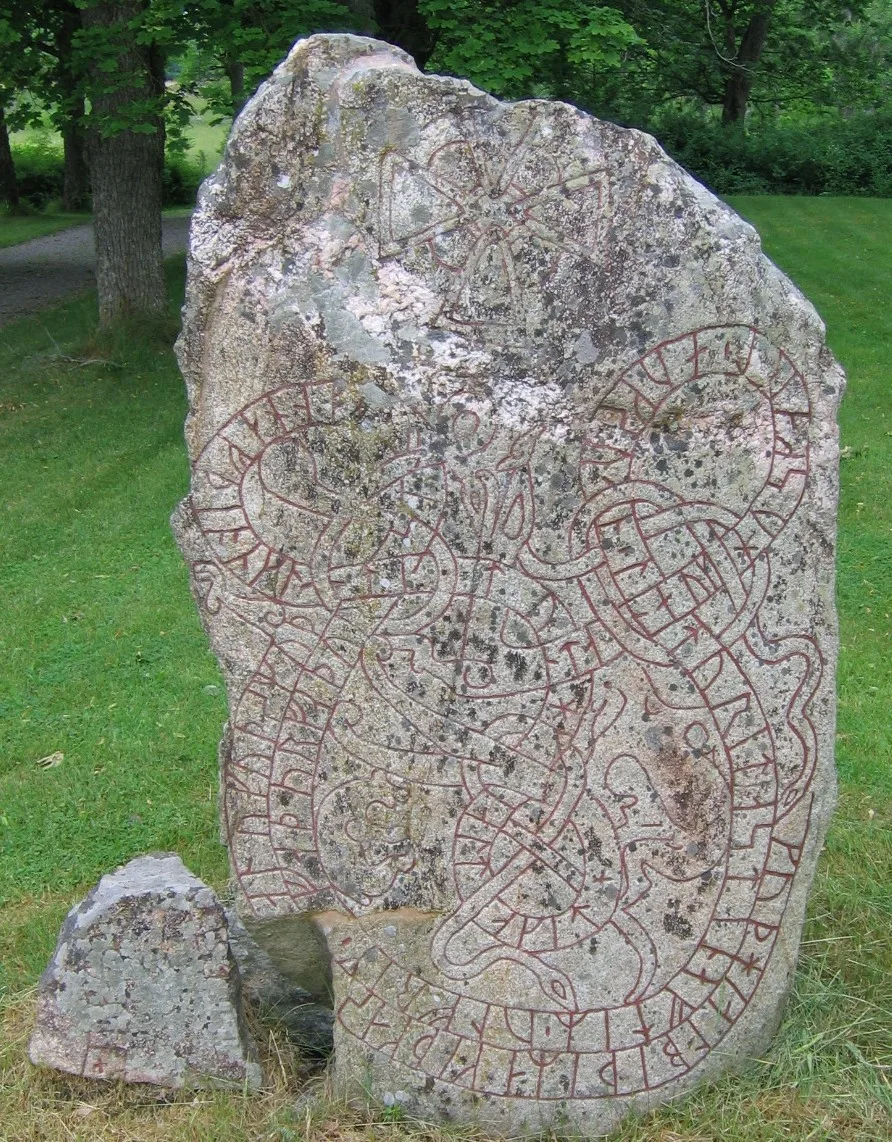
Photo: Berig, Wikimedia Commons, CC BY 2.5.
Tap the right answer
The Althing is the oldest surviving national parliament in the world. Founded by Norse settlers at Thingvellir, it allowed free men to gather annually to settle disputes and establish laws. A designated lawspeaker had to memorize and recite all the assembly's laws from memory.
Tap the right answer
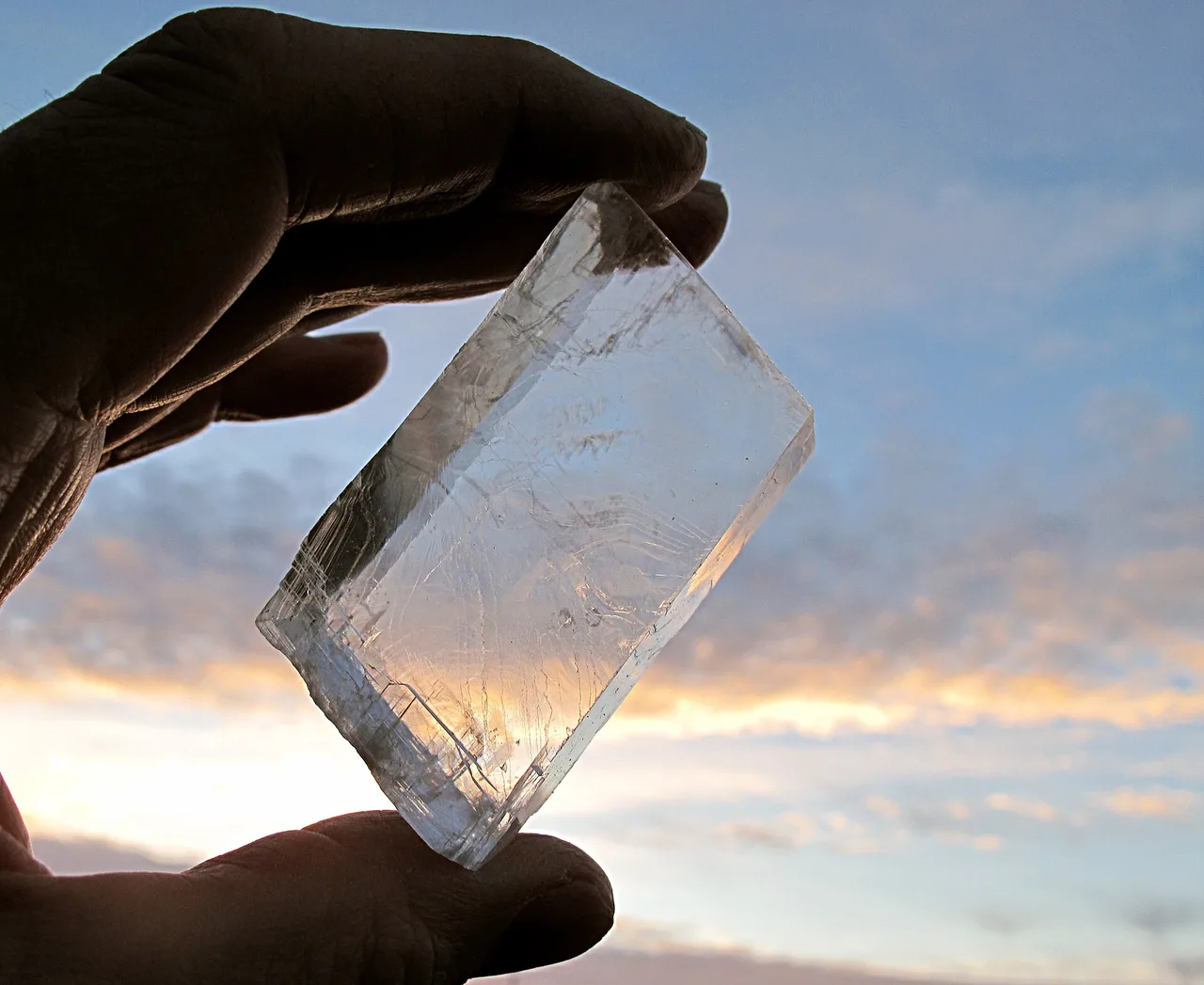
Vikings likely used Iceland spar, a transparent variety of calcite, to navigate through thick fog and overcast skies. This mineral polarizes light, allowing sailors to pinpoint the exact position of the sun even when it is completely hidden. Archaeologists even found a piece of this crystal in an Elizabethan shipwreck.
Photo: ArniEin, Wikimedia Commons, CC BY-SA 3.0.
Tap the right answer
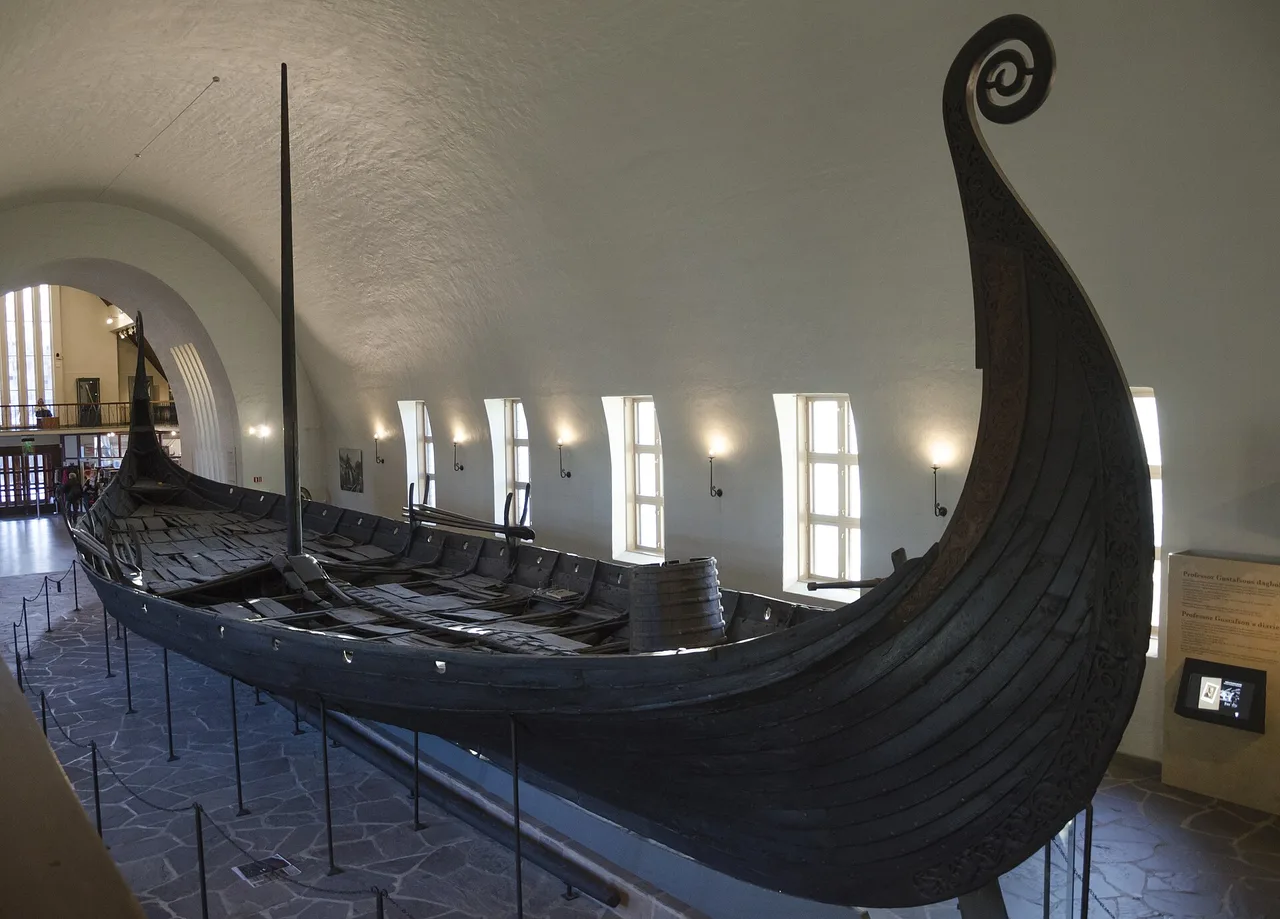
The magnificent Oseberg ship was excavated in 1904 and is widely considered one of the finest surviving artifacts from the Viking Age. Buried around 834 AD, the ship served as a final resting place for two high-status women and was packed with household goods, sledges, and animal sacrifices.
Photo: Petter Ulleland, Wikimedia Commons, CC BY-SA 4.0.
Tap the right answer
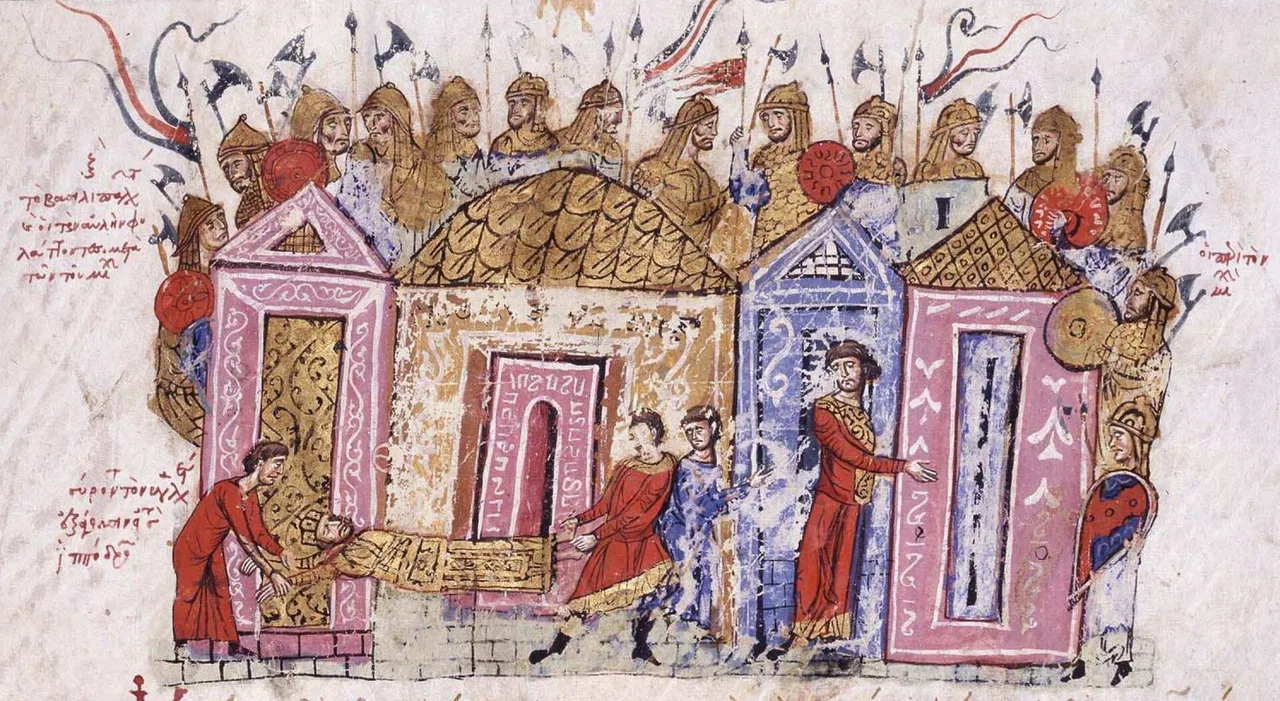
The Byzantine Empire employed Norse warriors in the elite Varangian Guard to protect the Emperor in Constantinople. Valued for their fearsome battle skills and loyalty, these mercenaries accumulated immense wealth. One famous member was Harald Hardrada, who later became the King of Norway.
Photo: Wikimedia Commons, Public domain.
Tap the right answer
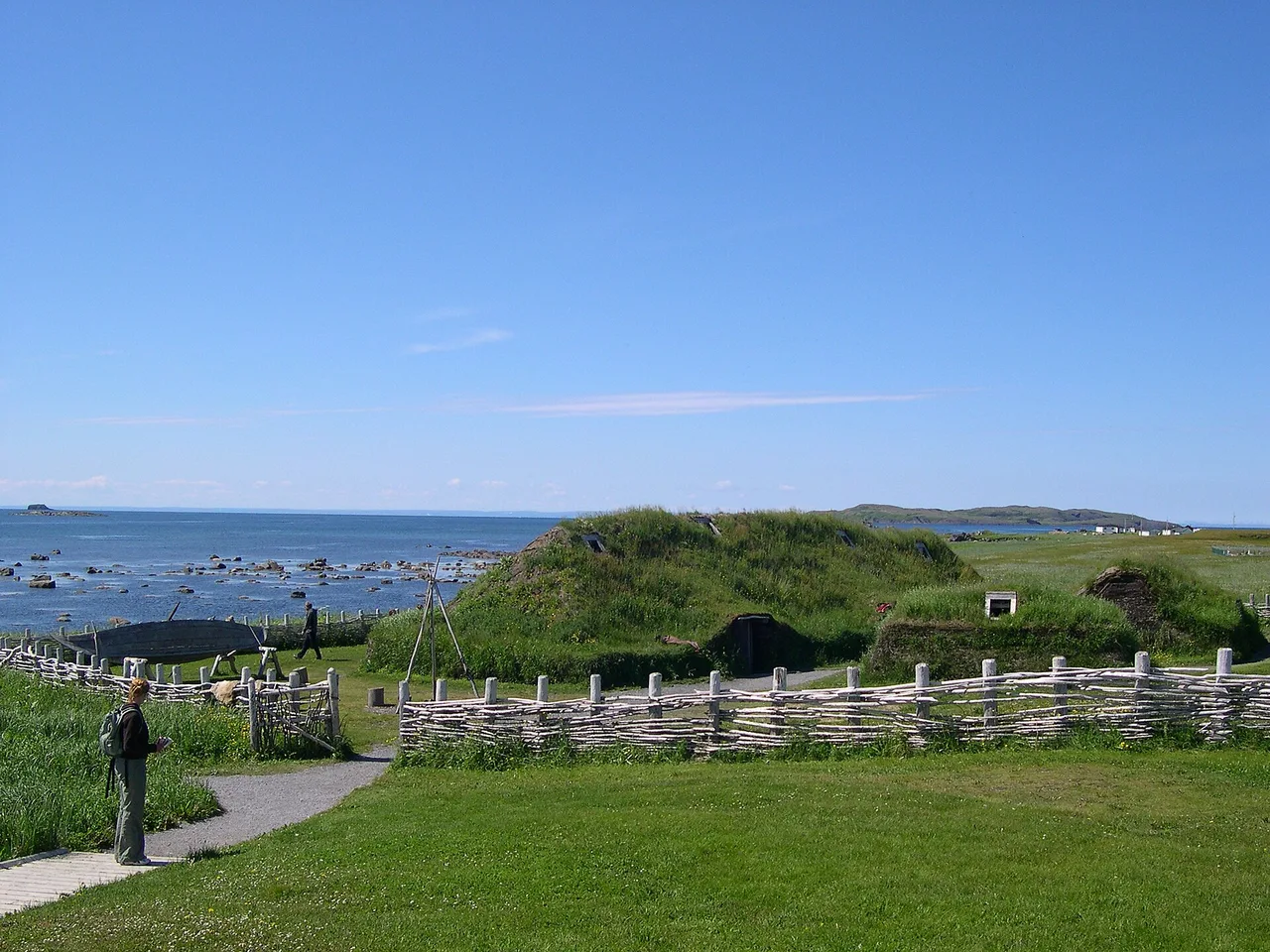
L'Anse aux Meadows is the only universally accepted Viking settlement in North America outside of Greenland. Discovered in 1960, this UNESCO World Heritage site contains the remains of eight turf buildings and proved that European explorers crossed the Atlantic five centuries before Christopher Columbus.
Photo: Dylan Kereluk from White Rock, Canada, Wikimedia Commons, CC BY 2.0.
Tap the right answer
The Vikings used the Younger Futhark runic alphabet, which simplified the older 24-character Elder Futhark down to just 16 runes. Despite having fewer characters to represent their spoken language, this script was widely carved into runestones across Scandinavia to commemorate deeds and lost relatives.
Tap the right answer
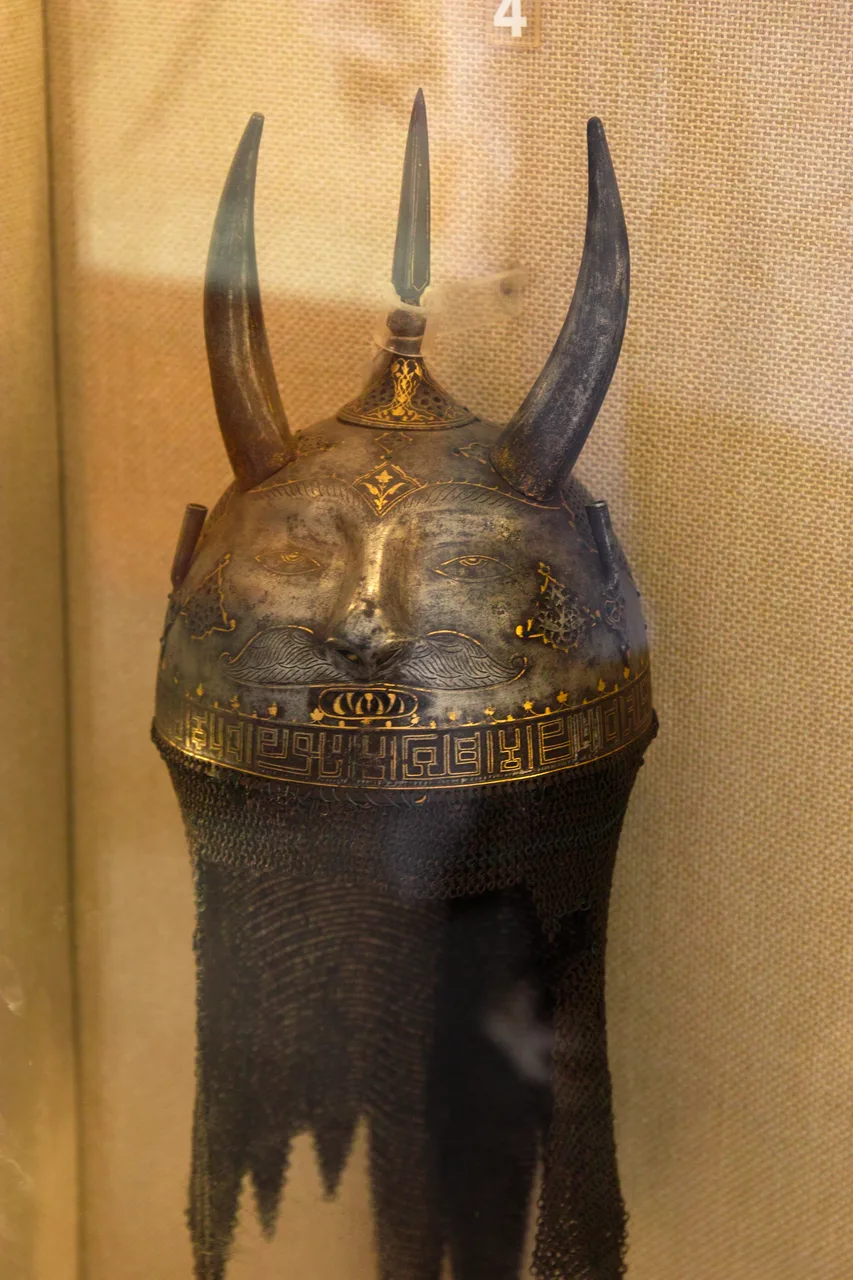
The myth of horned helmets was popularized by German costume designer Carl Emil Doepler for the premiere of Richard Wagner's Ring Cycle opera in 1876. In reality, historical Vikings wore simple, practical iron or leather helmets without horns, which would have been highly impractical and dangerous in hand-to-hand combat.
Photo: ArishG, Wikimedia Commons, CC BY-SA 3.0.


Want to make a quiz like this yourself? Do it on Votur, it's free.
Paste the code into your page. The player fits itself in, and every vote counts in Votur.
On WordPress, Ghost or Squarespace? Just paste the link of this page into your post.
This is how it looks
Also fun