Get app
 Photo: T A, Wikimedia Commons, CC BY-SA 2.0.
How well do you know this North African gem? Test your knowledge on Tunisia's rich tapestry of Roman ruins, desert oases, culinary delights, and ancient history.
Friendly Visitor 0–4 · Savvy Explorer 5–8 · True Insider 9–10
Pick one

Harissa is a staple of Tunisian cuisine, often served with bread, stews, and couscous. In 2022, Tunisia's traditional knowledge and skills associated with making harissa were officially added to UNESCO's Representative List of the Intangible Cultural Heritage of Humanity.
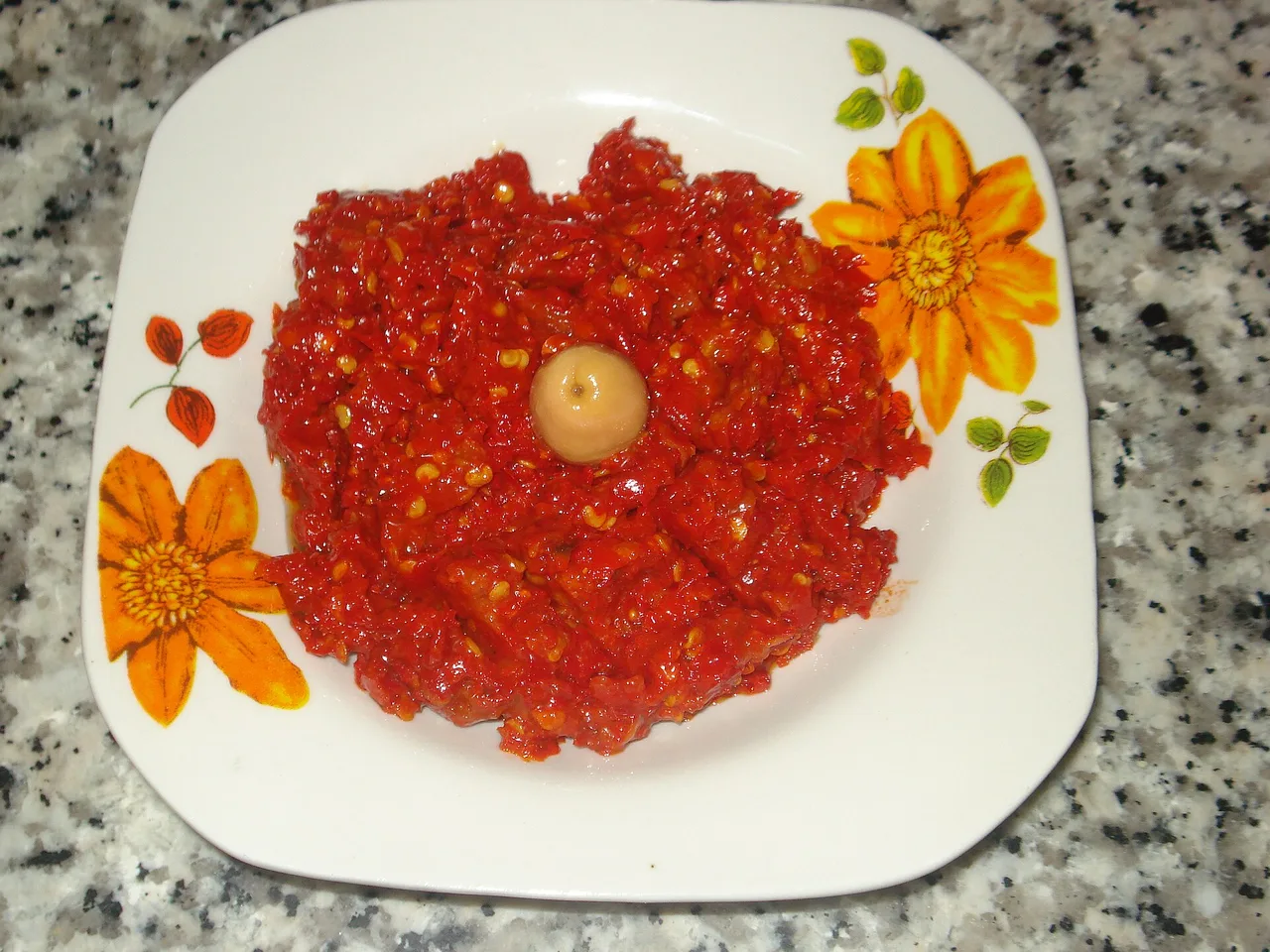
Photo: Ovva olfa, Wikimedia Commons, CC BY-SA 4.0.
Pick one
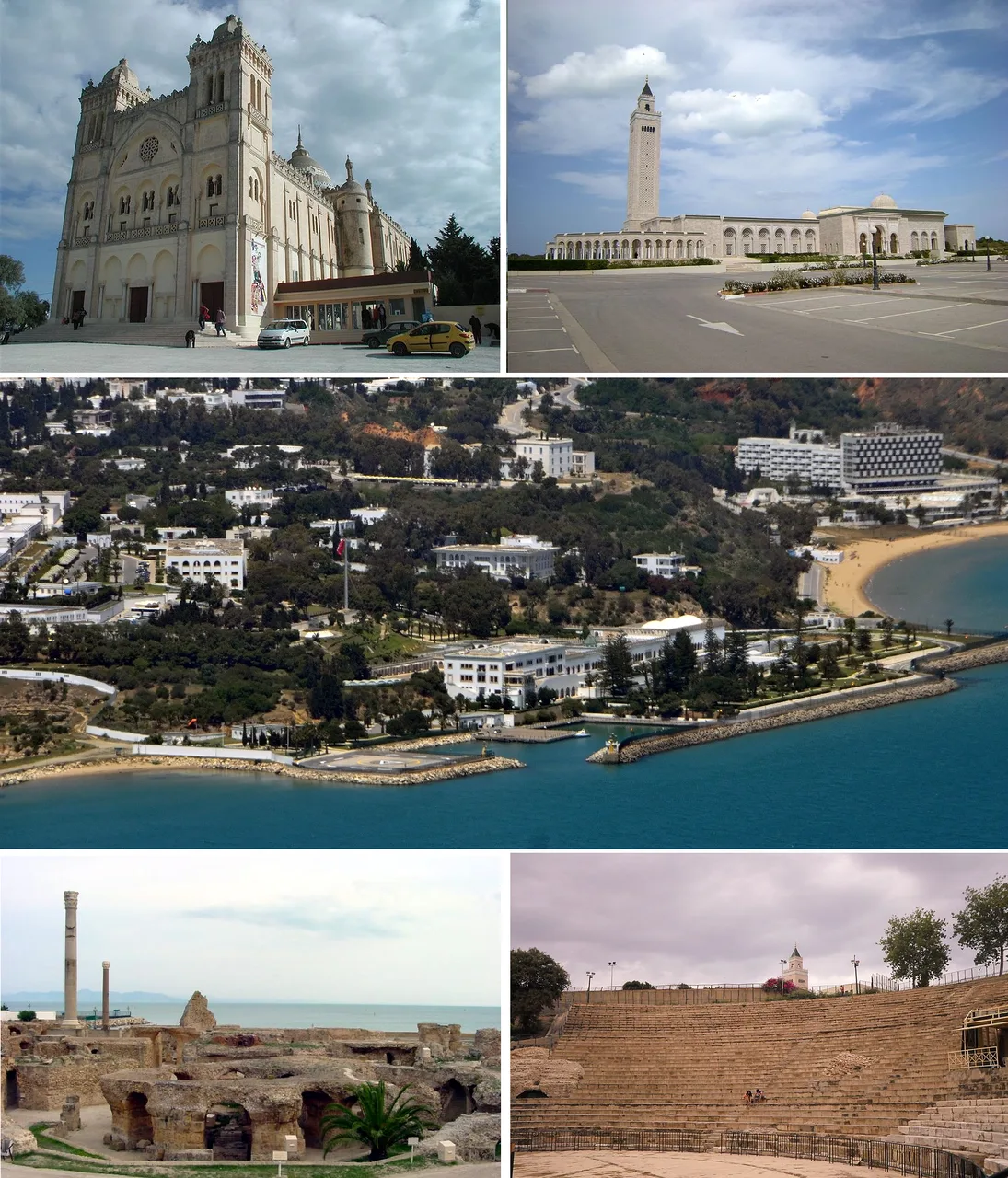
Carthage was founded by Phoenician settlers in the 9th century BC and grew into a powerful maritime empire. Its famous general, Hannibal, marched war elephants across the Alps to challenge Rome during the Second Punic War before the city was ultimately destroyed by the Romans.
Photo: ELEL09, montage, Wikimedia Commons, CC BY-SA 3.0.
Pick one
The Amphitheatre of El Jem is one of the most complete Roman stone ruins in the world and is a UNESCO World Heritage site. Built in the 3rd century, it is almost as large as the Colosseum in Rome and was constructed using stone blocks transported from a quarry miles away.
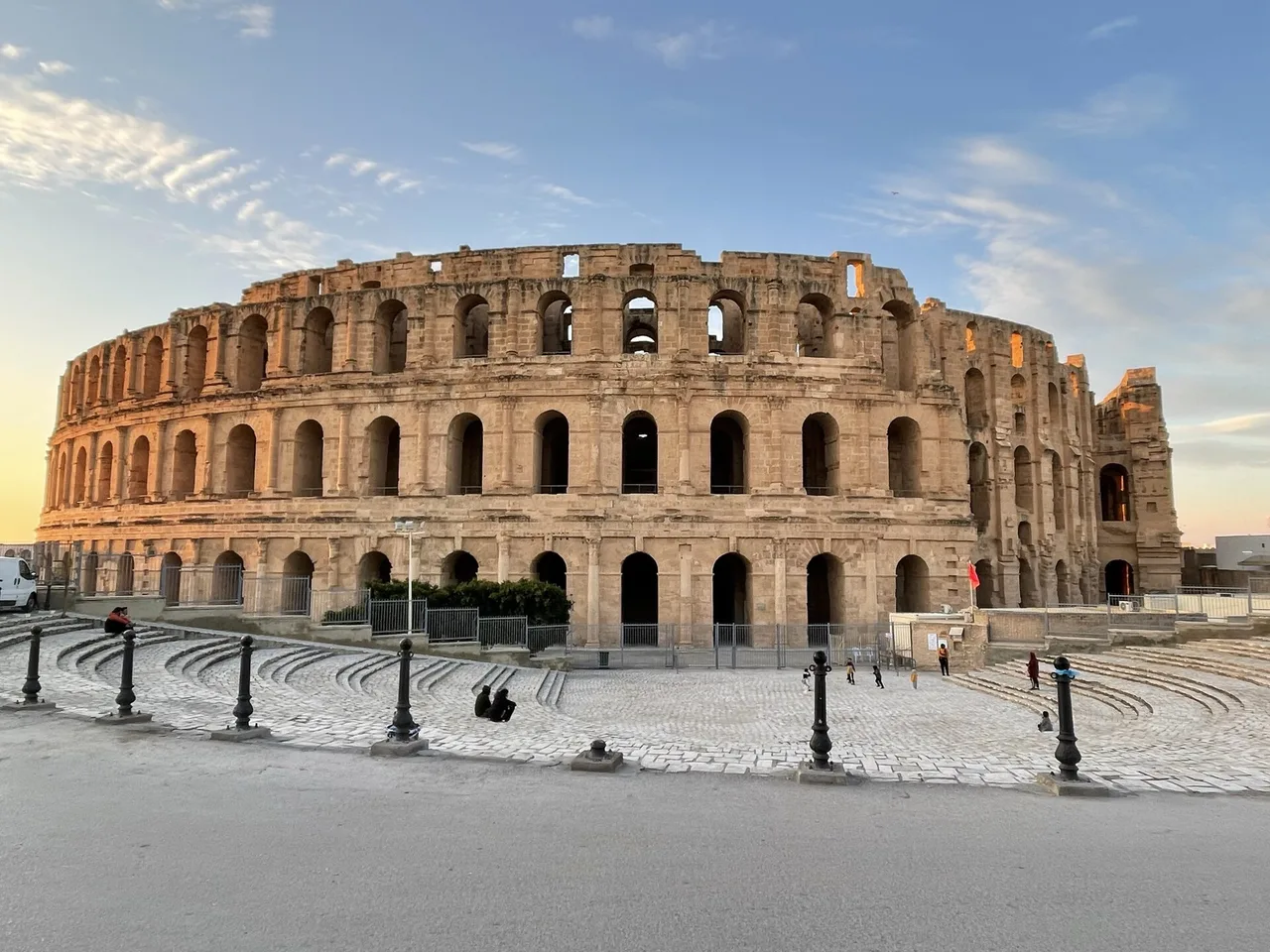
Photo: Carole Raddato, Wikimedia Commons, CC BY-SA 2.0.
Pick one
Established by the Arab general Uqba ibn Nafi in 670 AD, the Great Mosque of Kairouan is a masterpiece of Islamic architecture. It served as a model for many later mosques in North Africa and features a massive marble-paved courtyard and a three-tiered minaret.
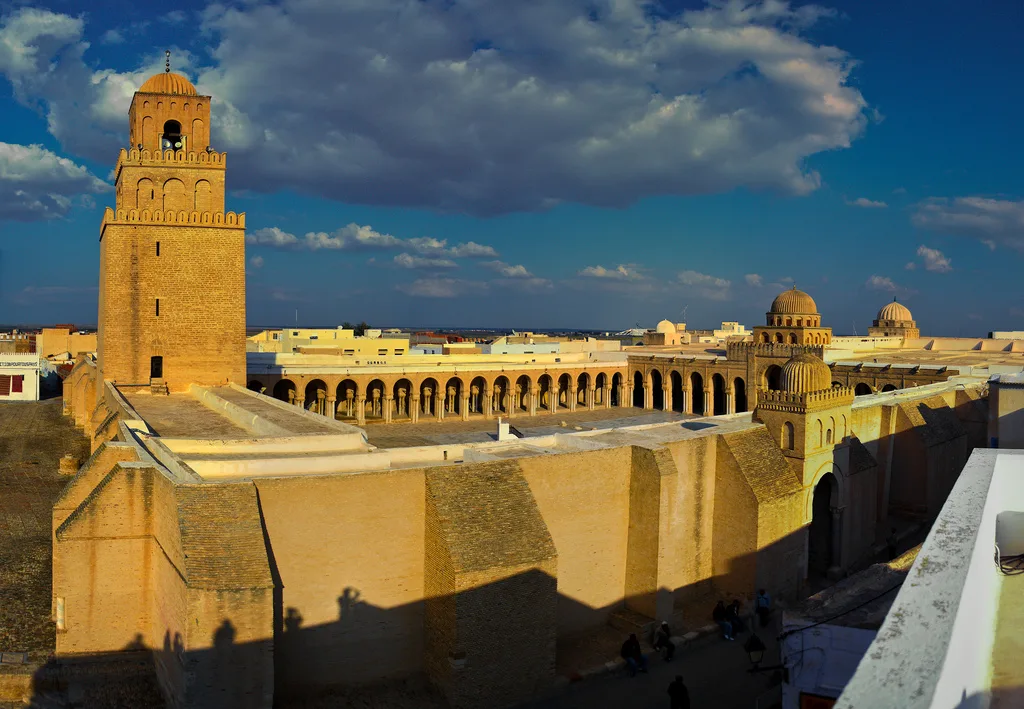
Photo: MAREK SZAREJKO from CLONMEL, IRELAND - POLAND, Wikimedia Commons, CC BY-SA 2.0.
Pick one
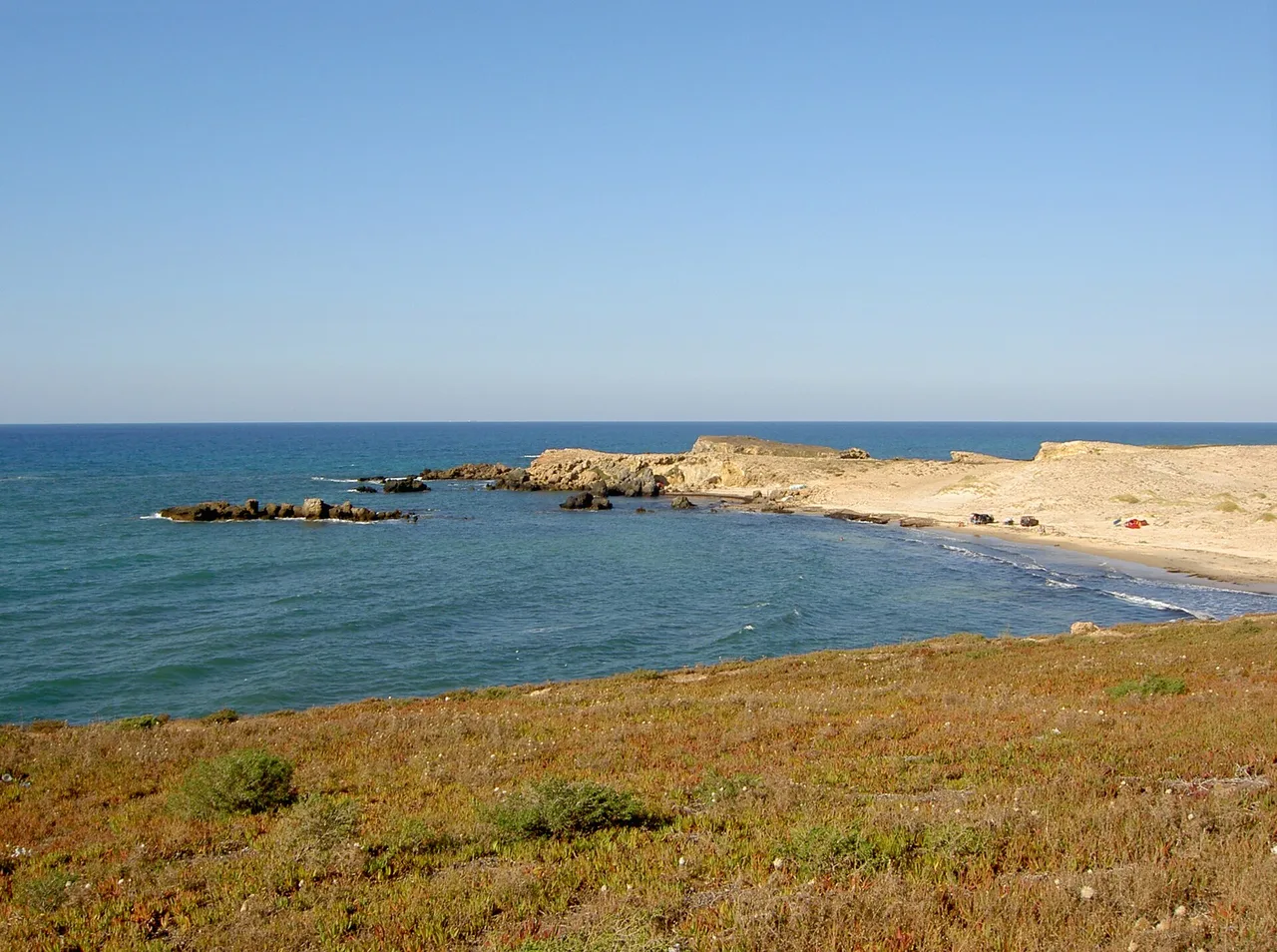
Cape Angela lies near the city of Bizerte, and its tip is now usually seen as Africa's northernmost point, a title once given to nearby Cape Blanc. A monument shaped like a map of Africa marks the spot on the rocky Mediterranean coast.
Photo: DrFO.Jr.Tn, Wikimedia Commons, CC BY-SA 3.0.
Pick one
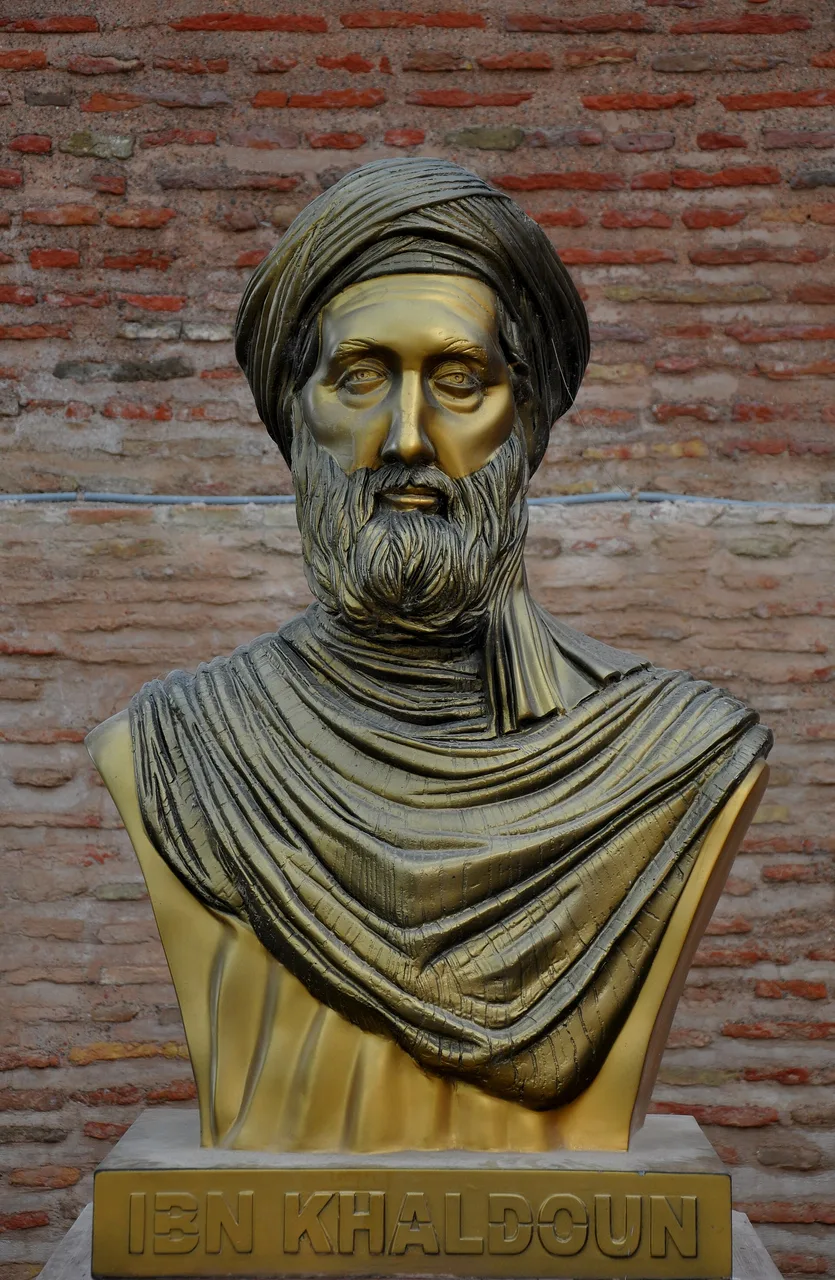
Ibn Khaldun is best known for his monumental book, the Muqaddimah. In this work, he introduced revolutionary concepts of social cohesion and historical analysis, explaining how empires rise and fall long before sociology was established as a modern academic discipline.
Photo: Reda Kerbush, Wikimedia Commons, CC BY-SA 4.0.
Pick one
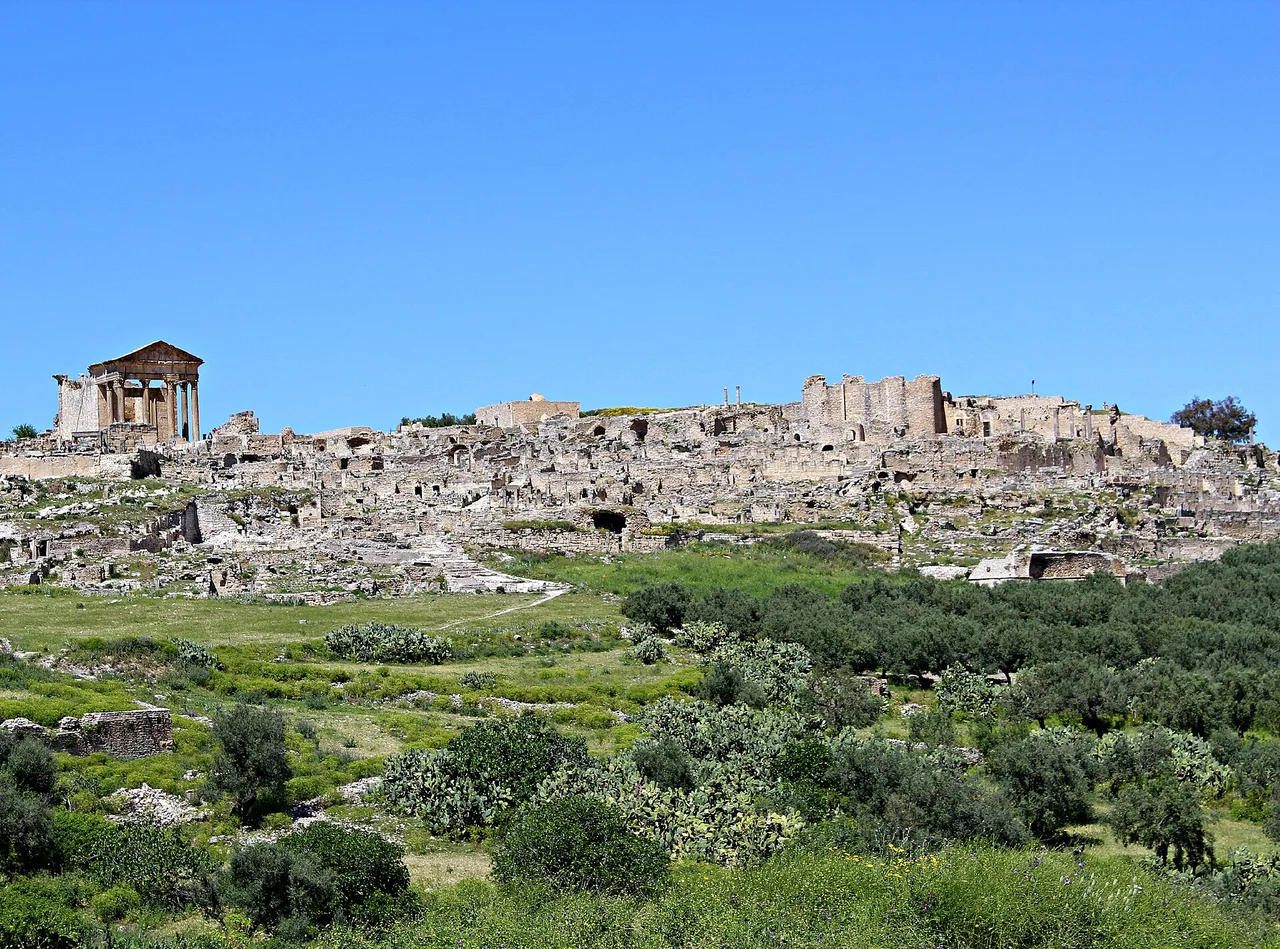
Dougga is a UNESCO World Heritage site perched on a hilltop. Unlike many other Roman ruins, Dougga was not built over by modern towns, leaving its temples, baths, and 3,500-seat theater remarkably intact and offering a clear view of ancient Numidian-Roman life.
Photo: Emna Trabelsi, Wikimedia Commons, CC BY-SA 3.0.
Pick one
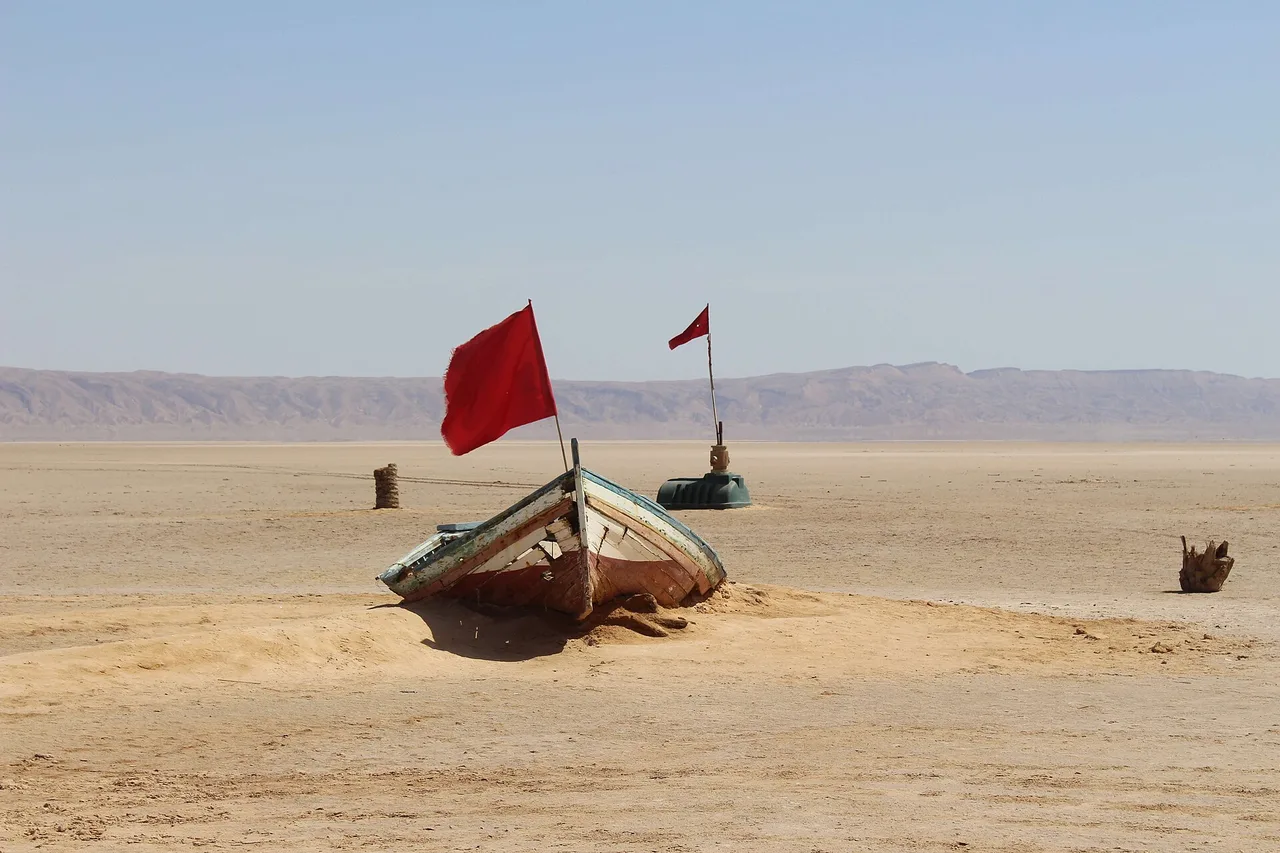
Chott el Djerid is the largest salt pan in the Sahara Desert, covering over 5,000 square kilometers. Its unique, crusty landscape reflects sunlight to create frequent mirages and was famously used as a filming location for the desert planet Tatooine in the Star Wars films.
Photo: Kais photographies, Wikimedia Commons, CC BY-SA 4.0.
Pick one
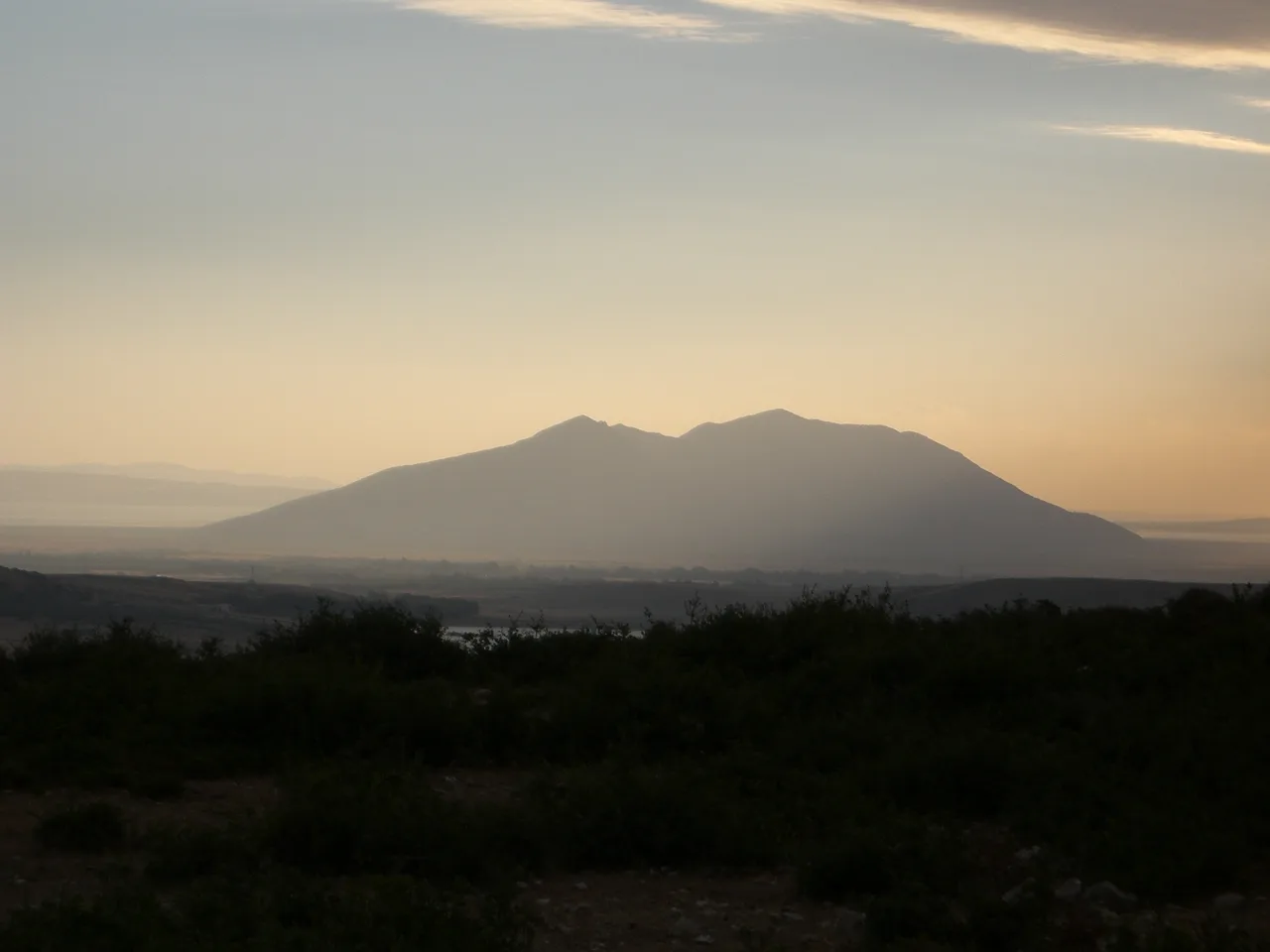
Ichkeul National Park is a UNESCO World Heritage site and the last remaining lake in a chain that once stretched across North Africa. It hosts hundreds of thousands of migrating waterfowl, including ducks, geese, and pink flamingos, during the winter months.
Photo: No machine-readable author provided. Dhfaouzi assumed (based on copyright claims, Wikimedia Commons, CC BY-SA 3.0.
Pick one
Brik is a savory pastry made with thin 'malsouka' dough. A classic way to eat a whole-egg brik is to take a bite without letting the warm, runny yolk spill out. It is a traditional staple served during the holy month of Ramadan.
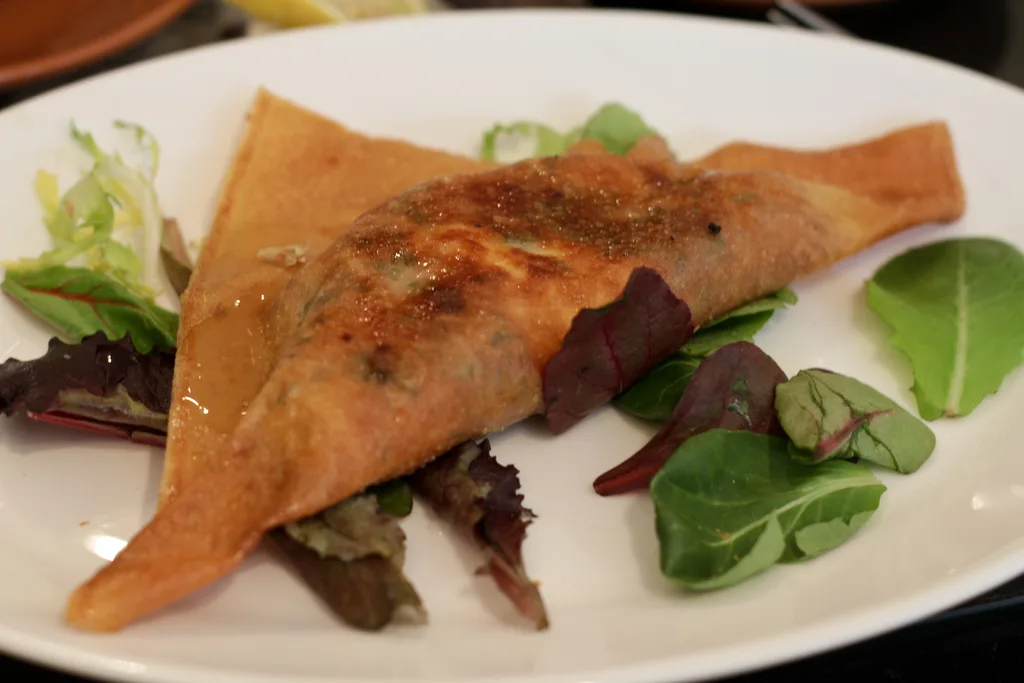
Photo: Muckster, Wikimedia Commons, CC BY 3.0.


Paste the code into your page. The player fits itself in, and every vote counts in Votur.
On WordPress, Ghost or Squarespace? Just paste the link of this page into your post.
This is how it looks
Also fun