Get app
A friendly first trip to Tunisia in eight questions about the essentials. Everyone can play, young and old, and learn something new along the way.
Sand between your toes 0–3 · Medina explorer 4–6 · True friend of Tunisia 7–8
Pick one

After the Romans defeated Carthage in 146 BC, they turned the land around it into a province called Africa. As people learned how big the land to the south really was, the name grew and grew until it stood for the whole continent.
Pick one
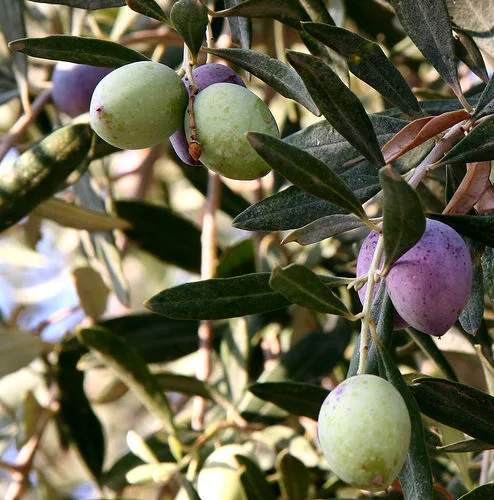
Only Spain has a bigger area of olive groves than Tunisia, and Tunisia is one of the world's biggest makers of olive oil. The region around the city of Sfax alone makes about four in every ten bottles of Tunisian olive oil.
Photo: en:User:Nickfraser, Wikimedia Commons, CC BY-SA 3.0.
Pick one
The blue-and-white look became popular in the 1920s, thanks to Rodolphe d'Erlanger, a painter and lover of Arabic music who built a palace there. With its sea views and pretty streets, the village has long attracted artists and writers, and today it is a favourite with tourists.
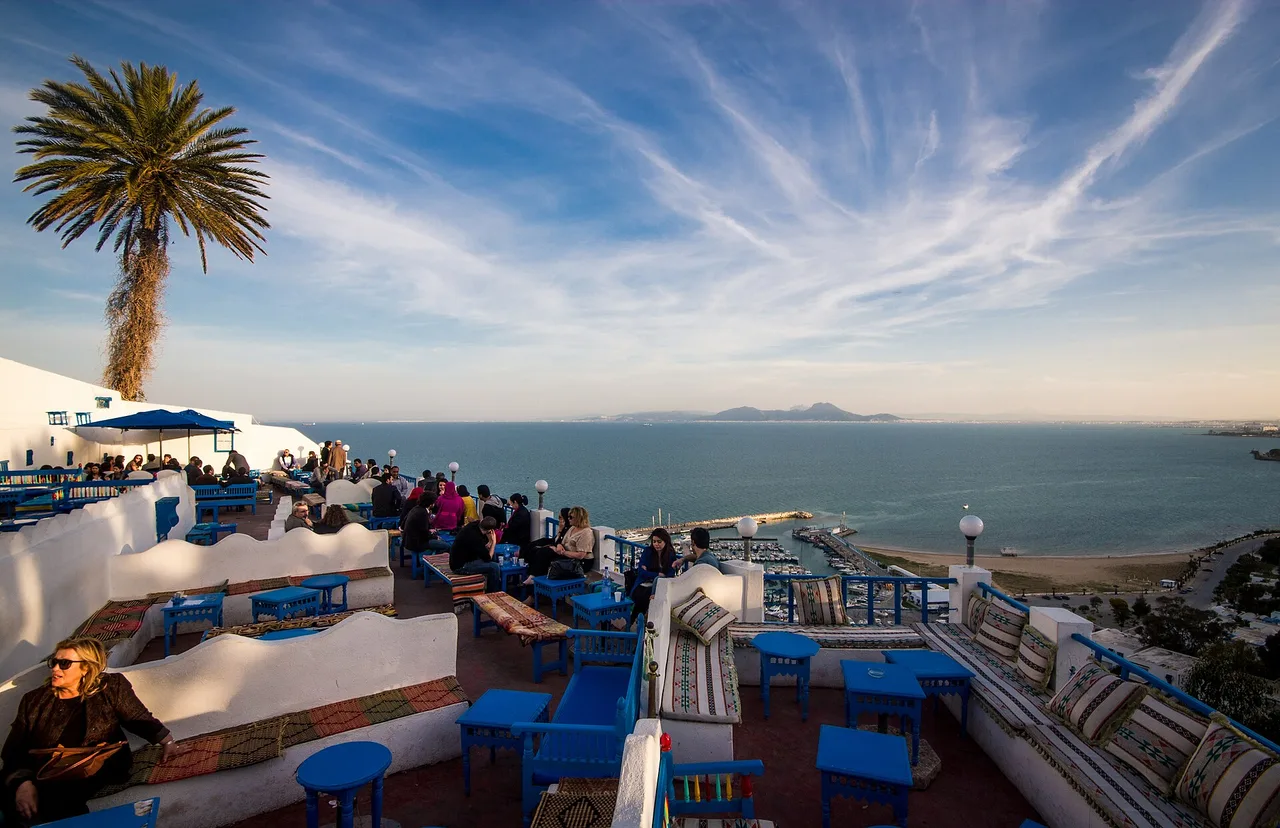
Photo: Mohamed Moslem Mosbah, Wikimedia Commons, CC BY-SA 3.0.
Pick one
Rooms are dug into the sides of a deep pit, and these underground homes stay pleasantly cool in the burning summer heat. One of them, now a hotel, was used in 1976 as Luke Skywalker's childhood home in the very first 'Star Wars' film.
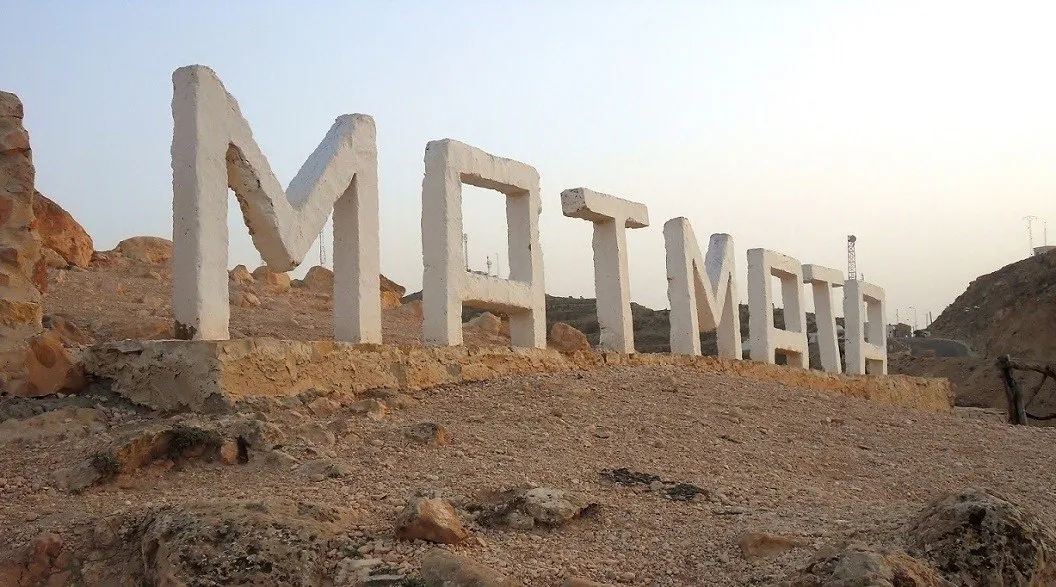
Photo: Damien slattery Photographed by Colin Kenworthy, Wikimedia Commons, CC BY-SA 3.0.
Pick one
These pictures are called mosaics, and the Romans used them to decorate the floors and walls of their buildings. One of the most famous was found in a garden in Sousse in 1896 and shows the poet Virgil holding a scroll of his own writing.
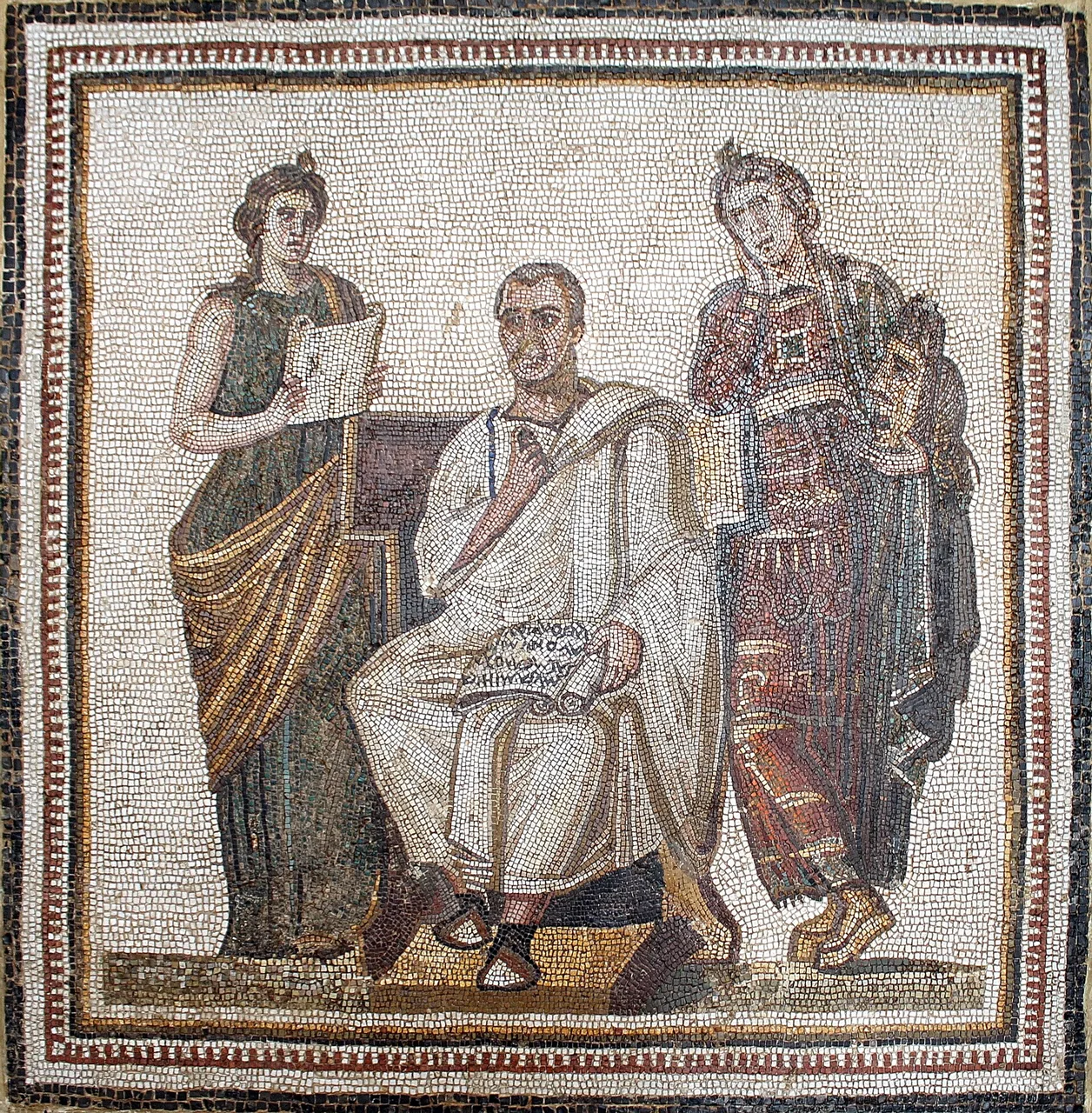
Photo: Boyd Dwyer, Wikimedia Commons, Public domain.
Pick one
In 218 BC Hannibal marched towards Italy with an army that included nearly 40 elephants. Getting them across one wide river was so tricky that his soldiers covered rafts with soil, so the elephants would think they were still on dry land.
Pick one
Desert roses form in the sand when salty water dries up and leaves behind crystals that grow in flat, petal-like layers. Grains of sand get trapped inside them, and the ones from Tunisia's salt flats are especially sparkly thanks to all the salt.
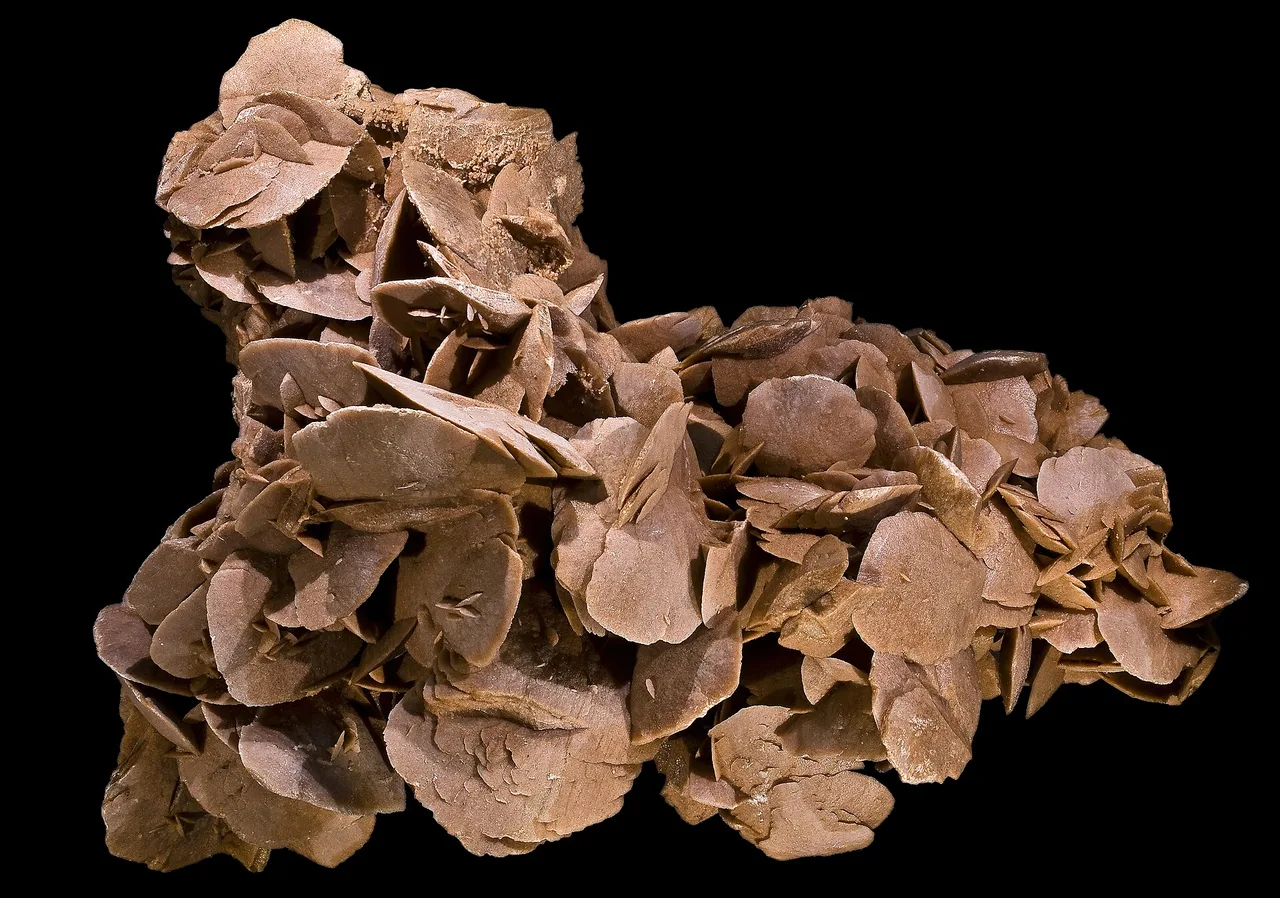
Photo: Didier Descouens, Wikimedia Commons, CC BY-SA 4.0.
Pick one
The fennec is the smallest fox in the world, and its huge ears help it hear insects and small animals moving under the sand while letting extra heat escape. The pads of its paws are covered in thick fur, so it can walk on scorching sand without burning its feet.
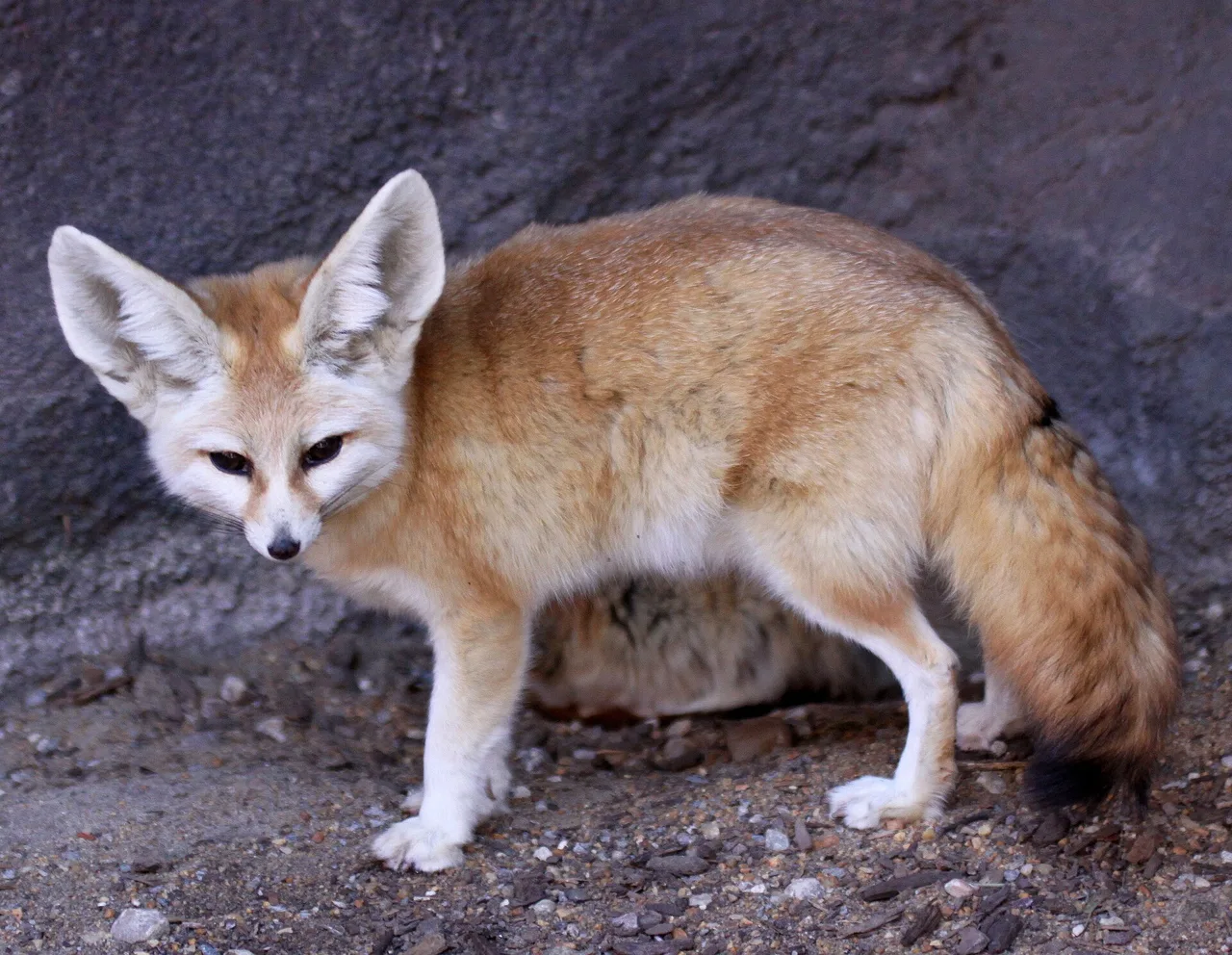
Photo: Drew Avery, Wikimedia Commons, CC BY 2.0.


Paste the code into your page. The player fits itself in, and every vote counts in Votur.
On WordPress, Ghost or Squarespace? Just paste the link of this page into your post.
This is how it looks
Also fun