Get app
 Photo: T A, Wikimedia Commons, CC BY-SA 2.0.
Test your knowledge of Tunis, the vibrant capital of Tunisia. Journey through its ancient ruins, historic medina, unique culinary treats, and stunning coastal suburbs.
Curious Wanderer 0–4 · Medina Explorer 5–8 · True Carthage Expert 9–10
Pick one

Avenue Habib Bourguiba became the grand avenue of Tunis under French rule and is often compared to the Champs-Élysées: about 60 metres wide, with trees down the middle and street cafés on both sides. It got its current name at independence in 1956, and most other towns in Tunisia have their own Avenue Habib Bourguiba too.
Photo: Dacoslett, Wikimedia Commons, CC0.
Pick one
Sidi Bou Said is world-famous for its striking blue-and-white color scheme, decreed by a French baron in the 1920s to preserve the town's aesthetic. Perched high on a cliff overlooking the Mediterranean, this artistic haven has inspired famous painters and writers like Paul Klee and Colette.
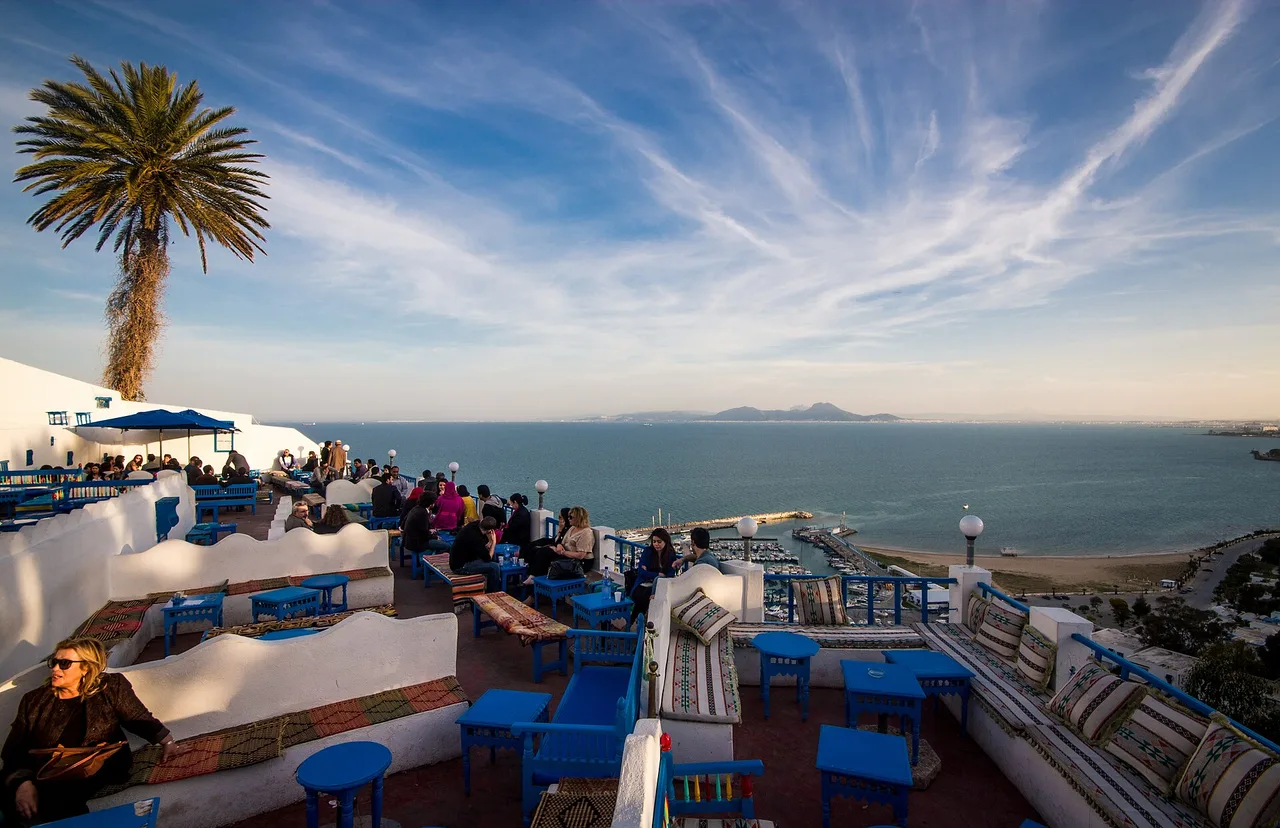
Photo: Mohamed Moslem Mosbah, Wikimedia Commons, CC BY-SA 3.0.
Pick one
Lablabi is a popular, inexpensive Tunisian chickpea soup served hot, typically with garlic, cumin, olive oil, and pieces of stale bread. Diners in Tunis often customize their bowls with tuna, soft-boiled eggs, capers, or spicy harissa. It is especially beloved as a warming comfort food during winter.
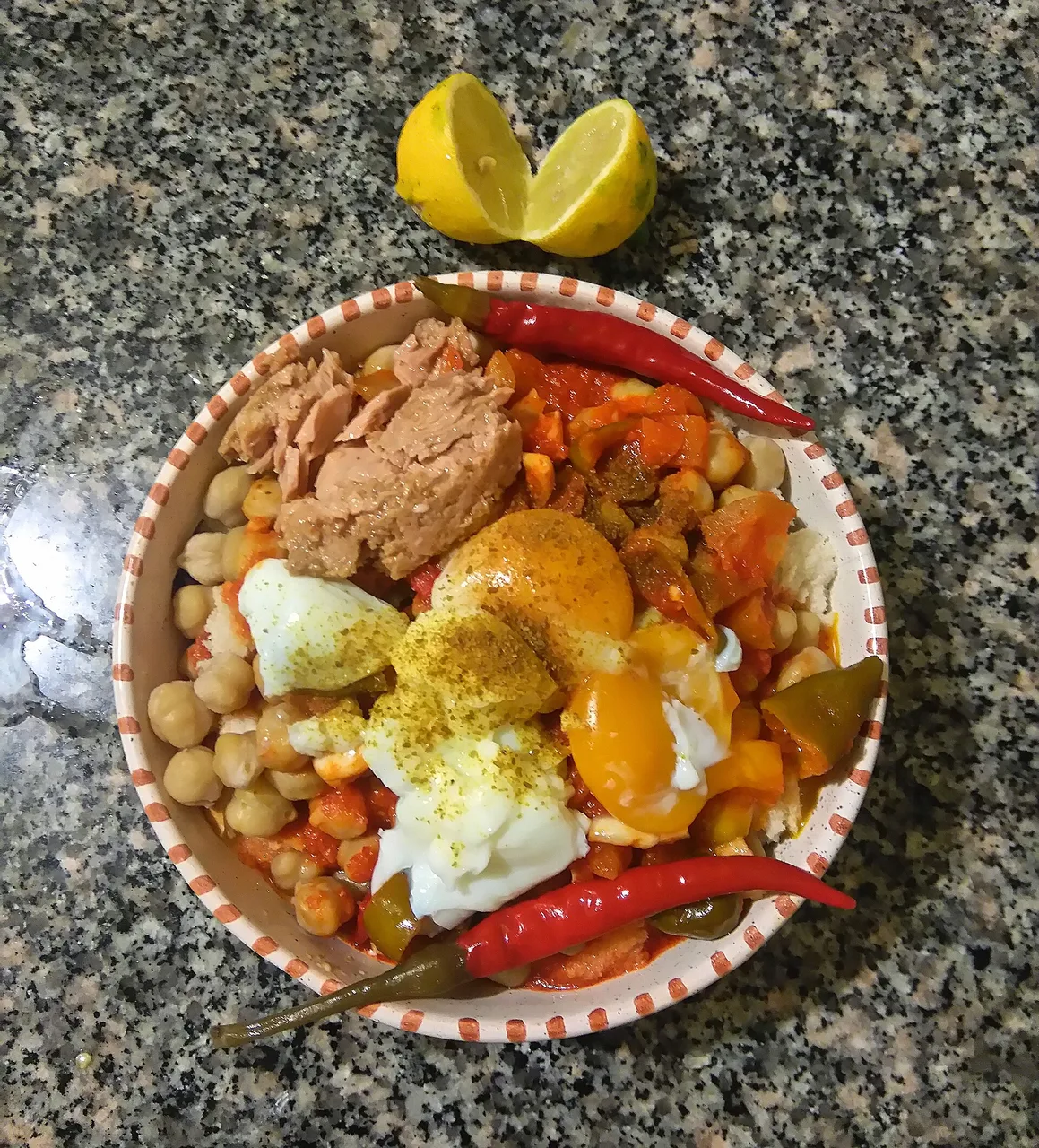
Photo: Habib M'henni, Wikimedia Commons, CC BY-SA 4.0.
Pick one
The TGM is a historic railway line opened in 1872, making it one of the oldest commuter rail systems in Africa. It takes passengers on a scenic journey across the Lake of Tunis, linking the bustling city center with coastal suburbs like Carthage, Sidi Bou Said, and La Marsa.
Pick one
Belvedere Park is the largest public green space in Tunis, designed by French landscape architects in 1892. It offers peaceful walking paths, shady olive and pine trees, and a historic mid-century zoo. At its highest point stands a beautiful 18th-century pavilion moved there from the Medina.
Pick one
The Bardo National Museum holds one of the world's most prestigious collections of Roman mosaics. These incredibly preserved artworks were excavated from various archaeological sites across Tunisia, including Carthage and Dougga. Housed in a gorgeous 15th-century palace, the museum offers a visual journey through Tunisia's complex history.
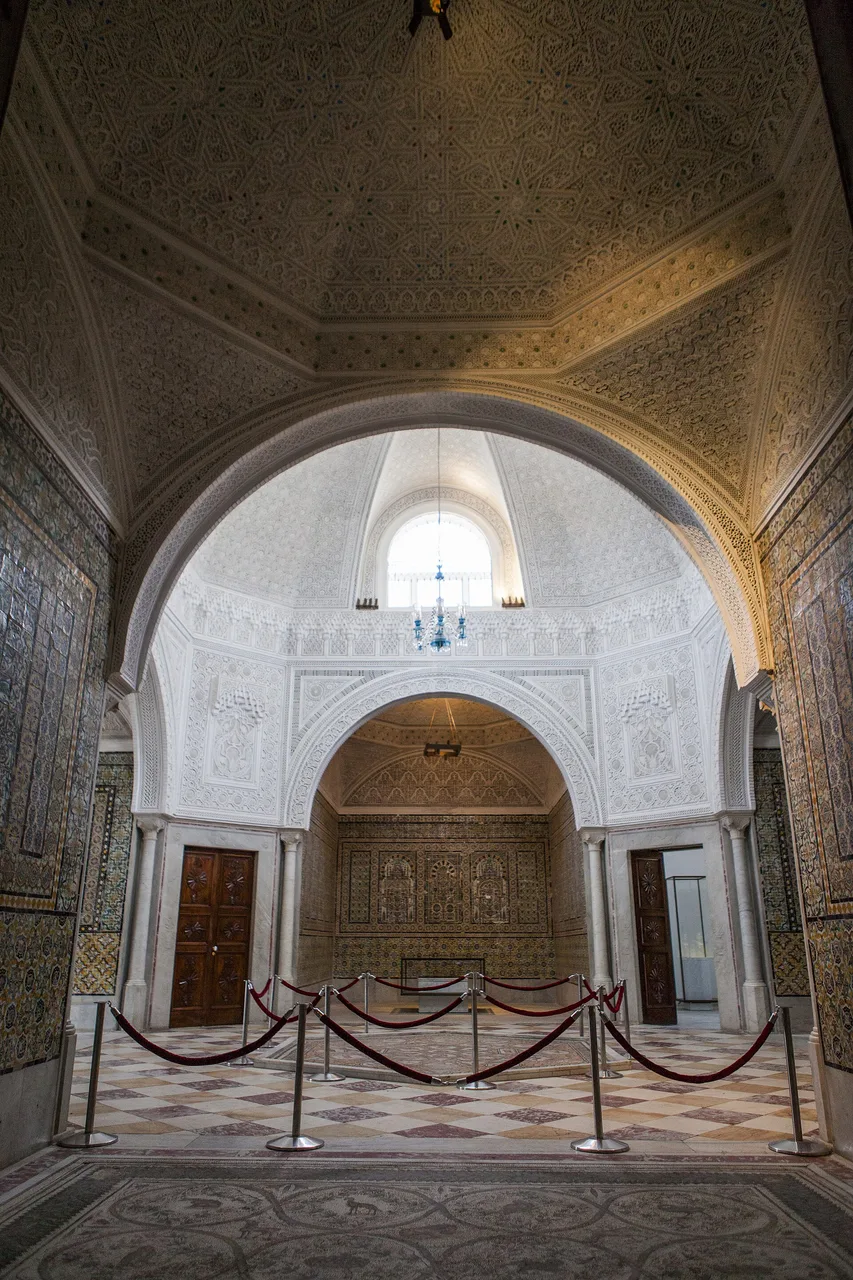
Photo: Céline Rabaud, Wikimedia Commons, CC BY-SA 4.0.
Pick one
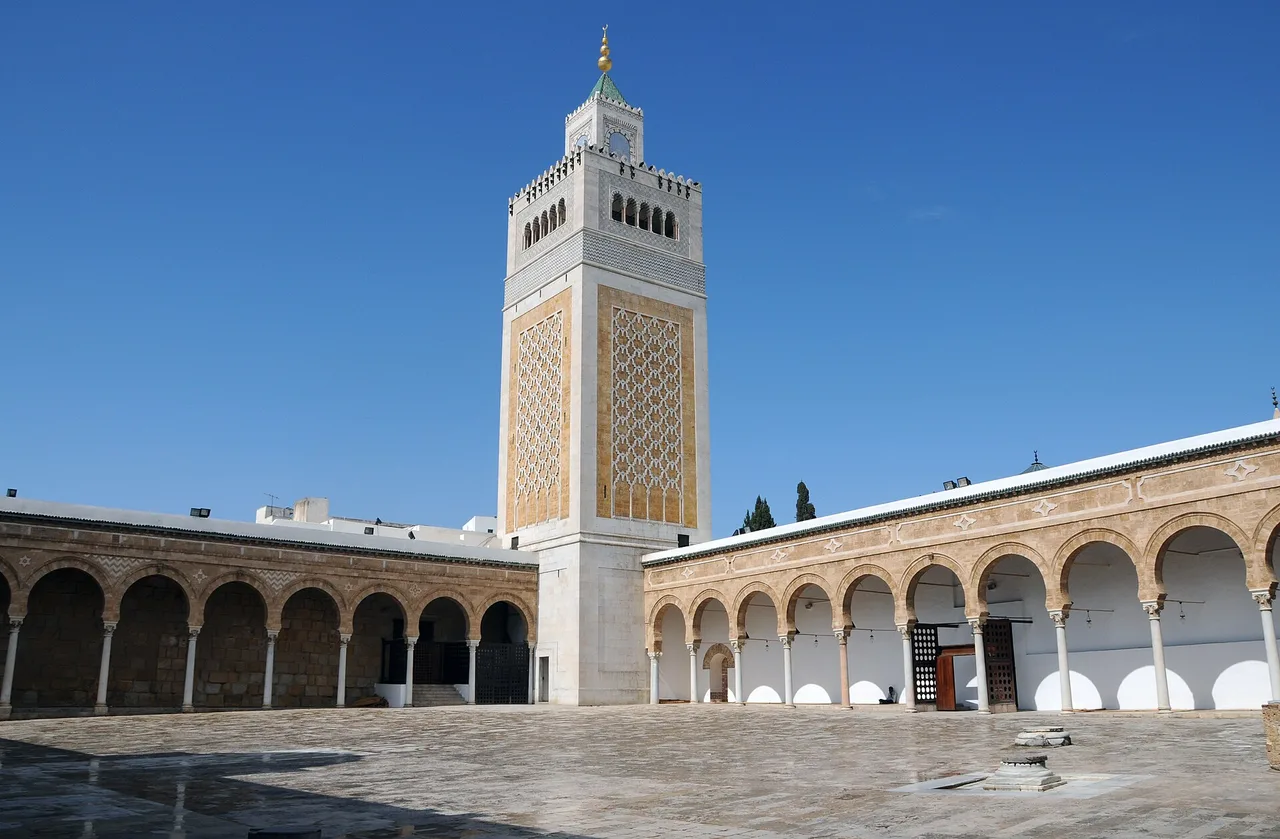
Al-Zaytuna Mosque, meaning the Mosque of the Olive Tree, is the oldest mosque in Tunis, dating back to 732 AD. For centuries, it served not only as a place of worship but also as one of the earliest and greatest universities in Islamic history, hosting scholars from all over the Mediterranean.
Photo: T A, Wikimedia Commons, CC BY-SA 2.0.
Pick one
Built in the late 19th century, the Cathedral of St. Vincent de Paul features a striking blend of Neo-Byzantine, Gothic, and Moorish architectural styles. It stands directly opposite the French Embassy on Independence Square. Money ran short during construction, so its two bell towers were only finished in 1910.
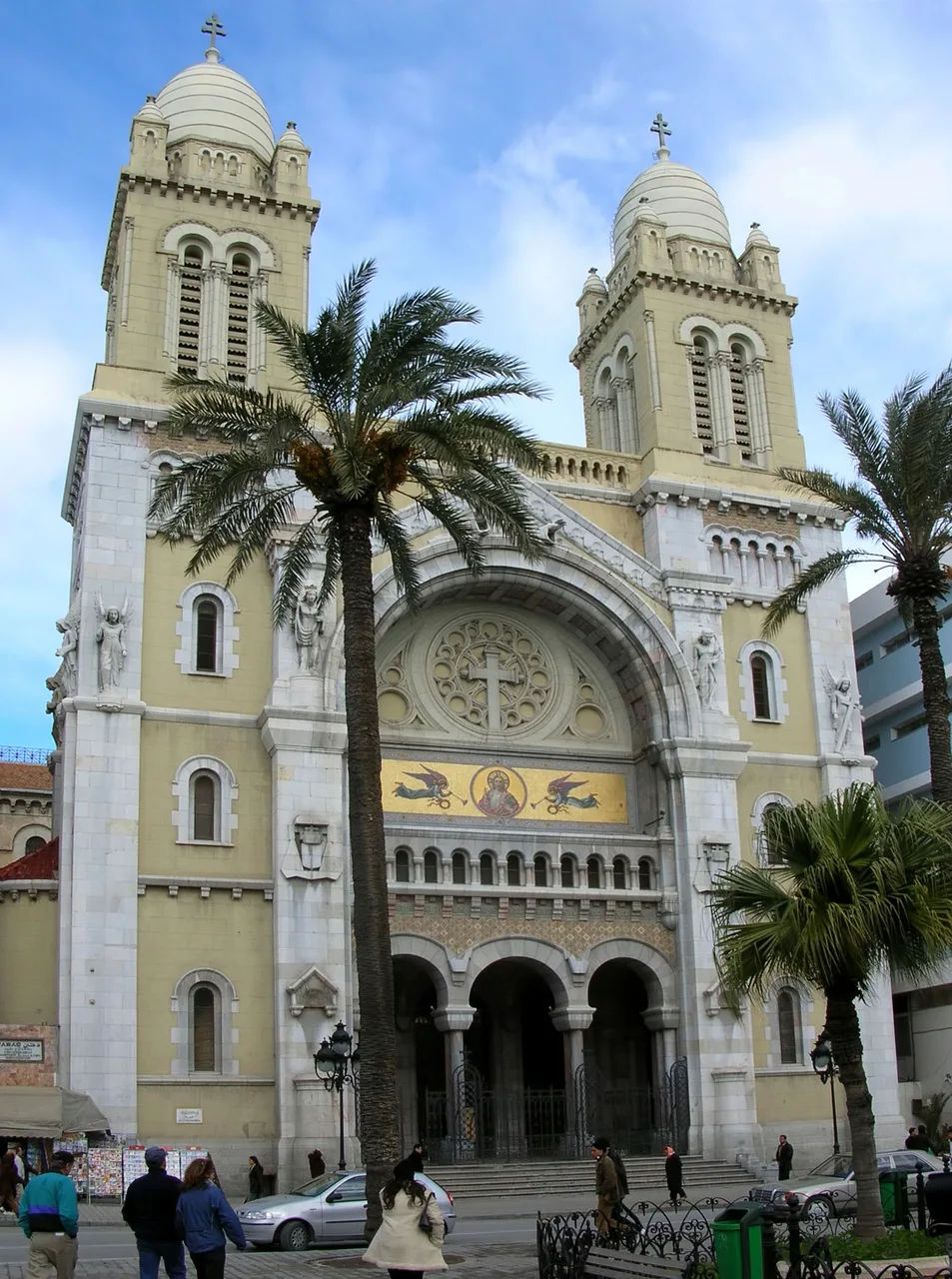
Photo: Bernard Gagnon, Wikimedia Commons, CC BY-SA 3.0.
Pick one
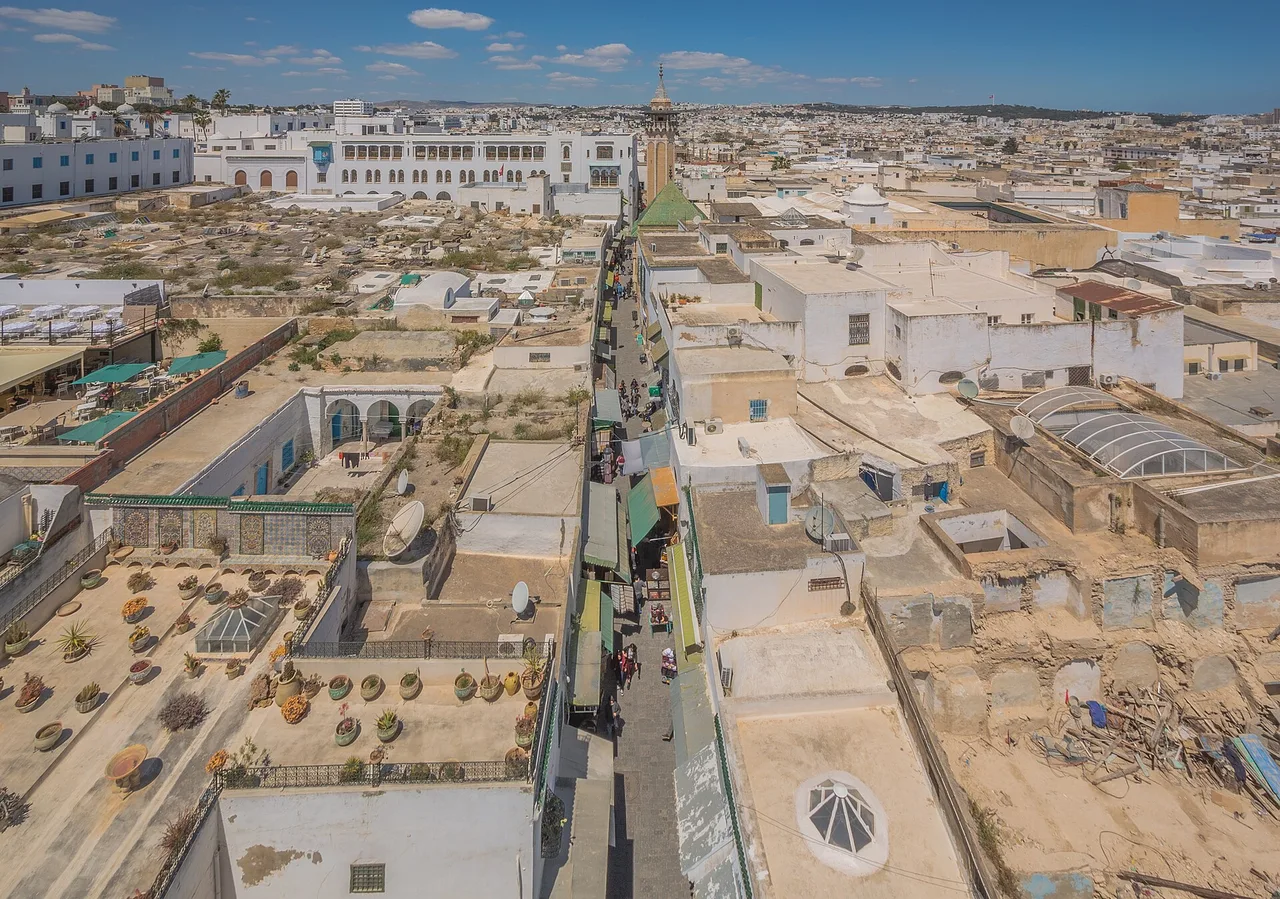
The Medina of Tunis was designated a UNESCO World Heritage site in 1979. It is one of the best-preserved Islamic medieval cities in the world, containing hundreds of historic monuments like palaces, mosques, and fountains. An interesting detail is that the Medina's layout was designed to protect residents from harsh winds and invaders.
Photo: IssamBarhoumi, Wikimedia Commons, CC BY-SA 3.0.
Pick one
The chechia is a soft red cap, a close cousin of the beret, and the Tunis medina has a whole souk named after its makers. Thousands of craftsmen once worked there; today only a small group keeps the old tradition alive.
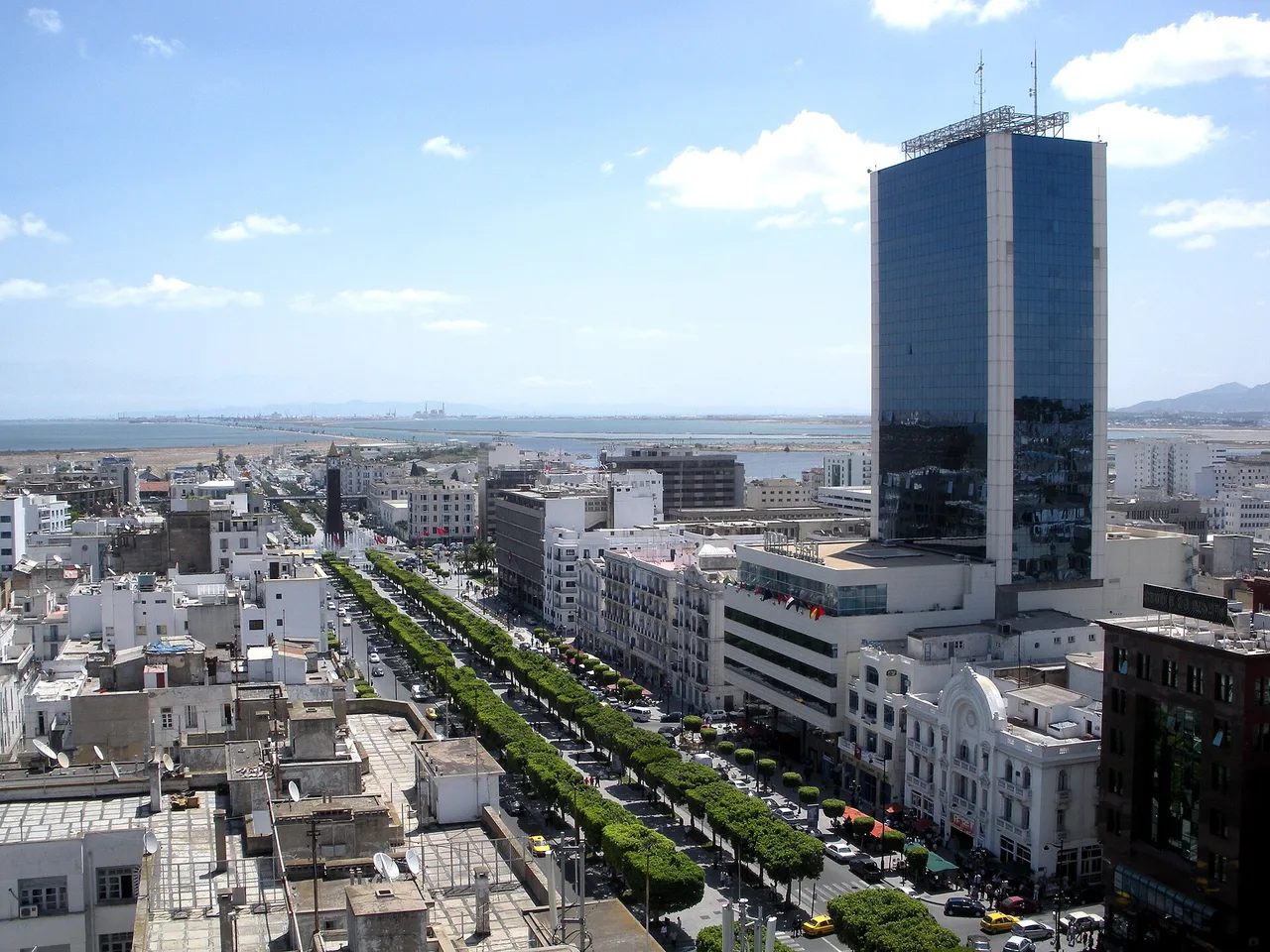
Photo: Noomen9, Wikimedia Commons, CC BY-SA 4.0.


Paste the code into your page. The player fits itself in, and every vote counts in Votur.
On WordPress, Ghost or Squarespace? Just paste the link of this page into your post.
This is how it looks
Also fun