Get app
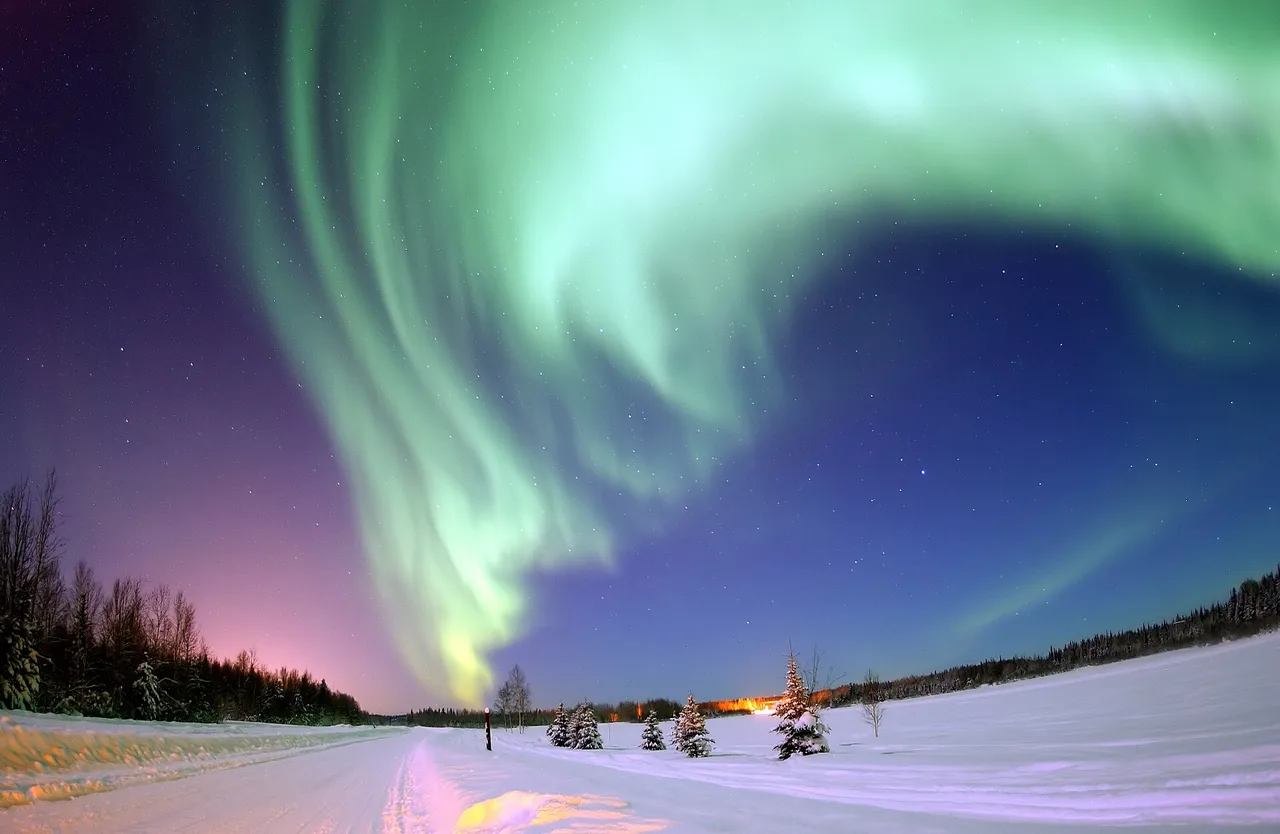
 Photo: NASA/Expedition 40 crew member, Wikimedia Commons, Public domain.
How much do you really know about the shapes floating above us? Test your knowledge on cloud science, rare formations, and sky-high trivia.
Sky Watcher 0–4 · Cloud Spotter 5–8 · Master Meteorologist 9–10
Pick one

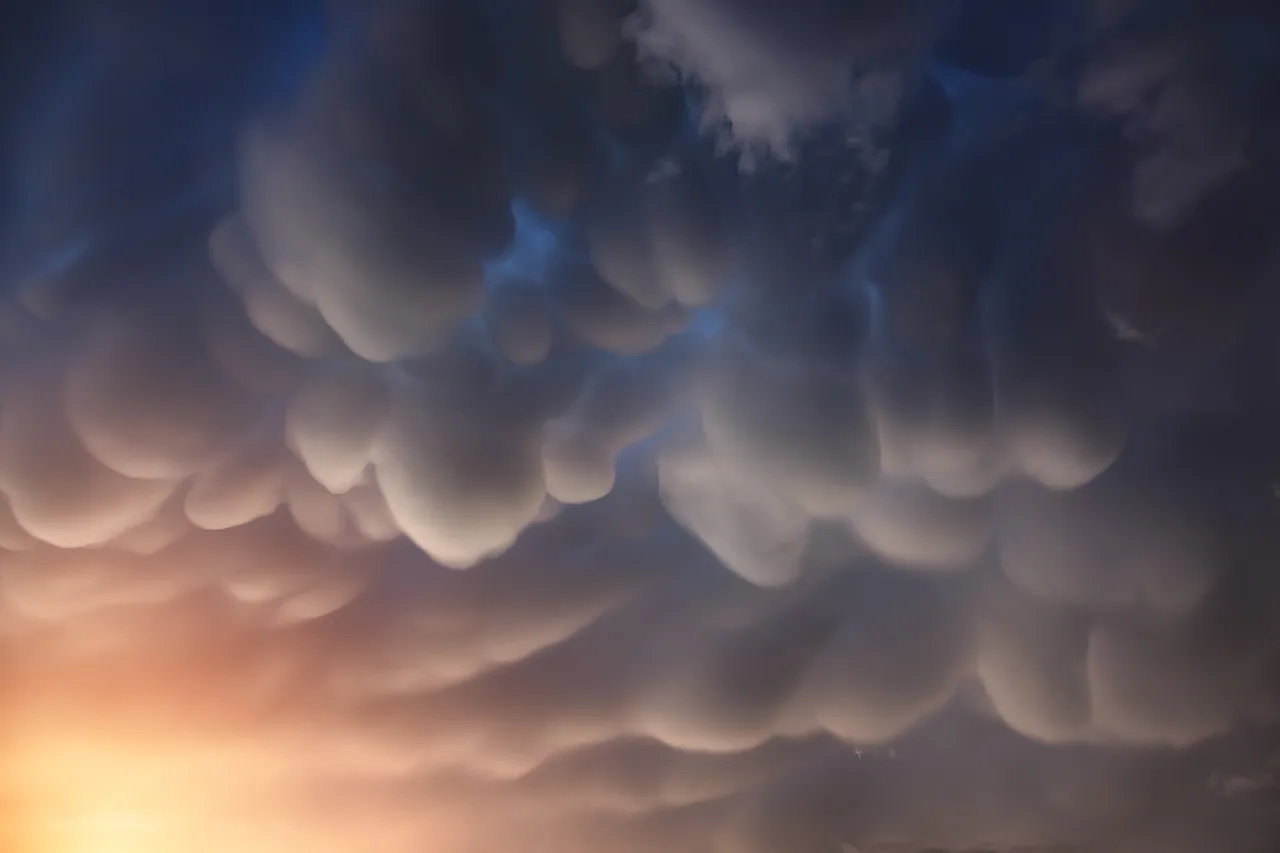
Mammatus clouds most often hang from the underside of the anvil of a big cumulonimbus storm cloud. The pouches form where cold air sinks down out of the cloud. They can appear before, during or even after a storm, and a single field of them can stretch for hundreds of kilometres.
Photo: Anton Yankovyi, Wikimedia Commons, CC BY-SA 4.0.
Pick one
Lenticular clouds form when moist air flows over a mountain range, creating standing waves in the atmosphere. Their stationary, saucer-like shape makes them a frequent source of UFO sightings. Pilots generally avoid flying near them due to the severe turbulence they can generate.
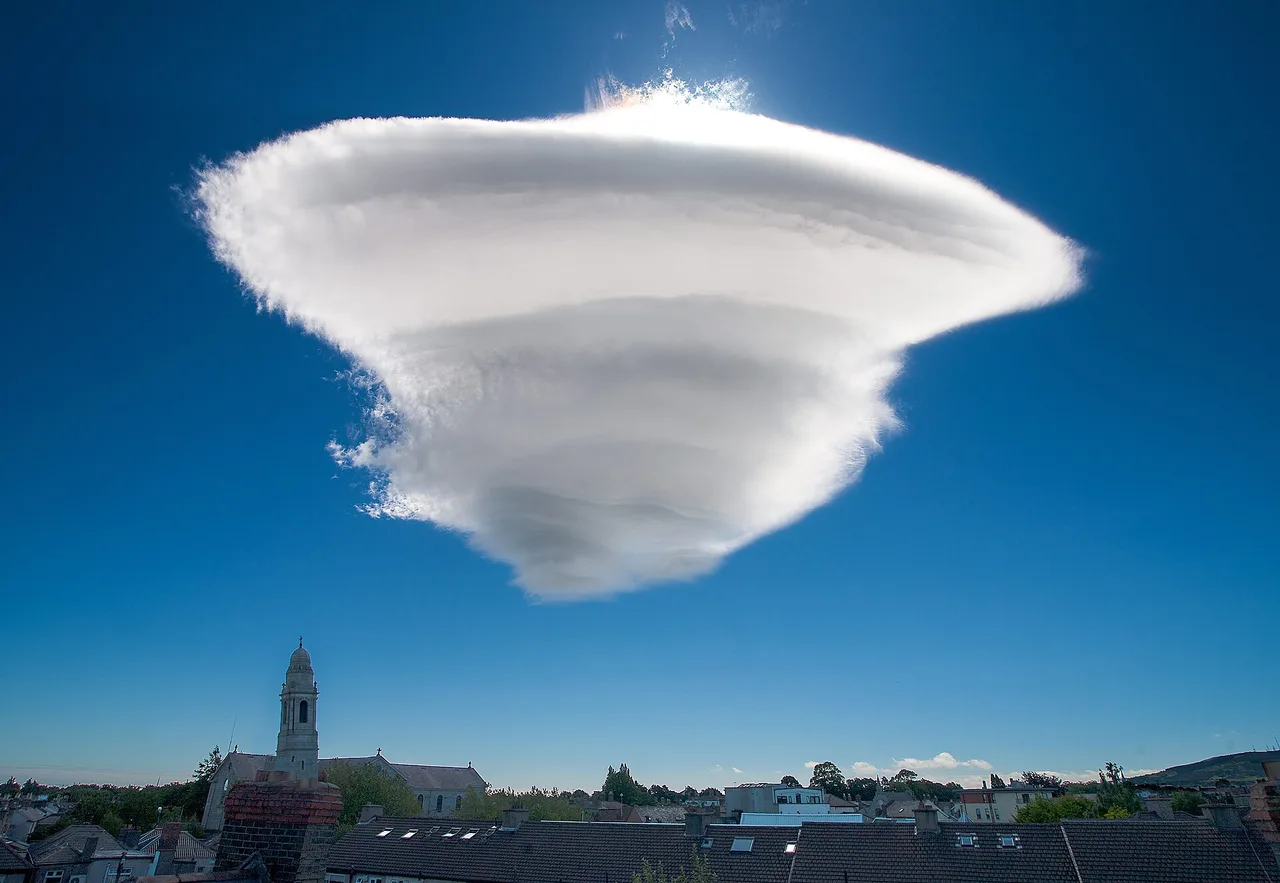
Photo: Omnisource5, Wikimedia Commons, CC BY-SA 4.0.
Pick one
Luke Howard chose Latin because it was the international language of science at the time, ensuring his classification system could be understood globally. Interestingly, he was a chemist by trade, not a professional meteorologist, but his cloud naming system remains the global standard today.
Pick one
A ceilometer uses a laser or light source to determine the height of the cloud base, also known as the cloud ceiling. It measures the time it takes for a light pulse to bounce back from the cloud. This tool is incredibly important for aviation safety, helping pilots know if they can land safely.
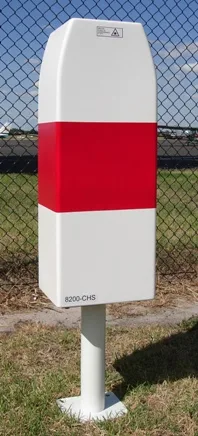
Photo: Jk047, Wikimedia Commons, Public domain.
Pick one
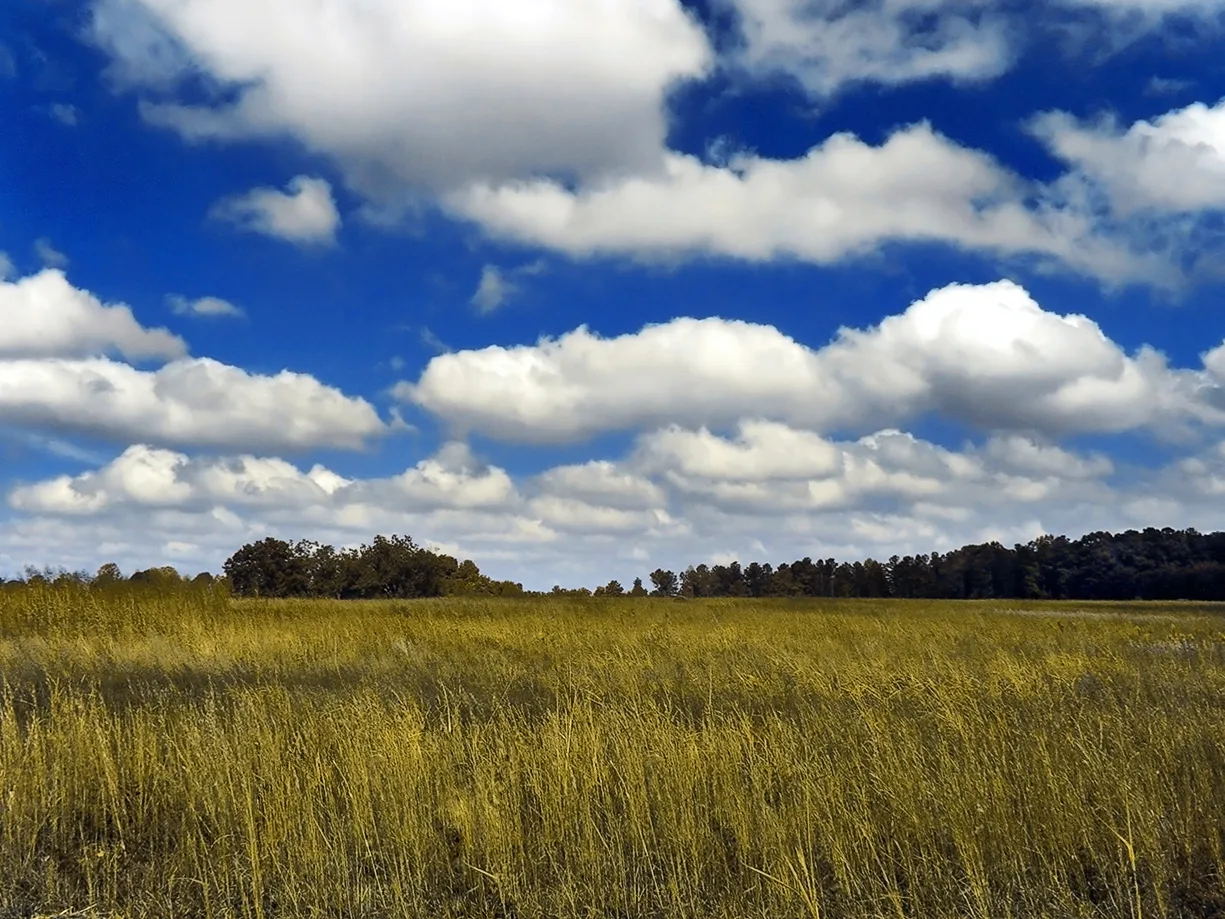
Even though they look light and airy, a typical cumulus cloud about one kilometer across weighs around 500,000 kilograms, which is equivalent to about 100 elephants. They stay afloat because the water droplets are incredibly spread out and rest on a massive column of rising warm air.
Photo: PiccoloNamek, Wikimedia Commons, CC BY-SA 3.0.
Pick one
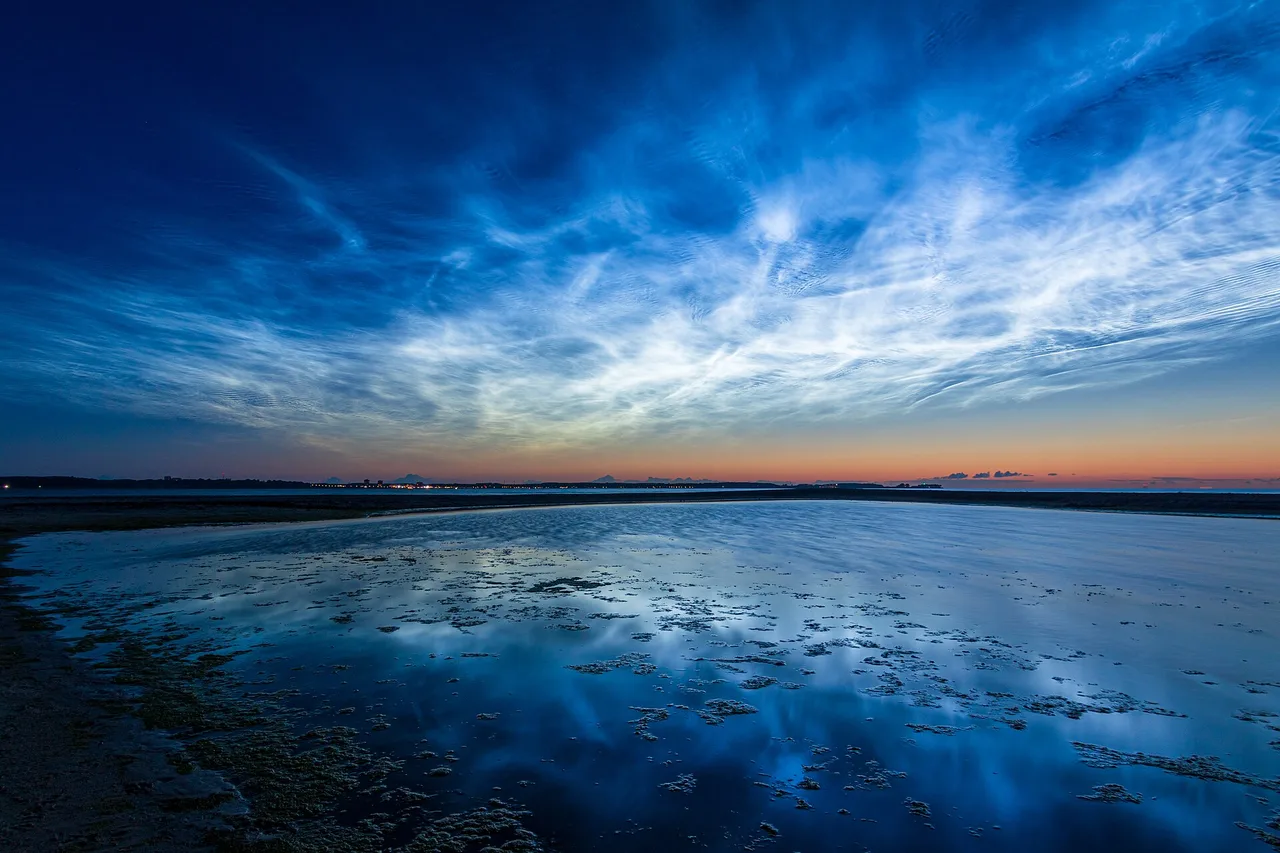
Noctilucent clouds are the highest clouds in Earth's atmosphere, forming in the mesosphere about fifty miles up. They are composed of tiny ice crystals that catch the sunlight long after the sun has set on the ground. Scientists believe they are becoming more visible due to increased methane emissions.
Photo: Matthias Süßen, Wikimedia Commons, CC BY-SA 4.0.
Pick one
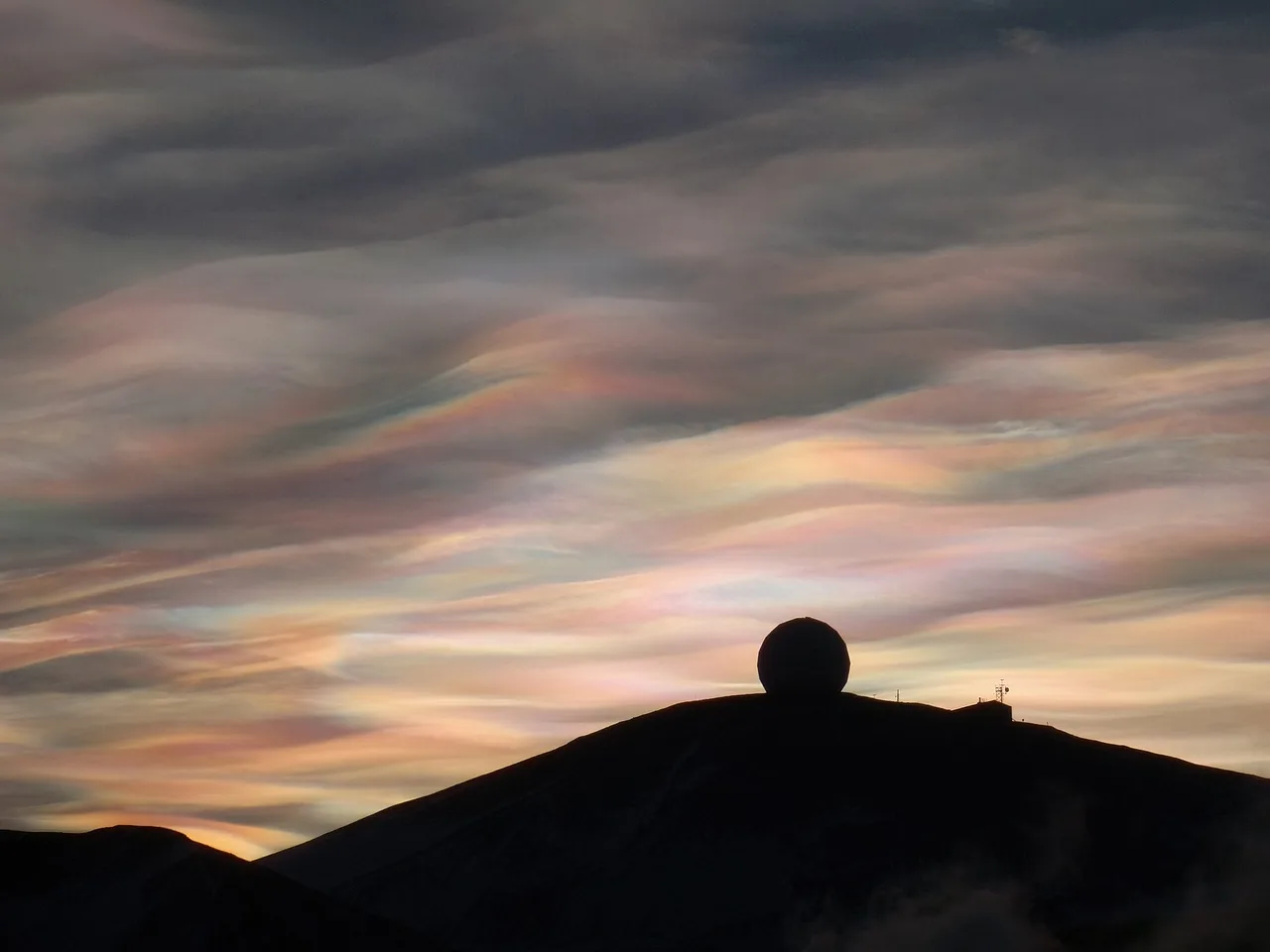
Nacreous clouds, also known as mother-of-pearl clouds, form in the extremely cold winter stratosphere. They diffract sunlight into brilliant pastel colors, creating a stunning visual display. However, they also play a harmful role in the environment by hosting chemical reactions that destroy the ozone layer.
Photo: Alan Light from Charlotte, USA. At Commons: Alan R Light (talk · contribs), Wikimedia Commons, CC BY 2.0.
Pick one
A roll cloud is a low, horizontal, tube-shaped arcus cloud that is completely detached from the base of the storm. It is caused by the outflow of cold air from a storm front, which forces warm air upward and creates a rolling motion. They are relatively rare and can stretch for hundreds of miles.
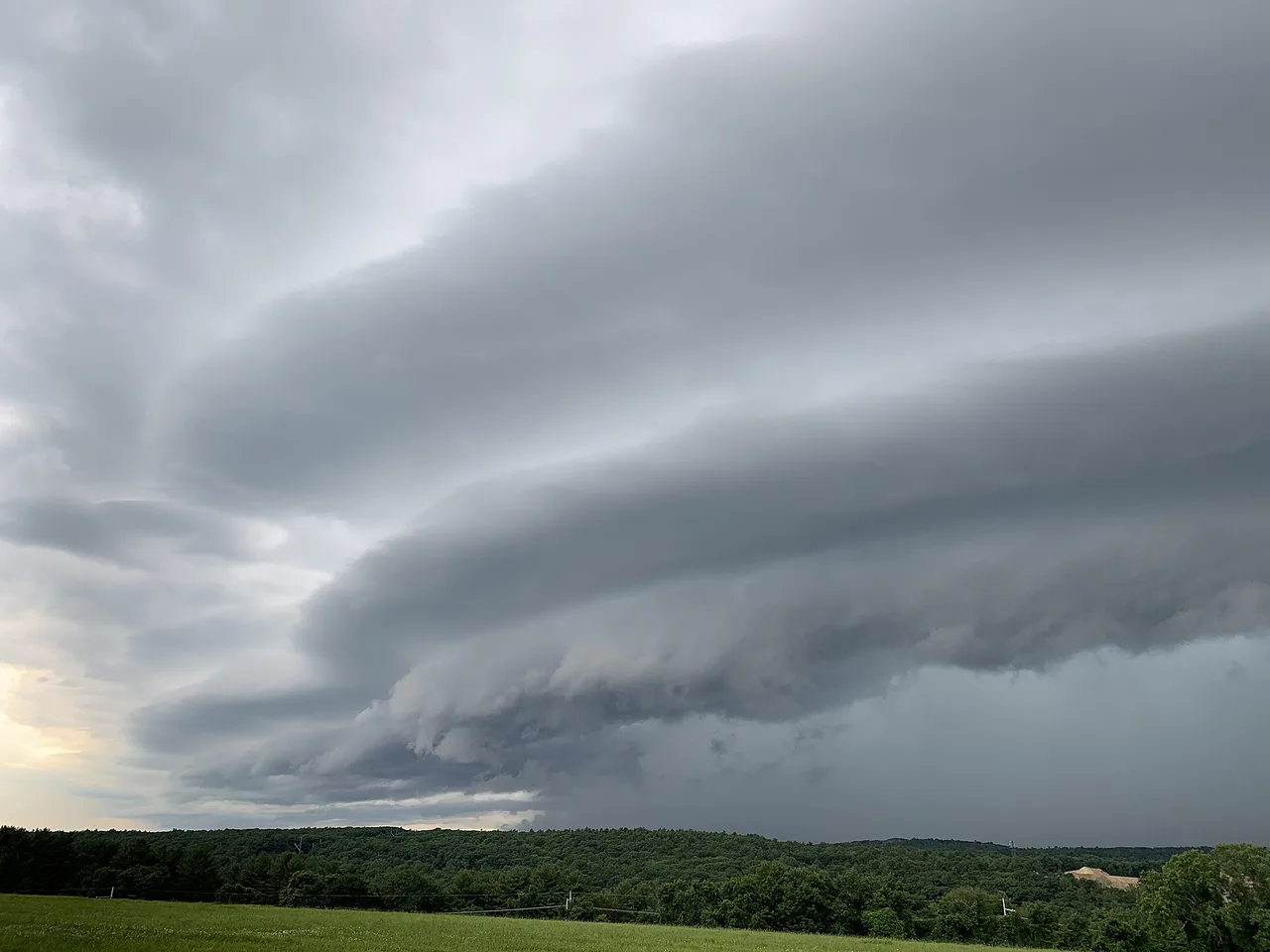
Photo: Daniela Mirner Eberl, Wikimedia Commons, CC BY-SA 3.0.
Pick one
A fallstreak hole, or hole-punch cloud, forms when the water temperature in the cloud is below freezing but the water has not frozen yet. When ice crystals finally start to form, a chain reaction causes the surrounding water droplets to evaporate, leaving a large circular gap that often looks man-made.
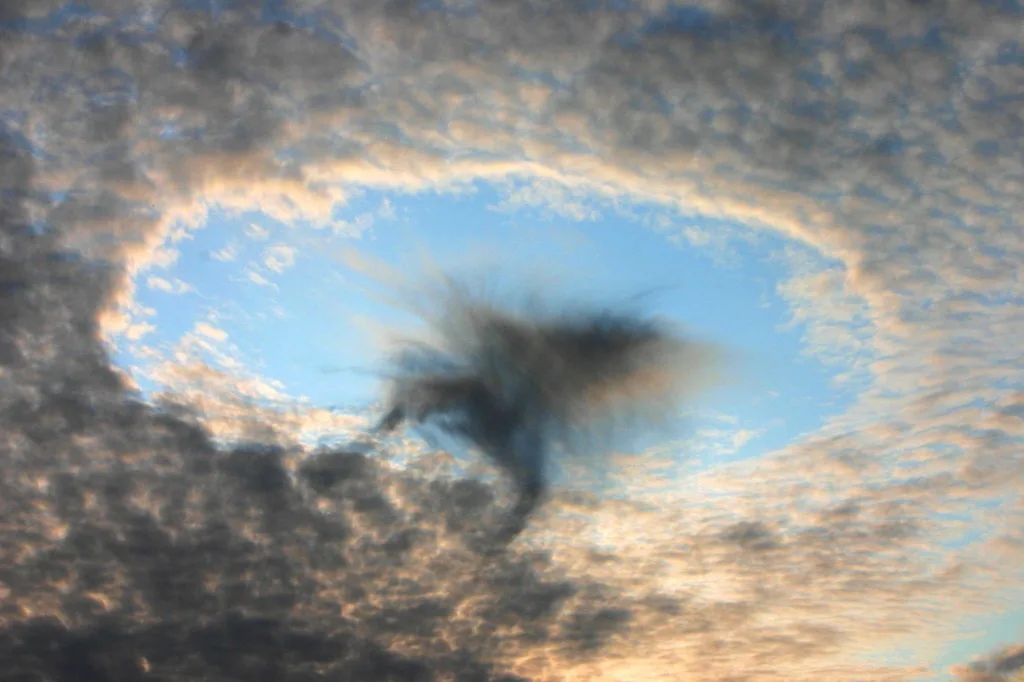
Photo: H. Raab (User:Vesta), Wikimedia Commons, CC BY-SA 3.0.
Pick one
Joni Mitchell wrote this famous song after reading Henderson the Rain King on a plane, looking down at the clouds. The opening line describes them as "rows and flows of angel hair and ice cream castles in the air." Judy Collins actually released it first, in 1967, and Joni's own version followed on her 1969 album Clouds.


Paste the code into your page. The player fits itself in, and every vote counts in Votur.
On WordPress, Ghost or Squarespace? Just paste the link of this page into your post.
This is how it looks
Also fun