Get app
 Photo: Maxime Raynal from France, Wikimedia Commons, CC BY 2.0.
Test your knowledge on the brilliant flashes of light that illuminate our skies. Explore the science, history, and myths behind nature's most powerful electrical displays!
Storm Curious 0–4 · Lightning Struck 5–8 · Master of the Flash 9–10
Pick one

Benjamin Franklin designed the lightning rod in 1752 during his famous experiments with electricity. By providing a safe, low-resistance path for the electrical charge to reach the ground, his invention saved countless wooden structures from burning down.
Pick one
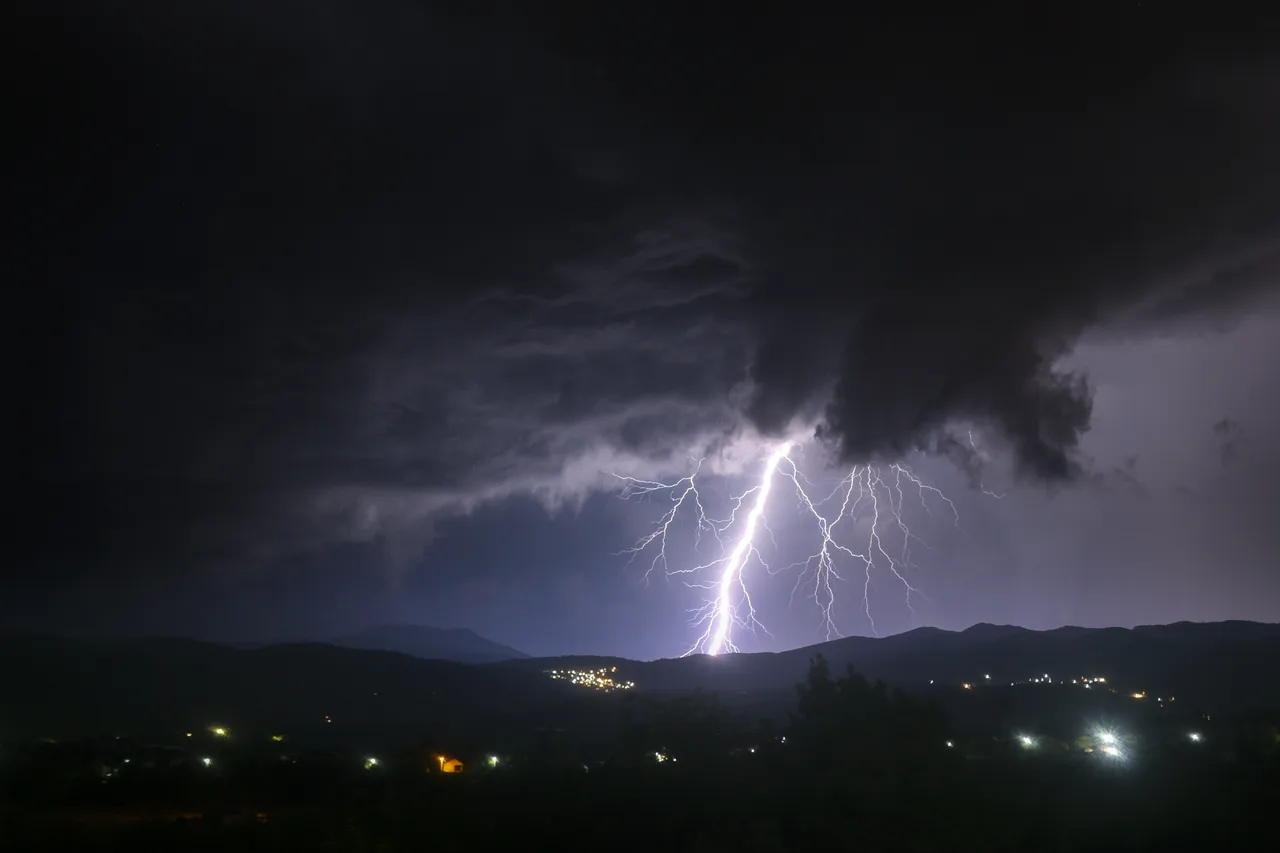
A fully enclosed metal vehicle acts like a Faraday cage. If lightning strikes the car, the electrical current travels along the outer metal shell and safely disperses into the ground, leaving the passengers inside unharmed. Convertible cars do not offer this protection.
Photo: Filip.vidinovski, Wikimedia Commons, CC BY-SA 4.0.
Pick one
Ball lightning is a mysterious phenomenon that appears as a glowing sphere, ranging from the size of a pea to several meters in diameter. Unlike normal lightning flashes that last milliseconds, ball lightning can drift slowly for several seconds before silently vanishing or exploding.
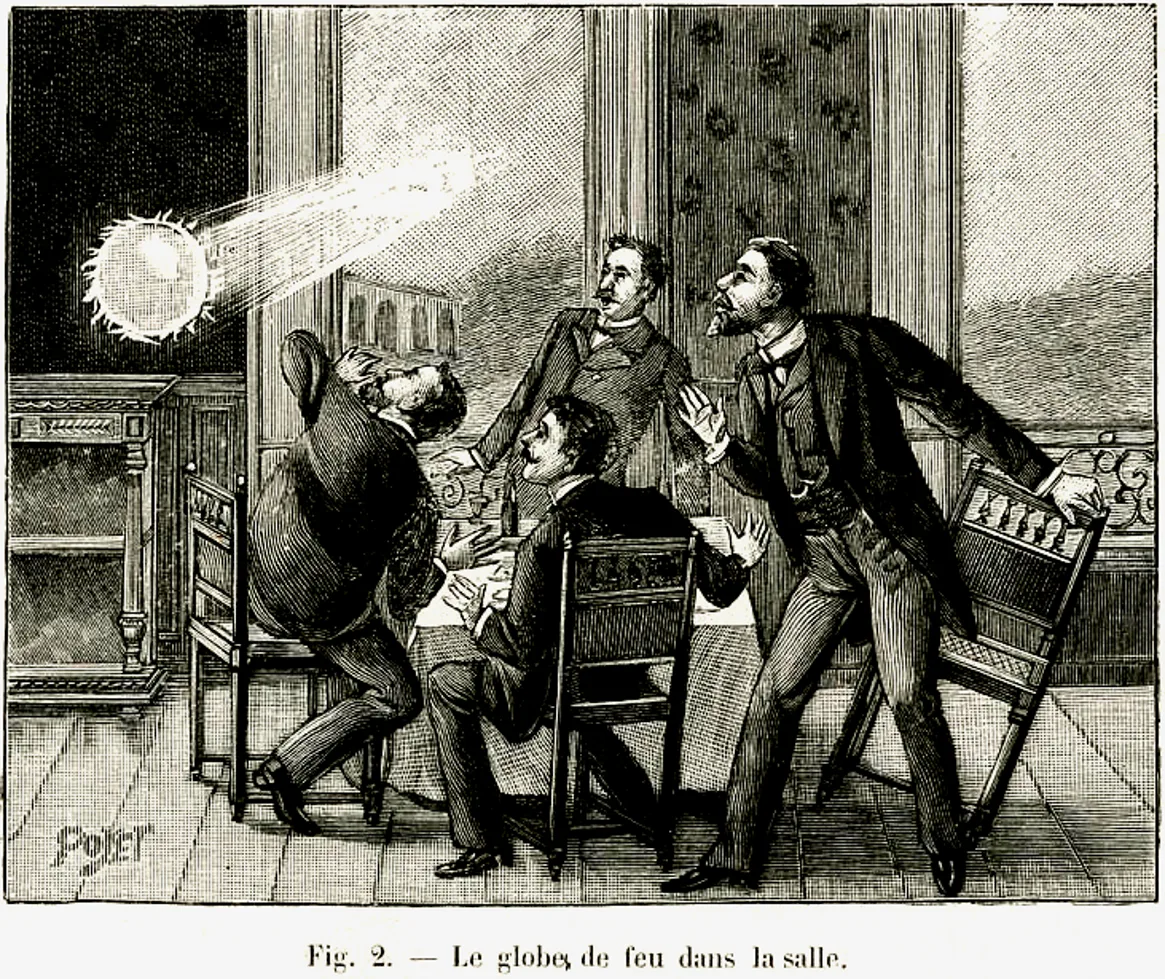
Photo: Wikimedia Commons, Public domain.
Pick one
Often called dirty thunderstorms, volcanic lightning happens when friction between colliding ash particles, rock fragments, and ice crystals in a volcanic plume generates immense electrostatic charges. This leads to dramatic electrical discharges directly within the ash cloud.
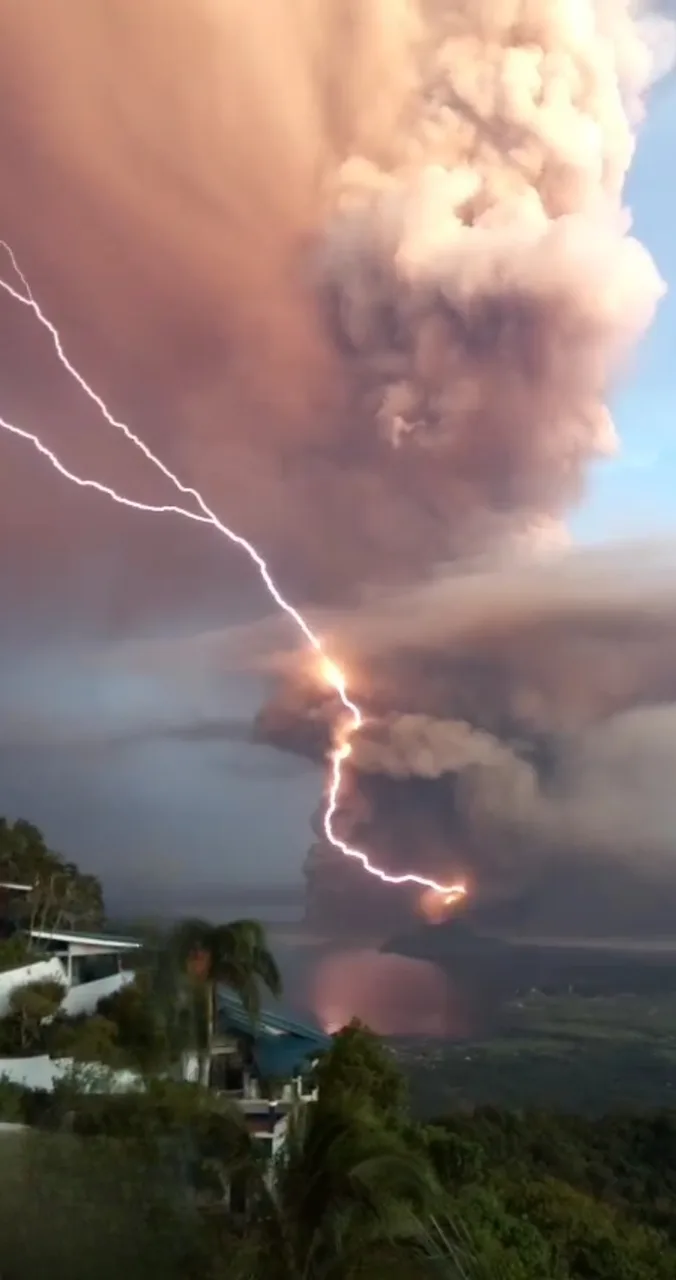
Photo: Original image: Etrhamjr (talk · contribs), Retouching: Hike395 (talk · contribs, Wikimedia Commons, CC BY-SA 4.0.
Pick one
Roy Sullivan was a U.S. park ranger in Virginia who survived seven distinct lightning strikes between 1942 and 1977. Over his lifetime, these strikes knocked him unconscious, set his hair on fire multiple times, and singed his shoulders, earning him a unique spot in the Guinness World Records.
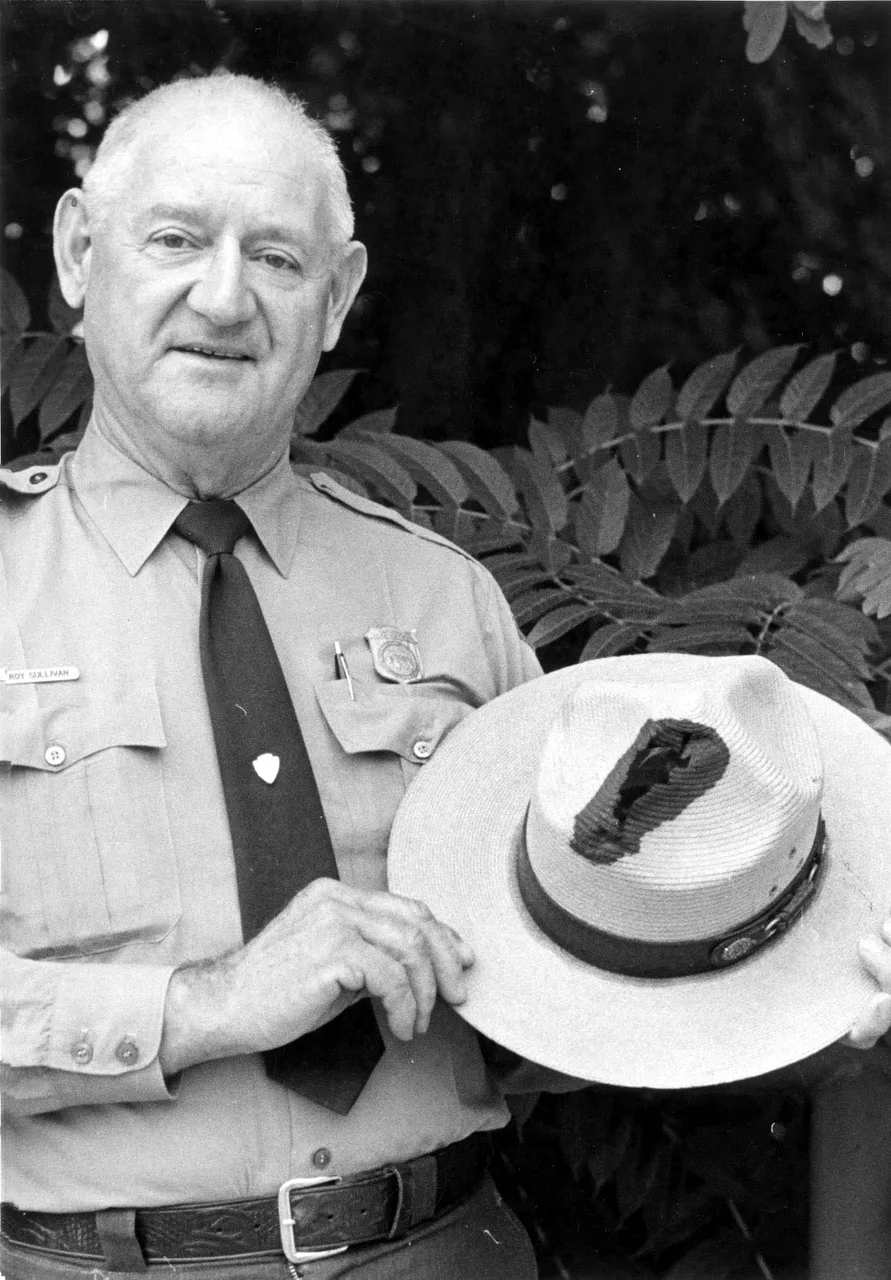
Photo: ShenandoahNPS, Wikimedia Commons, Public domain.
Pick one
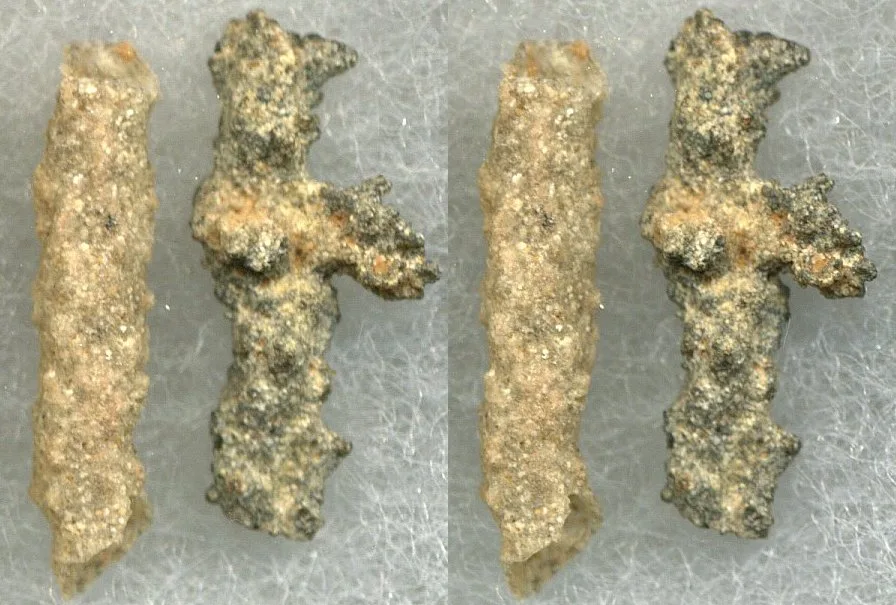
When lightning hits sandy ground, the extreme heat melts the silica instantly, fusing it into hollow, root-like glass tubes called fulgurites. Often called petrified lightning, these delicate structures can reach several feet in length and preserve the exact path the energy took through the earth.
Photo: John Alan Elson, Wikimedia Commons, CC BY-SA 4.0.
Pick one
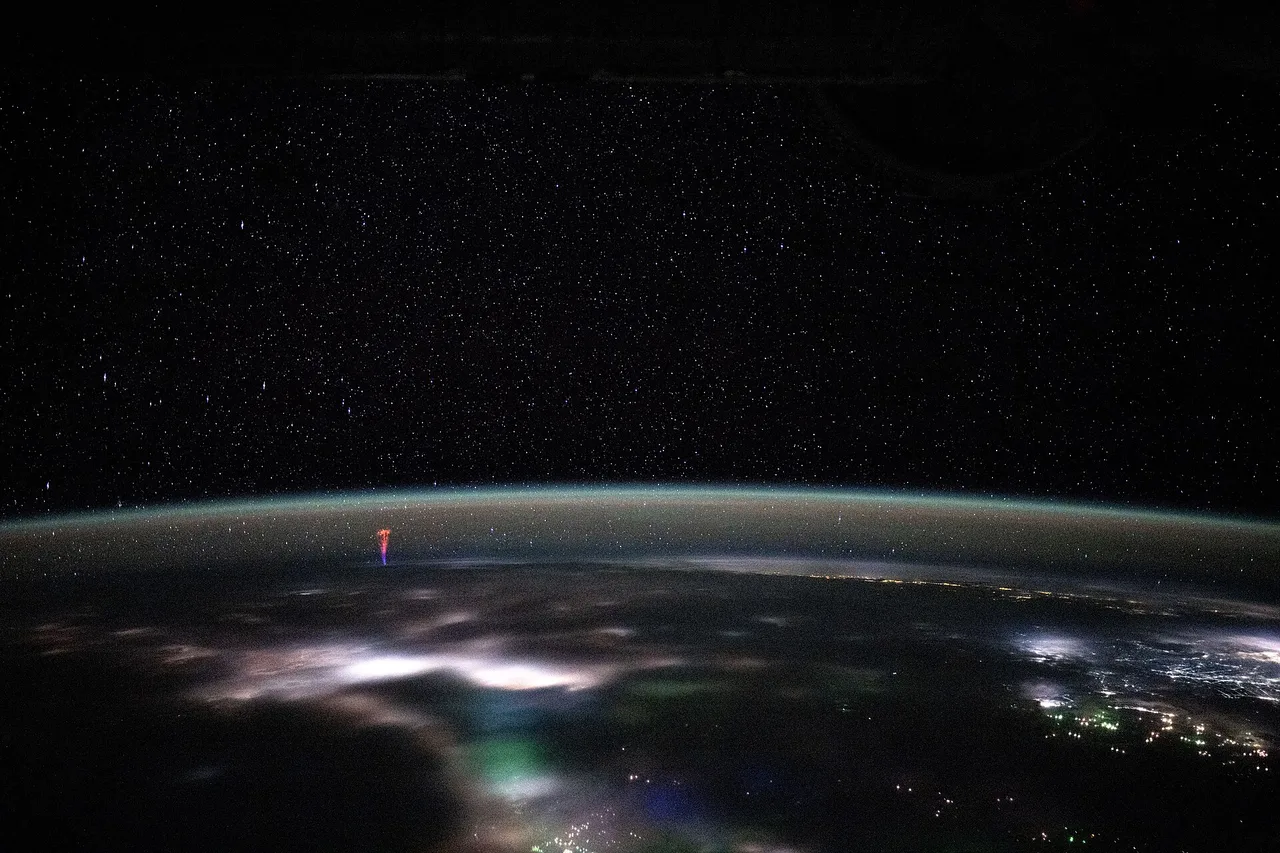
Sprites are cold plasma phenomena that occur high in the mesosphere, up to 90 kilometers above a storm. They often look like giant reddish jellyfish and are rarely visible to the naked eye from the ground because they are blocked by the storm clouds.
Photo: Matthew Dominick, Wikimedia Commons, Public domain.
Pick one
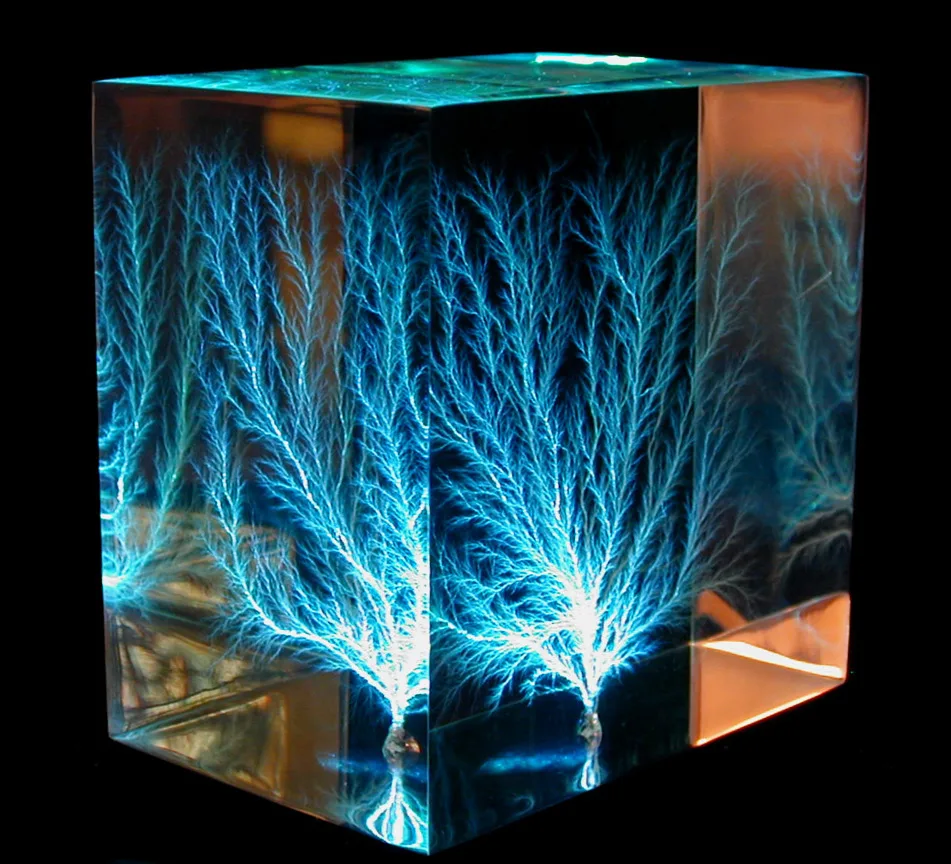
Lichtenberg figures are reddish, tree-like patterns caused by the rapid passage of electrical current, which ruptures tiny capillaries under the skin. They usually appear within hours of a strike and fade away completely within a few days.
Photo: Bert Hickman, http://capturedlightning.com, Wikimedia Commons, Attribution.
Pick one
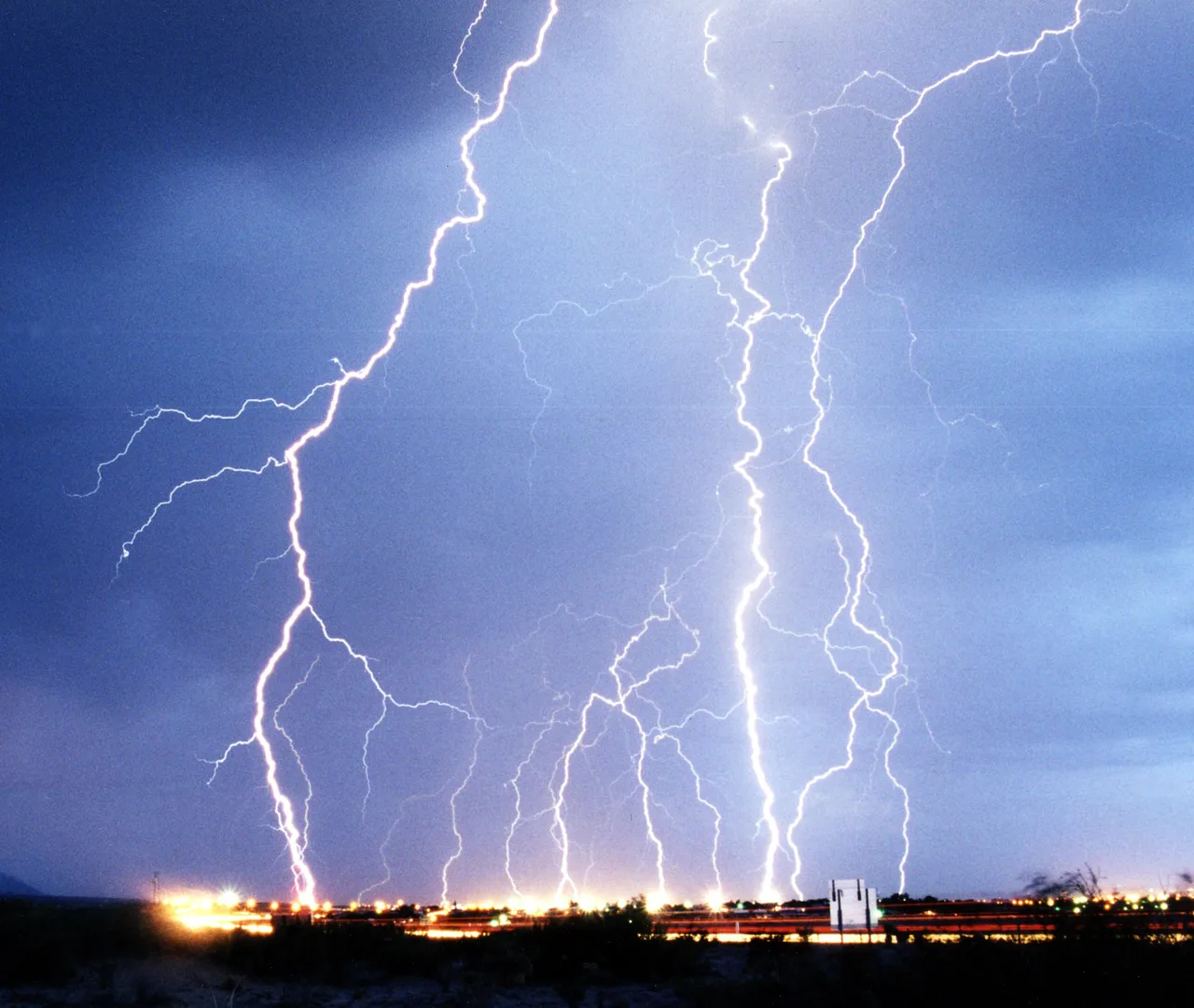
Keraunomedicine is the specialized study of lightning strikes and their effects on the human body. Survivors often display unique pink, fern-like patterns on their skin called Lichtenberg figures, which are caused by the rupture of tiny capillaries under the skin.
Photo: U.S. Air Force photo by Edward Aspera Jr., Wikimedia Commons, Public domain.
Pick one
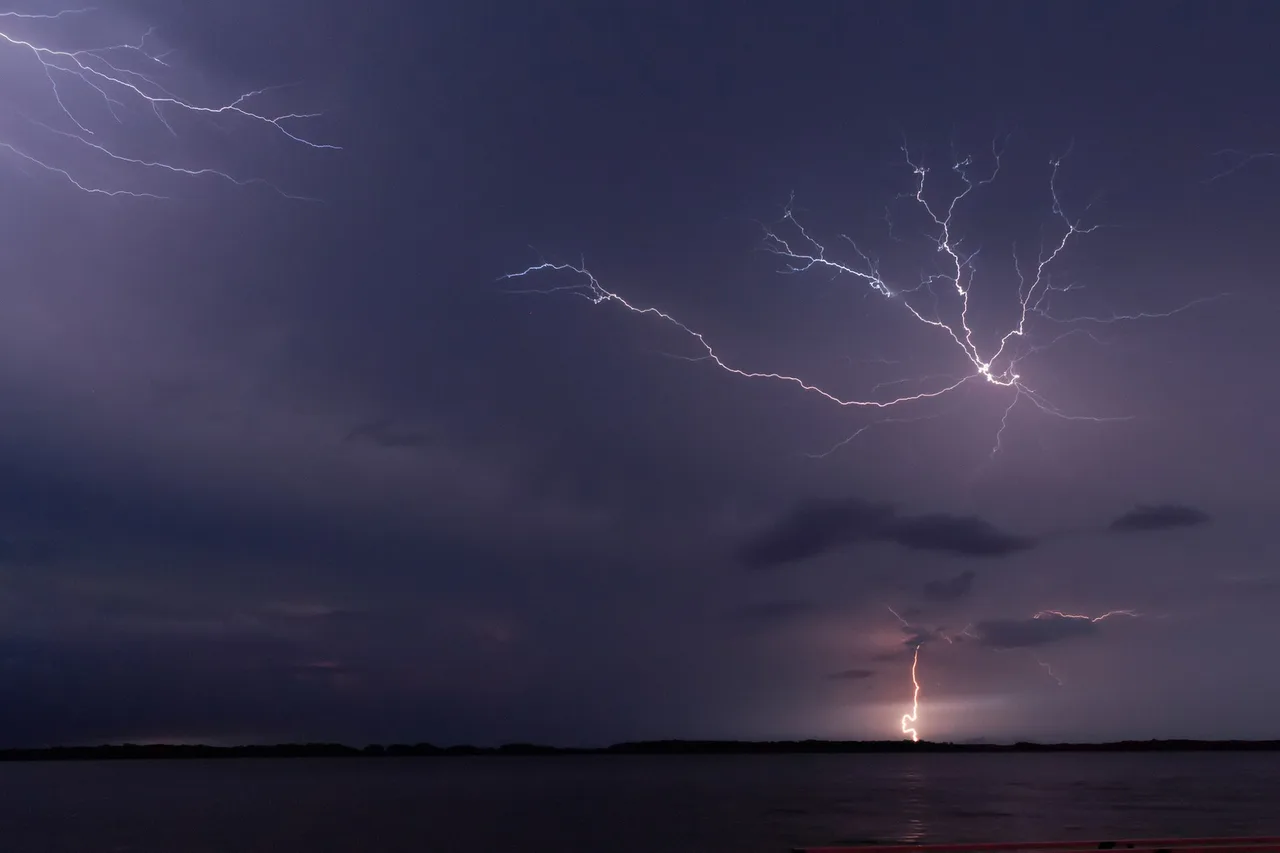
The Catatumbo lightning occurs over the mouth of the Catatumbo River where it empties into Lake Maracaibo in Venezuela. This spectacular storm rages for up to 160 nights a year, flashing thousands of times per hour, and has served as a natural lighthouse for sailors for centuries.
Photo: Fernando Flores, Wikimedia Commons, CC BY-SA 3.0.


Paste the code into your page. The player fits itself in, and every vote counts in Votur.
On WordPress, Ghost or Squarespace? Just paste the link of this page into your post.
This is how it looks
Also fun