 Get app
Step into the heart of the storm! Test your knowledge on how tornadoes form, the myths surrounding them, and the incredible science behind these powerful whirlwinds.
Storm Curious 0–4 · Chaser in Training 5–8 · Tornado Whisperer 9–10

Tap the right answer
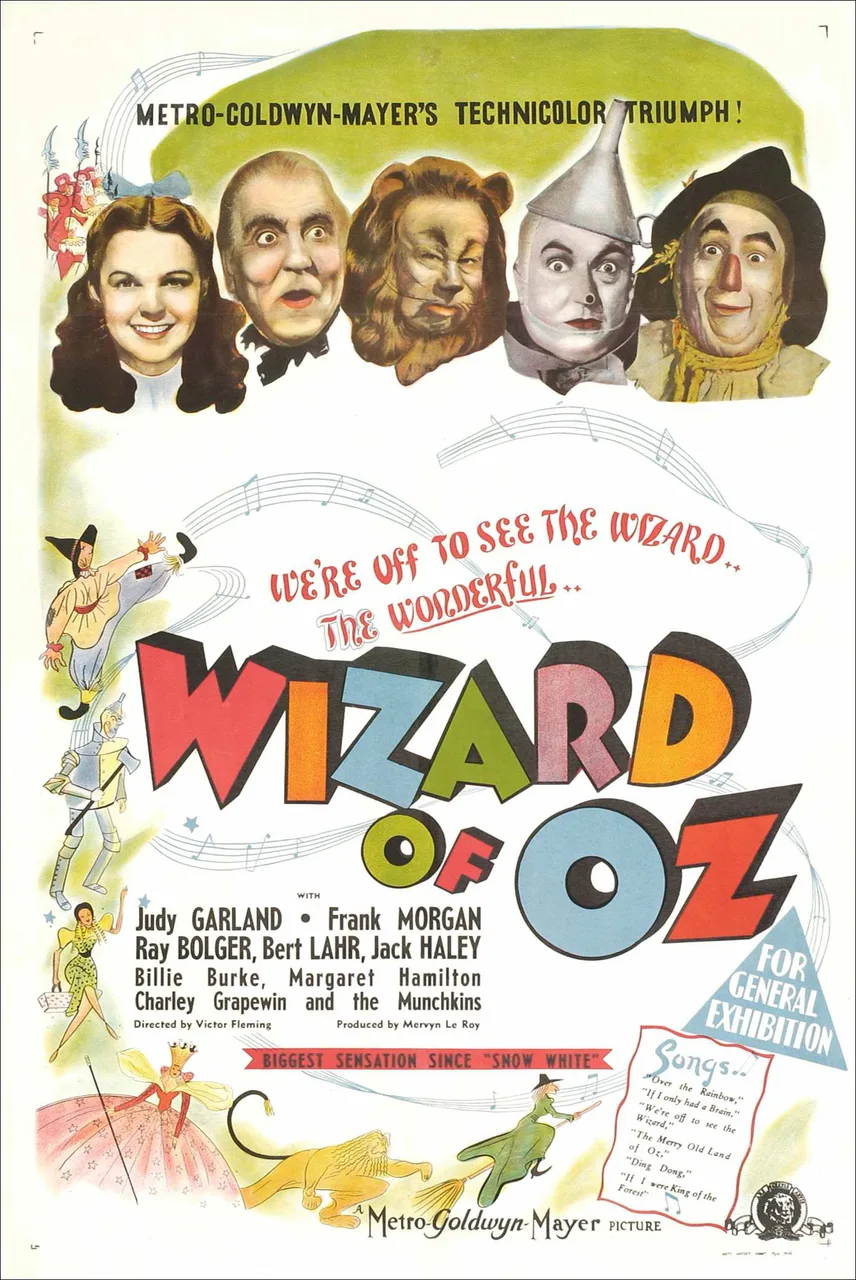
The iconic tornado in The Wizard of Oz was created using a 35-foot-long muslin stocking spun around on a miniature set. At the time, this physical effect was so convincing that it earned the special effects team an Academy Award nomination.
Photo: MGM, Wikimedia Commons, Public domain.
Tap the right answer
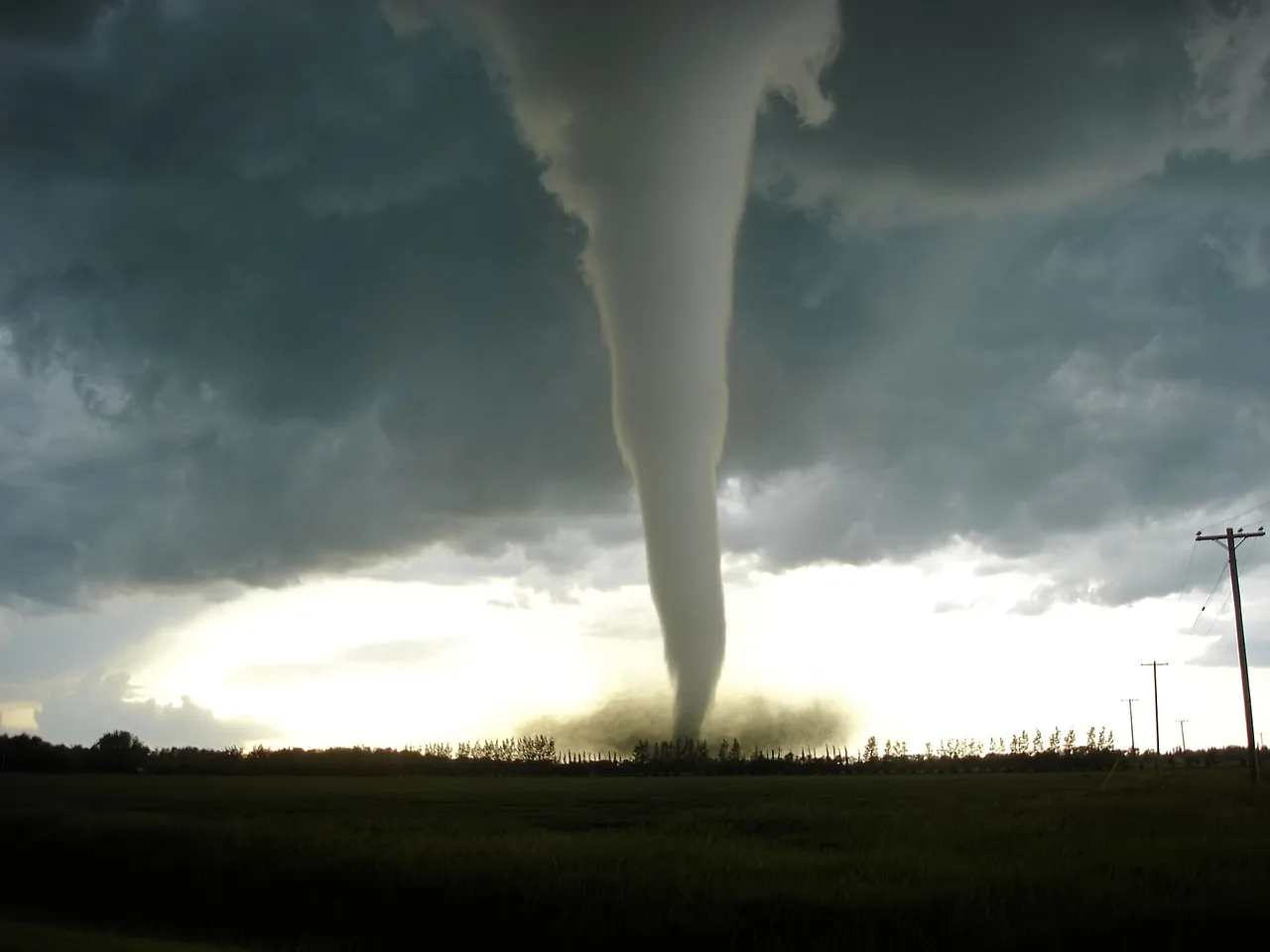
The United States experiences over 1,200 tornadoes a year, far more than any other country. The unique geography of North America, where warm, moist air from the Gulf of Mexico clashes with cold air from Canada, creates the perfect breeding ground for these rotating storms.
Photo: Justin Hobson ( Justin1569 at English Wikipedia ), Wikimedia Commons, CC BY-SA 3.0.
Tap the right answer
Oklahoma lies right in the middle of Tornado Alley, a region in the central United States where tornadoes are most frequent. The state capital, Oklahoma City, has been struck by more than 100 tornadoes in recorded history.
Tap the right answer
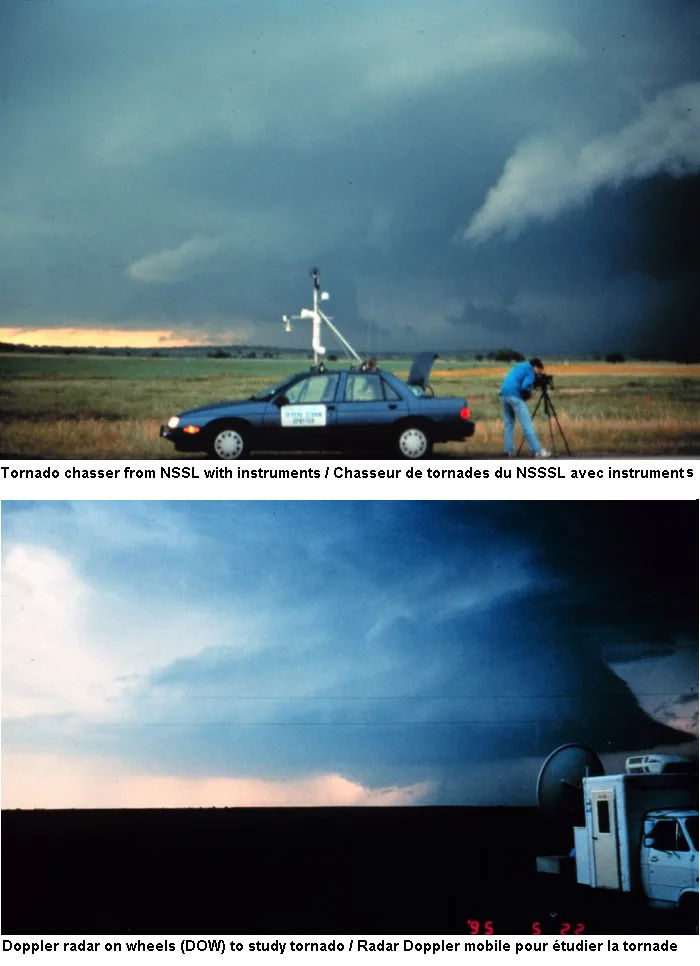
Storm chasers travel to areas with active weather to photograph, film, or study severe storms and tornadoes. Some are scientists gathering data with mobile radar trucks, while others are hobbyists looking for a thrilling view.
Photo: NOAA Photo Library, NOAA Central Library; OAR/ERL/National Severe Storms Laborat, Wikimedia Commons, Public domain.
Tap the right answer
Severe thunderstorms can make the sky look green. Tall storm clouds full of water and ice soak up red light, and when the late-day sun shines through them, the light that remains can look eerily green. A green sky is not a reliable tornado warning, though: always follow official weather alerts.
Tap the right answer
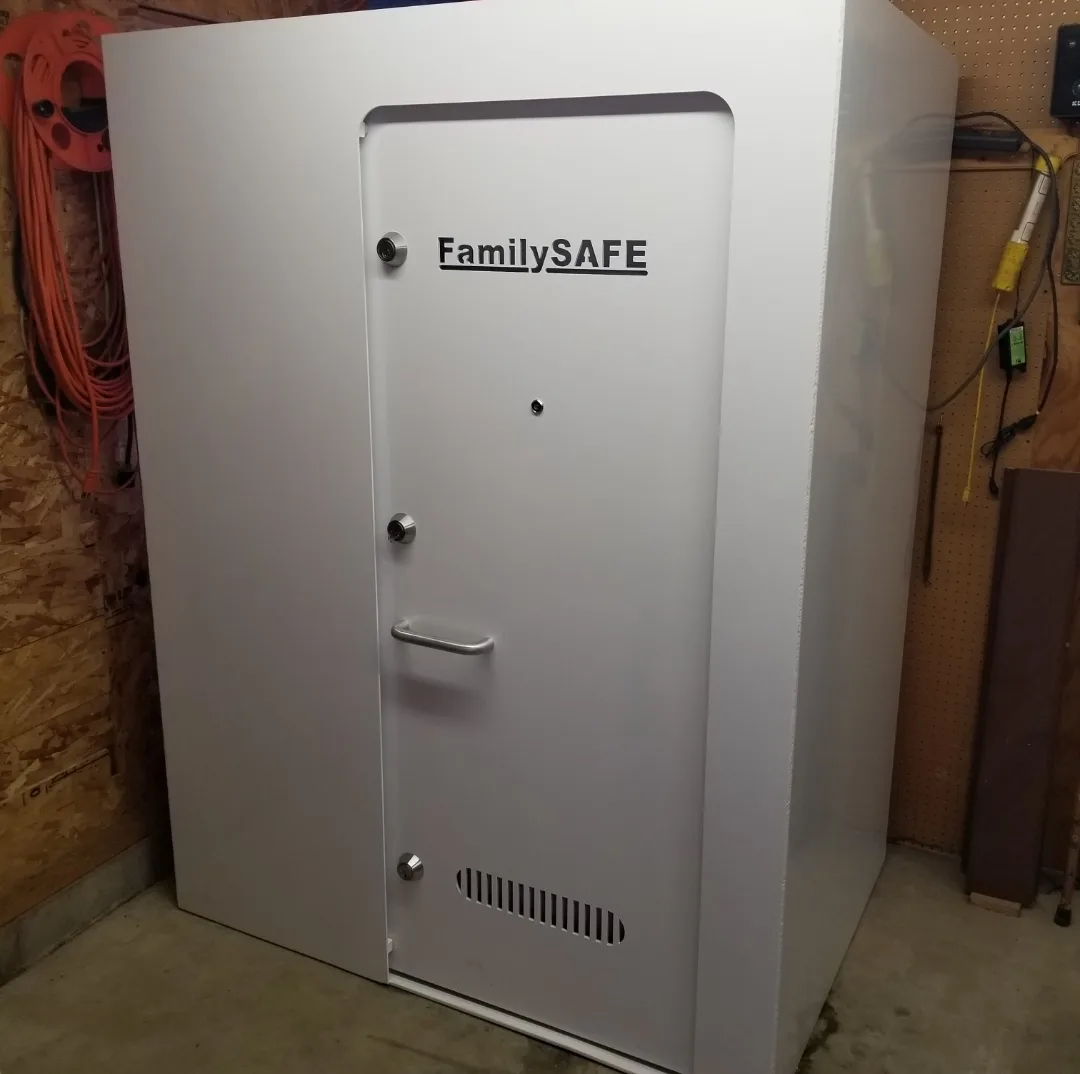
People once believed that opening windows would equalize pressure and keep a house from exploding. In reality, doing this lets high-speed winds inside, which can make damage worse and wastes valuable time needed to seek shelter.
Photo: STL Storm Shelters LLC, Wikimedia Commons, CC BY-SA 4.0.
Tap the right answer
Antarctica is the only continent free of tornadoes because it lacks the warm, moist air masses required to trigger the severe thunderstorms that spin them up. Even cold regions like northern Europe and Siberia experience tornadoes occasionally.
Tap the right answer
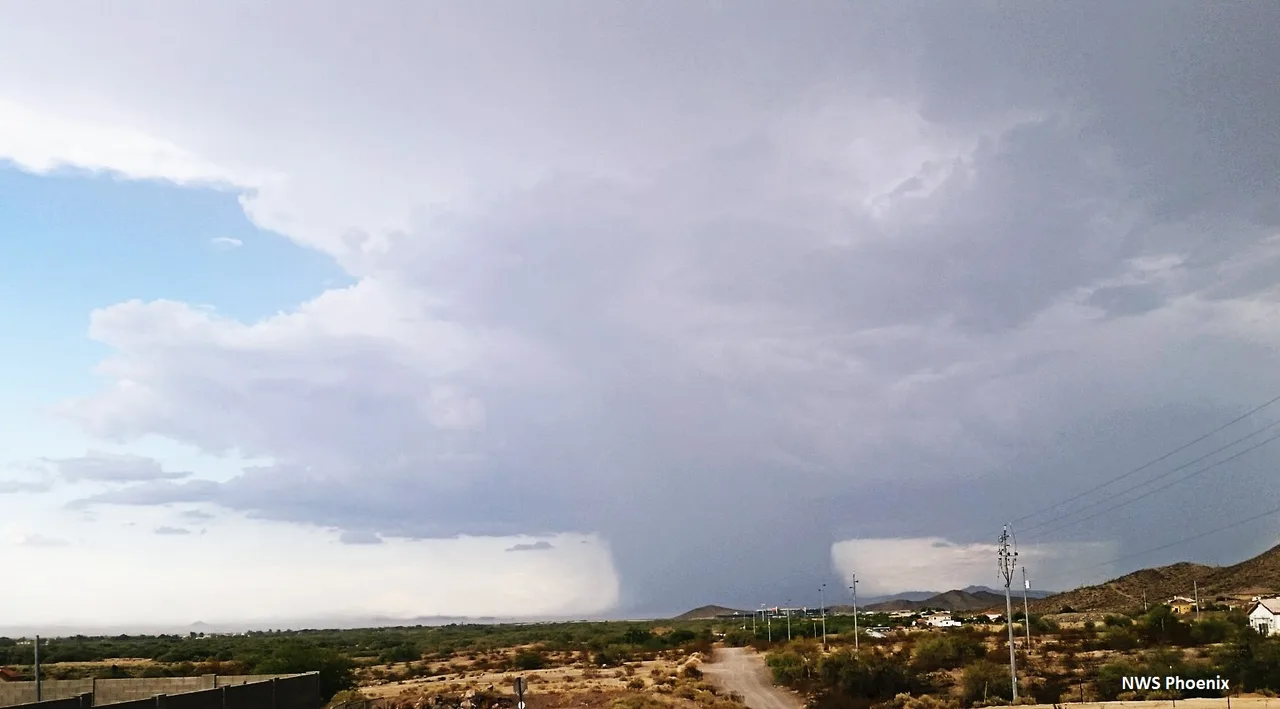
Downbursts are powerful winds that rush straight down from a thunderstorm and spread out rapidly on the ground. They can cause damage similar to a weak tornado, but the debris is blown in one straight direction rather than a circular pattern.
Photo: NWSPhoenix, Wikimedia Commons, CC BY-SA 4.0.
Tap the right answer
The Fujita scale, updated to the Enhanced Fujita scale in 2007, rates tornadoes from 0 to 5 based on the damage they cause to trees and buildings. It was created by Ted Fujita, a researcher known as Mr. Tornado who also discovered microbursts.
Tap the right answer
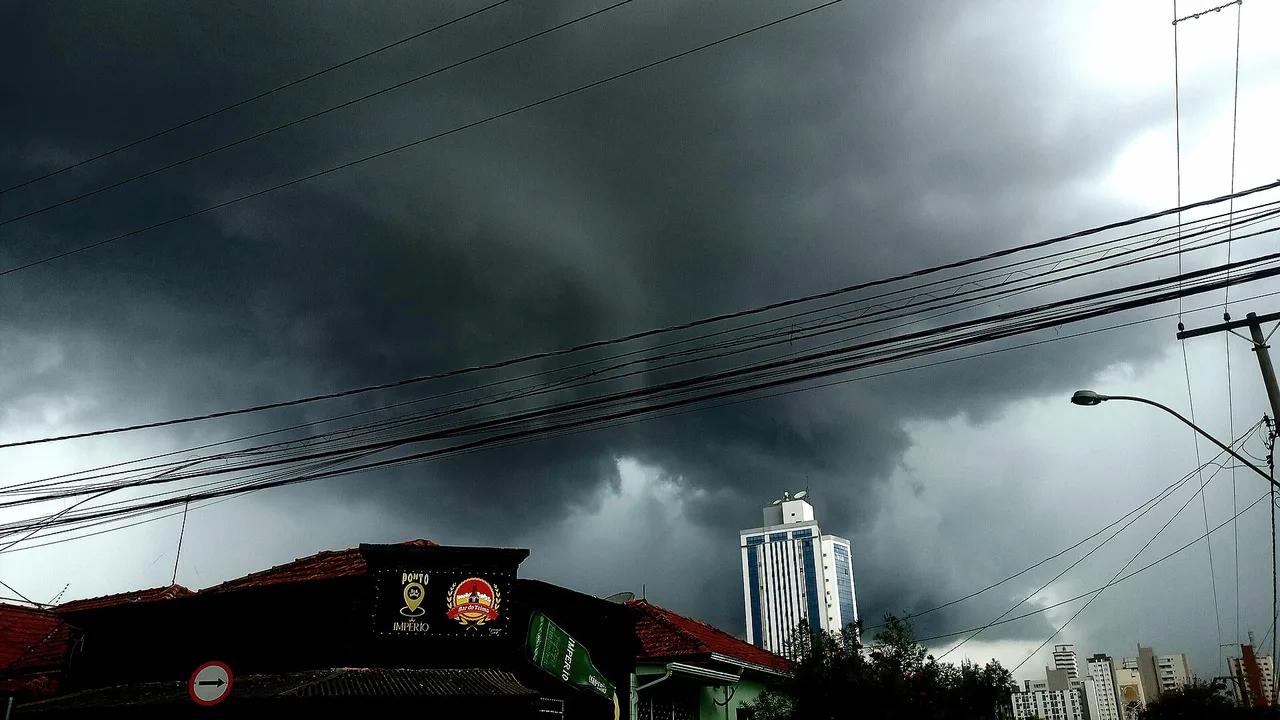
A mesocyclone is a spinning column of air miles wide inside a supercell thunderstorm. Only about twenty percent of these rotating storms actually produce a tornado, making them tricky for meteorologists to predict.
Photo: A.O Mapping, Wikimedia Commons, CC BY 4.0.


Want to make a quiz like this yourself? Do it on Votur, it's free.
Paste the code into your page. The player fits itself in, and every vote counts in Votur.
On WordPress, Ghost or Squarespace? Just paste the link of this page into your post.
This is how it looks
Also fun