Get app
 Photo: Kabelleger / David Gubler (http://www.bahnbilder.ch), Wikimedia Commons, CC BY-SA 3.0.
How much do you really know about the frozen crystals that blanket our winters? Test your knowledge on the science, history, and mysteries of snow!
Snowflake Spotter 0–4 · Winter Explorer 5–8 · Blizzard Master 9–10
Pick one

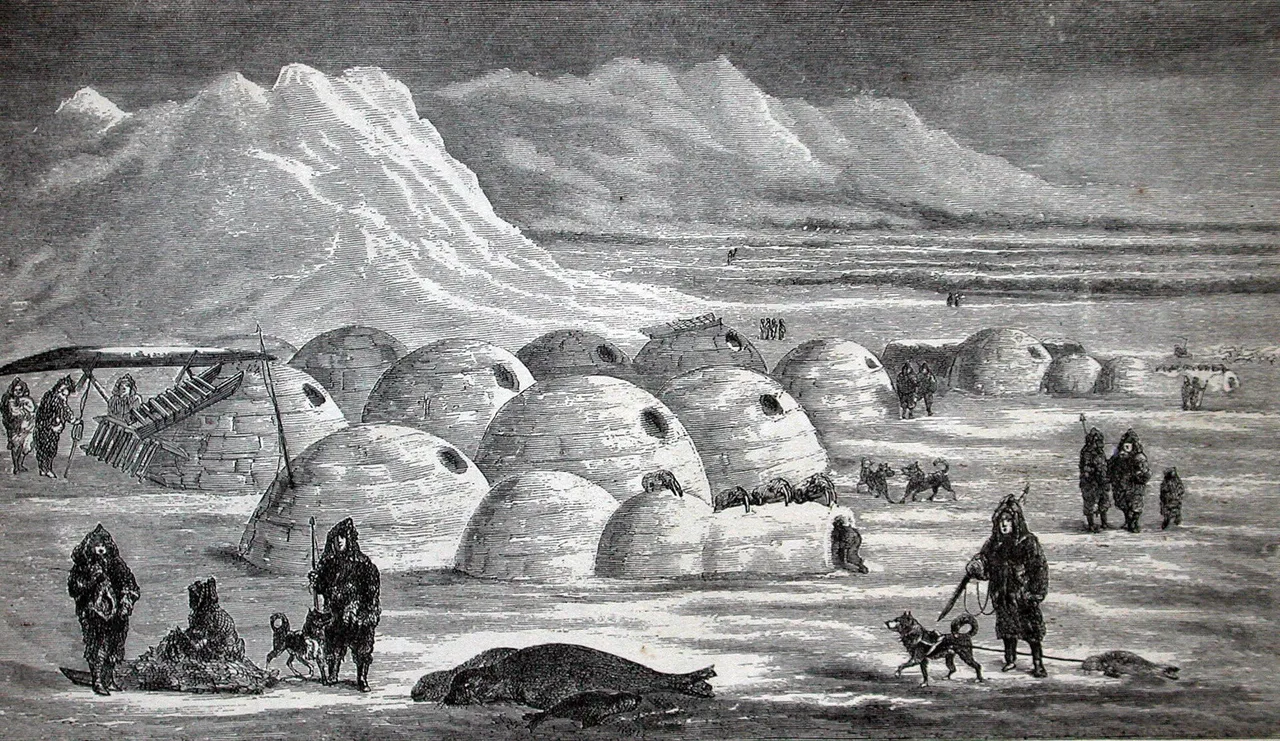
Igloos are built from packed snow, which is full of tiny trapped air pockets. These pockets are an excellent insulator that holds in body heat: outside it can be as cold as −45 °C, while inside, body heat alone can keep the igloo between about −7 °C and +16 °C.
Photo: Drawn by unknown artist based on sketches by C.F. Hall and photographed from the, Wikimedia Commons, Public domain.
Pick one
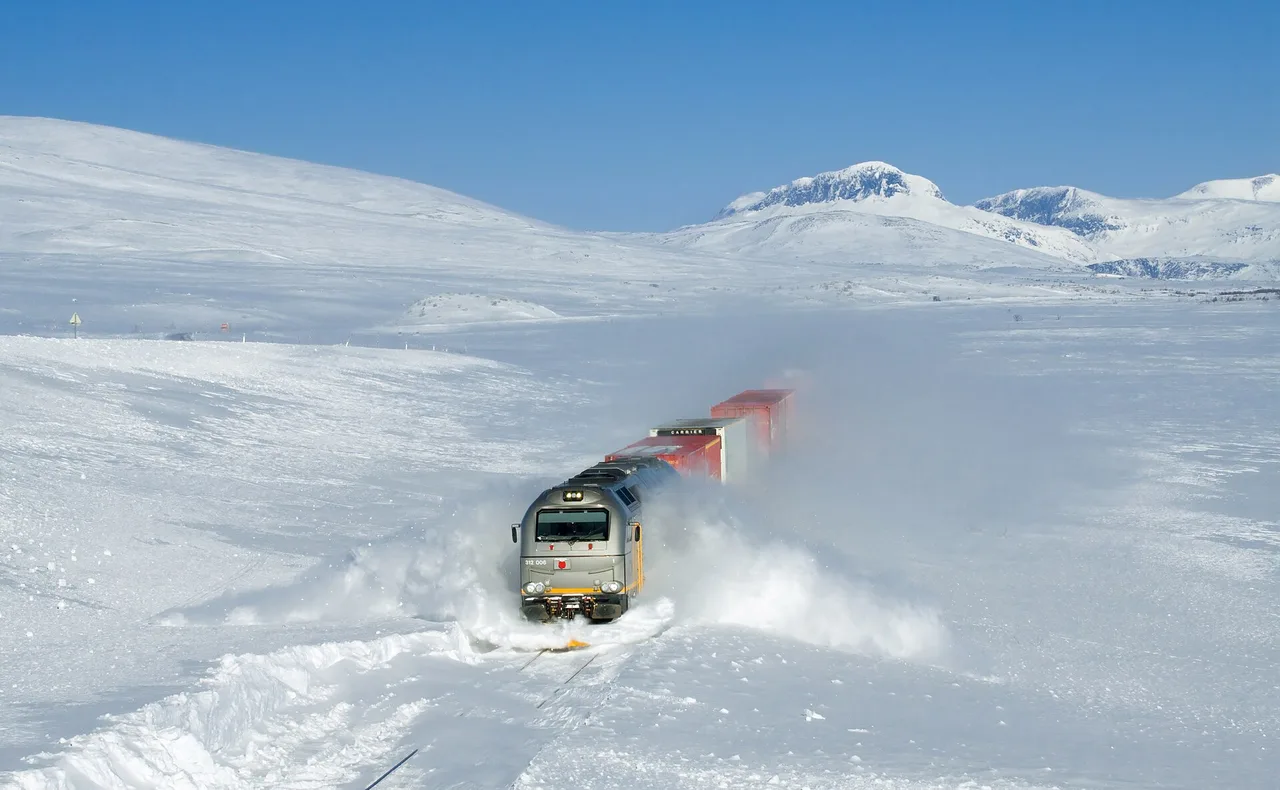
Snow appears white because it is made of many tiny ice crystals that scatter and reflect light in all directions. Since sunlight contains all colors of the visible spectrum, reflecting them equally makes the snow look white. Deep snowpack can sometimes look blue because deep ice absorbs red light more than blue light.
Photo: Kabelleger / David Gubler (http://www.bahnbilder.ch)., Wikimedia Commons, CC BY-SA 3.0.
Pick one
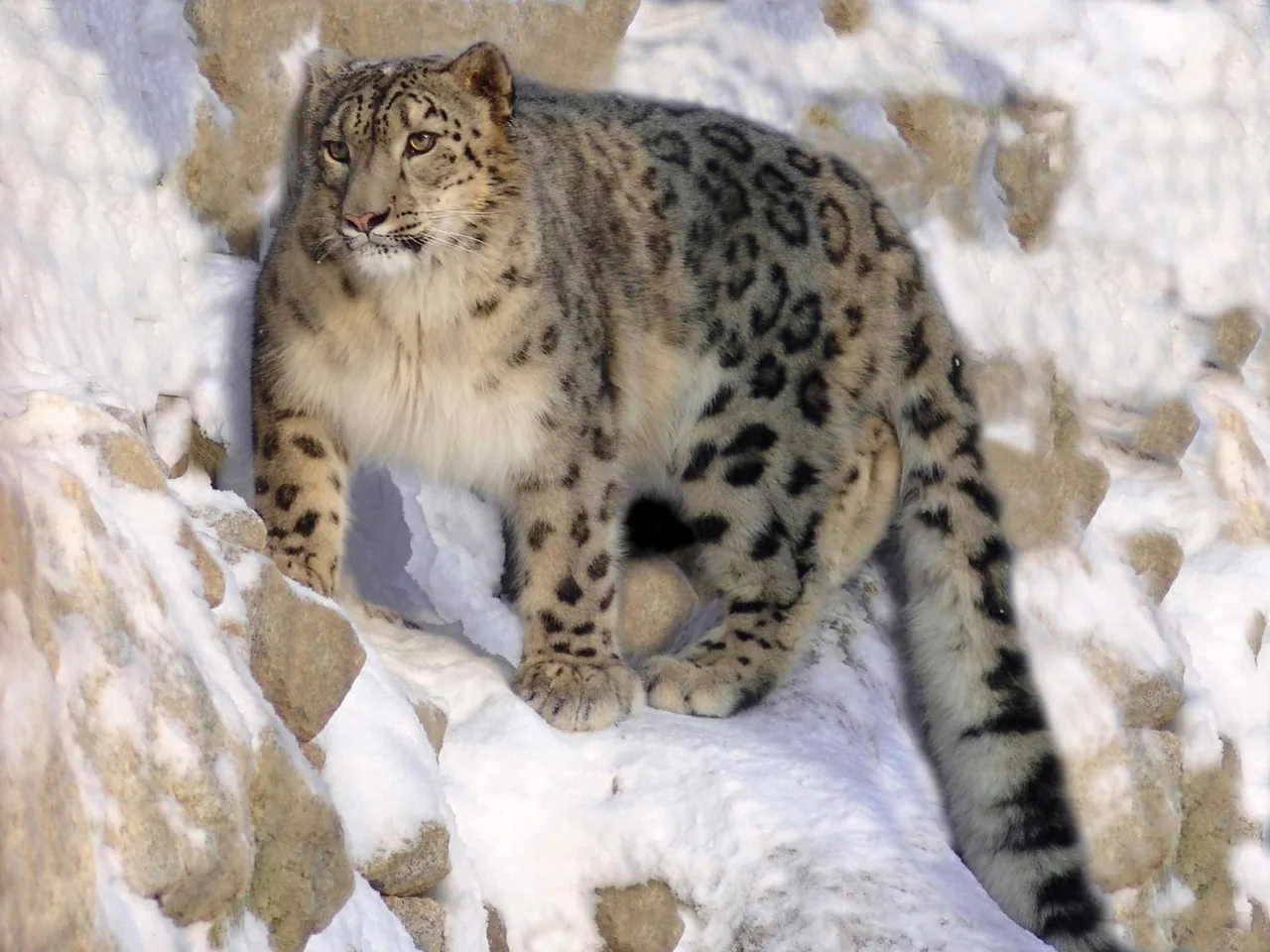
A snow leopard's tail is almost as long as its body and serves multiple functions. Besides helping them balance on steep, rocky slopes, they wrap their thick, furry tails around their faces like a built-in blanket to protect their sensitive noses from freezing winds.
Photo: Irbis1983, Wikimedia Commons, Public domain.
Pick one
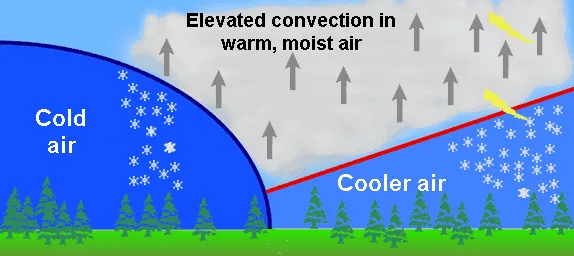
Falling snow acts as an acoustic dampener, absorbing sound waves instead of letting them bounce off the ground. Because of this, thunder during a snowstorm is rarely heard more than two to three miles away from the flash, making the event feel strangely quiet.
Photo: JWIZMAN96, Wikimedia Commons, Public domain.
Pick one
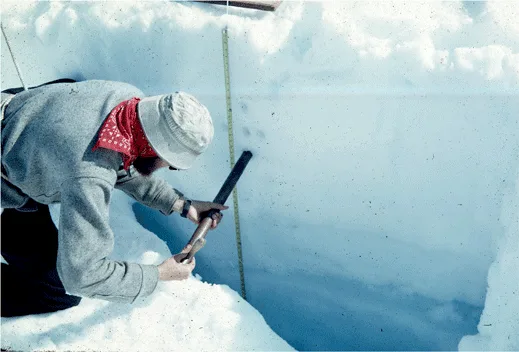
Firn is snow that has persisted for more than a year and has been compacted into a dense state, serving as the crucial transition stage before it becomes solid glacier ice. Sastrugi, on the other hand, are sharp ridges formed on a snow surface by wind.
Photo: Wikimedia Commons, Public domain.
Pick one
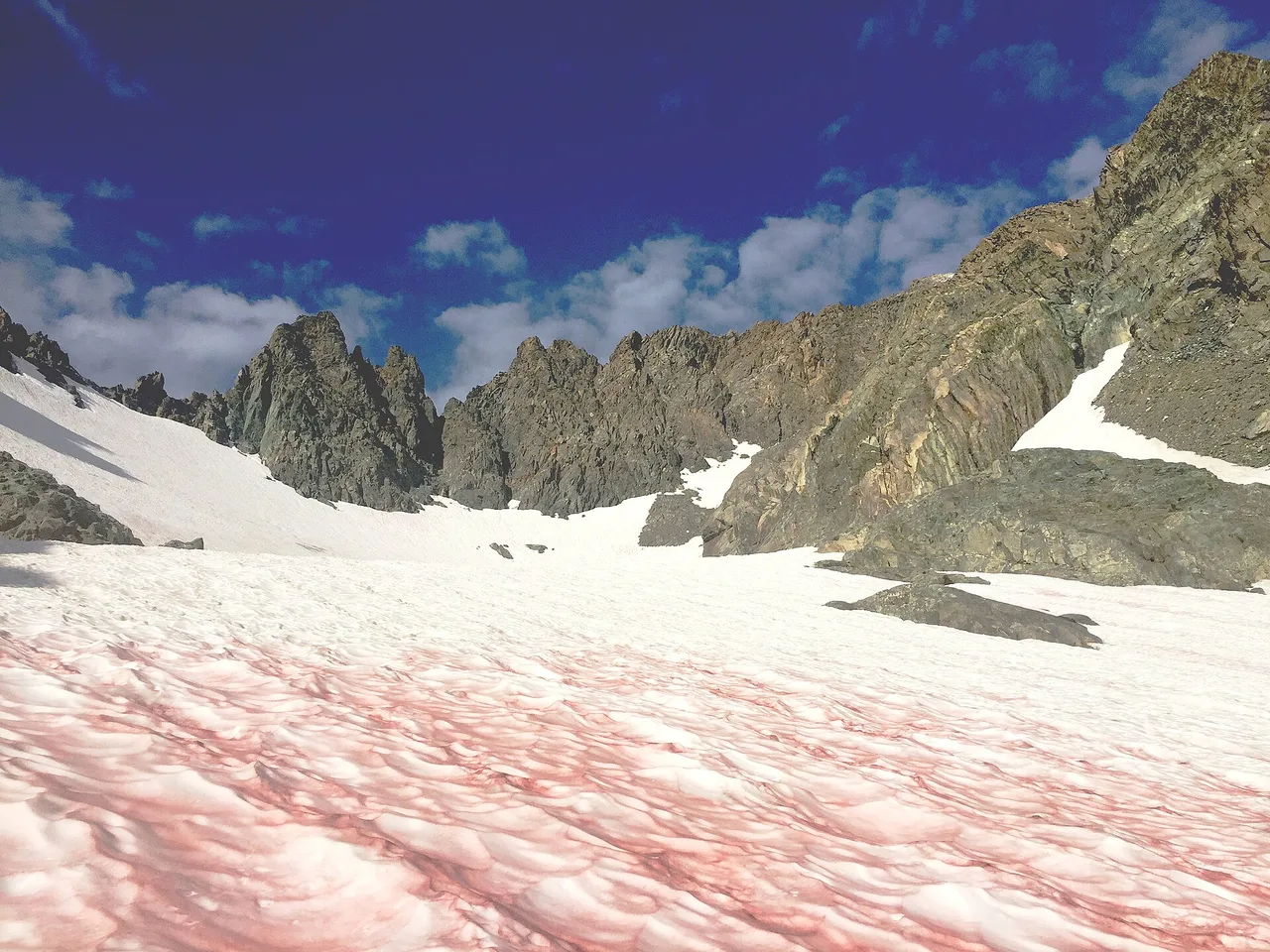
Watermelon snow is caused mainly by green algae such as Chlamydomonas nivalis, which thrive in icy meltwater. Their red colour comes from a pigment that shields them from strong sunlight. Some people say the pink snow even smells faintly of watermelon.
Photo: Paul Wade. Pacific Southwest Region 5, Wikimedia Commons, Public domain.
Pick one
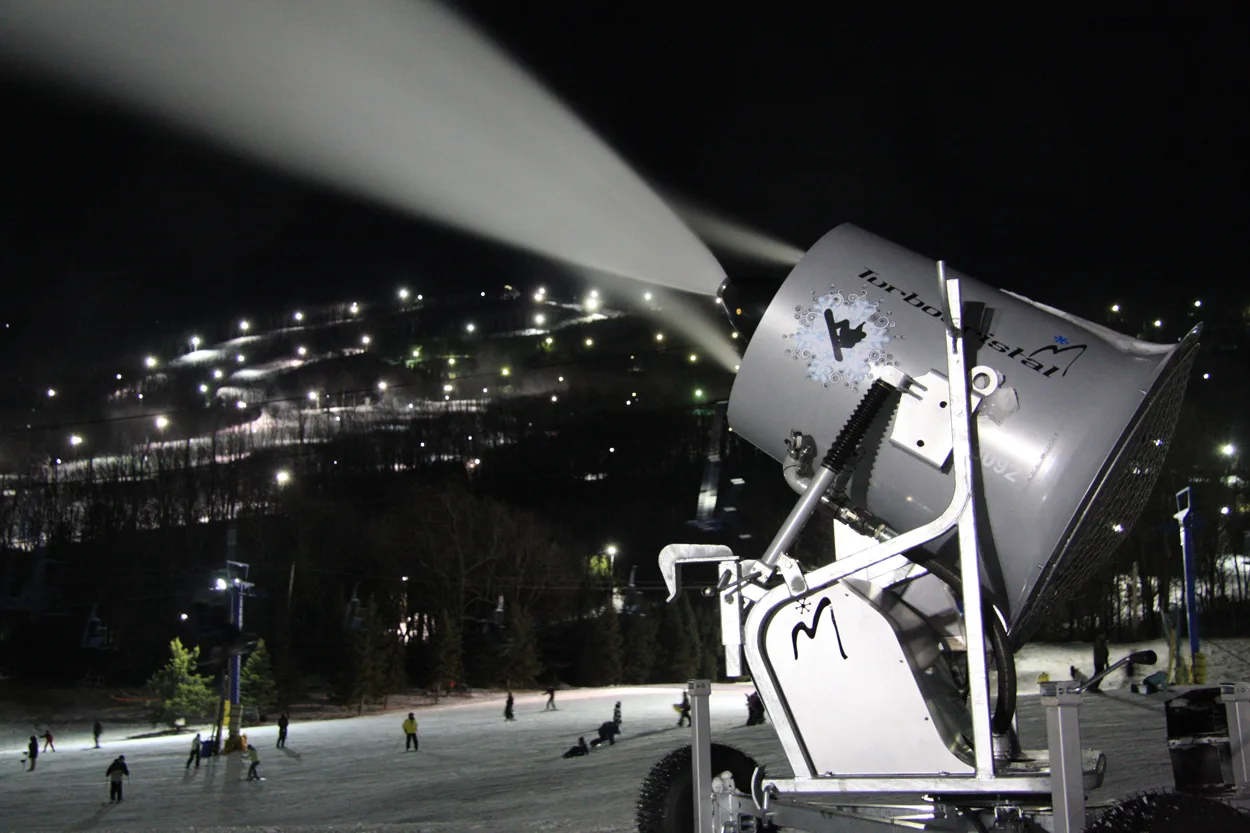
Machine-made snow consists of tiny, solid ice spheres rather than delicate, hollow crystals. This makes the artificial snow much denser, helping it withstand heavy skier traffic and warmer temperatures far better than natural powder.
Photo: Meanmachine.mdp, Wikimedia Commons, CC BY-SA 3.0.
Pick one
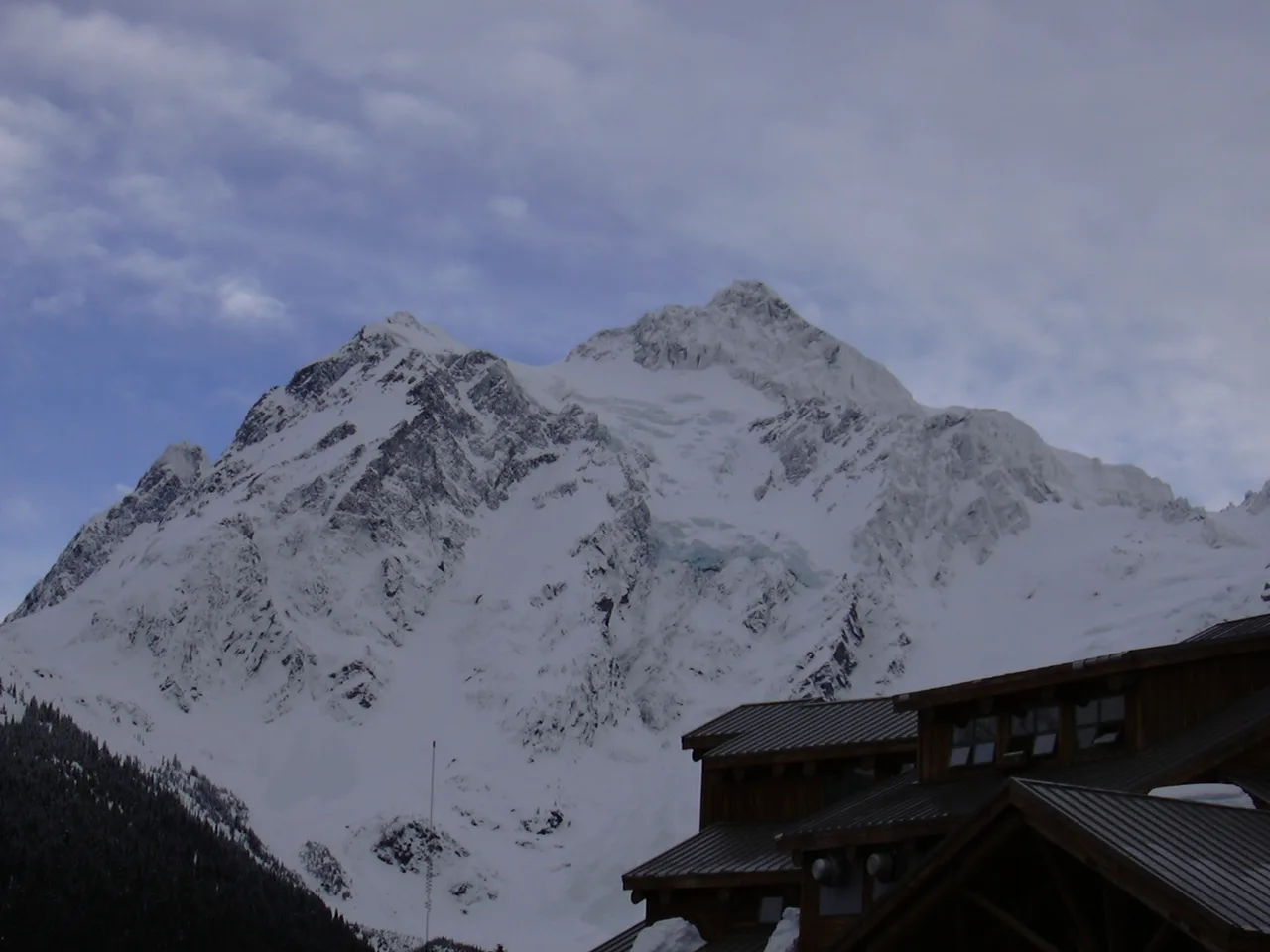
During the 1998-1999 winter, the Mount Baker Ski Area in Washington State recorded an astonishing 1,140 inches (2,900 cm) of snow. This set the world record for the greatest snowfall measured in a single season. This massive amount of snow would easily bury a typical ten-story building.
Photo: Maia! at English Wikipedia, Wikimedia Commons, Public domain.
Pick one
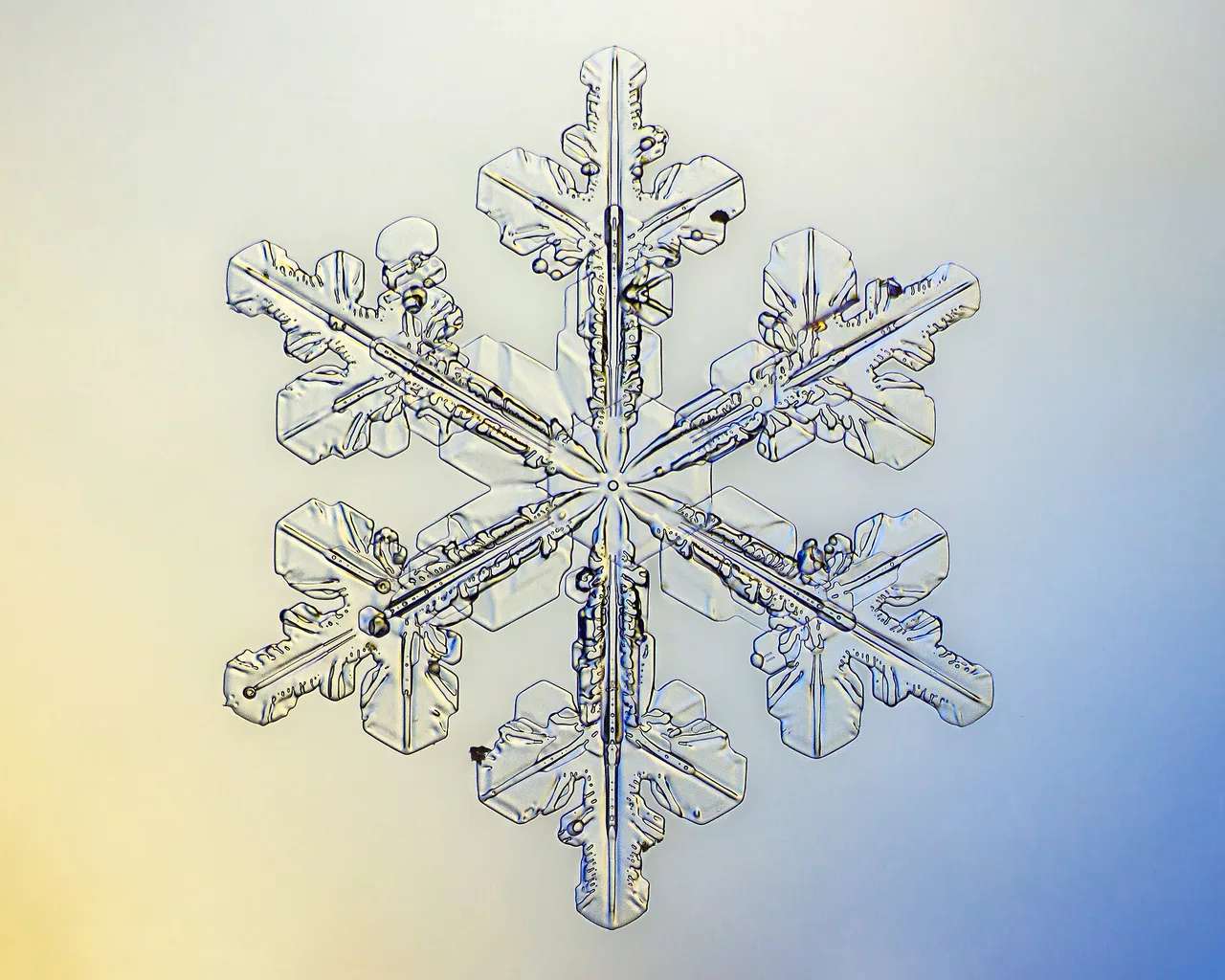
The famous Nakaya Diagram shows that snowflake morphology depends on both temperature and supersaturation, which is closely tied to humidity. As a crystal falls through different air layers, these two factors dictate whether it grows into a plate, a needle, or a classic star.
Photo: Janek Lass, Wikimedia Commons, CC BY 4.0.
Pick one
Fresh snow can reflect up to 80 percent of ultraviolet radiation, essentially sunburning the cornea of your eyes. This condition, called photokeratitis, can cause temporary vision loss but usually heals within a couple of days if protected from further light.


Paste the code into your page. The player fits itself in, and every vote counts in Votur.
On WordPress, Ghost or Squarespace? Just paste the link of this page into your post.
This is how it looks
Also fun