 Get app
Step into the glowing night sky! Test your knowledge on the science, myths, and magic behind the world's most spectacular light show.
Sky Gazer 0–4 · Aurora Chaser 5–8 · Storm Whisperer 9–10

Tap the right answer
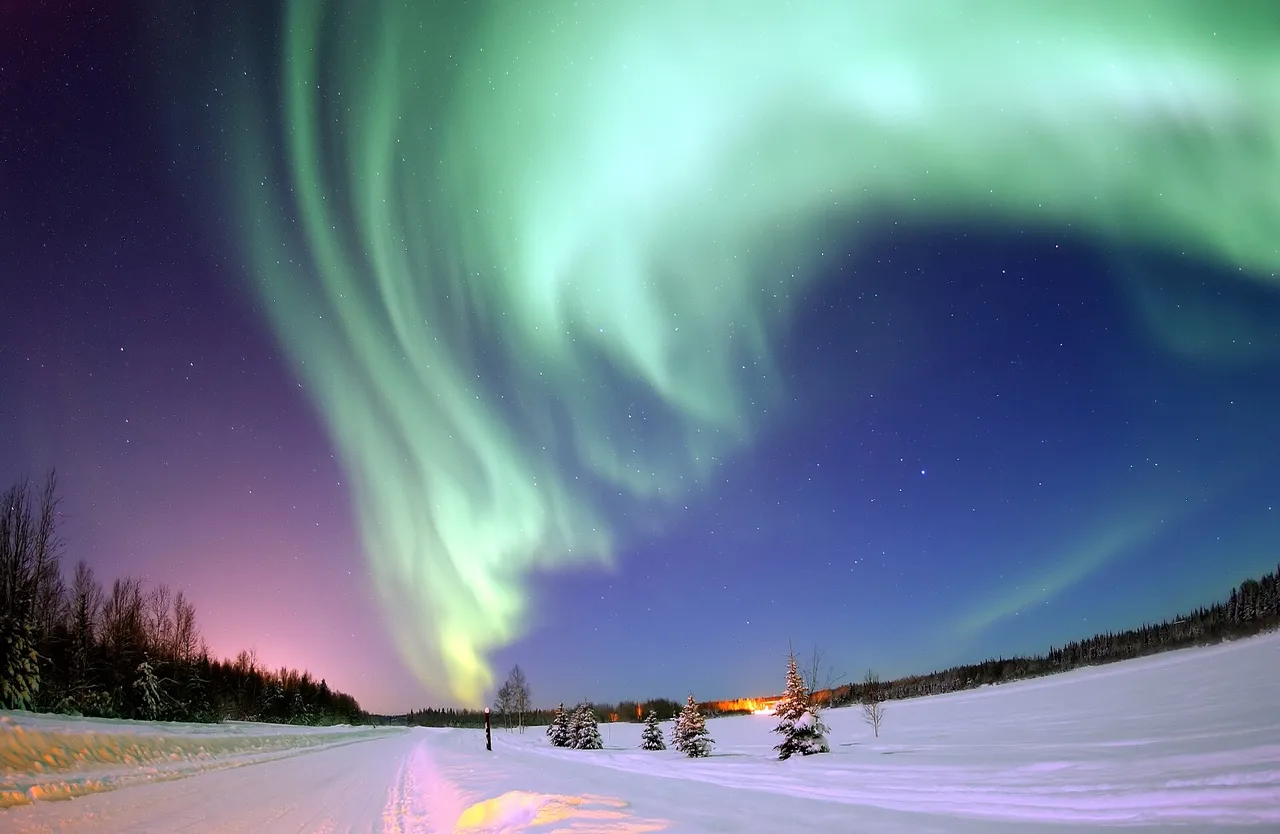
The sun constantly sends out a stream of charged particles. When these particles collide with gases in Earth's atmosphere, they transfer energy, which is released as beautiful colored light. Oxygen creates the famous green and red shades, while nitrogen produces blue and purple.
Photo: United States Air Force photo by Senior Airman Joshua Strang, Wikimedia Commons, Public domain.
Tap the right answer
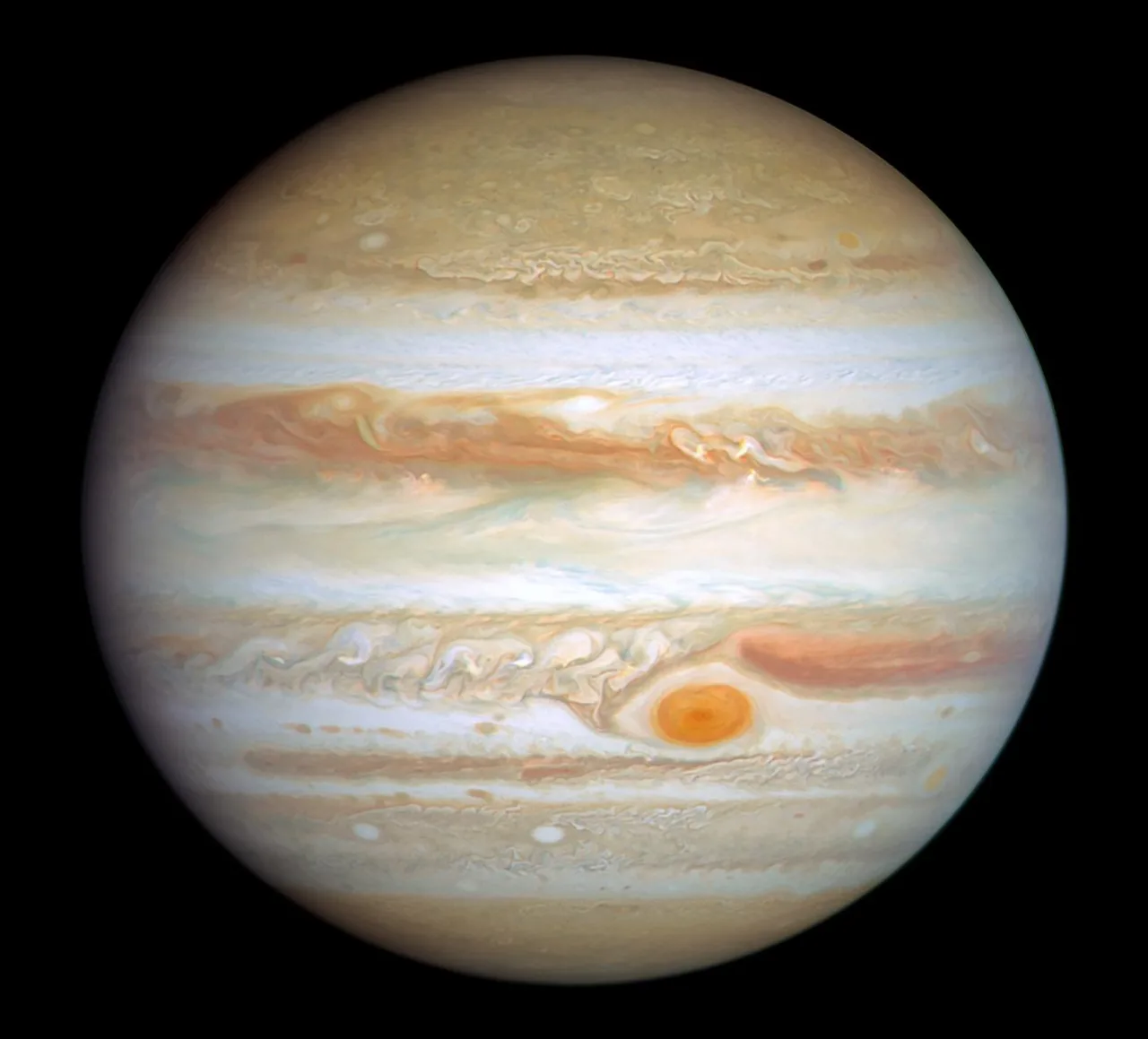
Jupiter has the most powerful auroras in the solar system, which are hundreds of times more energetic than ours. Unlike Earth's auroras, which rely entirely on the sun, Jupiter's lights are also fueled by volcanic material thrown into space by its moon, Io.
Photo: NASA/STSCI (S.T.A.R.S), Wikimedia Commons, Public domain.
Tap the right answer
An old Finnish tale tells of a magical arctic fox running across the snowy hills so fast that its tail brushed up sparks into the night sky. Those sparks became the northern lights, and the Finnish name revontulet, meaning fox fires, still remembers the story today.
Tap the right answer
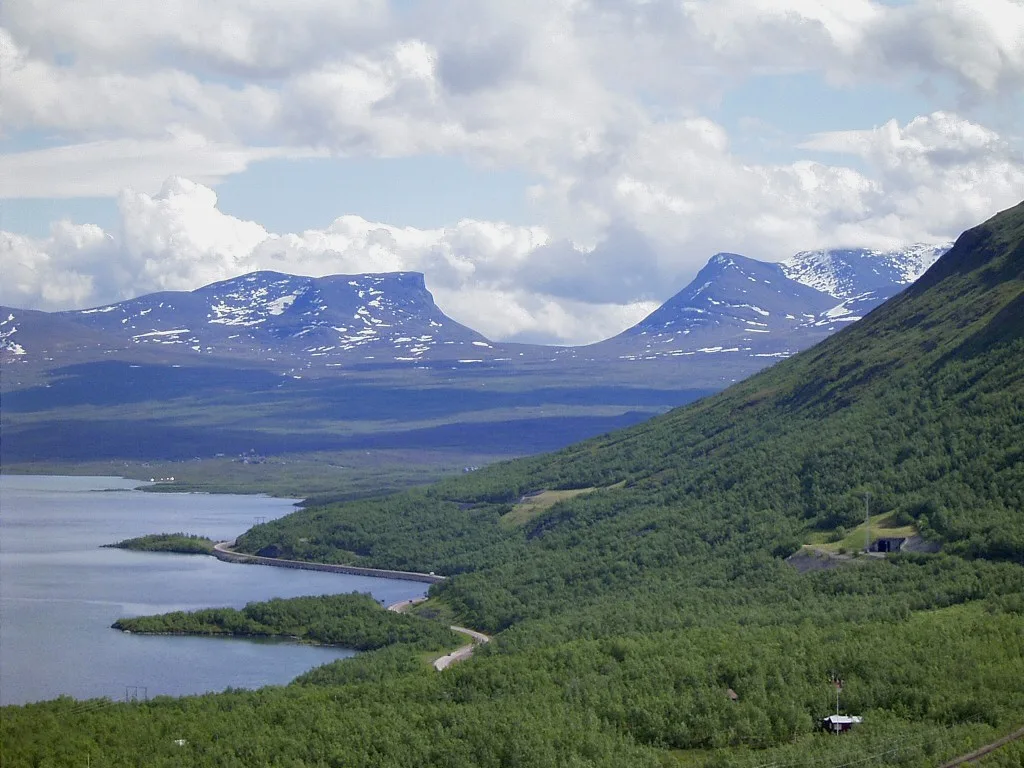
Abisko National Park is famous for its clear skies, earning it the nickname the blue hole of Abisko. The surrounding mountains block clouds and rain, creating a microclimate that makes it one of the most reliable places on Earth to view the lights.
Photo: Lapplaender, Wikimedia Commons, CC BY-SA 2.0 de.
Tap the right answer
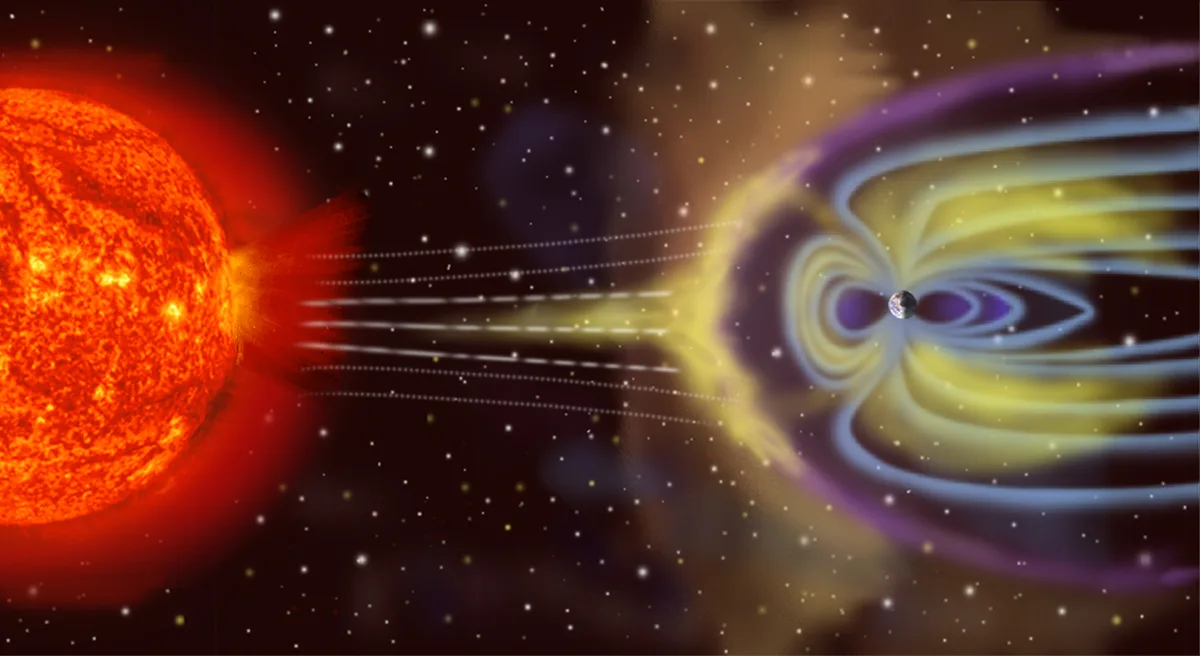
A powerful solar storm in March 1989 created auroras visible as far south as Texas and Florida. The intense electrical currents in the ground knocked out the entire Hydro-Québec power grid in Canada, leaving millions of people in the dark for nine hours.
Photo: NASA, Wikimedia Commons, Public domain.
Tap the right answer
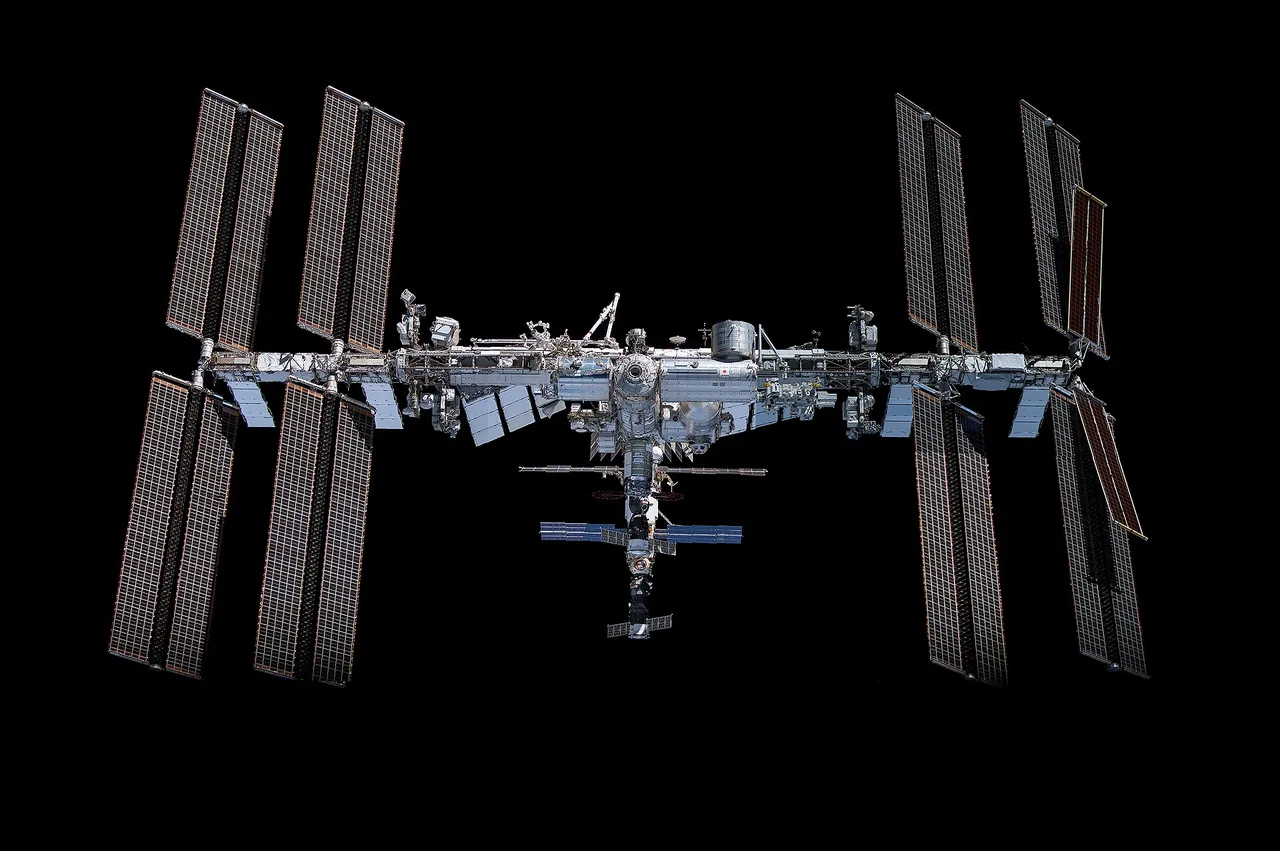
The space station circles Earth about 400 kilometers up, while most auroras glow between 100 and 300 kilometers high. So astronauts mostly look down on rippling green curtains below them, and now and then the station skims past the tallest red tops of a big aurora.
Photo: NASA, Wikimedia Commons, Public domain.
Tap the right answer
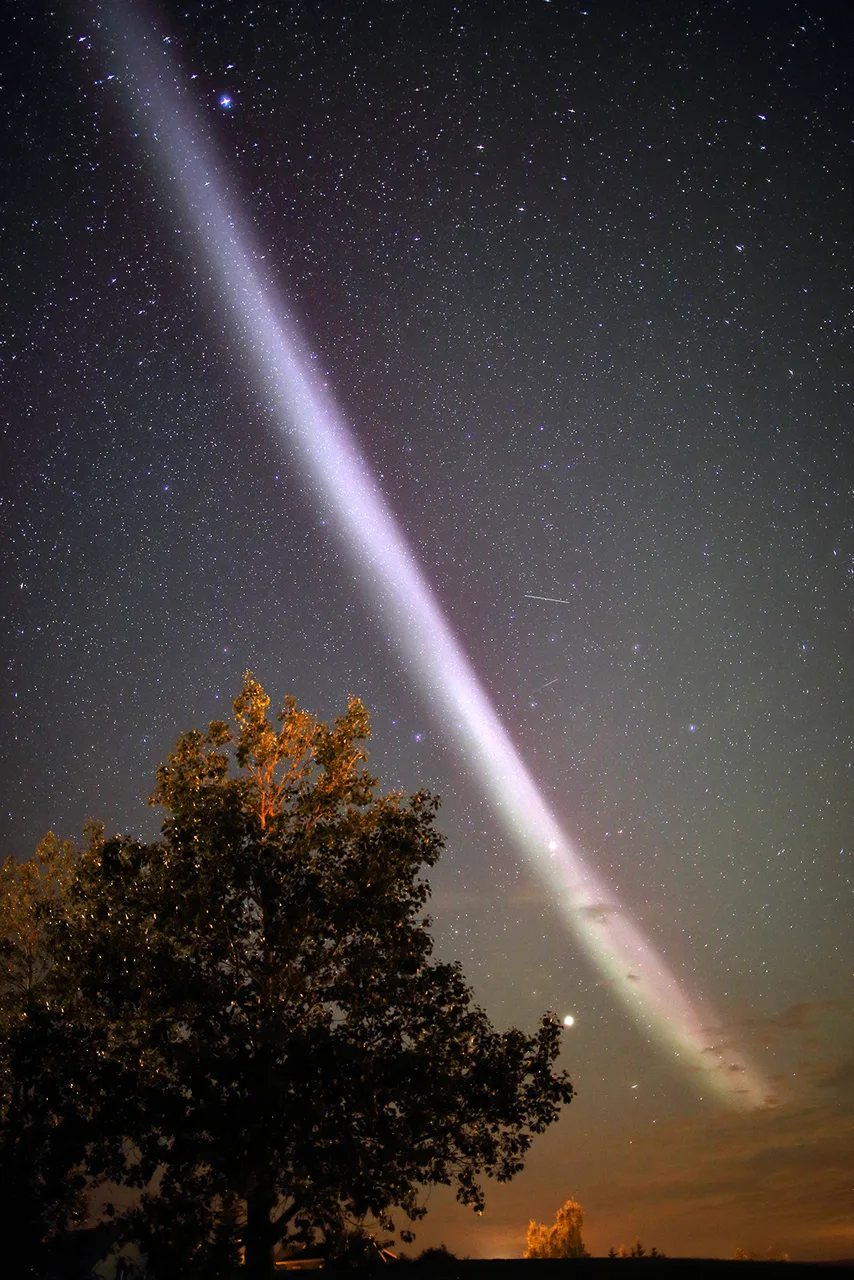
STEVE stands for Strong Thermal Emission Velocity Enhancement. It was discovered by amateur aurora chasers in Canada. Unlike the wide curtains of a typical aurora, STEVE appears as a narrow, hot, purple and green ribbon of flowing gas further south.
Photo: Elfiehall, Wikimedia Commons, CC BY-SA 4.0.
Tap the right answer
The auroral oval is a ring-shaped region centered around Earth's magnetic poles. During quiet solar periods, this ring stays far north, but during intense solar storms, the oval expands toward the equator, allowing people in southern regions to witness the display.
Tap the right answer
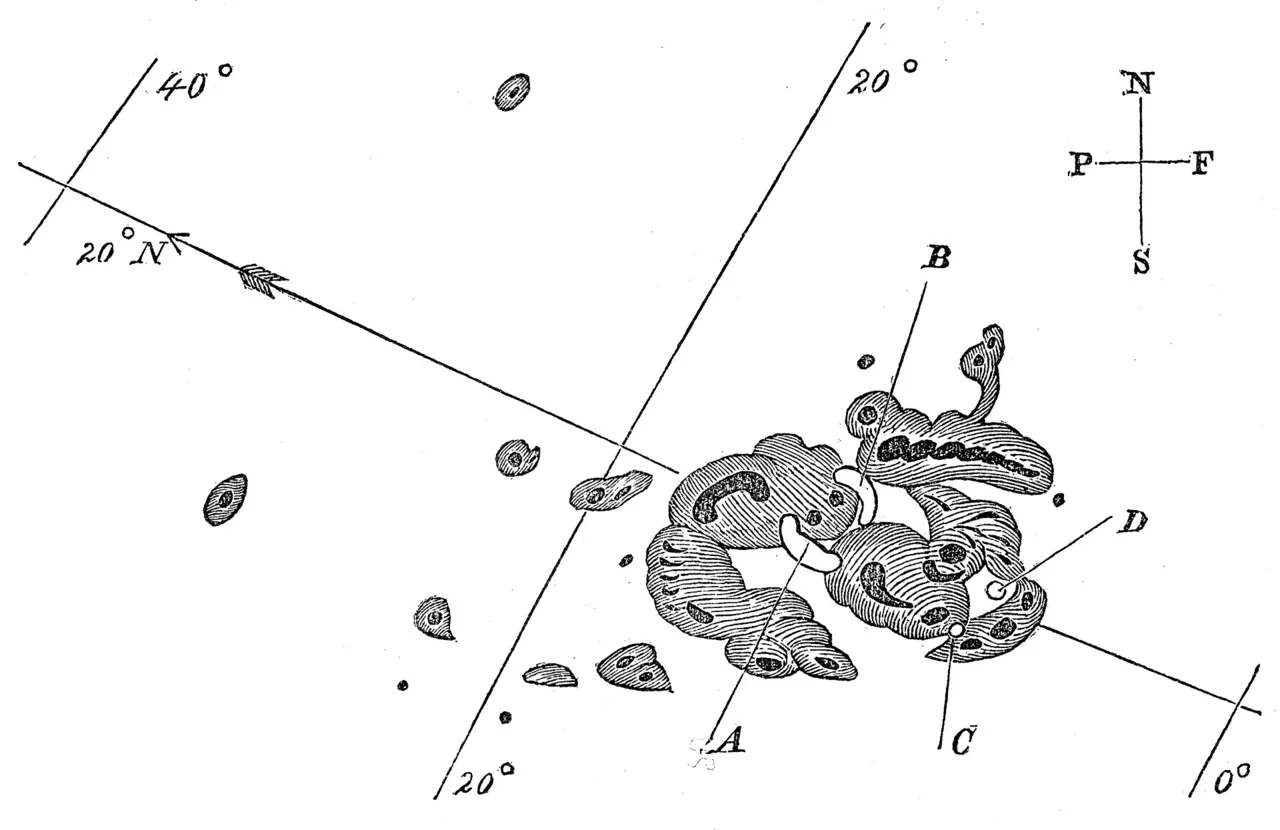
The Carrington Event of 1859 was the most intense recorded solar storm in history. It caused auroras all over the globe, even in the tropics. The electrical currents were so strong that telegraph systems sparked, shocking operators and setting paper on fire.
Photo: Richard Christopher Carrington, Wikimedia Commons, Public domain.
Tap the right answer
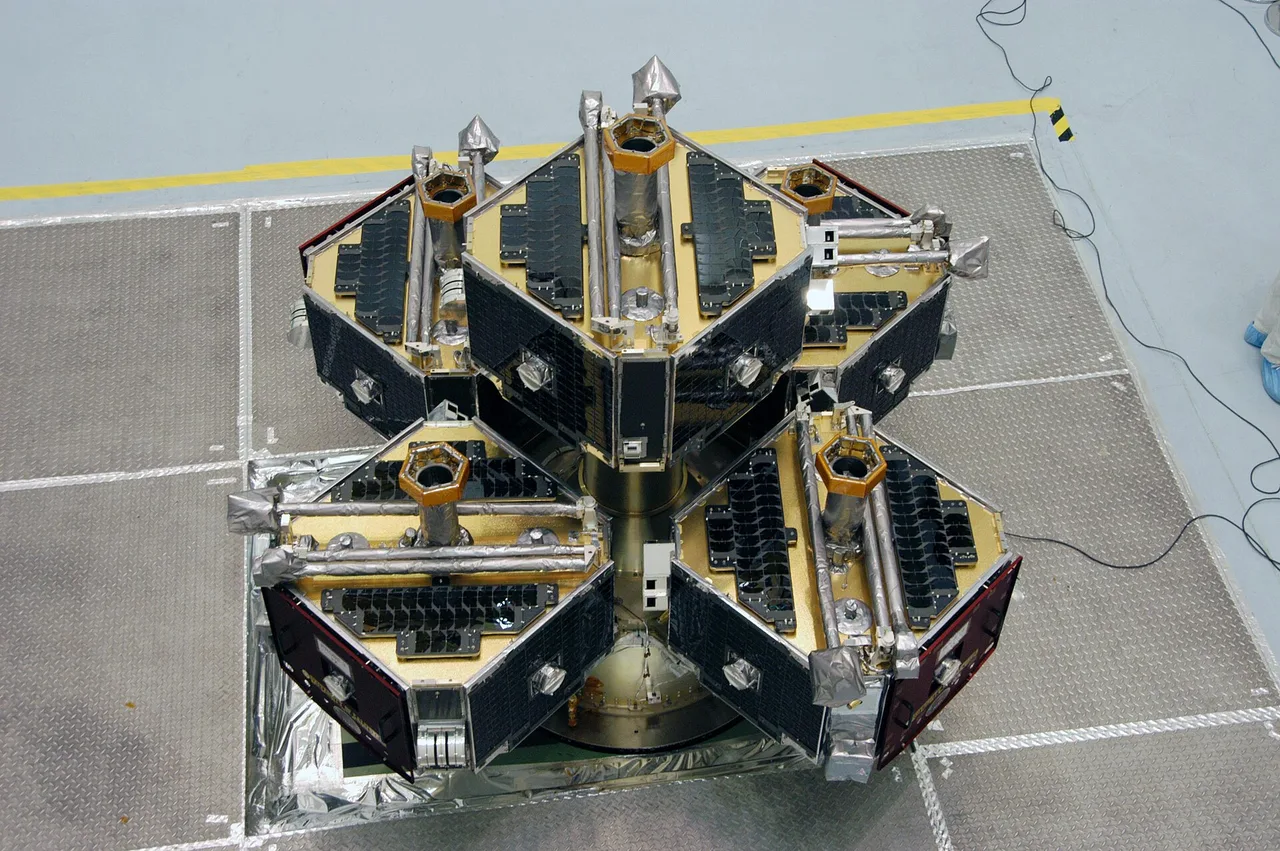
NASA launched the THEMIS mission in 2007, using a fleet of five satellites to track the origin of auroral substorms. The mission successfully showed how magnetic energy is released to power the sudden, explosive brightening of the northern lights.
Photo: NASA/George Shelton, Wikimedia Commons, Public domain.


Want to make a quiz like this yourself? Do it on Votur, it's free.
Paste the code into your page. The player fits itself in, and every vote counts in Votur.
On WordPress, Ghost or Squarespace? Just paste the link of this page into your post.
This is how it looks
Also fun