 Get app
A motorway straight across the sea: who planned it, what it turned the Zuiderzee into and what was never built on it. Ten questions about the Afsluitdijk.
Day tripper on the dyke 0–4 · Sluice keeper 5–8 · Master dyke builder 9–10

Tap the right answer
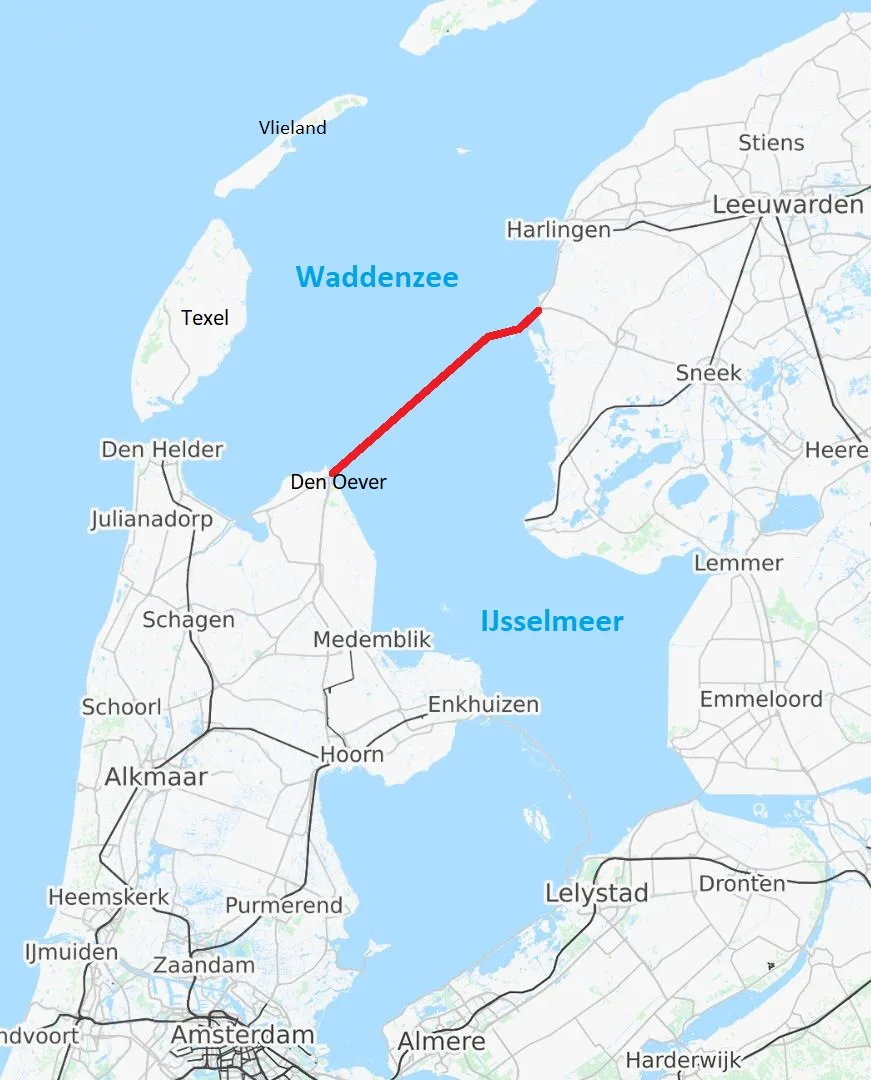
The dyke runs from Den Oever in North Holland to the village of Zurich in Friesland. It took five years to build and was closed in 1932.
Photo: Condor3d, Wikimedia Commons, CC BY 4.0.
Tap the right answer
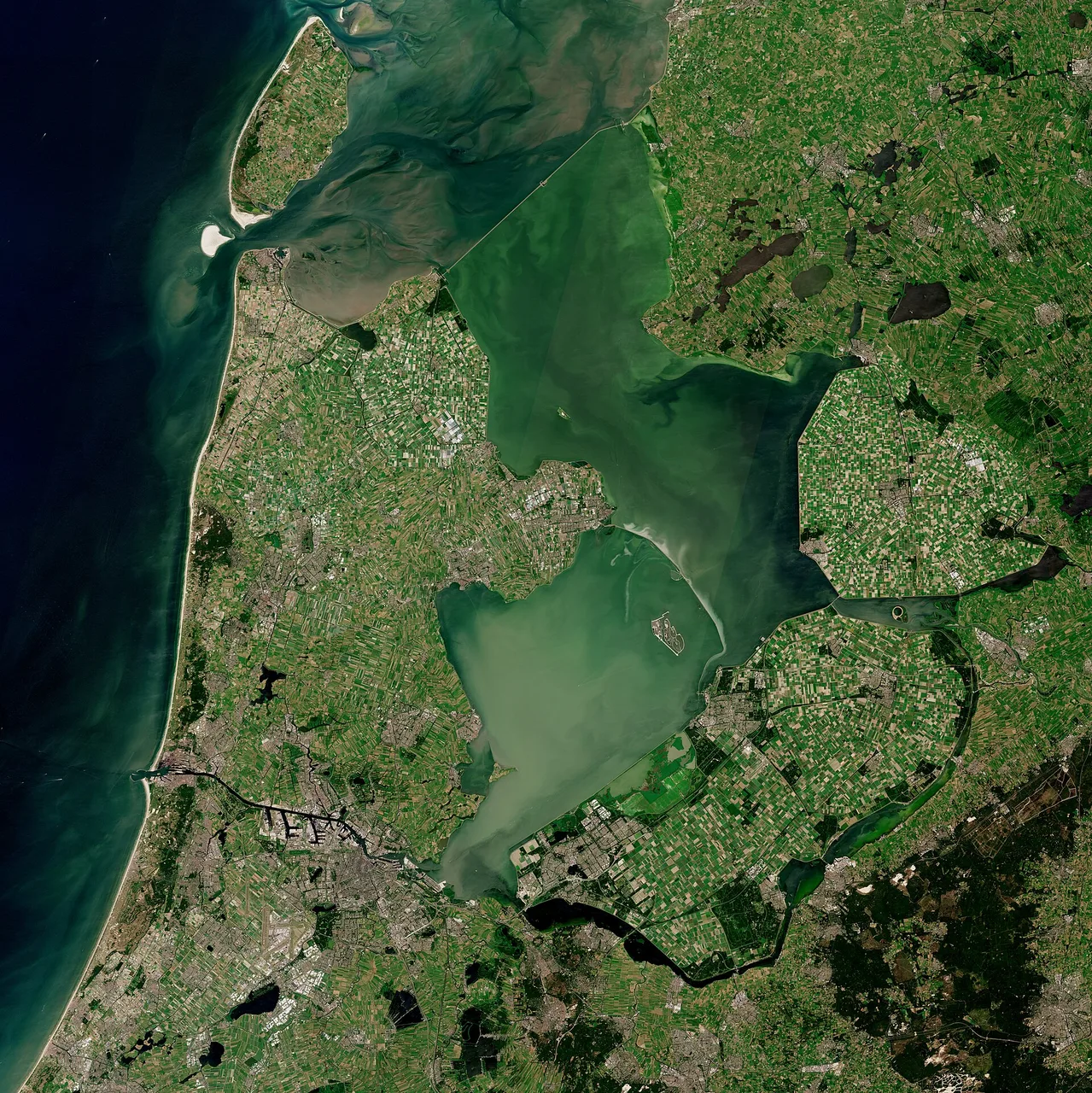
The new lake was named after the river IJssel that flows into it. River water slowly washed the salt out, and today the IJsselmeer is one of the biggest freshwater reservoirs in the country.
Photo: Copernicus Sentinel-2, ESA, Wikimedia Commons, CC BY-SA 3.0 igo.
Tap the right answer
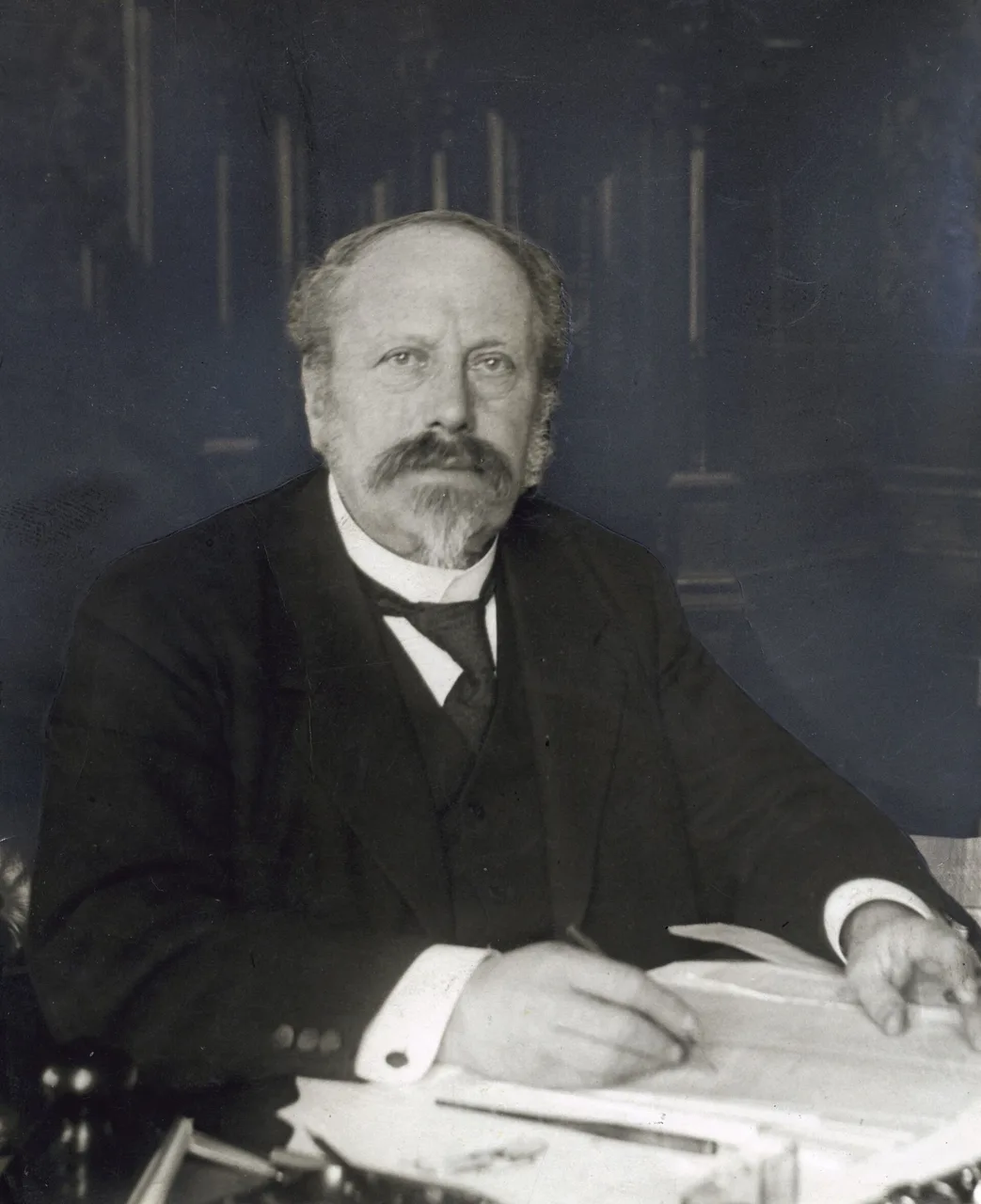
Cornelis Lely drew his first plan to close the Zuiderzee in 1891. Lelystad, the capital of Flevoland, was later built on land that used to be the bottom of that sea.
Photo: Wikimedia Commons, Public domain.
Tap the right answer
The dyke is about 32 km long and 90 metres wide. A motorway runs along the top, with the Wadden Sea on one side and the lake on the other.
Tap the right answer
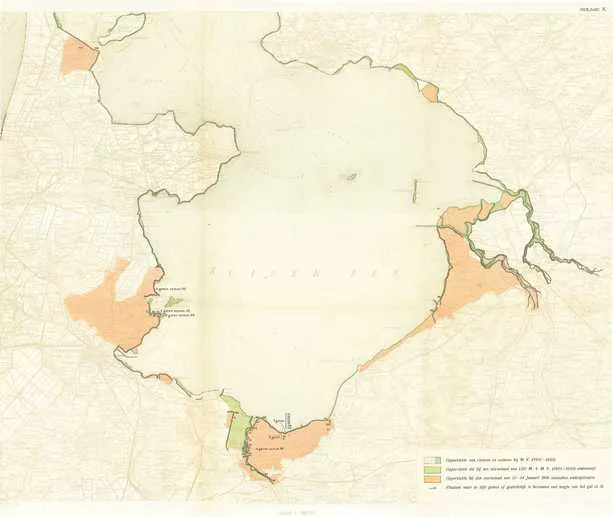
In January 1916 a storm broke the Zuiderzee dykes in dozens of places. Together with food shortages during the First World War, it led to the law that started the works.
Photo: J. C. RAMAER & H. WORTMAN, Wikimedia Commons, Public domain.
Tap the right answer
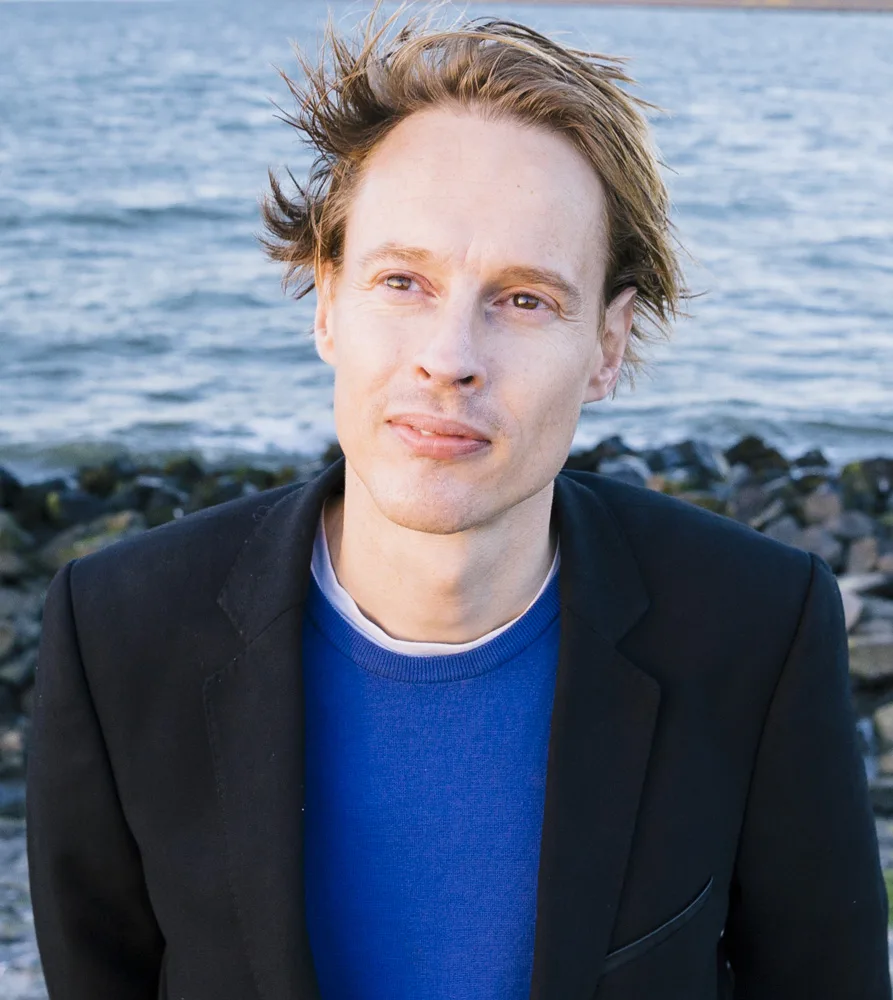
Designer Daan Roosegaarde fitted the gates with prism strips that reflect car headlights. So the artwork glows at night without using any electricity of its own.
Photo: Willem de Kam, Wikimedia Commons, CC BY-SA 4.0.
Tap the right answer
A strip was set aside for a train between North Holland and Friesland, but the railway never came. In the 1970s that space was used to widen the road into a four-lane motorway.
Tap the right answer
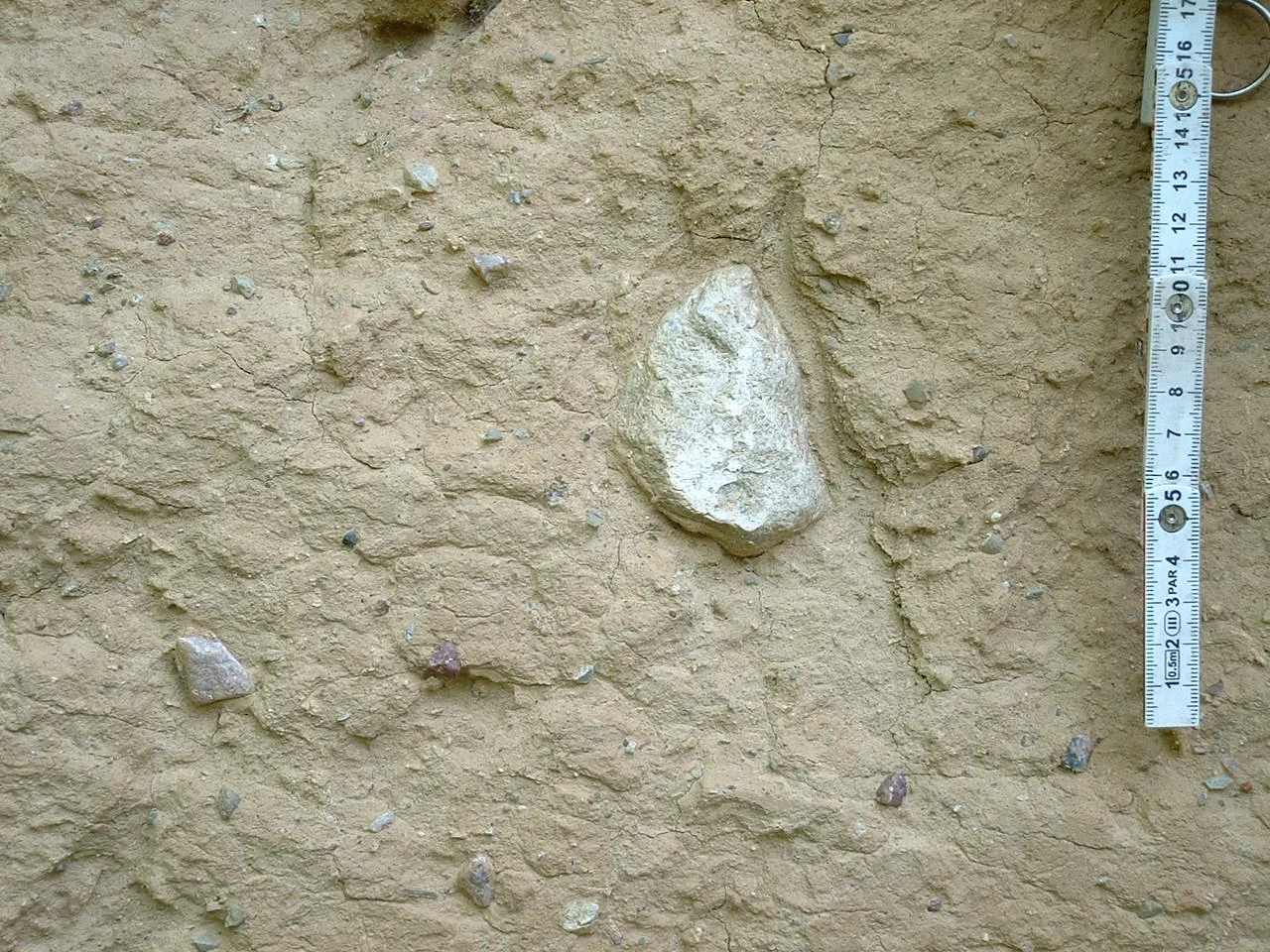
Boulder clay, left behind by glaciers in the Ice Age, holds water back better than plain sand. Ships dropped it into the sea until the dyke rose above the waves.
Photo: Grabenstedt at German Wikipedia, Wikimedia Commons, CC BY-SA 3.0.
Tap the right answer
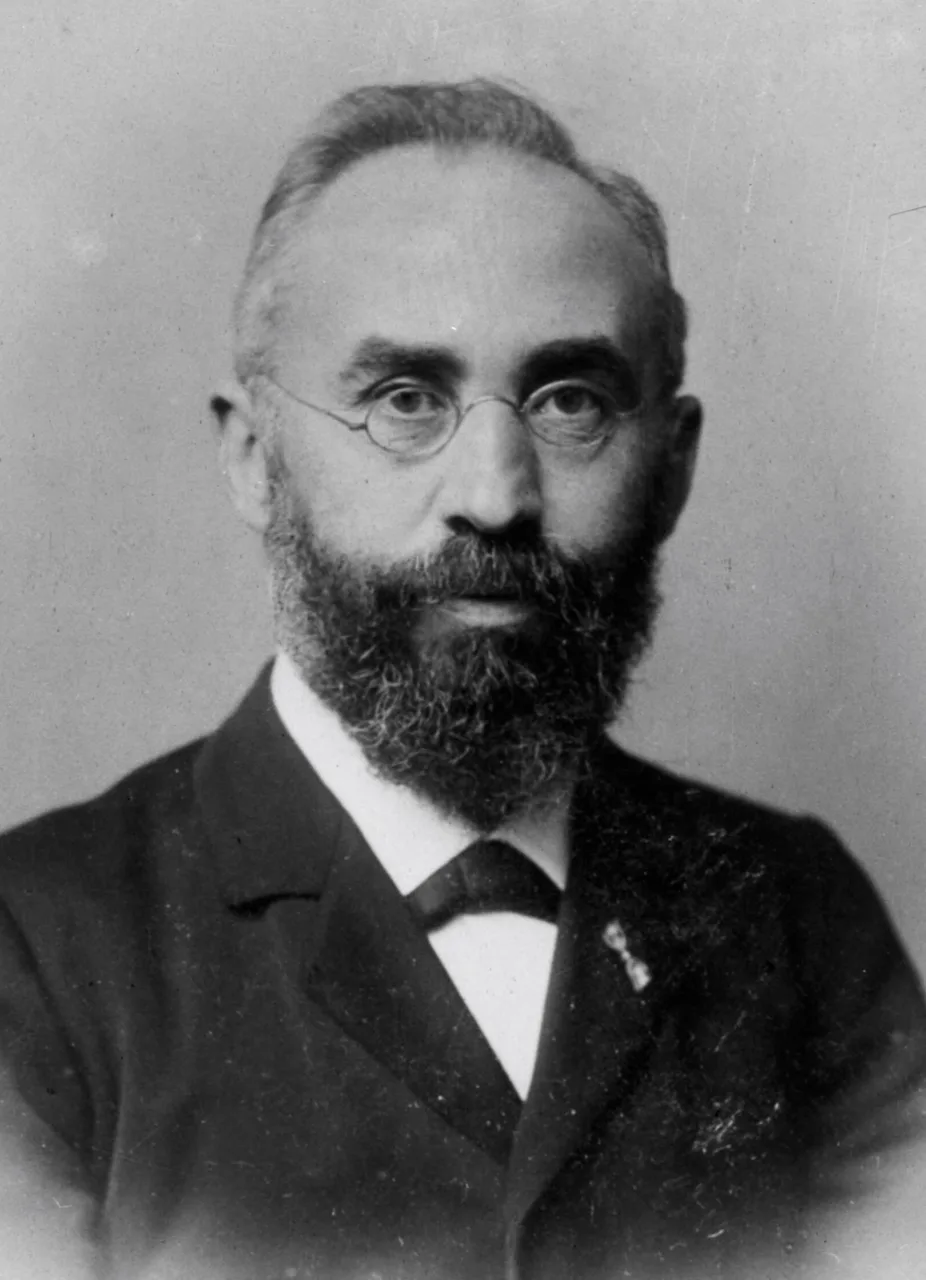
Hendrik Lorentz won the Nobel Prize in Physics in 1902. The locks at Kornwerderzand, on the Frisian end of the dyke, are named after him.
Photo: Wikimedia Commons, PDM-owner.
Tap the right answer
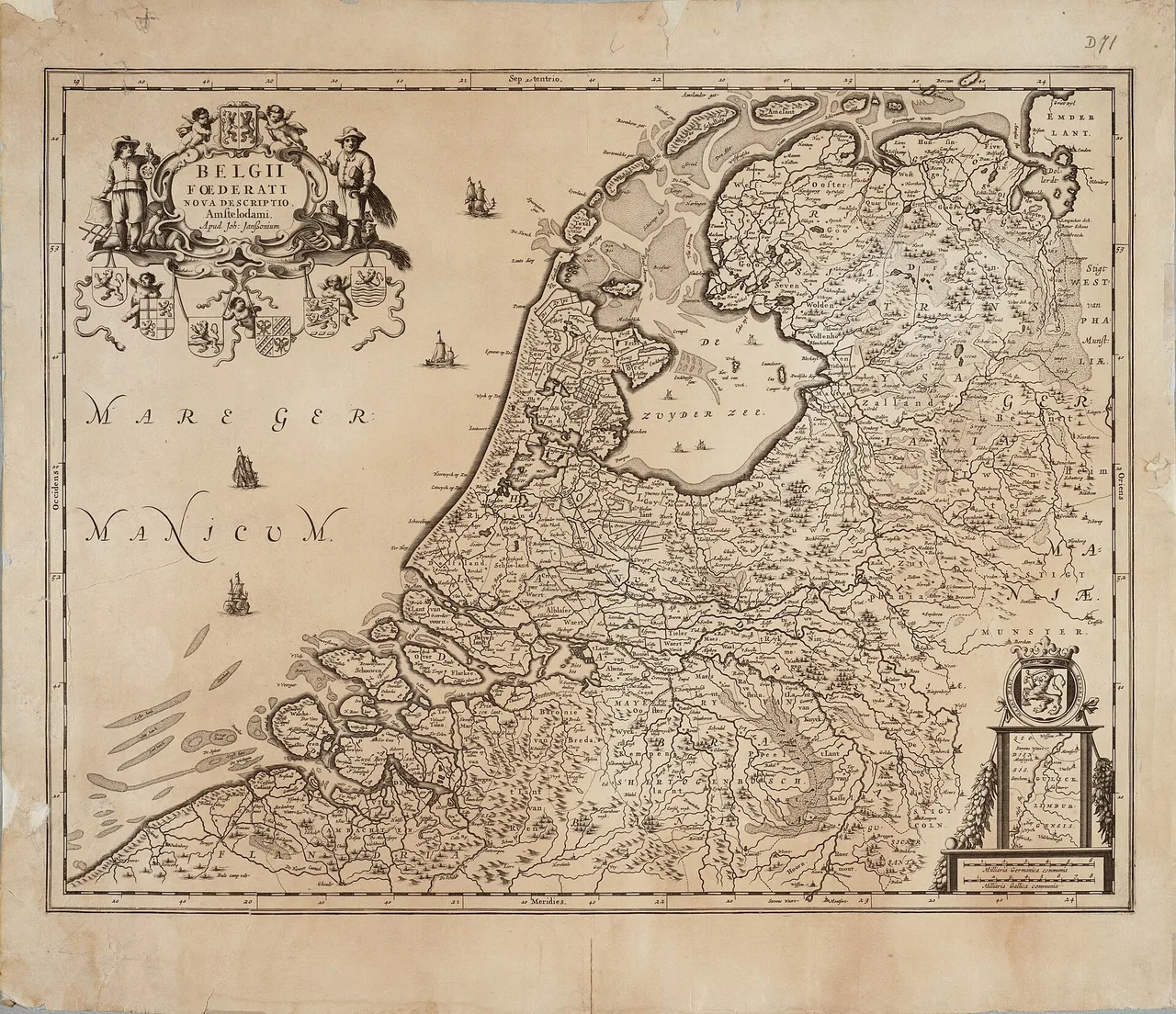
Hendrick Stevin, son of the famous mathematician Simon Stevin, came up with the idea in 1667. The Stevin locks at Den Oever are named after him.
Photo: Jan Janssonius, Wikimedia Commons, Public domain.


Want to make a quiz like this yourself? Do it on Votur, it's free.
Paste the code into your page. The player fits itself in, and every vote counts in Votur.
On WordPress, Ghost or Squarespace? Just paste the link of this page into your post.
This is how it looks
Also fun