 Get app
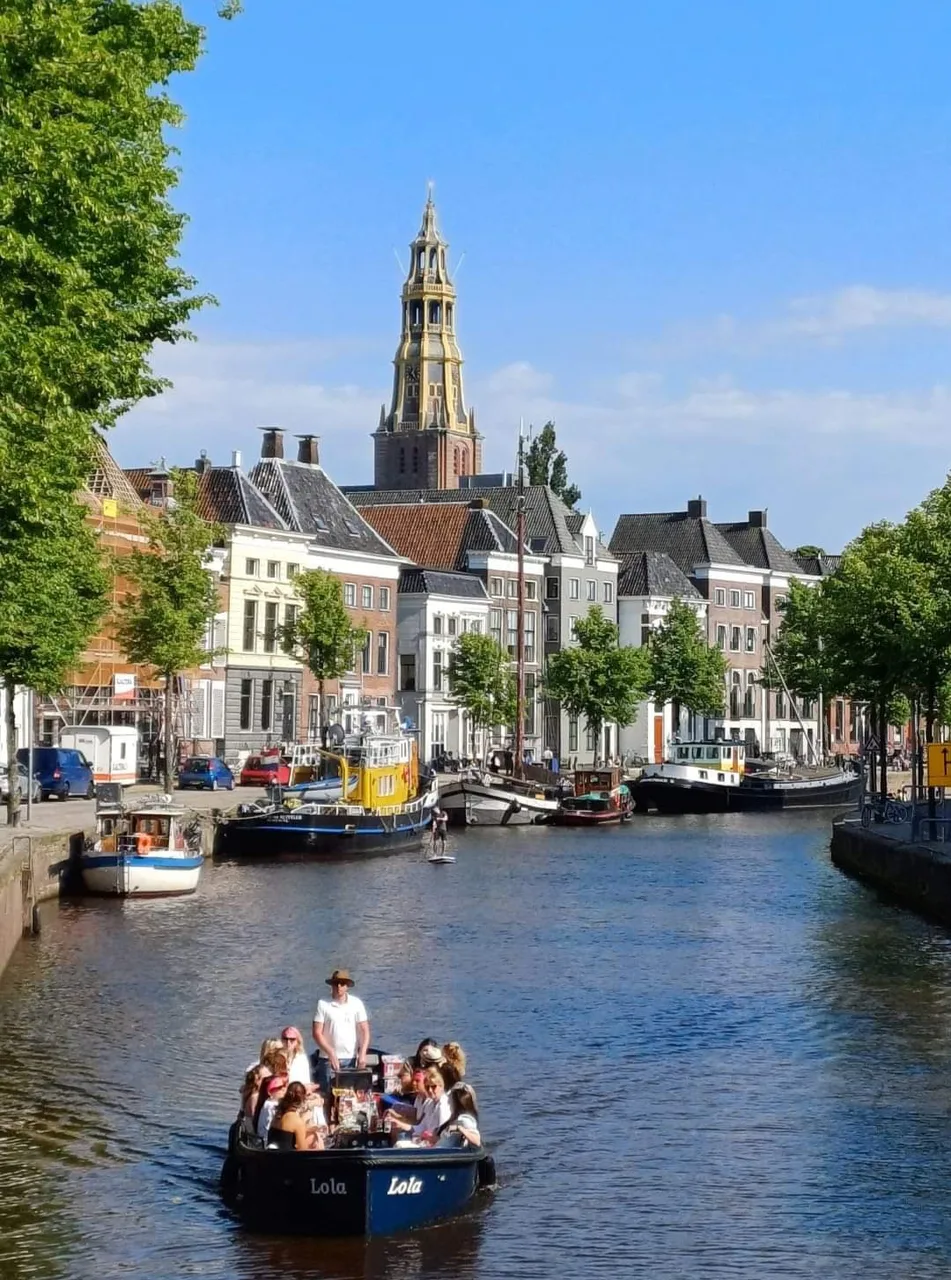
A tall old tower, bold new buildings and plenty of fun. Ten questions about one of the liveliest cities in the Netherlands.
Curious visitor 0–4 · City wanderer 5–8 · Honorary Groninger 9–10
Tap the right answer
Groningen is the biggest city in the north of the Netherlands and the capital of the province with the same name. The German border is less than an hour's drive away.
Photo: JAHensens, Wikimedia Commons, CC BY 4.0.
Tap the right answer
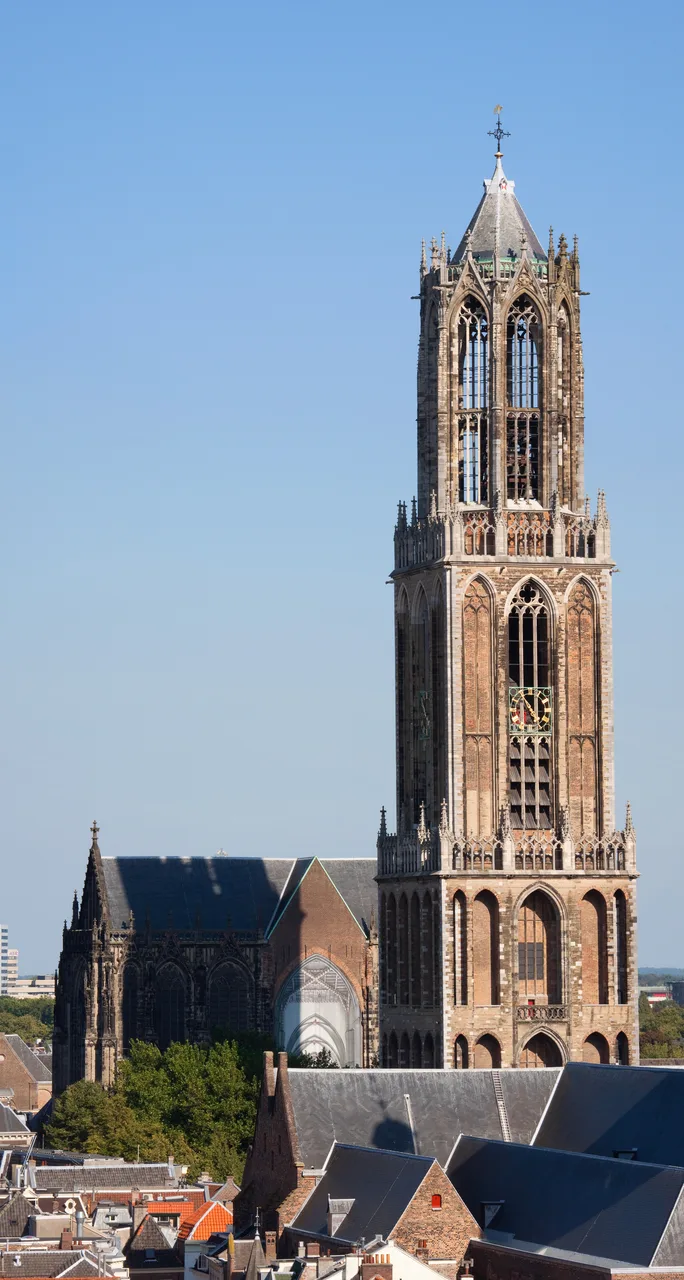
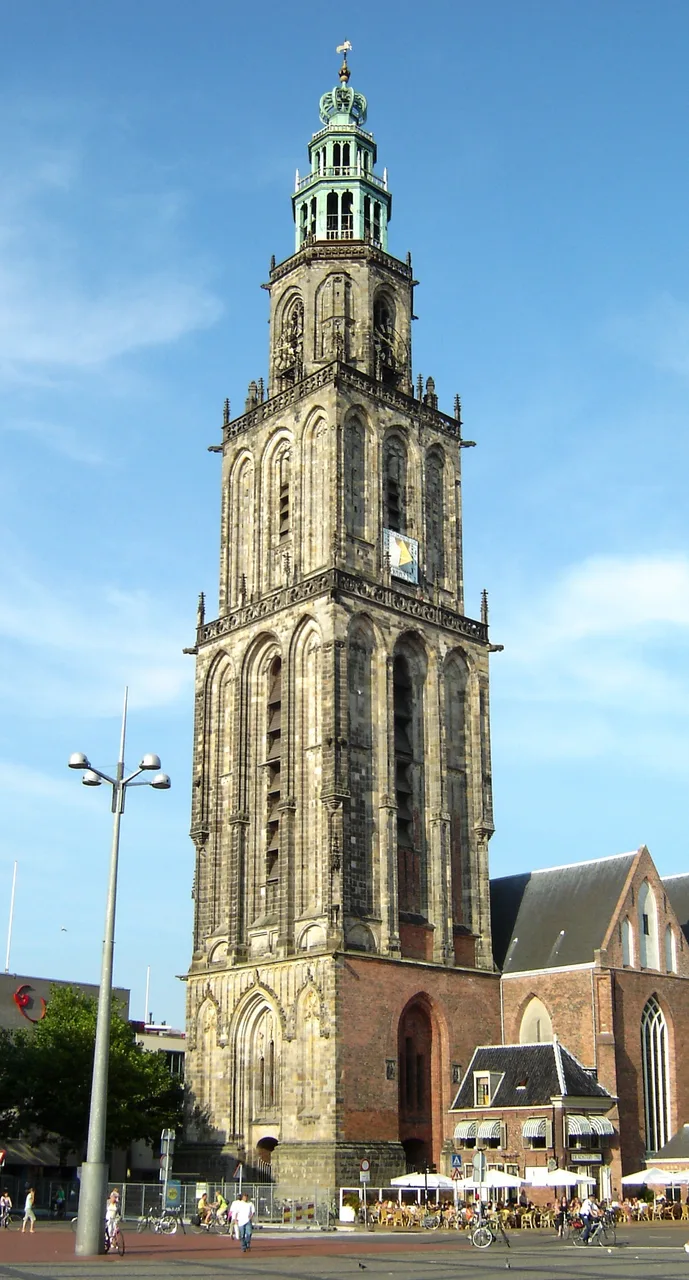
The Martinitoren is named after Saint Martin and has 260 steps to climb. Locals lovingly call it d'Olle Grieze: the old grey one. The Dom Tower stands in Utrecht.
Photo: Ra-smit at Dutch Wikipedia, Wikimedia Commons, CC BY-SA 3.0.
Tap the right answer
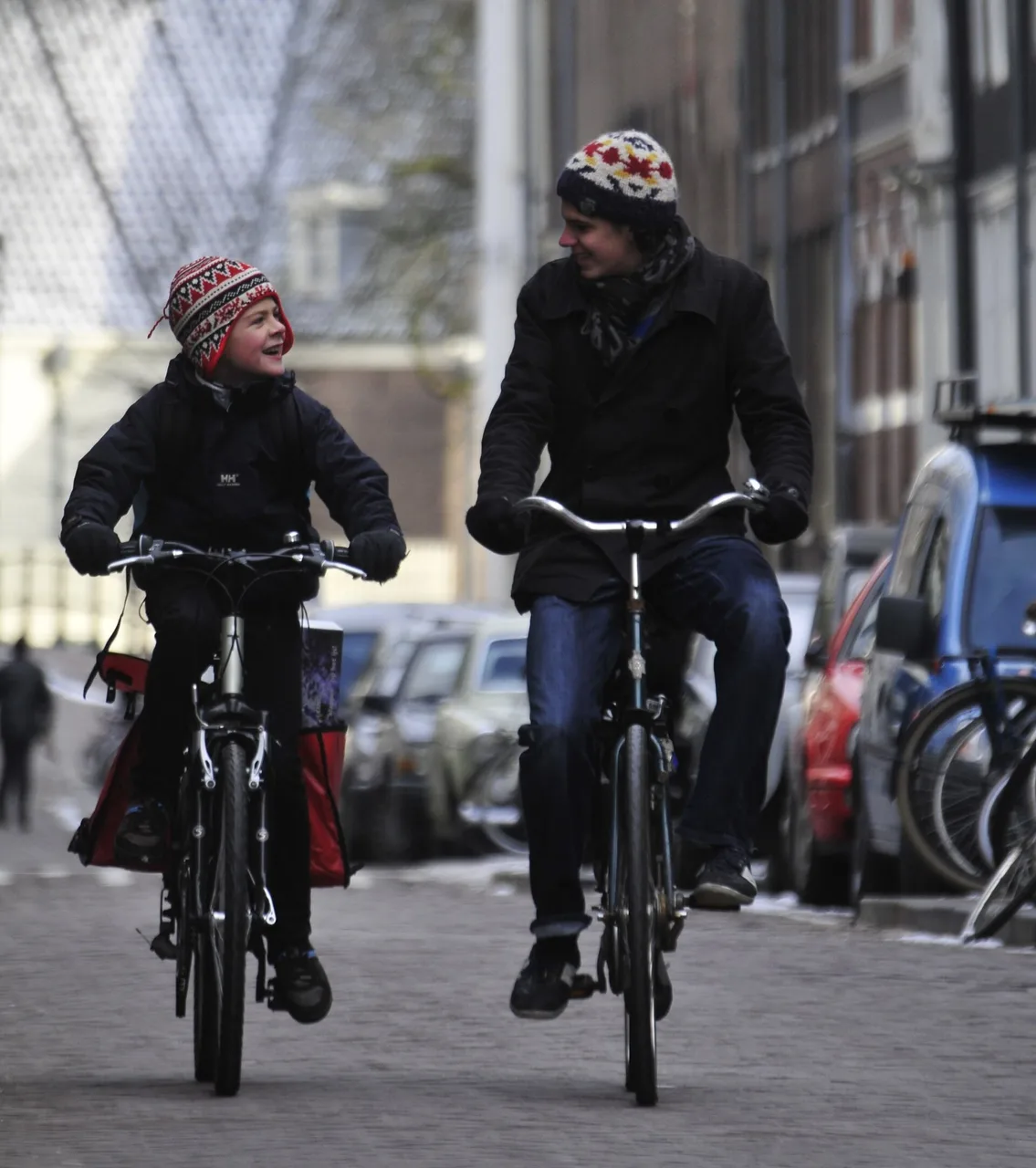
In 1977 the city centre was split into four zones that cars cannot drive straight between, while bikes can. It made the centre quieter and safer for everyone on two wheels.
Photo: Marc van Woudenberg, Wikimedia Commons, CC BY-SA 2.0.
Tap the right answer
Groningen's university was founded in 1614, and together with a big college it brings tens of thousands of young people to the city. That makes Groningen the youngest city in the country by average age.
Tap the right answer
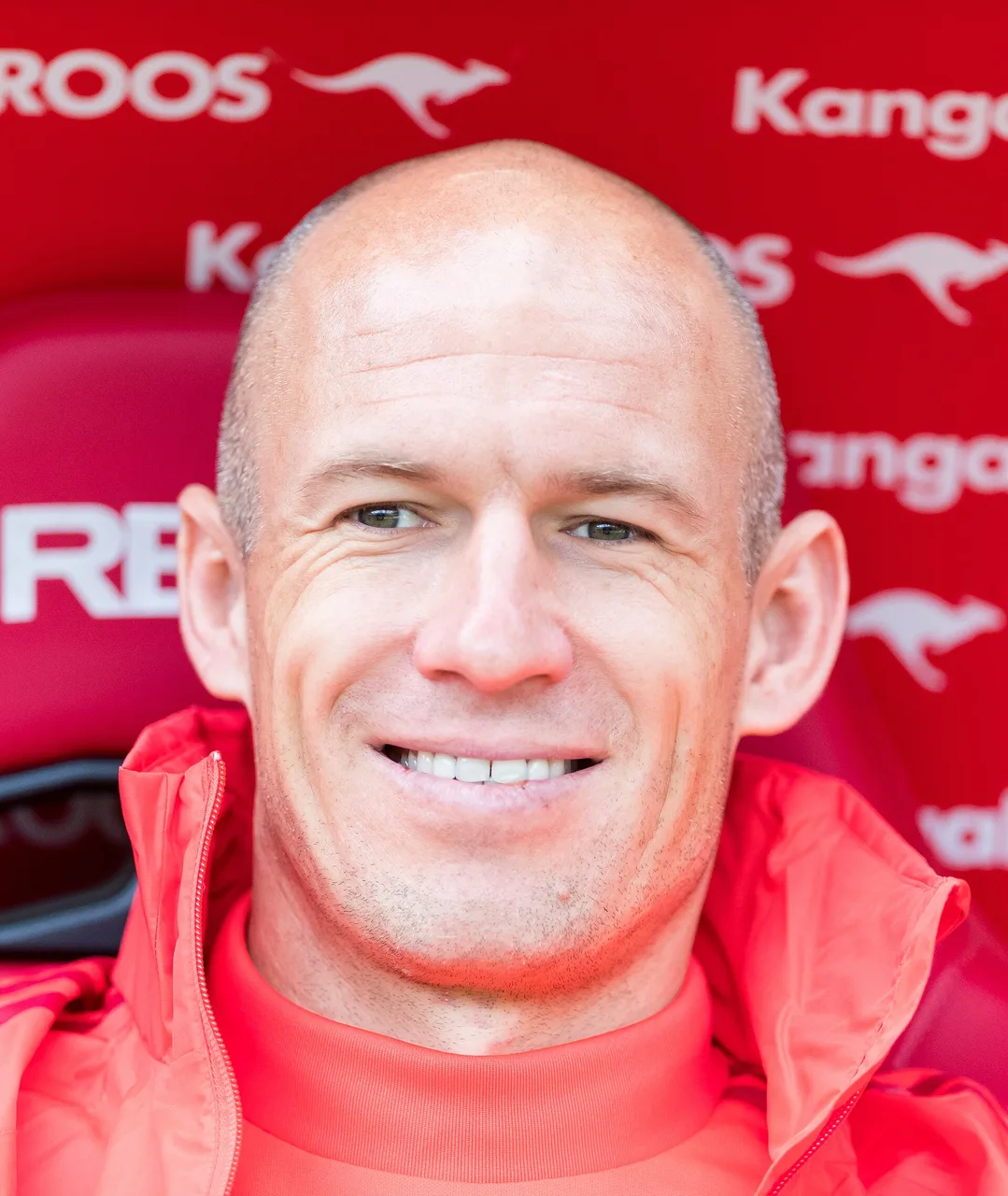
Robben grew up close to Groningen and became famous for cutting in from the right and curling the ball in with his left foot. He went on to play for PSV, Chelsea, Real Madrid and Bayern Munich.
Photo: Sven Mandel, Wikimedia Commons, CC BY-SA 4.0.
Tap the right answer
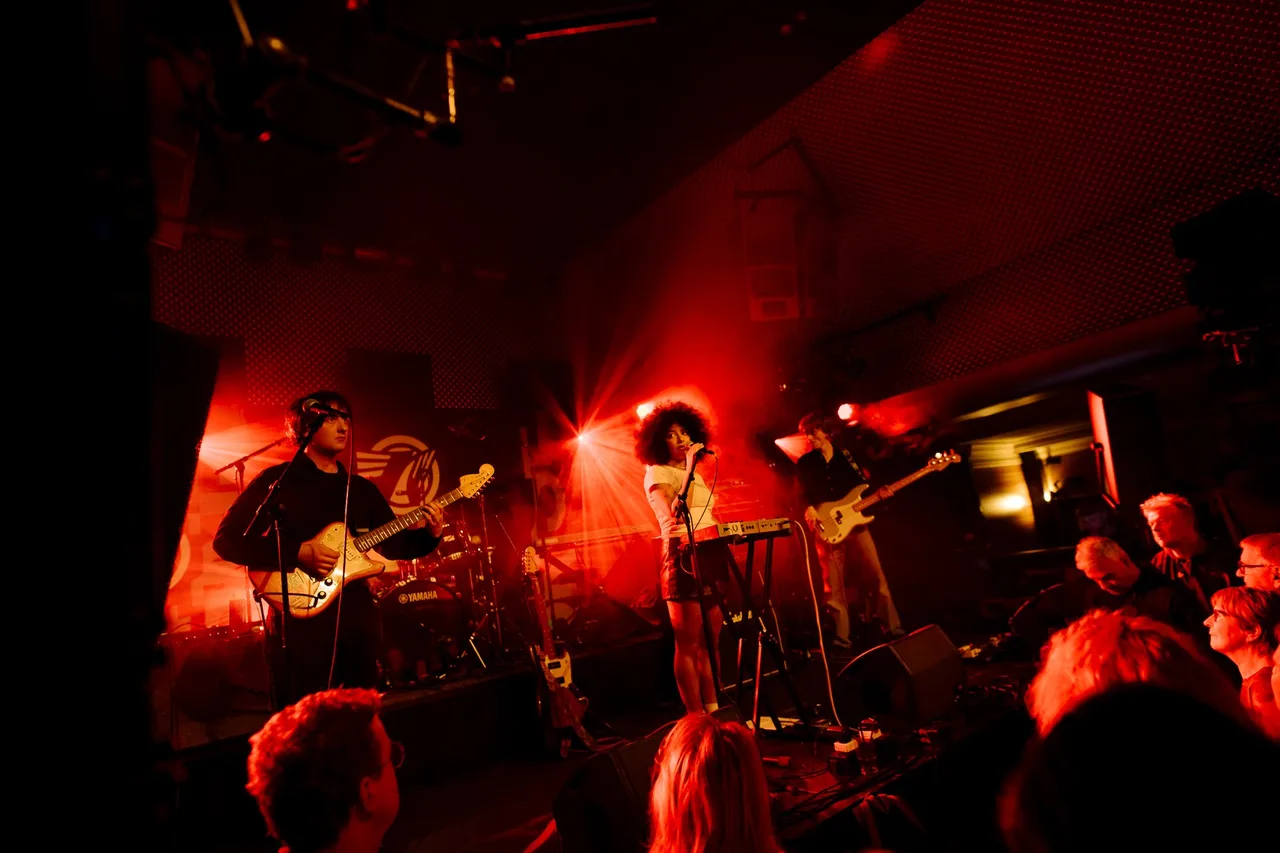
For four days, new bands from all over Europe play in the city's venues, and festival organisers come to discover them. The last day, Noorderslag, is only for Dutch artists.
Photo: User22039, Wikimedia Commons, CC BY-SA 4.0.
Tap the right answer
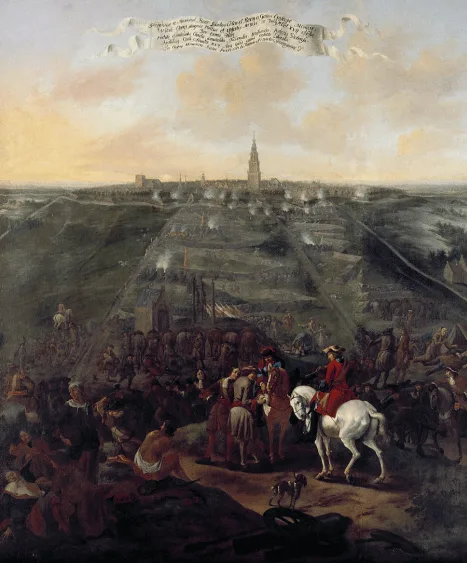
On 28 August 1672 the army of the Bishop of Münster gave up its siege of Groningen. People nicknamed him Bommen Berend, 'Bombing Bernard', because of all his cannonballs. Koningsdag, King's Day, is in April.
Photo: Folkert Bock, Wikimedia Commons, Public domain.
Tap the right answer
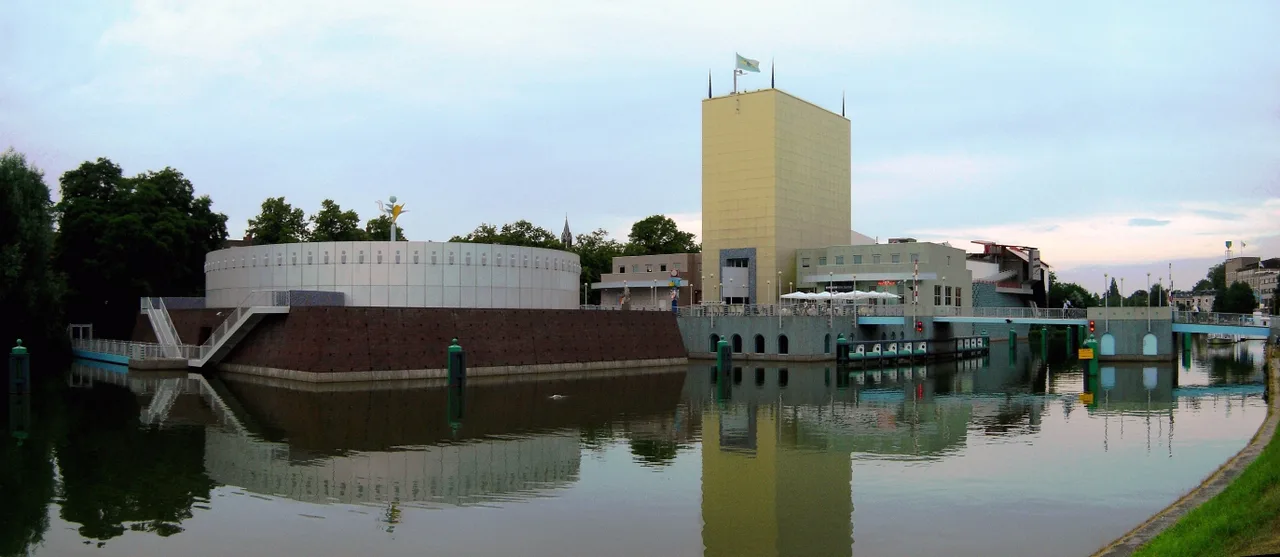
The museum's bright pavilions, opened in 1994, seem to float in the water. Each part was designed by a different designer, including a yellow tower by the Italian Alessandro Mendini.
Photo: nl:Gebruiker:Ra-smit , colour adapted by User:Lyzzy, Wikimedia Commons, CC BY-SA 3.0.
Tap the right answer
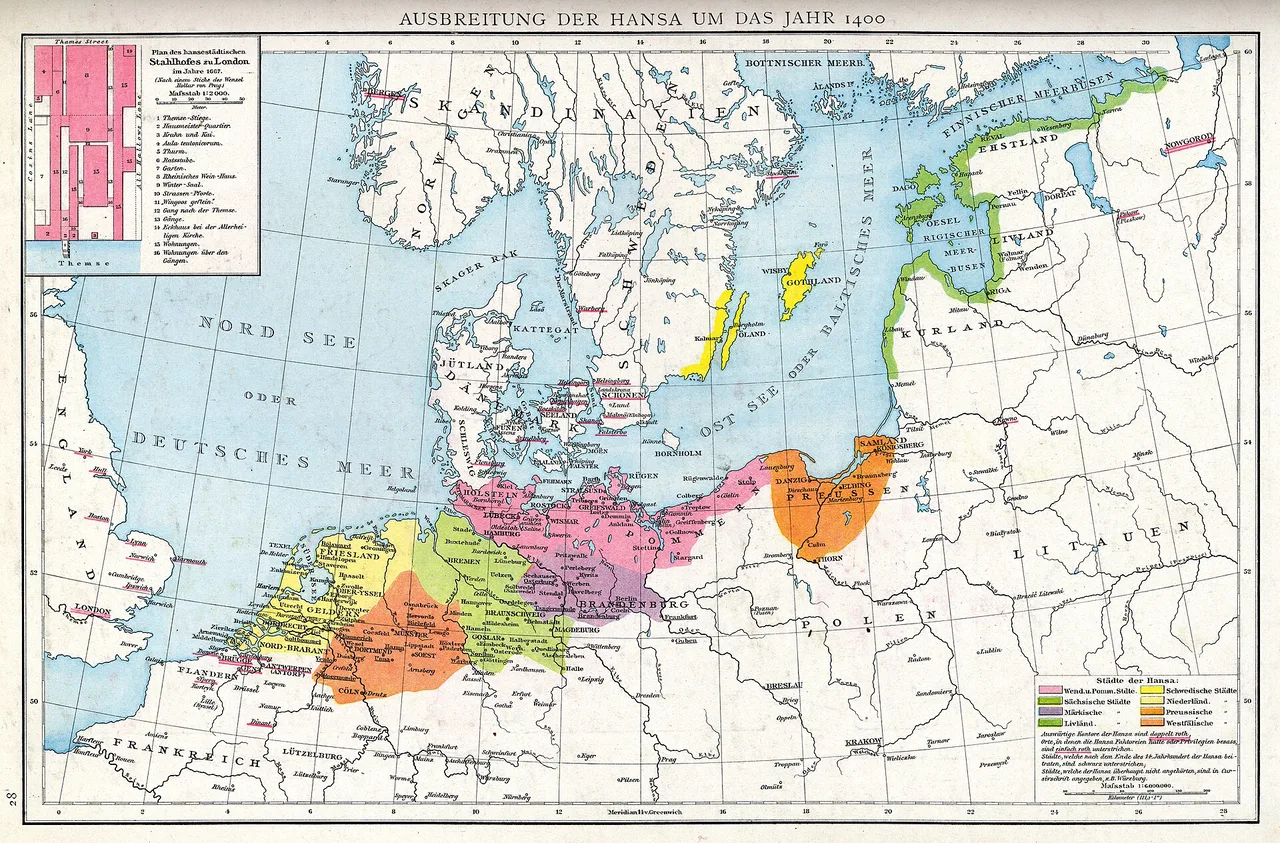
As a Hanseatic city, Groningen traded with cities in northern Germany and around the Baltic Sea. In the 1400s it was so powerful that it was almost an independent city-state.
Photo: Droysen/Andrée, Wikimedia Commons, CC BY-SA 3.0.
Tap the right answer
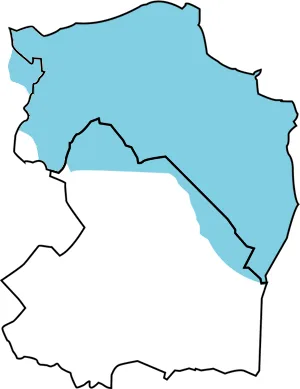
Stad just means 'city', and the people who live there are called Stadjers. Grins is the name for Groningen in Frisian, the language of the neighbouring province of Friesland.
Photo: Gruna 1, Wikimedia Commons, CC BY-SA 3.0.


Want to make a quiz like this yourself? Do it on Votur, it's free.
Paste the code into your page. The player fits itself in, and every vote counts in Votur.
On WordPress, Ghost or Squarespace? Just paste the link of this page into your post.
This is how it looks
Also fun