 Get app
Test your knowledge of the global conflict that shaped the modern world. Beyond the famous battles lie incredible stories of deception, heroism, and technological innovation.
History Enthusiast 0–4 · Archive Explorer 5–8 · Master Historian 9–10

Tap the right answer
Stalingrad, now Volgograd, was the site of a brutal, turning-point battle that lasted over five months and cost up to two million casualties. The city was renamed in 1961 during Nikita Khrushchev's program of de-Stalinization. Today, visitors can see the colossal 'The Motherland Calls' statue, which dominates the city skyline to commemorate the defense.
Photo: Unknown authorUnknown author, Wikimedia Commons, Public domain.
Tap the right answer
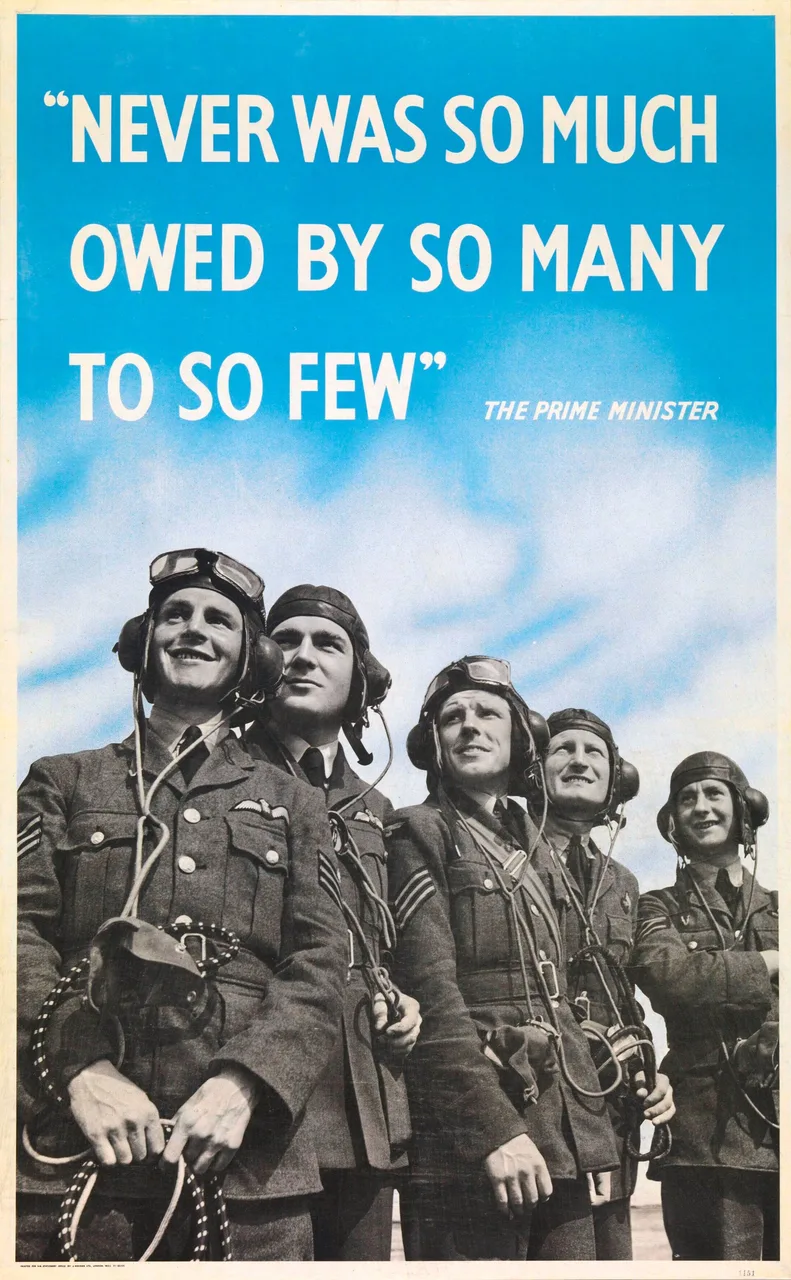
Churchill's iconic line, 'Never in the field of human conflict was so much owed by so many to so few', praised the Royal Air Force and Allied pilots defending the UK during the Battle of Britain. Remarkably, this group of around 3,000 airmen included pilots from over a dozen nations, including Poland, New Zealand, and Canada.
Photo: H.M. Stationery Office, Wikimedia Commons, Public domain.
Tap the right answer
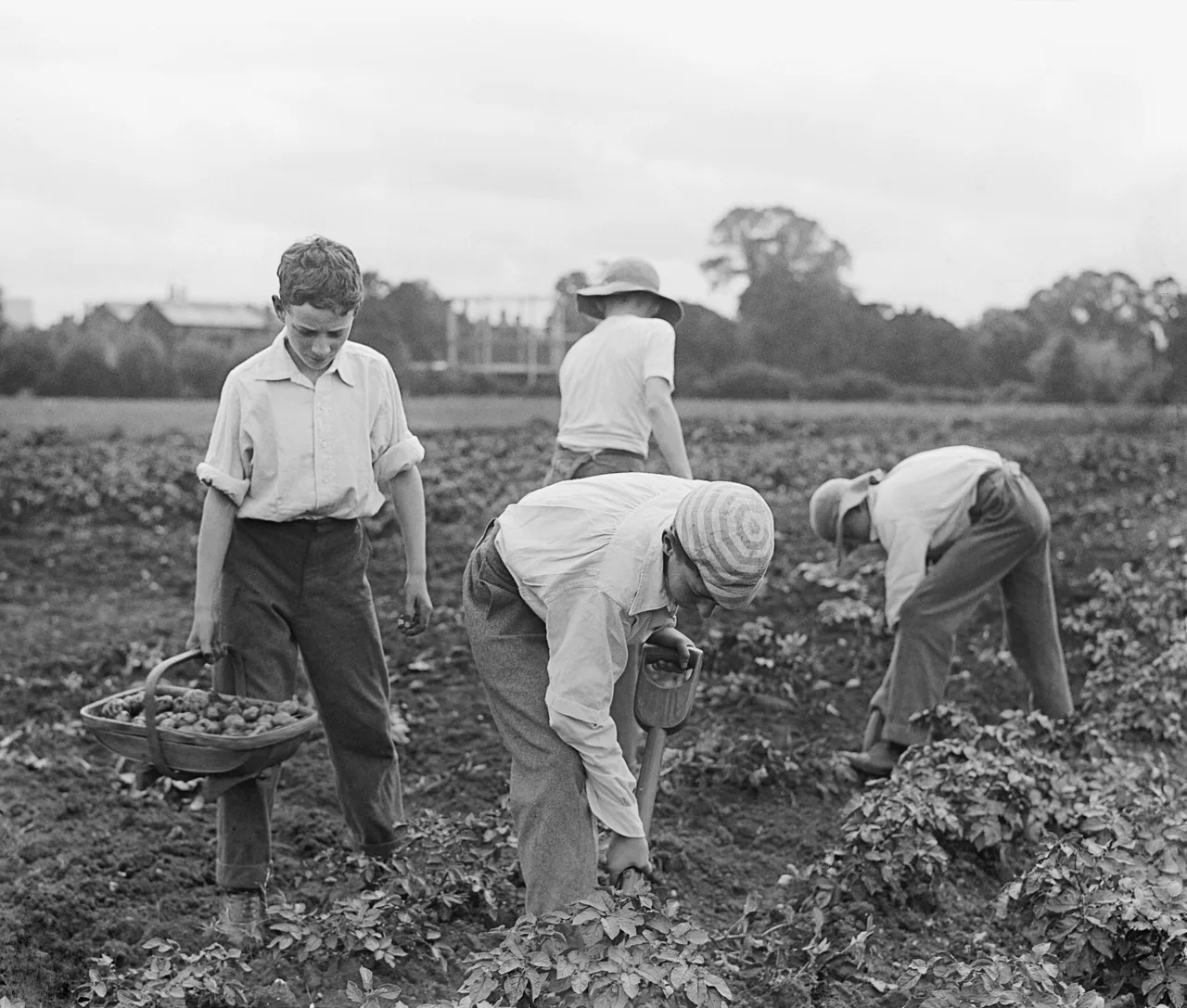
Victory gardens were highly promoted by governments to reduce the pressure on the public food supply and boost morale. Millions of people transformed their backyards, parks, and vacant lots into productive plots. By 1944, these home efforts produced an estimated 40 percent of all vegetables grown in the United States.
Photo: Horace Nicholls, Wikimedia Commons, Public domain.
Tap the right answer
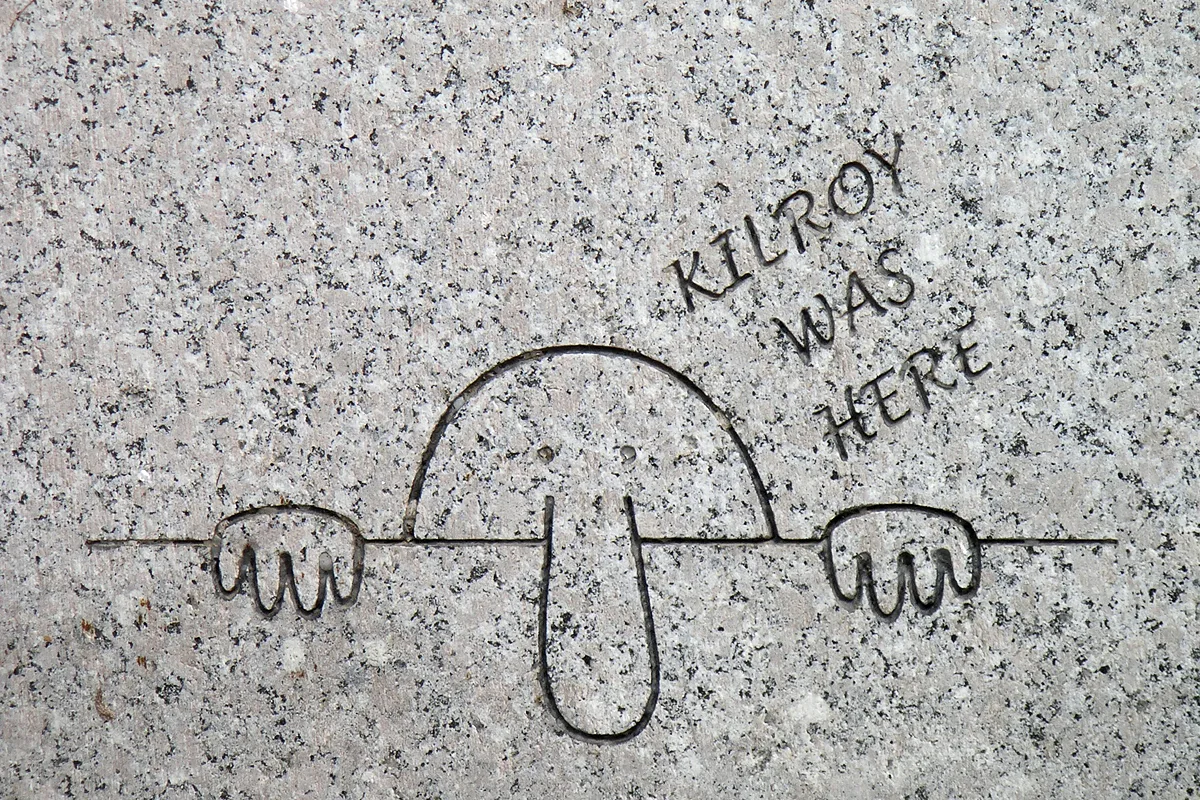
The 'Kilroy was here' graffiti became a ubiquitous symbol of American soldiers' presence, appearing in the most unexpected places, from the sands of North Africa to the islands of the Pacific. Legend has it that the phrase originated from a shipyard inspector named James J. Kilroy, who wrote it on bomb components to prove he had checked them.
Photo: Luis Rubio from Alexandria, VA, USA, Wikimedia Commons, CC BY 2.0.
Tap the right answer
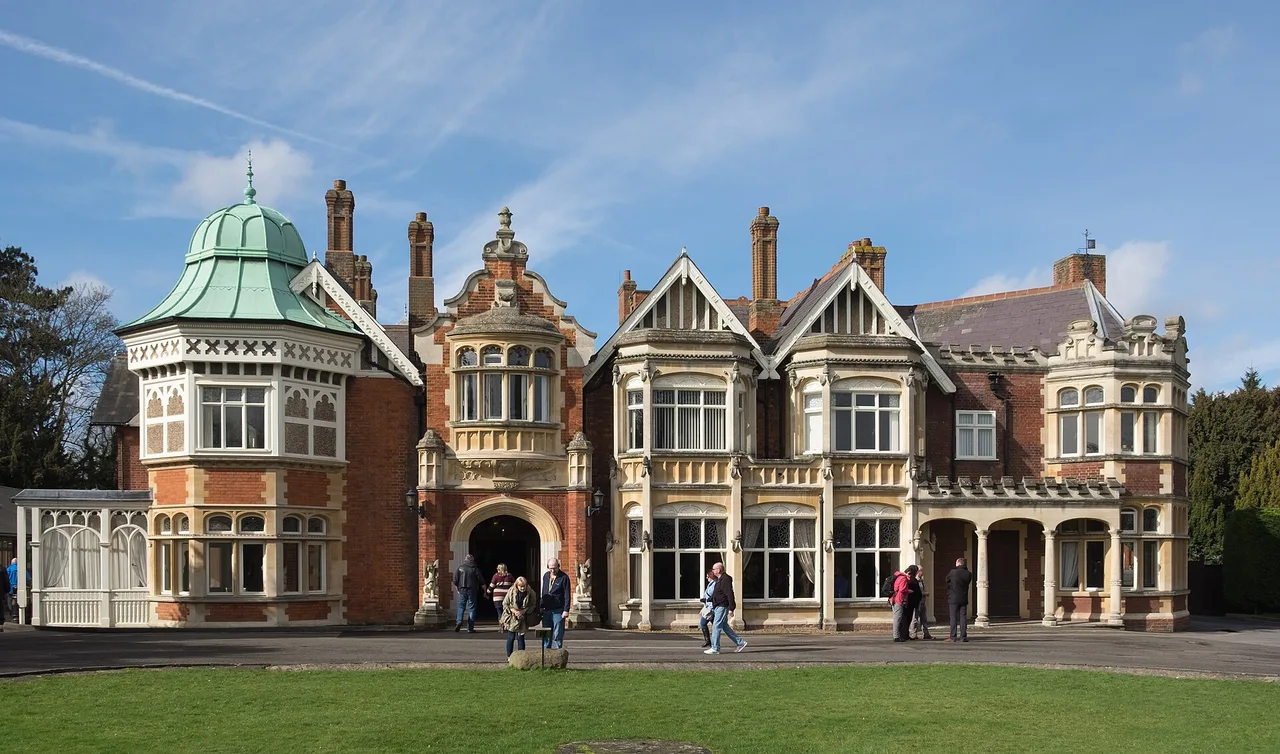
Bletchley Park, located in Buckinghamshire, was the secret home of the World War II Codebreakers, including Alan Turing. Here, brilliant minds cracked the German Enigma and Lorenz ciphers, shortening the war by years. Interestingly, the site was chosen partly because it sat at a key railway junction, allowing experts from Oxford and Cambridge to travel there easily.
Photo: DeFacto, Wikimedia Commons, CC BY-SA 4.0.
Tap the right answer
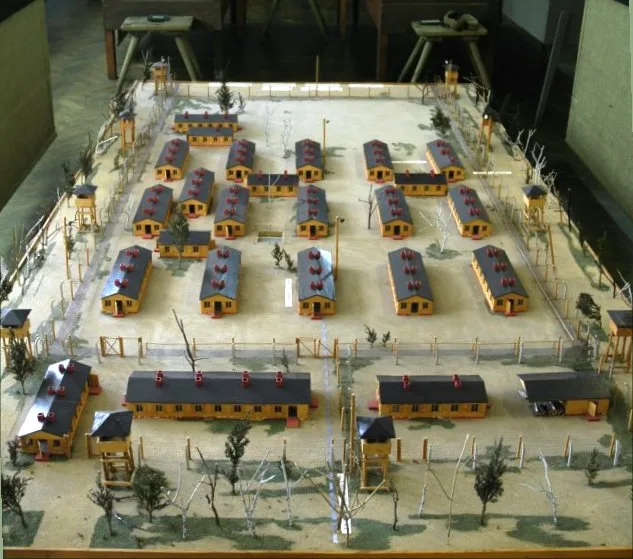
The Great Escape took place at Stalag Luft III, a camp specifically designed by the Germans to prevent tunneling. Despite this, Allied officers dug three deep tunnels named Tom, Dick, and Harry, allowing 76 men to escape before the break was discovered. Tragically, only three of the escapees managed to reach safety.
Photo: This image was improved or created by the Wikigraphists of the Graphic Lab (fr)., Wikimedia Commons, CC BY-SA 3.0.
Tap the right answer
Operation Mincemeat was a highly successful deception plan where the British dressed the body of a deceased homeless man as a Royal Marines officer. They equipped him with personal letters and fake plans suggesting an Allied invasion of Greece instead of Sicily. The German high command fell for the ruse completely, redeploying vital troops.
Tap the right answer
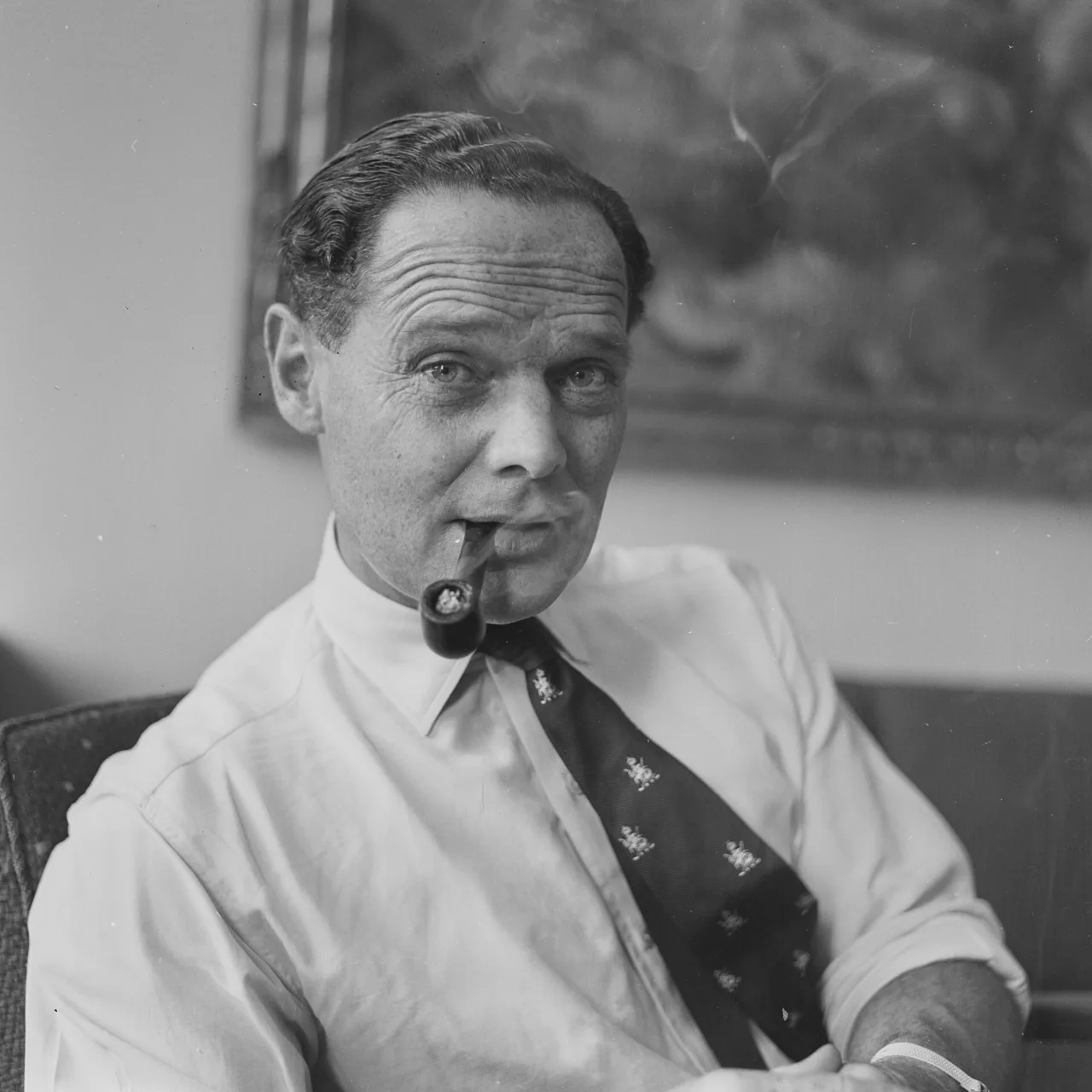
Douglas Bader lost both legs in a pre-war flying accident but fought to rejoin the RAF when war broke out, proving to be an exceptional pilot and leader. After being shot down over France in 1941, he became a prisoner of war and attempted so many escapes that the Germans eventually threatened to confiscate his prosthetic legs.
Photo: Ragge Strand, Wikimedia Commons, CC BY 4.0.
Tap the right answer
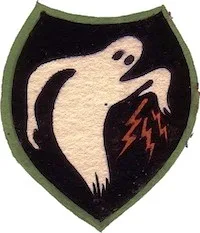
The Ghost Army was a tactical deception unit that used inflatable rubber tanks, dummy airplanes, and giant speakers broadcasting battlefield sounds to trick the German army about Allied troop strength. Many of the soldiers in this unique unit were actually recruited from art schools and advertising agencies, later returning to careers in the creative arts.
Photo: US Dept of Defense - Dept of the Army, Wikimedia Commons, Public domain.
Tap the right answer
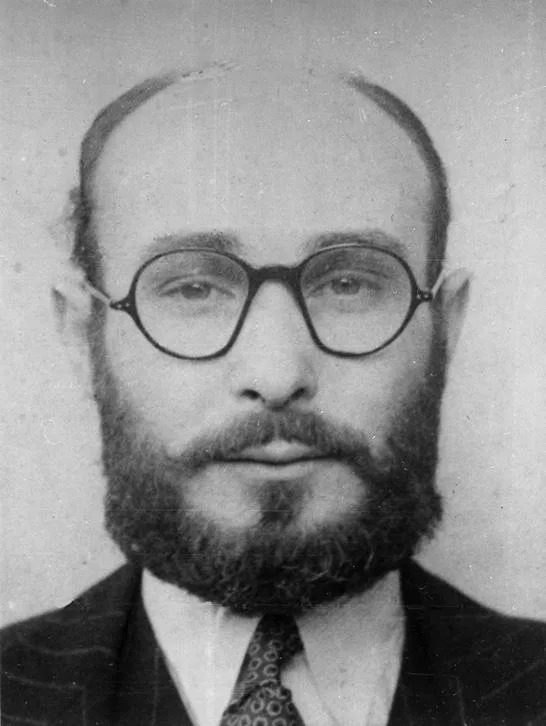
Spanish-born Juan Pujol García, codenamed Garbo, created a completely fictional network of 27 sub-agents to feed false information to Germany. His masterpiece was convincing the German High Command that the D-Day landings in Normandy were just a diversion. He is one of the very few people to have received high military honors from both opposing sides.
Photo: Wikimedia Commons, Public domain.


Want to make a quiz like this yourself? Do it on Votur, it's free.
Paste the code into your page. The player fits itself in, and every vote counts in Votur.
On WordPress, Ghost or Squarespace? Just paste the link of this page into your post.
This is how it looks
Also fun