 Get app
Step back into the Middle Ages! Test your knowledge on how knights lived, how castles were defended, and the surprising truths behind popular medieval myths.
Squire in Training 0–4 · Courteous Knight 5–8 · Realm Master at Arms 9–10

Tap the right answer
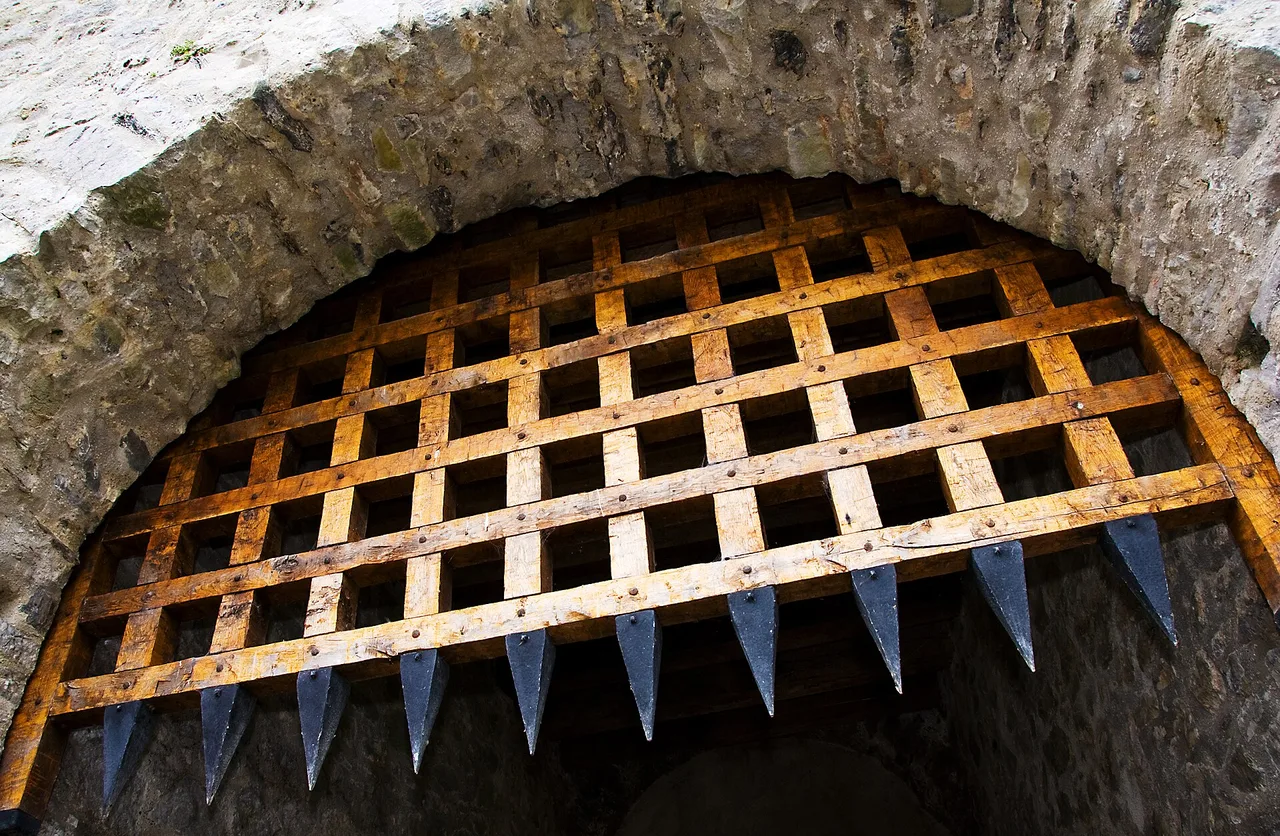
The portcullis was a massive, vertically sliding gate made of thick oak, iron, or both, suspended inside the castle's main entrance. If attackers breached the outer doors, defenders could quickly drop the portcullis to trap the enemy inside the gatehouse, where they could be targeted from above.
Photo: Kevin King from Pensacola, FL, US of A, Wikimedia Commons, CC BY 2.0.
Tap the right answer
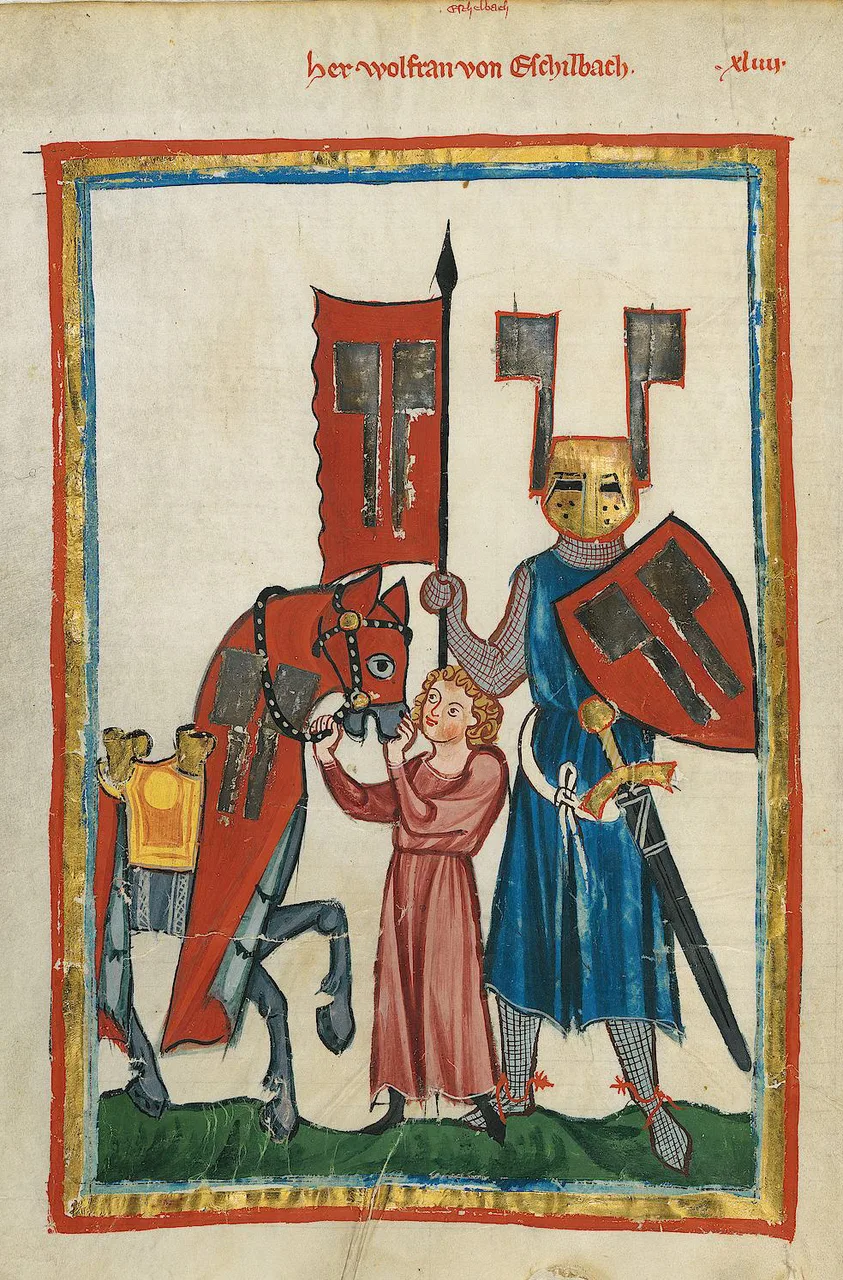
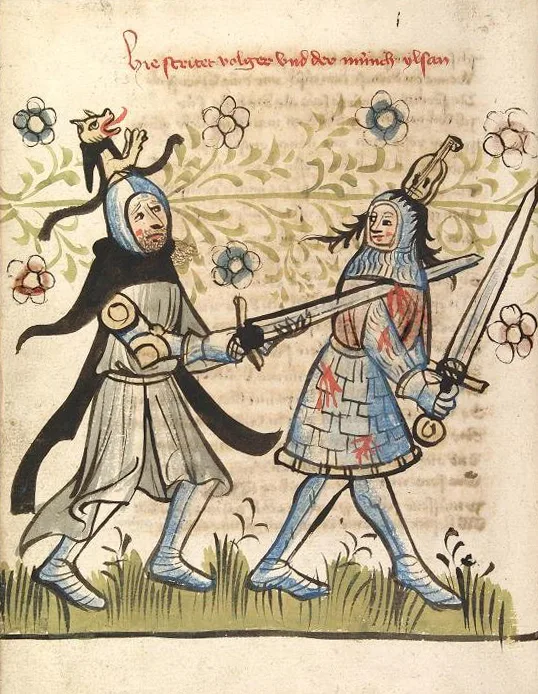
Squires were knights-in-training who did the heavy lifting. They looked after the knight's horse and equipment, helped him into his armor and carried his shield and spare lances. In return, they learned to fight and to behave like a knight.
Photo: Master of the Codex Manesse, Wikimedia Commons, Public domain.
Tap the right answer
The fabric surcoat often showed the knight's coat of arms, so friends could recognize him when his face was hidden by a helmet. It may also have helped against sun and rain, but being recognized in the chaos of battle mattered most.
Photo: Wikimedia Commons, Public domain.
Tap the right answer
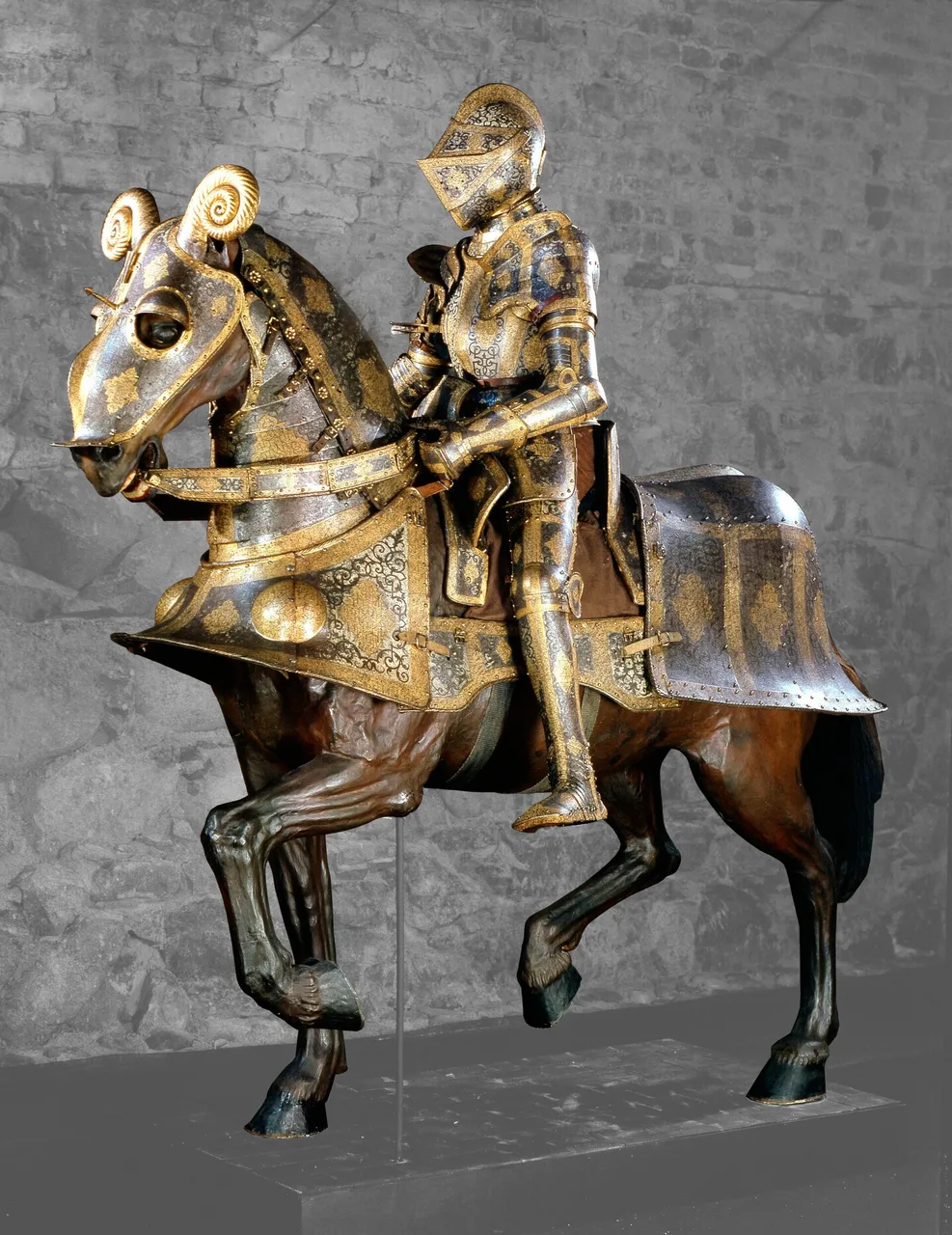
Despite the myth that knights had to be hoisted onto horses with cranes, a full suit of battle armor was surprisingly light, usually weighing between 20 and 25 kilograms. Because the weight was distributed evenly across the entire body, a fit knight could easily run, jump, and even mount his horse without any help.
Photo: Wikimedia Commons, Public domain.
Tap the right answer
Castle floors were often covered with a thick layer of rushes, which were mixed with fragrant herbs like lavender, chamomile, and mint. Walking on them crushed the plants, releasing pleasant scents that helped mask body odors and naturally deterred fleas, lice, and other pests.
Tap the right answer
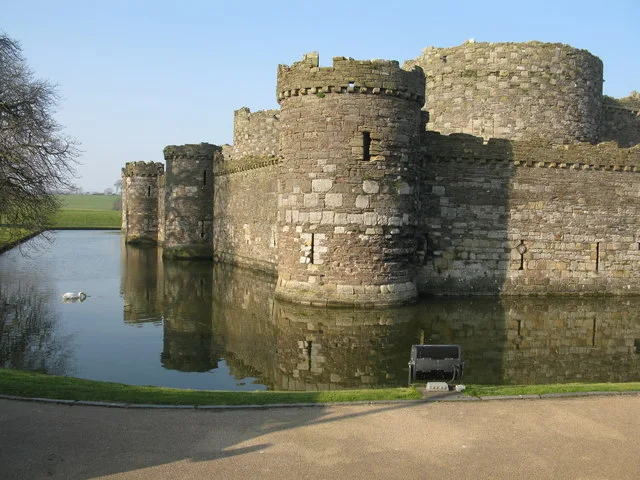
Attackers loved to dig tunnels under castle walls to make them collapse. A water-filled moat made that almost impossible: any tunnel under it would flood. So the moat protected the walls from above and from below.
Photo: G Laird, Wikimedia Commons, CC BY-SA 2.0.
Tap the right answer
The keep was the castle's mightiest tower, with thick walls and often an entrance high above the ground. If the outer walls fell, everyone retreated there. The barbican was a fortified gateway that guarded the entrance.
Tap the right answer
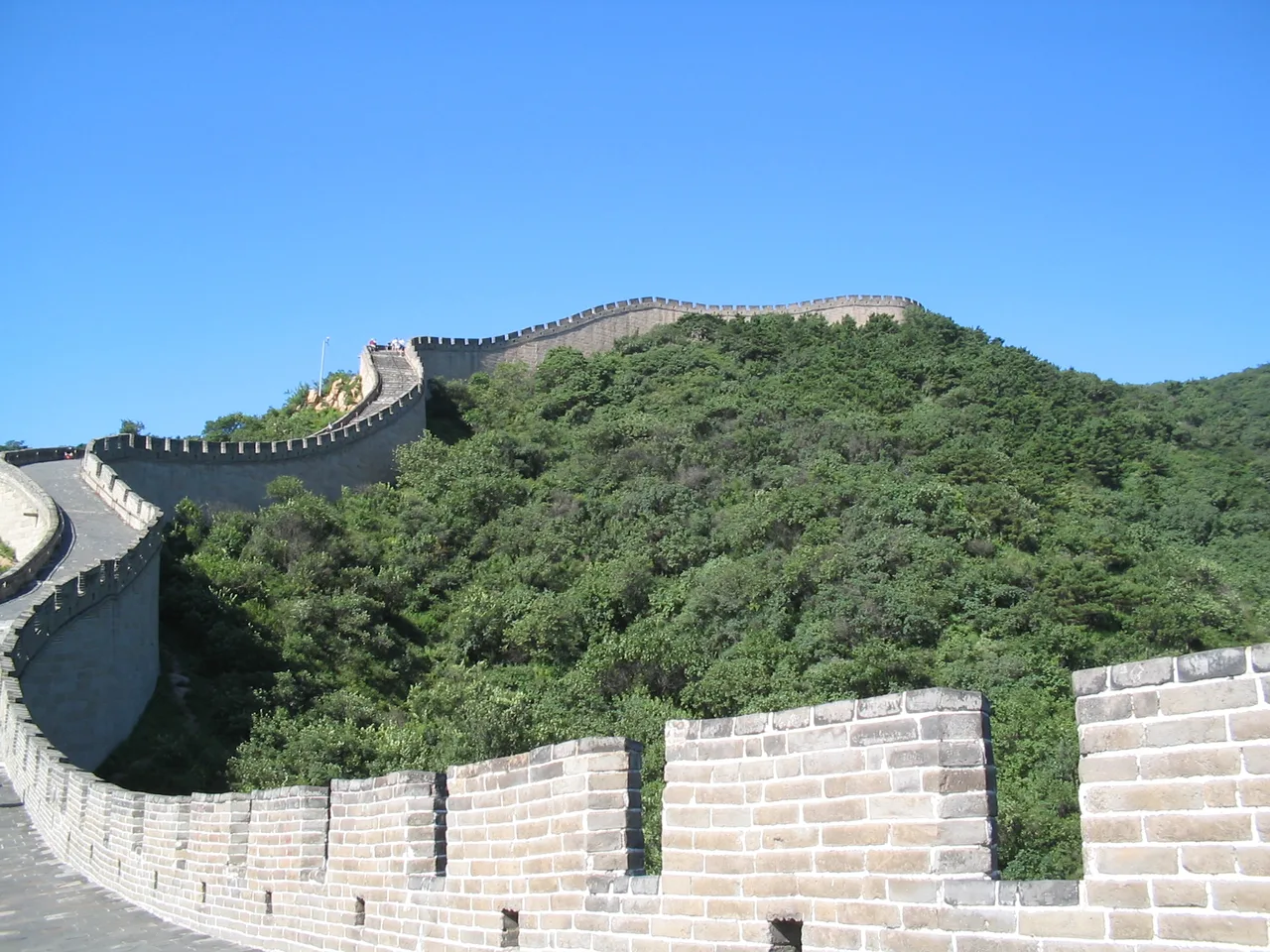
Crenellations are the classic tooth-shaped patterns on top of castle walls. The high stone parts, called merlons, protected defenders from incoming arrows, while the open gaps, called crenels, allowed archers to shoot down at the enemy. In many countries, lords needed special royal permission to build them.
Photo: Tianxiaozhang, Wikimedia Commons, CC BY-SA 3.0.
Tap the right answer
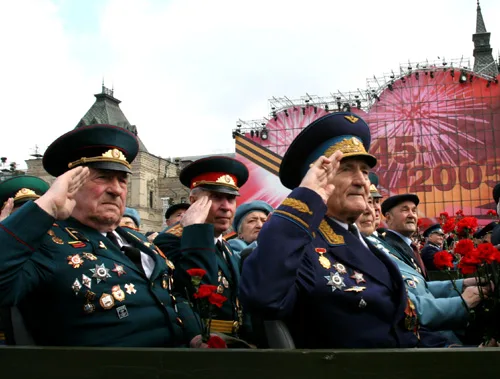
When knights met, raising the visor showed your face and that you meant no harm. A popular story says this gesture later grew into the military salute, though historians aren't sure.
Photo: Presidential Press and Information Office, Wikimedia Commons, CC BY 4.0.
Tap the right answer
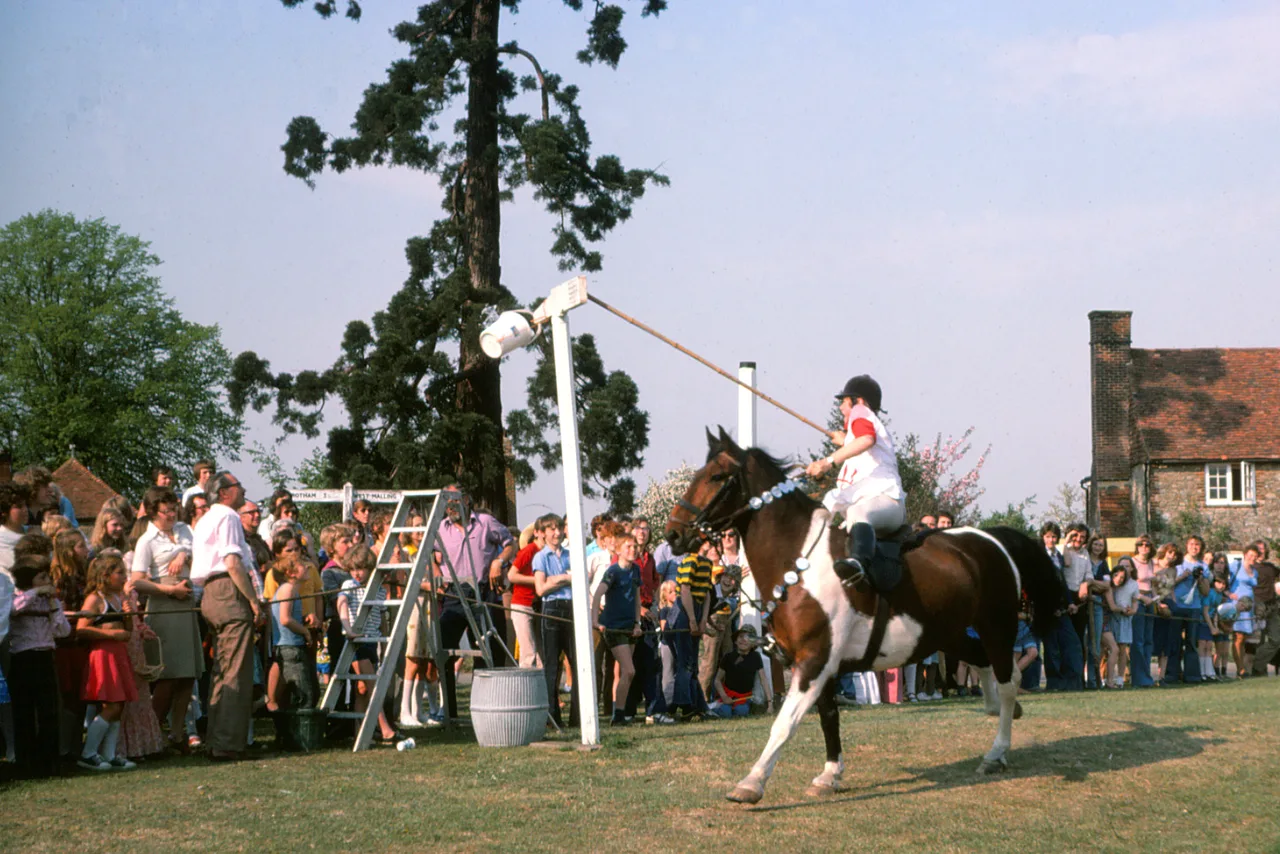
The quintain was a popular training device for young squires and knights. It consisted of a shield mounted on a rotating arm with a heavy weight or sandbag on the other end. The rider had to strike the shield with their lance and ride away quickly before the weighted arm swung around to hit them in the back.
Photo: Coleby, Wikimedia Commons, Public domain.


Want to make a quiz like this yourself? Do it on Votur, it's free.
Paste the code into your page. The player fits itself in, and every vote counts in Votur.
On WordPress, Ghost or Squarespace? Just paste the link of this page into your post.
This is how it looks
Also fun