 Get app
Step into the world of ancient Japan's legendary warriors! Beyond the armor and swords lie surprising truths about their daily lives, weapons, and cultural legacy.
Curious Wanderer 0–4 · Dedicated Student 5–8 · Path of the Master 9–10

Tap the right answer
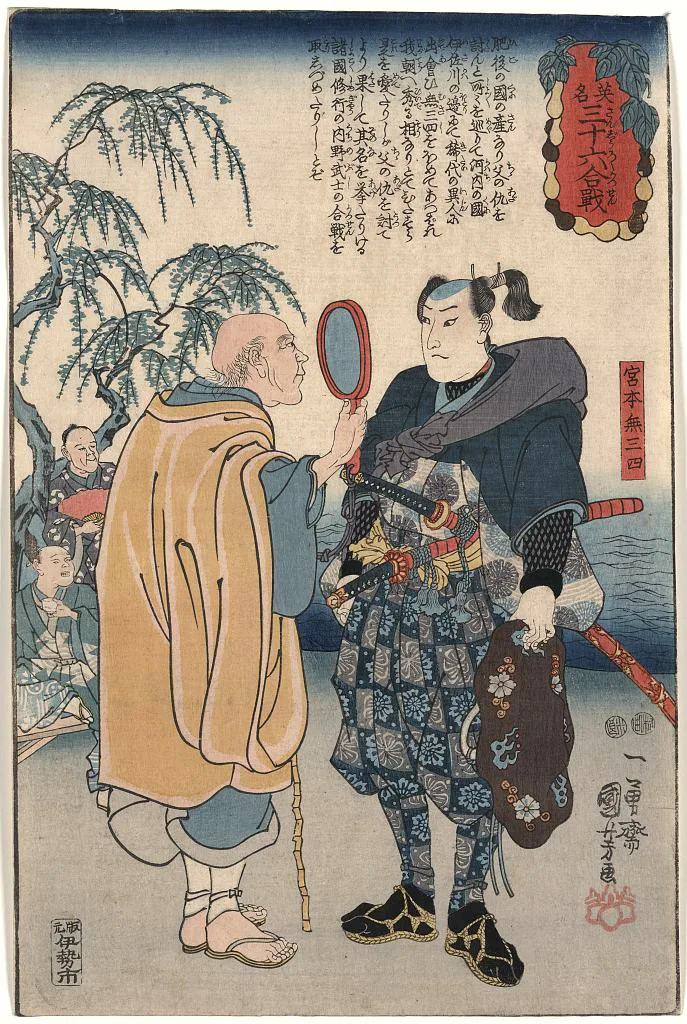
A samurai became a ronin, meaning wave man, when his master died or fell from power. Left without a steady income or social standing, many ronin had to work as bodyguards, turn to banditry, or teach martial arts to survive. The famous story of the Forty-Seven Ronin celebrates their ultimate loyalty to their dead master.
Photo: Wikimedia Commons, Public domain.
Tap the right answer
The word samurai comes from the old verb saburau, which means to wait upon or accompany a noble. Originally, these warriors were elite bodyguards and armed servants before they grew into a dominant ruling class. Surprisingly, they were also expected to be highly literate, practicing poetry and calligraphy alongside swordplay.
Photo: Wikimedia Commons, Public domain.
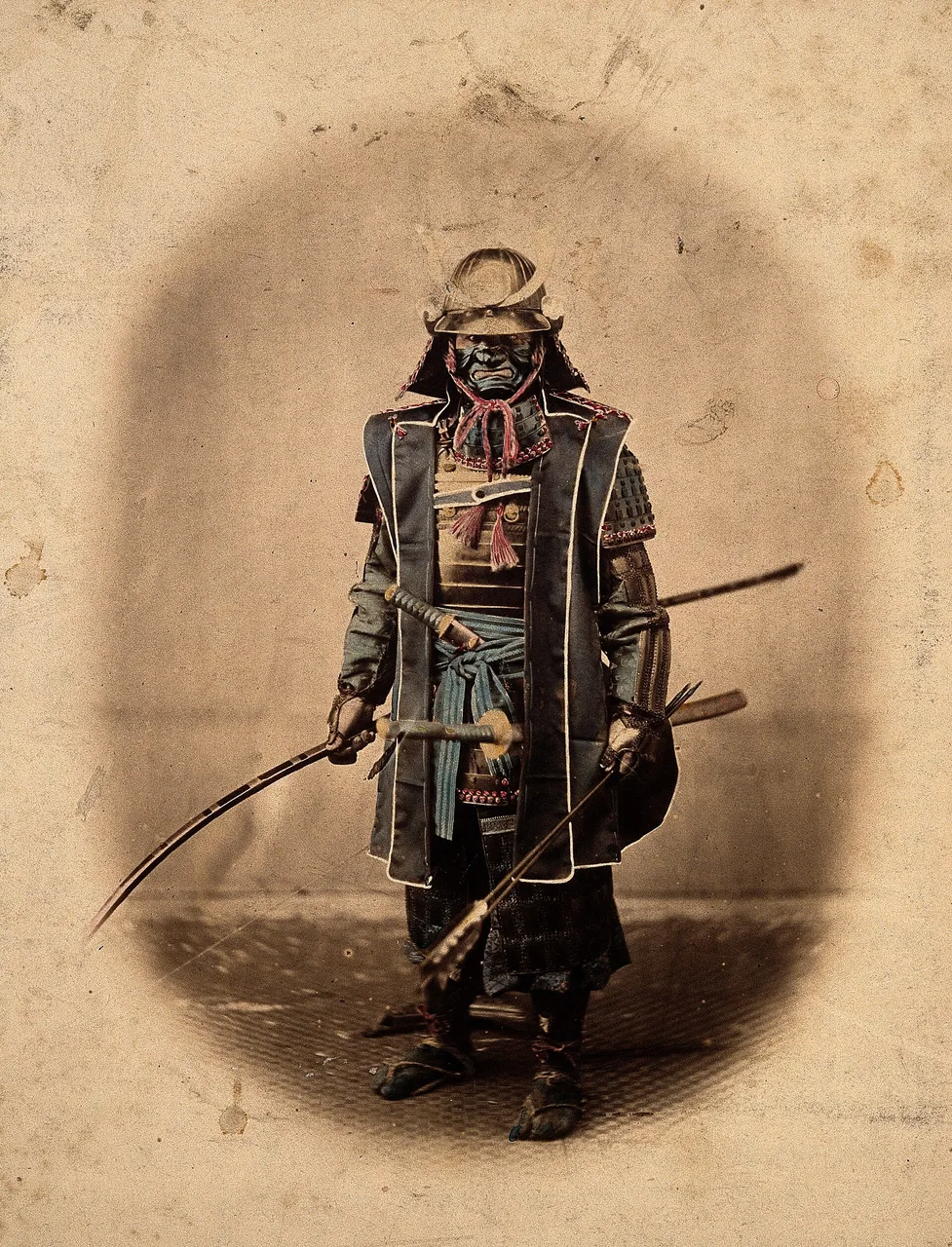
Tap the right answer
Bushido translates to the way of the warrior. This unwritten code emphasized virtues like loyalty, self-discipline, honor, and respect. Interestingly, the formal, written version of Bushido that most people know today was actually popularized during times of peace, long after the era of constant civil war had ended.
Photo: Felice Beato, Wikimedia Commons, CC BY 4.0.
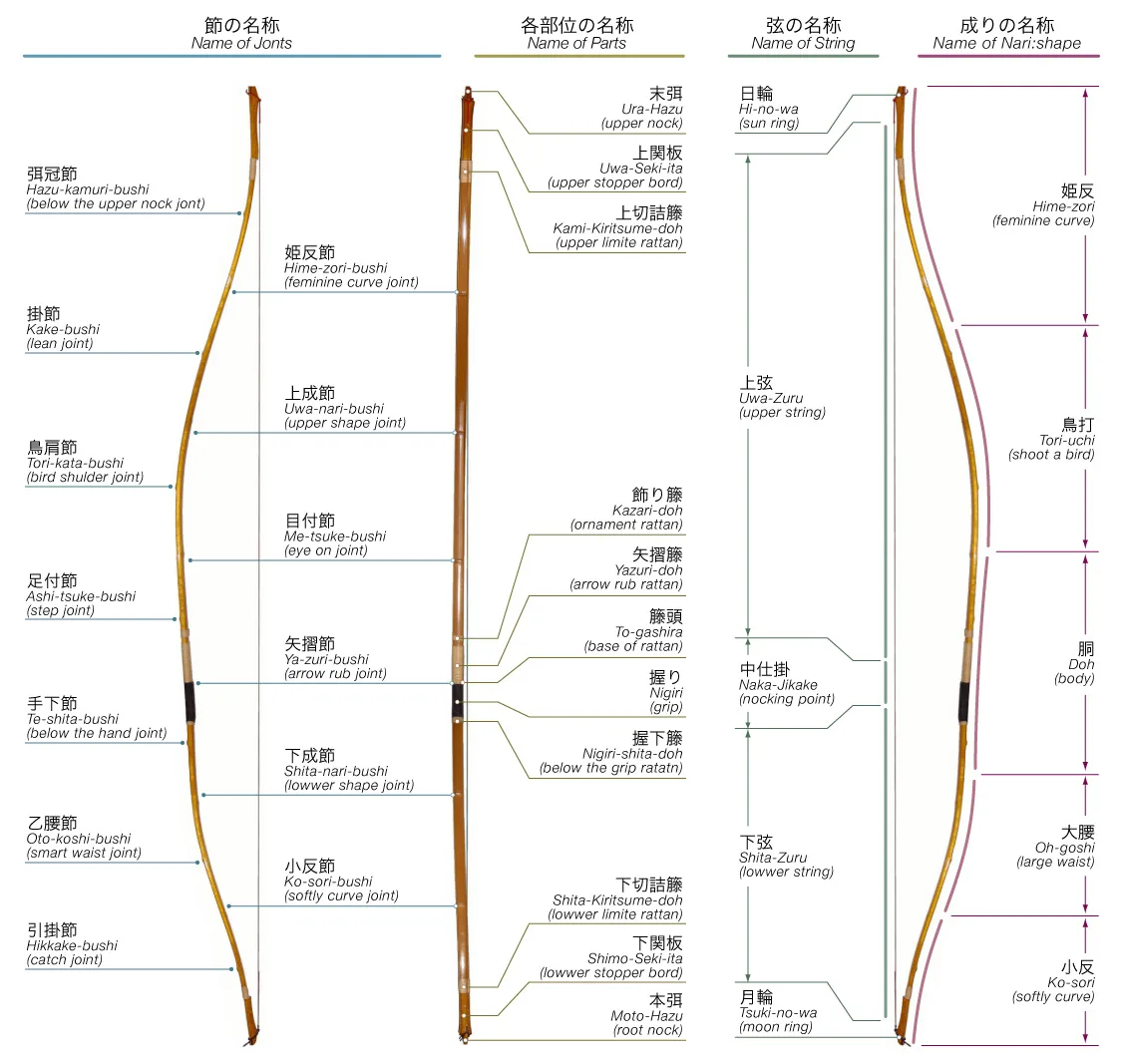
Tap the right answer
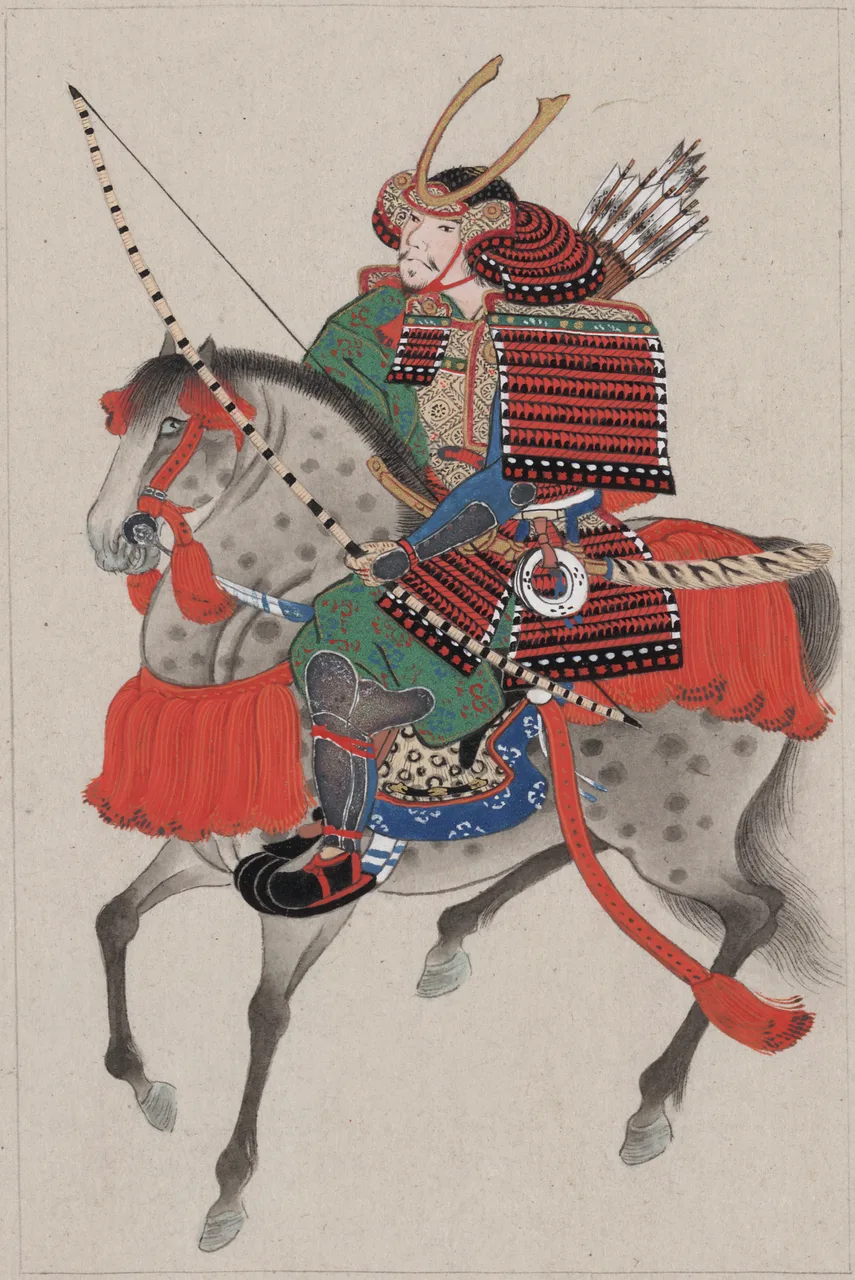
While the katana is famous today as the soul of the samurai, early samurai fought primarily as mounted archers. Mastery of the bow, or yumi, was considered the ultimate warrior skill for centuries. In fact, early military manuals refer to the warrior's path as the way of the bow and horse.
Photo: Fukutaro, Wikimedia Commons, Public domain.
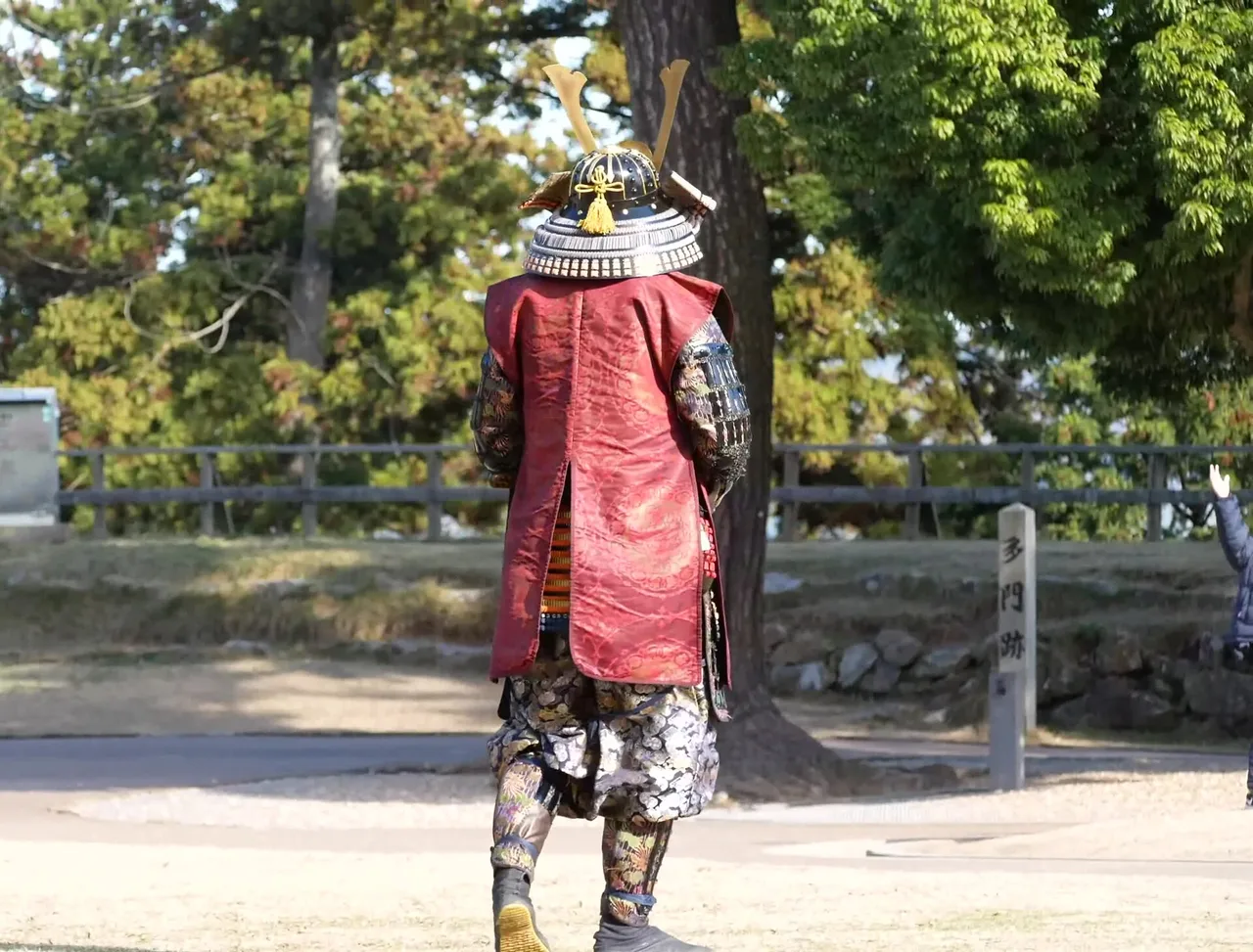
Tap the right answer
Traditional samurai armor, or kozane, was made by tying hundreds of small iron or leather scales together with colorful silk cords, then coating them in waterproof lacquer. This unique design made the armor very flexible, allowing warriors to move quickly and climb easily.
Photo: Nesnad, Wikimedia Commons, CC BY 4.0.
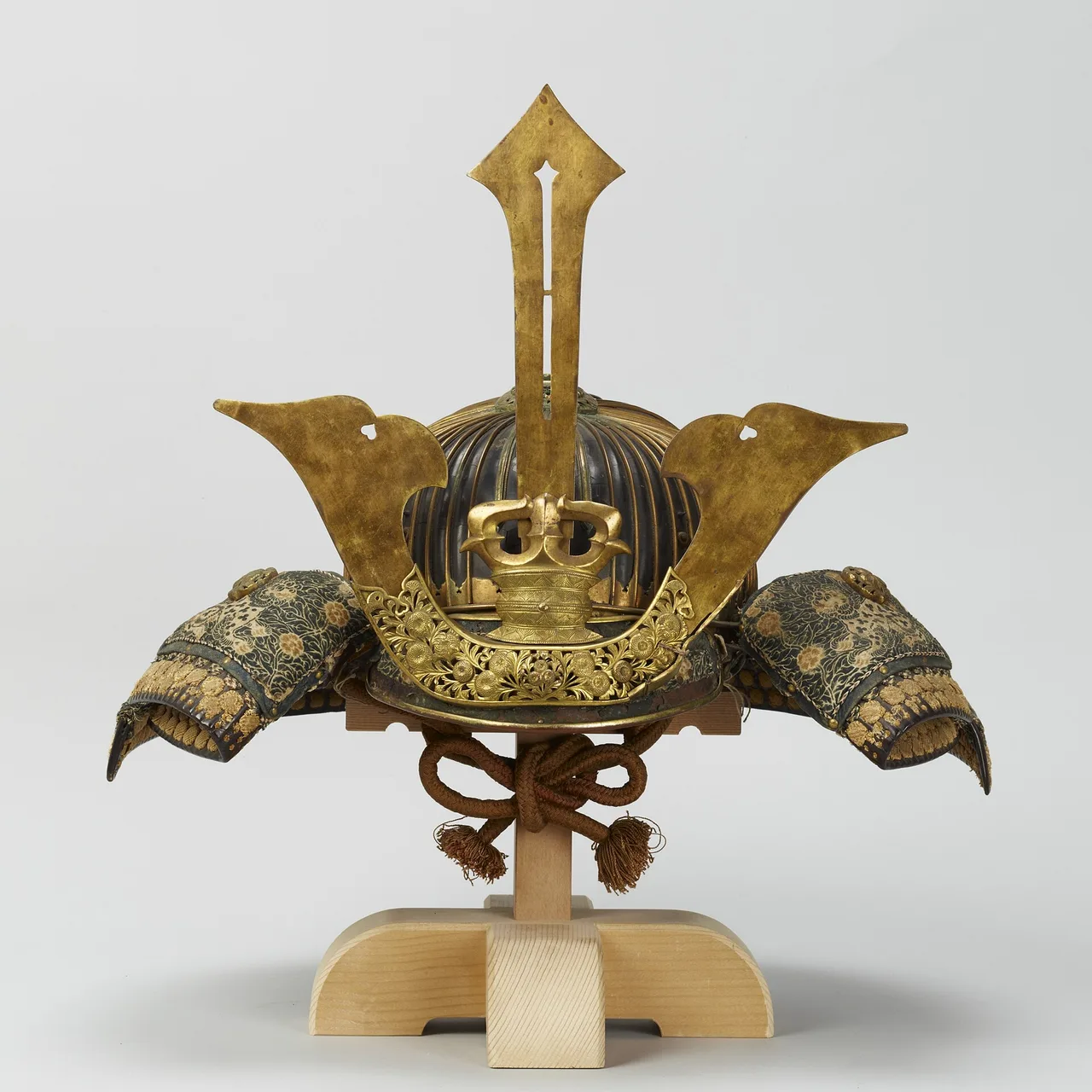
Tap the right answer
These striking helmet crests, called maedate, helped commanders identify individual warriors on chaotic battlefields covered in smoke. They often featured family emblems, fearsome monsters, or even lucky symbols like dragonflies, which can only fly forward and never retreat.
Photo: Tokyo National Museum, Wikimedia Commons, CC BY 4.0.
Tap the right answer
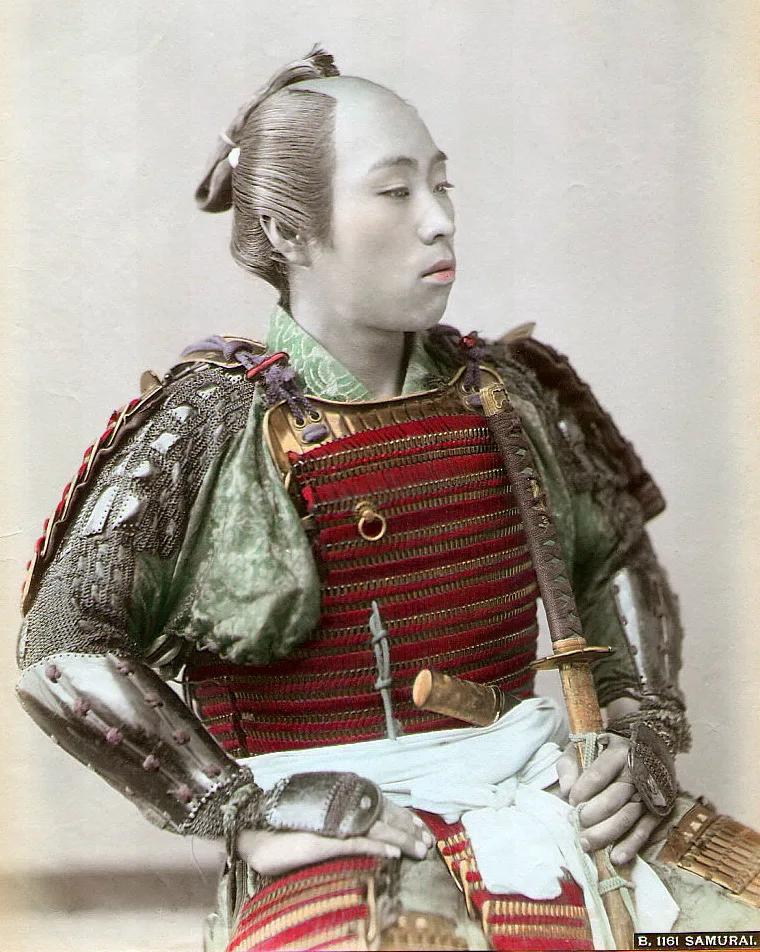
The classic chonmage hairstyle involved shaving the top of the head to keep it cool under a heavy helmet, while the remaining hair was oiled and folded forward. This practical military haircut eventually became a status symbol for all samurai. Today, you can still see sumo wrestlers sporting a variation of this traditional topknot.
Photo: Wikimedia Commons, Public domain.
Tap the right answer
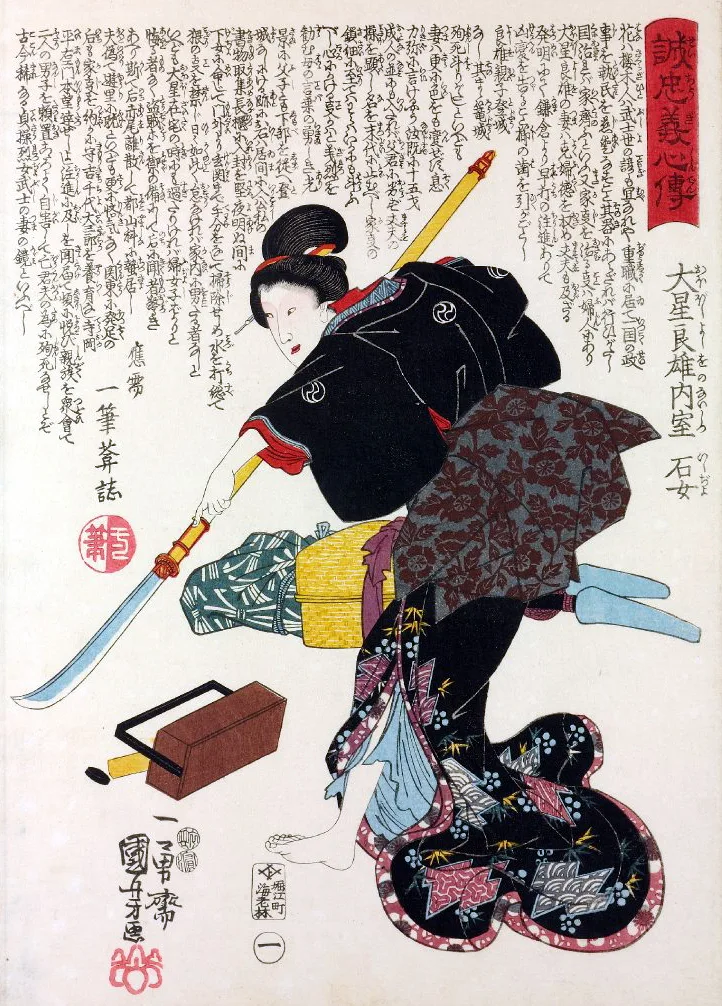
Women of the samurai class, known as Onna-musha, were trained in martial arts to protect their homes and families while the men were away at war. They often favored the naginata, a long polearm with a curved blade that helped offset differences in physical reach and strength. Remains found at one 16th-century battle site suggest women fought there too.
Photo: Utagawa Kuniyoshi, Wikimedia Commons, Public domain.
Tap the right answer
The tea ceremony, or chado, was highly valued by samurai as a way to find peace, focus the mind, and practice mindfulness before or after battles. Great warlords would reward their best warriors with rare, precious tea bowls instead of land or gold, treating these ceramic vessels as ultimate status symbols.
Tap the right answer
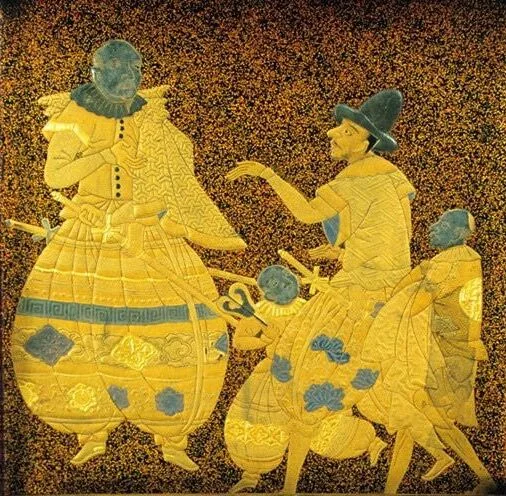
Yasuke came to Japan in 1579 with Jesuit missionaries and impressed the warlord Oda Nobunaga with his strength. Nobunaga made him a retainer with his own residence and sword, and many historians see him as the first foreign-born samurai.
Photo: Wikimedia Commons, Public domain.


Want to make a quiz like this yourself? Do it on Votur, it's free.
Paste the code into your page. The player fits itself in, and every vote counts in Votur.
On WordPress, Ghost or Squarespace? Just paste the link of this page into your post.
This is how it looks
Also fun