 Get app
Test your knowledge of the medieval military campaigns that reshaped Europe and the Middle East. Explore the key figures, dramatic battles, and surprising myths of the Crusades.
Wandering Pilgrim 0–4 · Chronicler of the Realm 5–8 · Keeper of the Holy Land 9–10

Tap the right answer
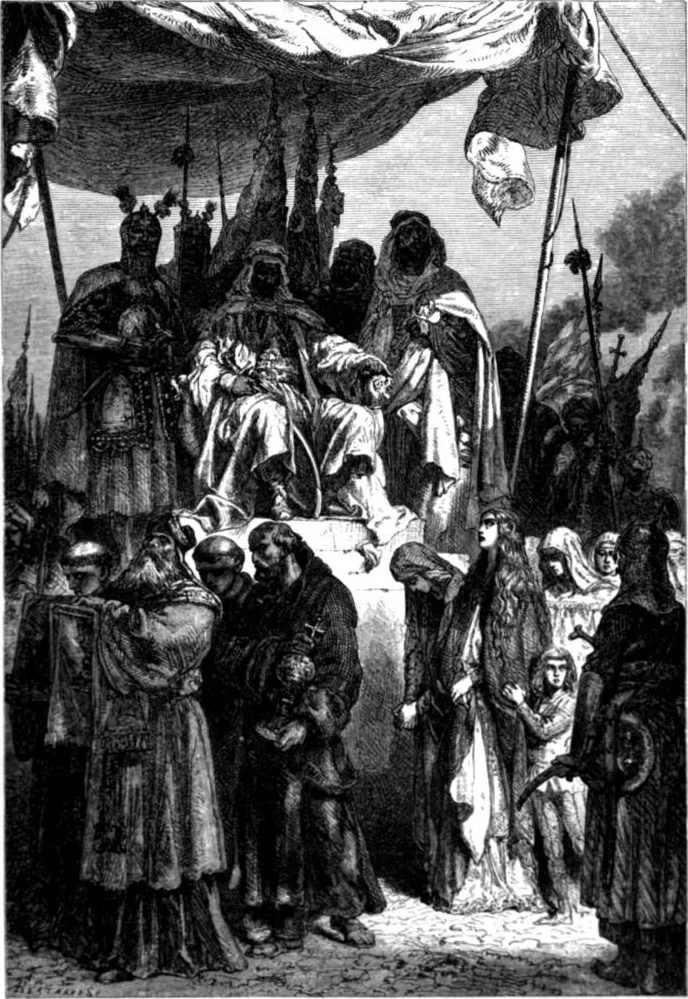
Saladin, the founder of the Ayyubid dynasty, successfully retook Jerusalem after his decisive victory at the Battle of Hattin. Unlike the First Crusaders, Saladin allowed the Christian inhabitants to buy their freedom and avoided a general massacre.
Photo: Alphonse de Neuville, Wikimedia Commons, Public domain.
Tap the right answer
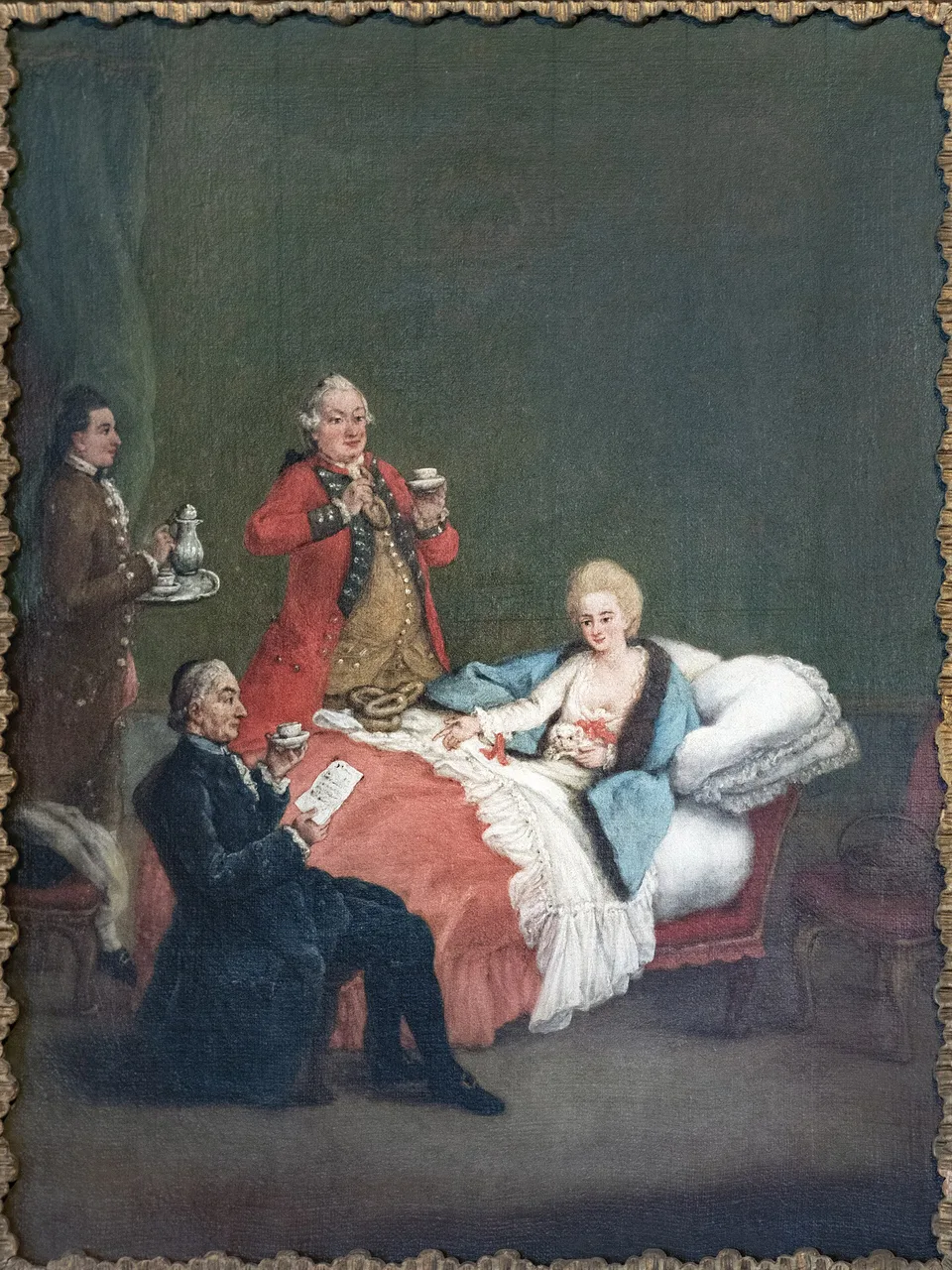
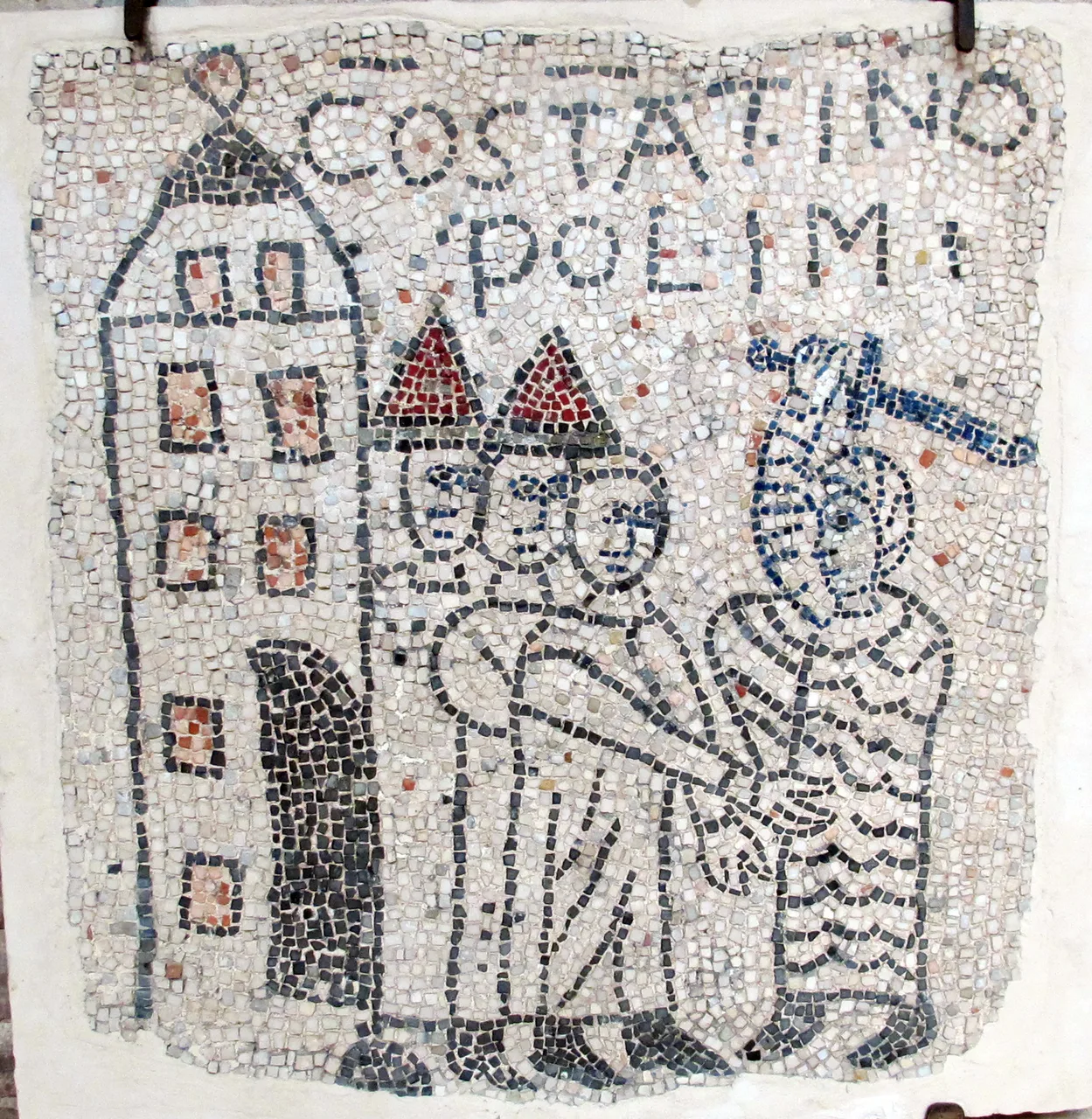
The Fourth Crusade was hijacked by Venetian financial interests and Byzantine political intrigue, leading to the devastating sack of Constantinople in 1204. This event deeply fractured the relationship between the Eastern Orthodox and Roman Catholic churches for centuries.
Photo: sailko, Wikimedia Commons, CC BY-SA 3.0.
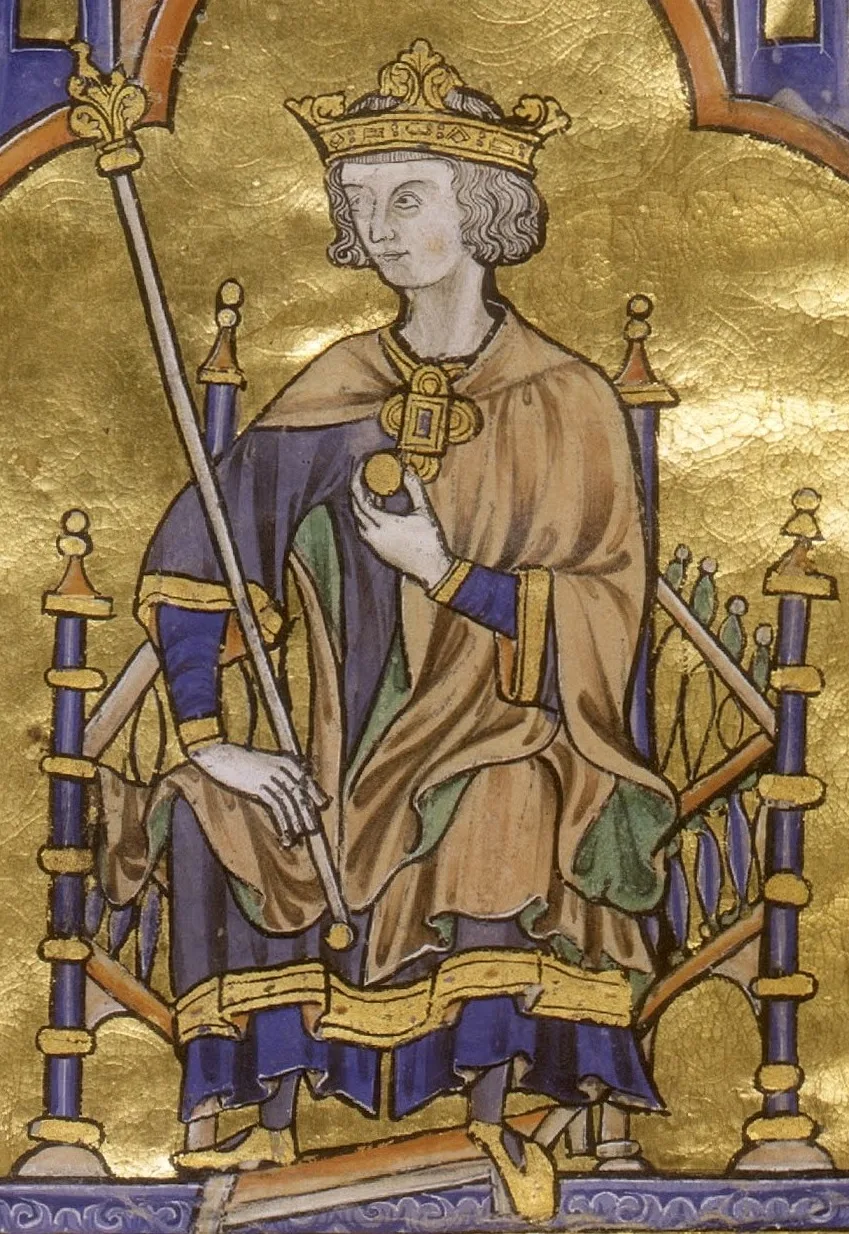
Tap the right answer
King Louis IX of France was deeply devout and spent vast sums of money on his crusading campaigns, both of which ultimately failed. He died of dysentery during his second campaign in Tunis and remains the only French monarch canonized as a saint.
Photo: AnonymousUnknown author, Wikimedia Commons, Public domain.
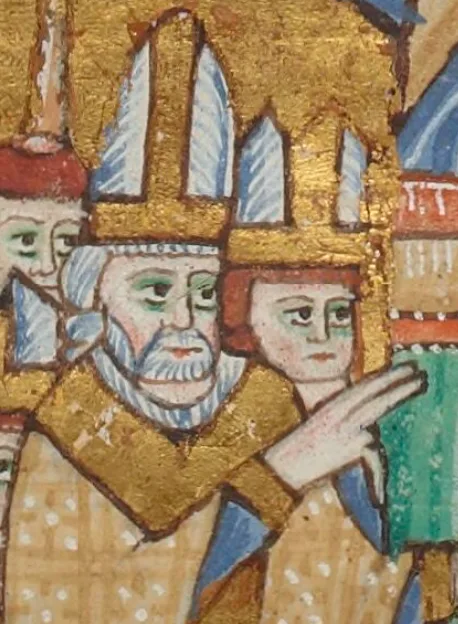
Tap the right answer
Pope Urban II called for the First Crusade in 1095, promising spiritual rewards to those who went to reclaim Jerusalem. Interestingly, his famous speech wasn't recorded word-for-word at the time, leaving historians with five different versions written years later.
Photo: Unknown authorUnknown author, Wikimedia Commons, Public domain.
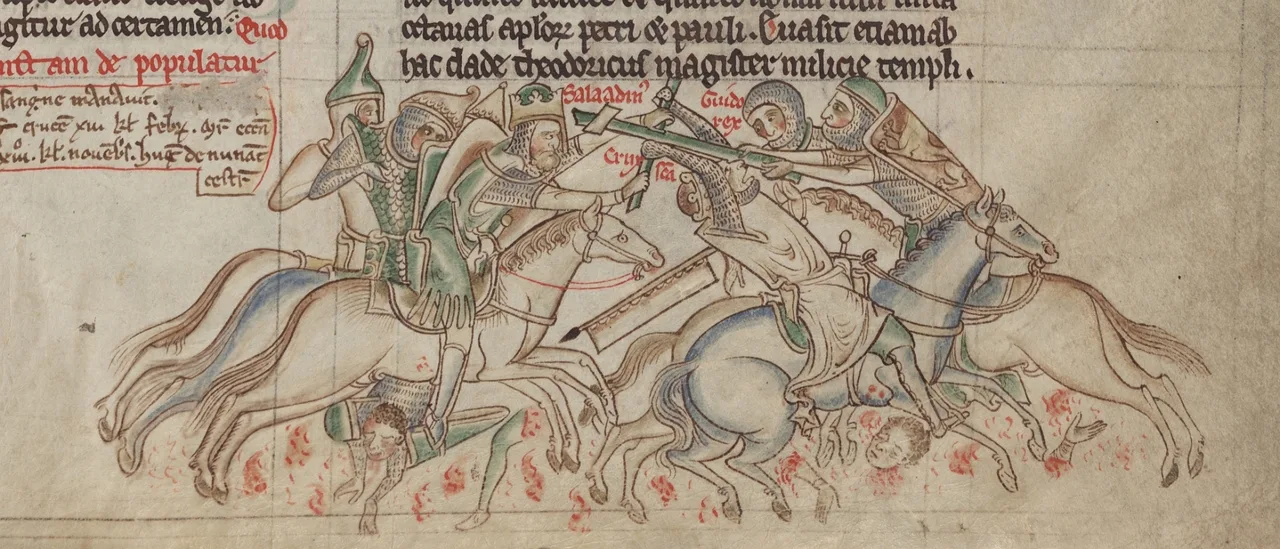
Tap the right answer
The Battle of Hattin was a catastrophic defeat for the Kingdom of Jerusalem, where the Crusader army was trapped without water and annihilated. This defeat left Jerusalem virtually undefended, allowing Saladin to capture the holy city just a few months later.
Photo: Matthew Paris, Wikimedia Commons, Public domain.
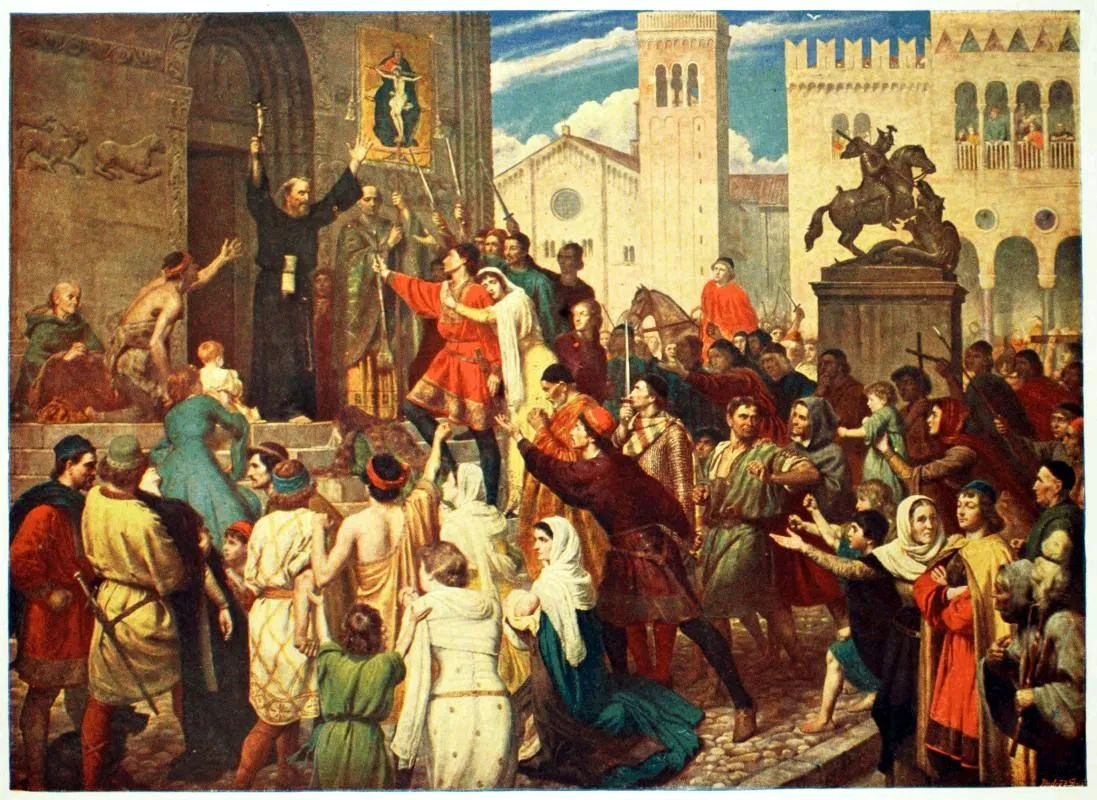
Tap the right answer
Peter the Hermit managed to gather a massive, untrained army of peasants and low-ranking knights for the People's Crusade. Unfortunately, this premature expedition was almost entirely wiped out by the Seljuk Turks before the official Crusader armies even arrived.
Photo: AnonymousUnknown author, Wikimedia Commons, Public domain.
Tap the right answer
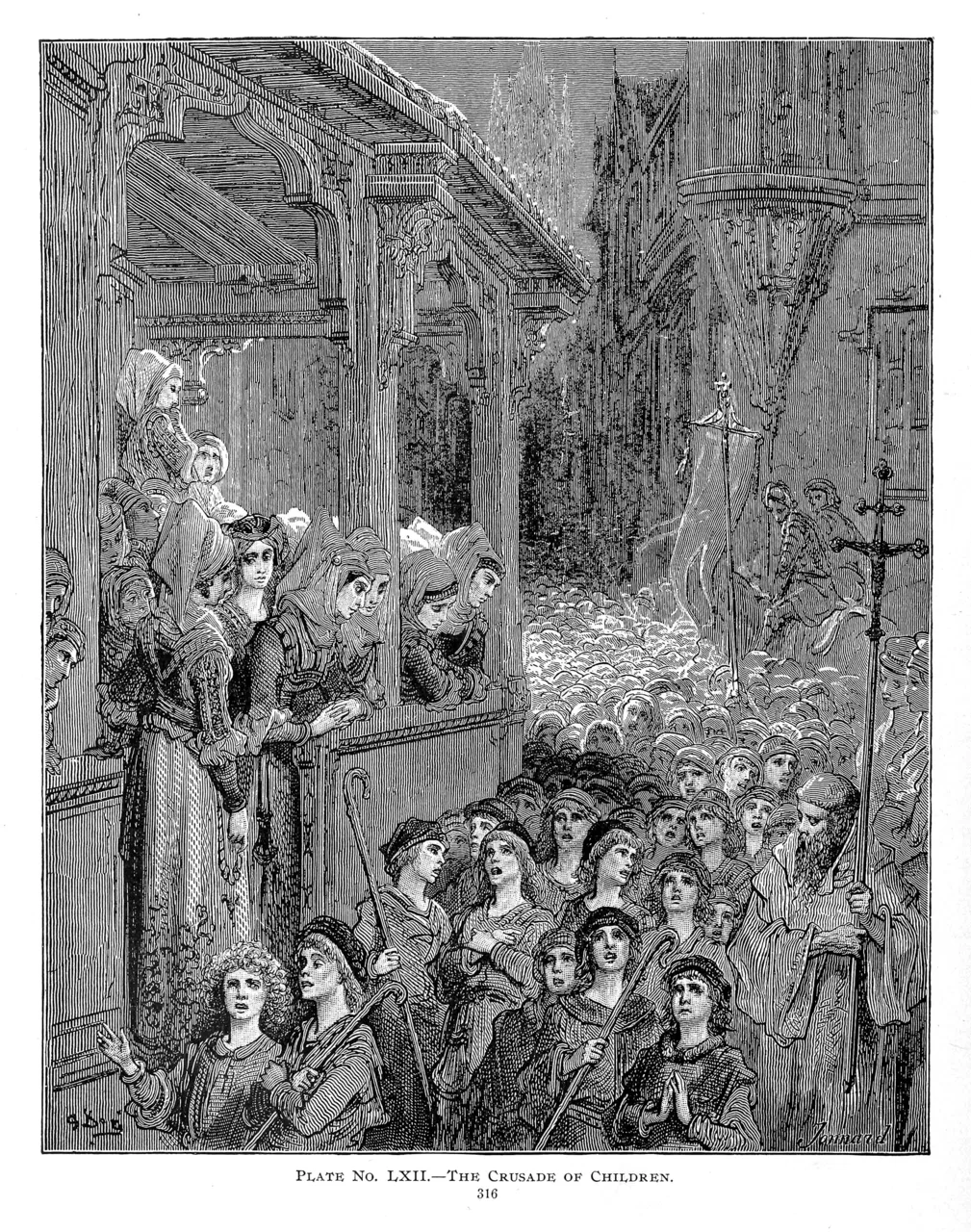
The Children's Crusade of 1212 was a popular movement led by young visionaries who believed the Mediterranean Sea would part for them. Most participants never reached the Holy Land; many died of hunger, while others were sold into slavery by deceitful merchants.
Photo: Gustave Doré, Wikimedia Commons, Public domain.
Tap the right answer
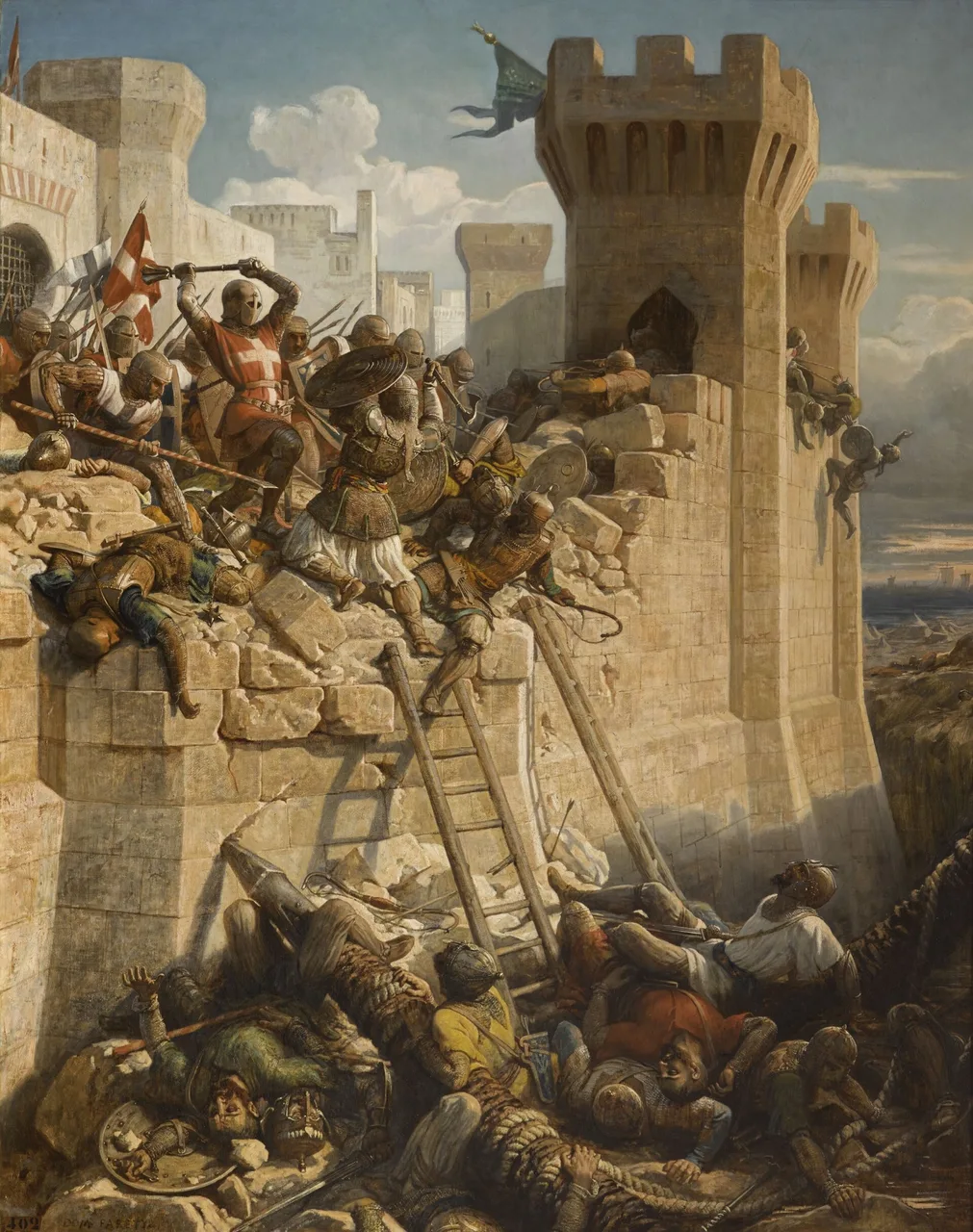
The siege and fall of Acre in 1291 to the Mamluk Sultanate effectively ended the Crusader presence in the Holy Land. After this defeat, the remaining Christian strongholds along the coast were quickly abandoned or destroyed.
Photo: Louis-Dominique Papety, Wikimedia Commons, Public domain.
Tap the right answer
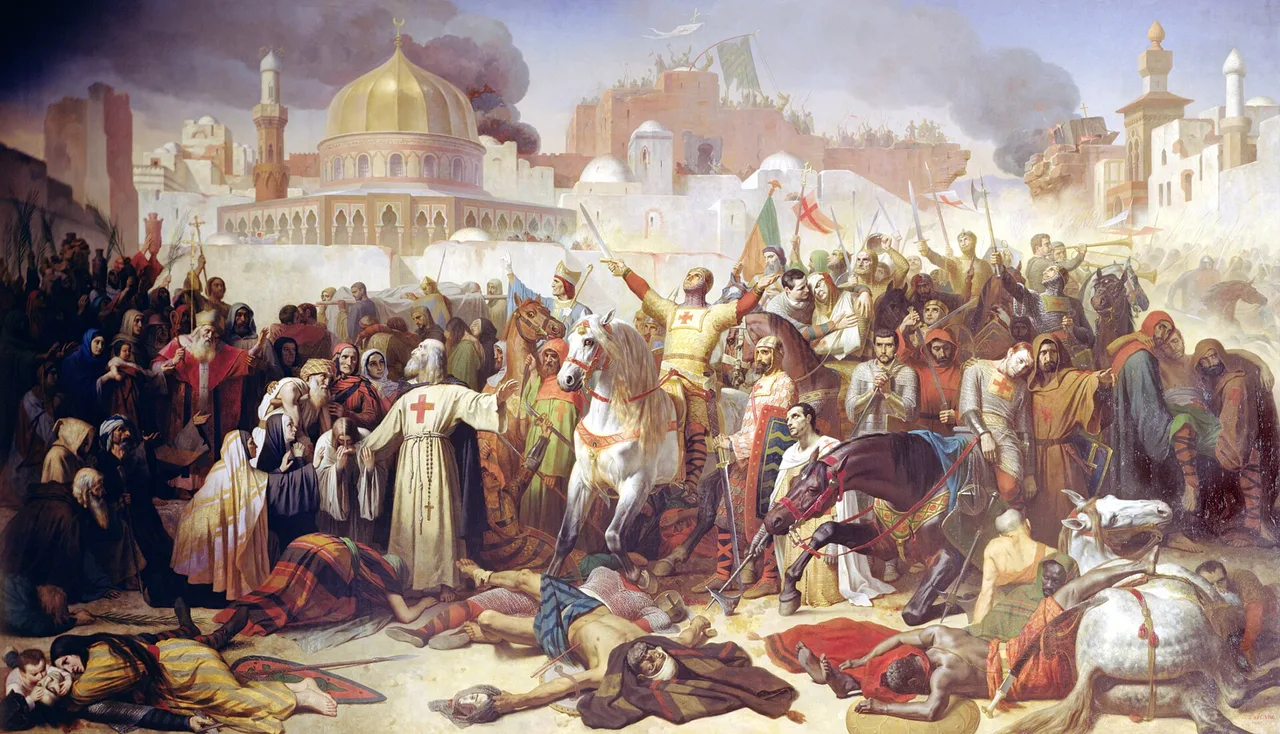
Although the Crusaders fought Seljuk Turks throughout Anatolia and Syria, Jerusalem itself had been recaptured by the Egypt-based Fatimid Caliphate in 1098. The Fatimids tried to negotiate a peace deal, but the Crusaders refused and initiated a bloody siege.
Photo: Émile Signol, Wikimedia Commons, Public domain.
Tap the right answer
While the Templars and Hospitallers focused mainly on the Levant, the Teutonic Knights established their own monastic state in Prussia and the Baltic. Their Northern Crusades dramatically reshaped the political and religious map of Northeastern Europe.


Want to make a quiz like this yourself? Do it on Votur, it's free.
Paste the code into your page. The player fits itself in, and every vote counts in Votur.
On WordPress, Ghost or Squarespace? Just paste the link of this page into your post.
This is how it looks
Also fun